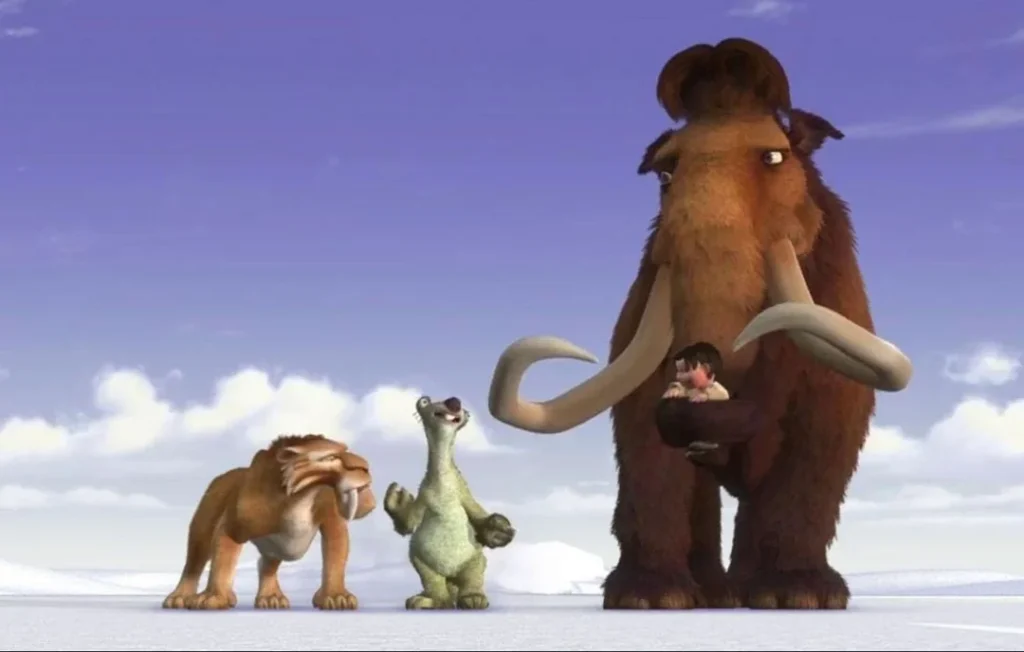
When “Ice Age” slid into cinemas back in 2002, nobody really expected a prehistoric sloth, a grumpy mammoth, and a saber-toothed tiger to become one of the most beloved animated gangs on the planet. Yet the film smashed expectations, built a massive franchise, and still gets rewatched on streaming platforms today. There was something quietly explosive about this oddball movie that made kids quote lines for years and adults genuinely enjoy watching along.
It was not just about cute animals and slapstick snow gags. “Ice Age” hit a sweet spot where timing, tone, technology, and emotional storytelling all lined up almost perfectly. It arrived when audiences were ready for something different from the usual fairy-tale formula, and it gave them a road-trip comedy with surprising heart and surprisingly sharp humor. So what exactly made it such a super hit, and why does it still feel oddly timeless in 2026?
A Perfectly Timed Arrival In The Early CGI Boom
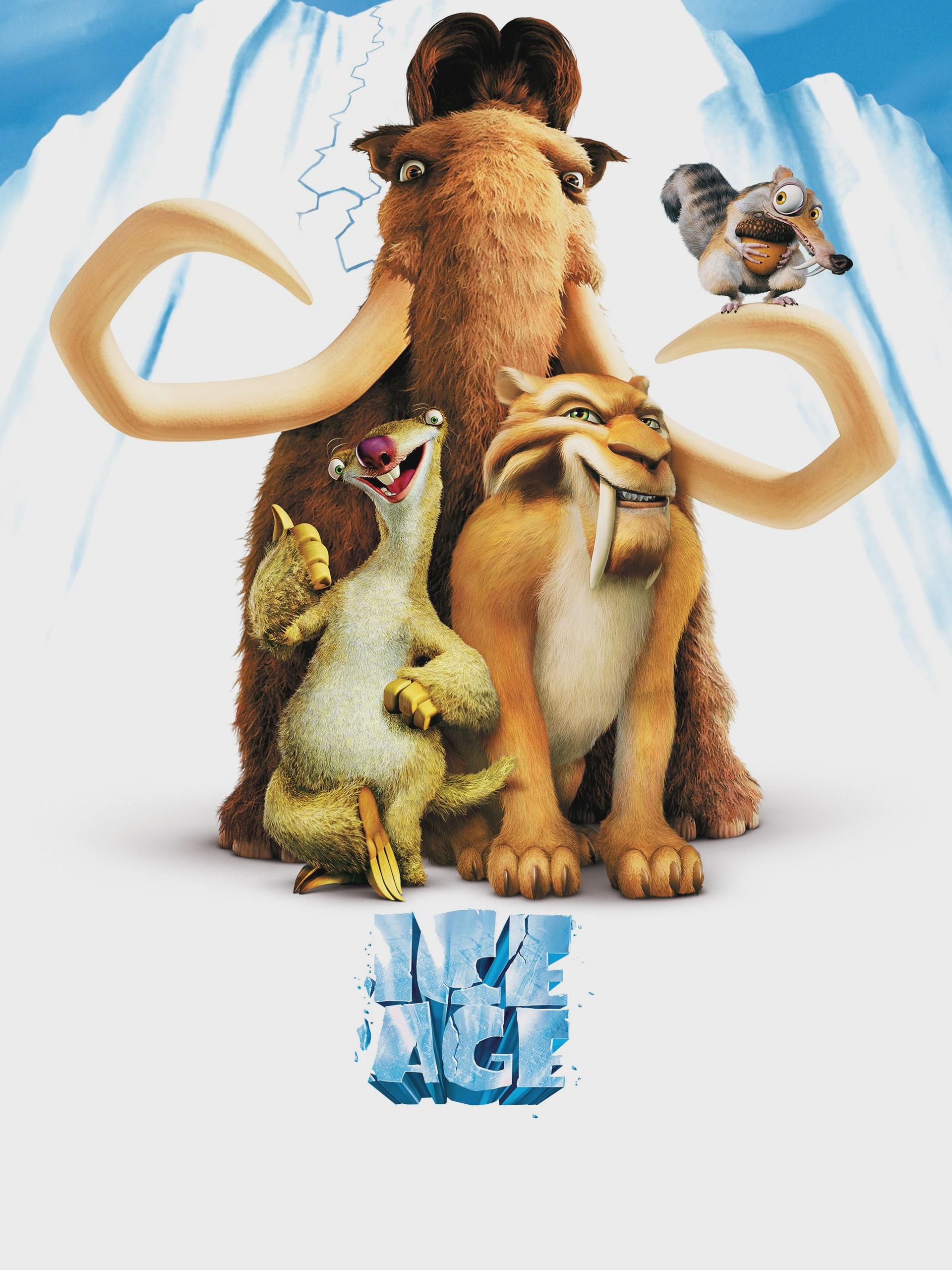
At the start of the 2000s, computer animation was still relatively new territory for most audiences. Toy-shaped heroes and bugs had already shown that CGI could carry full-length films, but there was still plenty of curiosity about what new worlds could be built with this technology. “Ice Age” stepped into that gap with an entirely different visual palette: icy landscapes, giant glaciers, and chilly blue-white environments that looked fresh compared to the brighter, toy-filled or fantasy-heavy settings of earlier hits.
This sense of novelty mattered more than people sometimes admit. Families were excited to see what these new digital worlds could look like, and a prehistoric ice age setting gave animators the chance to play with scale, light, and texture in an eye-catching way. The frozen cliffs, snowstorms, and migrating herds created a sense of spectacle that looked great on a big cinema screen, especially at a time when such visuals still felt like a glimpse into the future of filmmaking. The movie arrived at just the right technological moment: new enough to feel innovative, but familiar enough that audiences trusted the format.
Lovable Misfit Characters With Real Emotional Arcs
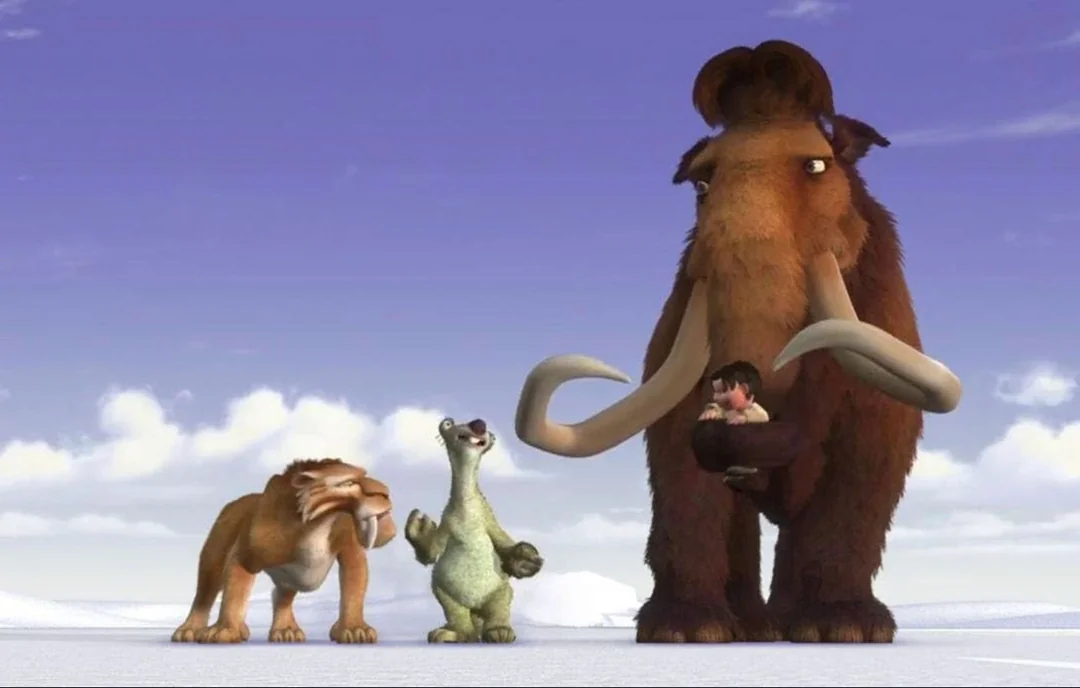
If you strip away the snow, “Ice Age” is basically a story about three broken, mismatched adults who accidentally become a family. That is a surprisingly mature emotional core for a film marketed primarily to children. Manny carries grief and loneliness, Diego wrestles with loyalty and betrayal, and Sid is the outcast who just wants to belong to someone, anyone. Their road trip is funny on the surface, but underneath it is a slow, believable shift from forced companionship to genuine care.
That emotional arc is what keeps the film watchable long after the jokes have become familiar. Kids might initially fall in love with Sid’s silliness or Scrat’s chaotic acorn obsession, but as they grow up, the deeper themes start to land: loss, found family, forgiveness, and choosing to change. Adults watching for the first time can recognize these struggles immediately, which helps the film play on two levels at once. This combination of misfit humor and honest emotional development made the characters feel like real personalities instead of just mascots.
Comedy That Works For Both Kids And Adults

One of the biggest reasons “Ice Age” became a super hit is that it is genuinely funny for different age groups in different ways. Children get slapstick, goofy voices, and simple running gags; adults get deadpan sarcasm, subtle side comments, and situational humor about responsibility and growing up. The film never leans too heavily on pop-culture references that would age badly, which helps it stay surprisingly watchable decades later.
There is also a smart rhythm to the comedy. High-energy gags like Sid’s antics or Scrat’s disasters are balanced with dry, almost throwaway lines that older viewers catch and appreciate. It feels closer to a road-trip buddy comedy than a typical “kids’ movie.” That balance is not an accident: studios had started realizing by the early 2000s that parents were driving ticket sales and needed to be entertained as much as their kids. “Ice Age” leaned into that idea and produced humor that respected the intelligence of the audience instead of talking down to them.
Scrat: The Accidental Icon Who Sold The Movie
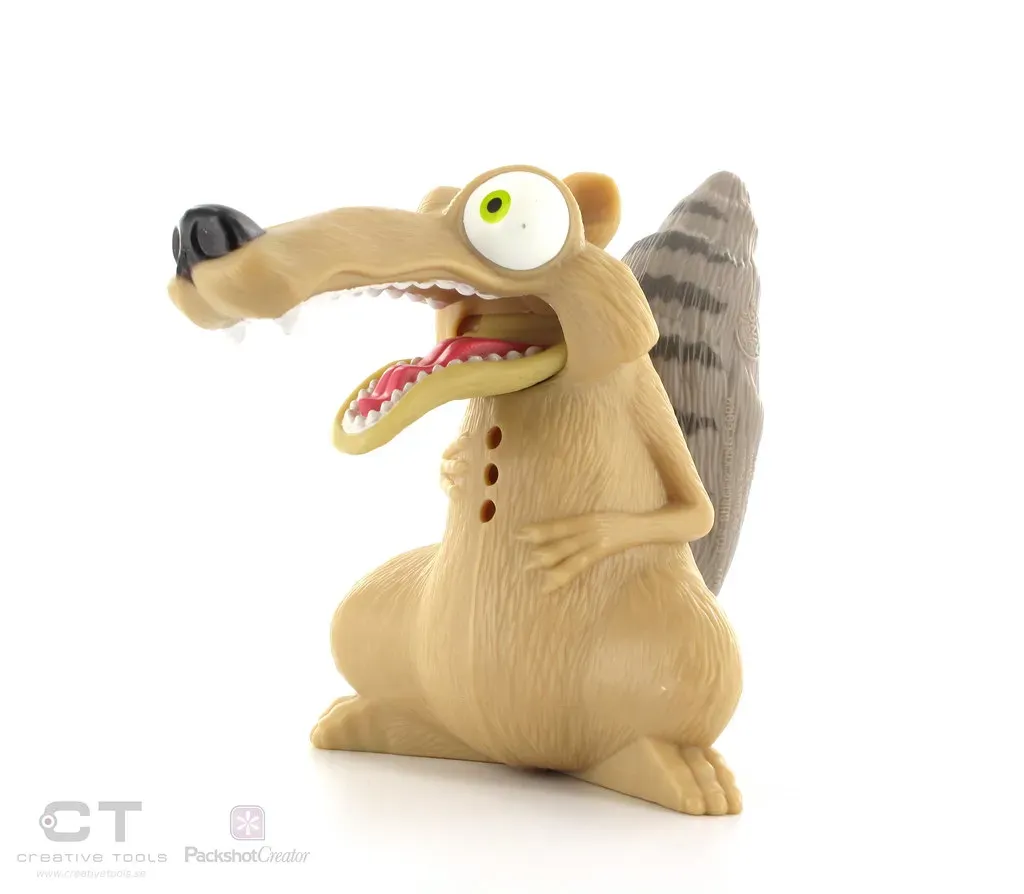
You cannot really talk about why “Ice Age” exploded without talking about Scrat, the neurotic saber-toothed squirrel forever chasing his acorn. In many ways, Scrat functioned like living, animated marketing. His sequences were almost silent, instantly understandable in any language, and short enough to be used in trailers, TV spots, and promotional clips. You did not need to know the plot or the characters’ names to laugh at this frantic little creature constantly triggering avalanches or global-scale disasters.
From a design and storytelling perspective, Scrat was pure visual comedy refined to its basics. He was like a modern, digital version of old-school cartoon chaos: all physical humor, no dialogue needed. That meant viewers around the world, regardless of age or culture, could connect with him immediately. Many people honestly walked into the theater mainly because those Scrat moments in the trailers made them laugh. Once inside, they discovered the deeper story with Manny, Sid, and Diego – but Scrat was the hook, the mascot, and the instantly recognizable face of the franchise.
A Simple, Universal Story Wrapped In A Big Adventure
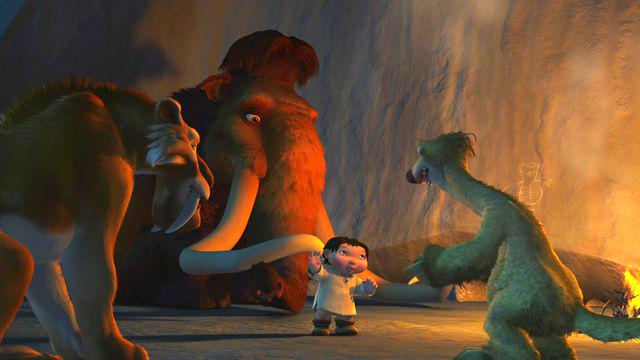
Underneath the prehistoric setting and animal cast, “Ice Age” tells a very human story: strangers reluctantly coming together to protect a vulnerable child and, in the process, healing their own wounds. That premise is incredibly straightforward, but that is exactly why it works so well. You do not need to understand complex world-building or dense lore; within a few minutes, you know exactly what is at stake and what these characters are trying to do.
This simplicity allowed the film to travel extremely well across countries and cultures. The core themes – parenthood, friendship, sacrifice, redemption – are understood everywhere. The idea of found family in particular hits home for a lot of people, whether they grew up in blended households, far from their relatives, or just cobbled together a support network of friends. A clear emotional through-line meant that even very young viewers could follow the story, while older viewers could read more into the characters’ choices and backstories.
Memorable Voice Performances And Distinct Personalities
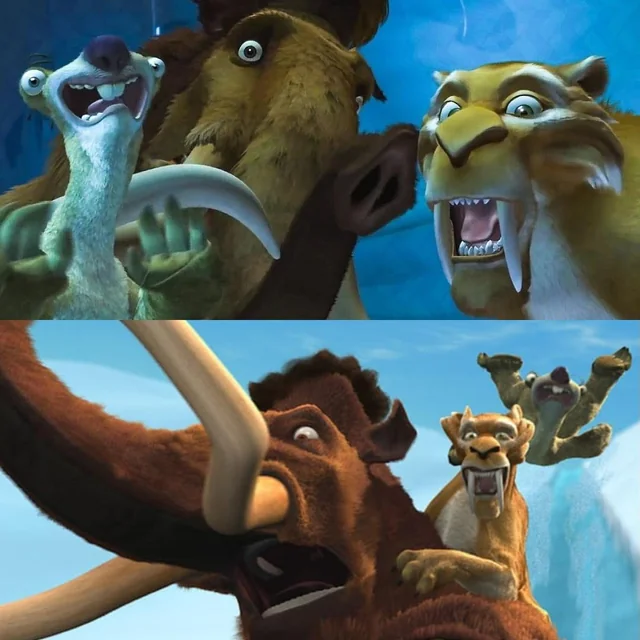
Even without direct quotes, it is clear that the voice performances in “Ice Age” did a lot of heavy lifting. The actors did not just read lines; they built distinct rhythms, attitudes, and quirks that made each character instantly identifiable. Manny’s weary, grounded delivery, Sid’s rambling and high-energy speech patterns, and Diego’s cool restraint all played off each other in a way that felt like real, messy chemistry rather than polished, interchangeable dialogue.
This mattered because animated animals can easily blur together if their personalities are not sharply defined. In “Ice Age,” you can almost hear the characters in your head just from looking at a still image of them. That kind of mental imprint is marketing gold. It also helps jokes land more effectively: you start to anticipate how each character will react in any situation, which builds a sense of familiarity and comfort that keeps audiences coming back. The film did not rely solely on visual gags; it used voice and character dynamics to create a layered, recognizable comedic ensemble.
Franchise Potential And The Power Of Rewatchability
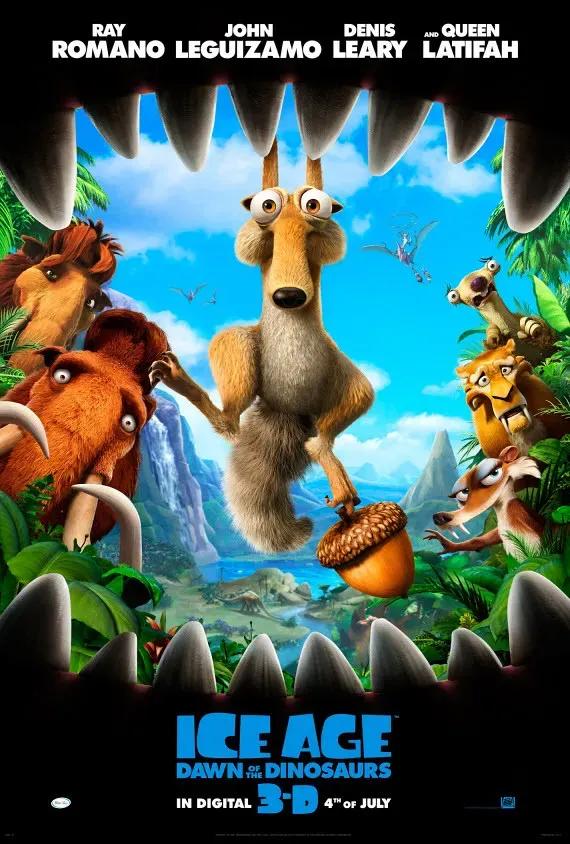
Another big piece of the “super hit” puzzle is what happened after opening weekend. “Ice Age” turned out to be incredibly rewatchable, especially for children who happily sit through the same film dozens of times. The combination of brisk pacing, short gags, and a clear emotional payoff made it perfect for repeated home viewings when DVDs and later digital downloads became standard. Every rewatch reinforced the characters, quotes, and moments in people’s minds, making the film feel like a familiar comfort blanket.
That rewatchability fed directly into franchise growth. Sequels, short films, spin-offs, TV airings, video games, and mountains of merchandise kept the brand visible for years. Each new project pulled more people back to the original movie, and every new batch of kids discovering “Ice Age” on streaming or TV pushed its legacy a little further. The first film laid such a strong, clean foundation – distinct characters, flexible world, simple core concept – that expanding it felt natural. Whether or not every sequel lived up to the original is debatable, but the fact that the series endured for so long says a lot about the strength of that first hit.
Conclusion: A Rare Alignment Of Timing, Heart, And Humor
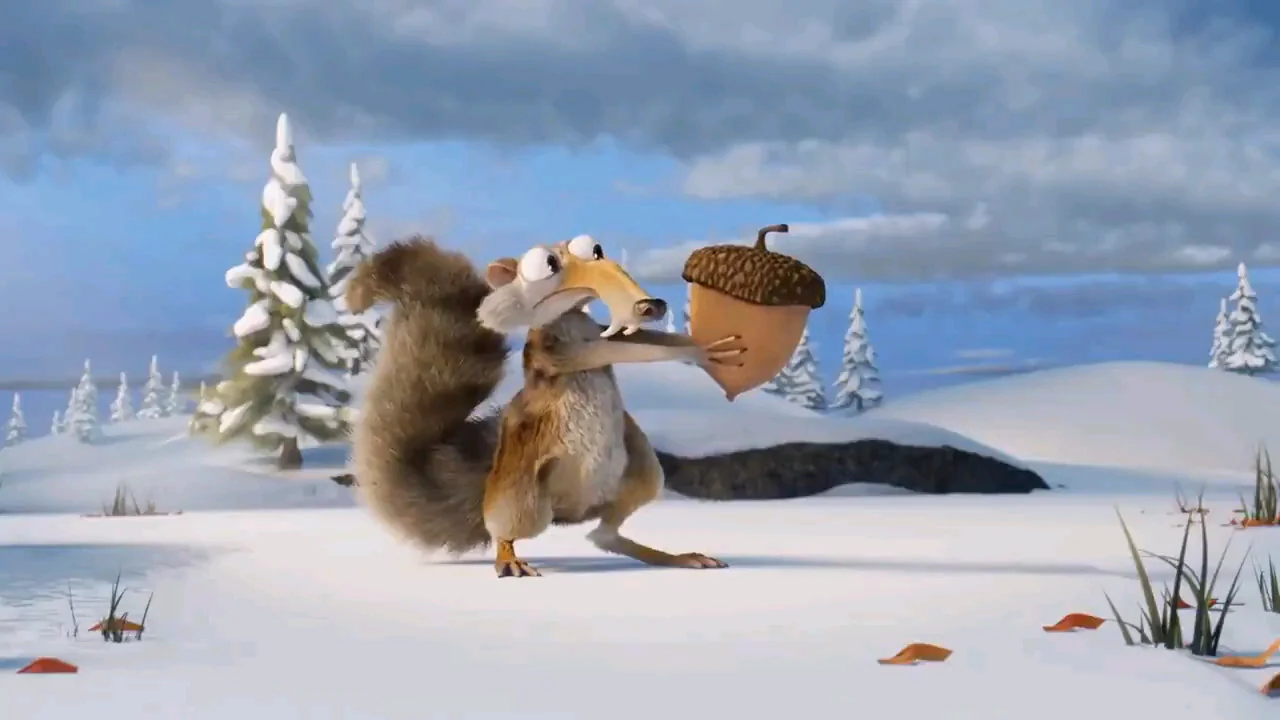
When you put it all together, “Ice Age” was not a super hit by accident. It arrived at exactly the right technological moment, offered a fresh visual world, and grounded everything in a story simple enough for kids but emotionally rich enough for adults. Its misfit heroes were funny, flawed, and secretly relatable, and the movie trusted audiences to handle real themes like grief, loyalty, and parenting without turning everything into a lecture. On top of that, a single acorn-obsessed squirrel became an international visual joke that could sell the movie without a single spoken word.
Personally, I think its real magic lies in how quietly grown-up it is underneath all the chaos and slapstick. It is a film about broken people – yes, they just happen to be prehistoric animals – choosing to be better than their pasts, and doing it together. That kind of story never really goes out of style, which is why the movie still feels oddly fresh today. For all the advances in animation since 2002, a lot of newer films still chase the same mix of heart, humor, and high concept that “Ice Age” nailed early. Maybe the surprising truth is that behind the icy setting, the film’s success was always rooted in something very warm: a messy, makeshift family that audiences wanted to visit again and again. Did you expect a story about the end of the world to feel that comforting?