If you grew up on these movies, chances are they’re one big blur of roaring T. rex heads, screaming humans, and that iconic theme song. But once you start paying attention to the science, things get a lot messier, really fast. Some entries treat paleontology and biology with a kind of rough respect, while others grab scientific accuracy, hurl it off a cliff, and then feed it to a genetically weaponized super‑raptor for dessert.
This ranking walks through every Jurassic Park and Jurassic World film, from the least to the most scientifically offensive, looking at what each one gets right, what it absolutely shreds, and why some choices feel forgivable while others are just lazy. I still love these movies, but loving something and side‑eyeing its science can absolutely coexist. Think of this less as a joyless fact-check and more like watching your favorite roller coaster with the lights on – you see the supports, the shortcuts, and the duct tape, and somehow that makes the ride even more interesting.
1. Jurassic Park (1993): Surprisingly Respectful, Even When It’s Wrong

The original Jurassic Park is easily the least scientifically offensive of the bunch, even though a lot of its science has aged badly. In the early 1990s, showing Velociraptors as big, hyper-intelligent pack hunters was actually cutting‑edge speculation, not nonsense. The film talks about DNA degradation, frog DNA fills, and the limits of cloning in a way that at least signals someone tried to read actual science before writing the script. The idea of extracting usable dinosaur DNA from mosquitoes in amber is wildly unlikely, but at the time it felt strangely plausible and helped millions of people get curious about genetics and paleontology.
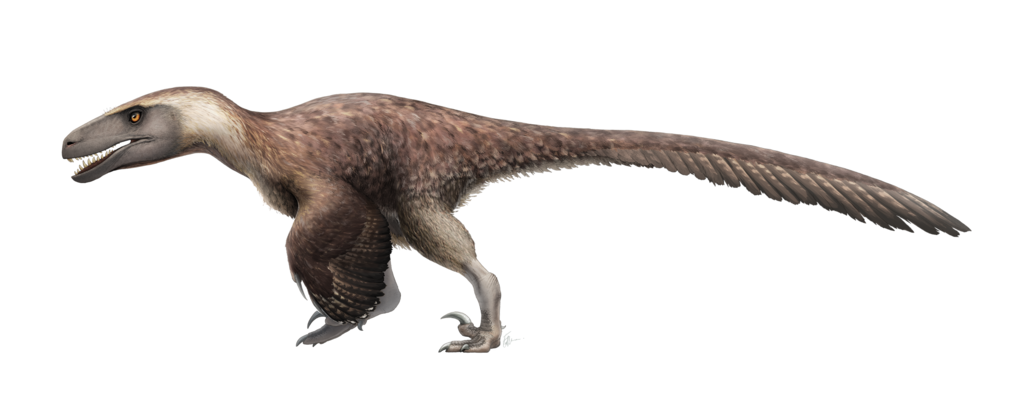
That said, the movie still bends plenty of facts. Real Velociraptors were turkey‑sized and, as far as we can tell, feathered, not smooth-skinned reptilian ninjas. The T. rex vision idea – that it cannot see you if you don’t move – comes from a misunderstood research angle and has no support in fossil evidence. And the park’s whole biosecurity strategy is laughable, from fences that clearly fail too easily to the tiny number of staff managing a lethal menagerie. But because it was working with the best-known science of its era and at least tries to present debates honestly, the original film feels like an earnest, if flawed, science‑inspired story rather than a full-on science fantasy.
2. The Lost World: Jurassic Park (1997): Still Grounded, But Starting to Fray
The Lost World mostly inherits the original film’s relatively grounded approach but starts to drift into pulp territory. Its depiction of dinosaur behavior is hit‑and‑miss: the idea of a T. rex pair caring for their offspring and reacting fiercely to a stolen baby is not inherently ridiculous, since we know many dinosaurs likely exhibited parental care. Showing a large carnivore tracking its young and moving as a united pair is actually closer to how we now picture some dinosaur social behavior than the lone-monster style of older movies.
Where the movie veers into sillier science is in the over-the-top set pieces and biological convenience. The way animals migrate through the island, appear exactly where the plot wants them, and shrug off serious injury stretches believability more than the first film did. The San Diego sequence, with a T. rex rampaging through an urban environment, is pure creature-feature spectacle with very little interest in how a multi-ton theropod would actually function in a city, from energy demands to navigation. Still, the genetic premise stays mostly consistent with the first movie, and it never leans on outright magical biology, so overall it remains one of the less offensive entries scientifically.
3. Jurassic Park III (2001): Flying High on Drama, Low on Plausibility
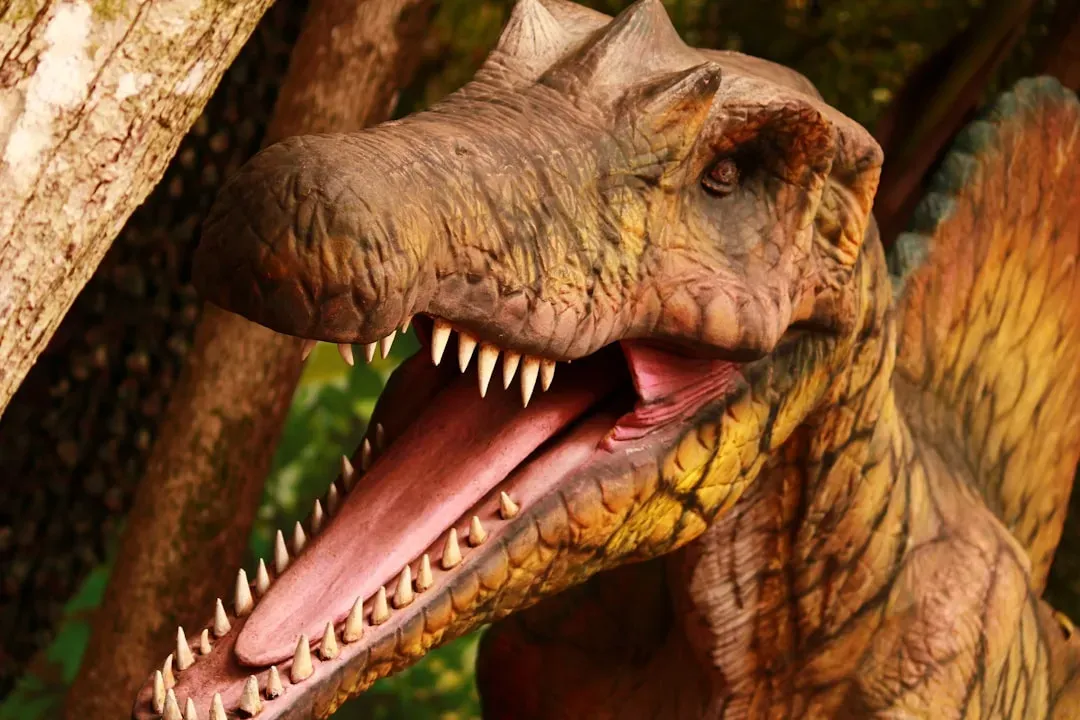
Jurassic Park III feels like the franchise’s first real step into “we know this is nonsense, but it looks cool” territory. Its Spinosaurus is the poster child: massively upsized, hyper-aggressive, and capable of beating a T. rex in a straight fight. Modern research suggests Spinosaurus was more semi‑aquatic and fish‑oriented than the land-stalking super-predator shown here, with a body adapted for a very different lifestyle. The movie treats it like an unstoppable land kaiju, which makes for great tension and terrible science. It is basically a monster with a dinosaur skin, rather than a dinosaur informed by fossils.
The film also gives us a wild take on pterosaur behavior. The aviary sequence is thrilling, but the Pteranodons are essentially horror-movie creatures, snatching small humans like snacks with little concern for realistic flight mechanics or energy costs. Some touches, like a raptor resonating chamber used to communicate, actually nod toward the idea that dinosaurs had complex vocal structures, which is not inherently crazy. But the combination of random super-intelligence, exaggerated sizes, and flexible biology nudges this movie into the realm where science is mostly a prop, not a foundation.
4. Jurassic World (2015): Spectacle First, Science Tied Up in the Basement
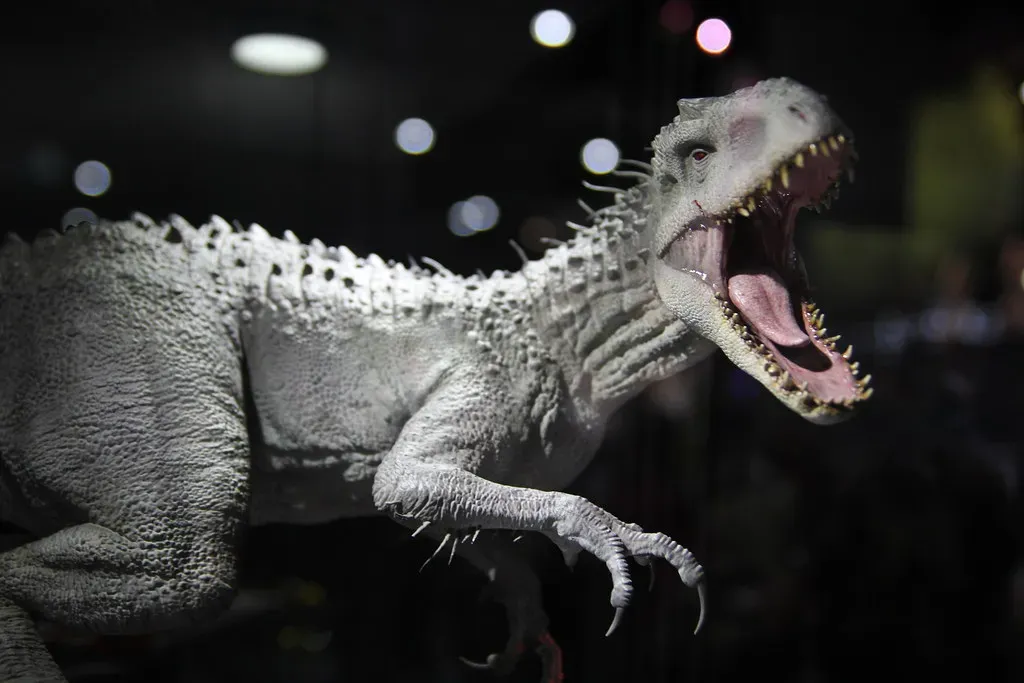
Jurassic World marks the moment the franchise basically says: “We did the grounded version, now let’s go wild.” The very concept of the Indominus rex – a custom-built hybrid designed for combat and intimidation – throws out any realistic understanding of how complex genomes work. Real genetic engineering is messy, limited, and full of trade-offs, not a menu where you can order increased intelligence, thermal camouflage, and social manipulation skills in one neat package. The movie gives a surface-level nod to using modern animals like cuttlefish and tree frogs for traits, but the end result is pure science fantasy.
Even the regular dinosaurs are often treated more like theme-park animatronics than living ecosystems. The idea of crowds hand‑feeding massive herbivores, running a marine reptile show with a Mosasaurus performing like an orca, and maintaining dozens of species in a confined, heavily trafficked park ignores animal welfare, disease dynamics, and basic ecology. On the flip side, the film honestly admits the “dinosaurs” are not accurate reconstructions but branded attractions, which accidentally becomes its smartest scientific point. The in‑universe argument that they never went for accuracy because the public wanted monsters at least explains the scaly raptors and featherless designs, even if it does not excuse the rest.
5. Jurassic World: Fallen Kingdom (2018): Gothic Horror With Franken‑Biology
Fallen Kingdom leans into gothic horror and weaponized biotechnology, and the science pays the price. The movie doubles down on the idea that you can fine‑tune complex behaviors, like targeting specific individuals, with a simple genetic tweak plus a trained trigger, as if instincts and learned responses were just software patches. Real behavior arises from a messy mix of genes, development, environment, and experience. The notion that you can mass‑produce obedient dinosaur assassins by design turns evolution, ethology, and genetics into background noise behind a cool toy concept.
The cloning subplot stretches plausibility even further. Human cloning is not some trivial side project you tack onto dinosaur genetics, and the ethical, developmental, and technical barriers are enormous. The movie treats it almost like a casual extension of existing technology, with very little acknowledgment of the many unknowns around human cognitive development, health impacts, or legal and moral implications. By the time the animals are being auctioned off as bio-weapons in a mansion basement, the story has fully crossed from speculative science toward near‑supernatural biotech fantasy, dressed up in lab coats and buzzwords.
6. Jurassic World Dominion (2022): Swarms, Super‑Locusts, and Scientific Chaos
Dominion goes for global stakes and ends up stacking scientific offenses like building blocks. The genetically altered locusts are a prime example: their behavior, spread, and resistance feel engineered more for plot than for any resemblance to real insect ecology or gene-drive technology. Real-world attempts to alter insect populations are extraordinarily difficult and come with enormous unpredictability, yet the film treats targeted crop destruction as if it were almost plug‑and‑play. The scale of the swarm’s movement and the speed of consequences feel like the disaster-movie version of genetics, not the messy, incremental reality.
Then there is the question of a world in which large dinosaurs freely coexist with modern ecosystems and cities in just a few years. The film glosses over massive issues like disease transfer, food webs, invasive species dynamics, and human infrastructure. Large predators, giant herbivores, and flying reptiles would radically reshape everything from agriculture to aviation safety, and yet the world in Dominion looks more like mild chaos sprinkled over business as usual. Among all the franchise entries, this is where the disconnect between what the story shows and what biology would actually do is the widest and most jarring.
7. Jurassic World Rebirth (2025): Mutated Predators and the Limits of Genetic Resurrection
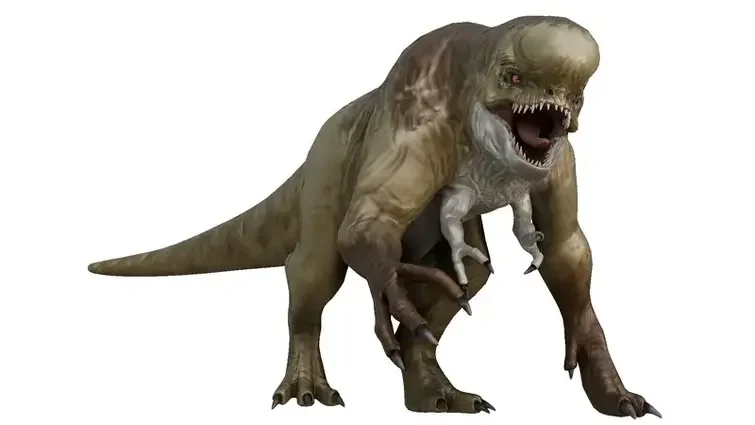
Rebirth appears to push the franchise even deeper into experimental genetics, with rumors and previews pointing toward heavily modified dinosaur hybrids and creatures designed more for spectacle than biological plausibility. The idea of resurrecting dinosaurs was already scientifically shaky in the original films because intact dinosaur DNA simply does not survive for tens of millions of years. But Rebirth seems ready to move beyond cloned prehistoric animals into fully engineered monsters that combine exaggerated traits from multiple species. At that point, the science stops resembling de-extinction and starts looking more like custom-built fantasy predators wearing dinosaur skins.
The film also seems to embrace the idea that these engineered creatures can rapidly adapt, hunt intelligently in complex environments, and survive almost anywhere humans place them. In reality, creating a stable large animal through genetic engineering would involve enormous developmental problems, immune-system failures, and ecological unpredictability. Even modern cloning attempts with living mammals often produce severe abnormalities and low survival rates. Yet the Jurassic franchise increasingly treats genetic manipulation as a near-magical technology capable of instantly producing giant apex predators with perfect mobility, intelligence, and reproductive success. Rebirth may deliver thrilling cinematic chaos, but scientifically it looks poised to stretch the franchise’s already fragile biology further than ever before.
The Big Picture: Why Scientific Offenses in Jurassic Movies Actually Matter
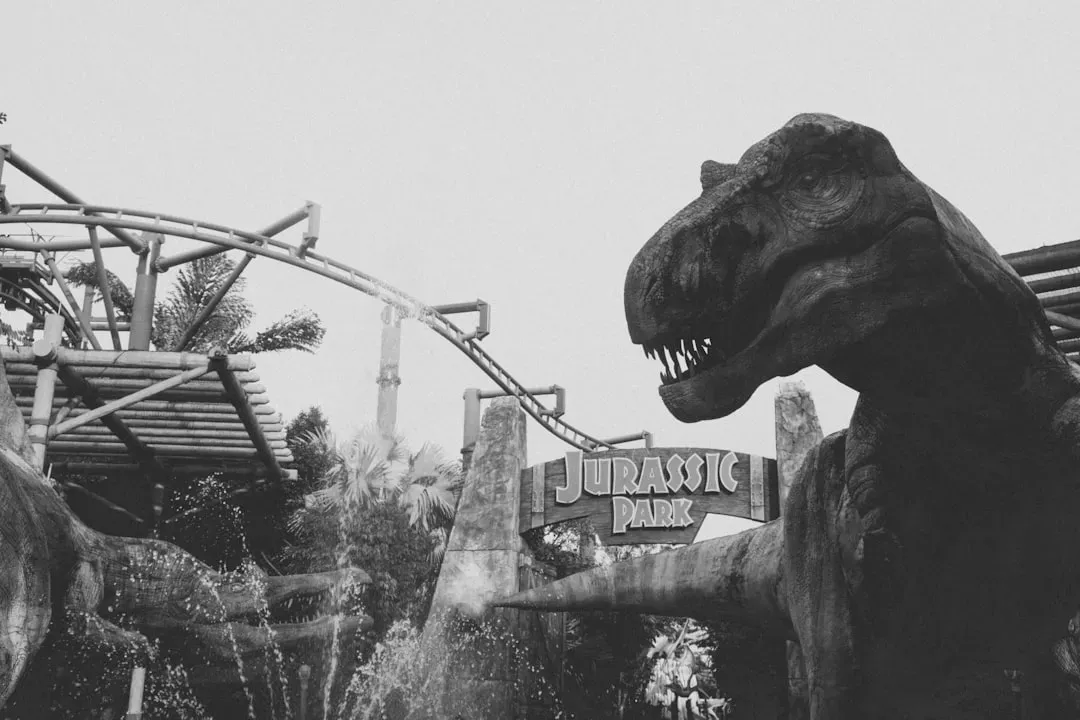
Stacked side by side, the series tells a pretty clear story: early films tried to ride alongside real science, while later ones jumped into full fantasy wearing a lab coat. Some people will say none of this matters because these are just dinosaur monster movies, but that misses a big point. For a lot of kids and even adults, Jurassic Park is their first exposure to paleontology, genetics, and evolution. When a franchise repeatedly treats science as a magic wand that can do anything instantly, it quietly shapes how people imagine real labs, real risks, and real possibilities. That gap can fuel both unrealistic fears and unrealistic hype about what biotechnology can actually do.
Personally, I still rewatch these films with the same mix of awe and side‑eye I had as a teenager. I love the sense of scale, the mood, the sound of those footsteps before a T. rex appears – but I also cringe when a script casually rewrites how DNA, ecosystems, or animal brains work for the sake of a quick thrill. The most honest stance is to admit both realities at once: these movies are fun and emotionally powerful, and many of them are scientific train wrecks, especially as the series goes on. Maybe the real question is not whether Jurassic Park is accurate, but whether it inspires you to dig deeper, read real science, and ask better questions. After seeing where this ranking lands, which movie would you rewatch differently now?