
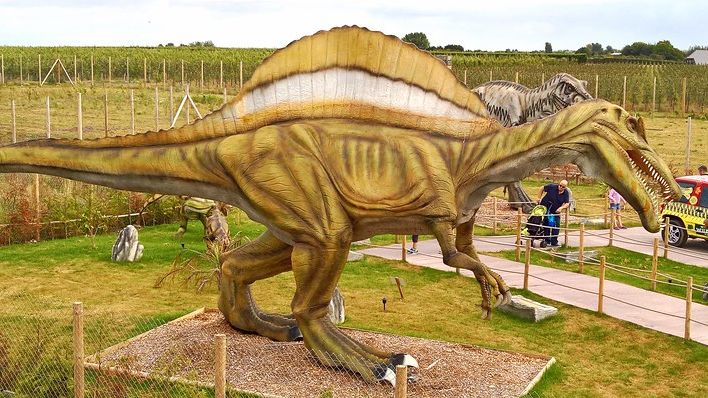
Every few years, dinosaurs quietly rewrite themselves. The lumbering swamp monsters from old museum halls turned into active, feathered athletes. Tyrannosaurus rex went from solitary movie monster to possibly social, clever predator. Yet even with all that change, we are almost certainly still wrong about a lot of what we think we know. The next decade is poised to flip more of these “obvious truths” on their head, in ways that will feel just as shocking as the first feathered Velociraptor did.
What makes this moment so wild is how many different technologies are converging at once: high‑resolution CT scanning, chemical analyses that can pick up traces of pigments or proteins, AI models that can test millions of evolutionary scenarios, and even drones and satellites that can help find fossils. Put all of this together and you get a simple but thrilling reality: we are about to see dinosaurs not as crude reconstructions, but as complex, living animals with rich behaviors, colors, sounds and social lives. If that sounds like science fiction, give it a decade.
The Coming Revolution in Dinosaur Appearance
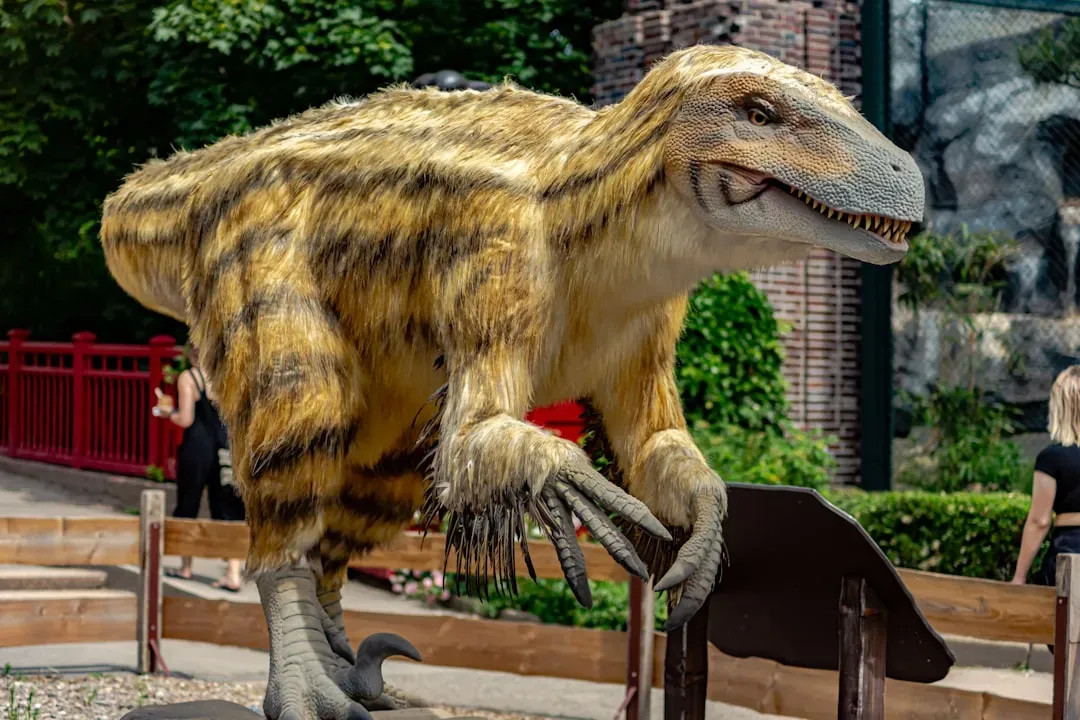
Imagine walking into a museum in ten years and realizing half the mounts you grew up with now look subtly, or even dramatically, wrong. That shift has already started with feathers, but it will likely go much further as scientists keep pulling more information out of fossilized skin, scales and microscopic structures called melanosomes. These tiny pigment packages have already revealed color patterns in some feathered dinosaurs, and researchers are steadily improving the techniques that connect structure with original shade. Over the next decade, that means more species with reconstructed color schemes detailed enough to show stripes, countershading, or even display patches on faces and tails.
We are also going to be surprised by how much soft tissue detail emerges. Ultra‑high‑resolution CT scanning and synchrotron imaging can pick up impressions of muscles, cartilaginous crests, keratin sheaths on horns and claws, and even the thickness of skin in certain areas. Those famous skeletal silhouettes will feel more like stick figures once we have a better handle on actual body outlines. Expect some dinosaurs that we pictured as sleek to become bulkier and others to slim down, plus more evidence for inflatable sacs, wattles, and bizarre soft‑tissue ornaments that never fossilize clearly except under exceptional conditions. In other words, many of our favorite dinosaurs may end up looking more like strange, overbuilt birds than reptilian movie monsters.
Behavior: From Guesswork to Testable Hypotheses
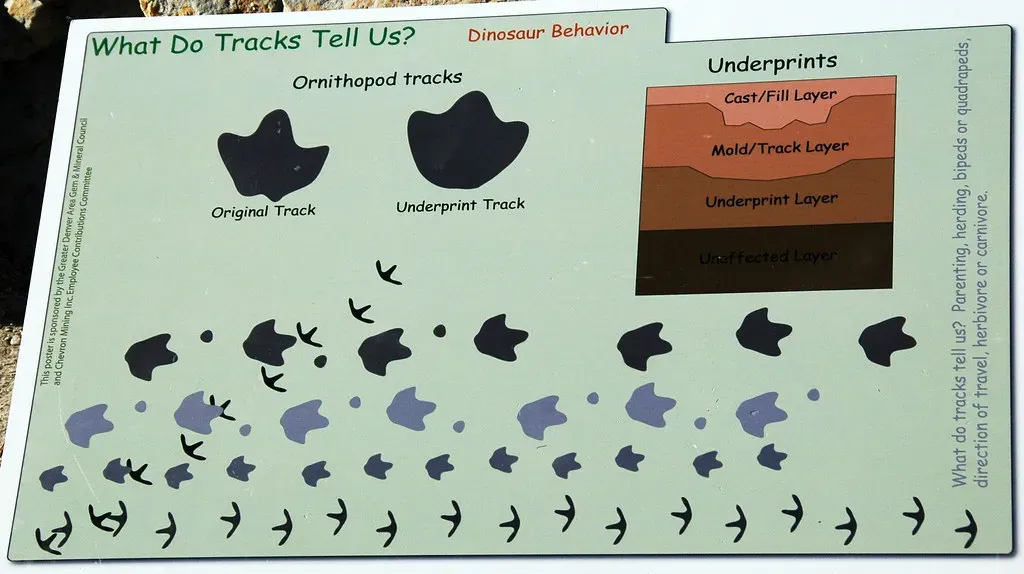
For most of the twentieth century, dinosaur behavior was basically educated storytelling. Did this dinosaur live in herds? Did it care for its young? The answers depended almost entirely on how cautiously or boldly a particular scientist was willing to speculate. That is changing fast as more trackways, nesting sites, bonebeds, and growth ring studies accumulate, and as computer models allow researchers to compare possible behaviors and see which ones make sense biomechanically. Over the next decade, expect a jump from “maybe they did this” to “this pattern is best explained if they behaved like this” in far more cases.
New fossil sites that capture multiple individuals at once are especially powerful. Mass death assemblages can hint at social groups, predator–prey interactions and even panic behavior, while nests with broken and intact eggs can speak to parental care and incubation strategies. When you combine that with detailed bone histology showing growth spurts, stress markers and injuries, you start to glimpse life histories instead of static skeletons. One likely surprise is that complex social behavior will probably turn out to be more widespread than we currently think, not just in the flashy favorites like raptors and hadrosaurs, but also in lineages we still picture as loner giants.
Dinosaur Brains and Senses: Smarter and Stranger Than We Thought
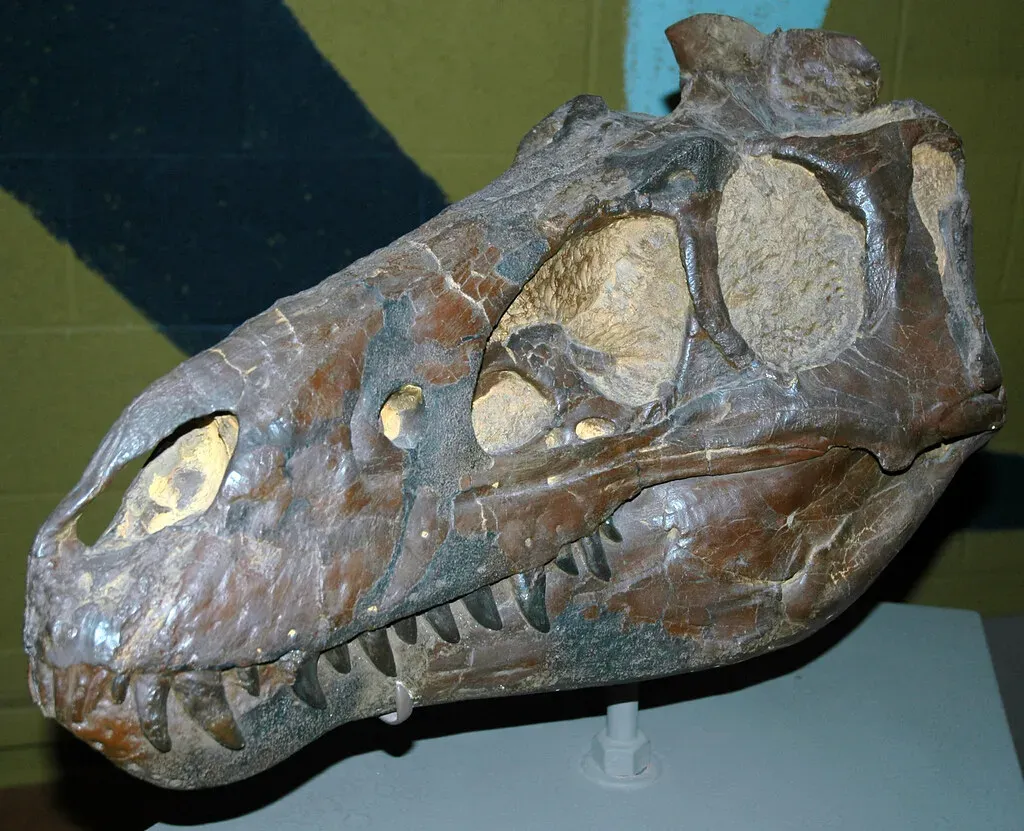
If there is one area where public perception still lags badly, it is dinosaur intelligence. People either imagine them as cold, dim reptiles or secretly hope they were plotting pack‑hunters on par with dolphins and crows. The reality is more nuanced, and the next decade will help pin that down. Using high‑resolution CT scans of skulls, researchers can reconstruct endocasts, which reveal the shape and relative size of brain regions. Combine that with comparisons to living birds and reptiles, and you get surprisingly detailed inferences about sense of smell, vision, balance and motor control.
As more species get this kind of treatment, patterns will emerge that overturn some comfortable stereotypes. Some giant herbivores may turn out to have had far better sensory worlds than we give them credit for, with acute hearing or complex vocal capabilities. Predators like tyrannosaurids already show signs of powerful vision and smell, and future work could reveal that some of them navigated highly structured social or hunting environments. At the same time, we will probably find groups whose brains were less elaborate than their dramatic skeletons suggest, reminding us that looking spectacular does not always mean thinking deeply. The surprise here will be how uneven, and weirdly lopsided, dinosaur intelligence and sensory power really were.
Feathers, Skin and the Blurry Line Between Dinosaurs and Birds
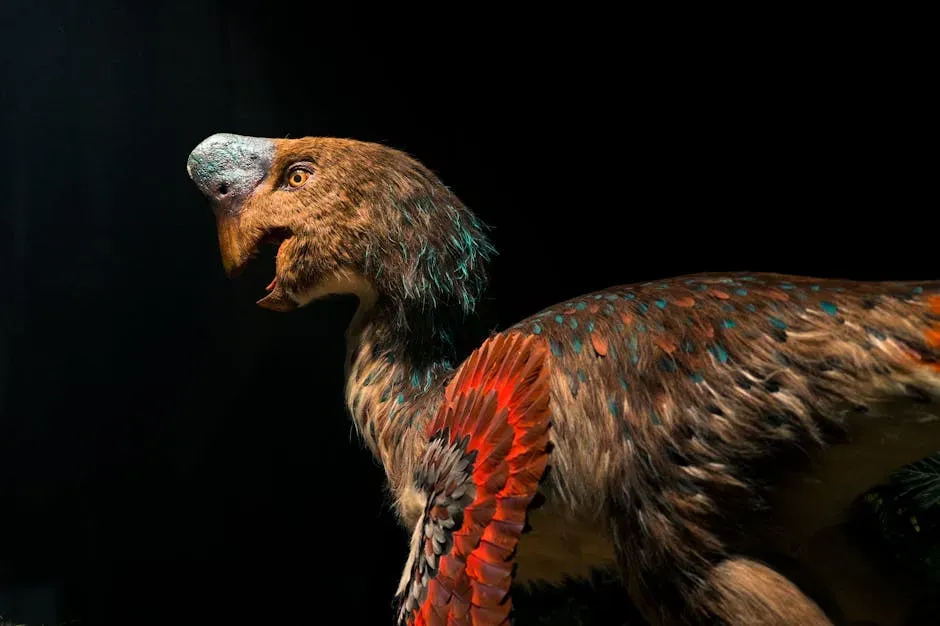
Feathered dinosaurs are no longer news, but we are still underestimating just how far feathers and feather‑like filaments spread across the dinosaur family tree. New fossils continue to show filamentous coverings in unexpected lineages, and careful study of skin impressions from classic groups like hadrosaurs and ceratopsians keeps adding complexity to what we thought was just scaly hide. Over the next ten years, there is a good chance more “traditional” dinosaur groups will pick up evidence for patches of fuzz or specialized skin structures that blur our neat categories even more.
This slow, messy picture is going to make the transition from non‑avian dinosaurs to birds feel less like a clean event and more like a long, tangled gradient. We will likely discover more species that sit awkwardly on the boundary: animals that still have long tails and teeth but also show complex feathers, wing‑like forelimbs, and bird‑style lungs and air sacs. The surprise for many people will be accepting that “dinosaur” and “bird” are not separate ideas at all, but overlapping parts of one big, bizarre evolutionary experiment. If you already think of sparrows as tiny, edgy dinosaurs, the next decade of fossil finds will only make that view harder to avoid.
Growth, Aging and the Life Stories Hidden in Bones
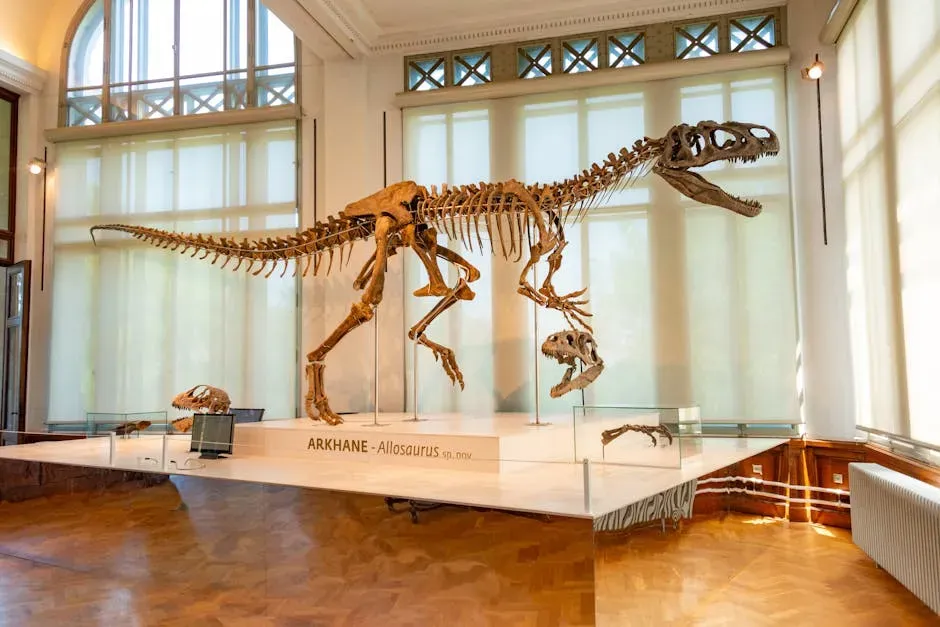
Dinosaur bones are not just shapes; they are diaries. When you cut them open and look at thin slices under a microscope, you can see growth rings, changes in blood vessel patterns, and even signs of disease or injury. This field, called bone histology, has been expanding quickly, and in the next decade it is likely to become a standard tool, not a niche specialty. That means far more species will go from “we have an adult skeleton” to “we have a growth series that shows childhood, adolescence and old age.”
Once enough of those series are built, a different picture of dinosaur life appears. Some species grew at breakneck speed, reaching near‑adult size in just a few years, while others took a more leisurely path, with pauses and spurts tied to food availability or climate stresses. We may find that what we thought were separate species are actually just different age stages, which could dramatically shrink some dinosaur family trees. We will also almost certainly gain better evidence of how often dinosaurs survived injuries, infections and malnutrition, highlighting just how tough and resilient many of them were. The surprise here is that the story of dinosaurs may shift from a catalog of species to something much more intimate: a record of individuals living, struggling and aging.
Ancient Ecosystems and Climate Lessons for Our Future
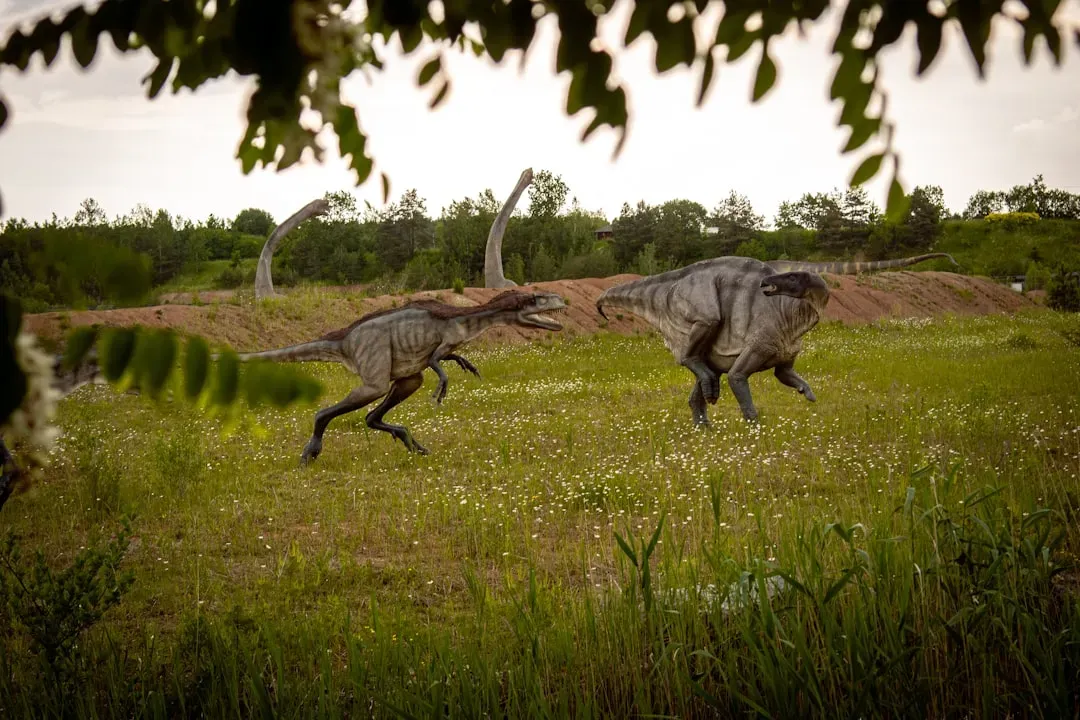
Dinosaurs did not live in empty landscapes; they were part of dense, complex ecosystems that stretched from polar forests to tropical floodplains. Over the next ten years, there will be more effort to reconstruct these entire worlds, not just the charismatic megafauna. That means studying fossil leaves, pollen, tiny mammals, insects, fish and invertebrates alongside the big skeletons, plus using geochemical clues to infer temperature, rainfall and atmospheric composition. As that picture sharpens, some cherished ideas about where certain dinosaurs lived or how specialized they were might crumble.
The truly surprising twist is how much of this work will loop back to modern climate questions. The Mesozoic was home to long‑term greenhouse conditions, rapid warming and cooling pulses, sea‑level changes and massive volcanic events. By understanding how dinosaur communities shifted across those swings, how some groups radiated while others declined, we get hard‑won, deep‑time case studies in resilience and collapse. Those are not neat one‑to‑one predictions for our future, but they will challenge simple stories. We may find that the dinosaurs’ world was both more fragile and more adaptable than we like to imagine, forcing us to rethink naive ideas about “nature always bouncing back” after big disruptions.
New Tools, New Discoveries and the End of the “Complete Picture” Myth
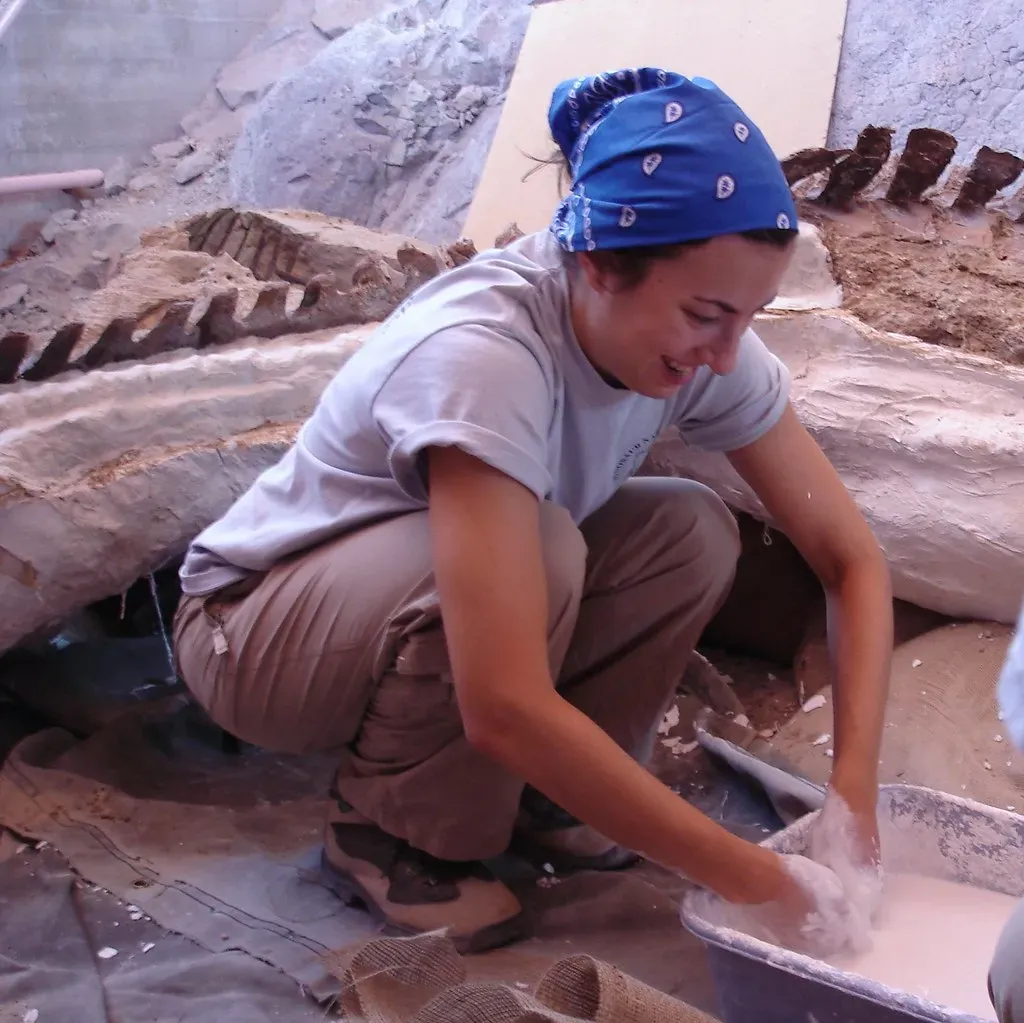
Behind all these coming surprises is a quieter, less glamorous revolution in how we actually find and study fossils. Machine learning is already being tested to scan satellite images for exposed rock layers likely to hold bones, or to classify digital fragments from excavation sites. Portable scanners can capture three‑dimensional models of fossils in the field before they are moved. Chemical techniques keep improving, allowing scientists to tease out trace elements or possible biomolecular remnants without destroying precious specimens. Over the next decade, these tools will not only speed up discovery, they will change where and how we look.
That matters because much of our dinosaur knowledge has been built from a few regions that were convenient or lucky, not necessarily representative of the whole planet. As underexplored areas yield more fossils and as digital sharing makes rare finds accessible to more researchers, the odds increase that someone will stumble across a species or a site that does not fit the standard narrative at all. The biggest surprise of the next decade may simply be how quickly the idea of a “settled” dinosaur picture falls apart. Every time we think we have the puzzle nearly done, new pieces appear that force us to rebuild the edges.
Why the Next Decade Will Change How We Feel About Dinosaurs
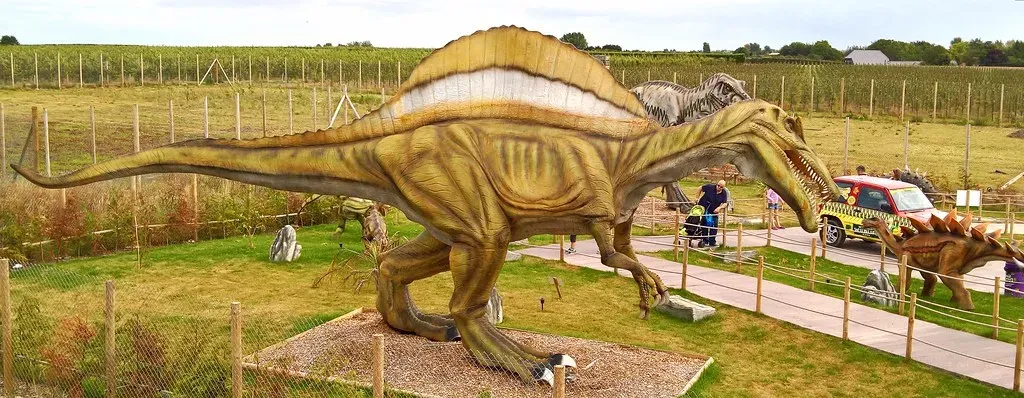
Looking ahead, it is tempting to think of the next ten years as just more of the same: a new species here, a refined classification there, a slightly updated museum mount. But the pattern of the last few decades suggests something more dramatic. We are moving from dinosaurs as distant, half‑imagined creatures to dinosaurs as real, complex animals whose colors, behaviors and life histories we can start to sketch with genuine confidence. That shift is emotional as much as it is scientific. It turns the creatures that haunted our childhood posters into something closer to wildlife documentaries from a lost world.
My honest opinion is that the most surprising change will not be some single headline about a new “biggest predator” or “oldest bird,” but the quiet way our gut feeling about dinosaurs shifts. As evidence accumulates, it will get harder to see them as clumsy monsters and easier to see them as active, adaptable, sometimes vulnerable beings that navigated changing climates, social lives and personal struggles. In that sense, dinosaur science over the next decade is not just about filling in the past; it is about expanding our empathy for life in all its strange forms. When you realize that the sparrow on your windowsill is part of the same story as a tyrannosaur facing a harsh season, it is tough not to ask yourself: how many other things in nature have we been underestimating all along?