Ask anyone who grew up in the 1980s about their childhood obsessions, and there’s a good chance dinosaurs show up near the top of the list. Plastic T. rexes in the sandbox, brontosaur posters on bedroom walls, dinosaur encyclopedias cracking at the spine from being opened a thousand times – it felt like everyone had a dino phase. It was so common that it almost seemed like a developmental stage, right up there with learning to ride a bike or mastering Saturday morning cartoons.
What makes this especially intriguing is how strangely specific it is. Of all the things kids could fixate on – cars, spaceships, superheroes – why did a whole generation collectively latch onto creatures that went extinct tens of millions of years ago? And why did this obsession feel so intense, so emotional, that even now, decades later, many adults can still rattle off dinosaur names with a weird kind of pride? To answer that, we have to step back and look not just at the 1980s, but at what dinosaurs quietly reveal about how human brains, cultures, and stories actually work.
The perfect storm: Pop culture, plastic toys, and a prehistoric boom
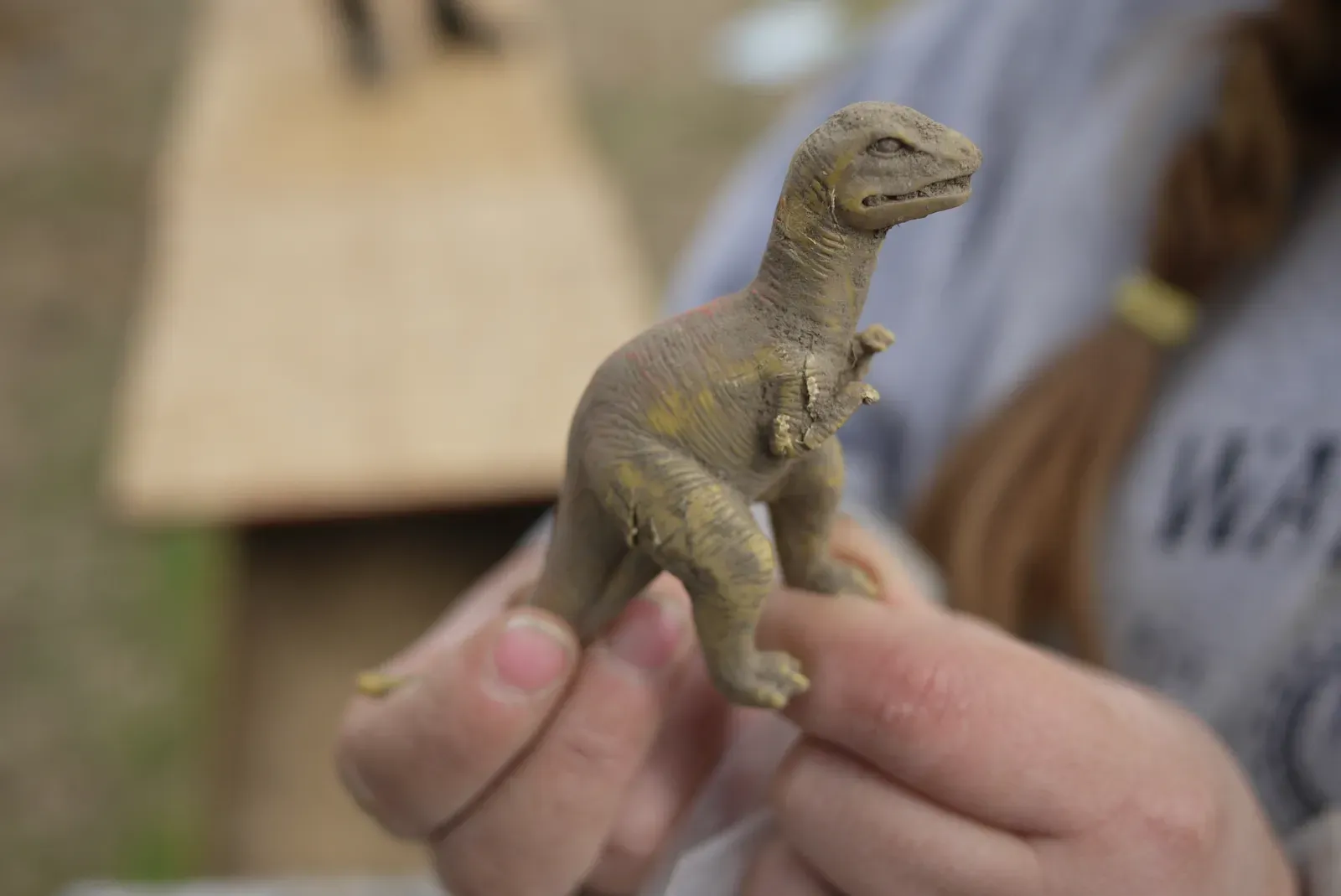
If you were a kid in the 1980s, dinosaurs were not just an occasional curiosity – they were everywhere. Toy aisles overflowed with rubbery reptiles; school book fairs were stacked with dinosaur fact books; TV specials and cartoons casually tossed in triceratops and pterosaurs like they were part of the standard background scenery of childhood. You could not wander through a department store, a library, or even a fast-food kids’ meal promotion without running into some kind of dinosaur branding.
That saturation was not an accident. The late 1970s and 1980s saw a surge in dinosaur-themed media, from glossy coffee-table books to animated shows that turned prehistoric creatures into friendly characters and heroic monsters. Marketers realized dinosaurs had a rare kind of double appeal: they were visually dramatic enough to hook children instantly, and they carried an aura of science and education that reassured parents and teachers. A T. rex toy looked wild and dangerous, but it was also quietly labeled as “learning.” That combination is marketing gold.
Dinosaur science was suddenly cool, fast, and dramatic
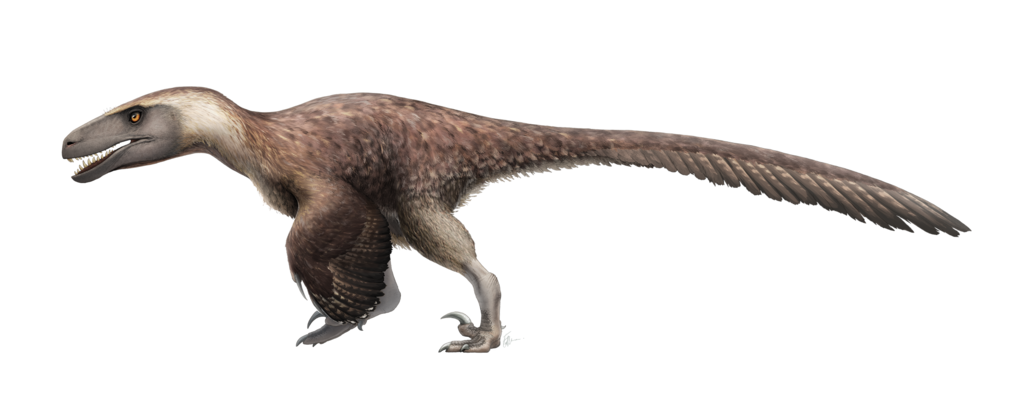
At the same time, behind the scenes, dinosaur science itself was going through a revolution. Earlier in the twentieth century, popular images often portrayed dinosaurs as sluggish, tail-dragging lizards – impressive, but a bit dull and distant. By the 1970s and 1980s, paleontologists were increasingly arguing that many dinosaurs were active, fast-moving, and more birdlike than people had thought. New discoveries and new ways of interpreting old fossils painted a picture that was dynamic and cinematic, not sleepy and static.
Those scientific shifts filtered into children’s books and documentaries surprisingly quickly. Instead of monotonous, brown swamp-beasts standing around, kids were suddenly being shown leaping predators, herds in motion, and complex ecosystems locked in deep time. Even without fully grasping the research, children could feel the energy in the illustrations and descriptions. Dinosaurs no longer felt like dusty museum props; they felt like protagonists in an ongoing detective story about the past. And kids, who are natural detectives when it comes to how the world works, ate that up.
Why dinosaurs fit so perfectly into the developing child brain
There is also a psychological angle that makes the 1980s dinosaur craze feel almost inevitable. Young children often go through what psychologists call “intense interest” phases, where they hyper-focus on a narrow subject – trains, insects, space, sharks, you name it. This deep dive can last months or years, and it is not just cute; it helps them build cognitive skills, from categorizing and memory to persistence and complex language. Dinosaurs are perfectly shaped to occupy that niche of obsession.
Dinosaurs give kids a huge, yet bounded, world to master. There are many types, each with striking shapes and names that sound like secret passwords: stegosaurus, ankylosaurus, pachycephalosaurus. There are clear patterns and differences to notice – number of horns, type of teeth, how they walked – and an overarching story about extinction and evolution that kids can retell and reshape endlessly. Mastering dinosaur knowledge lets a child feel powerful and expert in a way that is rare in a world mostly controlled by adults. For a seven-year-old, knowing exactly which dinosaur had a clubbed tail is a small but very real kind of status.
Dinos as safe monsters: Facing fear without real danger
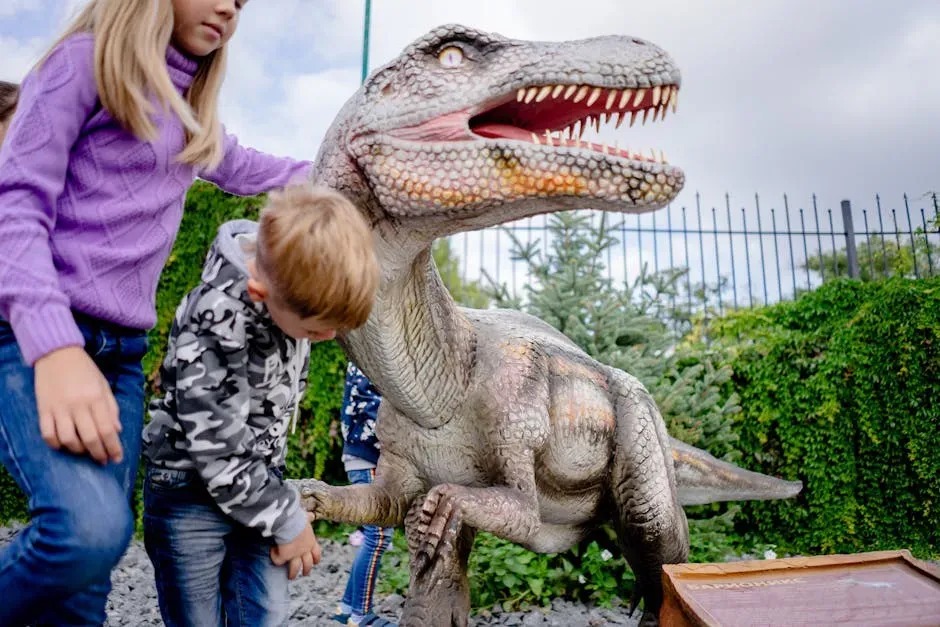
Underneath all the science and collecting, dinosaurs are, quite simply, monsters. They are enormous, toothy, spiked, plated creatures that, if they existed today, would be utterly terrifying. And yet they do not exist today, which turns them into the ideal test case for kids learning to navigate fear. A child can imagine being chased by a velociraptor, or standing under the shadow of a brachiosaurus, and feel a thrill of fear knowing full well they are sitting safely on the living room carpet.
This emotional distance matters. It allows children to explore themes like danger, death, and catastrophe at a safe remove. The idea that an entire world of animals was wiped out by something like an asteroid impact is both sobering and fascinating, especially when you first hear it as a kid. There is a hint of cosmic horror there, but also a built-in resolution: it already happened, long before humans existed. So the dinosaurs act like training wheels for grappling with big, scary ideas – mortality, environmental change, the fragility of life – without triggering the same raw dread that a modern disaster would.
Why the 1980s made dinosaurs feel like a shared childhood language
Even though kids in many decades have loved dinosaurs, the 1980s had a particular cultural texture that turned them into a near-universal phase. Mass media was broad but not yet fractured; families were still largely tuned into the same TV channels, the same weekend movies, the same school book catalogs. When a few dinosaur-related hits landed, their echo spread almost everywhere. You did not need a special streaming subscription or niche online forum to join the dino club – you just needed a library card, a TV antenna, or a toy store nearby.
Because of that shared environment, dinosaur fascination became a kind of social glue for children. Trading dinosaur cards, arguing about which was the strongest, or quizzing each other on names turned into playground rituals. You could move to a new town or switch schools and still rely on dinosaurs as a common topic, the way people today might rely on a viral meme. In that sense, dinosaur fandom in the 1980s was not just about prehistoric creatures; it was also an early lesson in how pop culture can create belonging, identity, and community, even when the subject matter is sixty-six million years old.
What our dinosaur obsession reveals about human curiosity and storytelling
When you step back, the dinosaur phase says as much about humans as it does about any fossil. We are a species that is unusually obsessed with time, origins, and endings. Dinosaurs sit at the crossroads of those questions: they are clues to what came before us, and warnings about how entire worlds can vanish. For a species that tells stories to make sense of chaos, that combination is irresistible. Dinosaurs are not just animals; they are narrative tools that help us organize the past into something dramatic and meaningful.
They also reflect our drive to see ourselves in everything. People constantly compare dinosaurs to modern animals, try to imagine how they moved, felt, or interacted, and even argue over which dinosaur was most like us in social behavior or intelligence. In doing that, we are really poking at a deeper question: how special are we, really, in the grand sweep of life on Earth? Dinosaurs let us project and contrast, to feel both humbled by deep time and secretly thrilled that, at least for now, we are the ones studying them and not the other way around.
From dino kids to adult humans: An opinionated look at what it all means
Looking back, the fact that so many kids in the 1980s had a dinosaur phase is not just a cute cultural quirk; it is a kind of mirror held up to our species. I think we underestimate how much that early contact with deep time, mass extinction, and evolutionary change quietly shaped how a generation views the world. Growing up with dinosaurs in your toy box normalizes the idea that whole ecosystems can disappear, that the planet has a long, volatile history, and that humans are just one chapter, not the final word. That is a heavy message to smuggle into a plastic triceratops, but it is there.
In my view, that is one of the best accidents of late twentieth-century pop culture. The dinosaur craze might have been driven by toy companies and TV schedules, but it ended up giving millions of kids a surprisingly profound starting point for thinking about science, time, and vulnerability. If anything, I think we need more of that today, not less: more awe, more humility, more playful brushes with big, unsettling truths. So the next time you meet someone who can still pronounce “parasaurolophus” without blinking, you might ask yourself: is that just a nostalgic party trick, or is it a small reminder of how hungry we are, as a species, to understand our place in a very old, very strange universe?