If you grew up in the 1980s, there’s a good chance your first real obsession was not a pop star or a movie franchise, but a pack of snarling, brightly colored dinosaurs frozen on a glossy page. Before high‑end CGI, open‑access journals, and YouTube explainers, most of us met Tyrannosaurus and Triceratops through oversized hardbacks that smelled faintly of school libraries and rainy afternoons. Those books did more than dump facts into young brains; they rewired how a generation imagined time, nature, and our own tiny place in Earth’s story.
Looking back in 2026, a lot of what those guides taught is scientifically outdated. Cold‑blooded swamp monsters have given way to agile, feathered animals; “Brontosaurus” disappeared and then came back; family‑tree diagrams have been shuffled and rewritten. And yet, those 1980s dinosaur books still feel strangely powerful. This is a love letter to the illustrated prehistoric guides that raised a generation of paleo‑nerds: flawed, gloriously speculative, and absolutely unforgettable.
The oversized hardbacks that felt like portals to another world
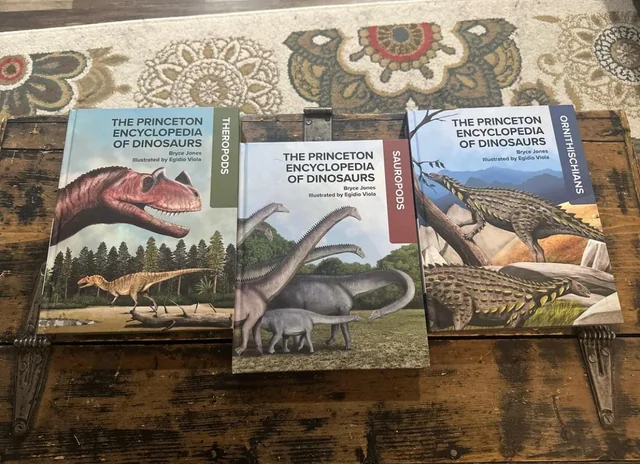
The first thing you remember is the size. Many 1980s dinosaur books were huge, coffee‑table‑style hardbacks that a kid had to hold with two hands, like some kind of magical spellbook. The covers grabbed you with charging theropods, erupting volcanoes, and blood‑red sunsets that had absolutely no time for subtlety. You did not just read these books; you sank into them, knees on the carpet, elbows on the pages, the rest of the world fading into background noise.
Inside, full‑page spreads pulled you straight into the Mesozoic: forests of towering conifers, murky swamps, and deserts patrolled by long‑necked sauropods. The text often sat in tidy blocks around the artwork, but let’s be honest, most kids skimmed those first and drank in the illustrations like they were windows. Even when the science was off, the emotional experience was dead on. These books made prehistory feel less like a series of dates and more like a place you could visit if you just stared hard enough.
The bold, speculative art that burned itself into our memories
![The bold, speculative art that burned itself into our memories (did it myself based on [1],[2],[3],[4],[5],and [6], Public domain)](https://nvmwebsites-budwg5g9avh3epea.z03.azurefd.net/dinoworld/168570092481f9b1d9f0db35997b42f2.webp)
What really imprinted on that 1980s generation was the art style: muscular, sharply defined dinosaurs painted with cinematic drama. Many illustrations leaned into the “reptilian monster” look, with crocodile‑like scales, deep shadows, and jaws open just a bit wider than biology allowed. It was speculation on steroids, but it worked, because it made those animals feel fierce, physical, and alive. You could almost hear the branches snap under a theropod’s feet or feel the ground shake as a sauropod walked past.
Even the inaccuracies became iconic. Tail‑dragging sauropods, kangaroo‑posed theropods, and eternally swampy habitats showed up again and again. Looking back now, the images feel like a strange blend of science and fantasy, halfway between a field guide and a movie poster. For a kid, though, there was no line to cross. Those images became the default mental picture of dinosaurs, and changing that later in life felt almost like redecorating your own childhood memories.
The mix of facts and myths kids quietly absorbed as gospel

The 1980s were a transitional time in dinosaur science, and those books reflected it in fascinating, messy ways. Paleontologists were already uncovering evidence of more active, dynamic dinosaurs, but many popular guides were still full of slow, lumbering creatures stuck in swamps and bogs. So you ended up with this odd hybrid worldview: dinosaurs were both powerful and somehow doomed, incredible yet fundamentally primitive, as if their extinction was baked into their character from the start.
Then there were the naming quirks and classification charts that lodged deep in young brains. Some guides treated “Brontosaurus” as a central star, long after taxonomists had set it aside for “Apatosaurus,” only for the name to later be resurrected in scientific discussion. Feathered dinosaurs, where they appeared at all, were often treated as oddities instead of a broader pattern. As kids, we absorbed this cocktail of solid facts, early hypotheses, and plain old mistakes without any sense of hierarchy. It took growing up to realize that science is less a stone tablet and more a constantly edited manuscript.
The way those books quietly taught us to think like scientists
For all their errors, 1980s dinosaur guides also modeled something quietly radical: curiosity about evidence. Many of them showed skeletons side by side with reconstructions, inviting you to mentally drape muscle and skin over bare bone. Some even visualized how paleontologists interpret footprints, fossilized stomach contents, or bone microstructures to make educated guesses about behavior and growth. You might not have realized it at the time, but those pages were an early crash course in hypothesis and inference.
They also normalized the idea that big, important questions can remain open for decades. Was Tyrannosaurus a hunter or a scavenger? How exactly did sauropods hold their necks? Did some dinosaurs care for their young like birds? Pages would present multiple theories, sometimes with diagrams that clashed just enough to provoke thought. Without using classroom language, those books were quietly teaching kids that disagreement is not a failure of science; it is the engine that keeps science moving.
How the 1980s guides shaped a whole aesthetic of prehistoric adventure
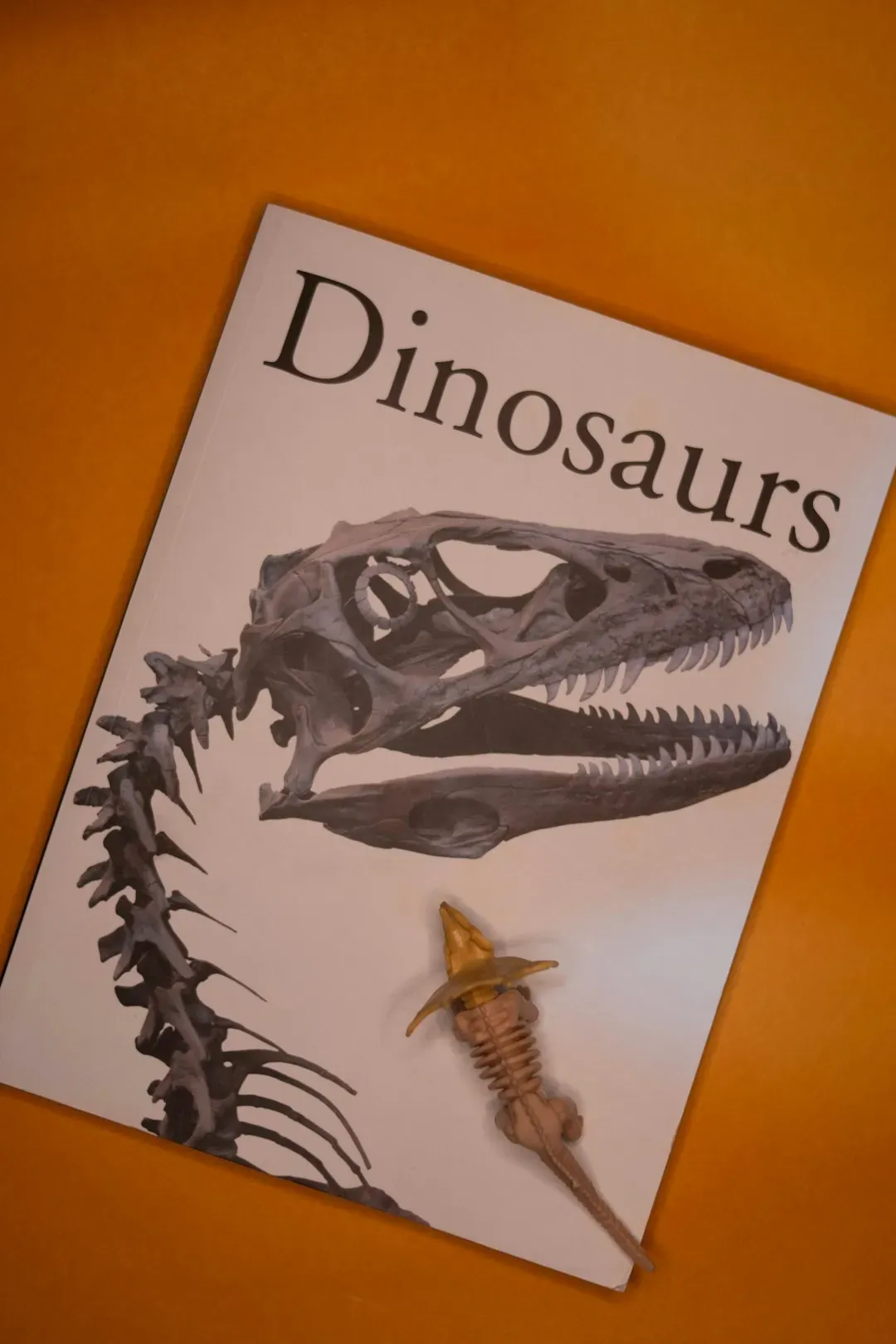
The look and feel of those dinosaur books did not stay on the page; they bled into movies, TV, toys, and even video games for years afterward. The classic “thunder lizard” posture, the moody volcanic skies, the ever‑present murky swamps – these visuals created a shared cultural template for what prehistory “should” look like. When later blockbuster films appeared, they felt instantly familiar, not just because of the dinosaurs themselves, but because they echoed the same dramatic framing kids had already internalized from their bookshelves.
This aesthetic also shaped the tone of dinosaur storytelling. Prehistoric worlds were often portrayed as hostile and extreme, with life as an endless, brutal fight for survival. You rarely saw quiet moments or complex ecosystems; everything was chase, bite, repeat. That made for gripping childhood reading, but it also snuck in a worldview: nature as spectacle, not system. Only later did more nuanced books and documentaries start to reclaim the idea of dinosaurs as parts of intricate, evolving environments rather than constant gladiators.
The emotional imprint: comfort, obsession, and identity
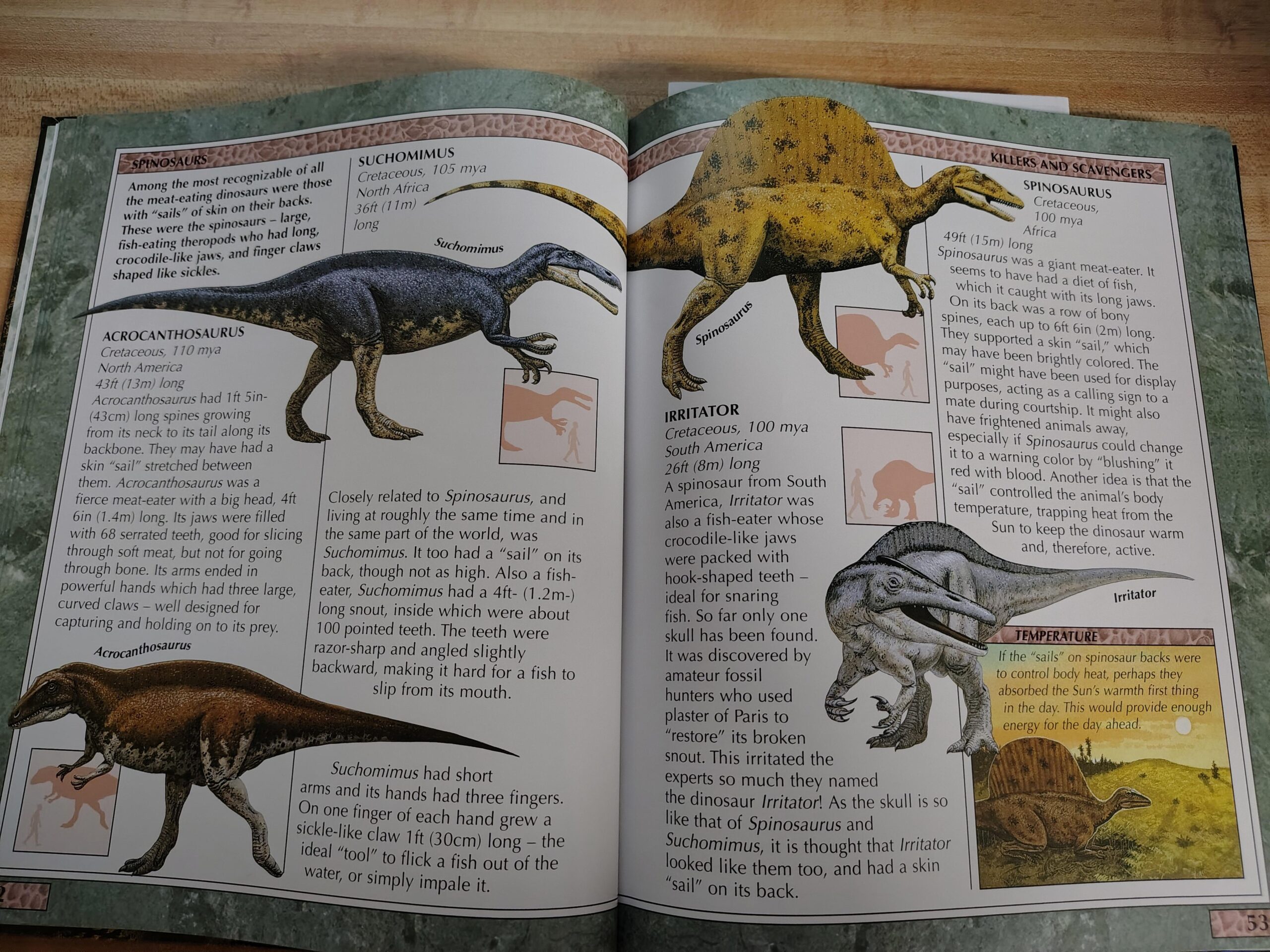
There is a reason so many adults in their thirties, forties, and fifties can still describe a specific dinosaur illustration from memory. Those books were more than educational tools; they were emotional anchors. For a lot of kids, flipping through the same dinosaur guide over and over became a ritual, a comforting loop of familiar beasts and familiar facts. The world outside might have been chaotic, but inside those pages the rules were clear: predators hunted, prey fled, and the timeline marched steadily from the Triassic to the Cretaceous.
For some, dinosaurs even became part of personal identity. Being “the dinosaur kid” at school meant you always had a fact ready, always knew how to pronounce the long names, always had a book in your backpack. Those 1980s guides gave children a safe obsession to lean on, something deep and complicated that adults mostly respected. In a way, the books were not just about prehistoric life; they were about giving young readers permission to dive as deep as they wanted into a niche and stay there as long as it made them happy.
Revisiting those books today in the age of feathered dinosaurs
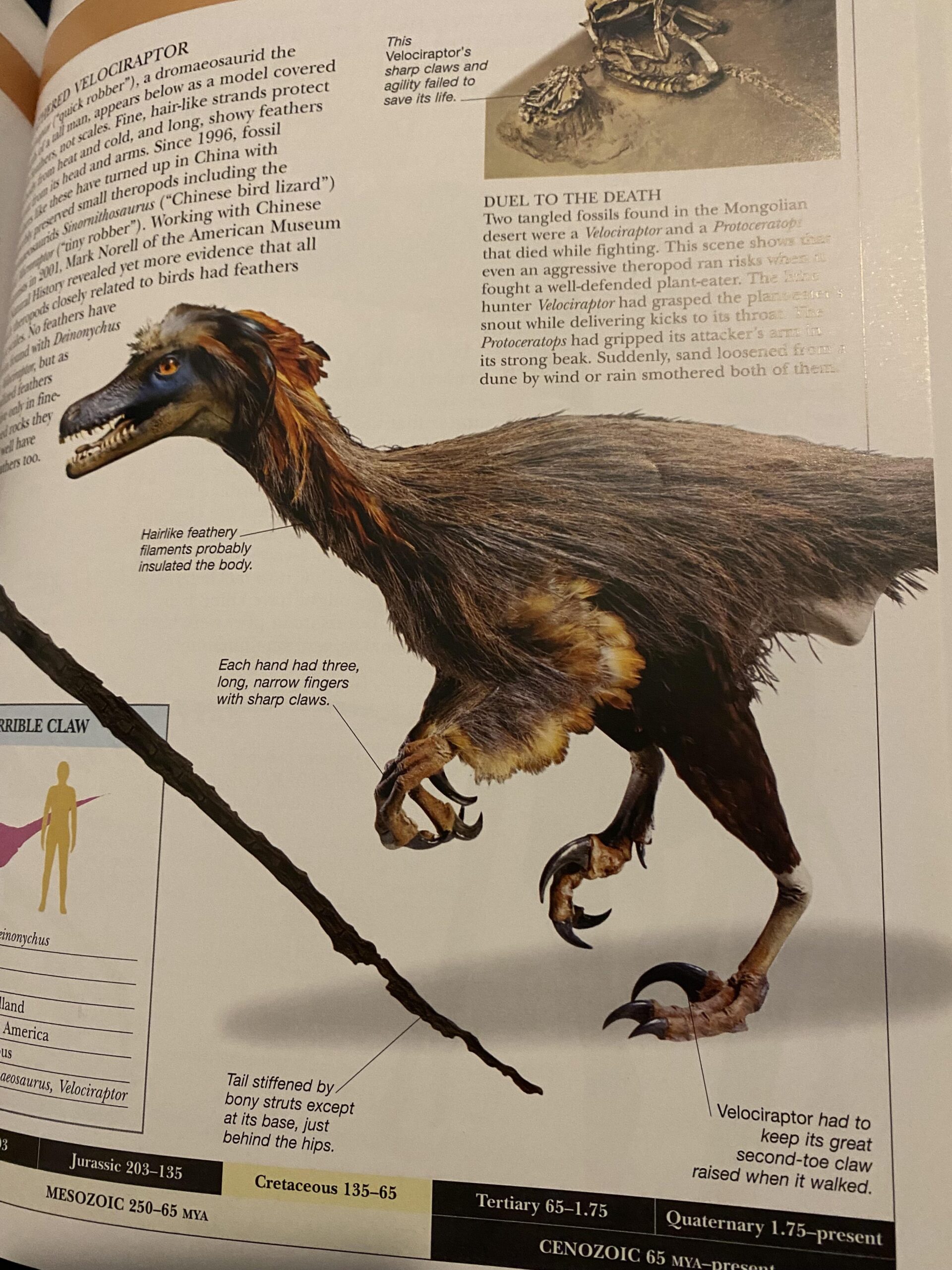
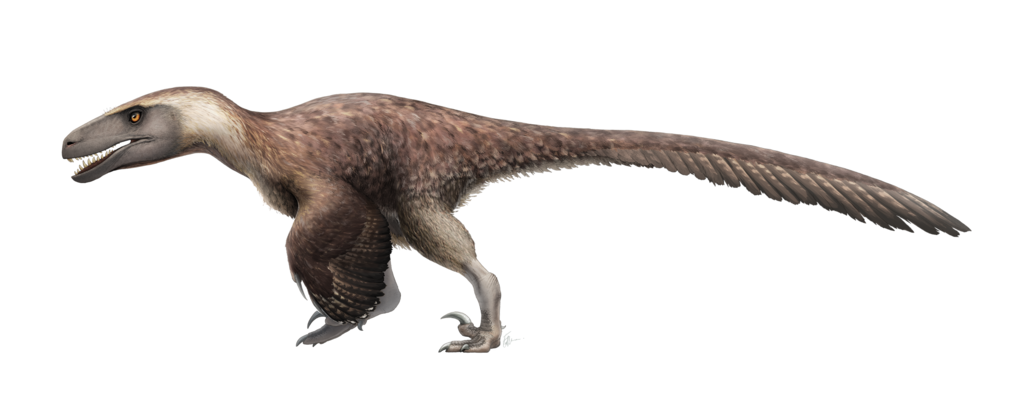
Returning to those old guides now can be a jolt. You turn a page and see a naked, scaly Velociraptor that looks more like a reptilian greyhound than the bird‑like animal modern research supports. Herds of identical green sauropods trudge through swamps that we now know many species probably did not need to live in permanently. It is tempting to roll your eyes, but that reaction misses something important: these books captured the best understanding available at the time and made it emotionally compelling enough that people still care to compare it with newer findings.
Reading them alongside modern, feather‑filled reconstructions can feel a bit like looking at old family photos next to high‑resolution portraits. The hairstyles and clothes are questionable, but the faces are still recognizable. The core awe remains: ancient animals, strange worlds, deep time. Personally, I find that friction between old and new science strangely comforting. It reminds me that knowledge can change dramatically without invalidating the wonder that got you interested in the first place.
Why those flawed, glorious books still matter in 2026
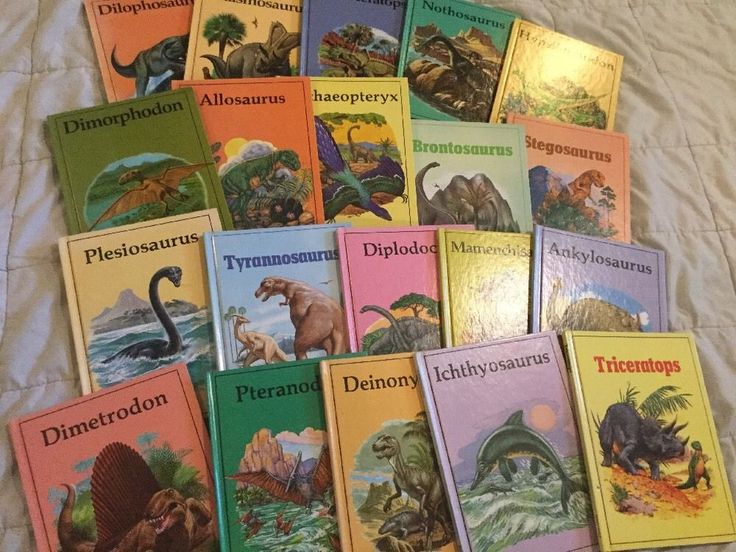
Here is the honest truth: if you fell in love with dinosaurs because of those 1980s books, they did their job. They were gateways, not final answers. They showed that the world used to be very different, that life has taken wild and unexpected forms, and that humans are just a recent chapter in a staggeringly long story. Even when they got the details wrong, they got the big picture right: the past is vast, strange, and worth caring about.
In 2026, with high‑definition documentaries, detailed 3D models, and up‑to‑the‑minute research at our fingertips, it can be easy to sneer at older, outdated guides. I think that is a mistake. Those books taught a generation that science is exciting, that imagination and evidence can work together, and that it is okay to change your mind when new data arrives. They turned quiet, bookish kids into curious adults, some of whom went on to become scientists, teachers, artists, or just lifelong enthusiasts. That seems like a legacy worth defending. When you think about the dinosaur books that shaped you, are you really remembering the exact facts – or the feeling that the universe was suddenly much bigger than you ever realized?