
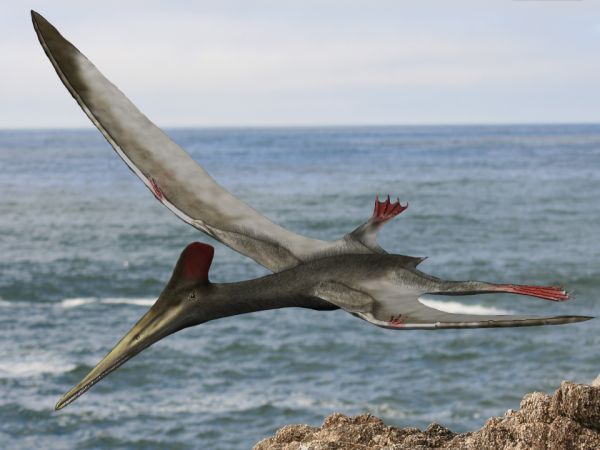
If you grew up thinking “pterodactyl” was just that big, sharp‑toothed movie monster, Aerodactylus is the reality check you didn’t know you needed. This tiny Late Jurassic pterosaur was closer to the size of a modern songbird than a jet‑winged dragon, yet it has one of the weirdest backstories in all of paleontology. From its pop‑culture inspired name to its delicate soft‑tissue crest, Aerodactylus is the kind of fossil that makes even jaded researchers do a double take.
What fascinates me most about Aerodactylus is how much strangeness is crammed into something so small and so easily overlooked in a slab of stone. It’s a reminder that prehistory wasn’t just about giants stomping around; it was also about quirky, fragile creatures quietly rewriting the rulebook on evolution. Once you see how Aerodactylus blends meticulous science with oddly modern twists, it becomes very hard to forget.
1. Aerodactylus Was Named After a Pokémon, But It’s Completely Real
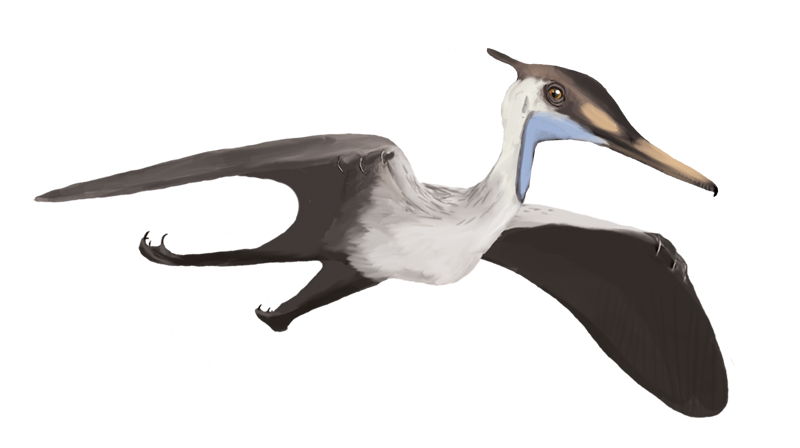
Let’s start with the part that sounds like a joke: Aerodactylus, the genus, was deliberately named in reference to Aerodactyl, the fossil Pokémon. The name literally means “wind finger” in Greek, a nod to the enormous elongated fourth finger that supported its wings, but the scientists who coined it openly acknowledged the pop‑culture inspiration. In a field that can be painfully conservative about naming, that’s a rare wink straight at modern fandom.
This mash‑up of serious taxonomy and gaming culture makes Aerodactylus stand out even before you look at the bones. You have a real, rigorously described Late Jurassic pterosaur whose scientific identity is permanently tied to a 1990s video game. As someone who grew up with both dinosaur books and handheld consoles, I love that there is now a fossil that physically embodies that overlap. It also quietly undercuts the stereotype that paleontology is stuck in the past; here, the past is literally being labeled with the language of the present.
2. It Lived in a Shallow Tropical Sea That Turned Into a Fossil Time Capsule

Aerodactylus is known only from the famous Solnhofen limestone of Bavaria in southern Germany, rock layers laid down around the very end of the Jurassic period. Back then, this region was a chain of warm, shallow lagoons and island‑dotted seas, something closer to a tropical archipelago than the rolling countryside you see today. Fine lime mud settled slowly on the lagoon bottoms, creating perfectly layered sediments that gently wrapped and preserved even fragile animals that usually vanish from the fossil record.
Because those waters were often calm and low in oxygen at the bottom, scavengers and bacteria were limited, and delicate things like wings, skin outlines, and tiny bones sometimes survived. That is why the same limestone gave us icons like Archaeopteryx alongside a whole menagerie of pterosaurs, fishes, crustaceans, and even jellyfish. Aerodactylus did not just get lucky; it lived in one of the few environments on Earth that regularly captures small, fragile flyers with almost eerie detail, like a prehistoric photo booth at the edge of a lagoon.
3. This “Pterodactyl” Was Closer in Size to a Songbird Than a Movie Monster
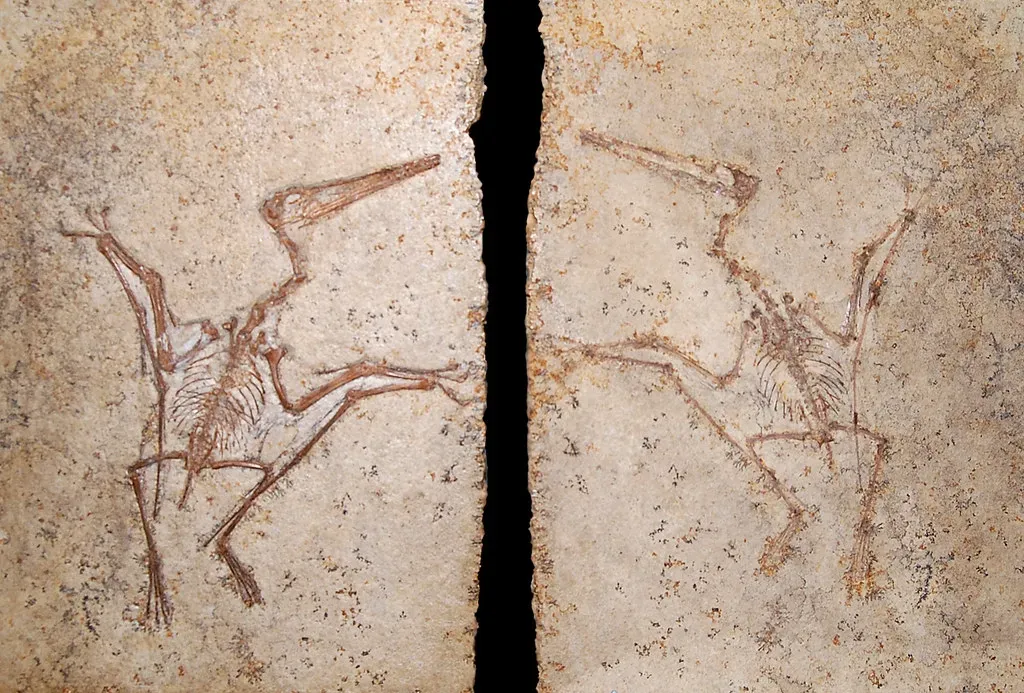
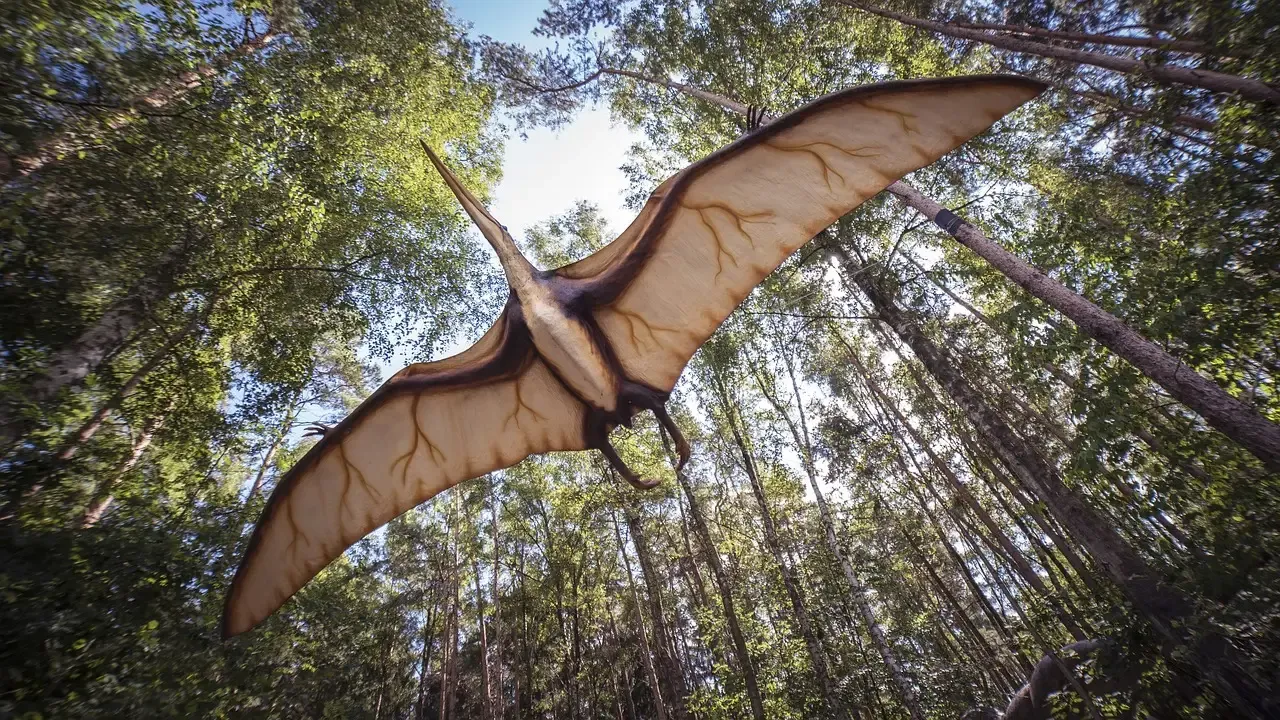
When people hear “pterodactyl,” they usually imagine a huge, screaming reptile blotting out the sun with its wings. Aerodactylus was almost the exact opposite of that mental picture. The preserved specimens are small, with wingspans measured in tens of centimeters rather than meters, and gangly proportions that make them look more like long‑winged shorebirds or terns than airborne dragons. In life, you could probably have held one in two hands without much trouble.
That small size is not just a cute detail; it changes how we picture Jurassic skies. Instead of a few oversized, cinematic fliers, the air above those lagoons was likely busy with swarms of light, agile pterosaurs weaving over water like modern swallows or sandpipers. To me, that tells a far more interesting story than the usual monster imagery. Aerodactylus shows that prehistoric flight was as much about nimble, everyday fliers as it was about the rare giants that hog all the attention.
4. Its Delicate Soft‑Tissue Head Crest Was Almost Lost to Time
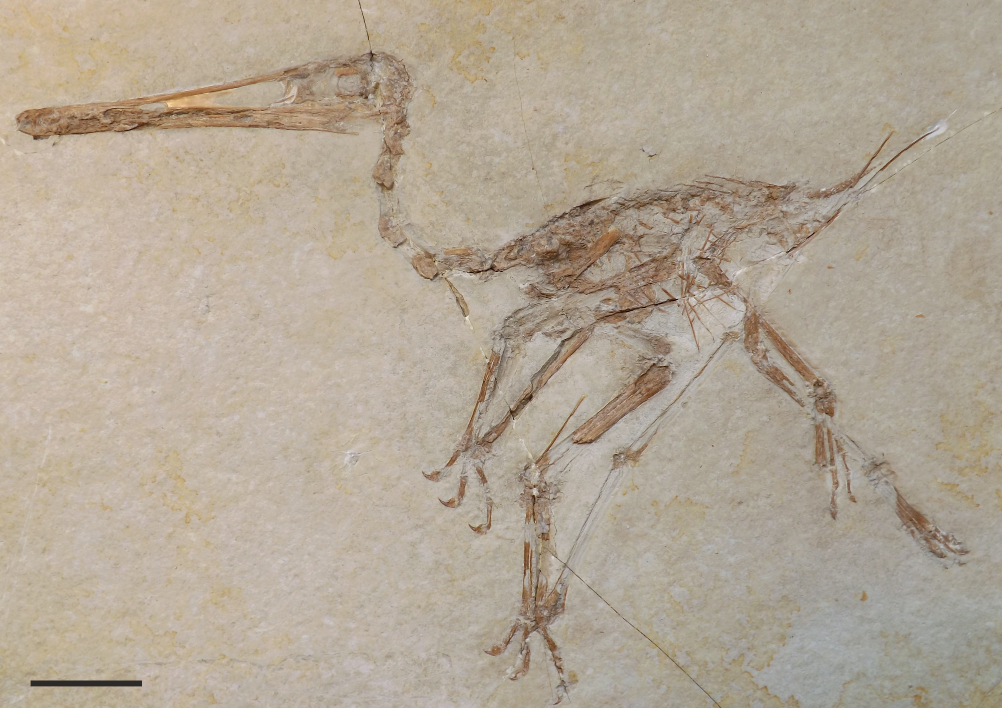
One of the strangest and most surprising details about Aerodactylus comes not from its bones, but from a ghostly outline of soft tissue. In at least one specimen, there is a faint, roughly triangular crest preserved above the back half of the skull, extending over the region that held the main opening in front of the eye. It is low, thin, and easy to miss unless you know exactly what you are looking for, which is why it went unrecognized for years.
This delicate crest was only a few centimeters long and under a centimeter high, a subtle ornament compared with the towering sails seen in some later pterosaurs. But the fact that it is there at all is astonishing. Soft tissues decay quickly and rarely survive fossilization, especially in small, fragile animals. The crest suggests that Aerodactylus did not just fly; it had visual flair, probably used in display or communication. That instantly makes it feel more like a living animal with behavior and social signals, not just a skeleton on a museum slab.
5. For Over a Century, It Hid in Plain Sight as “Just Another Pterodactylus”
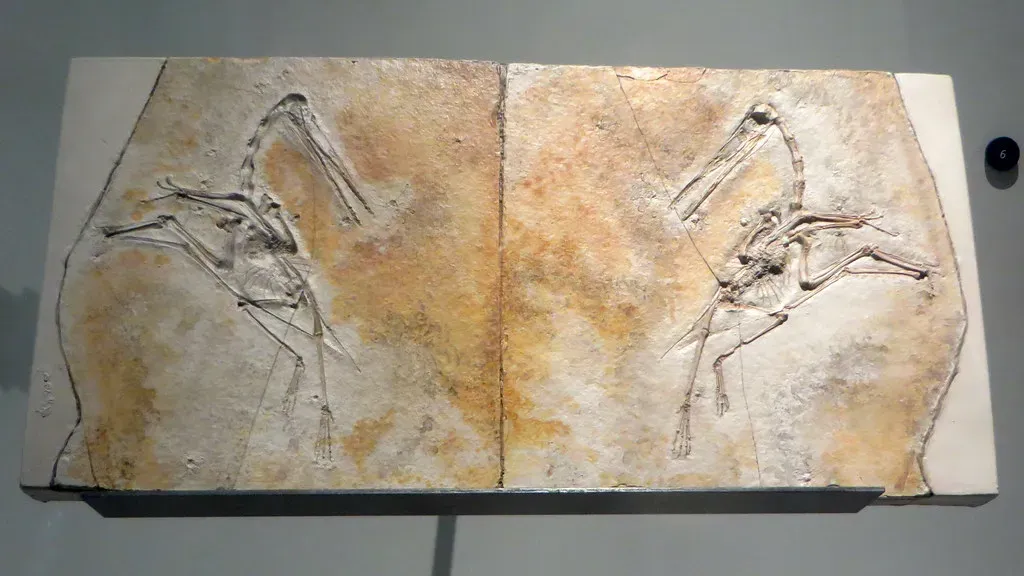
Aerodactylus is a perfect example of how paleontology can change its mind without finding a single new bone. The fossils we now call Aerodactylus scolopaciceps were first described back in the nineteenth century under the name Pterodactylus scolopaciceps. For generations, they sat in collections and literature as just one more member of a catch‑all pterosaur genus that had become a taxonomic junk drawer for anything remotely similar.
Only in the early twenty‑first century did detailed re‑analysis, including careful anatomical comparisons and phylogenetic work, argue that these specimens were distinct enough to deserve their own genus. That is when Aerodactylus was born, not because new fossils were suddenly dug up, but because scientists looked harder at what they already had. I think that is both humbling and thrilling: some of the biggest “discoveries” in paleontology are literally sitting on old shelves, waiting for someone to ask better questions.
6. It Belonged to a Weird, Long‑Snouted Clan of Pterosaurs
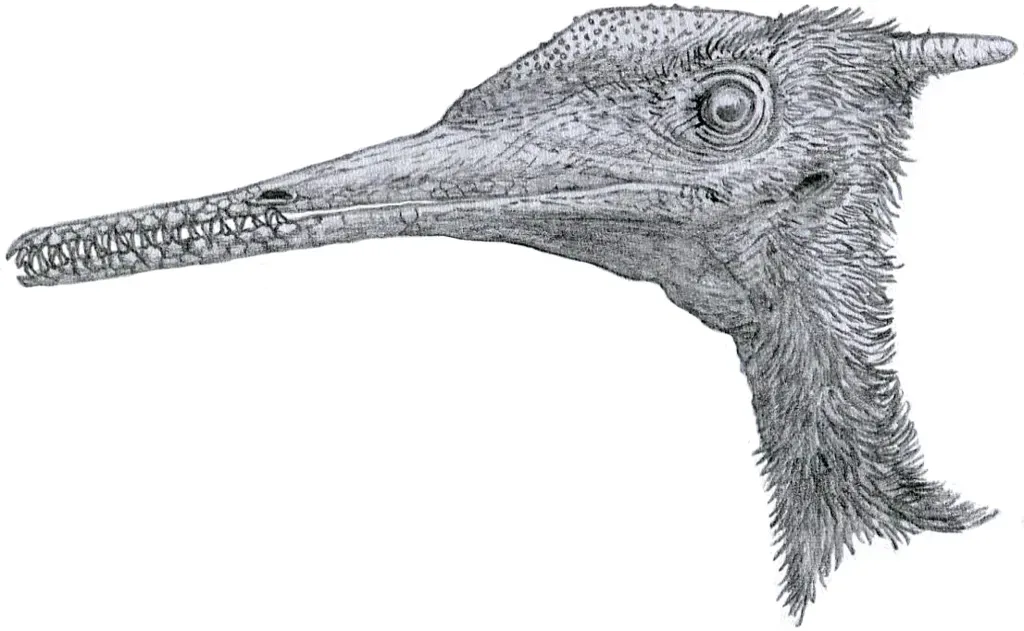
When researchers re‑evaluated Aerodactylus, they did not just slap on a new name and walk away; they also worked out where it sits on the pterosaur family tree. The results linked it closely with other slender‑snouted forms from the same region, such as Cycnorhamphus and Ardeadactylus, and led to the erection of a broader group now often called Aurorazhdarchidae. Members of this lineage tend to share elongated skulls and necks, with a look that edges toward the later, more specialized lineages that produced the giant azhdarchids.
This placement matters because it shows that Aerodactylus was part of an early experiment in body design that would eventually lead to some of the most extreme pterosaurs known. It was not just a random small flier; it was a twig on a branch pointing toward long‑necked, long‑legged forms that would stalk coastlines and inland plains in the Cretaceous. To me, that gives Aerodactylus a kind of “prototype” vibe, a Jurassic test run for stranger things yet to come.
7. Its Skeleton Screams “Adolescent,” Raising Big Questions About Growth
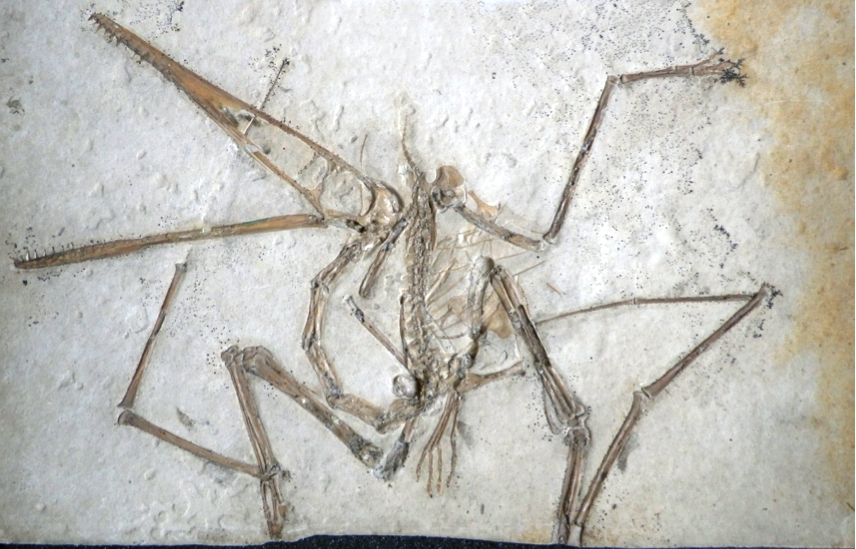
Most Aerodactylus specimens show features that indicate they were not fully grown adults. The limb bones are not completely fused, and certain skeletal details match what is usually interpreted as juvenile or subadult stages in pterosaurs from the same rocks. In fact, many small pterosaurs from Solnhofen turned out, on closer study, to be young individuals of larger species rather than distinct dwarf species of their own.
That history is why some paleontologists remain cautious about Aerodactylus: if so many “species” have ended up being growth stages, could this be another case? Detailed studies have argued that the combination of features in Aerodactylus is consistent and distinct enough to justify treating it as its own genus, but the juvenility issue still hovers in the background. Personally, I think this uncertainty is part of what makes it interesting. Aerodactylus sits in that uncomfortable but exciting zone where data is good, but not perfect, forcing science to live with shades of gray instead of clean, easy labels.
8. It Flew Like a Lightweight Coastal Hunter, Not a Soaring Giant
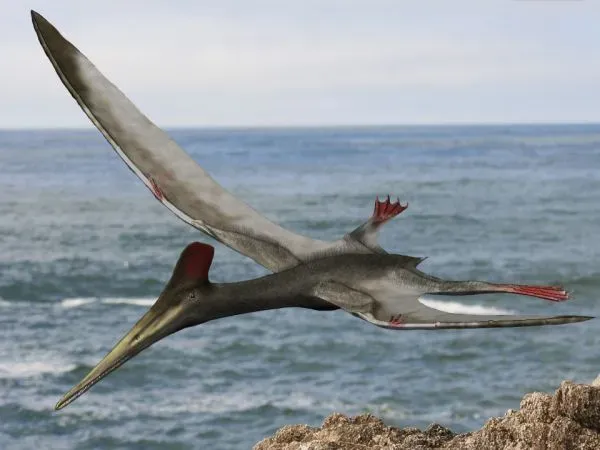
We do not have Aerodactylus caught in the act of hunting, but its anatomy and environment offer strong hints. The long jaws with slender, pointed teeth suggest a diet of small, soft‑bodied prey, likely fish, crustaceans, or invertebrates near the water surface. Combined with its relatively short wings for its body size and the lagoon setting, it likely behaved more like a nimble, low‑flying hunter skimming over calm waters, rather than a high‑altitude glider cruising vast distances.
If you want a mental picture, think less “vulture circling a carcass” and more “tern or sandpiper working the shoreline,” diving, flapping, and making tight maneuvers over reefs and sandbars. To me, this makes Aerodactylus feel instantly more relatable, because we can watch modern birds doing similar things today. It also breaks the lazy habit of imagining all pterosaurs as one‑note gliders. Aerodactylus reminds us that flight styles were just as diverse back then as they are now.
9. Its Fossils Capture an Almost Unfair Level of Detail
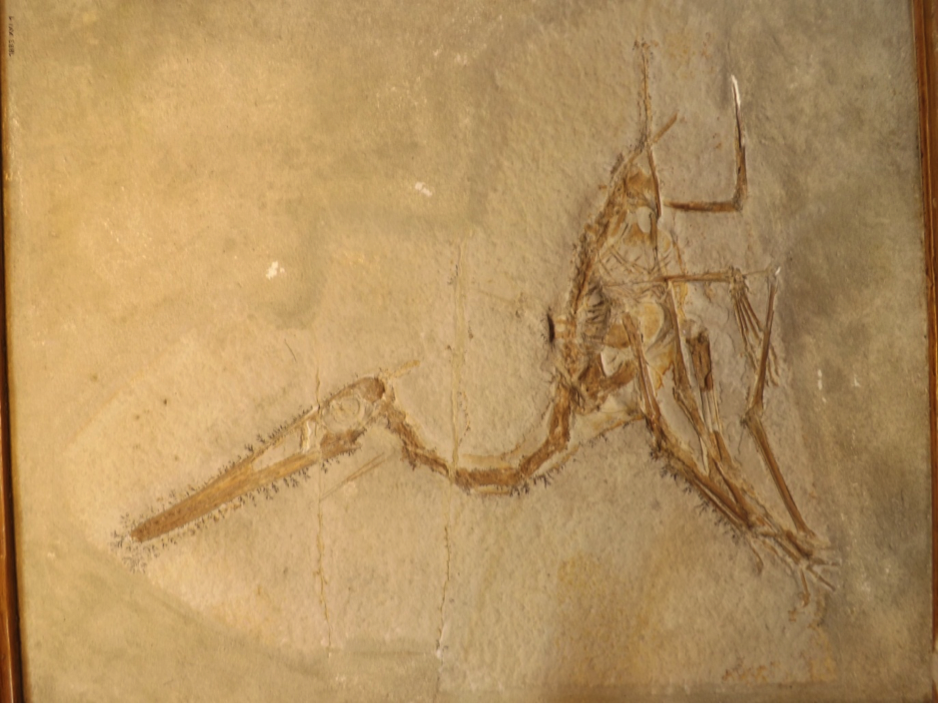
One of the reasons Aerodactylus has become such a talking point is the sheer quality of its preservation. In several specimens, you can trace not just the bones, but the outlines of wing membranes, soft tissues, and even that subtle crest on the head. The rock literally records parts of the animal that normally rot away without a trace in the first days after death. For a paleontologist, this kind of fossil is like getting an ultra high‑resolution scan of a creature that last drew breath nearly one hundred and fifty million years ago.
That level of detail lets scientists check ideas about how pterosaur wings were attached, how far they stretched along the legs, and how soft tissues shaped the head profile in life. It also makes Aerodactylus an anchor point when we try to reconstruct more fragmentary relatives. I sometimes think of it like having one incredibly sharp photograph in an old family album full of blurry snapshots; once you know what the face really looks like, you can interpret the smudged images with much more confidence.
10. Aerodactylus Proves Prehistory Can Be Both Deeply Ancient and Strangely Modern
At the end of the day, what makes Aerodactylus one of prehistory’s strangest flyers is not just its crest, or its small size, or even its complicated taxonomic history. It is the way all those things intersect with our modern world. Here is a Jurassic pterosaur that lived in warm European lagoons alongside early birds and marine reptiles, then got misfiled for more than a century, and finally resurfaced under a name inspired by a Japanese video game franchise. It is hard to think of a better symbol of how science, culture, and deep time can collide.
In my view, Aerodactylus deserves far more fame than it has, precisely because it forces us to drop the lazy, blockbuster image of “the pterodactyl” and replace it with something messier, smaller, and more interesting. It shows that our understanding of ancient life is still evolving, even in well‑studied rocks and museum drawers. Most of all, it proves that the past is not some distant, sealed‑off realm; it is constantly being reinterpreted through the lens of the present. When you picture Jurassic skies after this, will you still imagine only giants, or will a tiny, Pokémon‑named “wind finger” slip into the frame too?