For a lot of kids who grew up in the nineties, dinosaurs did not live in dusty textbooks or museum dioramas. They lived in the rain‑slick paddocks and echoing kitchens of Jurassic Park. One two‑hour movie rewired how millions of young minds pictured prehistoric life, from the way a T. rex moved to the social drama of raptors hunting in the dark. If you were a child then, you probably did not just learn about dinosaurs from that film – you felt them in your nervous system.
But here is the strange part: Jurassic Park was both the most scientifically exciting dinosaur movie ever made at the time and a spectacular source of misconceptions. It dragged dinosaurs out of the slow, swampy stereotype and turned them into agile, complex animals, just as paleontology itself was going through a revolution. At the same time, it hard‑coded a bunch of errors so powerfully into pop culture that some of them are still being corrected in classrooms today. Let’s dig into how one movie became both the best and worst dinosaur teacher an entire generation ever had.
The moment dinosaurs stopped being lumbering lizards
The most shocking thing about Jurassic Park in 1993 was not the roar of the T. rex; it was the speed. For decades, schoolbooks had shown dinosaurs as overgrown, sluggish reptiles that dragged their tails like bored crocodiles. Then suddenly, on screen, you had a T. rex sprinting after a Jeep and nimble raptors jumping onto stainless‑steel counters. For a whole generation of children, this was their first exposure to the idea that dinosaurs were dynamic, athletic animals instead of oversized, doomed monsters slowly sinking into the mud.
This shift was not just Hollywood magic; it mirrored what scientists had been arguing since the so‑called dinosaur renaissance of the seventies and eighties. Researchers were building a new picture of dinosaurs as active, warm‑blooded creatures with complex behavior and high metabolism. Jurassic Park translated those academic debates into images that a ten‑year‑old could understand in an instant. Even if the details were not perfect, the big idea landed: dinosaurs could be fast, clever, and full of energy. Once you have seen that, it is very hard to go back to the sleepy swamp beasts from older movies.
Velociraptors, fear, and the birth of the “smart killer” myth
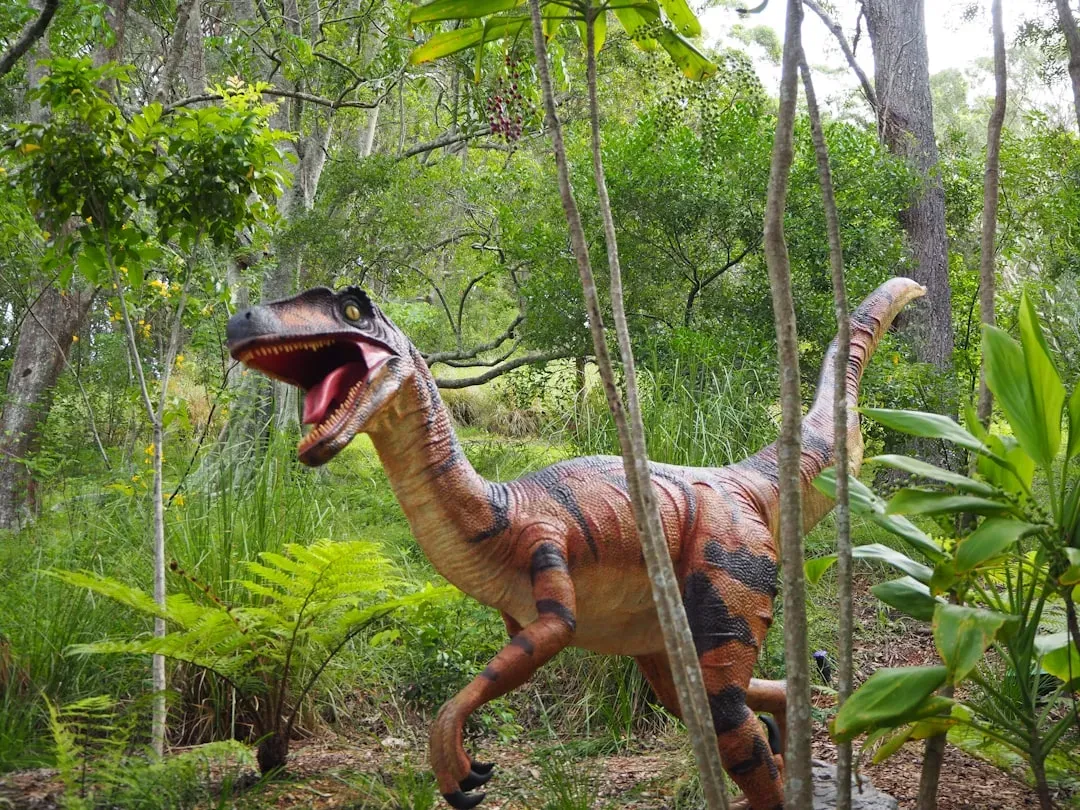
If you ask people what scared them most about Jurassic Park as kids, they rarely say the T. rex. They talk about the raptors in the kitchen, the tapping claw, the clever ambush. The movie turned Velociraptor into a kind of prehistoric horror villain, the ultimate mix of intelligence, speed, and cruelty. For children watching in the nineties, the raptor became the unofficial mascot of dinosaur danger, more memorable than any textbook diagram of carnivore skulls or tooth shapes.
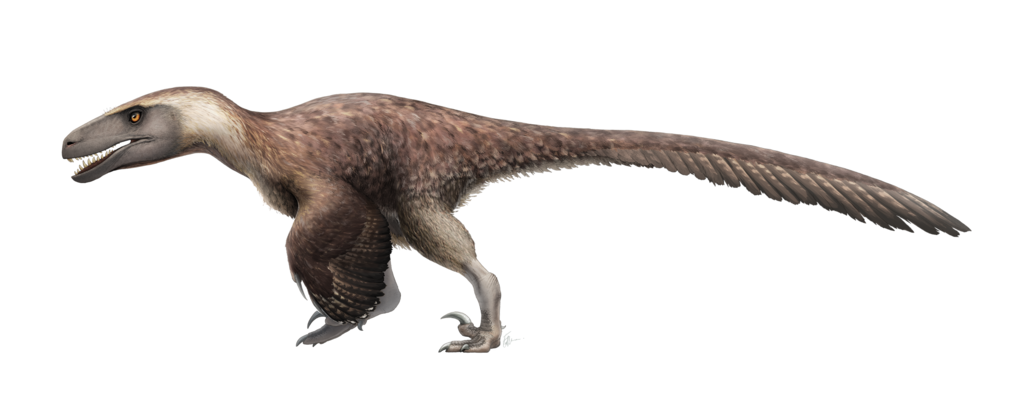
The reality, of course, is much messier. The animals called “raptors” in the film were loosely based on Deinonychus and made oversized for dramatic effect, while real Velociraptors were smaller and, as later evidence firmly suggested, likely feathered. The movie also dialed up their intelligence to near‑human problem‑solving levels, which is thrilling but not supported by fossil evidence or brain size estimates. Still, the impression stuck: raptors became shorthand for cunning predator, from playground arguments to video games. That misunderstanding came with a silver lining, though – it drew kids toward paleontology, eager to learn what was true behind the cinematic myth.
T. rex: misunderstood vision, unforgettable presence
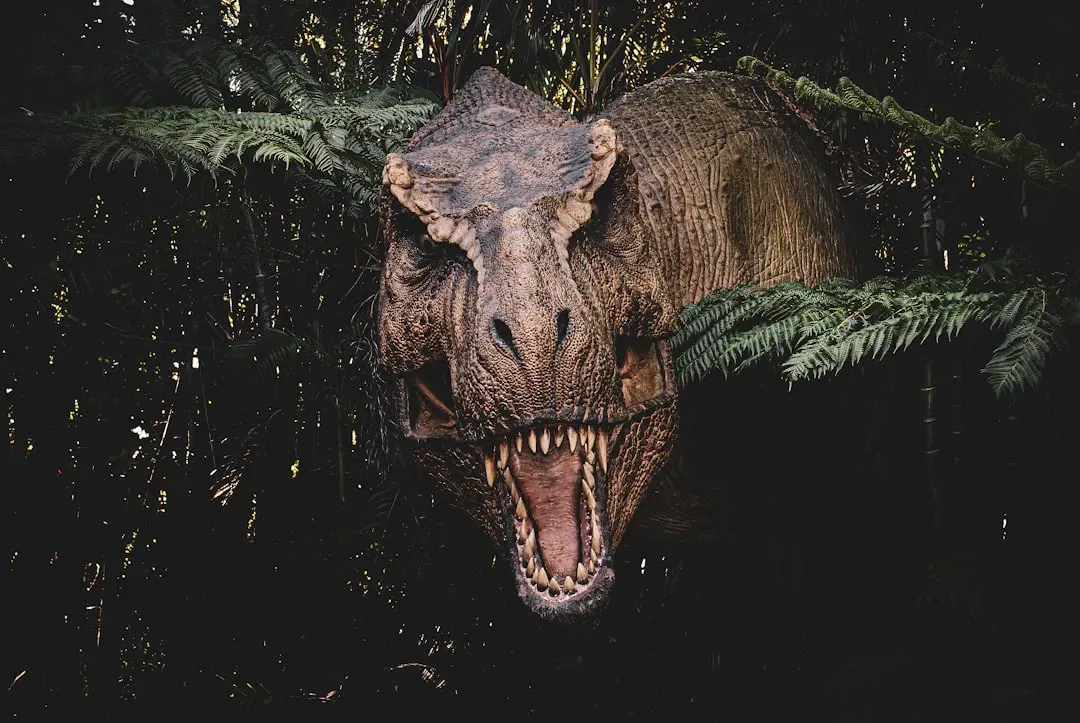
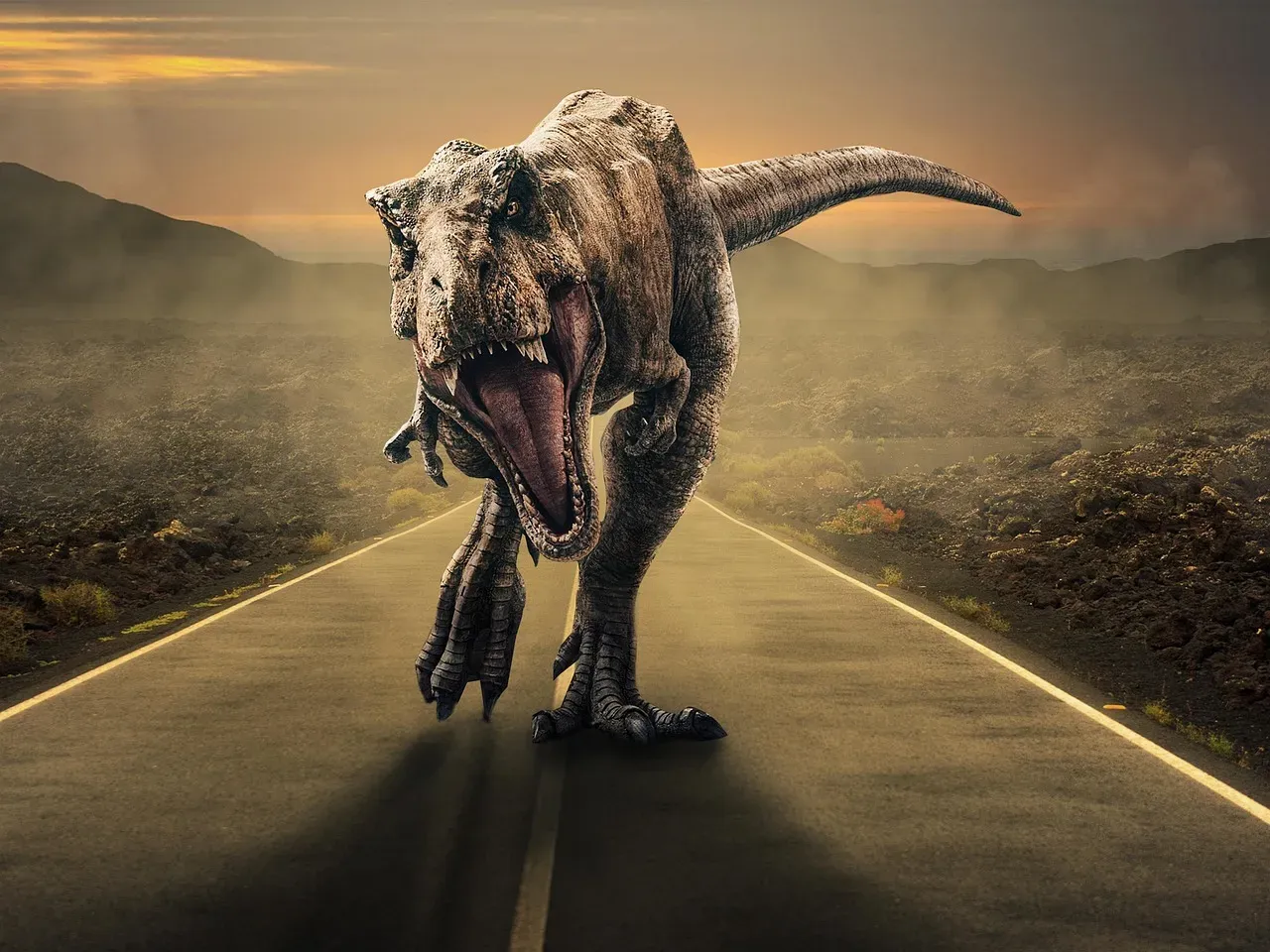
Jurassic Park’s T. rex might be one of the most iconic creatures in movie history. For many children, that was the first time they ever really tried to imagine what it would feel like to stand in front of a living dinosaur. The film made the animal feel heavy and grounded; when it stepped, the water shook, and your stomach did too. Even today, it is hard to overstate how much that particular digital and animatronic T. rex shaped our collective sense of what a dinosaur is.
Yet wrapped inside that unforgettable presence were some serious distortions. The movie famously claimed that the T. rex could not see you if you did not move, a dramatic device that helped build some of its tensest scenes. In reality, fossil evidence suggests T. rex likely had strong binocular vision and a powerful sense of smell; staying still would not have saved you for long. As later research refined its posture and possible speed, the Jurassic Park image stayed stuck in many people’s minds. A lot of kids grew up thinking they “knew” the T. rex, when really they knew a beautifully staged, slightly flawed version of it.
Feathers, colors, and the great dinosaur style update
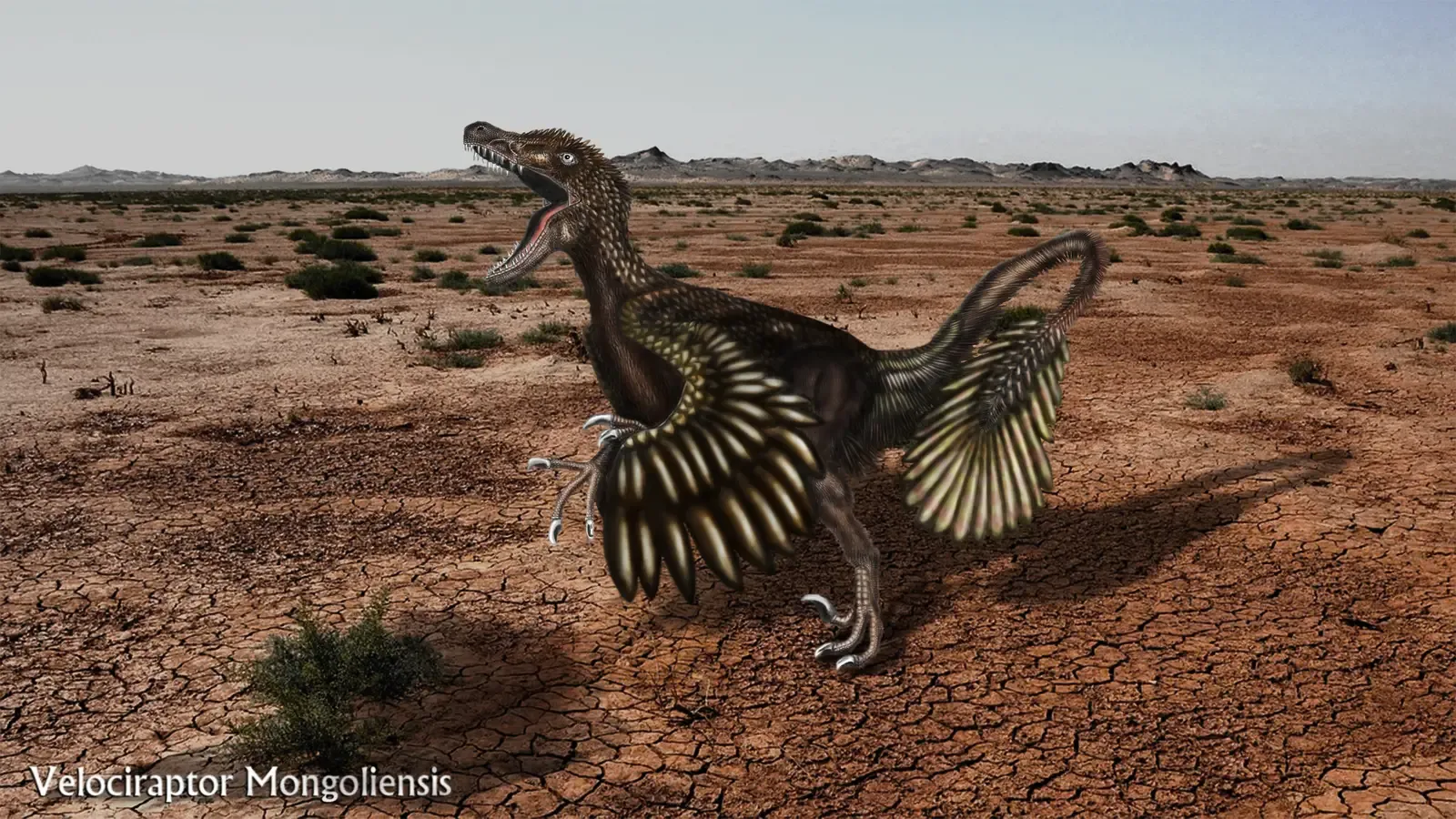
One of the biggest scientific evolutions since 1993 has been how we think dinosaurs looked on the outside. Jurassic Park’s animals are mostly scaly, earth‑toned, and reptilian in texture, with only hints of bird‑like movement. At the time, that was normal and even progressive, because the movie did lean into bird‑like behavior and posture in ways earlier films had not. But as fossils with preserved feathers and skin impressions piled up over the following decades, the gap between the Jurassic Park look and scientific reality widened dramatically, especially for raptor‑type dinosaurs.
Children who grew up with the film often had a hard time accepting feathered, brightly patterned dinosaurs when they started seeing newer reconstructions. A fluffy Velociraptor felt “wrong,” as if science were retroactively ruining their childhood. That emotional resistance shows how deeply the movie’s visuals had embedded themselves. Jurassic Park helped kids understand that dinosaurs and birds were connected, but it also locked a particular aesthetic into place that science has since moved past. The film taught a whole generation to imagine dinosaurs, yet unintentionally made it harder for some of them to update that mental picture later.
How the film quietly made paleontology cool
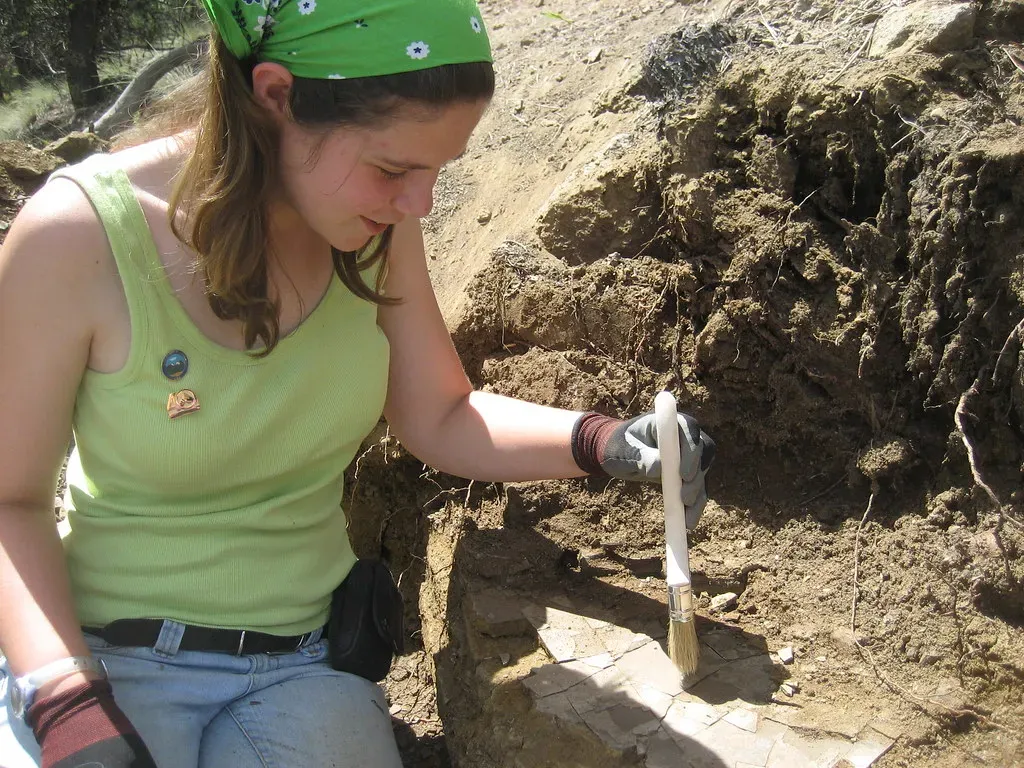
Beyond the teeth and terror, Jurassic Park did something quietly radical: it made scientists look interesting to children. Paleontologists in the movie argued, teased, got scared, changed their minds, and obviously loved their work. For a kid sitting in the dark with popcorn, that might have been the first time they saw someone scrape at bones in the desert and thought, that actually looks fun. Career surveys and anecdotal stories from researchers suggest that many of today’s working paleontologists first felt the pull of fossils because of that film.
At the same time, the movie smoothed over the slow, uncertain nature of science itself. In the story, geneticists resurrect dinosaurs with confident swagger, while experts debate only a handful of big picture ideas. Real paleontology is messier, full of arguments over fragmentary bones, revised family trees, and careful statistical work. Kids who grew up on Jurassic Park sometimes expected quick, cinematic answers from the fossil record, and had to unlearn that later. Still, even if the process was romanticized, the movie planted a powerful seed: the idea that digging through deep time is worthy, exciting, and possibly even a job you could grow up to have.
A generation caught between wonder and correction
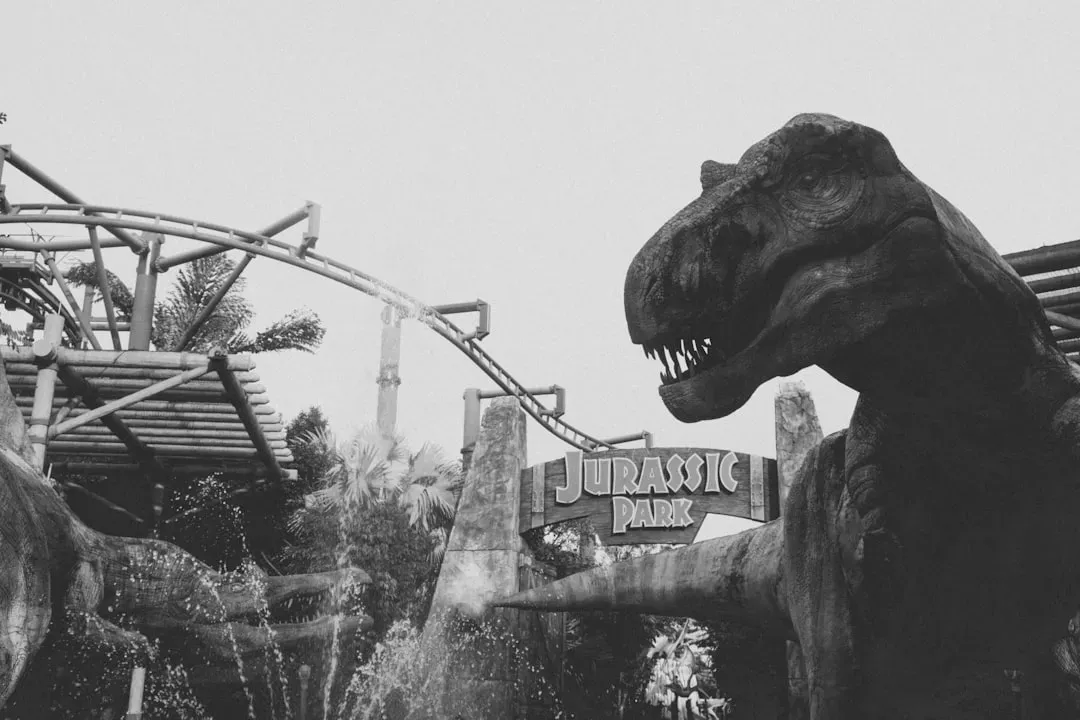
If you were a Jurassic Park kid, you probably know the feeling of being both enchanted and corrected. Maybe you loved raptors until a teacher told you they probably had feathers, or you argued on the playground about whether the “don’t move” rule would actually work on a T. rex. In a way, that constant tension between what the movie showed and what science later revealed turned a lot of casual dinosaur fans into active critical thinkers. They were forced, sometimes reluctantly, to hold on to their sense of wonder while letting go of certain details.
I still remember the first time I saw a museum display that showed a feathery, almost bird‑like dromaeosaur and thinking it looked like someone had put a winter coat on my childhood. It felt wrong before it felt right. That discomfort is exactly where Jurassic Park’s influence lives: in the gap between the story we loved and the evidence we keep uncovering. In the end, the film did change how a generation understood dinosaurs, but not in a simple way. It gave them a vivid, living world to start from, and then forced them to update that world piece by piece as the science moved on.
Conclusion: The best bad teacher dinosaurs ever had
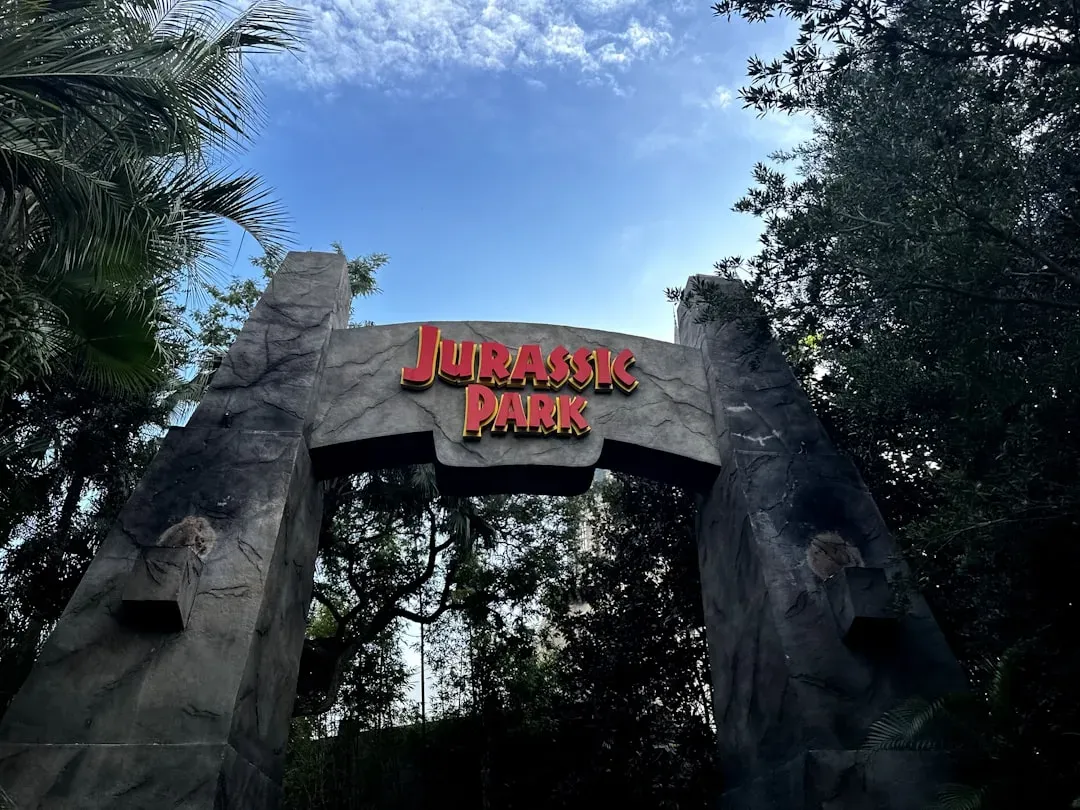
Looking back from 2026, Jurassic Park feels like the best bad teacher an entire generation ever had. It got plenty of things wrong, from naked raptors to nearly magical cloning, but it also jolted dinosaurs out of the dusty museum corner and into everyday imagination. Kids came away with misconceptions, yes, but also with a much more accurate big‑picture sense that dinosaurs were active, complex, and connected to birds. For a single blockbuster, that is a strangely impressive record.
In my view, the film’s greatest legacy is that it made being wrong about dinosaurs a starting point instead of an ending. It invited children to care enough to argue, to read more, to feel a little betrayed when the facts changed – and then to adjust, however grudgingly. That emotional journey from awe to correction is what real science education often looks like, just sped up and dramatized. Maybe that is the real question Jurassic Park leaves us with, decades later: not whether it was accurate, but whether it made us curious enough to keep asking what dinosaurs were actually like. Did you expect a movie about cloned monsters to end up being a story about how we learn to change our minds?