
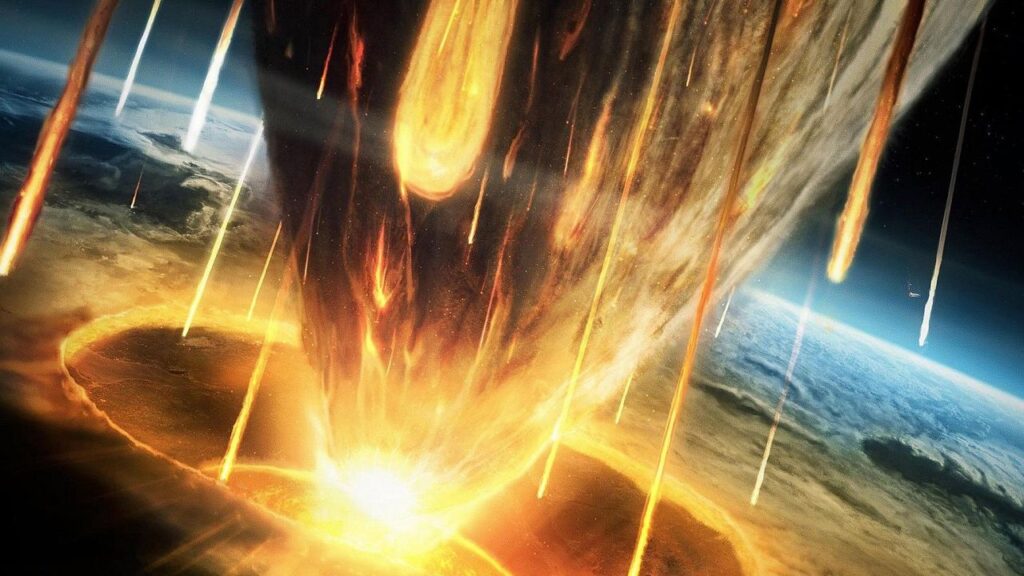
Try to imagine this: one ordinary spring day in the Late Cretaceous, the world is humming along with immense herds of dinosaurs, lush forests, and warm shallow seas. Within a single day, that same thriving planet is thrown into a level of chaos that almost no living creature has ever experienced before or since. The asteroid that ended the age of dinosaurs did not feel like a slow fade-out from their perspective; it felt like the sky itself turned against them.
Scientists today have pieced together those first 24 hours like detectives at the scene of an ancient crime, using layers of rock, microscopic glass beads, shocked crystals, and a buried crater to reconstruct what really happened. The result is both terrifying and strangely mesmerizing: a sequence of events so extreme it challenges what we think of as “disaster.” Let’s walk through that single, world-changing day, step by step, from a dinosaur’s-eye view and from what the science actually supports – no movie effects needed.
The Calm Before Impact: A Normal Cretaceous Morning
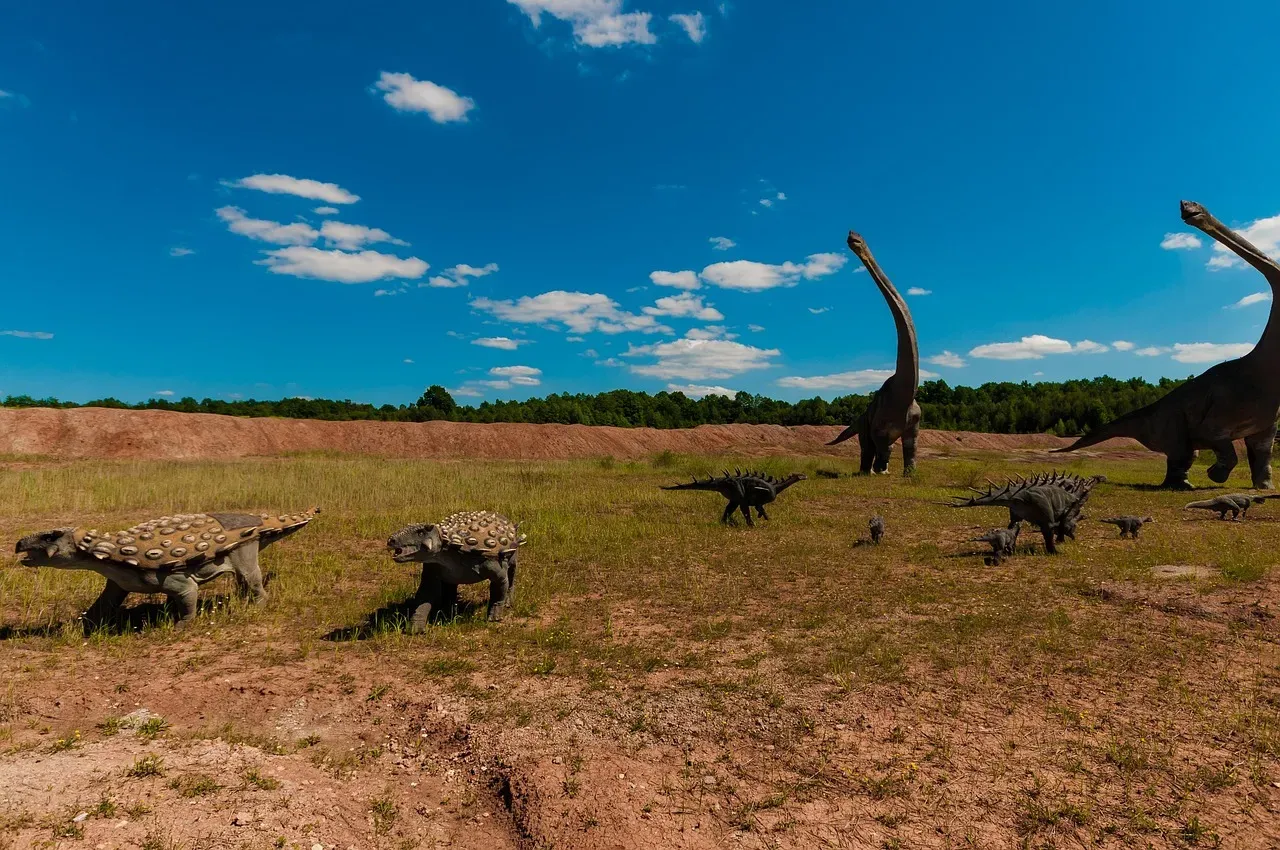
In the minutes and hours before the asteroid appeared, Earth was not expecting anything special. The climate was warm, sea levels were high, and continents were arranged differently, but many scenes would still look oddly familiar: coastal wetlands buzzing with insects, forests ringing with animal calls, and the distant rumble of volcanic activity that had been ongoing for a long time. Dinosaurs were not rare or mysterious; they were simply the dominant large animals in ecosystems spread across the globe. Herbivores browsed cycads and conifers, predators stalked along riverbanks, and flying reptiles glided over shorelines while early birds flitted through the trees.
From their point of view, the day began like countless days before it. A hadrosaur might be focused on finding tender plants, keeping half an eye out for a lurking tyrannosaur. A small mammal might be scrambling under leaf litter, concerned only with food and avoiding becoming food. No one sensed a cosmic threat barreling toward them at tens of kilometers per second. The sky looked normal, the sun rose as usual, and the planet’s long, stable rhythms gave no hint that the age of dinosaurs had less than 24 hours left in any recognizable form.
The Instant of Impact: A Fireball Bigger Than Imagination
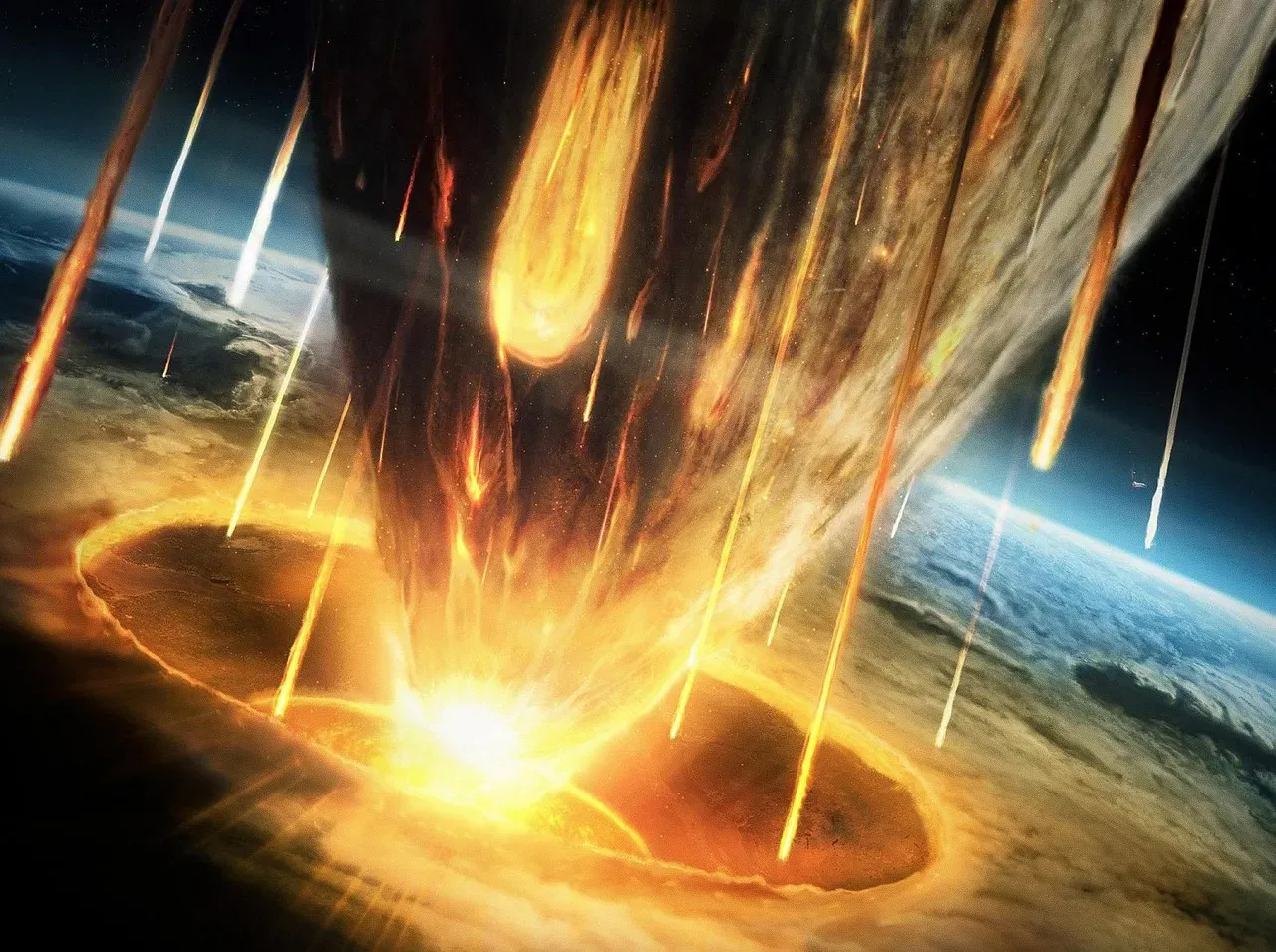
Then, in what would have felt like an instant, the asteroid struck the shallow sea near what is now the Yucatán Peninsula in Mexico. This object was roughly several kilometers across – big enough that, at its speed, it delivered more energy than billions of nuclear bombs going off at once. For any animal within hundreds of kilometers, there was no time to process what was happening. A blinding flash, more intense than anything they had ever seen, would have been followed by shockwaves that tore through land, sea, and air.
The rock did not just carve out a crater; it vaporized itself, the seawater, and deep layers of crust, flinging molten and pulverized material high into the atmosphere and even beyond. The ocean in the impact zone would have briefly behaved more like a gas than a liquid, displaced outward in an enormous, expanding cavity. Nearby coastlines were effectively erased in the first seconds. It is hard for us to wrap our minds around this because human disasters – volcanoes, earthquakes, even nuclear tests – do not come close to this energy release. To the local dinosaurs, there was no “event” to survive; there was just instant annihilation.
The Shockwave and Earthquake Storm: The Planet Rings Like a Bell
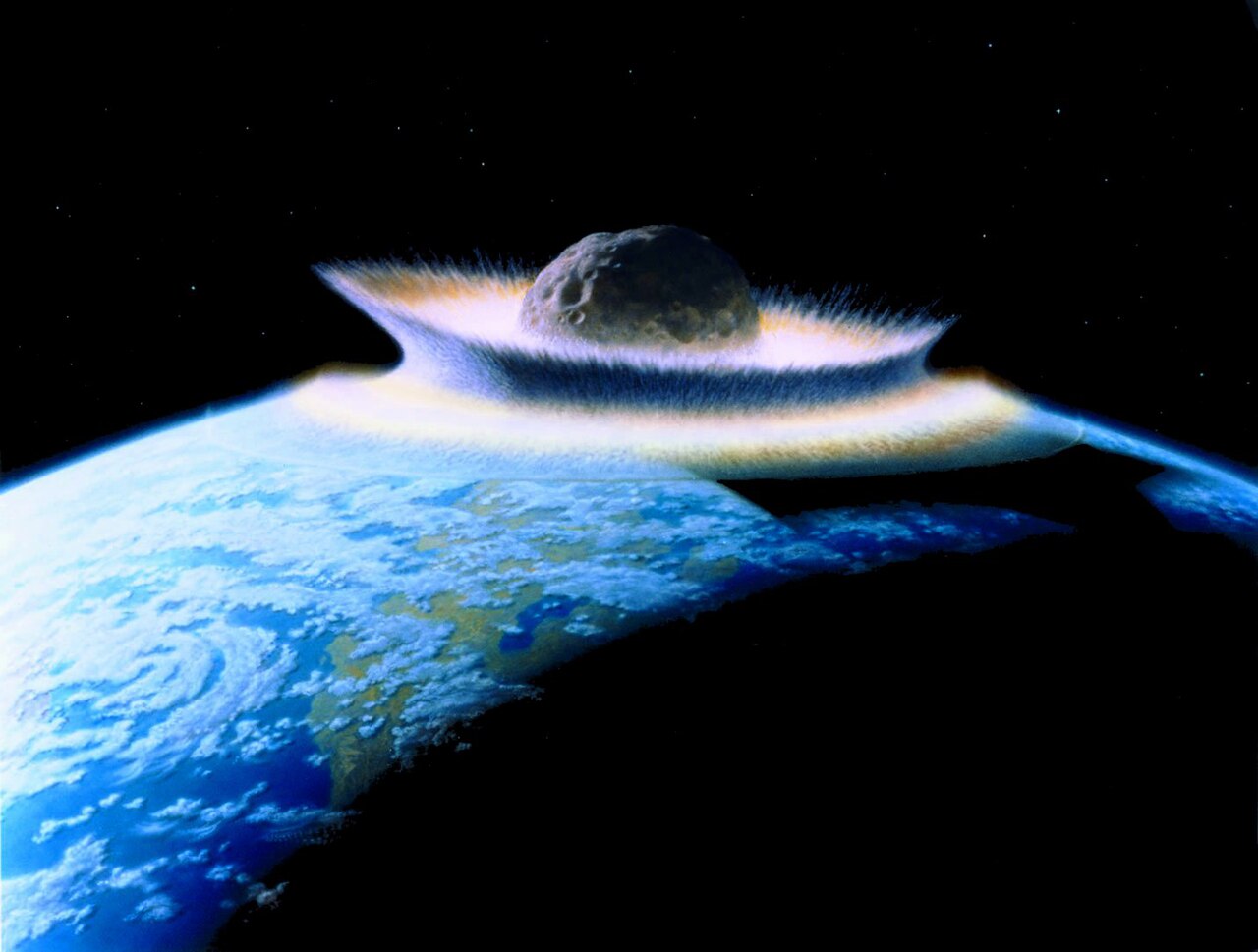
Beyond the immediate kill zone, the first thing many creatures would have experienced was an unimaginably powerful shockwave ripping through the air. Trees would have been snapped like twigs, forests flattened, and animals thrown to the ground or killed by flying debris. Farther out, the blast would still feel like the worst storm imaginable, but compressed into seconds. If you picture standing in a forest while a hurricane, an explosion, and a building collapse all happen at once, you’re only halfway there. The air itself became a lethal weapon.
At the same time, the impact sent seismic waves racing through the planet, triggering earthquakes on a global scale. Fault lines may have slipped thousands of kilometers away, landslides would have cascaded down mountain slopes, and underground water systems would have been disrupted. Some scientists argue that volcanically active regions, already simmering, may have been jolted harder by these waves, though there is still debate over how much that mattered in the very short term. What is clear is that Earth literally rang – like a bell struck by a hammer far beyond anything it had ever felt before, and life was caught in the vibration.
Global Tsunamis and Mega-Fires: Oceans and Forests Turn Against Life
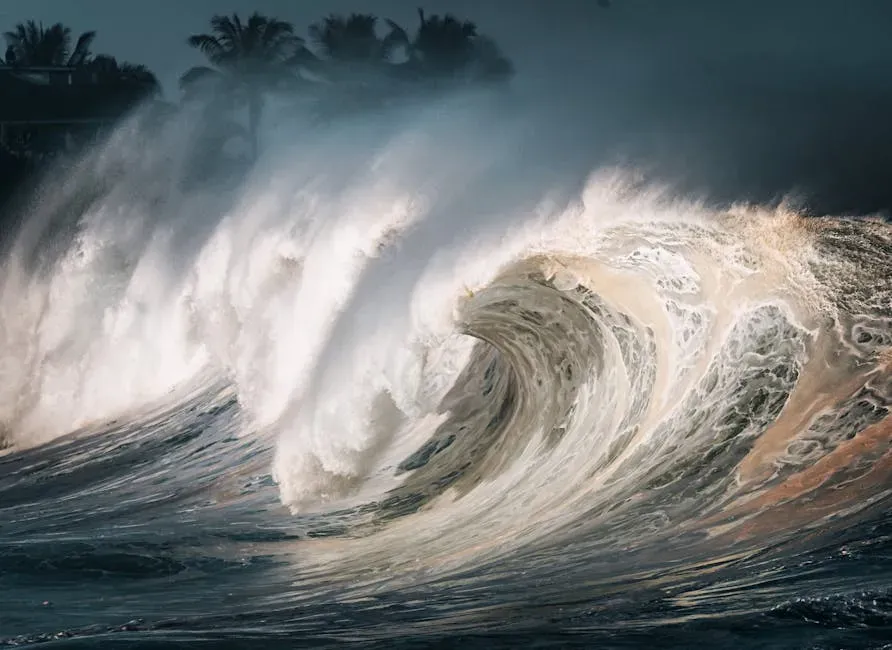
As the initial crater collapsed and the displaced water rushed back in, tsunamis radiated outward across the ancient Gulf of Mexico and into connected seas. These waves were not the kind you can surf; they were walls of water that could inundate coastlines thousands of kilometers away, scraping away soil, plants, and any animals unlucky enough to be near the shore. Coastal dinosaurs, marine reptiles, and countless smaller creatures were drowned or crushed under churning debris. Sediment layers from this time bear the signature of these violent floods, like fingerprints of an ancient tidal catastrophe.
At the same time, the material blasted into the atmosphere began to fall back to Earth. Tiny, red‑hot glass beads and larger chunks of debris re-entered at high speeds, heating the air and turning vast areas of the sky into a giant broiler. Many researchers think this intense “reentry heating” could have started global-scale wildfires, igniting forests and grasslands over enormous regions. Imagine being a medium-sized dinosaur, already rattled by earthquakes, and suddenly the horizon lights up with sweeping lines of fire. Smoke, ash, and burning embers would have transformed breathable air into a choking, radiant haze – a nightmare that turned familiar habitats into lethal traps.
Darkening Skies and Falling Ash: The World Starts to Shut Down
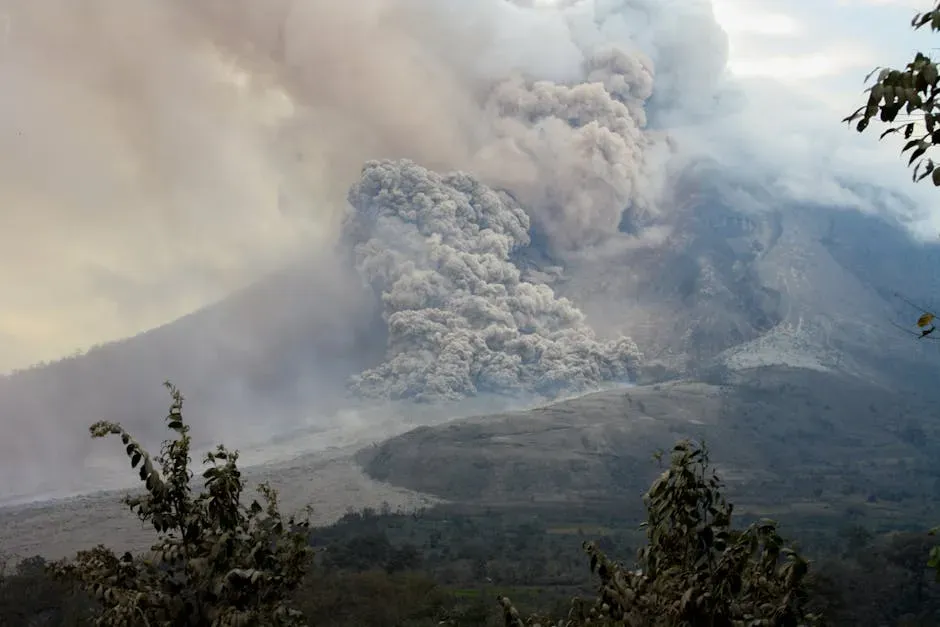
Within hours, the atmosphere began to change in ways that would matter even more in the days and weeks to come. Dust, soot, and aerosols from vaporized rock and global wildfires rose high into the atmosphere, where they spread around the planet. The sun would have started to dim, not like a normal cloudy day, but with an eerie, dirty twilight even at midday. Temperature contrasts between land and sea would have shifted rapidly, causing chaotic winds and violent storms as the climate tried to respond to the sudden shock.
For animals that survived the blast, the quakes, the tsunamis, and the fires, the world was now becoming unfamiliar on a deeper level. Plants struggled with limited sunlight, and photosynthesis began to slow. Herbivores that relied on fresh leaves and low-growing vegetation faced a landscape of charred stems and ash‑covered soil. Predators might have had an initial surge of scavenging opportunities, but even that was a short-lived benefit in a system that was structurally collapsing. If dinosaurs had any sense of “tomorrow,” it was now a tomorrow in which skies darkened, food disappeared, and the environment shifted faster than large animals could realistically adapt.
The First Night After Impact: Survivors in a Changed World
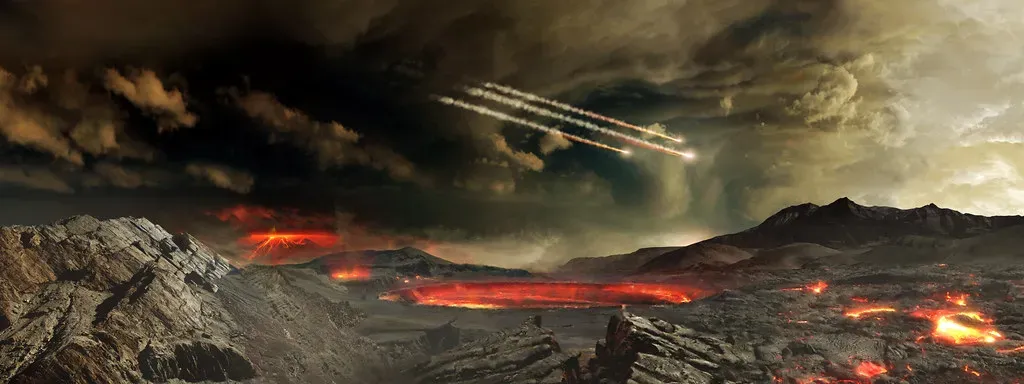
When night finally fell after that catastrophic day, it probably felt less like ordinary darkness and more like being sealed inside a smoky, dust-filled cave. Starlight and even moonlight may have been muted by the particles in the atmosphere. For many smaller creatures – early mammals, small reptiles, birds that could roost or shelter – this was their strange advantage. They were already used to hiding in burrows, tree hollows, and crevices, and they needed less food to survive periods of scarcity. In the chaos of the first night, that survival strategy suddenly became one of the most valuable skills on Earth.
In contrast, large dinosaurs were built for a world of abundant plant life and stable daylight cycles, not rapid ecosystem collapse. Some individuals undoubtedly limped into that first night burned, injured, starving, and disoriented. They did not know, of course, that they were living the opening chapter of their own extinction. From a scientific perspective, the first 24 hours sealed their long-term fate by setting in motion climate changes and food‑web breakdowns that large-bodied dinosaurs were simply not equipped to ride out. The tragedy is that no single moment screamed “the end”; instead, that first day quietly locked in a future where their era was over, even as they stumbled through the dark.
Conclusion: A Single Day That Redefined Life on Earth
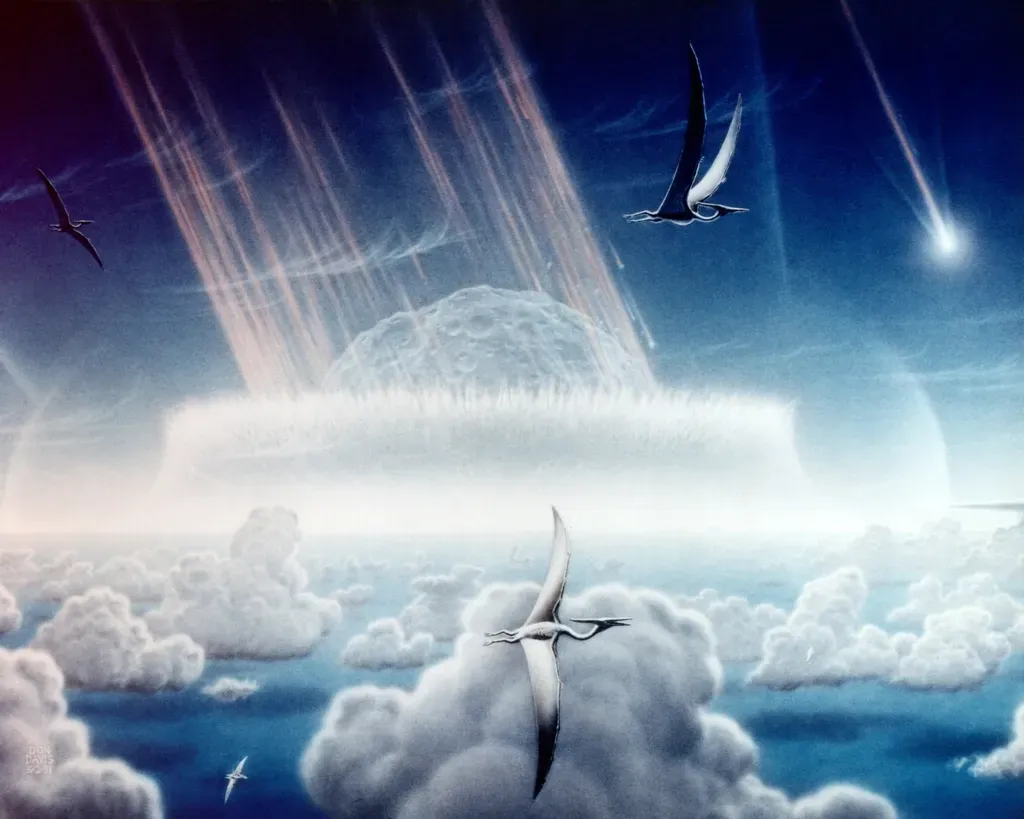
Looking back from 2026, what strikes me most is how unfairly fast it all was. Dinosaurs ruled the planet for tens of millions of years, surviving gradual climate shifts, sea‑level changes, and volcanic episodes, only to be blindsided by one terrible day they could never have anticipated. The first 24 hours after the asteroid hit were not just dramatic; they were decisive. By blasting a crater into the crust, igniting fires, darkening the sky, and shaking the entire planet, that impact pushed Earth past a tipping point that slow, evolutionary resilience could not counter. In a sense, the dinosaurs lost not in a long war, but in a single overwhelming ambush from space.
At the same time, that disaster opened the door for our own distant ancestors, those small, overlooked mammals huddling in burrows and shadows while giants fell. I find it both humbling and unsettling that our very existence may hinge on that brutal day when everything changed in less than one rotation of the planet. It is a reminder that stability is an illusion and that life’s story can pivot on a moment no one sees coming. Next time you glance at the night sky, it is worth wondering: if one day can end an age, what will we do with the quieter days we are lucky enough to get?