
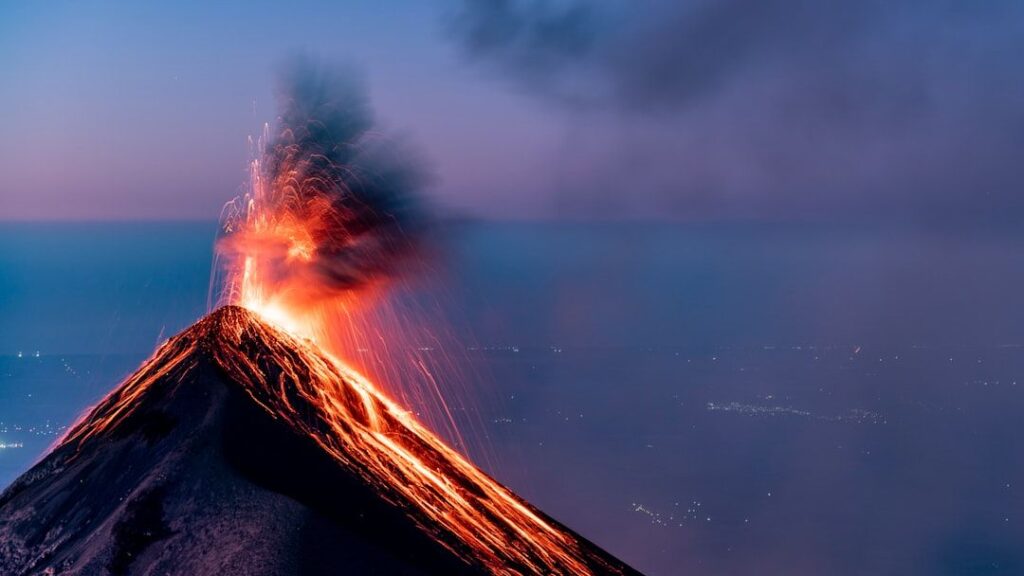
Some people cannot look away from a volcanic eruption, a dinosaur skeleton, or a documentary about mass extinctions. While others change the channel, they lean in. That fascination is not just a quirky hobby; it often reveals something deeper about how they think, feel, and cope with being a very small human in a very unpredictable universe.
Psychology suggests that when you are drawn to scenes of ancient destruction, you might not be chasing doom at all. You might be chasing perspective. Volcanoes, dinosaurs, and prehistoric cataclysms pull the camera way back on everyday life, shrinking our personal dramas and highlighting how fragile and temporary our species really is. That leap in perspective can feel unsettling, but also strangely comforting – like standing at the edge of a cliff and realizing your worries are smaller than they felt an hour ago.
The Strange Comfort of Catastrophe: Why Disasters Can Soothe, Not Just Scare
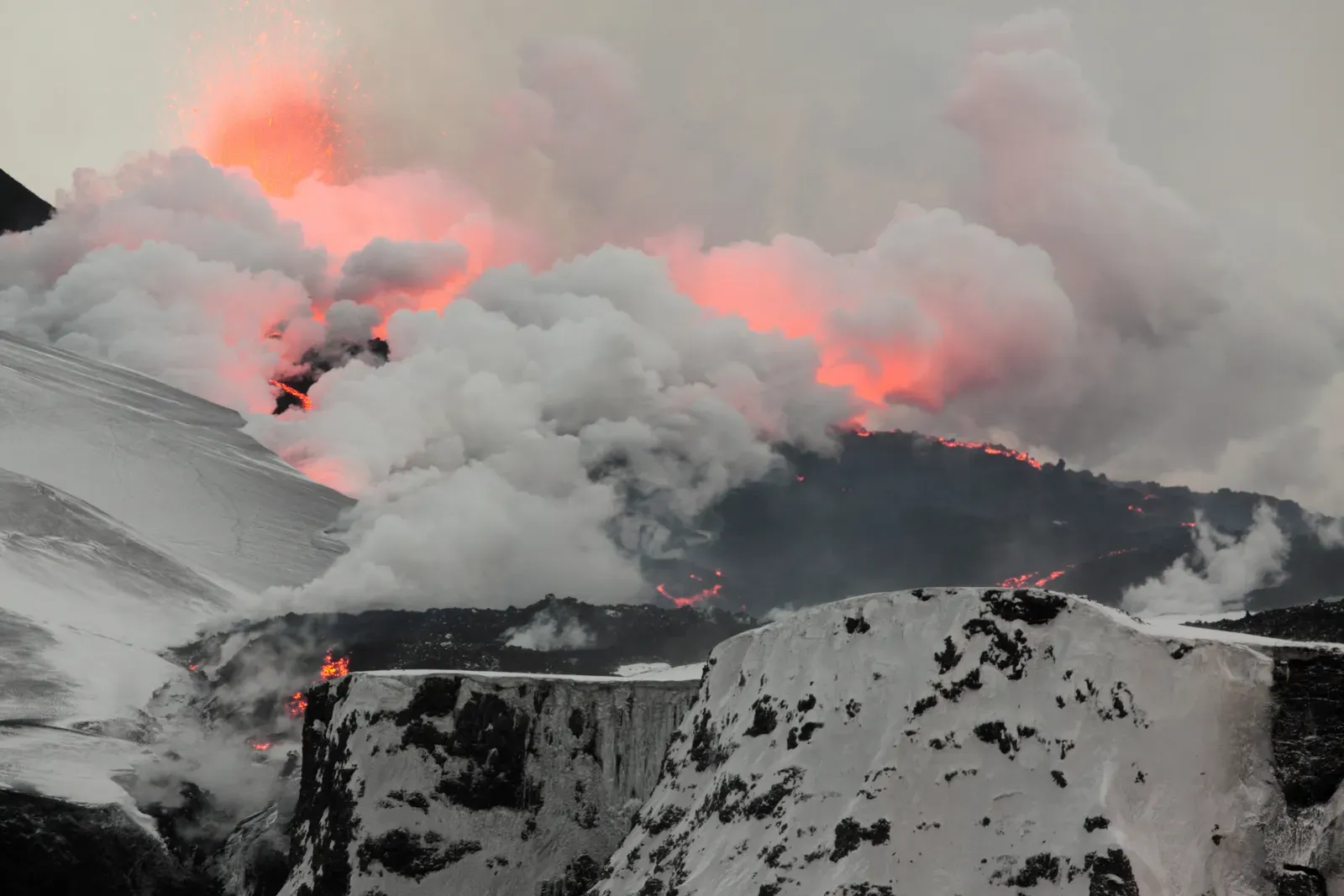
Here is the paradox: scenes of destruction and extinction should terrify us, yet a lot of people find them calming or even awe-inspiring. Looking at eruptions, asteroid impacts, or ancient tsunamis reminds us that the world has always been dangerous and chaotic, long before we showed up. In a way, this takes the pressure off. If entire species vanished in perfectly ordinary geological time, maybe your awkward email or blown meeting is not the end of the world.
Psychologists sometimes talk about this as a form of cognitive reframing. When you see disasters at a planetary scale, your own problems get mentally resized. That can reduce stress because it interrupts the tunnel vision that makes personal setbacks feel enormous. It is not that suffering stops mattering, but it becomes one small thread in a vast cosmic tapestry. A lot of people who love ancient disasters are not morbid; they are quietly looking for a perspective reset.
Volcanoes as Living Metaphors for Power, Impermanence, and Release
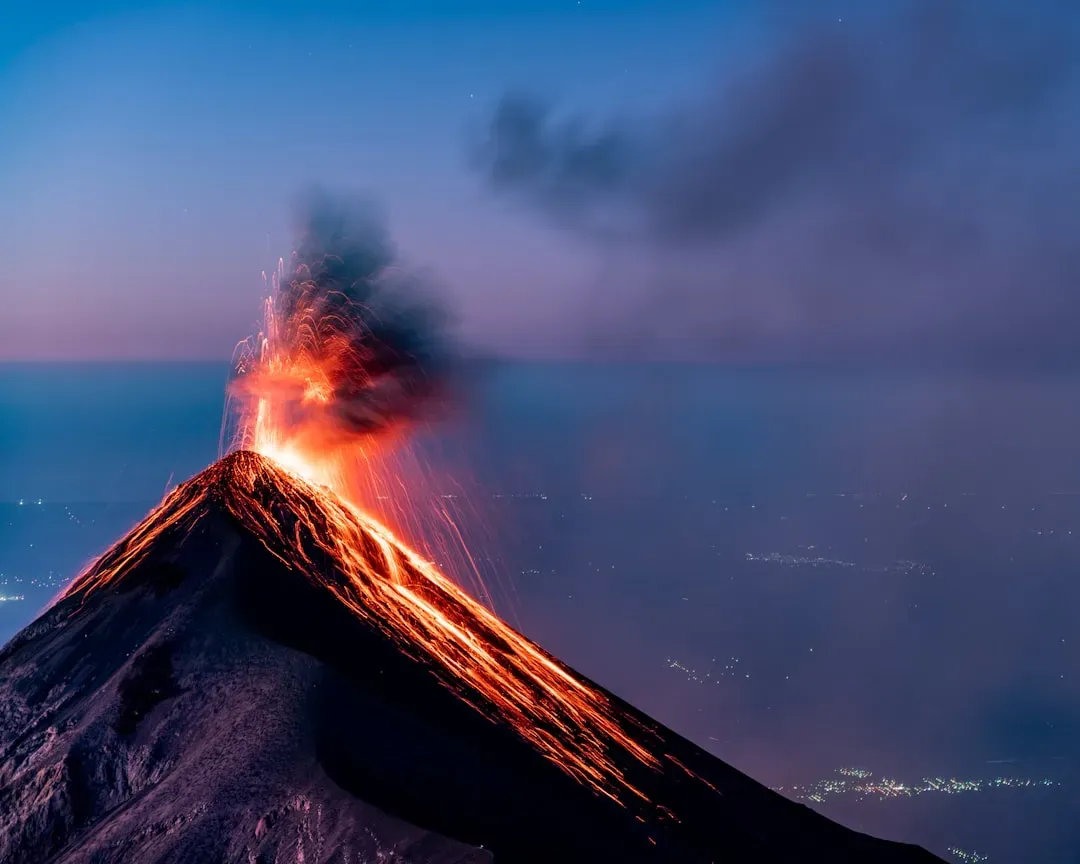
Volcanoes are one of the few forces on Earth that feel almost godlike in their power. When a volcano erupts, there is nothing to negotiate with, no apology you can offer, no policy vote that will make it stop. That raw, indifferent energy confronts us with the limits of human control. For people who are drawn to volcanoes, that power often becomes a metaphor: life can build pressure under the surface for years, then transform in a single explosive moment.
At the same time, volcanoes are not just symbols of destruction; they are engines of renewal. Volcanic ash creates rich soils, and entire ecosystems grow on old lava flows. Psychologically, that duality – devastation and regeneration – can be deeply appealing. It suggests that endings and beginnings are entangled, that loss might carry the seeds of something new. People who love watching volcanoes erupt often intuitively understand that everything solid in our lives is provisional, and that acceptance can be strangely liberating.
Dinosaurs and the Humbling Power of Deep Time
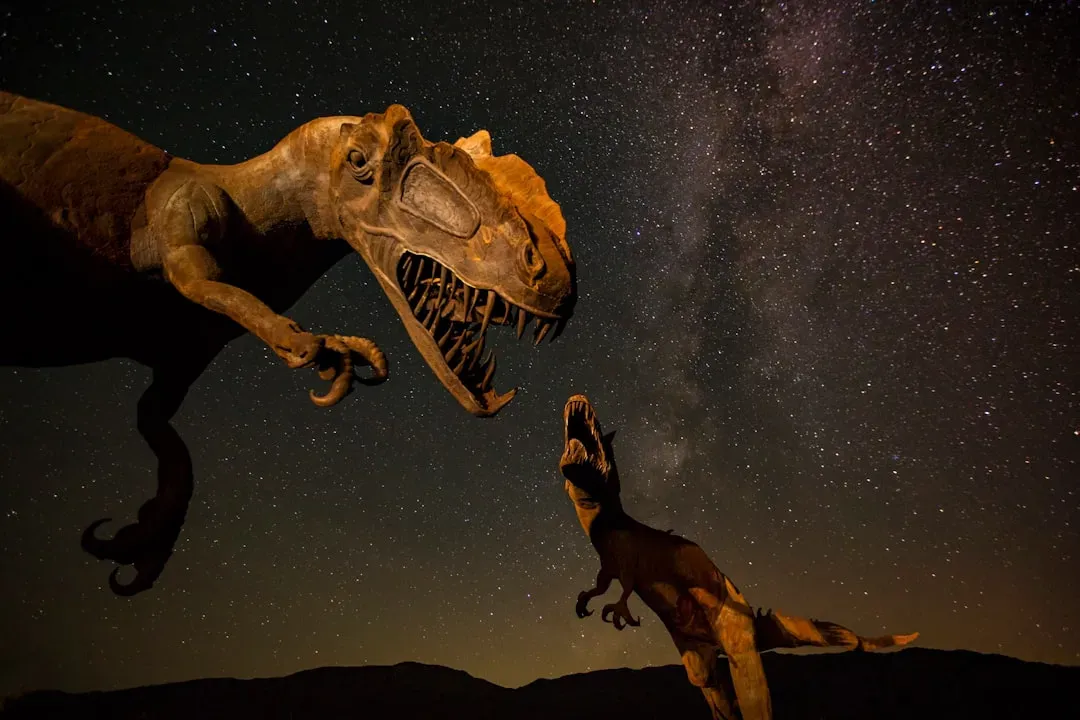
Dinosaur fans are sometimes dismissed as overgrown children, but there is something very adult about obsessing over creatures that ruled the planet and then vanished. Dinosaurs are an entry point into what geologists call deep time – the almost unimaginable stretches of millions and billions of years. When you stand under a towering fossil, you are literally face to face with the fact that dominant species come and go, and humans are late to the party.
This immersion in deep time reinforces the idea that human civilization is precarious and temporary. For many people, that realization is not depressing but grounding. It shrinks our sense of cosmic importance in a way that can reduce narcissism and entitlement. If colossal animals that survived for tens of millions of years could still be wiped out by environmental shifts, then our own invincibility myth looks flimsy. That humbling awareness is a big part of why people who love dinosaurs often talk about feeling small in a good way.
Ancient Disasters and the Allure of Safe Distance
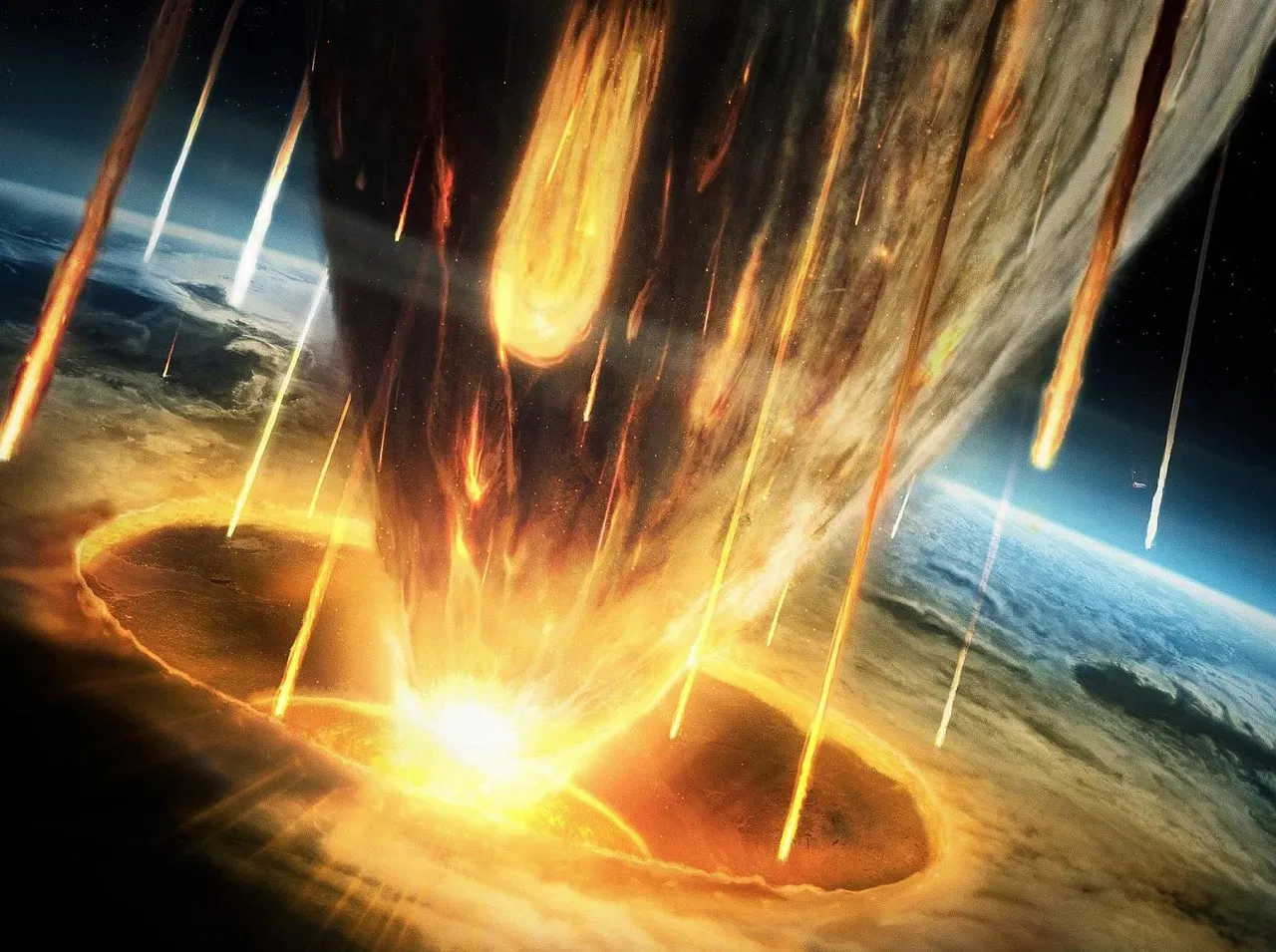
Part of the appeal of ancient catastrophes is their emotional safety. You can dive into asteroid impacts, supervolcanoes, and mass extinctions knowing that the victims are very far away in time. The danger is real in the story, but not in your living room. Psychologists sometimes describe this as enjoying fear with a safety buffer, similar to why horror movies are fun for some people but unbearable when real life is actually threatened.
That safe distance allows you to explore painful themes – loss, vulnerability, sudden change – without being overwhelmed. You can ask, in a calm, curious way, what happens when everything familiar disappears. People who gravitate toward ancient disasters are often running drills in their minds: How does a world collapse? What survives? Who adapts? They are rehearsing for uncertainty, using ancient history as an emotional simulator.
Mortality, Terror Management, and Why Some Brains Want the Big Picture

Modern psychology has a field that looks directly at how people cope with the awareness of death. A major idea from that area is that when we are reminded of mortality, we cling harder to our beliefs, identities, and social groups to feel more secure. But not everyone handles mortality cues in the same way. Some people respond not by doubling down on certainty, but by seeking the widest possible context in which to place their tiny life.
If you are fascinated by volcanoes and extinctions, there is a good chance you fall into that second camp. Instead of trying to outrun the thought of death, you turn toward it and zoom out. You look at the whole planetary life cycle and think about humanity as one brief chapter. That can lessen the sting of individual mortality because you start to see yourself as part of an ongoing, impersonal process. It is not exactly cheerful, but it can feel honest and strangely peaceful.
Awe, Sublime Fear, and the Emotional High of Feeling Small
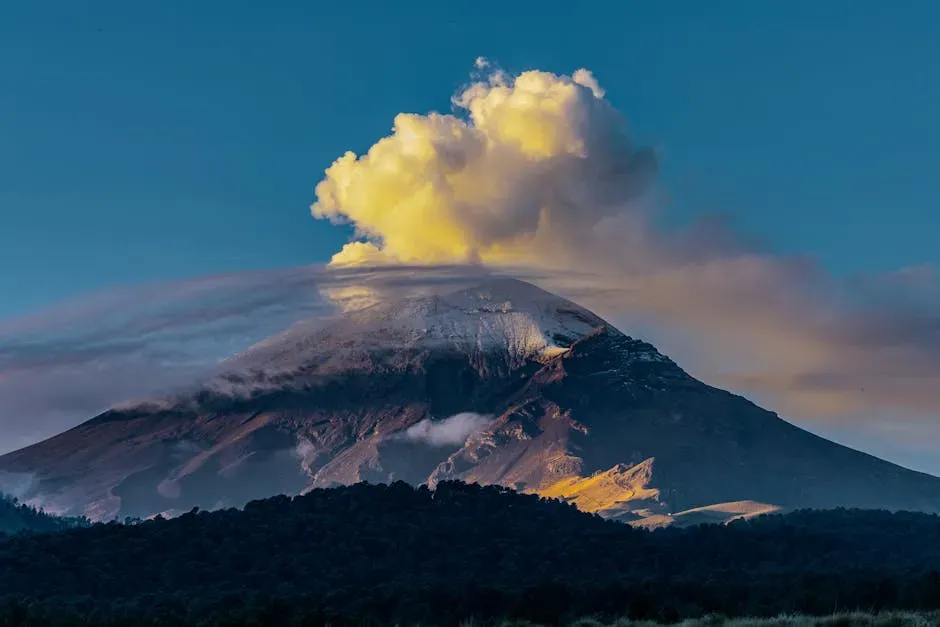
Emotions researchers talk about awe as a blend of wonder and smallness. Awe often arises when we encounter something vast that exceeds our usual frames of reference, and ancient disasters are perfect awe triggers. A global extinction event or a lava field stretching to the horizon is so far beyond ordinary life that the brain has to reorganize how it sees the world, at least for a moment.
That sense of smallness can come with a twinge of fear, but people who are drawn to these topics often find the fear energizing rather than paralyzing. It is similar to standing under a star-filled sky and feeling both insignificant and deeply connected. Volcano watchers and dinosaur enthusiasts tend to chase this feeling, not because they are thrill-seekers in the usual sense, but because awe temporarily dissolves the ego. For a little while, they get to stop being the center of the universe and simply be part of something vast.
Control, Anxiety, and the Odd Relief of Forces We Cannot Tame
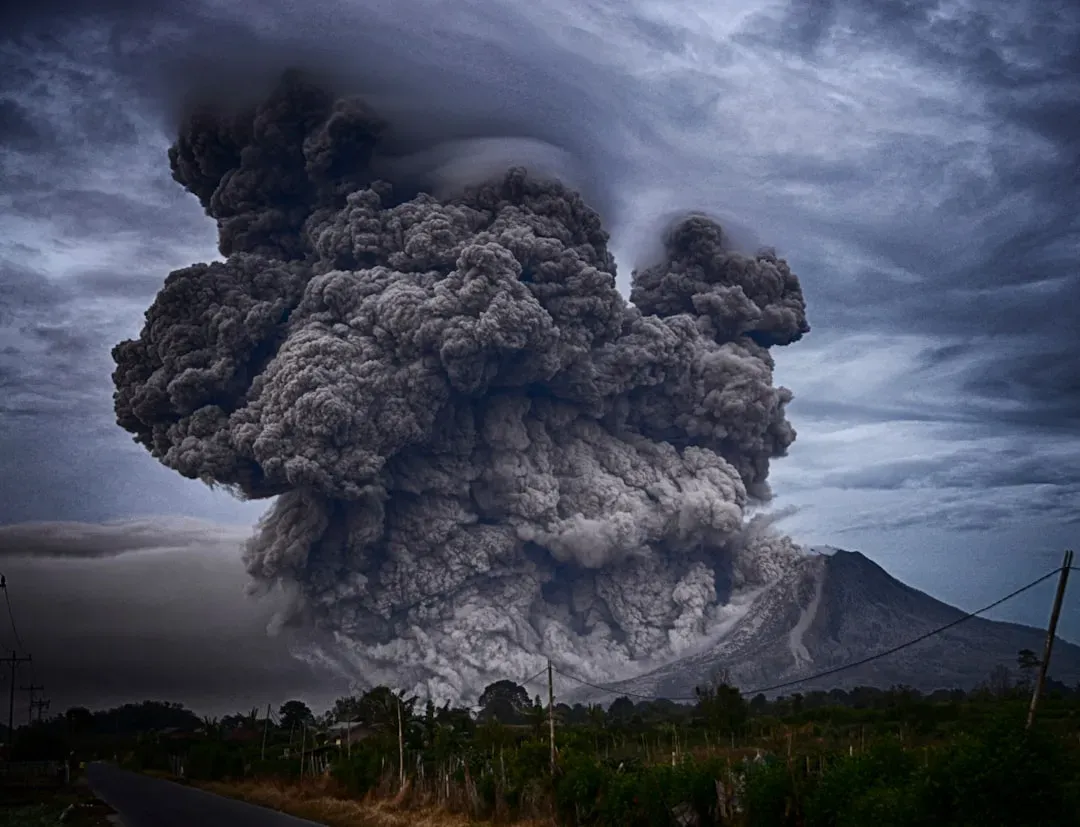
In everyday life, we are constantly told to take control: control your schedule, control your diet, control your career, control your emotions. For people living with anxiety, that pressure can feel relentless and exhausting. Disasters like eruptions and asteroid strikes offer a brutally honest counter-message: some forces are simply beyond control, and always have been. That clarity can feel like a relief.
When you study ancient catastrophes, you see again and again that even the best-adapted organisms hit limits they cannot negotiate with. For some minds, this is not just scary; it is freeing. You are reminded that perfectionism will not save you from everything, that random chance and massive systems play a bigger role than we admit. People who love these topics often have a quiet acceptance that part of being human is learning when to act and when to surrender. They are not nihilistic; they are just less fooled by the fantasy of total control.
Personal Identity: What Your Fascination With Ruin Says About You
Of course, not everyone who likes volcanoes or dinosaurs is secretly meditating on human fragility. Sometimes a cool lava video is just a cool lava video. But when the interest is intense and long-lasting – when you always pick the documentary about extinctions, or you never skip the museum’s fossil hall – it often reflects deeper personality traits. People like this tend to be high in curiosity, comfortable with ambiguity, and willing to think about uncomfortable truths.
They are also often more future-focused than they appear. Learning about ancient disasters naturally leads to thinking about climate change, technological risks, and the vulnerabilities of modern civilization. The same mind that loves imagining the asteroid that ended the age of dinosaurs will often wonder how our story might end, and how we could change course. In that sense, a fascination with ruin can actually be a sign of care: a desire to understand how fragile we are, so we might protect what we have a little better.
Conclusion: Loving Ruins as a Quiet Rebellion Against Denial
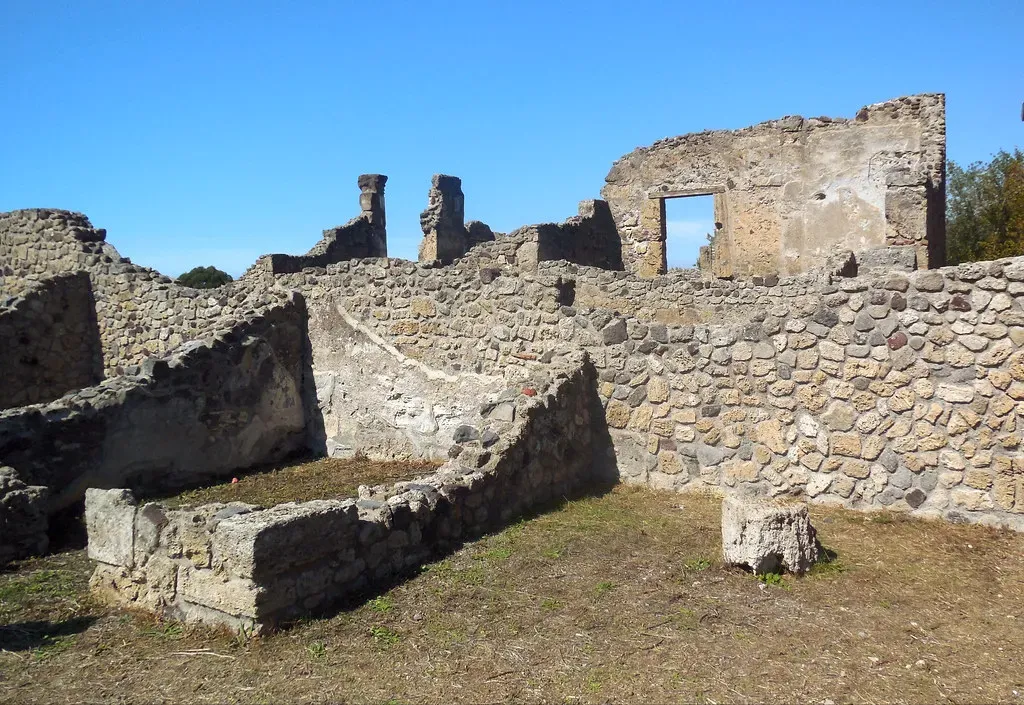
In a culture that sells constant comfort and endless distraction, being drawn to volcanoes, dinosaurs, and ancient disasters is almost an act of rebellion. It means you are willing to look directly at the fact that humans are not in charge of everything, that our species is not guaranteed a permanent lease on this planet, and that fragility is baked into the deal. I think that is a healthier stance than pretending we are untouchable, even if it makes you the odd one out at small talk.
People who seek out these massive, destructive stories are not secretly hoping for the end; they are hungry for honesty and scale. They want their lives to make sense against a backdrop that is bigger than politics, paychecks, or social media drama. If you are one of them, your fascination is not weird – it is your mind trying to find a truthful place to stand in a fragile world. When you stare into ancient catastrophe, you are really asking a very current question: how should a tiny, temporary human live, knowing how breakable everything is?