
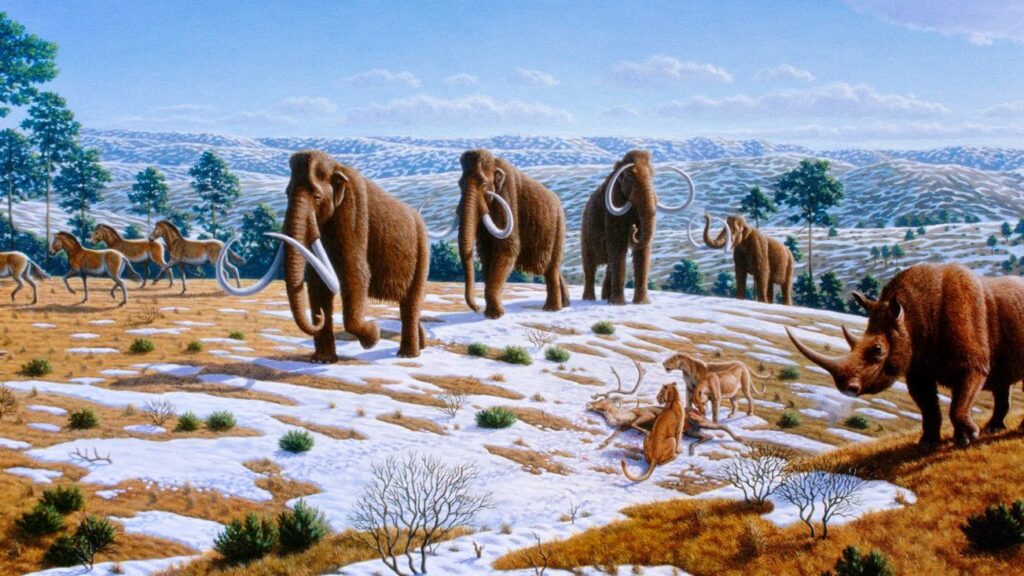
If you’ve ever found yourself strangely obsessed with mammoths, saber-toothed cats, giant ground sloths, or woolly rhinoceroses, you might have wondered what that says about you. Why does a creature that vanished thousands of years ago feel more emotionally “right” than the traffic outside your window or the endless scroll of social media? Many people who are magnetically drawn to Ice Age animals quietly admit that they also feel out of sync with modern life, like they were born for a different landscape.
Psychology does not have a neat diagnostic label for “Ice Age soul,” but it does have a lot to say about nostalgia, temperament, escapism, and how we cope with a world that moves too fast. When you look closely, a love for ancient megafauna often lines up with deeper emotional patterns: sensitivity to noise, discomfort with hypertechnology, or a craving for simplicity and awe. Let’s dig into what might actually be going on in the mind of someone who feels more at home in a world of glaciers and mammoths than in open-plan offices and push notifications.
The Hidden Psychology Behind Loving Extinct Giants
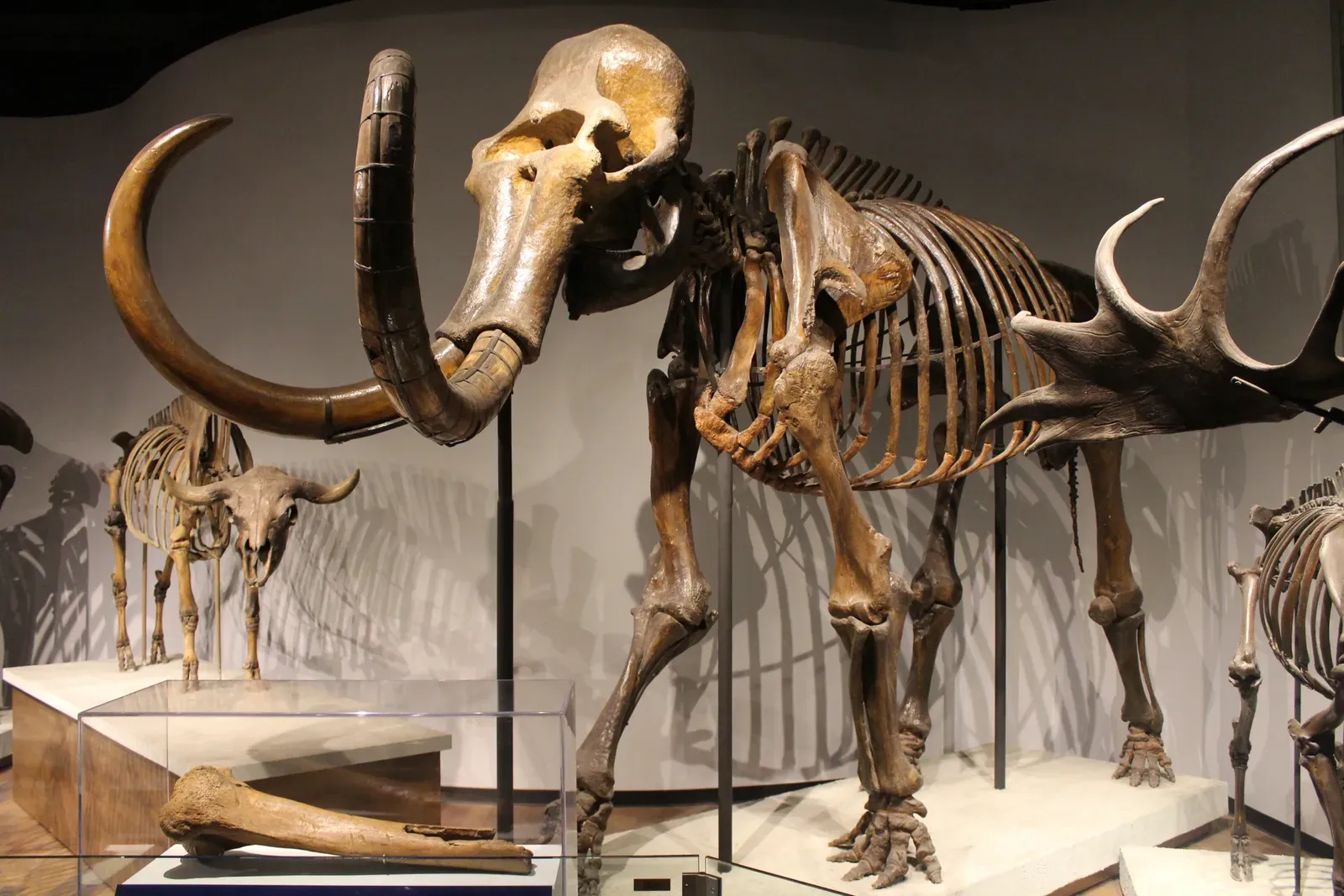
At first glance, loving Ice Age animals seems like a quirky hobby, not a psychological clue. But when people talk about these creatures, they often use emotional language: they describe mammoths as comforting, saber-toothed tigers as hauntingly beautiful, and the Ice Age world as strangely peaceful despite its dangers. This is less about trivia and more about emotional resonance, the feeling that a certain time and place just “fits” your inner world better than the one you live in.
Psychologists know that people project their inner lives onto the stories and images they are drawn to. If someone keeps returning to prehistoric megafauna, they might be drawn to themes of resilience, harsh beauty, and slowness in a raw, non-digital world. The Ice Age can become a symbolic mirror: a landscape that matches how they feel inside – isolated, a bit out of time, but also powerful, enduring, and deeply connected to something ancient and real.
Feeling “Born in the Wrong Era” and Emotional Displacement
Many fans of Ice Age animals casually say they feel like they were born in the wrong era, and that phrase is more than just a joke. Emotional displacement is a quiet, persistent sense that your personality, pace, and values do not match the culture around you. Instead of feeling excited by innovation and constant change, you may feel drained, overwhelmed, or even alienated by it, as if the modern world is speaking a language your nervous system does not quite understand.
When that happens, the mind naturally seeks a different backdrop where it imagines it would make more sense. For some people, that imagined setting is the nineteenth century or the early internet; for others, it is the Pleistocene, where life was hard but not cluttered, and danger was physical rather than psychological. Identifying with Ice Age animals can be a way of emotionally relocating yourself to a world where your strengths – endurance, solitude, deep focus – would feel more adaptive than they sometimes do today.
Nostalgia for a Time You Never Lived In
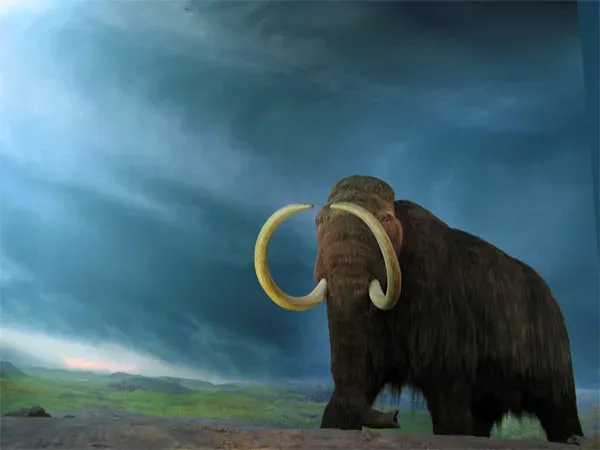
It might sound odd to feel nostalgic for an age that ended long before humans invented writing, but the emotion is real. Psychologists describe nostalgia as a bittersweet longing for a simpler, more meaningful time, and it does not have to be based on personal memories. Stories, documentaries, and art can create what feels like remembered experience, giving you the same warm ache as looking back at your own childhood photos.
Ice Age nostalgia often looks like a wistful fascination with untouched landscapes and massive, slow-moving creatures that had no concept of deadlines or emails. You might find yourself daydreaming about walking alongside a herd of mammoths across a frozen plain, breathing in cold air instead of city smog. That longing can signal a deep desire for spaciousness, quiet, and a more direct connection to nature – things many people feel are increasingly rare in modern life.
Introversion, Sensitivity, and the Appeal of Harsh but Simple Worlds

People who feel emotionally out of place today are often highly sensitive or strongly introverted, even if they function well externally. The modern environment bombards the senses: constant noise, bright screens, rapid notifications, and social pressure to be “on” all the time. For a nervous system that processes stimuli deeply, this can feel like being trapped in a crowded room with no off switch, day after day.
In contrast, the Ice Age – at least as we imagine it – offers a harsh but simple world. The dangers are clear and physical: hunger, cold, predators. The landscape is open, the sounds are natural, and there is room to breathe. This fantasy of clarity and minimalism can be incredibly appealing if your daily life feels like being chased by invisible, psychological predators: deadlines, expectations, and the fear of falling behind. Loving Ice Age animals becomes a way of loving a world where your sensitivity would be an advantage, not a burden.
Escapism, Fantasy, and Healthy Coping (Most of the Time)
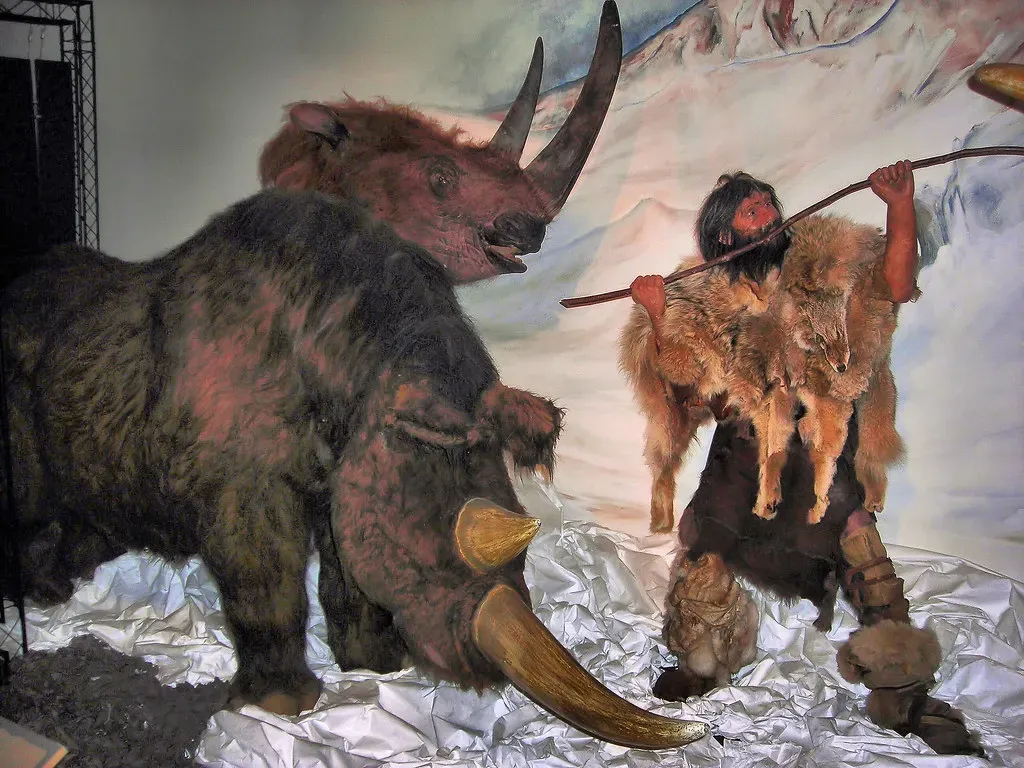
Escaping into a world of mammoths and saber-toothed cats can be a form of psychological self-soothing. After a long, stressful day spent in traffic or in front of a laptop, losing yourself in Ice Age documentaries, paleoart, or fossil research offers a mental portal out of your reality. This kind of imaginative engagement can be quite healthy, giving your mind a break and letting your nervous system reset in a world that feels emotionally safer or more meaningful.
Problems arise only when the escape becomes more appealing than any attempt to engage with your real life. If you find yourself constantly wishing you could abandon everything and live in a frozen prehistoric wilderness, that might be a sign of deeper dissatisfaction or unaddressed stress. In that case, your love of Ice Age animals is not the issue; it is the clue. It may be highlighting a mismatch between your needs – quiet, depth, nature – and your current environment and lifestyle.
Nature Craving in a Hyper-Digital Era
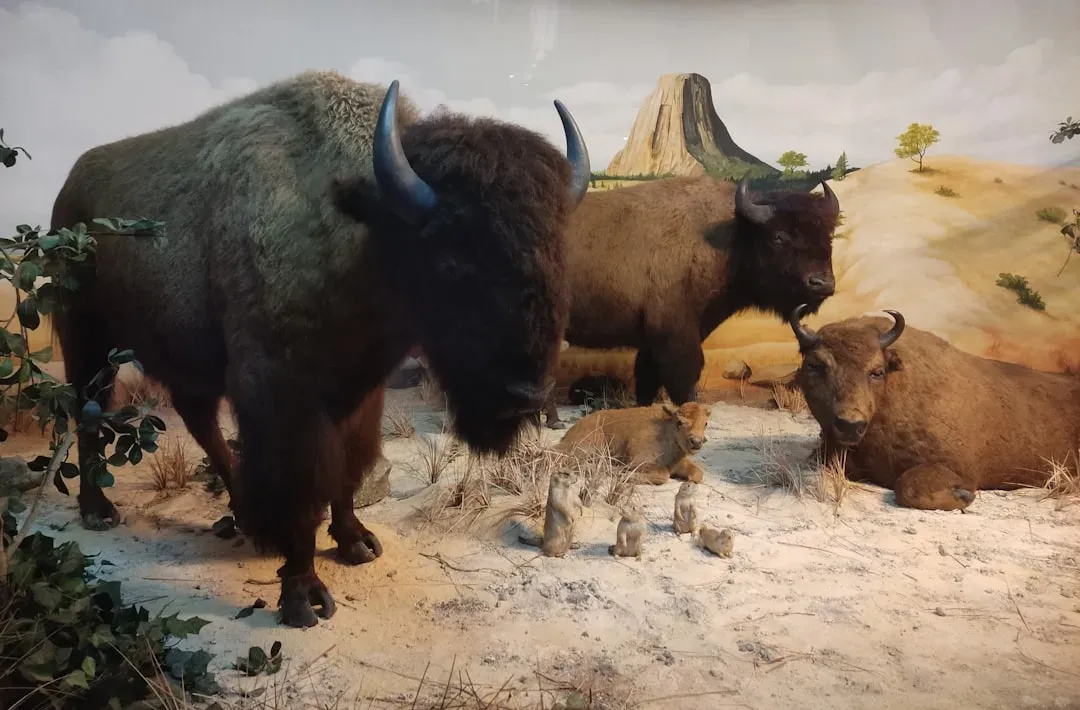
One of the most striking things about Ice Age animals is how embedded they are in raw nature. They belong to vast, unbroken habitats: tundras, steppes, glaciers, and ancient forests. When you feel more drawn to those imagined landscapes than to modern cities or suburbs, it might be your brain expressing a deep, unmet need for connection to the natural world, beyond short walks on paved trails or filtered park photos on a phone screen.
Research in environmental psychology consistently suggests that exposure to natural environments helps regulate mood, reduce stress, and support clearer thinking. When modern life leaves you feeling scattered and ungrounded, your fascination with Ice Age megafauna can be a symbolic way of reaching for something wild, nonhuman, and enduring. In that sense, your love for those animals might be your mind’s way of saying that the apartment-commute-screen-repeat pattern is not enough for your emotional health.
Finding Your Place Without Having to Time-Travel
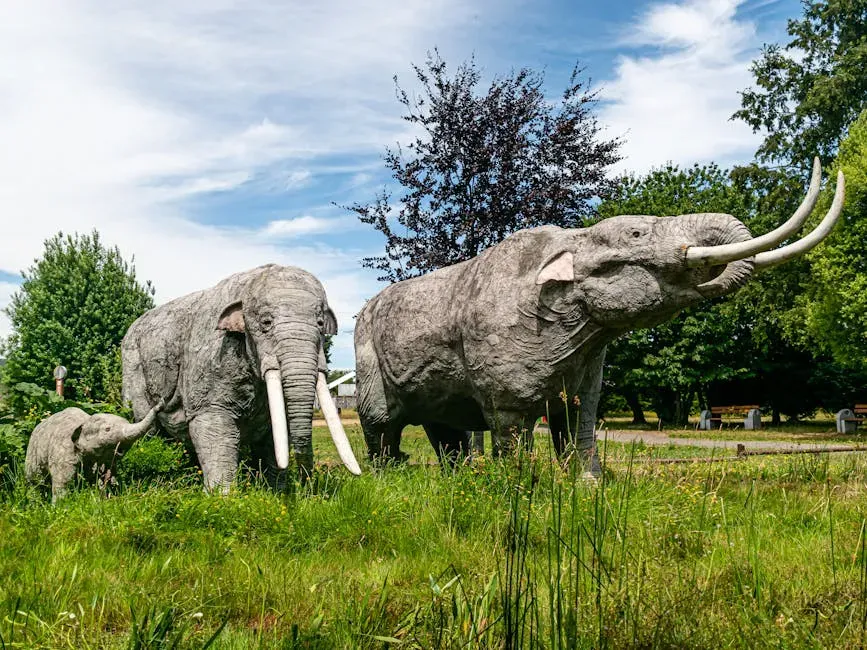
Here is the hard truth: no matter how haunted you feel by mammoths or dire wolves, you are still living in a world of smartphones, delivery apps, and climate anxiety. But that does not mean you are doomed to feel forever out of place. The key psychological move is to treat your fascination with Ice Age animals not as an accident, but as data about who you are and what you need more of – slowness, silence, awe, and wildness – in the present tense.
That might mean seeking out real-world contact with wilderness, learning about paleontology in a more structured way, or reshaping your daily life to reduce constant digital stimulation. It could also mean reframing your sense of being “wrong” for this era into a different story: you are a person whose temperament evolved for a different kind of environment, and your task is to carve out pockets of that environment inside the one you actually have. Instead of wishing you had been born next to a glacier, you can become the kind of person who brings a little Ice Age courage and calm into a frantic century.
Conclusion: The Ice Age Heart in a Wi‑Fi World
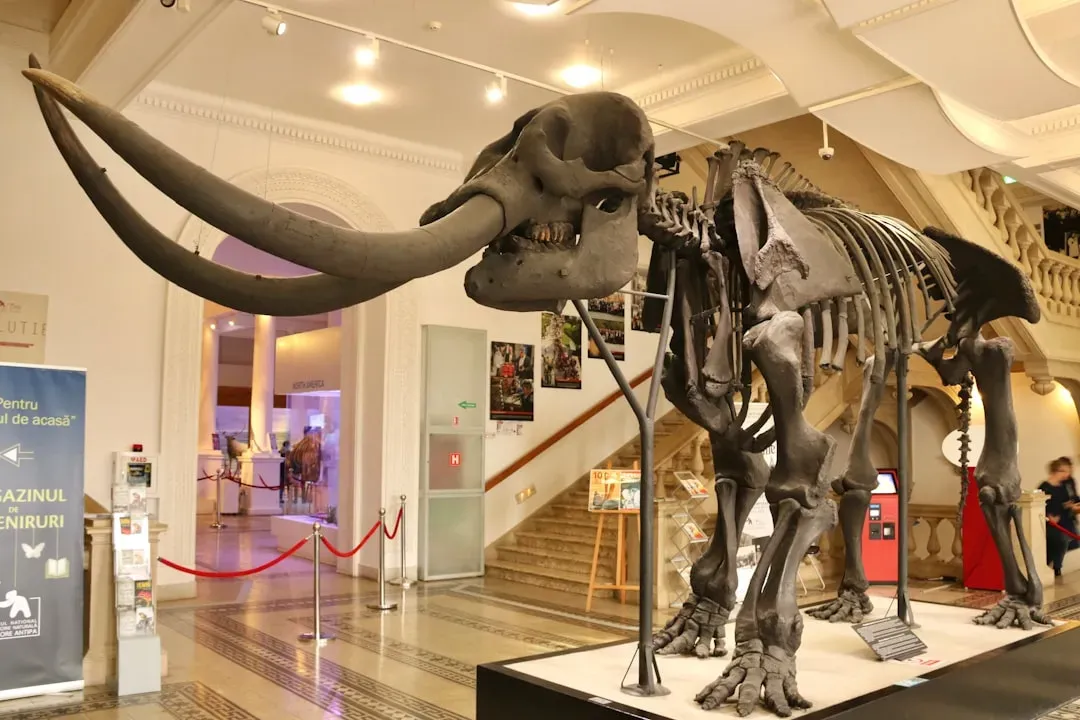
In my view, loving Ice Age animals is not weird at all; it is a quiet rebellion against a world that often feels too fast, too loud, and too synthetic. When you feel more kinship with mammoths than with modern office culture, you are not broken – you are broadcasting your own psychological preferences in a language made of tusks, fur, and frozen landscapes. That attraction hints at strengths our era does not always value: depth instead of speed, resilience instead of constant reinvention, and reverence for life beyond human convenience.
Of course, we cannot walk beside real mammoths or stand on untouched ice sheets stretching to the horizon, but we can listen to what that longing is trying to tell us. If your heart keeps wandering back to the Pleistocene, maybe it is nudging you to create a life with more wildness, more silence, and more honesty about what truly nourishes you. The modern world may never feel perfect, but you can shape your corner of it to better fit your Ice Age soul – and maybe that is more powerful than any fantasy of being born in another time. If you listened closely to what your favorite ancient animal is telling you about yourself, what would you change first?