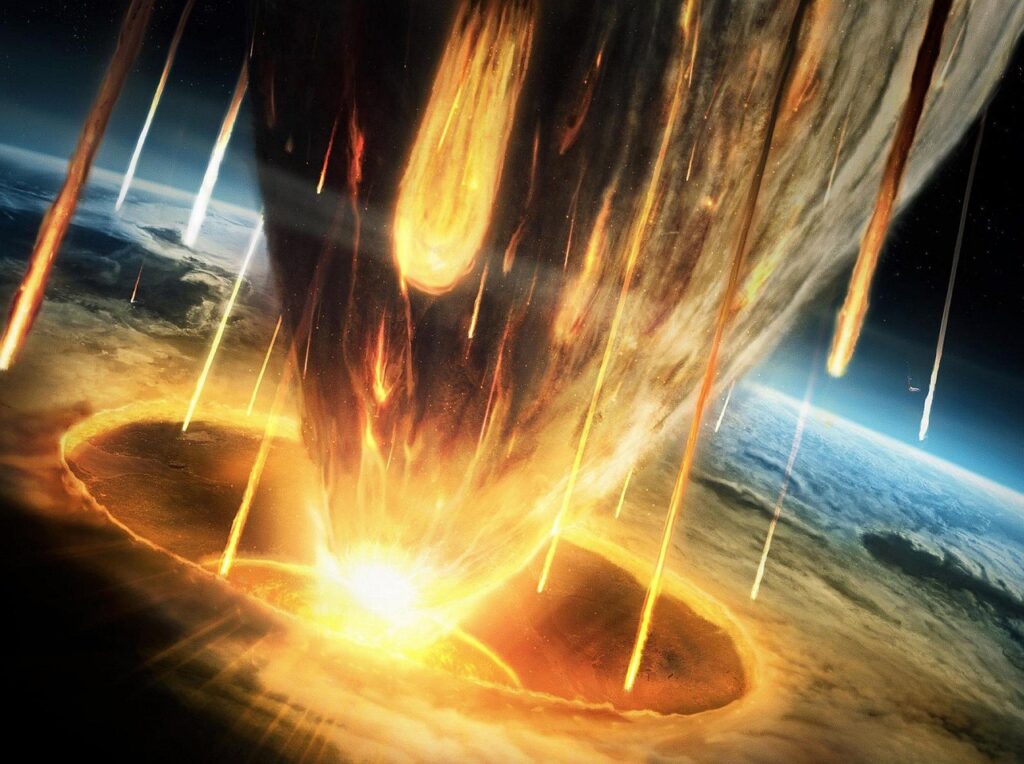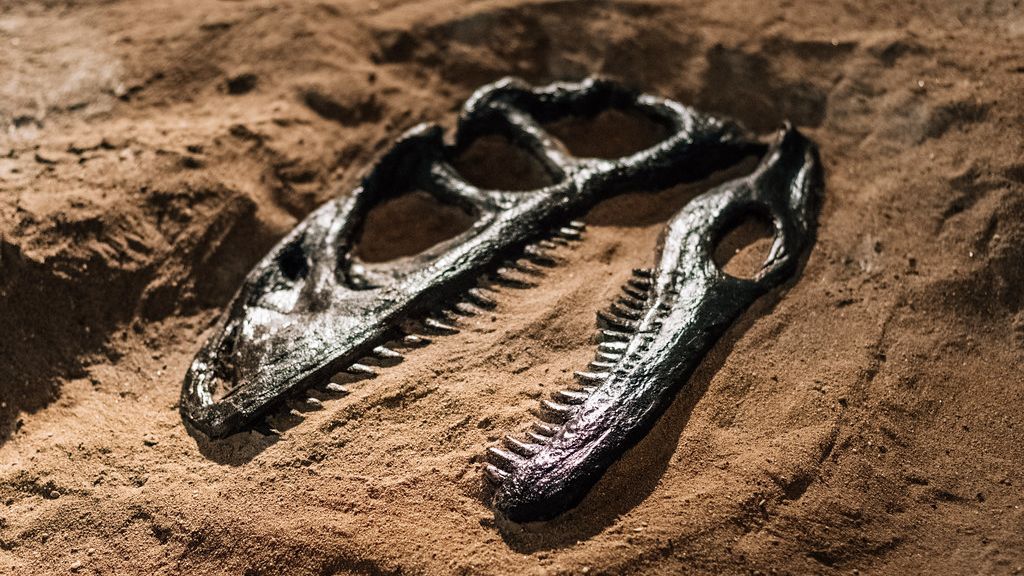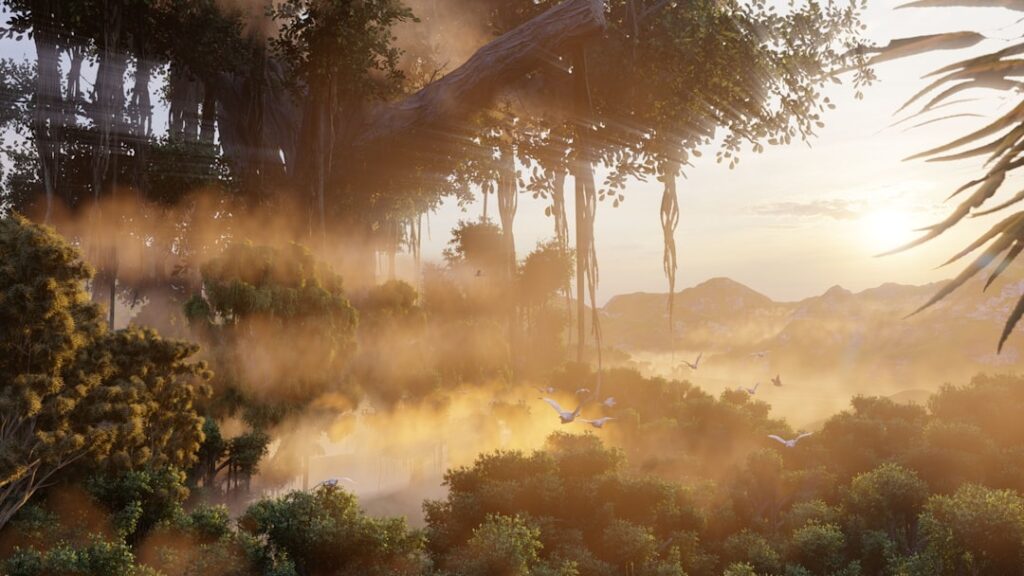
When most of us picture the age of dinosaurs, we imagine a planet that was basically an endless tropical paradise filled with giant ferns, swamps, and roaring predators. But the truth is far harsher and far more interesting. The Mesozoic world was full of brutal extremes: searing heat, choking volcanic fumes, howling sandstorms, flash floods, and pitch‑black polar winters that could shut down an entire ecosystem.
In some of these environments, dinosaurs did survive – but only barely, and often only with very specialized bodies, strange behaviors, and a lot of evolutionary luck. In others, they were pushed to their limits by climate, geography, or sheer geological chaos. Let’s walk through seven of the most extreme prehistoric settings where life was anything but easy, and where even dinosaurs had to fight hard just to hang on.
1. Dinosaur Polar Night: Freezing Darkness at the Ends of the Earth
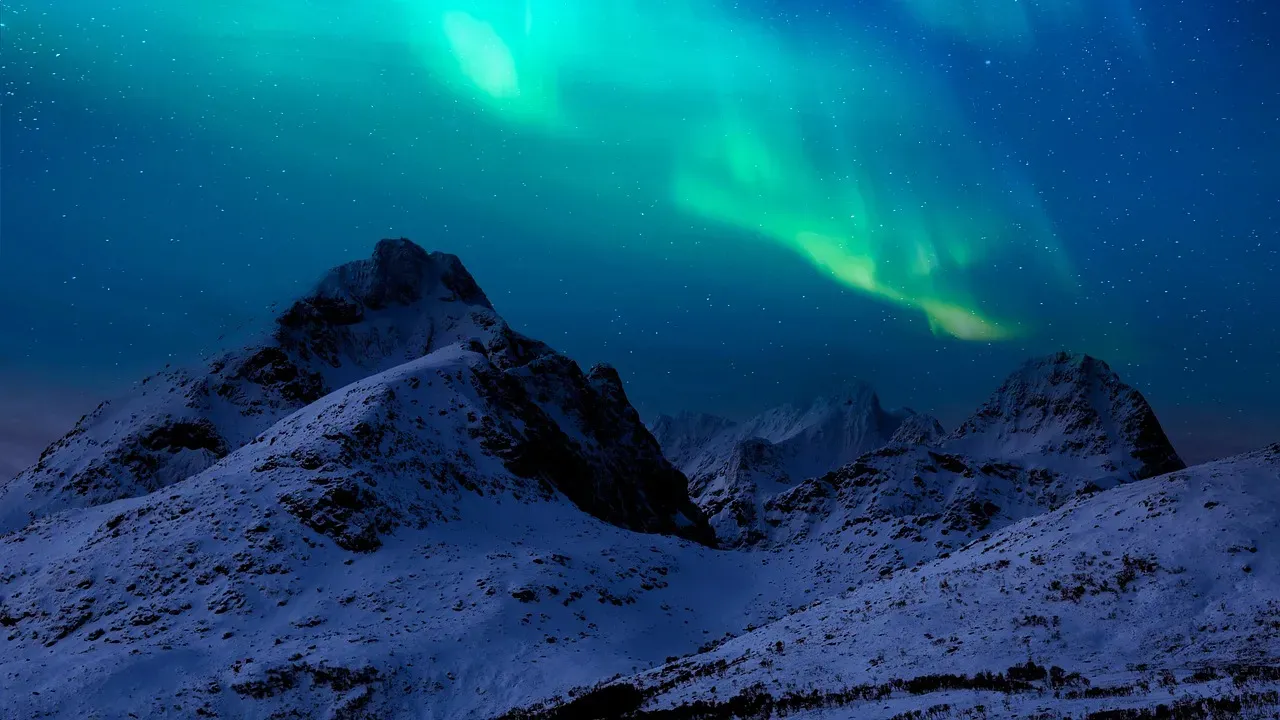
It sounds like science fiction: dinosaurs trudging through snow, living with months of twilight or near darkness, and enduring long, bitter winters near the poles. Yet fossil finds in places like Antarctica, Australia’s south, and Alaska show that some dinosaurs actually lived in polar and subpolar regions. These areas were warmer than today, but they still faced long polar nights, cool to cold winters, and big swings in daylight that would have stressed any cold‑blooded animal.
To cope, polar dinosaurs likely had to evolve unusual features and behaviors. Smaller plant‑eaters may have grown fast in short summers, then slowed down or semi‑hibernated in winter, while predators may have developed sharper senses to hunt in low light. Forests in these regions probably dropped leaves seasonally, forcing herbivores to switch diets and search harder for food. Surviving here meant handling not just cold and dark, but also long periods of scarcity when every calorie mattered.
2. Super‑Monsoon Lowlands: Flooded, Mud‑Choked Death Traps
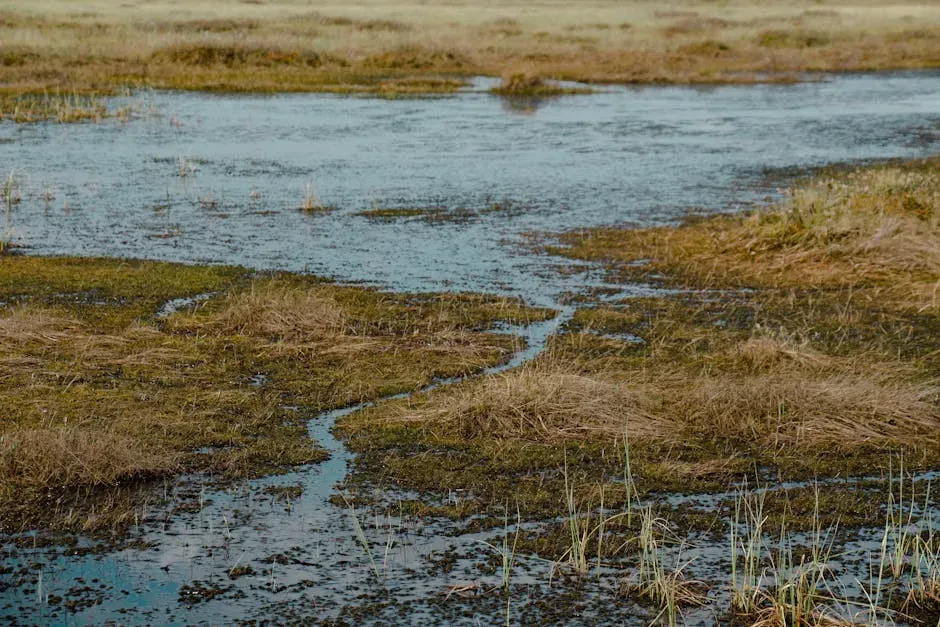
Some dinosaur habitats were basically seasonal disaster zones: flat lowlands lashed by powerful monsoon rains that turned everything into a giant mud pit for part of the year. In places like the Late Triassic Chinle Formation of North America, sediments and preserved soils tell a story of violent storms, flash floods, and rivers that could suddenly swell and tear through entire regions. Imagine herds of dinosaurs racing to escape rising water while carcasses and trees were swept away in brown, roaring torrents.
These monsoon systems created a brutal feast‑or‑famine cycle. During wet seasons, vegetation would explode, insects and small animals would boom, and life could seem almost easy. But when the dry season hit, rivers shrank, waterholes disappeared, and plants withered, concentrating animals around a few shrinking resources. Dinosaurs that survived here likely needed strong limbs to slog through mud, flexible diets to handle sudden changes in plant life, and the mobility to migrate or at least shift habitats quickly when the sky turned against them.
3. Hyper‑Arid Dino Deserts: Sand, Heat, and Almost No Water
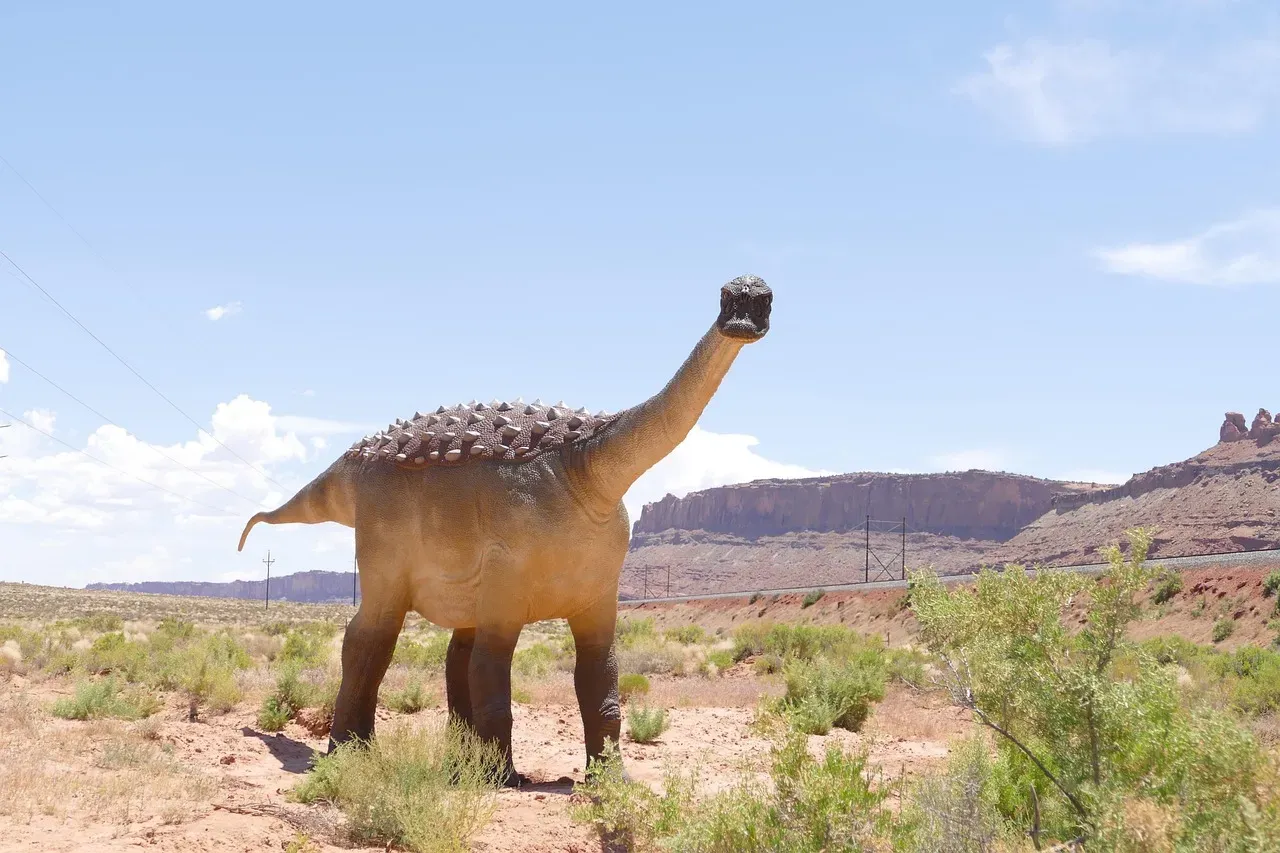
On the opposite end of the spectrum were the brutal dinosaur deserts – vast dune fields and dry basins where rain was rare and shade was a luxury. Evidence from formations in places like northern Africa and parts of Asia points to enormous desert systems during the age of dinosaurs, with wind‑blown sands, evaporite deposits, and only thin streaks of life clinging to ancient river channels and oases. For large animals that needed a lot of water, this was a constant, grinding challenge.
In these environments, survival probably depended on staying close to the few reliable water sources, timing movements with seasonal floods, and tolerating long stretches of heat and thirst. Predators like spinosaurids near desert rivers and big sauropods wandering floodplains may have been forced into narrow corridors of habitat, which likely made competition, predation, and disease even more intense. A single failed rainy season or dried‑up river could turn the landscape into a graveyard in a matter of weeks.
4. Volcanic Rift Valleys: Poisoned Air and Unstable Ground
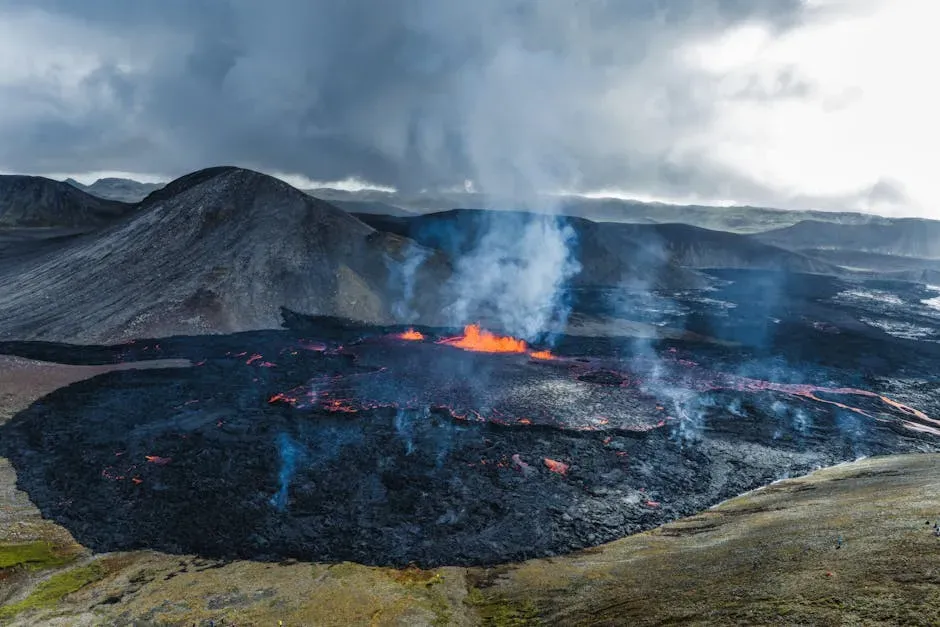
Some of the most extreme dinosaur settings formed where continents were literally tearing apart. During the Late Triassic and Early Jurassic, rift valleys opened as the supercontinent Pangaea began to split, especially along what is now the east coast of North America, parts of Europe, and Africa. These rifts were often filled with lakes and rivers, but they were also tied to massive volcanic eruptions, toxic gas releases, and sudden environmental shocks that could devastate local life.
Living in these zones meant walking a tightrope above a geological minefield. Periods of relative calm could allow flourishing ecosystems along lakeshore wetlands, but then lava flows might bury entire regions, while volcanic gases could suffocate animals or trigger rapid climate swings. Some scientists suspect that large scale volcanic activity at the Central Atlantic Magmatic Province was linked to major extinction pulses that killed off many early dinosaur competitors – and possibly some dinosaur groups themselves – leaving only the most resilient lineages to carry on.
5. Coastal Storm Zones and Shallow Seas: Beautiful, But Deadly
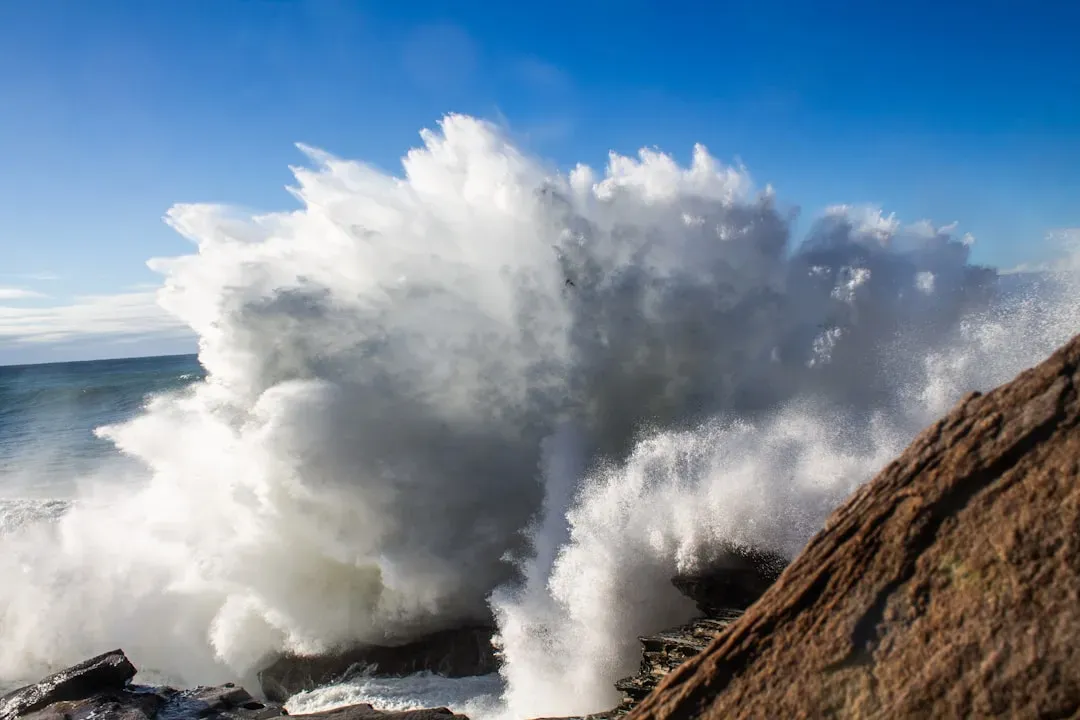
Many dinosaurs lived near the edges of shallow inland seas, like those that once split North America in two. At first glance, these coastal plains would have looked rich and inviting, with lush vegetation, deltas full of life, and easy access to water. But they came with a steep price: powerful storms, shifting coastlines, and the constant risk of drowning, erosion, and habitat loss as sea levels rose and fell over thousands to millions of years.
These environments were inherently unstable. A run of bad years with stronger storms or rising seas could chew away nesting grounds, salt freshwater habitats, and push dinosaurs into smaller and smaller strips of land. Fossil beds show signs of mass death events where floods or storms likely overwhelmed herds in a single swoop. Animals that survived in these zones had to be flexible, able to move inland when coastlines shifted, and tough enough to endure repeated, sometimes catastrophic disturbances.
6. High‑Altitude Plateaus and Mountain Margins: Thin Air and Steep Slopes
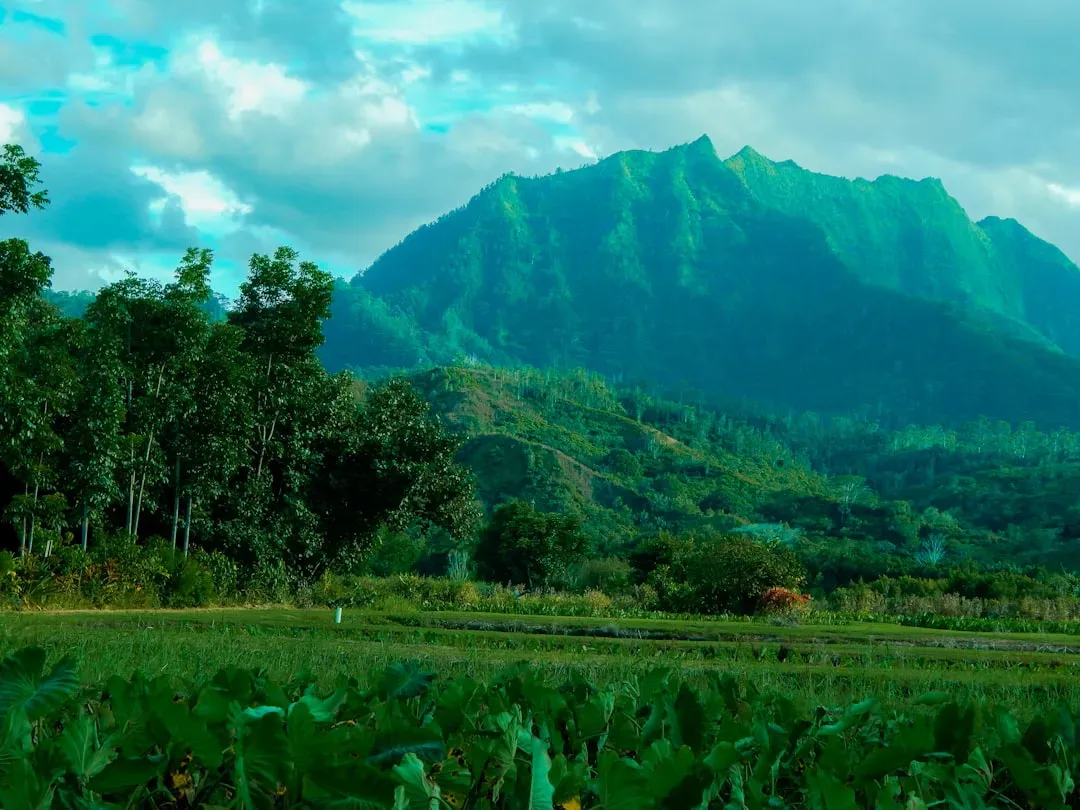
While the fossil record is patchier in truly high‑altitude settings, there is growing evidence that some dinosaurs lived in or near uplifted plateaus and mountainous regions, especially as certain mountain ranges rose during the Late Jurassic and Cretaceous. Even if elevations were lower than many modern ranges, these environments would still have been cooler, with thinner air, steeper terrain, and shorter growing seasons. For big, heavy animals, just walking around would have been energetically expensive.
In such rugged landscapes, plants tend to be patchier and soils thinner, meaning herbivores likely had to travel farther and climb more to find enough to eat. Predators would have faced the same terrain, adding risk to every chase or ambush. Rockfalls, landslides, and sudden weather shifts – like hail, cold snaps, or fast‑moving storms – would have made life even harder. Dinosaurs accustomed to broad, flat plains might have struggled here, leaving room for more agile, sure‑footed species to carve out narrow but real ecological niches.
7. The Greenhouse Crisis Zones: Heatwaves, Oxygen Swings, and Climate Whiplash
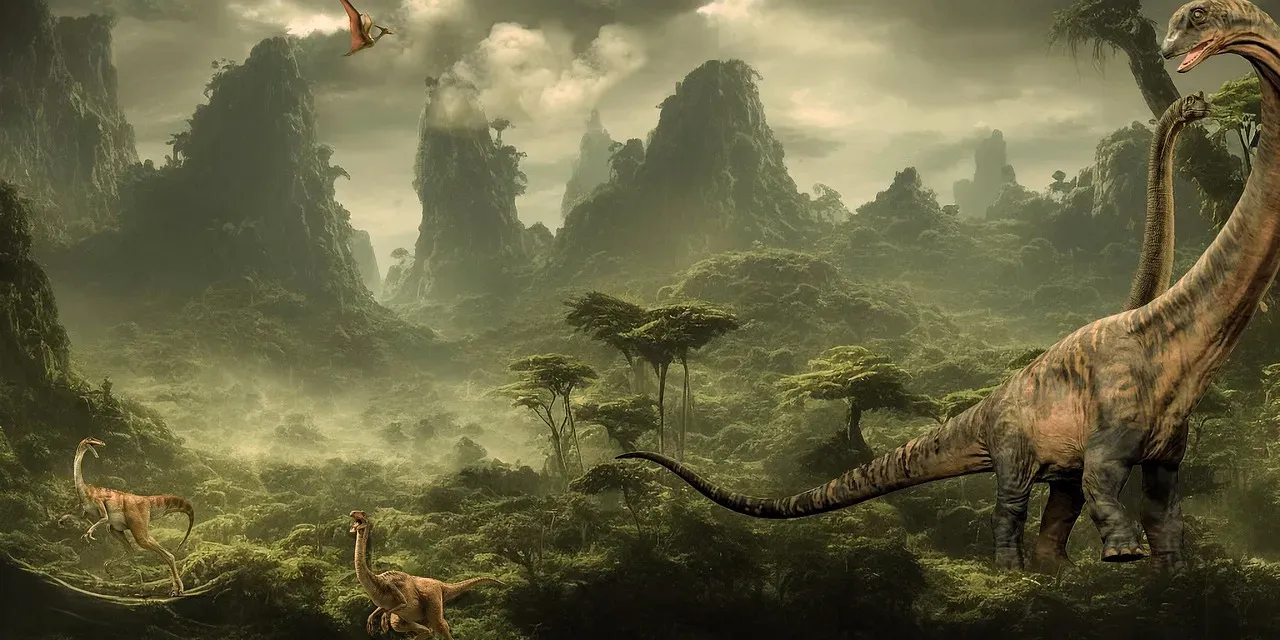
Beyond local extremes, dinosaurs also had to ride out large‑scale climate upheavals driven by greenhouse gas surges and shifting continents. At several points in the Mesozoic, volcanic outpourings and other processes pushed carbon dioxide levels high, driving temperatures upward and possibly altering oxygen levels in the atmosphere and oceans. Some regions became intensely hot and seasonal, with prolonged droughts and scorching heatwaves that would push even heat‑adapted animals to their limits.
These greenhouse crisis intervals did not look the same everywhere, but they shared a theme: instability. Forests might shift poleward, wetlands could dry into salt flats, and once‑reliable migration routes could become dead ends. Dinosaurs that survived such periods likely did so because they were generalists, could move long distances, or reproduced quickly enough to bounce back from repeated setbacks. Others, more specialized or locked into narrow habitats, probably vanished quietly as the world around them transformed faster than they could adapt.
Conclusion: Dinosaurs Were Tough – But the Earth Was Tougher
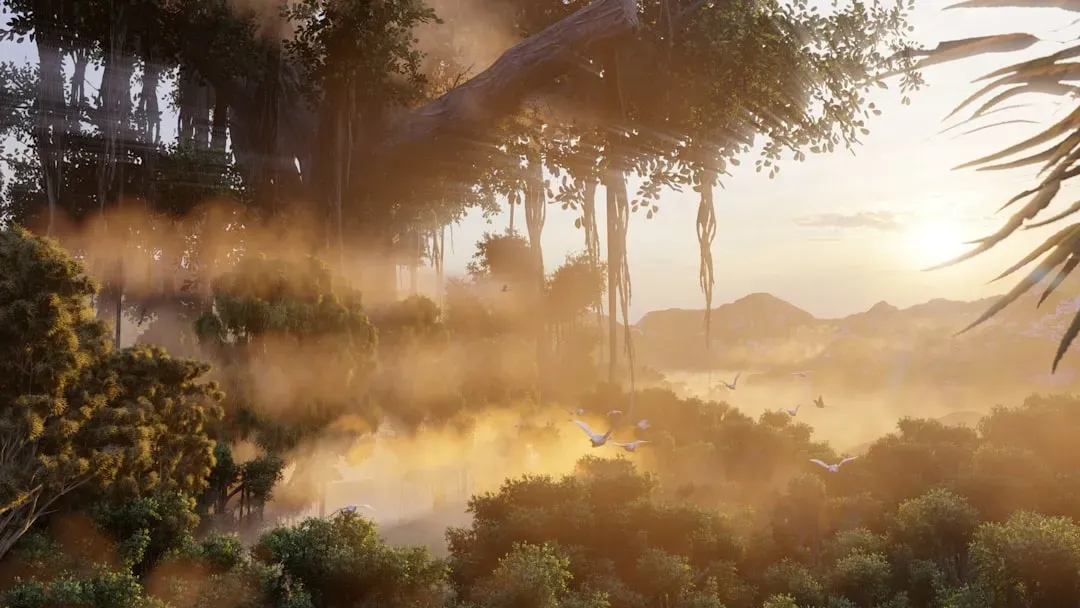
It is tempting to imagine dinosaurs as invincible giants ruling an easy, sun‑drenched world, but the more we learn, the more that picture falls apart. The Mesozoic Earth was wild, volatile, and sometimes outright hostile, and many dinosaur lineages were constantly living on the edge – dodging floods, sandstorms, volcanic winters, polar darkness, and runaway warming. In my view, the real story is not that dinosaurs were unbeatable, but that they were incredibly good at hanging on in places where the planet seemed determined to knock them down.
What strikes me most is how familiar this all feels: shifting climates, dangerous extremes, ecosystems squeezed by sudden change. The past reminds us that no species, not even the dinosaurs, is guaranteed a permanent place on this planet when environments turn brutal and unpredictable. Their world was extreme, but ours is rapidly heading into its own set of extremes, and we do not have their millions of years to adapt. The question that lingers, uncomfortably, is simple: if even dinosaurs struggled in harsh environments, how confident should we be about our own chances?