
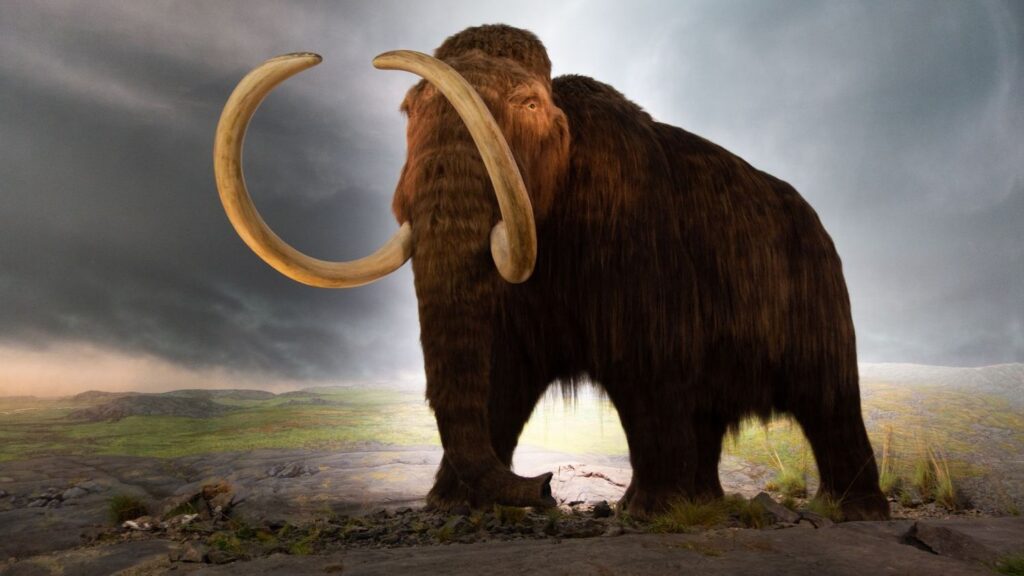
If you grew up with the Ice Age movies, you probably feel like you already know Manny: the grumpy softie with a tragic backstory and a heart of gold. I do too. But the real woolly mammoths that once thundered across frozen landscapes were even stranger, tougher, and more fascinating than anything that made it into a family film. Their world was harsher, their bodies more extreme, and their story ends in a way that says a lot more about us than it does about them.
Once you start digging into the science, the cartoon version suddenly feels almost too tame. In reality, mammoths were climate survivors, ecosystem engineers, and, in the end, unintended victims of our species’ rise. The deeper you go into the fossils, DNA, and frozen carcasses pulled from Siberian permafrost, the more you realize this is not just a story about a big fuzzy elephant. It is a story about deep time, climate swings, and the uncomfortable fact that humans have been reshaping the planet far longer than we like to admit.
Meet the real woolly mammoth: not just a furry elephant with tusks
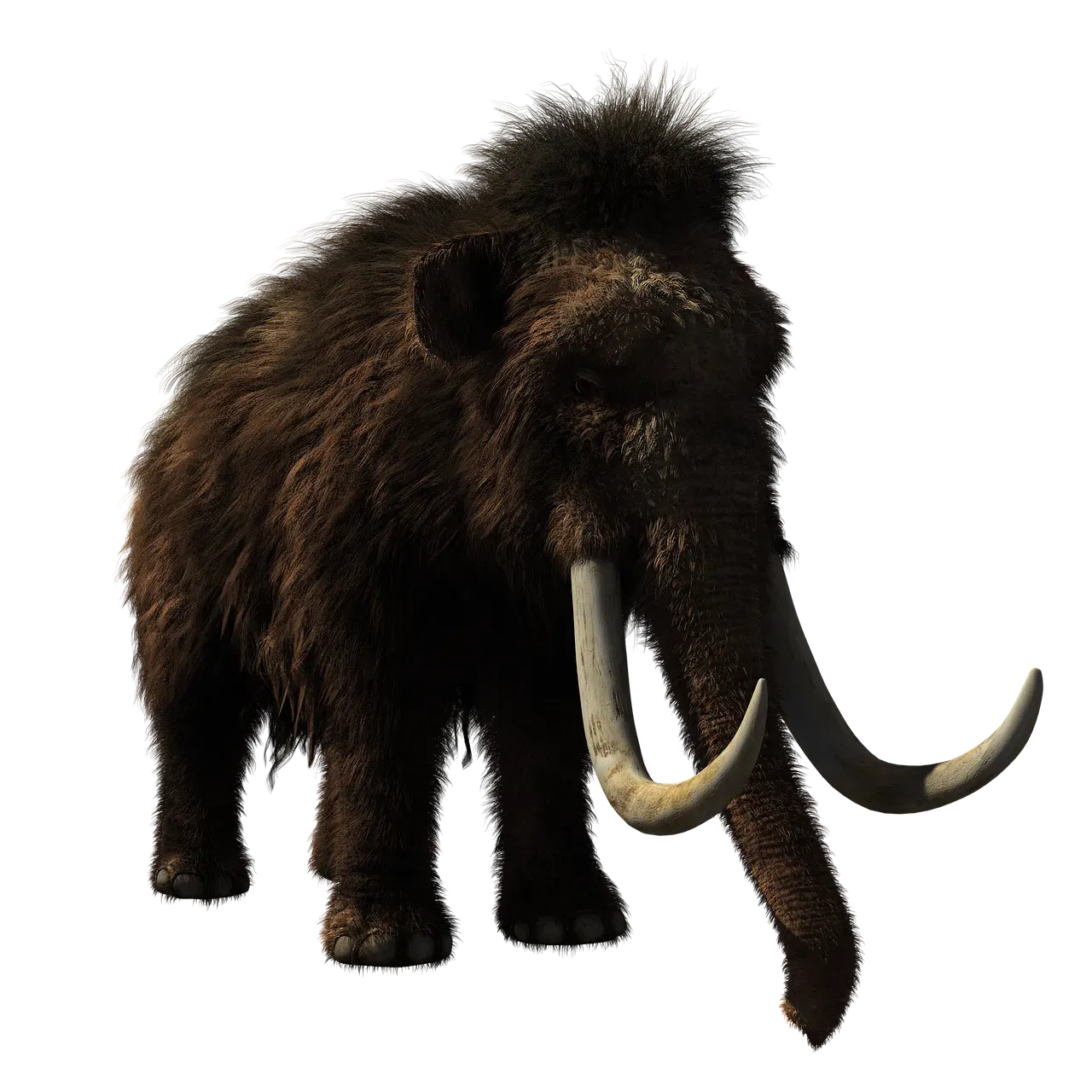
The first thing to know about real woolly mammoths is that they were not just cartoon elephants in shaggy coats. Anatomically, they were heavily specialized for brutal cold in ways that still feel almost over-engineered. They had a dense double coat of fur, with long outer hairs that could reach the length of some people’s arms and a thick, woolly underlayer close to the skin, plus a fat pad under the foot and a dome of insulating fat at the shoulders and back. Their small ears and short tails were not just cute; they were practical anti-frostbite adaptations, minimizing exposed skin where heat could escape or freeze damage could strike.
Up close, a real mammoth would not simply look like a big, cuddly Manny. The high, sloping forehead and tall hump over the shoulders would have made them look almost camel-like from the side, and their trunks were likely shorter and more muscular than those of modern elephants. Their wool was not all one color either; evidence from preserved hair suggests a mix of brown, blond, and even reddish hues, like a natural gradient winter coat rather than a uniform cartoon brown. In other words, the real animal was visually more complex, less smooth, and far more rugged than the sleek, stylized designs we see on screen.
The Ice Age reality: mammoths in a harsh, windy world
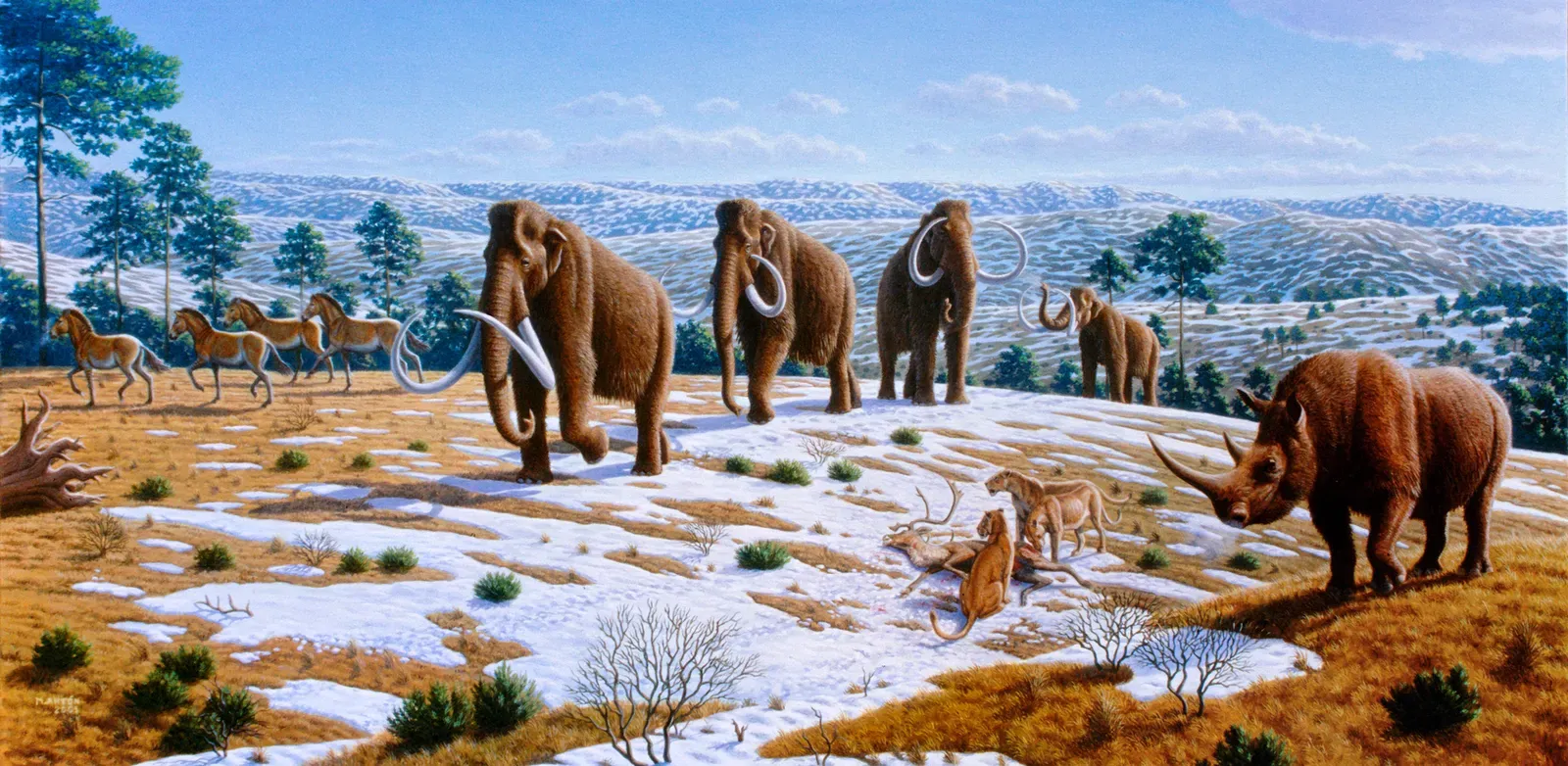
The world of the real woolly mammoth was not one long, cozy snowball fight; it was closer to a dry, freezing steppe than a fluffy winter wonderland. Scientists call their habitat the mammoth steppe, a vast, treeless grassland that once stretched from western Europe across northern Asia and into North America. Think more like a frozen, windswept prairie than a Christmas-card forest. The ground was hard, the winds were vicious, and winter darkness could last for weeks at a time at high latitudes, which meant survival demanded relentless efficiency rather than slapstick adventures.
Food was not just lying around in easy-to-reach piles, either. Mammoths spent their days grinding through tough, fibrous grasses, sedges, and shrubs, using their enormous molars to shred vegetation that would probably ruin your blender in seconds. Their teeth were built like industrial shredders, with high ridges designed to wear slowly through a lifetime of chewing harsh, silica-rich plants. Every step and bite was an energy calculation in a world where cold stole heat constantly and storms could turn deadly overnight. The reality of the Ice Age was less cartoon camaraderie and much more about navigating a thin line between enough calories and freezing to death.
Built for brutality: the extreme biology behind the fur
Underneath that iconic shaggy coat, woolly mammoths carried some remarkable biological tricks that make Manny look almost minimalist. Ancient DNA studies show they had specific genetic tweaks for fat metabolism, hair growth, and temperature sensing, allowing them to keep their bodies functioning in temperatures that would send most mammals into shock. Their blood seems to have been adapted to work efficiently in the cold, staying fluid and effective at delivering oxygen even when conditions plunged well below freezing. That is the kind of detail a movie cannot easily show but completely defines how the animal really lived.
Their skeletons also tell a story of constant stress and heavy work. The high shoulder hump was not just a dramatic silhouette; it anchored powerful muscles for hauling their massive heads and tusks through snow and ice-crusted vegetation. Their long, spiraling tusks could grow to lengths taller than a person, curving forward in a way that probably helped sweep snow aside or break through crusted surfaces to reach food. When you picture Manny sighing dramatically on screen, remember that the real animal was basically a living snowplow, using muscle, bone, and ivory to carve a path through a world that never gave it an easy day.
Mammoth minds and social lives: beyond the grumpy loner stereotype
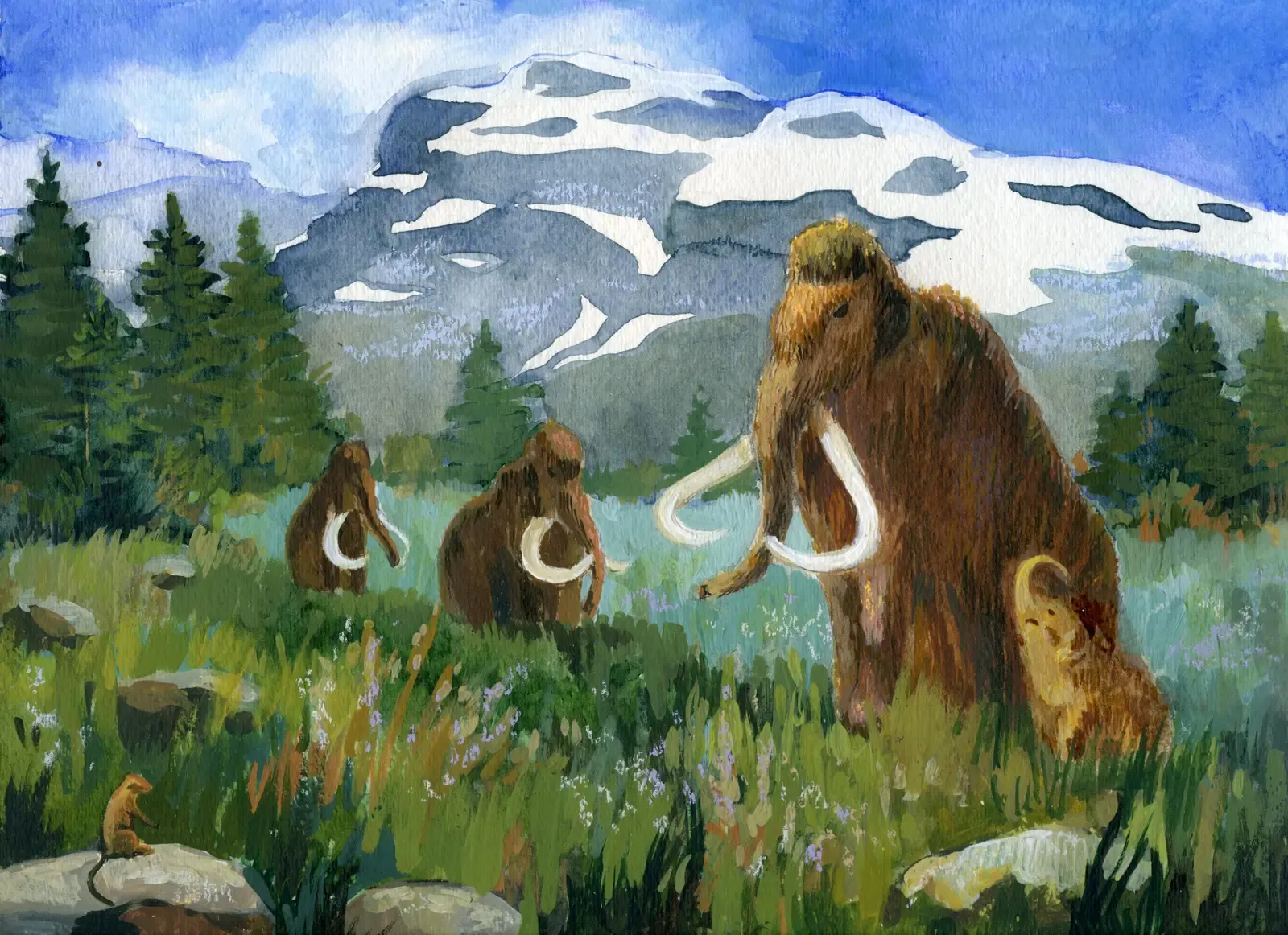
The Ice Age movies turned Manny into a gruff, semi-loner who slowly warms up to makeshift family, but the evidence suggests real woolly mammoths probably leaned much closer to modern elephants: social, emotional, and deeply bonded. Studies of bone beds and trackways hint that they often moved in groups, and the pattern of ages and sexes found together looks more like organized herds than scattered drifters. If they resembled today’s elephants behaviorally even roughly, they likely had matriarch-led family units with rich social communication, long memories, and cooperation around calves and vulnerable individuals.
I still remember the first time I saw footage of modern elephants mourning a dead herd member, lingering, touching the bones, and clearly changing their behavior. It is hard not to project at least some of that onto mammoths when you realize how closely related they are. While we cannot watch mammoths directly, their brains were large, and their sensory systems, especially smell, were highly developed. The odds are good that a real mammoth life involved complex relationships, shared knowledge about migration routes and safe passages, and probably something we would recognize as grief when things went wrong. Manny’s emotional depth is not pure fantasy, but the true story is probably richer and less centered on one dramatic backstory.
Why mammoths vanished: a darker story than the movies tell
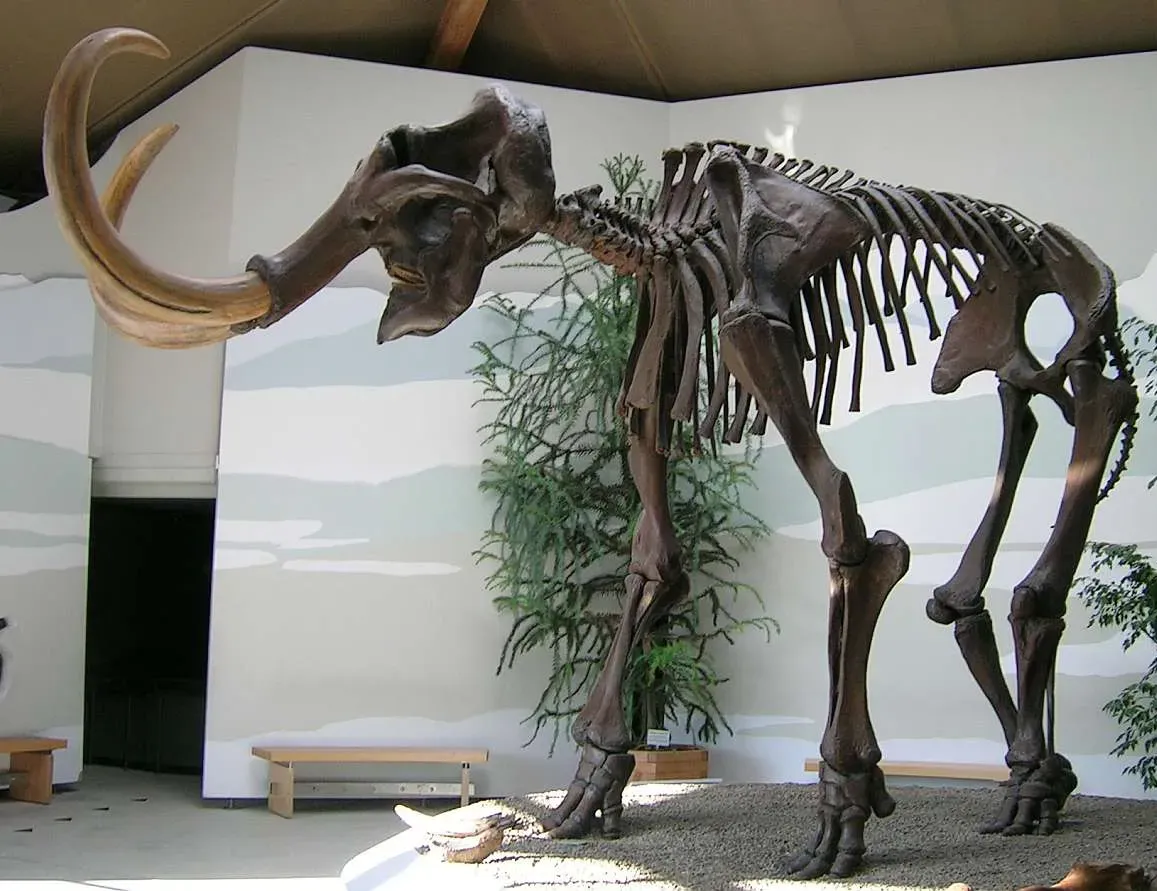
The Ice Age franchise uses disappearing ice as a sort of background plot device, but in real life, the end of the woolly mammoth is a complicated and uncomfortable mix of climate change and human impact. As the last glacial period ended, their cold, open grasslands began shrinking, replaced by forests and wetter tundra that did not support the same kind of grazing. That alone would have squeezed their populations and fragmented their range, turning once-continuous herds into scattered, isolated groups. Smaller, separated populations tend to become more vulnerable to random bad years, disease, and genetic problems.
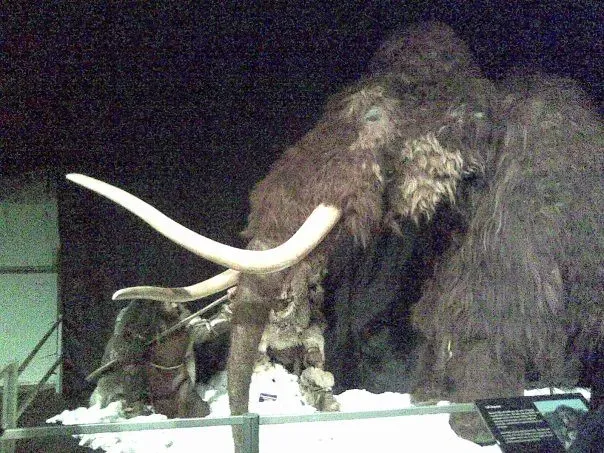
Layered onto that, our own species arrived and spread across their habitats, and the timing is impossible to ignore. Evidence from bones and tools shows that humans hunted mammoths for meat, hides, bones, and tusks, and even used mammoth bones in shelters. Many researchers now see their extinction as the result of a one-two punch: a warming world slowly eroding their habitat while humans increased pressure through hunting and disturbance. Unlike the lighthearted movie tone, the real ending is messier and more tragic, and it forces us to admit that even in the deep past, we were already a planetary force with consequences we probably did not understand.
Why the real story beats the cartoon: a deeper, more urgent Manny
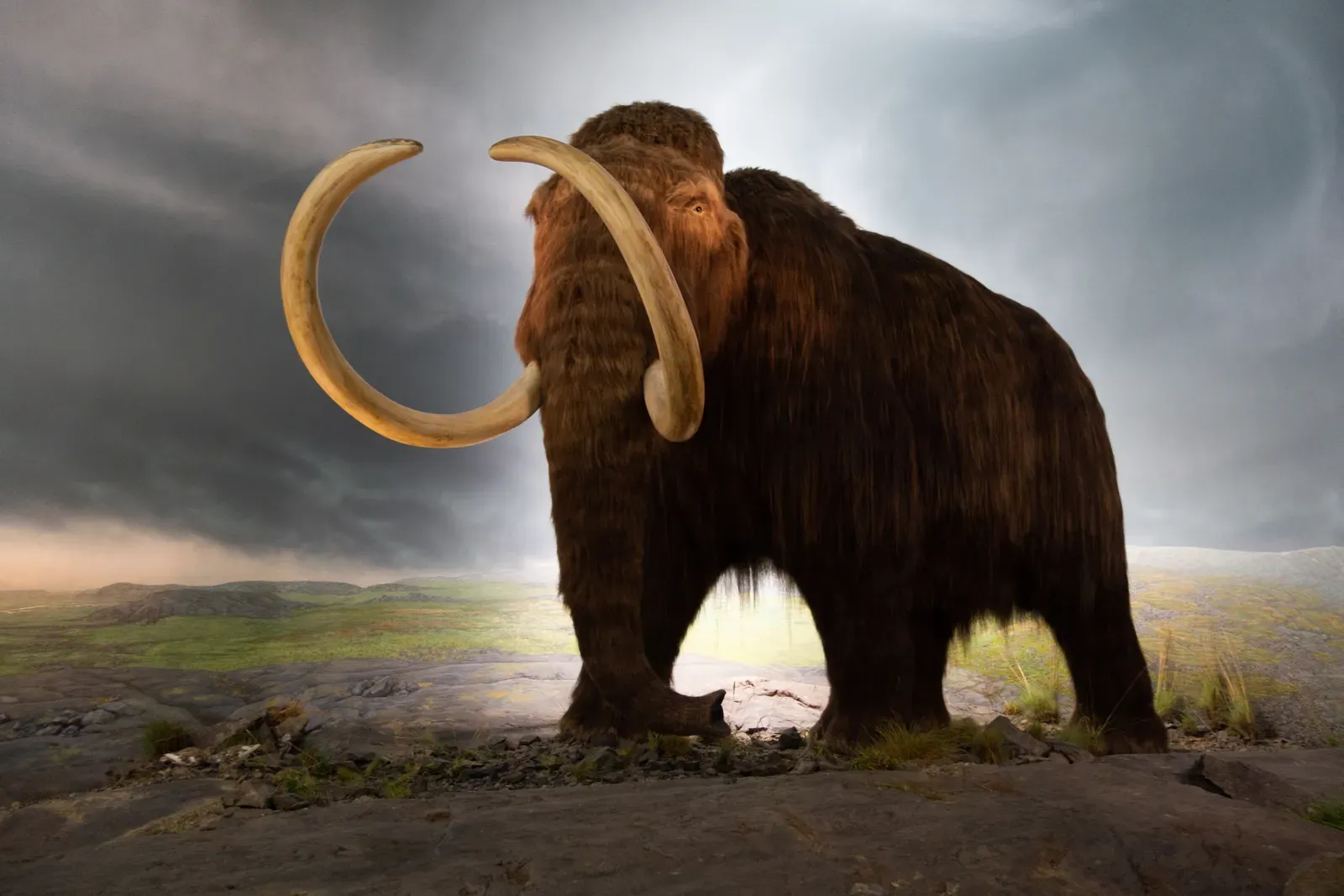
For all its charm, Ice Age sands down the rough edges of what mammoth life must have been like. The real story is not just about humor and heart; it is about a species engineered for a specific world that changed faster than it could adapt. That, to me, is actually more compelling than any scripted character arc. When you know that mammoths walked through blizzards strong enough to peel skin, survived famines, dodged predators, and still raised calves in the middle of all that, the grumpy cartoon dad suddenly feels like a soft-focus version of a much tougher reality. The science gives them a kind of quiet heroism that does not need punchlines.
There is also something unsettlingly modern about their fate. Today, we are once again reshaping climates and habitats at high speed, and many cold-adapted species are being pushed into the same kind of squeeze that mammoths faced at the end. Some labs are even exploring whether we can bring mammoth-like hybrids back using genetic engineering, which sounds futuristic but also slightly desperate, like trying to rewind a story we never properly listened to in the first place. In my opinion, the real Manny is not just a character from the past; he is a mirror for our present, reminding us that ignoring environmental limits has consequences that outlast any joke. When you compare that to the movie, which version really sticks with you after the credits would roll?