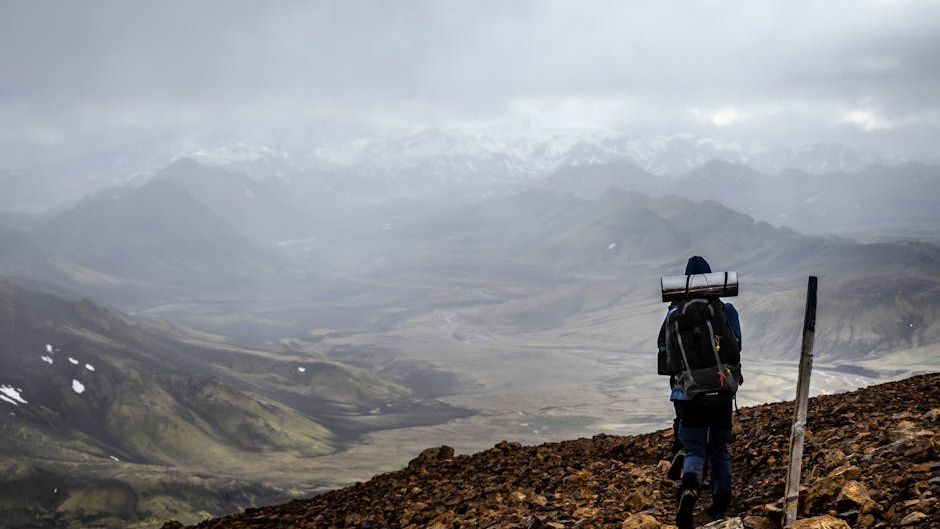
Some people walk into a glass-and-steel skyscraper and feel a rush of excitement. Others step into a pine forest, smell the soil, hear the wind, and think, this is what being alive feels like. If you’re in that second group, you might’ve wondered if there’s something a little different about you. Why does a thunderstorm feel more comforting than traffic lights? Why does the idea of a tiny cabin by a lake feel safer to you than a condo with a doorman and CCTV?
Psychology and personality research suggest that this isn’t just a quirky preference; it can reveal something deep about what you value: freedom over security, experience over control, wildness over order. Loving ancient earth – mountains, deserts, oceans, old-growth forests, star-filled skies – often goes hand in hand with a certain kind of mind: independent, curious, and a bit allergic to being boxed in. Let’s unpack what that might say about you, without romanticizing it or turning it into a horoscope.
The Deep Pull of Ancient Landscapes: More Than Aesthetic Preference
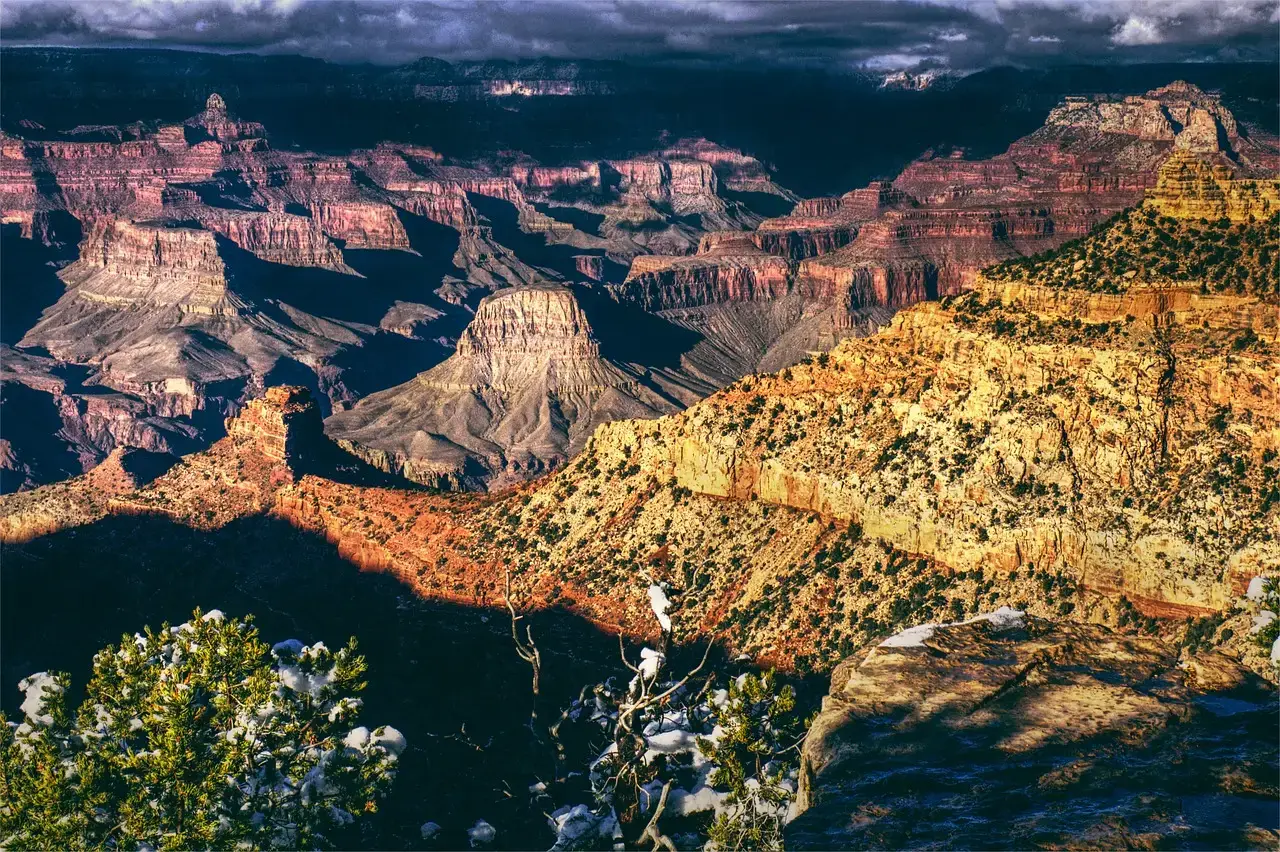
Imagine standing at the edge of a canyon or on a rocky coastline where waves have been smashing into stone since long before humans built their first village. That strange mix of awe, calm, and smallness you feel is not random. Studies on nature exposure consistently show that old, expansive natural environments tend to trigger a sense of wonder and perspective that modern urban spaces rarely match. Your brain reads those ancient landscapes as something bigger and older than human rules, deadlines, and expectations.
When you feel more yourself beside an old tree or a weathered cliff, you’re responding to signals that say: here, nothing is trying to control you. Skyscrapers and highways scream design, planning, optimization; mountains and deserts whisper existence, patience, and mystery. If your nervous system relaxes more on a dirt trail than on a polished city sidewalk, it might be because you intuitively trust places that haven’t been engineered to manage you. You’re not just admiring a view; you’re responding to an environment that mirrors your inner desire to live on your own terms.
Freedom vs. Security: Two Core Drives Playing Tug-of-War

Psychologists often describe human motivation as a constant negotiation between safety and exploration. We want to feel protected, but we also want to roam, discover, and stretch. Modern cities are basically giant monuments to security: surveillance, infrastructure, emergency services, predictable routines. They say, stay here, we’ve got you. Ancient earth, by contrast, offers far less guaranteed safety yet feels strangely honest about it. A storm front does not pretend to be under control. A cliff edge doesn’t reassure you. There’s risk, but also raw openness.
If you feel more alive in wild places, your internal scales might naturally tip toward exploration over protection. You might be one of those people who would rather accept some uncertainty in exchange for spaciousness – mentally and physically. That doesn’t mean you hate safety; it means you’re willing to negotiate with it. You may choose less stable careers if they offer autonomy, or prefer living somewhere quieter even if it means fewer conveniences. Where someone else hears freedom and thinks danger, you hear it and think possibility.
Personality Traits Linked to Loving the Wild
People who obsess over ancient landscapes often share some recognizable traits. Many score high on what psychologists call openness to experience – the tendency to seek novelty, ideas, and beauty in unusual places. The person who stares at rock formations for twenty minutes or wants to know how the desert formed over millions of years is rarely the same person who is fully satisfied by a life that’s tidy, predictable, and heavily scheduled. There’s a curiosity that does not shut off, and wild places feed it.
Independence is another common thread. Those who prefer unpaved paths to air-conditioned malls tend to resist being overly directed – by systems, bosses, or social norms. Even if they live in cities, they might structure their lives to keep pockets of autonomy: flexible work, side projects, solo travel, long walks without a set route. Loving ancient earth often overlaps with a lower tolerance for micromanagement, noise, and constant social performance. In short, your happy place might say: your mind likes room to move.
Why Cities Can Feel Like Cages to a Freedom-Seeking Mind
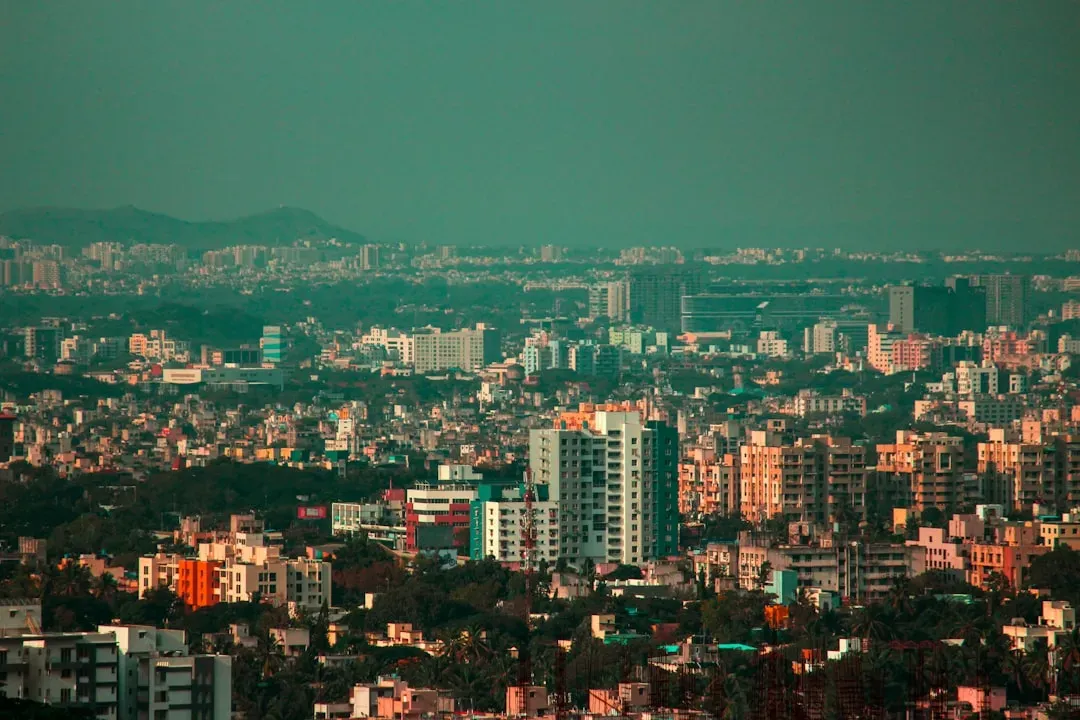
For a lot of people, modern cities are thrilling: endless options, nightlife, delivery apps, and the sense that something is always happening. But if you are wired to crave freedom more than security, dense urban life can feel like living inside someone else’s plan. The soundscape, light pollution, constant schedules, and rules – from traffic lights to building codes to public behavior norms – layer structure on top of structure. For some nervous systems, that structure feels safe. For others, it feels like a quiet suffocation.
When you stand in the middle of a forest or look up at a clear night sky, by contrast, nothing is asking you to speed up or keep up. Time stretches. Your instincts, not the clock, decide what you do next. That internal shift – away from external demands and toward self-directed attention – is often what freedom-driven personalities are starving for. They might live in cities by necessity but need frequent escapes into ancient earth just to remember who they are when no one is watching and nothing is buzzing, pinging, or announcing the next train.
The Science of Nature and Your Nervous System
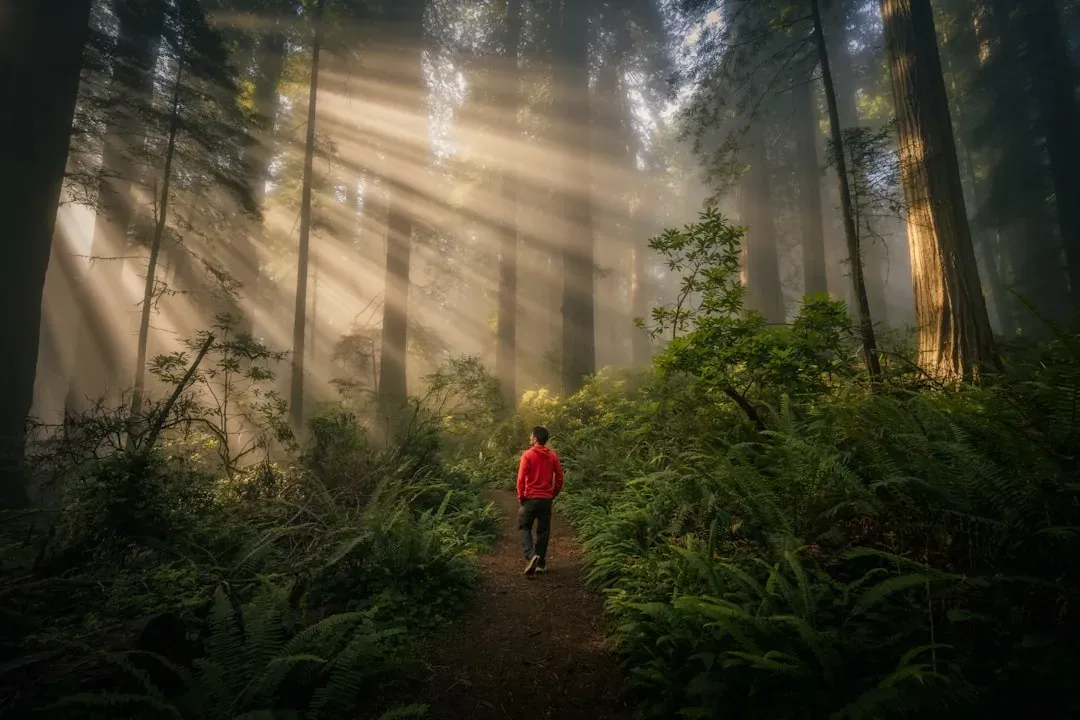
Even if you are not into psychology terms, your body already knows that natural environments change you. Research on stress and attention shows that people tend to think more clearly and feel less anxious after spending time in green or wild spaces compared to built-up urban settings. Heart rate, blood pressure, and stress hormones often ease down when you swap car horns and screens for wind, birds, and moving water. For someone who craves freedom, that physiological relief can feel like finally exhaling after holding your breath in the city.
There is also a concept called “soft fascination,” where your brain is gently engaged by subtle, changing patterns – like leaves moving, waves, clouds – without being overloaded. Cities bombard you with information; ancient landscapes invite your attention without hijacking it. If you are drawn to that kind of environment, it might mean your mind prefers open-ended, unstructured stimulation over the sharp, demanding signals of urban life. Your love for ancient earth, in that sense, is your nervous system wisely voting for conditions where you can function as your best, most grounded self.
Risk, Adventure, and the Quiet Rebellion Against Over-Protection
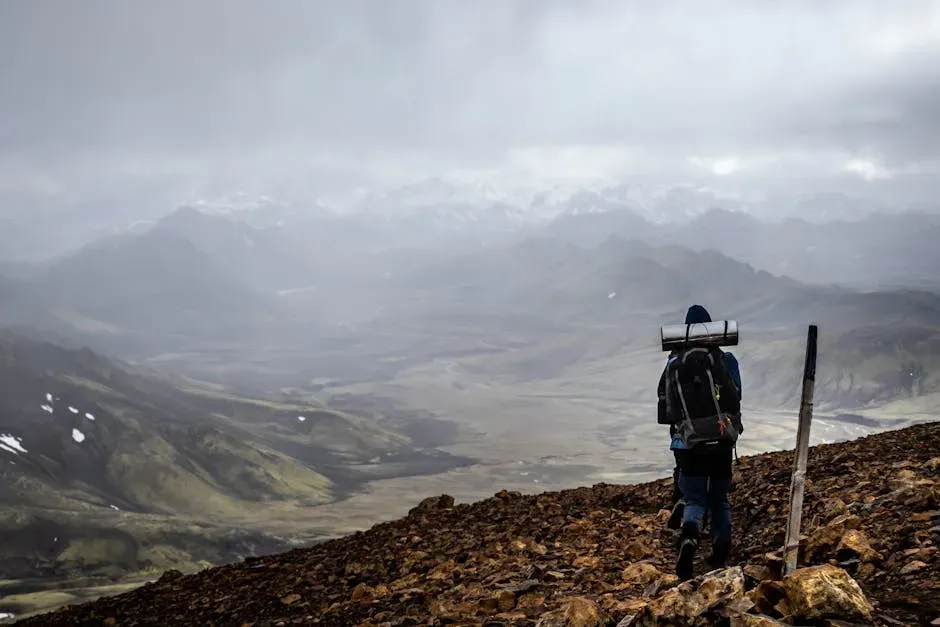
Freedom and risk are cousins that never fully separate. When you love wild spaces, you’re usually accepting a bit of unpredictability. Weather can change, trails can vanish, and there is no guarantee of instant help. For some personalities, this is terrifying; for others, it’s the exact antidote to a life padded with policies, disclaimers, and backup plans. Choosing to hike a remote ridge or camp under the stars is, in a way, a gentle rebellion against a culture obsessed with eliminating every possible danger.
This does not mean you are reckless; often, it is the opposite. People who thrive in wild places usually develop real respect for limits, gear, preparation, and their own physical boundaries. They are not chasing cheap adrenaline; they are building a deeper relationship with their own capability and the world around them. That relationship – trusting that you can handle some unknowns – translates into other areas of life too. You may be more willing to leave a soul-numbing job, move somewhere new, or end a misaligned relationship, not because it is safe, but because it is honest.
Balancing Your Need for Freedom With Real-World Responsibilities

Here’s the tension: you might love ancient earth and hate the idea of being overly controlled, but you probably still have rent, bills, or people who depend on you. The goal is not to flee to a cabin and ghost society – unless that is truly right for you – but to design a life with enough wildness to keep you sane. That might mean regular solo hikes, unplugged weekends, or choosing a home near trails, water, or even just a big old park that feels older than the city around it.
You can also look at your work and relationships through this lens. If your personality craves freedom, environments with flexible schedules, trust-based leadership, and room for creativity will likely fit better than rigid, clock-punching setups. In relationships, you might feel happiest with people who understand your need to disappear into the woods now and then without interpreting it as rejection. Loving ancient earth is a clue about how much space your soul needs; honoring that, even in small ways, can prevent burnout and quiet resentment from building up.
What Your Love for Ancient Earth Really Says About You
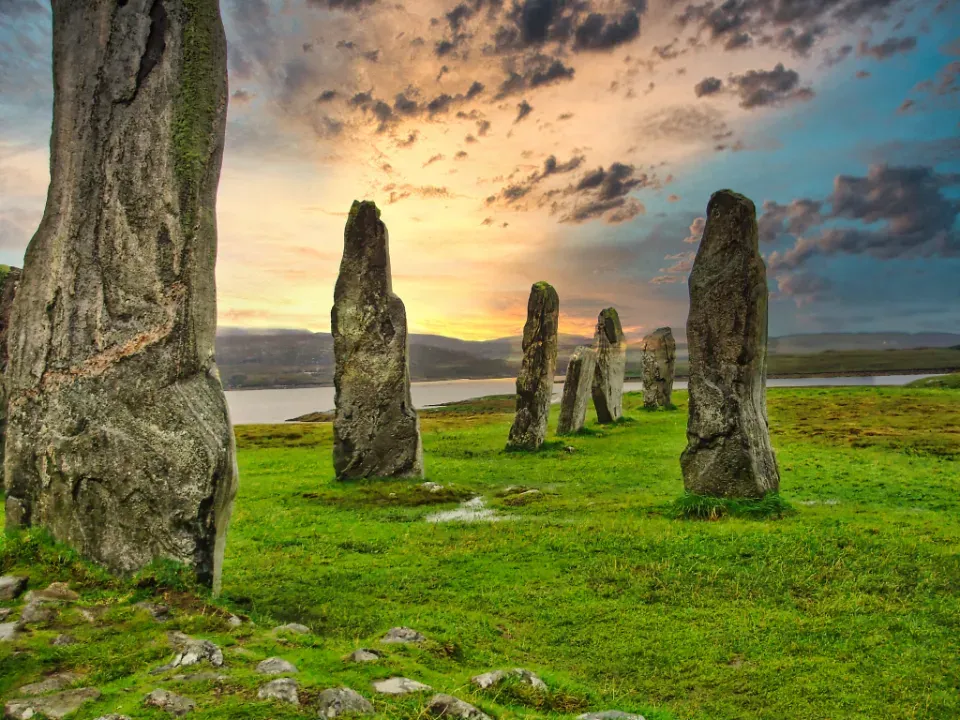
If you light up more under a wide sky than under neon lights, it’s not proof that you are better, deeper, or more authentic than city lovers. It does, however, point to a certain configuration of values: you likely prioritize inner freedom, authenticity, and direct contact with reality over convenience, constant entertainment, and tightly engineered safety. You are drawn to places where life is not curated for you, where you have to pay attention and participate instead of just consuming what’s laid out.
In a world that often equates success with stability, routine, and visible comfort, your attraction to ancient earth can make you feel a bit out of place – or like you are “behind” compared to people who thrive in structured, urban environments. But maybe you are not behind at all. Maybe you are aligned with a different metric: how alive you feel, how honest your days are, how much of your time is truly your own. If that resonates, your love for ancient earth is not random nostalgia; it is your personality quietly insisting that life is meant to be lived, not just managed.
Conclusion: Choosing Your Wild, Even in a World of Concrete
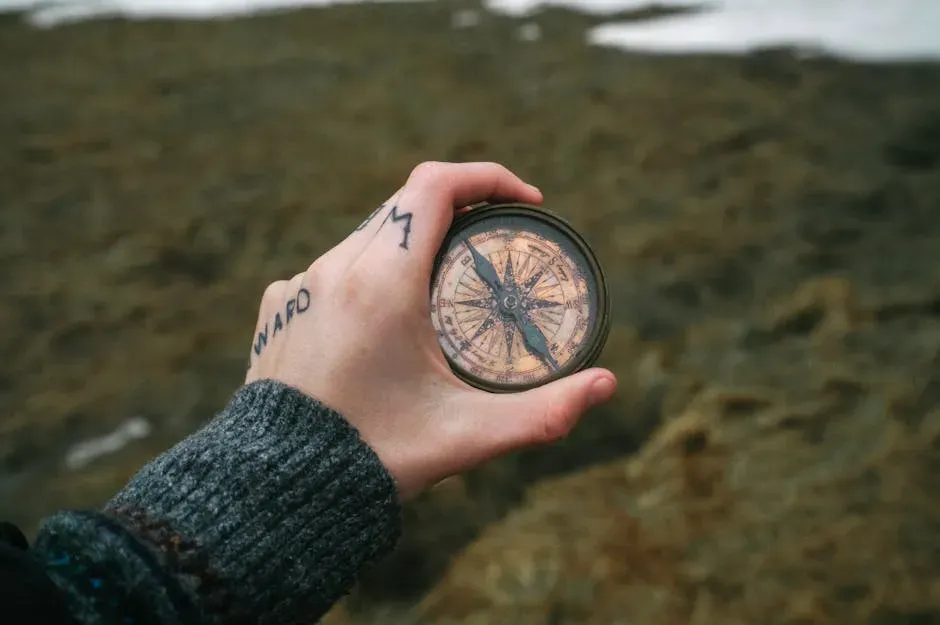
When you zoom out, the pattern is pretty simple: modern cities are built to promise security, and ancient earth offers you freedom with fewer guarantees. If your whole body relaxes more under cliffs than under office lighting, your personality is probably wired to accept some risk in exchange for a life that feels unscripted and real. That does not make you irresponsible or naive; it just means your definition of “safe enough” includes having room to breathe, think, wander, and sometimes be unreachable.
In the end, you do not have to reject cities or worship wilderness to honor who you are. You only need to be honest about what actually nourishes you and then protect that fiercely, even if it makes your life look less conventional from the outside. Maybe your soul will always belong a little more to wind, stone, and old water than to glass towers and subway tunnels – and maybe that is not a flaw to fix but a compass to follow. The real question is not whether you love ancient earth; it is whether you will let that love shape the way you live, even when the world tells you to stay inside.