If you have an almost childlike obsession with dinosaurs, mammoths, or other giant prehistoric creatures, you might have wondered what that says about you. Is it just cool CGI and museum skeletons, or is something deeper going on in your mind? Modern psychology suggests that our fascination with massive, vanished animals can quietly reflect how we feel about our own place in a fast, crowded, status-obsessed world.
Many people who feel invisible at work, overwhelmed by expectations, or squeezed by social comparisons end up drawn to things that are larger than life. Prehistoric megafauna are like a mirror and an escape at the same time: they make our daily worries look tiny, but they also let us imagine a world where our smallness is natural, even peaceful. Once you start looking at it this way, that “dinosaur phase” (that maybe never ended) suddenly feels a lot more meaningful.
The Hidden Emotional Pull of Enormous, Extinct Animals
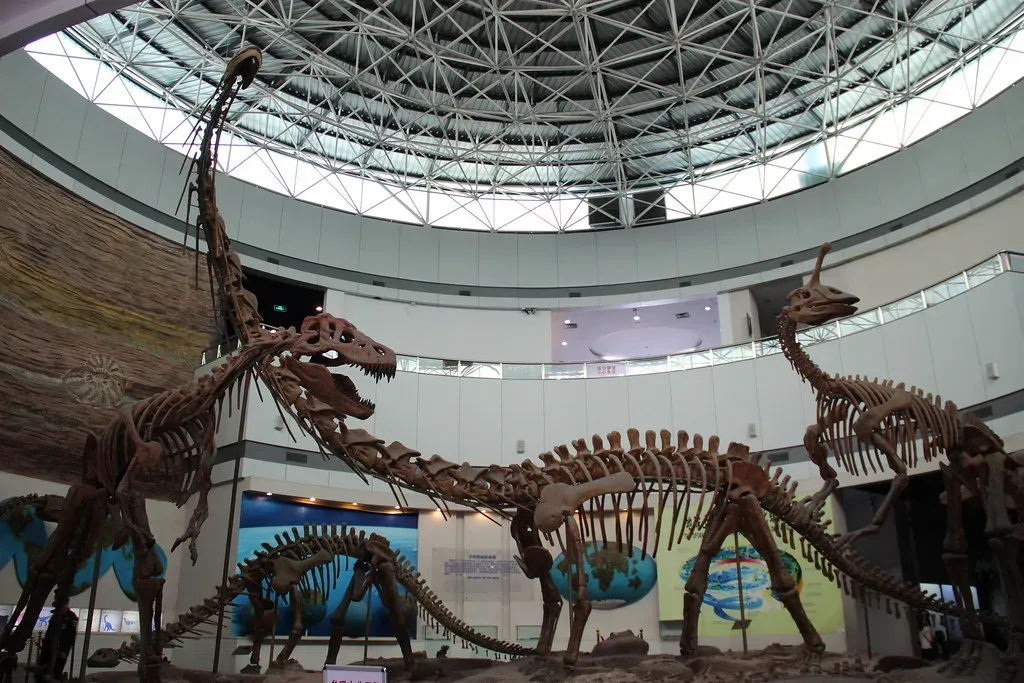
There is something quietly gut-level about standing under a towering dinosaur skeleton and feeling your body react before your brain finds the words. Research on awe shows that when people encounter something vast and beyond their current understanding, they often feel smaller in a way that is strangely pleasant instead of humiliating. That shrinking of the self can temporarily quiet anxiety, ego, and daily stress, which might be especially attractive if you often feel pressured or overlooked in modern life.
Giant prehistoric creatures intensify this reaction because they mix scale with mystery. These animals are not just big; they are gone, untouchable, and wrapped in unanswered questions. This combination of enormity and distance creates a safe kind of emotional intensity: you can feel tiny next to a T. rex without worrying that it actually judges your salary, relationship status, or number of followers. For people who feel small in harsh, human-made hierarchies, this kind of “safe smallness” can feel almost like emotional relief.
Feeling Small in a Big World: Why Modern Life Fuels This Fascination
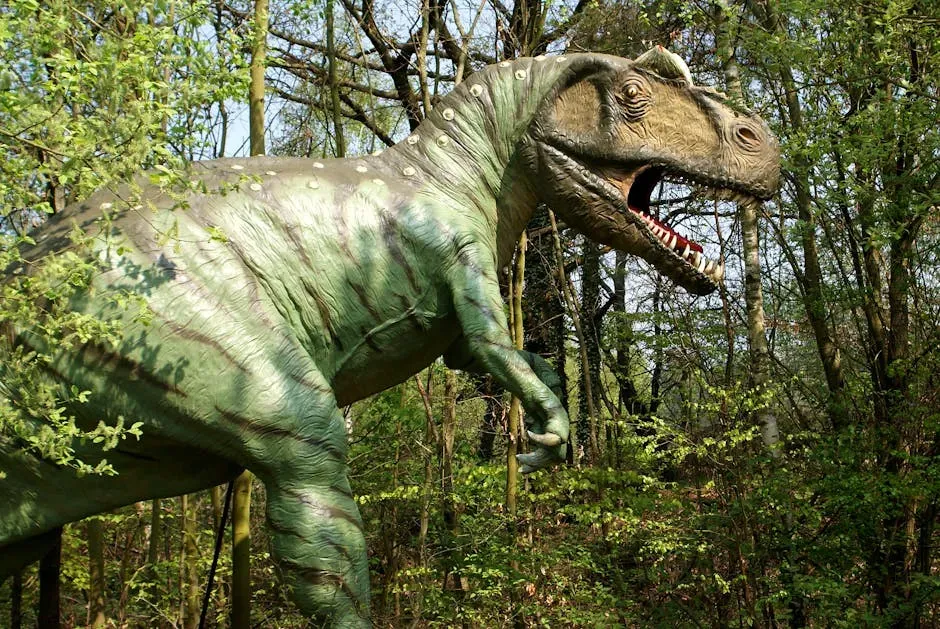
Modern society constantly reminds us how insignificant we are, but in a very sharp-edged way. Social media feeds turn success into a nonstop highlight reel, and it can feel like everyone else is sprinting ahead while you are stuck jogging in place. Economic uncertainty, rising costs, and intense academic or career expectations can make daily life feel like a game where you are always one step behind. That sense of being small is not just about physical size; it is about power, status, and control.
When you already feel like a small piece of a massive system, prehistoric giants can become a kind of psychological counterweight. They let you fix your gaze on something that dwarfs even the systems that intimidate you. Your job title, your grades, your follower count – none of that matters next to a creature that ruled the planet long before humans existed. In a quiet way, this helps reframe modern problems as temporary and limited, instead of total and crushing.
Awe, Escape, and the Need to Step Outside Human Hierarchies
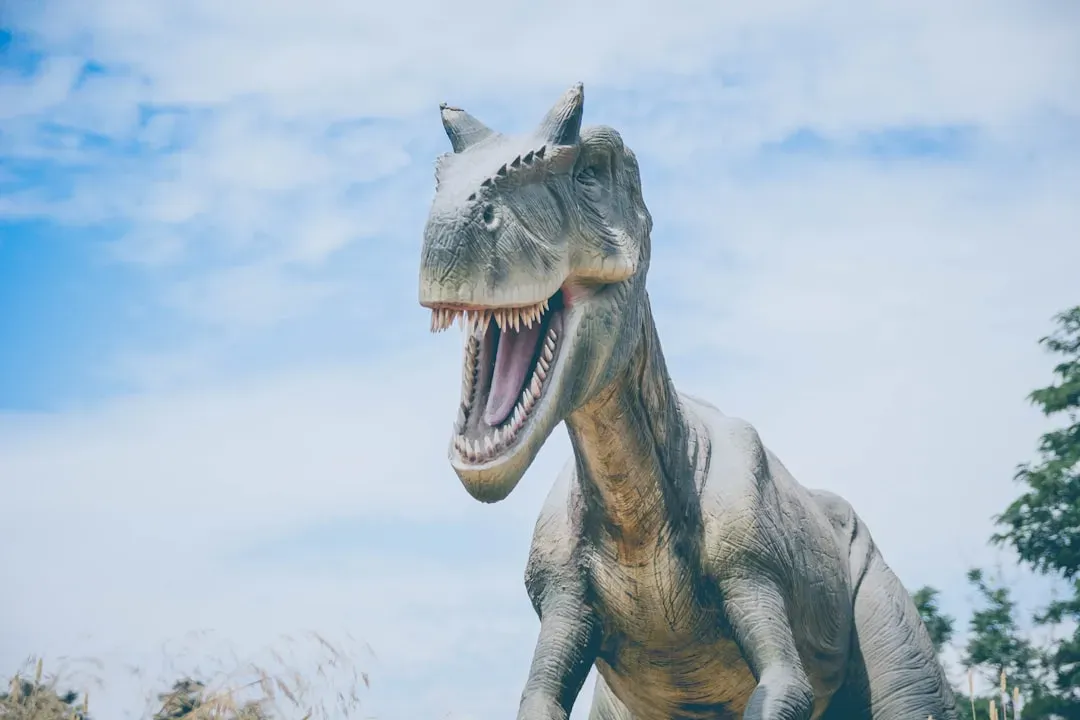
Psychological studies on awe suggest that feeling overwhelmed by something vast can actually reduce self-focus and soften feelings of isolation. Instead of being obsessed with how you are doing compared to everyone else, your attention widens to take in the bigger picture. For someone who feels constantly measured and ranked, that shift can be deeply soothing. Giant prehistoric creatures are a powerful spark for this kind of awe because they hint at scales of time and life that make everyday competition feel almost absurd.
In that sense, fascination with dinosaurs and megafauna can be a healthy escape, not just a childish distraction. It is a way of leaving behind the brutal scoreboard of modern life and stepping into a mental space where human status games simply do not apply. You are not behind, failing, or late; you are just one more small organism in a universe that has been cycling through species for hundreds of millions of years. For people who secretly feel crushed by expectations, that perspective can feel like a pressure valve slowly releasing.
Control, Power, and Identifying With the Giants Themselves
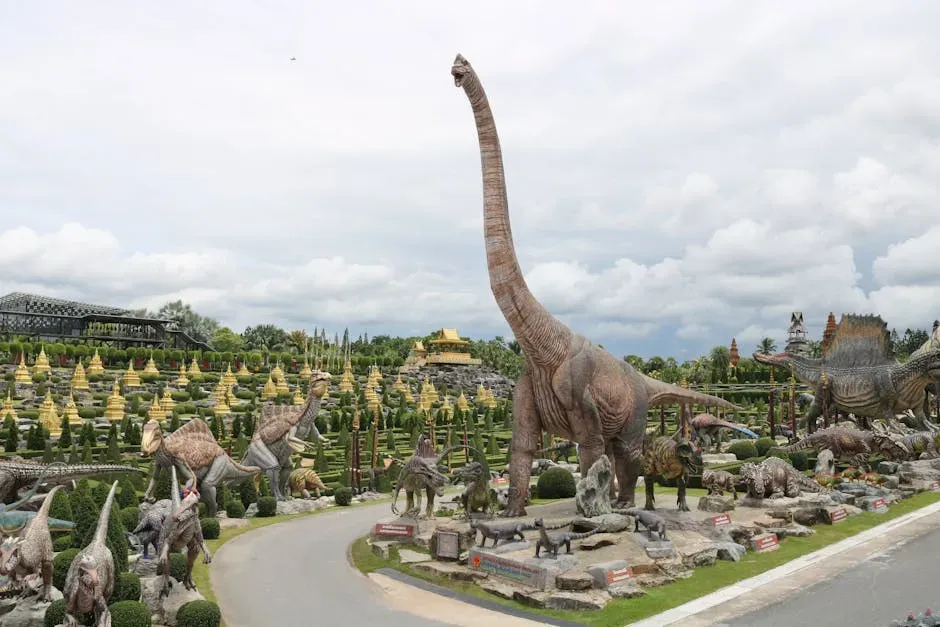
There is another side to this fascination that is less about awe and more about identification. Some people are drawn to giant prehistoric creatures because they embody a kind of raw power that feels missing in their own lives. If you feel ignored, pushed around, or constantly overruled, picturing yourself as a towering, unstoppable animal can be a quiet act of psychological rebellion. It is like putting on an invisible costume that lets you feel the strength you do not yet feel in real life.
This does not mean anyone literally believes they are a dinosaur, of course, but symbolism matters. Imagining, drawing, reading about, or collecting figures of these animals can be a way to reconnect with a sense of agency and intensity. Instead of seeing yourself as the tiny employee at the bottom of the chart, you temporarily inhabit the role of a creature that answered to no human system. Even if it is just for a moment, that role shift can make it easier to come back to your daily life feeling a little less helpless.
The Comfort of Deep Time: When Today’s Problems Shrink Against Prehistory
Another psychological thread behind this interest is the concept of “deep time” – the vast, almost unimaginable stretch of Earth’s history. When you really sit with the idea that giant dinosaurs roamed the planet for spans far longer than all of human civilization combined, your personal worries start to look suspiciously small. Deadlines, awkward conversations, disappointing numbers in your bank account – they are still real, but they lose their claim to being the whole story.
People who feel swallowed by the intensity of right now often find comfort in zooming out this far. Learning about prehistoric creatures is like mentally stepping back with a cosmic camera and seeing that you are one frame in a much longer film. That broader timeline does not magically solve your problems, but it can restore a sense of proportion. Instead of being trapped in a crowded present, you are suddenly part of a long, strange, fascinating history of life that has weathered countless extinctions and reinventions.
Childhood Wonder, Adult Anxiety: Why Some Obsessions Never Fade
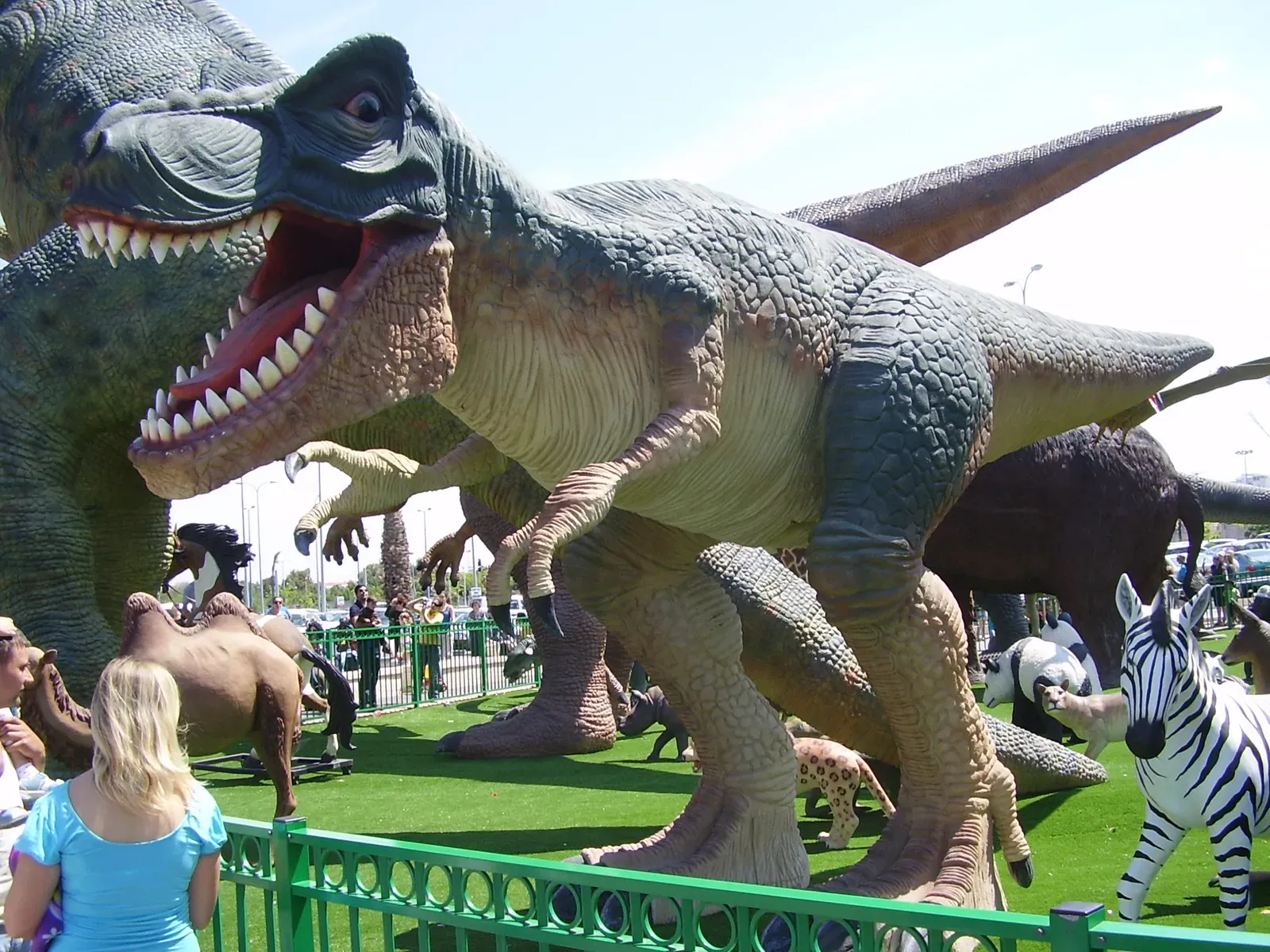
For many, the obsession with giant prehistoric animals starts in childhood and never quite disappears – it just quiets down until stress, burnout, or big life changes wake it up again. As kids, dinosaurs feel like the ultimate fantasy creatures that happen to be scientifically real. As adults, that same fascination can resurface precisely when life feels heavy, monotonous, or unfair. It is as if the brain reaches for an old, trusted source of wonder when the present gets too sharp.
There is also an identity piece here. If you grew up feeling socially awkward, academically pressured, or different from your peers, intense interests in things like dinosaurs might have been one of the few places you felt confident and alive. Returning to that fascination later in life can be a way of reconnecting with a version of yourself that felt more curious and less judged. In that sense, the love of prehistoric giants becomes a subtle act of self-preservation in a world that often rewards conformity over genuine passion.
Turning Fascination Into Strength in a Society That Makes You Feel Small

If you recognize yourself in any of this, the point is not to pathologize your interests but to use them. Instead of seeing your love for giant prehistoric creatures as a quirky side note, you can treat it as a clue about what your mind is craving. Maybe it is awe, maybe it is a sense of power, maybe it is a reminder that you belong to a much bigger story than your latest performance review. Once you name that need, you can look for more ways to meet it beyond fossils and documentaries.
You might lean into this passion in practical ways: volunteering at a natural history museum, studying paleontology as a serious hobby, or simply allowing yourself regular “deep time breaks” when modern life feels crushing. You can also let the symbolism of these animals challenge the way you see yourself: not as a powerless speck in a giant machine, but as one small, real, living part of a vast, evolving planet. Ironically, the more honestly you embrace your smallness in that larger sense, the less small you tend to feel in the artificial hierarchies that used to dominate your mind.
Opinionated Conclusion: Feeling Small Is Not a Flaw – It Is a Compass
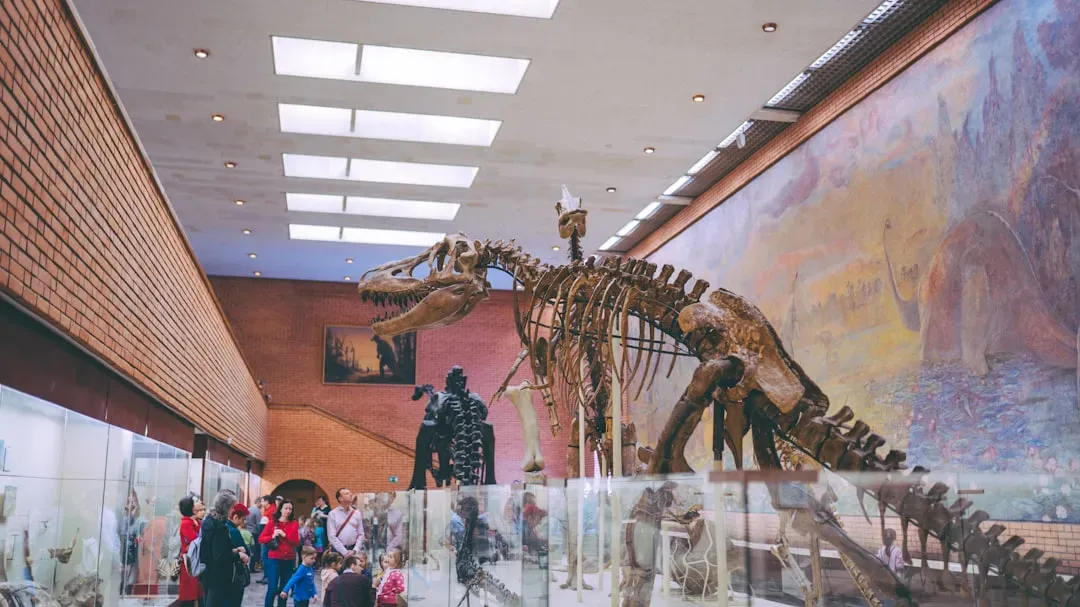
When you look closely, the idea that is not an insult; it is a diagnosis of how harsh our world has become. In my view, that pull toward dinosaurs, mammoths, and other giants is your psyche refusing to accept a life defined only by metrics, deadlines, and comparison charts. It is your mind hunting for awe, scale, and perspective in a culture that constantly tells you your value depends on how loudly you stand out.
Instead of trying to “grow out of it,” maybe the wiser move is to grow through it. Let those vanished giants keep reminding you that smallness in the face of something truly vast is healthy, honest, and even beautiful – and that the fake smallness created by status games is the thing that deserves your resistance. In a world that keeps shouting at you to be bigger, louder, and more impressive, there is something quietly radical about choosing to be humbly fascinated instead. If you feel small looking up at those ancient bones, maybe the real question is not what is wrong with you, but what that feeling is trying to tell you about how you want to live now – what do you think it is pointing you toward?