Some people scroll past beach photos and cute pets, but stop dead on a video of a volcano erupting or a documentary about a city frozen in ash. If that sounds like you, it is not just a quirky taste. There is something deeply psychological happening when we are magnetized by scenes of lava, asteroid impacts, or long‑gone super-eruptions that once reshaped the planet.
Far from being simple morbid curiosity, this fascination often hides a quiet, powerful need: the search for perspective. When everything in daily life feels noisy and close-up, ancient disasters and raw geological power zoom the camera out. They remind us that our deadlines, arguments, and anxieties are unfolding on a thin, fragile timeline laid over a planet that has been crashing, cracking, and rebuilding itself for billions of years. That realization can feel scary – but also strangely calming.
The Pull of Catastrophe: Why Volcanoes Feel Weirdly Comforting
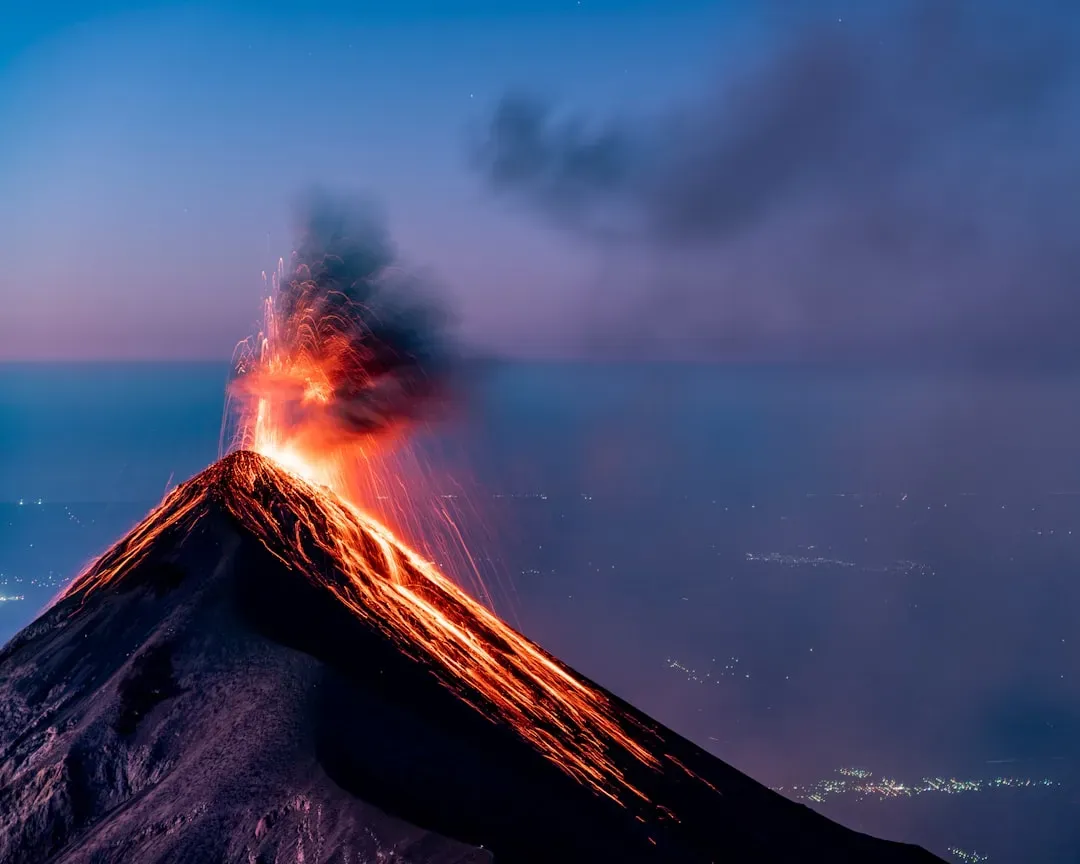
At first glance, being drawn to volcanoes and ancient disasters sounds like a love of chaos. Yet many people describe something almost soothing in watching glowing lava roll down a slope or learning about a mega-eruption that reshaped continents. Part of the comfort comes from clarity: you are watching pure cause and effect, without office politics or mixed signals. Magma rises, pressure builds, the volcano blows – no passive-aggressive emails involved.
There is also a paradox here that psychology recognizes well: we can feel safer confronting danger from a distance. When you stand at a volcano lookout or watch a high-definition eruption on your couch, your brain gets to flirt with fear while your body knows you are not actually in harm’s way. That safe fear sharpens your senses, pulls you out of mental fog, and can even leave you feeling more alive and grounded afterward. It is like an emotional cold plunge for the nervous system.
Memento Mori: Ancient Disasters as a Reminder That We Are Tiny
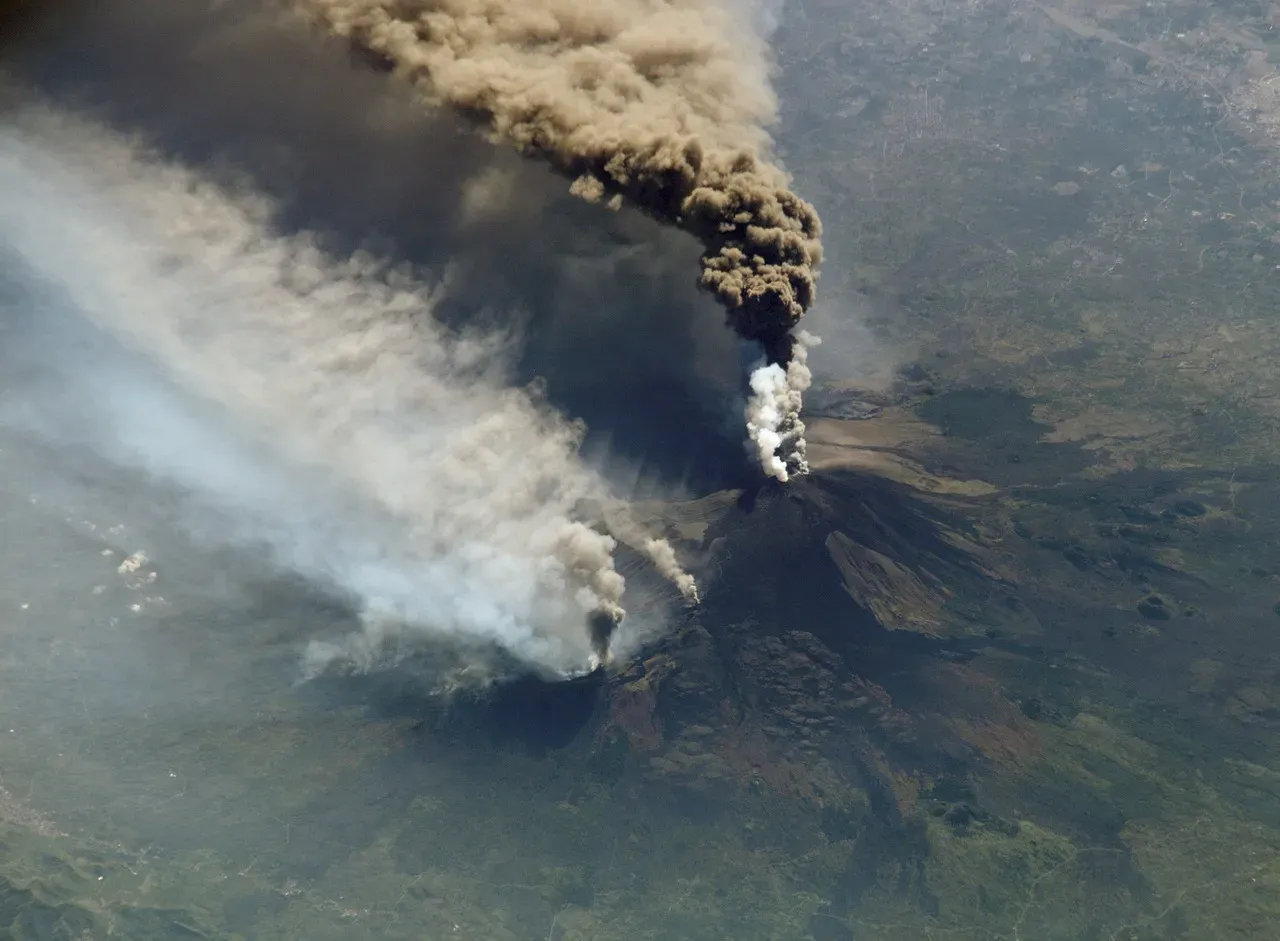
Psychologists talk about something called mortality salience – the moments when we are suddenly aware that we will not be here forever. Reading about a city buried by ash, or an entire species wiped out by an impact, can trigger that awareness in a deep but indirect way. It is not just a story about them; it is a quiet message about us, too. If whole civilizations can vanish, what does that say about our own moment in time?
This might sound depressing, but many people actually find it strangely liberating. When you really let it sink in that humans have existed for only a blink in geological terms, a lot of petty worries shrink. The unanswered text, the awkward meeting, the slightly embarrassing comment replaying in your head – all of it becomes background noise against a four-and-a-half-billion-year timeline. For some, that perspective is not nihilistic at all; it is a push to live more intentionally, because this tiny sliver of time suddenly feels precious.
Awe and the “Small Self”: How Nature Rewrites Our Problems
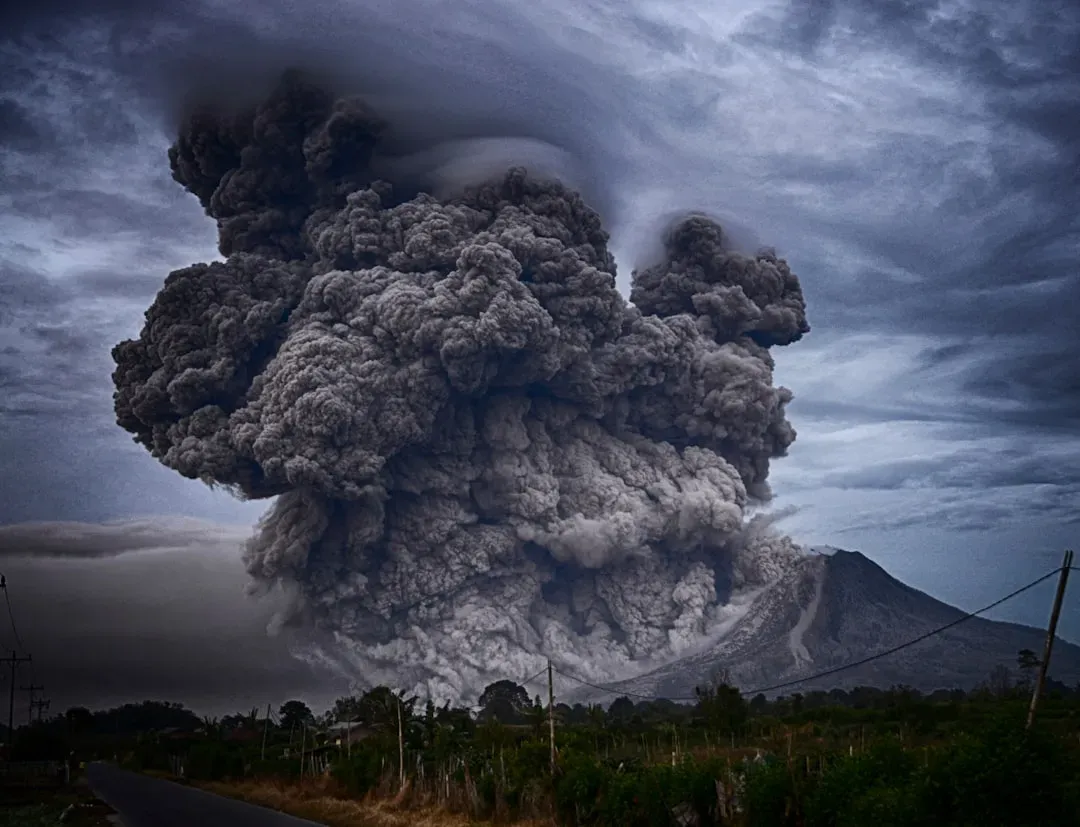
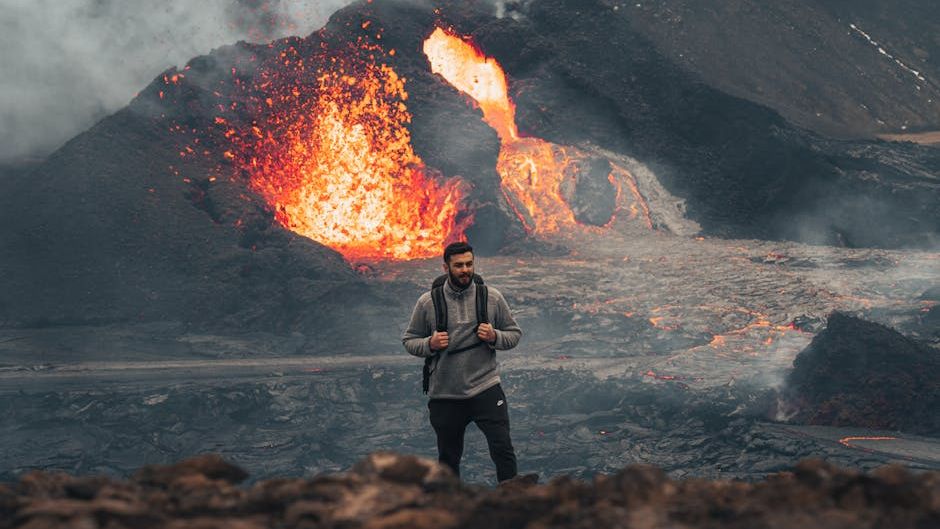
There is a psychological state researchers simply call awe, and volcanoes are classic awe machines. Awe happens when we encounter something so vast or powerful that it scrambles our normal frame of reference. Standing at the lip of a caldera, or simply looking at satellite images of ancient lava fields, can trigger that feeling of being incredibly small but also incredibly connected to something bigger.
When people experience awe, studies suggest they often feel what is called a “small self” – a sense that their personal ego shrinks a little, and their focus shifts away from individual worries toward broader patterns and meanings. That is exactly what many volcano lovers report: their problems feel less like permanent walls and more like passing weather. The same brain that obsesses over minor inconveniences suddenly finds itself thinking about plate tectonics, climate shifts, and the deep time of Earth’s history – and by comparison, that stressful presentation next week stops feeling like the end of the world.
Curiosity About Control: Facing Forces We Cannot Tame
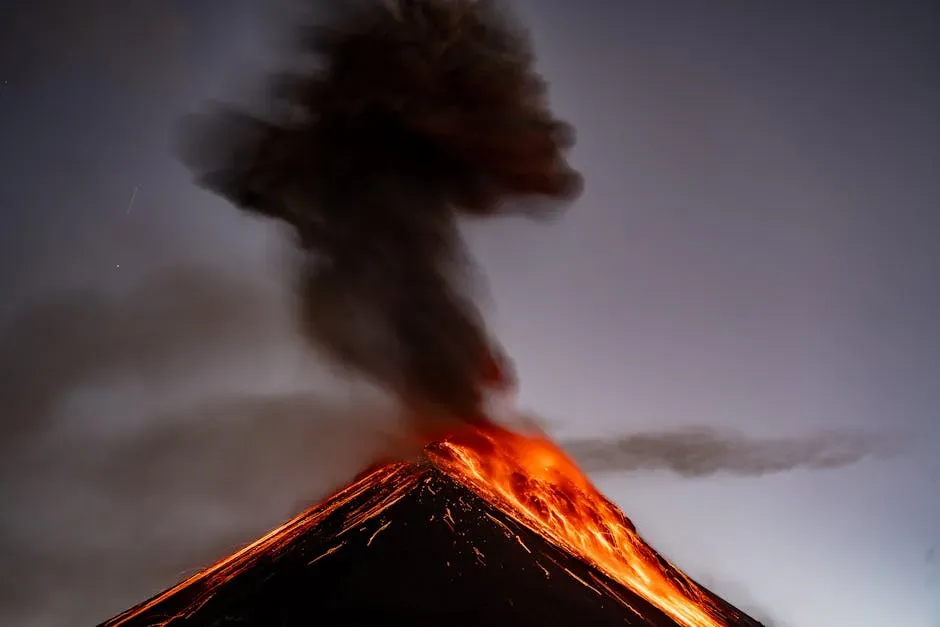
Modern life trains us to believe that nearly everything is controllable with enough data, effort, or hacks. Volcanoes and ancient disasters shatter that illusion. No matter how advanced our technology gets, we cannot negotiate with magma chambers or bargain with asteroid trajectories. For many, that realization is both terrifying and oddly clarifying. It strips life down to a simple truth: some forces are radically beyond us.
Psychologically, this confronts our control bias – the tendency to overestimate how much we can manage or predict. People drawn to these topics might, consciously or not, be practicing how to live with uncertainty. Learning about super-eruptions, ancient tsunamis, or impact events becomes an exercise in humility: here is what we can monitor, here is what we can prepare for, and here is the massive, uncontrollable wild card. That mental shift can actually reduce anxiety in daily life, because if you can emotionally accept volcanic chaos, a delayed flight or lost file feels more survivable.
Escaping the Drama Loop: Trading Personal Turmoil for Planetary Stories
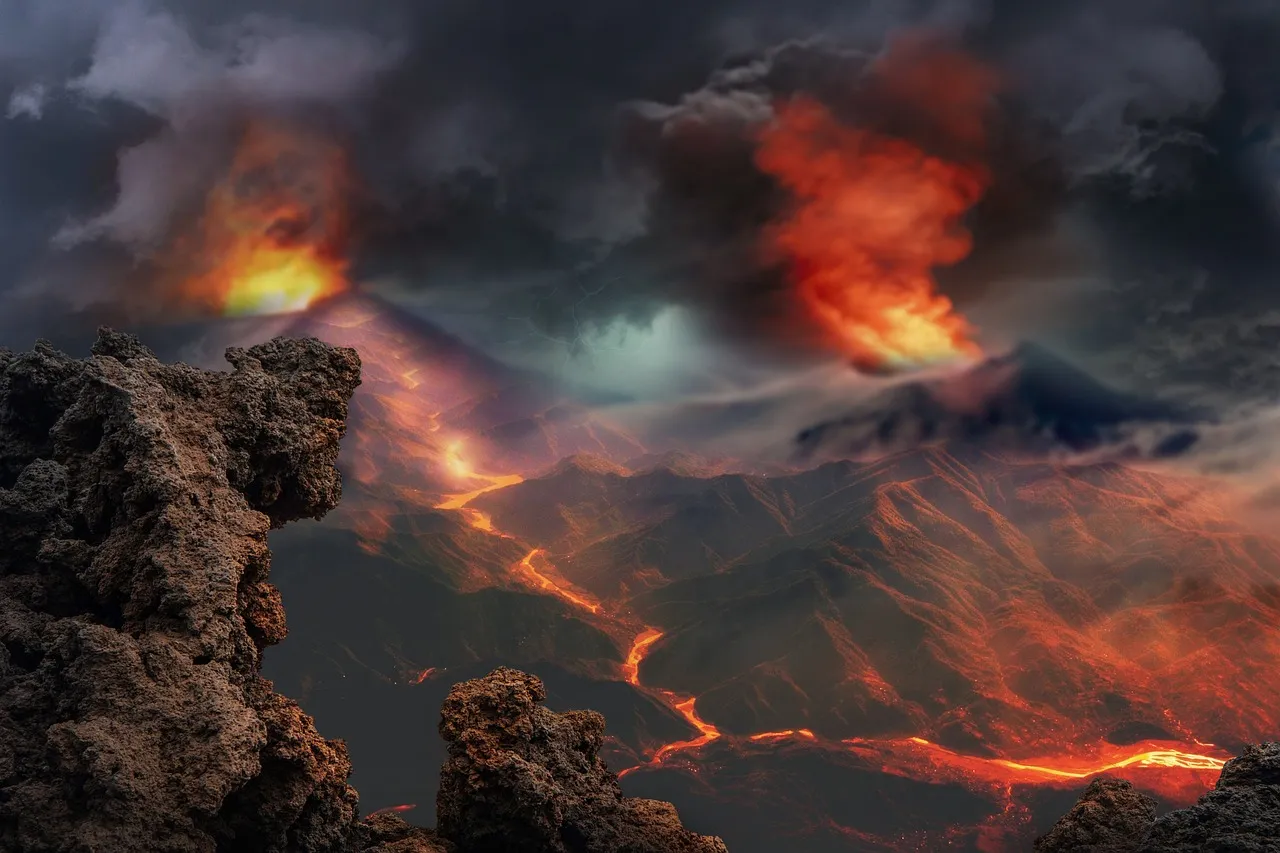
There is another, less noble but very human reason people binge-watch volcanic documentaries when life feels messy: distraction with a purpose. Instead of doom-scrolling social media drama, they are immersing themselves in stories where the stakes are high but not personal. You do not have to pick sides between tectonic plates. Ancient disasters offer intense narrative without the social baggage.
On some level, it is like choosing to watch a storm out at sea instead of arguing about the weather app. You are still engaged, still emotionally hooked, but you are not the main character in the crisis. That distance gives your brain a break from looping over your own problems while still satisfying a craving for intensity and meaning. The mind gets to say: yes, life is wild and unpredictable – just look at that eruption – but for a moment, I can watch from a safe emotional balcony.
Identity, Aesthetics, and the “Volcano Person” Vibe
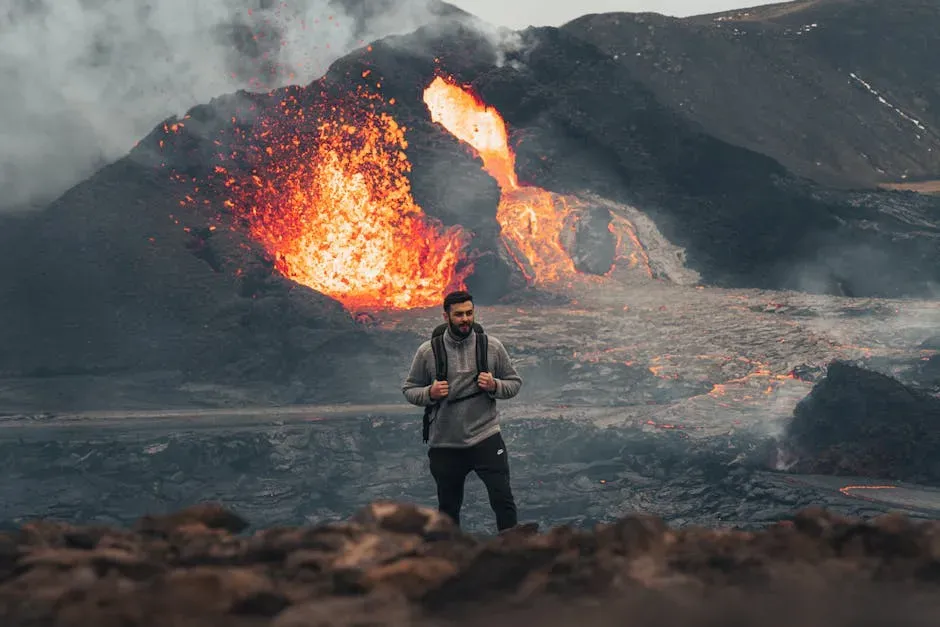
For some, volcanoes and ancient disasters are not just an interest; they become part of identity. You can usually spot the volcano person: the one who knows eruption dates, who travels to see calderas, who casually drops facts about super-volcanoes at dinner. Psychology would say they are using this fascination as a lens to understand themselves. They see a reflection of their own intensity, volatility, or depth in these massive geological events.
There is also a very modern, aesthetic angle. Dramatic volcanic imagery fits right into a digital culture obsessed with striking visuals and emotionally loaded symbols. Lava, ash clouds, and fossilized disaster scenes look almost unreal, which makes them perfect for feeds and moodboards. Yet behind the cool visuals, many of these people are, consciously or not, exploring questions like: What survives? What changes? If the planet can rebuild after total upheaval, maybe I can, too. The aesthetic becomes a shorthand for resilience and transformation, not just destruction.
From Doom to Meaning: Turning Catastrophe Into Perspective
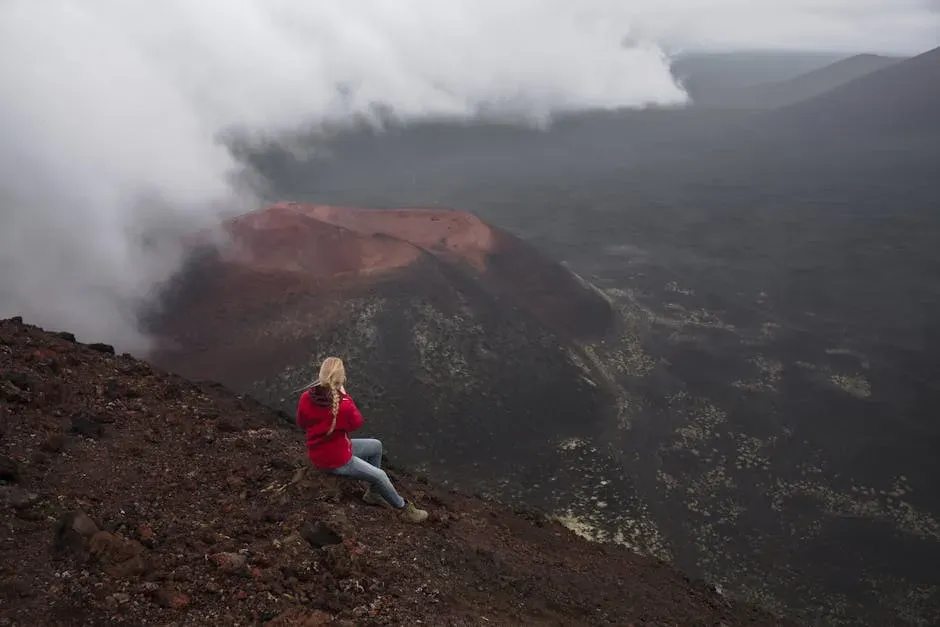
Not everyone who is into volcanoes and ancient disasters is spiraling into pessimism. In fact, a lot of people come away from these obsessions with a strangely optimistic take: if Earth has endured so many catastrophic resets and still supports life, maybe there is more flexibility and resilience in the system than we give it credit for. Disasters become not only endpoints, but turning points – moments where ecosystems, climates, and even species trajectories shift into something new.
This way of seeing can bleed into how someone views their own life. A personal crisis starts to look less like the final chapter and more like a tectonic shift – painful, violent, but potentially making space for a new landscape. I have felt this myself, standing on a cooled lava field that was once molten chaos, realizing that my worst year might someday feel like the solid ground a better chapter stands on. People drawn to these stories are often, whether they admit it or not, searching for that narrative: that some eruptions, literal or emotional, are not just about what is lost, but about what can eventually grow in the ash.
Conclusion: The Strange Comfort of Knowing We Are Not the Center
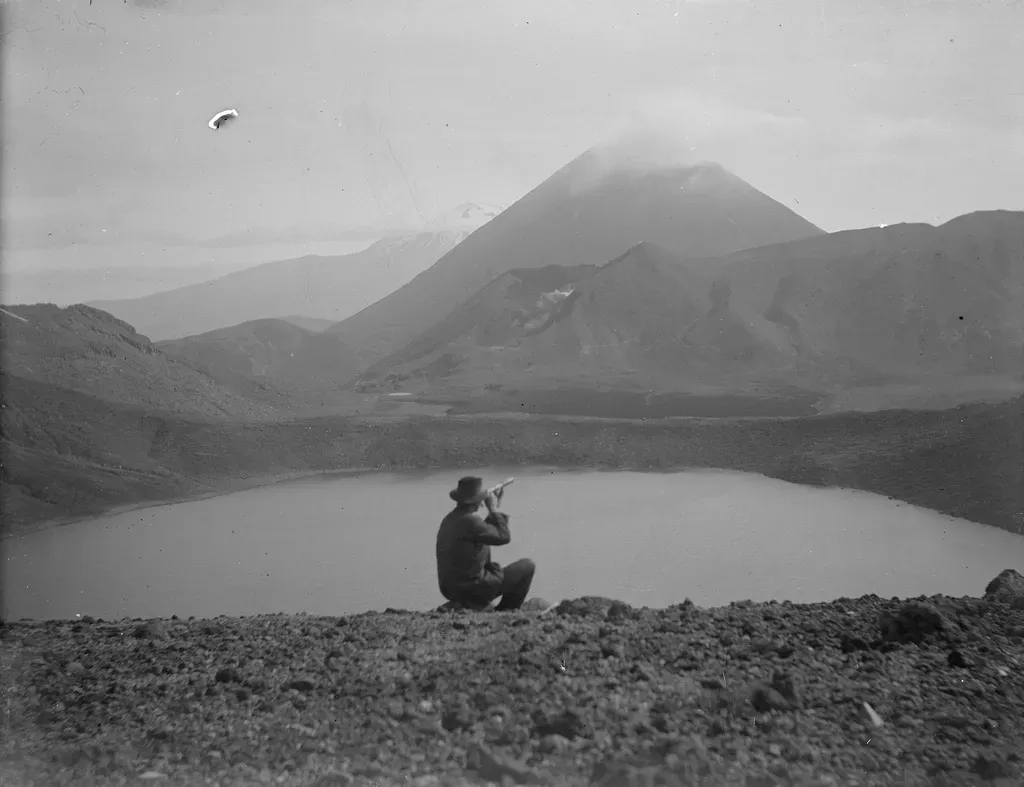
When you peel back the layers, a fascination with volcanoes and ancient disasters is rarely just about spectacle. It is about trying to make sense of our place in a universe that does not revolve around us. Psychology suggests that people who gravitate toward these massive, impersonal forces are often looking for exactly what everyday life with its endless notifications cannot give them: scale, humility, and a sense of meaning that stretches beyond the next week. They are not obsessed with destruction; they are obsessed with context.
In my view, that instinct is healthy, even necessary. We need reminders that our lives are both fragile and significant – fragile because a single eruption can erase a city, significant because, against all odds, we get to exist at all on this restless rock. If standing at the edge of a volcano, or reading about an impact that ended the age of dinosaurs, nudges you to live a little more awake, a little more grateful, and a little less wrapped up in trivial drama, that is not morbid; it is wise. Maybe the real question is not why some people are drawn to these ancient catastrophes, but why more of us are not.