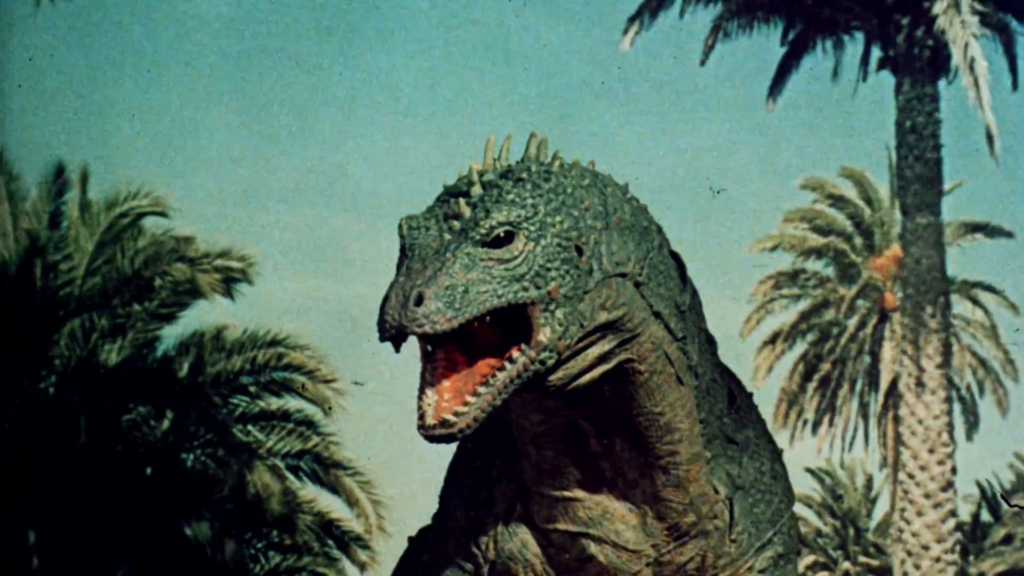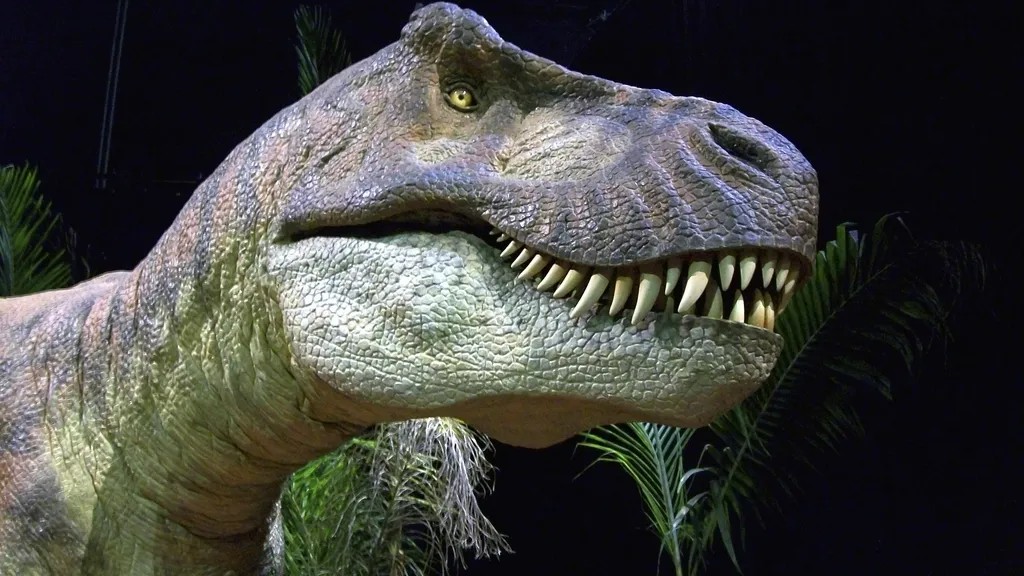
Walk into a toy store or flip through an old dinosaur book from the 1980s, and you’re basically stepping into an alternate universe. Back then, dinosaurs were drawn like sluggish, tail-dragging reptiles that somehow ruled the planet by being big, mean, and not much else. Today, thanks to fossil finds, better technology, and a lot of careful detective work, a modern paleontologist would look at many of those old-school ideas and struggle not to burst out laughing.
I still remember borrowing a beat‑up dinosaur encyclopedia from my elementary school library and being absolutely convinced that Tyrannosaurus rex could barely move faster than my grandma. That picture is so far off from what we now know that it feels like a bad movie remake. Let’s walk through six classic dino “facts” that were taken very seriously in the 80s but now feel as outdated as a VHS tape, and see how the science flipped the script.
1. Dinosaurs Were Just Oversized, Slow, Cold-Blooded Lizards
In the 1980s, a lot of popular books described dinosaurs as giant versions of today’s lizards: slow, dim, and totally at the mercy of the sun to warm up their bodies. The classic image was a massive animal lumbering through a steamy swamp, barely able to lift its own weight. This idea came from treating dinosaurs as “reptiles plus size” instead of a unique group with their own biology. It sounded logical at the time, but it turned out to be a huge oversimplification.
Modern research paints a much more energetic picture. Bone structure, growth rates, and the way blood vessels are preserved in fossils all suggest that many dinosaurs had high metabolisms, closer to birds and mammals than to sunbathing iguanas. Some scientists argue they were not strictly warm-blooded in the mammal sense, but something in between, a flexible and efficient system that let them thrive from polar regions to deserts. The idea of a Triceratops shuffling around like a tired crocodile now feels almost comical compared to the active, bustling dinosaur ecosystems we picture today.
2. T. rex Was a Clumsy, Near-Blind, Mostly Useless Scavenger
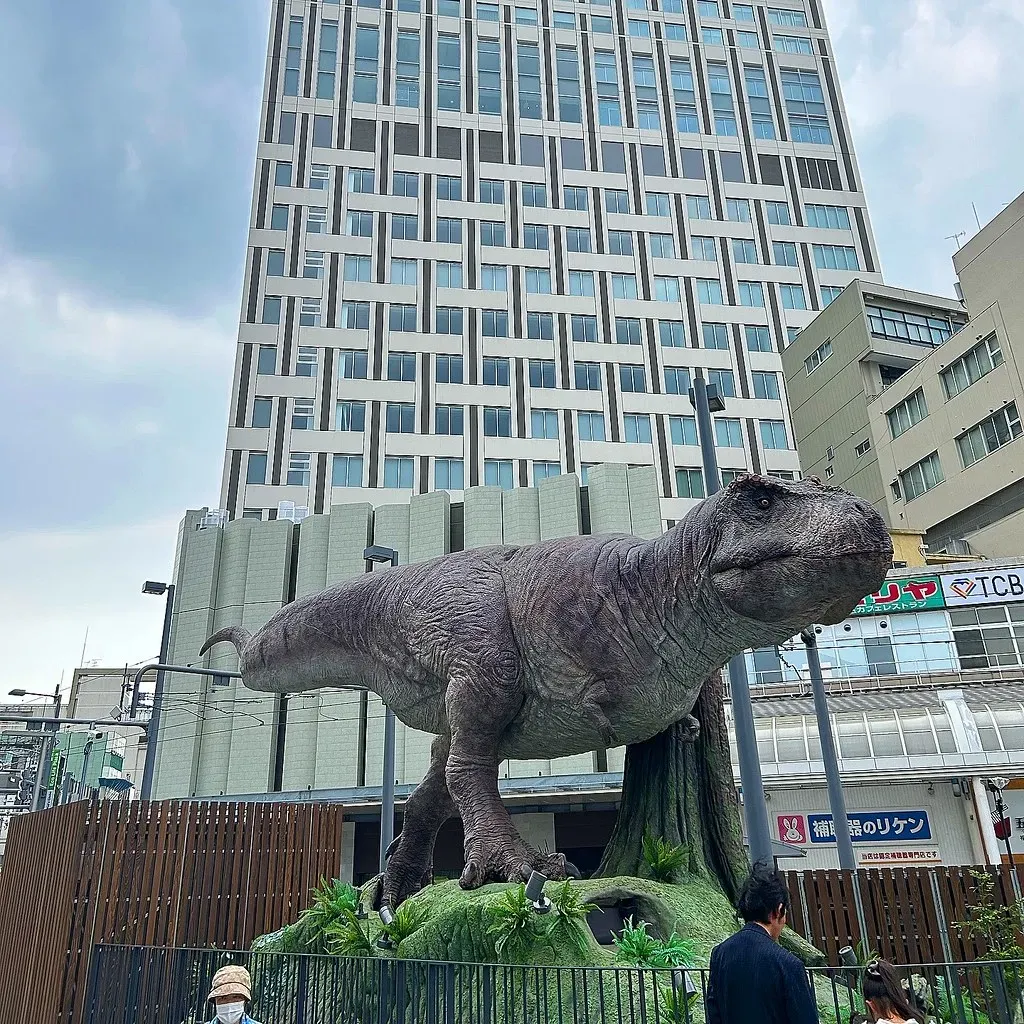
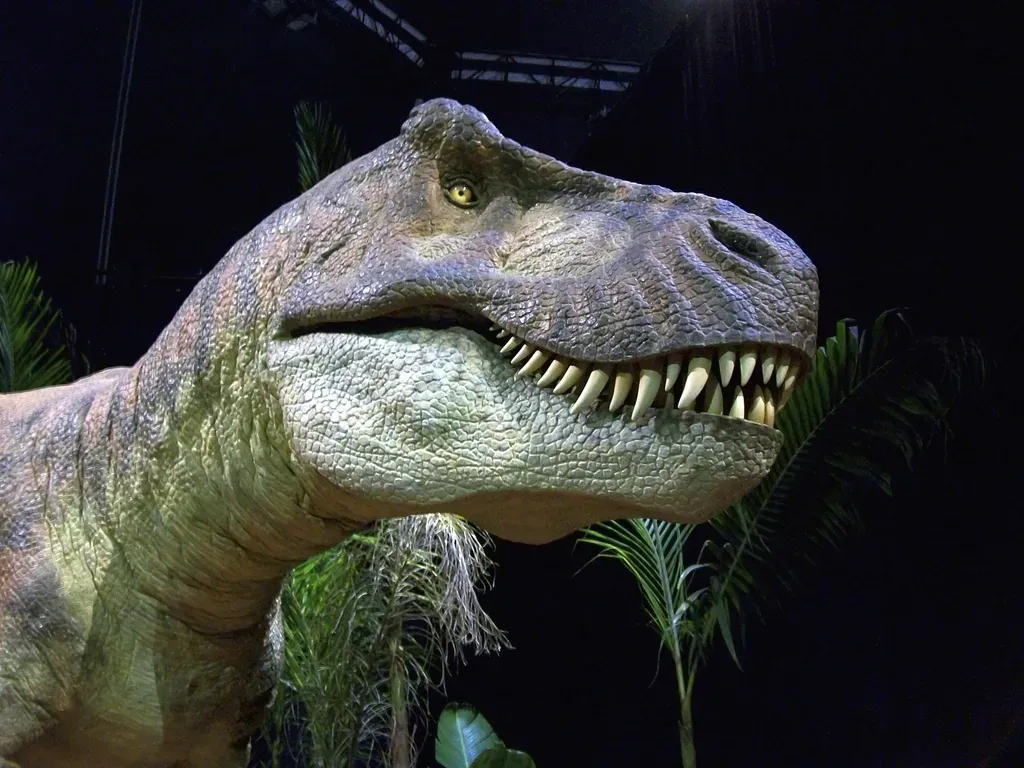
If you grew up in the 80s, you might remember the claim that Tyrannosaurus rex had terrible vision, weak arms that made it almost helpless, and a lifestyle that revolved around stealing kills from other predators. The story went something like this: because its arms were small and its huge body looked awkward, it could not hunt properly and had to rely on scavenging already-dead animals. It fit a certain dramatic narrative, but it rested on very shaky ground.
Modern evidence flips that picture almost completely. Skull studies show that T. rex had forward-facing eyes and depth perception that would have put many modern predators to shame, with vision likely strong enough to pick out details at a considerable distance. Its jaw and neck muscles were built to deliver bone-crushing bites, and its legs were powerful enough for surprisingly quick bursts of speed, even if it was not sprinting like a cheetah. Could it scavenge? Of course, like almost every big carnivore today. But the idea that one of the most formidable land predators ever was just tripping over carcasses might be the single funniest myth of the bunch.
3. Dinosaurs Dragged Their Tails Like Giant Alligators
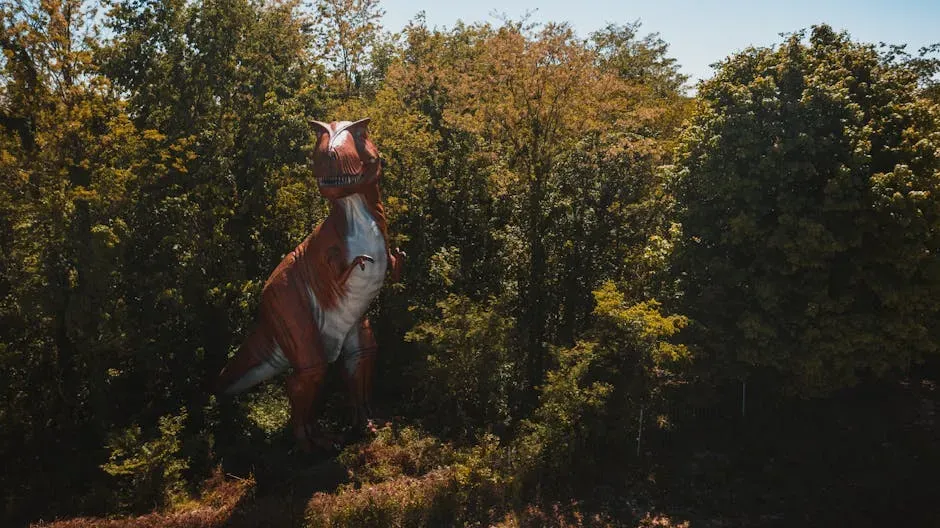
Flip open an old dinosaur coloring book and you’ll usually see a long trail carved behind the animals, as if they were dragging their tails through mud wherever they went. Early trackway interpretations supported this because artists assumed those huge tails were dead weight. The mental image was a big, heavy body in front and a useless, sagging tail behind, scraping the ground like a forgotten extension cord.
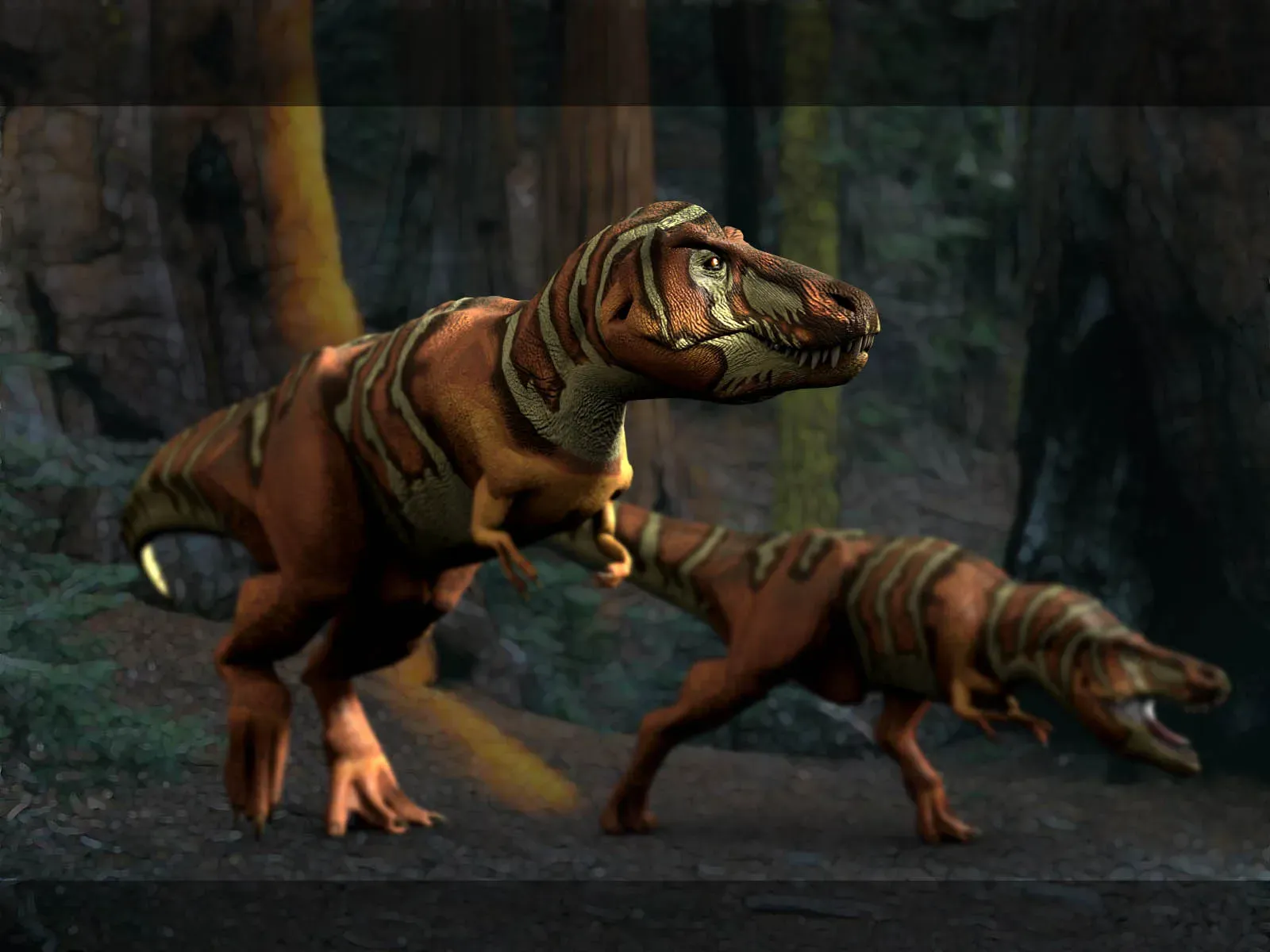
Trackways and modern biomechanical studies tell a very different story. Well-preserved dinosaur footprints almost never show tail drag marks, even in long sequences where you would expect them if dragging were the norm. The anatomy of the hips and tail vertebrae shows that many dinosaurs held their tails straight out behind them, acting like dynamic counterbalances, similar to how a tightrope walker uses a long pole. Once you see a reconstruction with the tail held high and balanced, those old dragging illustrations start to look unintentionally comedic, like the artist missed the entire point of the tail.
4. Dinosaurs Were Doomed Evolutionary Failures That “Deserved” Extinction
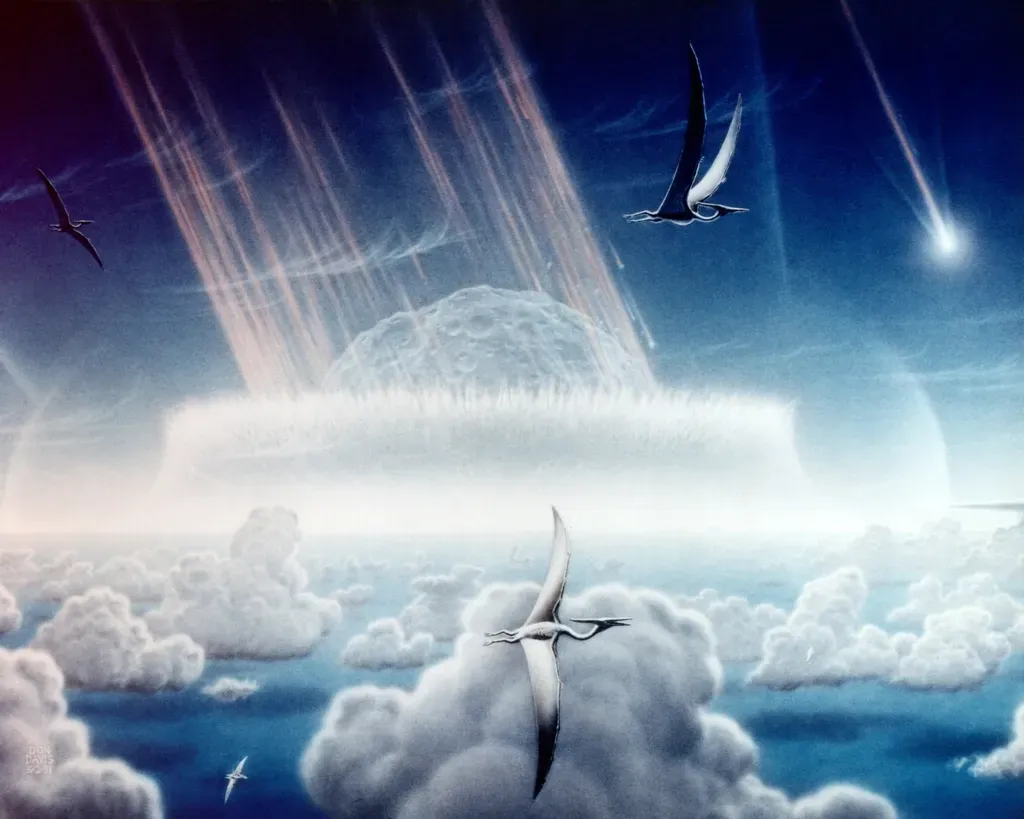
A common 80s narrative framed dinosaurs as nature’s big mistake: too big, too specialized, too stupid, and ultimately doomed. They were described as evolutionary dead ends that could not adapt, usually contrasted with the supposedly smarter, more efficient mammals waiting in the wings. This gave kids a tidy moral story about “adapt or die,” but it twisted the actual fossil evidence into something almost unrecognizable.
We now know that dinosaurs were astonishingly successful, dominating terrestrial ecosystems for well over a hundred million years. They evolved into countless forms, from small, agile hunters to long-necked giants and heavily armored tank-like species, filling nearly every ecological niche available on land. Many paleontologists argue that if not for an asteroid impact, large dinosaurs might still be walking around today. On top of that, birds are now widely accepted as living dinosaurs, meaning their lineage never really vanished at all. The idea that they “failed” is less science and more a story humans told themselves to feel special.
5. No Feathers, Ever: Dinosaurs Were All Scaly, Swamp-Green Monsters
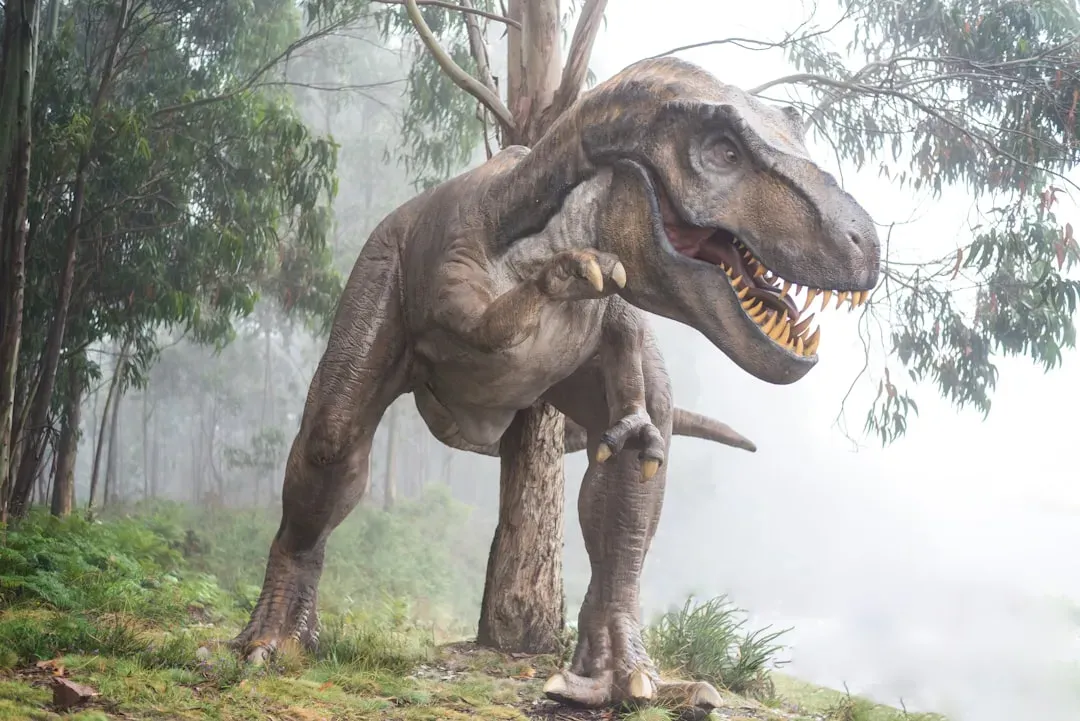
In the 1980s, the visual rule was simple: dinosaurs were scaly, often gray or dull green, and definitely not fluffy. Feathers were reserved for birds, and any connection beyond a distant reptilian cousinhood was barely discussed in popular media. Toy companies and movie studios leaned hard into the reptile aesthetic, and the idea of a feathered raptor would have sounded like a bad joke.
Starting in the 1990s and continuing through the 2000s and 2010s, spectacular fossil finds – especially from places with fine-grained sediments – revealed feather impressions on a wide range of species. Some were close relatives of birds, while others were more distant, suggesting that feather-like coverings were more widespread than anyone in the 80s imagined. While not every dinosaur species was feathery, the evidence shows that many theropods, including relatives of famous predators, had plumage ranging from fuzz to complex feathers. Suddenly the old smooth-skinned, green monsters looked less like science and more like low-budget movie costumes.
6. Dinosaurs Lived Only in Steamy Jungles and Murky Swamps
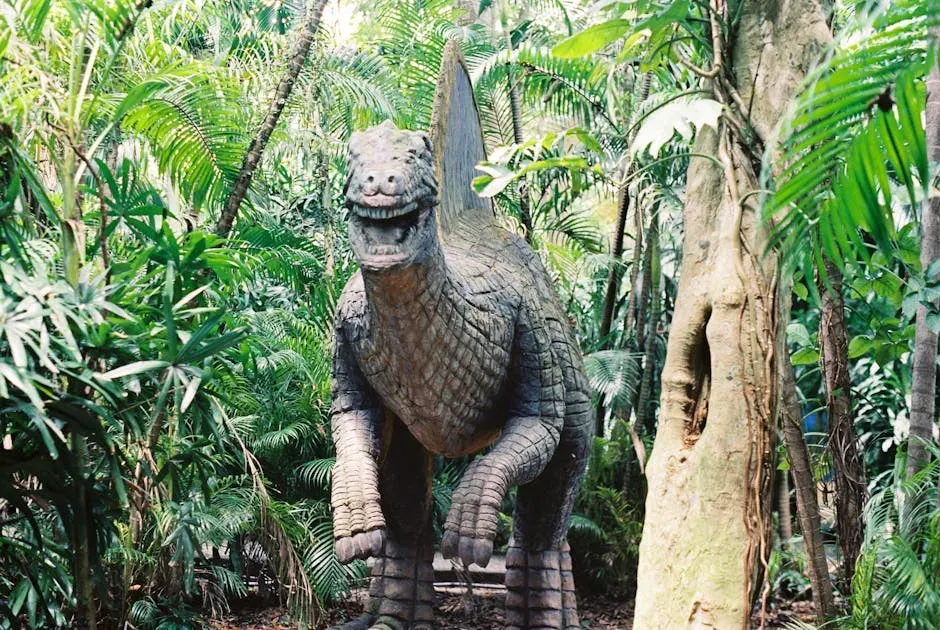
Old illustrations loved placing dinosaurs in endless tropical swamps, surrounded by giant ferns and misty water. The message was that these animals could only exist in hot, humid, stagnant environments where they slogged through waist-deep muck. That image stuck partly because early fossil digs happened in deposits that formed from ancient floodplains and river systems, so people assumed that scenery was the whole story.
More recent discoveries have found dinosaur fossils in what were once cooler, even polar, environments, as well as highlands and semi-arid regions. Evidence of growth rings in bones, nesting behavior, and seasonal changes in some fossil sites all point to animals that could handle much more than a single, steamy climate type. Some species likely endured long periods of darkness and cold in high-latitude ecosystems, adapting in ways we are still piecing together. Looking back, the swamp-only view now feels like watching an old movie that used the same set for every scene and hoped no one would notice.
Conclusion: Why These Old Myths Still Matter (and Still Make Us Smile)
It is easy to laugh at 1980s dinosaur “facts” now, but there is something strangely charming about how confident those old books and documentaries sounded. They remind us that science is not a list of eternal truths; it is a moving target that gets sharper as we gather more evidence and ask better questions. Dinosaurs went from sluggish, doomed reptiles to dynamic, adaptable animals with complex behaviors and surprising features like feathers and high metabolisms. That shift is not just about correcting trivia, it is about admitting that nature is usually weirder and more creative than our first guesses.
Personally, I love that many of the ideas I grew up with turned out to be wrong, because it means there is always room for new discoveries that rewrite the story again. Those outdated tail-dragging, swamp-stomping giants are a good reminder to hold today’s “obvious” claims lightly, especially in fast-moving fields like paleontology. Twenty years from now, some of our current reconstructions might look just as funny to a new generation of dino fans. When you look at a modern, feathered dinosaur illustration, it is worth asking yourself: which of today’s certainties will make tomorrow’s scientists laugh out loud?