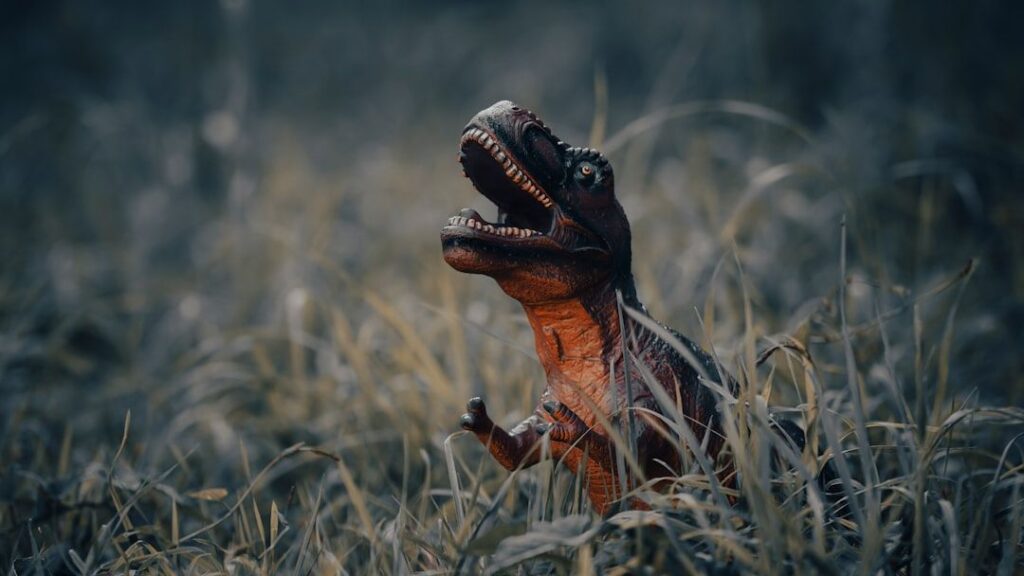
Somewhere between science and the toy aisle, dinosaurs got hilariously mangled. For decades, kids have been lovingly smashing together creatures that are way more cartoon fantasy than fossil fact, yet those plastic oddballs still live rent‑free in our memories. The funny part is that many of the toys we grew up with are based on ideas real scientists abandoned a long time ago, but the toy designs never quite caught up.
What makes this so charming is that those scientifically awful toys still did their job: they made us curious, excited, and maybe even sparked a lifelong interest in ancient life. Looking back now, with what we know about feathers, posture, and behavior, is like rewatching an old favorite movie and suddenly noticing all the plot holes. It does not make us love it less; if anything, it makes the whole thing more endearing. Let’s walk through seven of the most wonderfully wrong toy dinosaurs that still manage to feel iconic, even if a paleontologist would quietly facepalm.
The Classic Tail-Dragging T. rex That Could Barely Walk
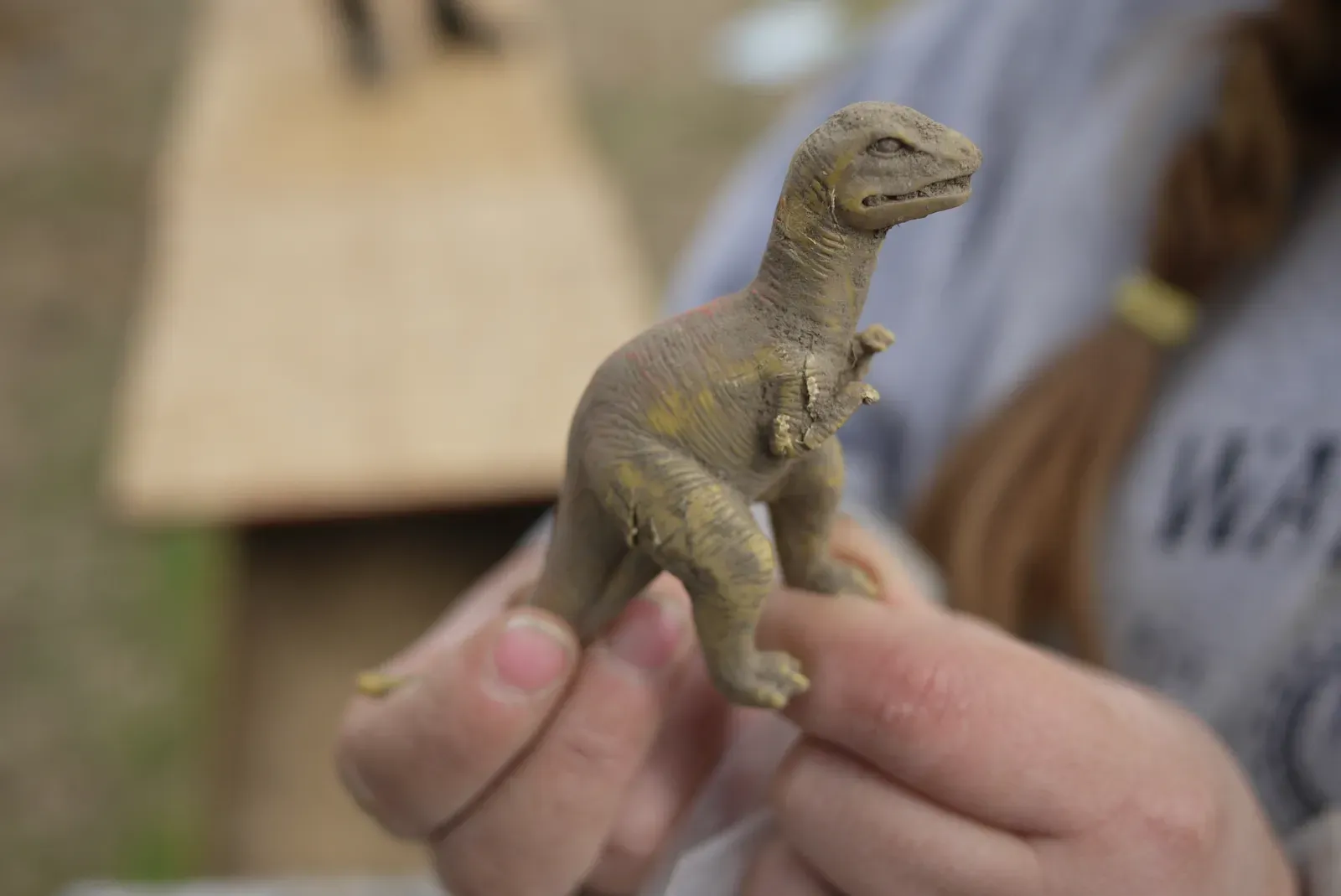
If you grew up with a chunky green Tyrannosaurus that stood upright like a man in a rubber suit, you met one of the most inaccurate and beloved dinosaur toys of all time. For years, plastic T. rexes were sculpted with their bodies bolt upright, tiny arms dangling, and that massive tail scraping the ground like a third leg. Scientifically, it is a fossil from another era of thinking, back when people imagined dinosaurs as sluggish, upright lizards instead of the dynamic, balanced predators we now know they were.
In reality, Tyrannosaurus carried its body horizontally, tail stretched out like a counterweight, head forward, almost like a bird on overdrive. But that is not how the toy companies molded our childhoods. Those old tail‑draggers looked like grumpy bipedal crocodiles with posture problems, and yet they felt powerful and terrifying in our hands. I still remember using a toy like this to stomp through a sandbox city, not realizing I was playing with an anatomical disaster – and honestly, that innocent ignorance was part of the fun.
The Lumbering, Swamp-Lizard Brontosaurus That Never Really Existed
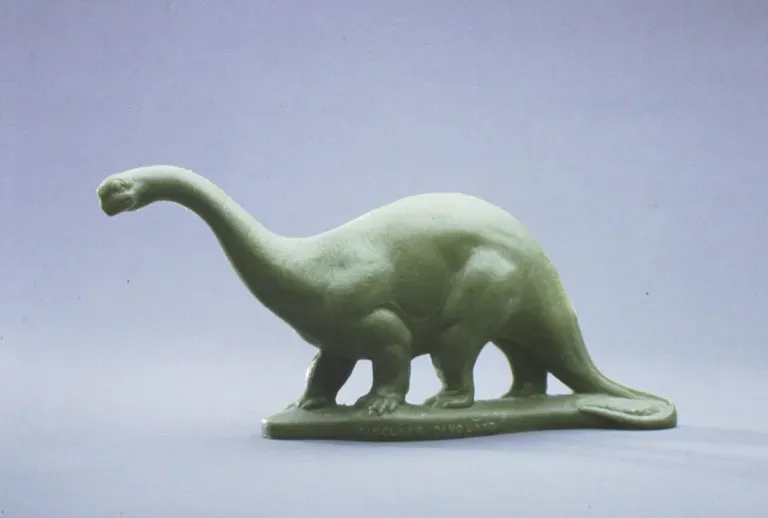
The long‑necked “Brontosaurus” toy is childhood royalty, even though the original Brontosaurus name was tangled in scientific controversy for decades. Toy versions tended to double down on outdated ideas: a huge, saggy‑bellied creature with its neck held straight up like a periscope and its body half‑submerged in a pretend swamp. These figures came from an era when scientists thought big sauropods were too heavy to move effectively on land, so toy companies happily plopped them into water like oversized, miserable hippos.
Modern research paints a totally different picture: long‑necked sauropods were land‑roaming powerhouses with strong, column‑like legs and more horizontal necks, capable of walking long distances and holding their own in dry environments. That old toy in the bathtub, though, looked more like a sleepy seal with a giraffe neck and a permanent mud bath. Still, generations of kids used that plastic giant as a gentle, friendly dinosaur, the peaceful counterpart to their roaring carnivores – and that emotional role mattered a lot more than anatomical accuracy.
The Stegosaurus With a Brain in Its Butt (And Way Too Many Plates)
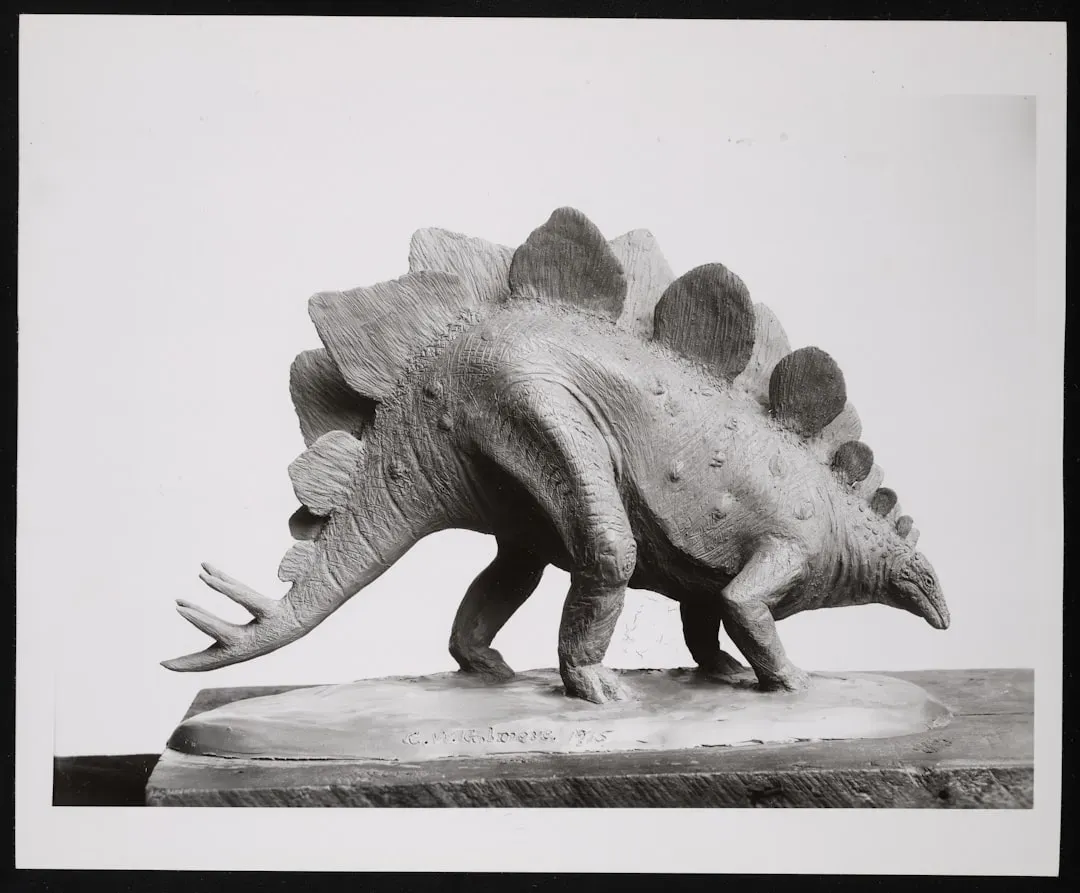
Stegosaurus toys have always leaned into the weird factor, but many went completely off the rails. Older figures often gave it a ridiculous number of plates, all arranged in a neat, perfectly symmetrical row like someone decorated a lizard with dinnerware. Some even suggested there was an extra “brain” in its hip area, a misunderstanding from early scientific speculation that got echoed in toy books and packaging long after serious researchers moved on.
In reality, Stegosaurus did not have a spare brain in its backside; it had an enlarged region in the spinal cord, but that is not the same thing. Its plates were also more varied and arranged in offset rows rather than a single, uniform line. None of that stopped toy companies from turning Stegosaurus into a spiky, armored tank with tidy, matching plates and tail spikes that looked suspiciously space‑age. As a kid, I treated my Stegosaurus toy like a medieval battle wagon, even though the real animal was probably more about display and defense than full‑on gladiator mode.
The Overgrown Komodo Dragon “Velociraptor” That Hollywood Invented
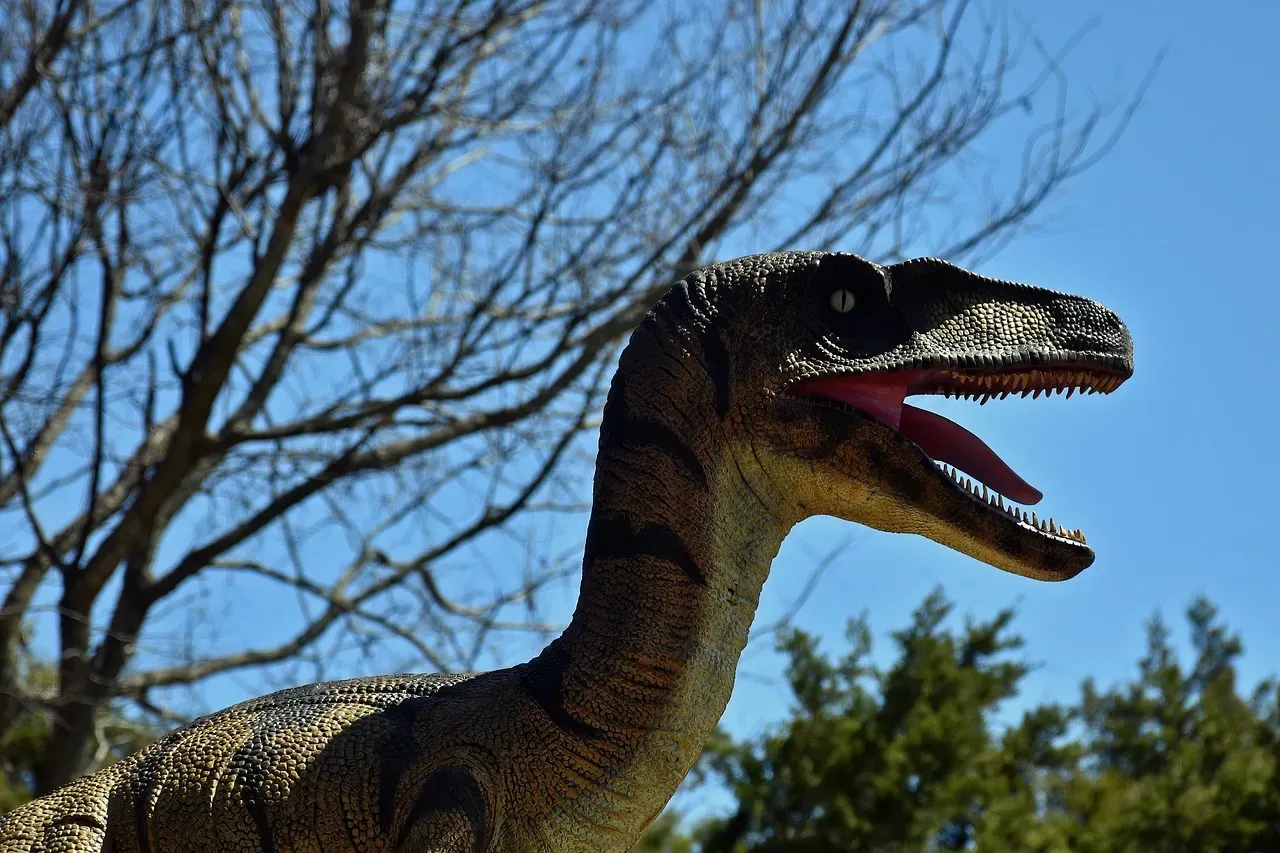
Walk into almost any toy store from the late nineties or early 2000s and you would find a snarling “Velociraptor” that looked like a scaled‑up, scaly reptile ninja. These toys copied the on‑screen version: tall, human‑sized, scaly, with exaggerated claws and a habit of standing upright and roaring at nothing in particular. The problem is that the real Velociraptor was much smaller, closer to the size of a big turkey, and almost certainly covered in feathers.
So many kids grew up with a toy “raptor” that had more in common with a movie monster than the actual animal. The real creature was sleek, feathered, and probably used its iconic sickle claw more like a grappling hook than a slashing sword. Still, those toy raptors rewired an entire generation’s imagination. They were our go‑to villains in living‑room adventures, knife‑clawed pack hunters that could open doors and outsmart our action figures. Wrong? Absolutely. Unforgettable? Also absolutely.
The Spinosaurus That Was Basically a Crocodile on Two Legs
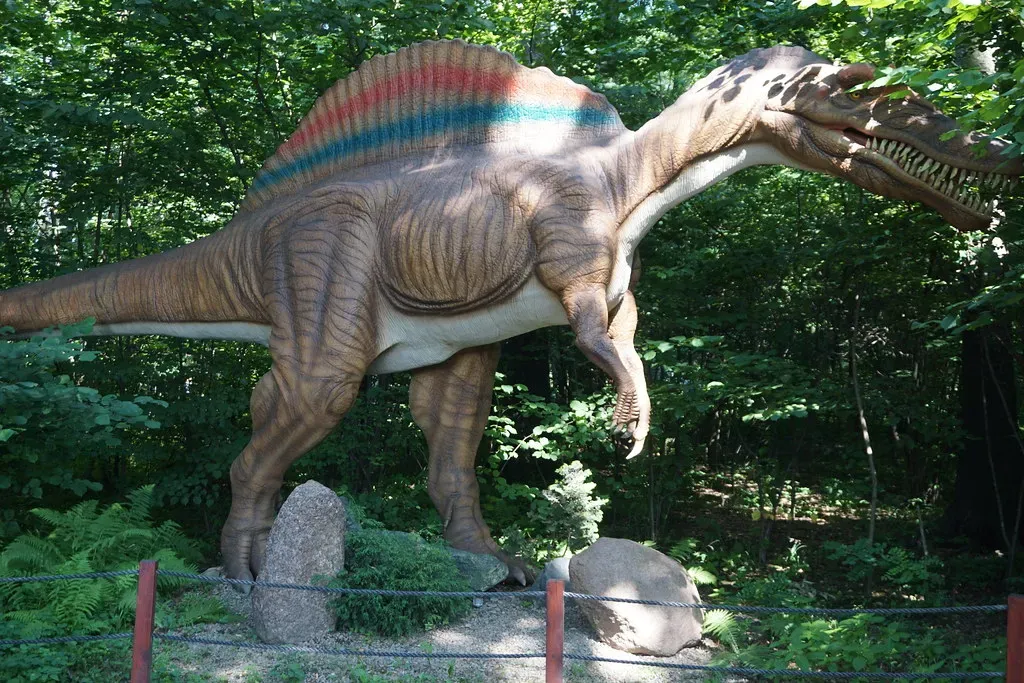
For years, toy Spinosauruses looked like T. rex’s cousin who got into cosplay: a deep‑jawed carnivore with a bright sail and the same old upright, tail‑dragging stance. Many of these figures had short, chunky tails and bodies that did not hint at a semi‑aquatic lifestyle at all. They were sculpted as land‑stalking predators, striding around like overgrown meat‑eaters with decorative sails slapped on their backs for style points.
Research over the last couple of decades has dramatically shifted the picture, pointing toward Spinosaurus as a more water‑adapted animal with a long, paddle‑like tail and a body built for swimming and wading. That graceful, crocodile‑like, fish‑hunting creature is not what most of us had in our toy chests. Our version was a dramatic, land‑bound bruiser that fought T. rex in messy cross‑era battles on bedroom floors. It was wrong in almost every anatomical way, but it delivered pure, thrilling chaos, and that counted for a lot when you were eight years old and covered in carpet burns.
The Horned Triceratops Built Like a Rhino Tank
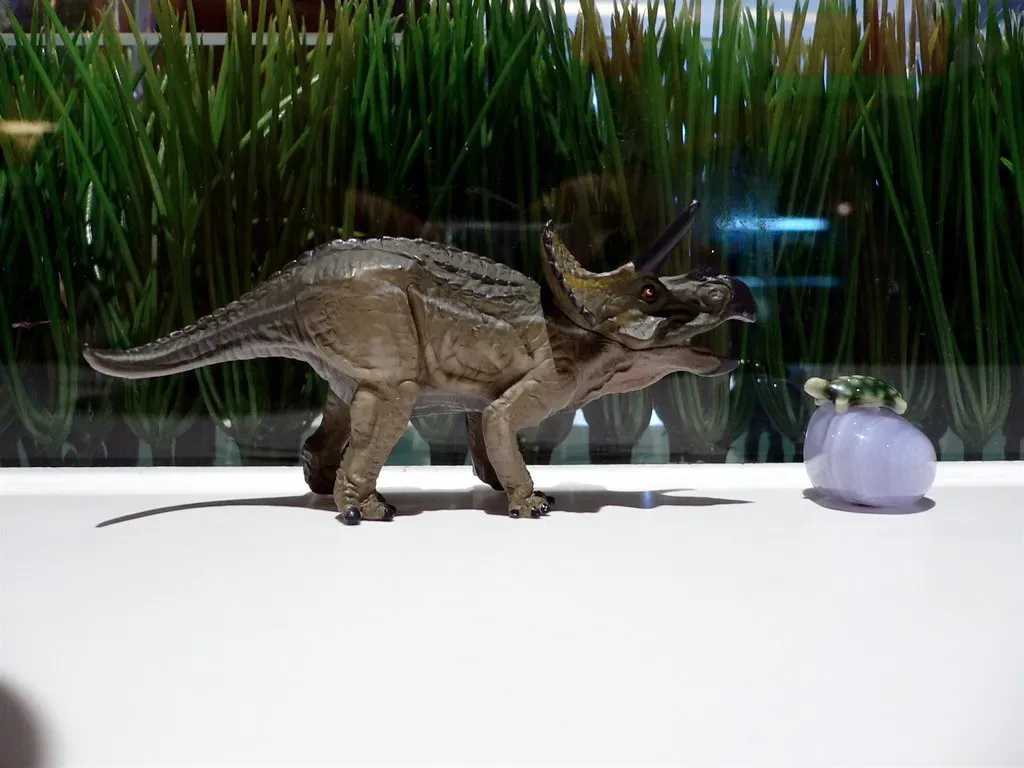
Triceratops toys have always been fan favorites, but many leaned too hard into the “prehistoric bulldozer” stereotype. Old figures often gave it squat legs, an exaggerated, boxy body, and horns pointed perfectly forward, as if the animal existed purely to ram things in slow motion. The neck frill was sometimes absurdly thick and chunky, like the hood of a truck instead of a complex piece of living bone and tissue.
Modern reconstructions show a more dynamic animal, with a lighter, more agile build and a frill and horns used for a mix of defense, display, and maybe even social interactions. But the toy version was built like a tank with a dinosaur’s head slapped on the front. As a kid, I used mine like a living battering ram, crashing it through Lego walls and into anything unlucky enough to get in the way. The nuance of real Triceratops behavior did not stand a chance against the sheer joy of plastic horn‑first collisions.
The Random “Dinosaur” Chimera Packs: Wings, Fangs, and Zero Logic
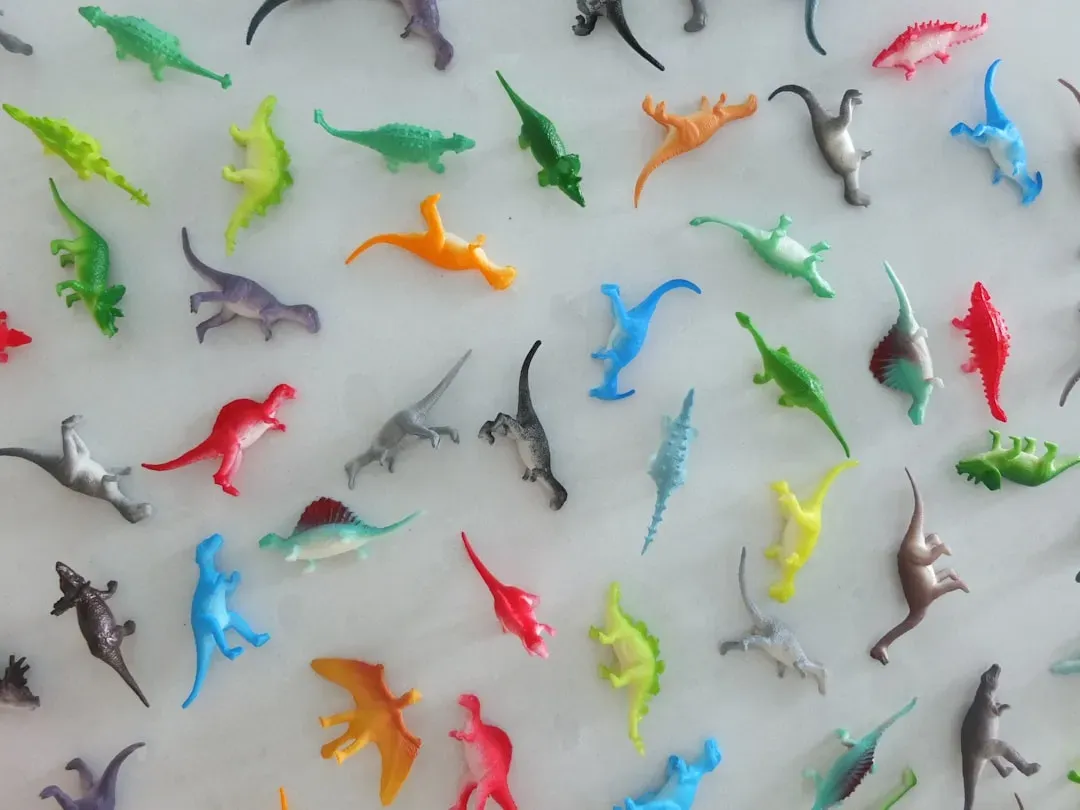
Every kid at some point ended up with a cheap mixed bag of dinosaurs from a dollar bin or party favor pack, and that is where scientific accuracy truly went to die. These sets often included creatures that were not dinosaurs at all – saber‑toothed cats, pterosaurs, marine reptiles – thrown together under a single “dinosaur” label. Some toys were complete inventions: lizards with bat wings, strange horned monsters, or four‑winged mashups that looked like they escaped from a fantasy game rather than a fossil bed.
It was hilariously wrong, but also kind of wonderful. Those chimera “dinosaurs” blurred the line between prehistory and pure imagination, and kids did not care about the taxonomy; they just wanted armies of monsters to populate their cardboard worlds. If anything, those chaotic toy assortments taught us that the deep past was full of strange, surprising, almost unbelievable creatures – even if the plastic versions took that idea and sprinted straight into nonsense. Looking back, I am oddly grateful for those junk‑bin abominations; they made the prehistoric feel wild and limitless, even if no museum would ever claim them.
Conclusion: Inaccurate, Yes – But Also Weirdly Perfect
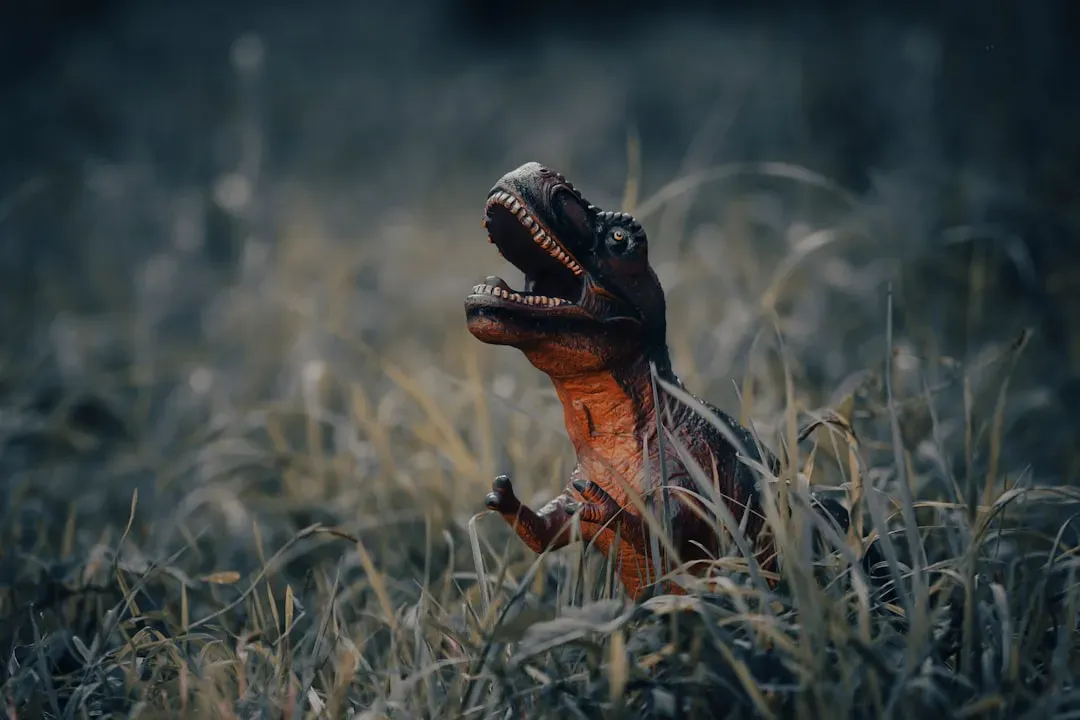
When you line up these hilariously wrong dinosaur toys against what we know today, it is easy to laugh at the mistakes: the tail‑dragging posture, the swamp‑bound giants, the scaly raptors that never had a feather in sight. From a scientific standpoint, a lot of these designs are almost painful. But from a human standpoint, they did exactly what toys are supposed to do: they sparked imagination, told stories, and made kids care about a world that vanished tens of millions of years ago.
If anything, these plastic misfits show how science and culture move at different speeds. Paleontology keeps updating the details, yet the toy box holds onto older, emotionally charged images a little longer, like memory foam for our childhood obsessions. Personally, I think that mix of wrong and wonderful is part of their charm. They were stepping stones, not final answers, and they nudged many of us toward the real science later on. So maybe the question is not whether those toys were accurate, but whether they did their job – and judging by how many of us still remember them, they clearly did. Which one did you grow up with – and would you even want it to be “fixed” now?