If your childhood brain still pictures Velociraptor as a human‑sized, door‑opening nightmare from Jurassic Park, you’re not alone. That slick, scaly movie monster crawled so deep into pop culture that the real animal has basically been erased in most people’s minds. But the scientific reality is way stranger, way smaller, and honestly, in some ways, even cooler.
The real Velociraptor was closer in size to a large turkey than a wolf, probably fluffy with feathers, and built less like a reptilian horror and more like a murder-bird from another era. That gap between what we think we know and what the fossils actually say is fascinating. Once you get past the disappointment that your favorite movie villain shrank in the wash, you start seeing something even more interesting: a smart, agile, birdlike predator that tells us a lot about how dinosaurs really lived, hunted, and evolved.
So… How Small Was a Real Velociraptor, Actually?
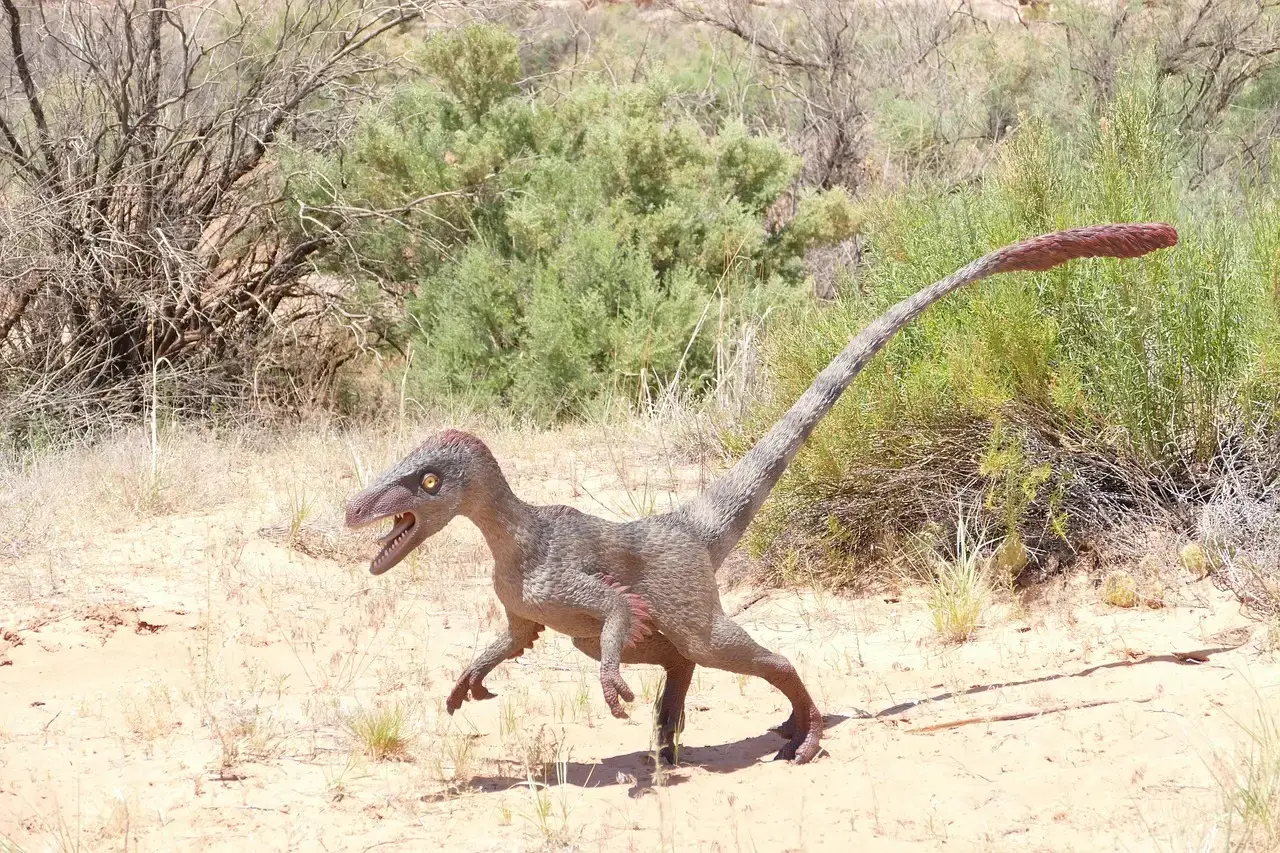
The first shocking thing to get out of the way is that real Velociraptors were not towering over humans. Most fossil evidence suggests they were roughly about two meters from nose to tail tip, but that includes the long, thin tail. In terms of body size, you are looking at an animal that stood maybe half a meter tall at the hip, in the same rough size category as a big turkey or a medium dog, not a lion.
Weight estimates put Velociraptor at somewhere around fifteen to maybe twenty kilograms, depending on the individual and how fleshed out you imagine it. That makes it more like something you could, in theory, wrestle with and lose badly, rather than something that would loom over you in a hallway. It was light, lean, and built for speed and agility, not for body-slamming jeeps or pouncing on full-grown humans like in the movies.
Blame Hollywood: How Jurassic Park Turned a Turkey into a Terror
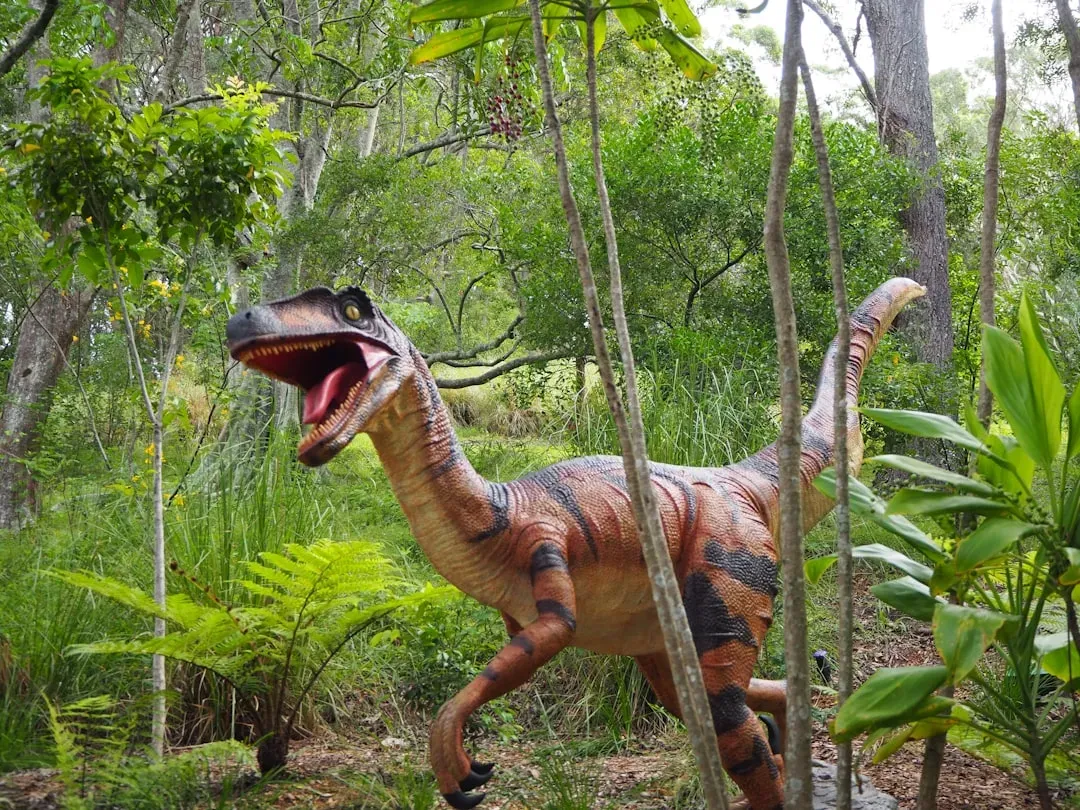
The pop‑culture “Velociraptor” most people know is really a mash-up of a bigger North American dromaeosaur (often compared to Deinonychus or Utahraptor) and some creative license. Filmmakers wanted a terrifying, human‑sized predator that could stalk people through kitchens and leap at them from tall grass, and a turkey-sized, feathered dinosaur just did not fit the vibe they were going for in the early 1990s. So the animal on screen kept the Velociraptor name, but not the Velociraptor reality.
Once that version hit the big screen, it basically locked into the public imagination. Toys, comics, video games, theme-park animatronics – they all copied the same oversized, scaly design. By the time more detailed fossil studies and feather evidence started becoming mainstream news, the “movie raptor” had already become its own cultural icon. In a way, Jurassic Park accidentally created a fictional dinosaur that just happens to share a name with a much smaller, more scientifically interesting one.
Feathers, Not Scales: The Fluffy Assassin You Weren’t Expecting
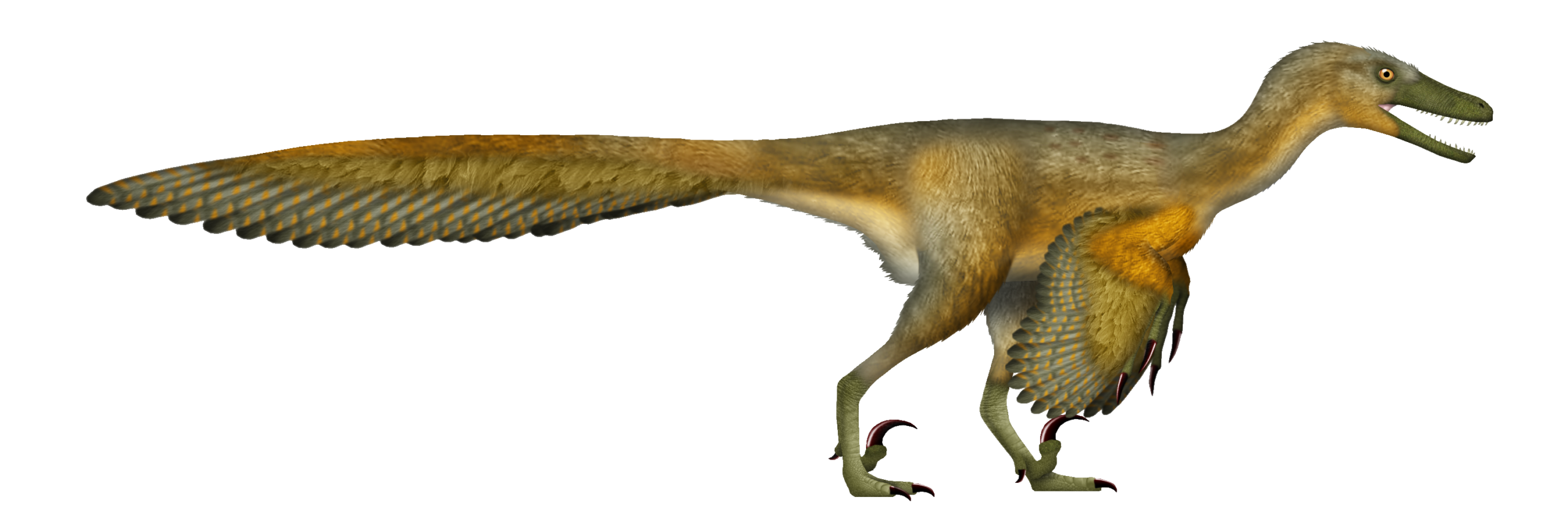
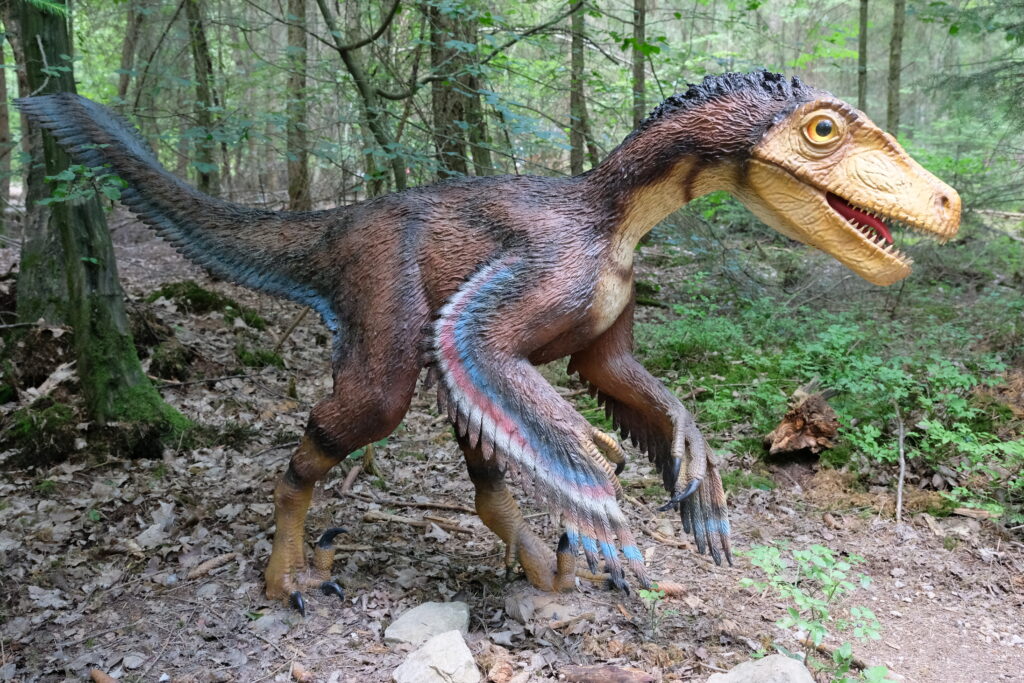
Here’s where it gets delightfully weird: real Velociraptors were almost certainly feathered. Fossils of close relatives show clear evidence of quill knobs on the forearm bones, the same kind of structures birds have where their wing feathers attach. Even though we have not found a perfectly preserved, fully feathered Velociraptor mummy, the family resemblance among dromaeosaurs is strong enough that most paleontologists are comfortable saying it: this was a dinosaur with a feathered coat, not a naked lizard.
Imagine something the size of a large turkey, covered in feathers, with a long stiff tail for balance and a narrow, toothy snout. It suddenly looks less like the hairless horror from the film and more like a ground-hunting bird of prey on steroids. Feathers would not have made it any less dangerous to its prey; if anything, they might have helped with insulation, display, and maneuverability. In other words, the real Velociraptor was not a reptile trying to be scary, it was basically a very early, very lethal cousin of modern birds.
The Iconic Killing Claw: Still Terrifying, Even at Turkey Scale
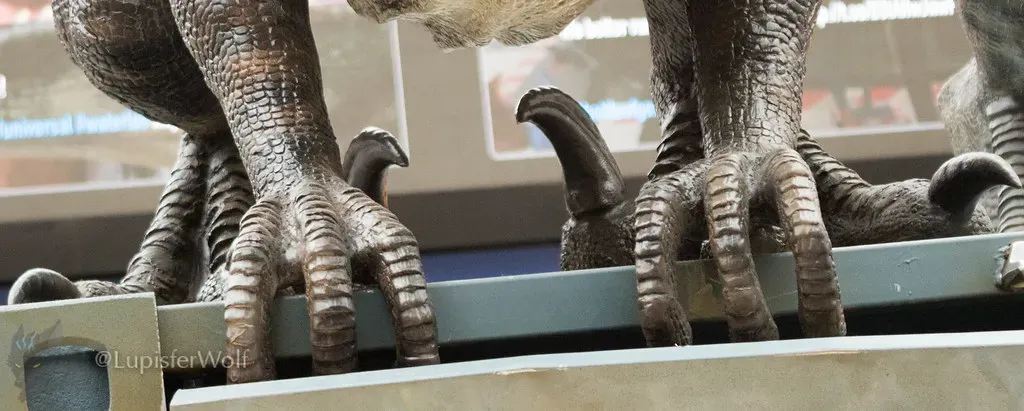
Even with the size downgrade, that sickle-shaped claw on the second toe was absolutely real and absolutely nasty. Velociraptors had an enlarged, curved claw that could be held off the ground and then driven into prey, a bit like a built-in meat hook. At turkey size, that claw would not slice through a human torso like in a horror movie, but it would have been more than enough to tear into smaller animals, pin struggling victims, or stab at vulnerable spots.
Think of it like a raptor’s equivalent of a falcon’s talon: not gigantic, but unbelievably efficient. Combined with strong legs and a flexible body, Velociraptor could have used that claw in quick, repeated strikes while keeping its balance with that stiff tail. There’s a good chance it was more about control and precision than pure gore, which somehow makes it even more chilling. It was not a mindless slasher; it was a specialist.
Smart, Agile, And Probably Sneaky: The Real Hunting Style
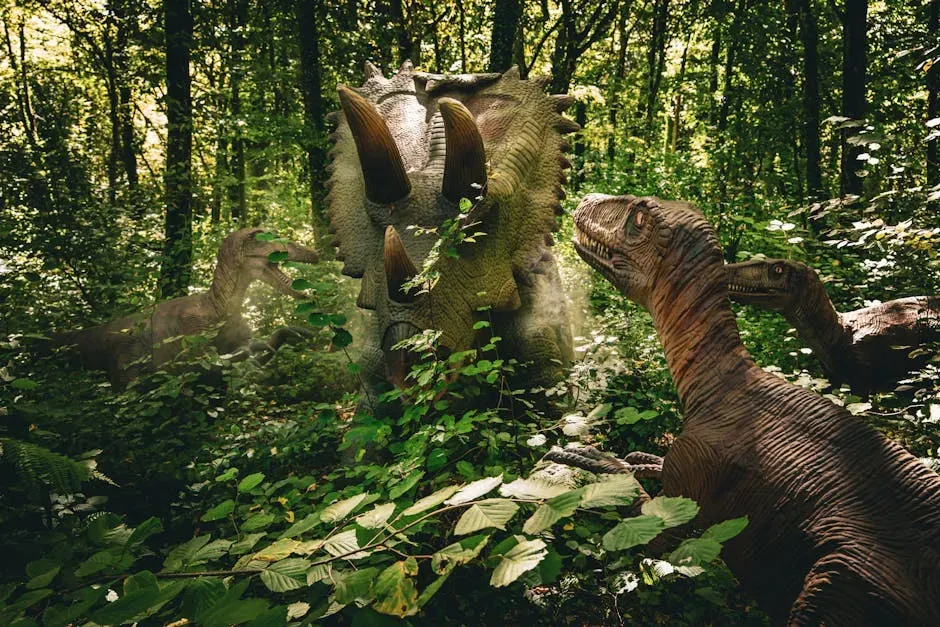
Braincase studies and comparisons with other dromaeosaurs suggest Velociraptor had a relatively large brain for its body size, especially in areas connected with vision and coordination. That does not mean it was writing poetry, but it does point to an animal that could make fast decisions, track moving prey, and handle quick, complex movements. Instead of a roaring movie monster, imagine something more like a fox crossed with a hawk: alert, opportunistic, and always sizing up weaknesses.
There is still debate about exactly how Velociraptor hunted. Some evidence suggests it might have sometimes scavenged, taking advantage of carcasses rather than always tackling live, dangerous prey. Other fossils hint at intense struggles between Velociraptor and its victims, including one famous specimen locked in combat with a Protoceratops. The likely reality is messy and flexible: a clever predator that hunted when it could, stole when it was smart, and survived by being agile rather than gigantic.
Dinosaurs, But Make It Birds: What Velociraptor Tells Us About Evolution
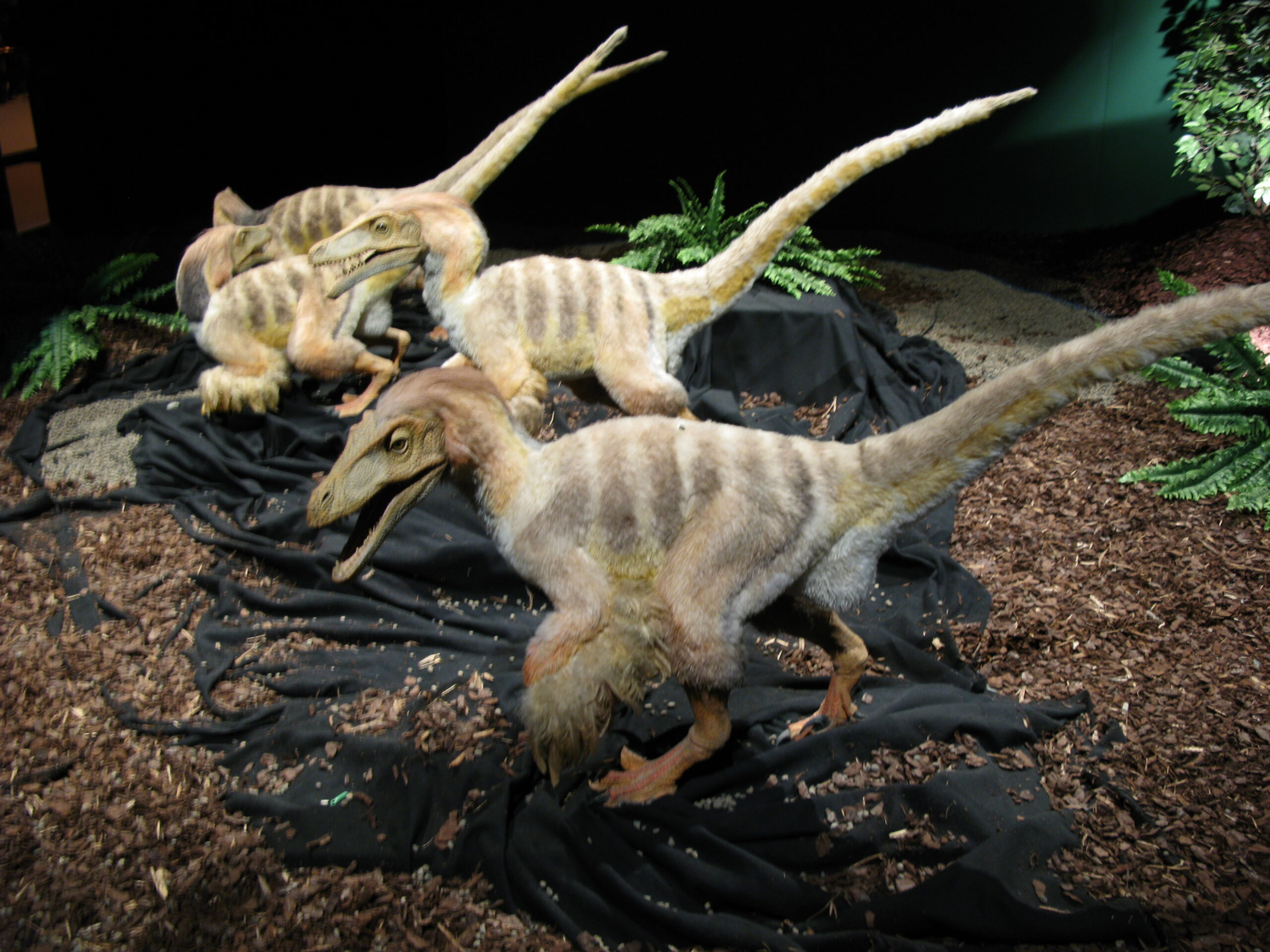
The turkey-sized reality of Velociraptor is not just a buzzkill for monster-movie fans; it is a crucial piece of the bird-dinosaur puzzle. Dromaeosaurs sit very close to the origin of true birds on the evolutionary tree, and their mix of traits – feathers, lightweight bodies, long arms, and specialized claws – show how flight-related features could evolve first for other purposes, like balance or display, before being co-opted for flying. Velociraptor’s body plan fits beautifully into that bigger story.
Once you picture it as a land-running, feathered predator with birdlike features, the line between non-avian dinosaurs and birds stops feeling like a hard wall and starts looking more like a gradient. Today’s hawks and eagles are not just vaguely “descended from dinosaurs,” they are extended family of creatures like Velociraptor. The fact that your backyard pigeon shares a distant ancestor with this turkey-sized hunter is one of those quiet, humbling facts that makes evolution feel very real and very close.
Why the Truth Feels “Smaller” – And Why It’s Actually Cooler
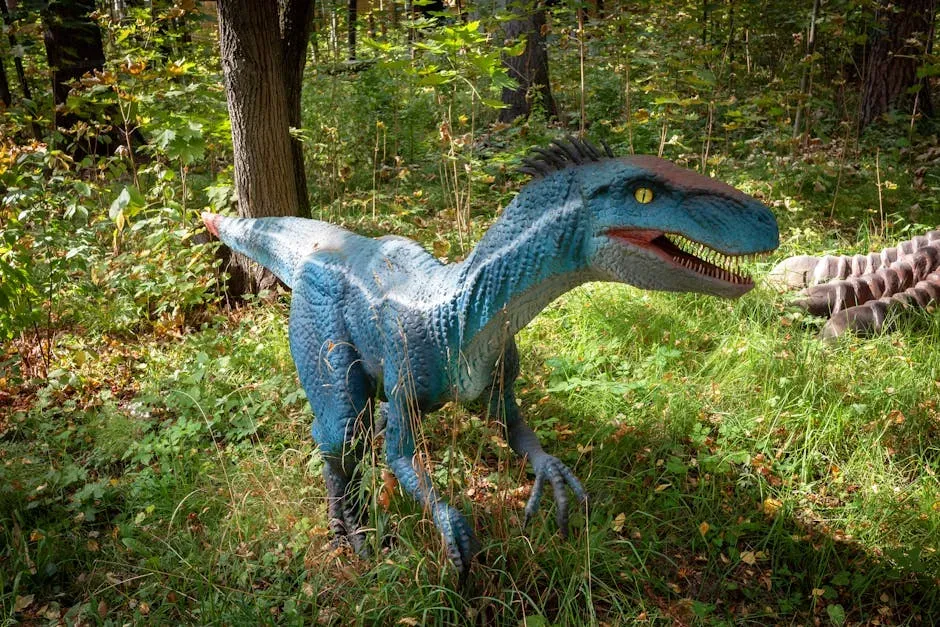
It is totally understandable to feel a little let down when you learn that your favorite nightmare dinosaur was closer in size to your Thanksgiving centerpiece than to a T. rex. I felt that same weird disappointment the first time I saw a Velociraptor skeleton in a museum and realized I could probably look it in the eye without even standing on tiptoe. For a moment, it felt like someone had told me superheroes were just regular people in costumes.
But the more you sit with the real animal, the more impressive it gets. This was a sleek, feathered, hyper-adapted predator living in a harsh world, not a CG monster built in a studio. It survived not by being enormous, but by being efficient, fast, and clever. There is something oddly inspiring about that: power does not always come from sheer size. Sometimes it comes from design, strategy, and using what you have brutally well. In a way, the turkey-sized truth is not smaller at all; it is just sharper, stranger, and far more real.
Conclusion: The Turkey-Sized Raptor You Should Respect Even More
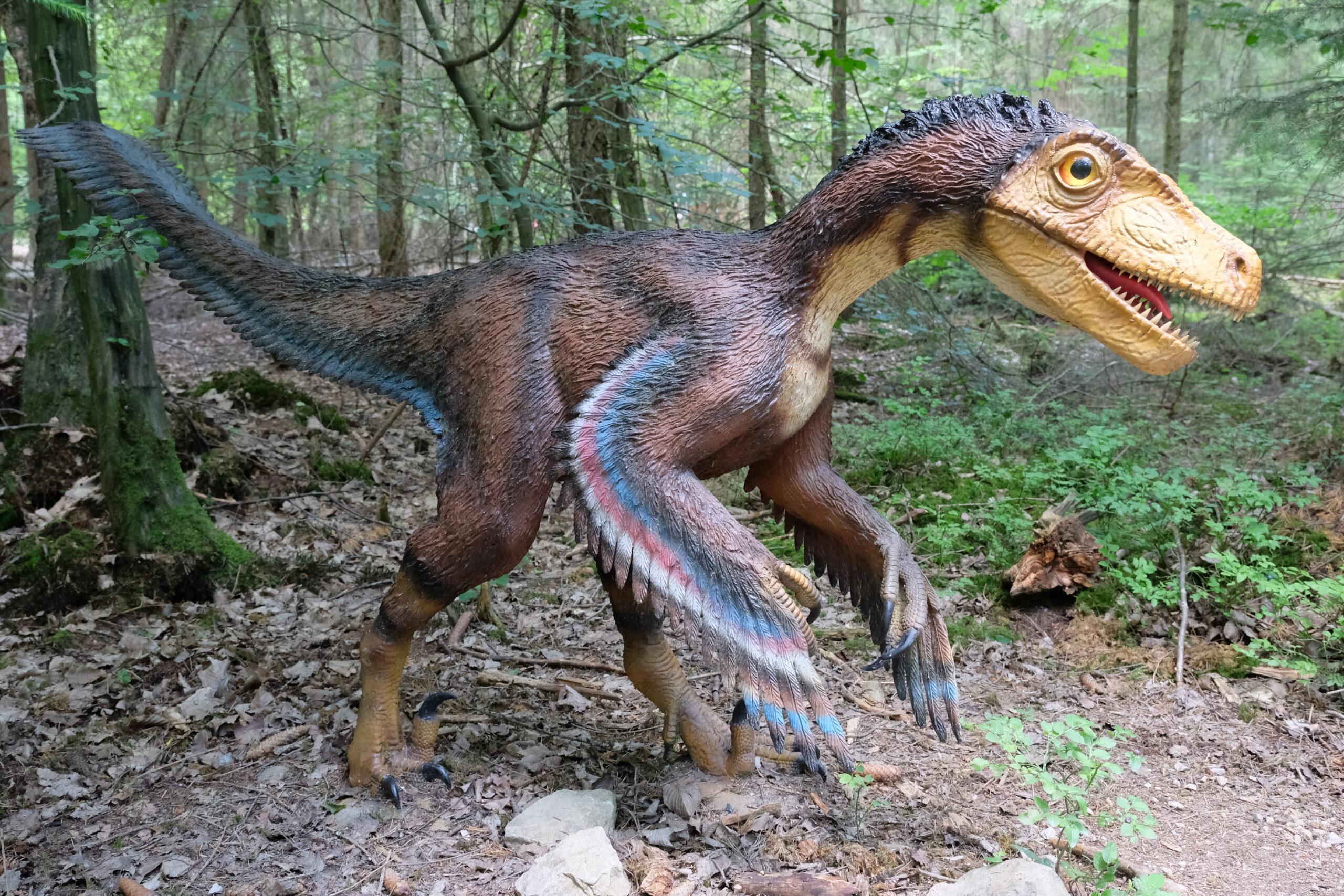
So yes, Velociraptor fans, the movies lied to you about the scale. The real animal would not have towered over you, ripped open heavy doors, or snarled at eye level in a glossy kitchen. It was a feathered, turkey-sized predator with a deadly claw, a sharp mind, and a birdlike body built for agility, not intimidation. If you measure awe in meters, it loses. If you measure it in adaptation, elegance, and sheer evolutionary significance, it absolutely wins.
Personally, I think the truth is better than the myth. A small, smart, feathered hunter that helps bridge the gap between dinosaurs and birds is far more interesting than a generic movie monster scaled up for shock value. Next time you see a hawk dive or a chicken sprint in that oddly dinosaurian way, you are catching a tiny echo of what Velociraptor really was. Given the choice, would you rather cling to the oversized fiction, or embrace the stranger, turkey-sized reality that actually walked this planet?