Walk out of a packed concert, a buzzing conference, or a chaotic family reunion and feel like you’ve been hit by an emotional freight train? You are not weak, antisocial, or broken. In many ways, your brain may simply be doing exactly what it evolved to do: cope with a much smaller, more predictable group of people than modern life keeps throwing at you.
When I finally admitted to myself that I sometimes need a full day to recover after a wedding or big party, it felt oddly shameful – like I was failing some unspoken test of sociability. Then I stumbled into the research on prehistoric group sizes and social brain theory, and suddenly it clicked: maybe the problem is not you; maybe the problem is that your Stone Age wiring is stuck in a stadium crowd. Let’s unpack what psychology and evolutionary science suggest is going on beneath the surface when you feel emotionally wiped out after being around too many people for too long.
The Human Brain Was Built for Tribes, Not Stadiums

One of the most intriguing ideas in social neuroscience is that our brains evolved to manage a limited number of meaningful relationships, not thousands of weak ties and endless faces in a crowd. For most of human history, people lived in relatively small bands and tribes where you saw the same individuals every day, knew their histories, and could predict their behavior. That kind of stable, tight-knit environment is very different from a modern music festival, corporate conference, or giant open-plan office buzzing with dozens or hundreds of shifting interactions.
From an evolutionary perspective, social intelligence was critical for survival – tracking alliances, reputations, and subtle cues of trust or danger. But there is a cost: every person you attend to demands mental bandwidth. When you spend hours in a crowded environment with constant noise, faces, and micro-interactions, your brain is likely operating far outside the comfortable range it was tuned for across most of human evolution. Feeling emotionally drained afterwards is less a flaw and more a sign that your ancient social hardware is trying (and failing) to keep up with a world it was never designed to handle.
Social Brain Theory: Why There’s a Limit to How Many People You Can Truly “Hold”

Social brain theory suggests there is a rough upper limit to how many stable social relationships the average human can maintain before things start to break down. Different researchers debate the exact numbers and layers, but the general idea is consistent: our brains have finite cognitive resources for remembering who is who, keeping track of emotional bonds, and understanding others’ perspectives. It is like having a mental address book that only has so many slots before you start forgetting names, stories, and emotional nuances.
In everyday life, this means you likely have a much smaller inner circle you feel truly close to, a slightly larger ring of friends and family, and then a broader cloud of acquaintances. A crowded event compresses all these layers into a single chaotic moment where faces, stories, and conversations blur together. Instead of interacting within your comfortable circle, you are thrown into a massive, temporary social swarm. Your brain, still built for layered, manageable groups, can get overwhelmed trying to keep up, which can easily translate into emotional exhaustion once the noise finally stops.
Why Crowds Overload Your Emotional and Sensory Systems

Crowded environments do not just strain your social processing; they simultaneously bombard your senses. Loud music, overlapping conversations, bright lights, constant movement, and physical closeness all send streams of data into your nervous system. Your brain has to filter what is relevant, what might be a threat, and what requires a response. That filtering process is mentally expensive, especially for people who are more sensitive to noise, light, or unexpected stimuli. After a while, the effort of just staying oriented in the chaos can leave you feeling internally frayed.
On top of sensory overload, there is the emotional load of scanning expressions, navigating small talk, reading body language, and managing your own reactions. Even if you are having fun and genuinely enjoying the event, your system may still be pushed to the edge. Think of it like running at a slightly faster pace than usual: it feels exciting and energizing for a while, but you eventually pay the price with fatigue. This is why you might leave a crowded event both happy and oddly depleted, as if your emotional batteries have quietly slipped into the red zone.
Introvert, Extrovert, or Just Human? It’s Not Always a Personality Problem
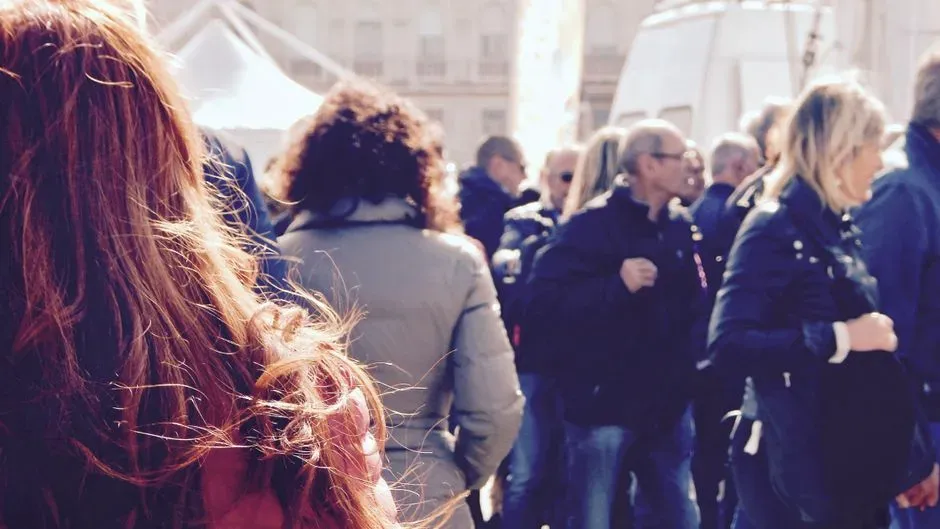
It is tempting to label yourself as an introvert if crowds leave you drained, but reality is more nuanced. Many so-called extroverts also feel wiped after a day-long festival, a trade show, or a massive family gathering. They may be more energized in the moment and more eager to dive into conversations, but their brains still have limits. Underneath the personality labels, all humans share the same basic neural architecture that evolved in small, face-to-face communities. Those ancient constraints do not magically disappear because you like parties.
Personality traits do matter – some people naturally crave solitude more, while others light up in big social settings – but the prehistoric group-size mismatch affects almost everyone to some degree. Instead of thinking in rigid introvert–extrovert terms, it can be more helpful to ask: how much stimulation, how many people, and how many hours can I handle before I start to feel emotionally thin? Framing it this way turns the issue from a fixed identity problem into a practical question of dosage and recovery, grounded in how your particular brain and nervous system respond to modern crowding.
Emotional Hangovers: What’s Really Happening After the Event
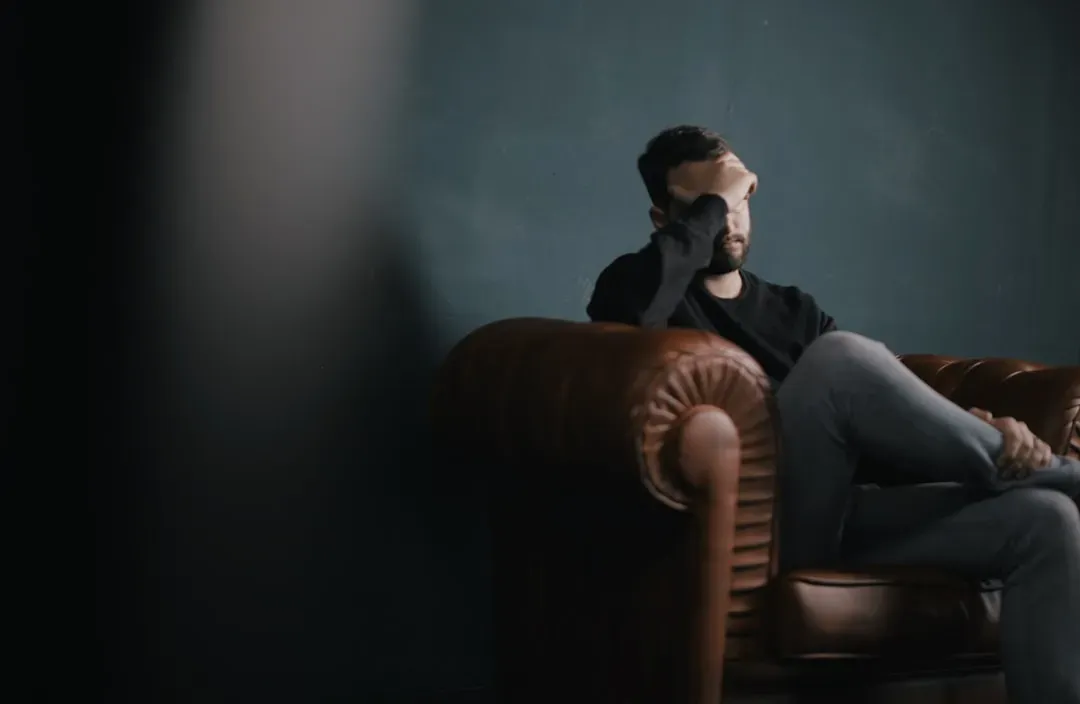
If you have ever woken up the day after a big event feeling mysteriously low, cranky, or empty, you might be experiencing what many people informally call a social or emotional hangover. During a crowded gathering, your brain is often running on adrenaline and other stress-related chemicals that help you stay alert, navigate conversations, and push through fatigue. You might feel almost artificially “on,” smiling more, talking more, and performing a slightly upgraded version of yourself to match the energy of the room.
When the event ends and the stimulation drops, your nervous system has to recalibrate. Hormones and neurotransmitters that were elevated begin to settle, and the contrast can feel like a crash. That crash can show up as tiredness, irritability, sadness, or a strange sense of emotional numbness. From an evolutionary lens, this is your system trying to reset after an unusually intense social surge. It is not proof that you failed socially, offended everyone, or are secretly broken; it is often just neurochemistry slowly returning from an unnatural high back to baseline.
Designing a Life That Respects Your Prehistoric Wiring
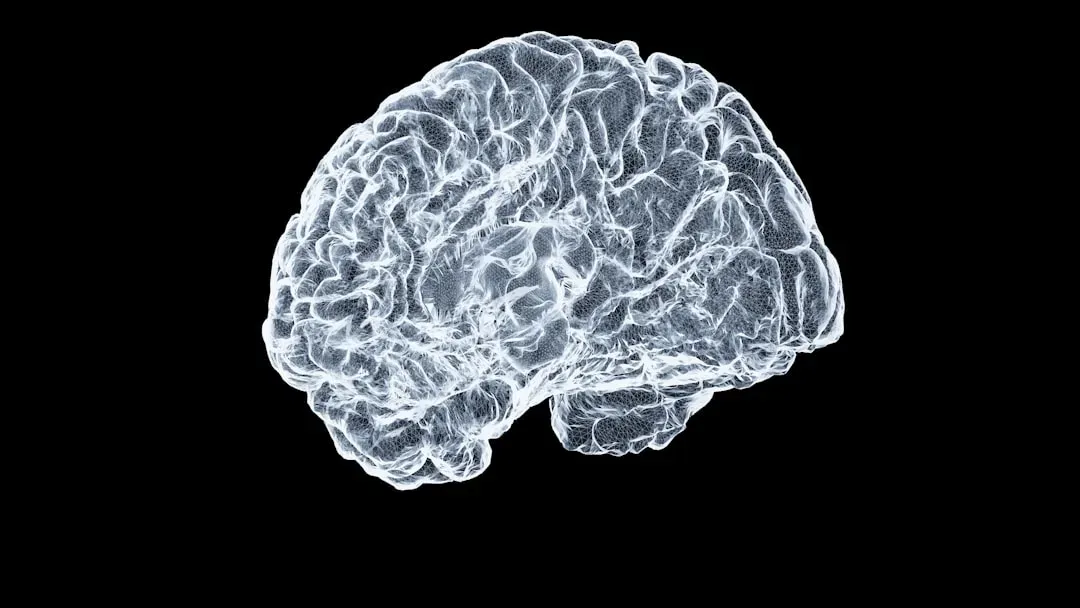
Understanding that your brain is still optimized for smaller, tighter groups can be incredibly freeing because it gives you permission to design your life around that reality instead of fighting it. This might mean choosing a smaller friend group but investing more deeply in those relationships, or prioritizing one-on-one hangouts and small dinners over huge parties whenever you can. It can also look like structuring your work so you mix collaborative time with protected solo time, instead of sitting in a bustling open office all day and wondering why you feel fried by 3 p.m.
On a practical level, you can also treat big events as something your brain needs to train and recover from, just like a strenuous workout. That might include limiting how long you stay, planning quiet downtime before and after, or building in micro-breaks during the event where you step outside, find a quieter corner, or even sit alone in your car for five minutes. These small acts are not overreactions or signs of weakness; they are smart ways of honoring a nervous system that evolved for campfires and villages, not convention centers and sold-out arenas.
Reframing “Too Sensitive” as “Properly Tuned to Humans”
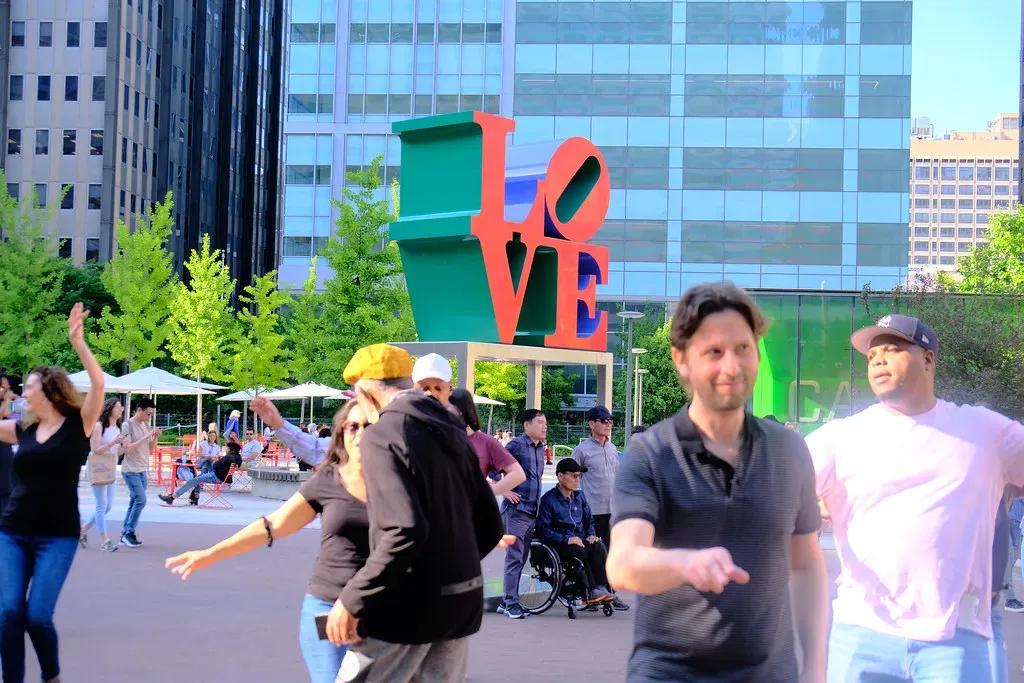
It is easy to internalize the message that if you need breaks from social intensity, you are somehow too sensitive or not resilient enough for the modern world. But if you zoom out historically, the constant availability of crowds, notifications, and endless connection is the abnormal thing, not your reaction to it. Needing more quiet time, smaller circles, or slower-paced interactions may actually mean your system is finely tuned to the kind of human contact that sustained our species for most of its existence: personal, repeated, and emotionally grounded.
Instead of seeing your emotional fatigue after crowded events as a deficit, you can reframe it as valuable feedback from an ancient system doing its best to keep you balanced. That sensitivity might also make you better at deep listening, noticing small shifts in others’ moods, or offering genuine presence in more intimate settings. In a culture that often glorifies being constantly visible, endlessly social, and always “on,” choosing to protect your prehistoric wiring can feel rebellious. But it might also be one of the sanest decisions you ever make for your mental health.
Conclusion: Your Brain Is Not Broken – The Environment Is Just Loud
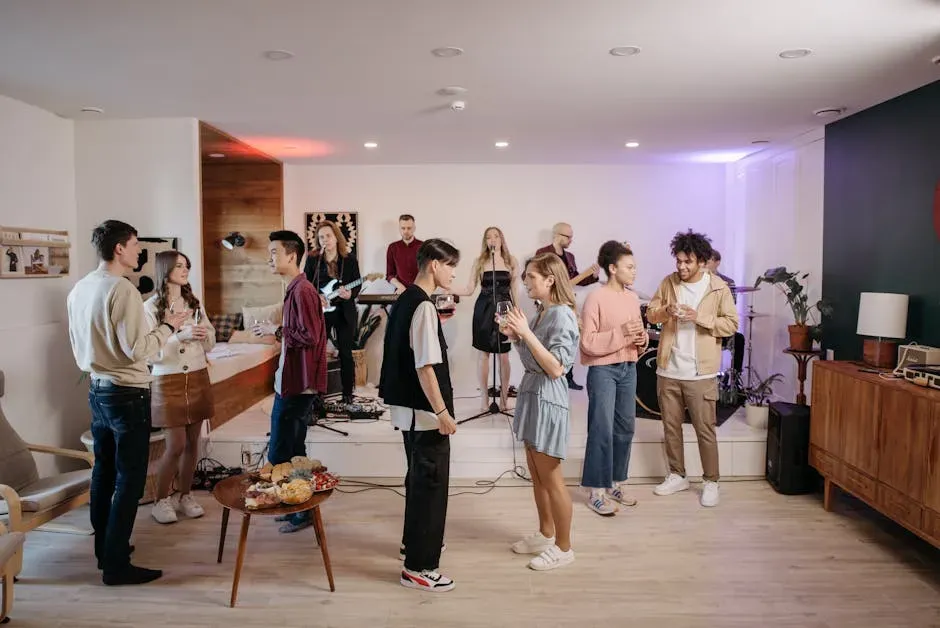
When you walk away from a crowded event feeling emotionally drained, the most honest explanation is often the simplest one: your brain just spent hours doing something it did not evolve to do, at a volume it was never meant to sustain. That does not mean crowds are bad or that you should avoid them forever, but it does mean you owe yourself compassion when the crash hits. Expecting a brain tuned for small circles and steady contact to thrive nonstop in giant, anonymous swarms is like expecting a campfire to light up a football stadium – it is asking too much from the wrong tool.
So instead of beating yourself up, you can start treating your emotional limits as data, not defects. Say yes to some big, loud moments, but build your life around the quieter, smaller interactions your prehistoric wiring actually loves. Protecting your energy in this way is not selfish; it is a deeply rational response to a world that often forgets how humans were built in the first place. Next time you leave a crowded room feeling empty, maybe the better question is not “What is wrong with me?” but “What did I just ask my Stone Age brain to survive?”