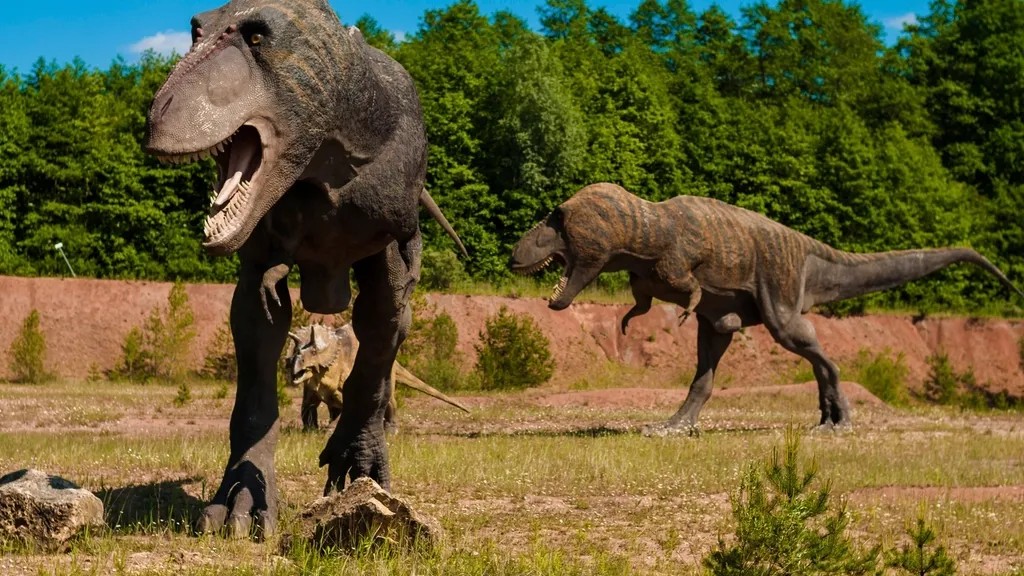
If you grew up picturing Tyrannosaurus rex as the ultimate movie monster, charging down prey with bone-crushing jaws, it can be a bit jarring to hear that some scientists once argued it might have been mostly a giant garbage collector. For years, the idea that the most famous dinosaur on Earth might have preferred carrion over combat sparked arguments, careers, and a lot of heated conference coffee-breaks. The truth, as usual, turns out to be much more interesting than either extreme.
This debate is one of those rare scientific clashes that escaped the lab and hit pop culture, precisely because it challenges what we want T. rex to be: a villain, a hero, or something in between. The evidence is scattered across bones, teeth marks, biomechanics, and even the shape of its nose. When you start pulling those strands together, a surprisingly nuanced picture of T. rex behavior emerges – one that says a lot not just about dinosaurs, but about how science itself works over time.
The Shocking Claim: How the “Scavenger T. Rex” Idea Exploded
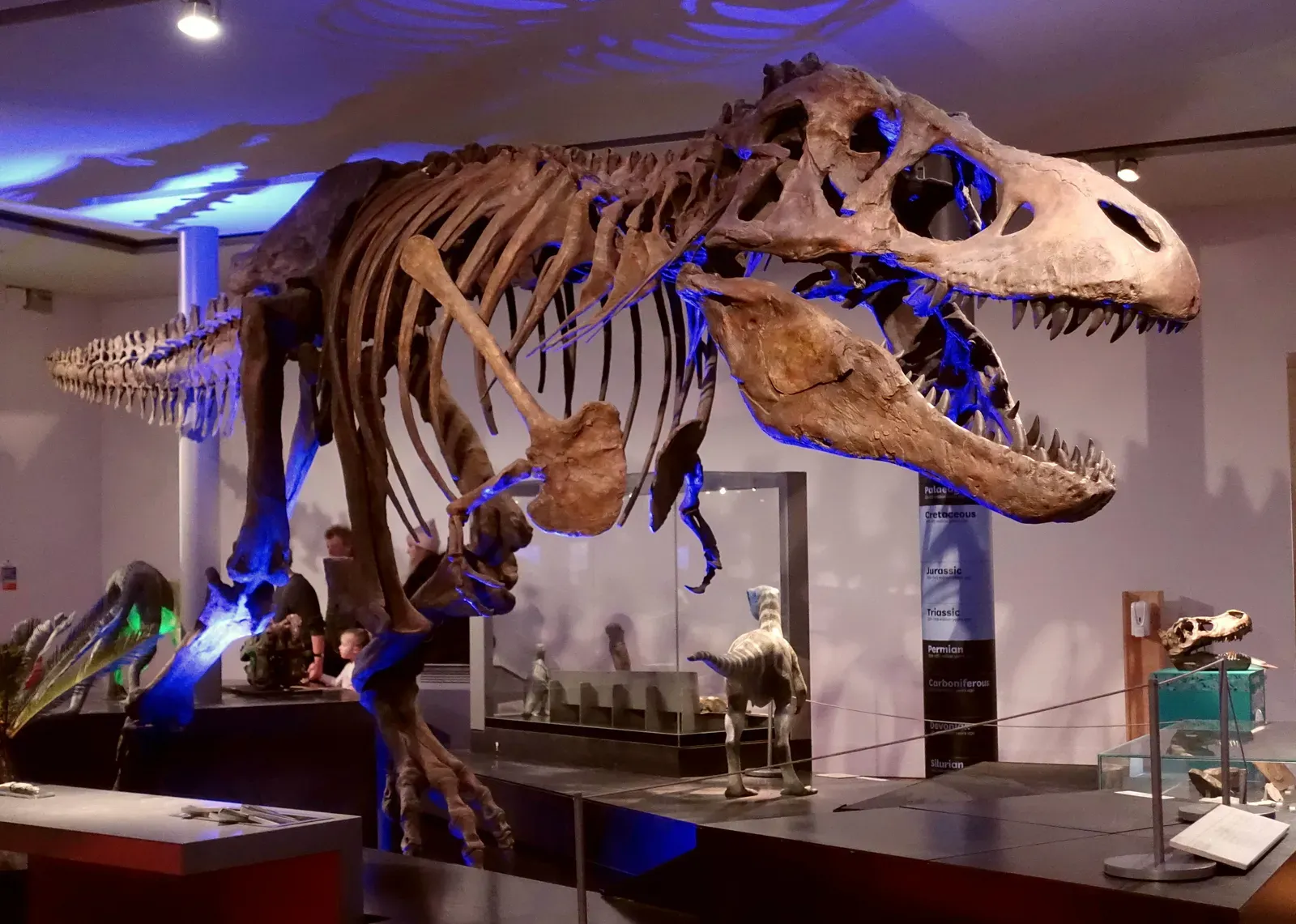
The scavenger hypothesis hit like a bomb because it went straight for the heart of the public’s favorite dinosaur. In the late twentieth century, one prominent paleontologist argued that T. rex might have been a specialized scavenger, not a fearsome predator, emphasizing its tiny arms, huge nose, and seemingly awkward body design. To a lot of people, that sounded almost insulting – like discovering a lion was actually a slightly angry vulture. This friction between expectation and evidence is what made the idea so unforgettable.
Within paleontology, the claim was both provocative and useful. It forced researchers to stop hand-waving T. rex as a “super predator” just because it looked scary and started a wave of new questions about what its body could actually do. Could it run fast enough to catch prey? Were its senses tuned more for hunting or for sniffing out carcasses from afar? The scavenger model was never universally accepted, but it shook enough assumptions that it reshaped how scientists approach dinosaur behavior in general.
Tiny Arms, Giant Head: What the Anatomy Really Says
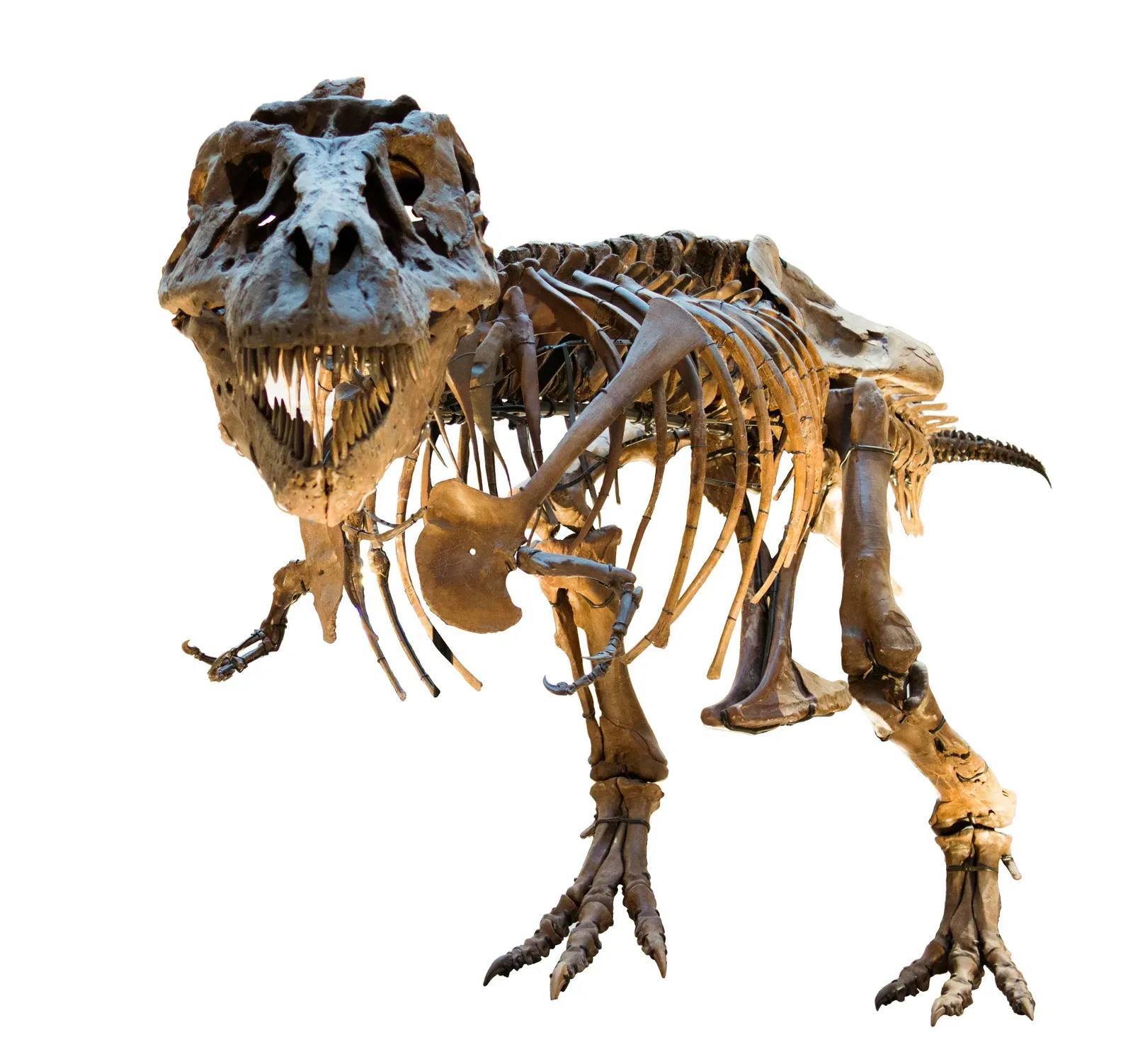
The most obvious “problem” for the classic predator image is right there in every museum mount: those famously tiny arms tucked under a massive skull. Scavenger advocates leaned hard on this, arguing that an animal that relied on hunting big, dangerous prey would need larger forelimbs to grab, hold, or at least stabilize victims. Add in the stiff tail and heavy torso, and you can see why some scientists imagined T. rex as more suited for lumbering across open ground than for sprinting after agile herbivores. On the surface, the body plan looks weird if you picture a tiger-like hunter.
But when you look closer, those supposedly “useless” arms are actually surprisingly robust, with big muscle attachments and strong joints. They are small in length, yes, but not fragile. The skull, meanwhile, is built like a reinforced bridge: thick bone, interlocking structures, and a jaw joint that could withstand huge forces. Seen together, the anatomy suggests a predator that relied overwhelmingly on its head and jaws, using its arms in more limited, close-contact roles – possibly to help stand up, hold a partner, or stabilize a victim at very short range. In that light, the arm size stops being an argument against predation and becomes more about specialization.
Bite Force and Bone-Crunching: The Case for an Apex Predator
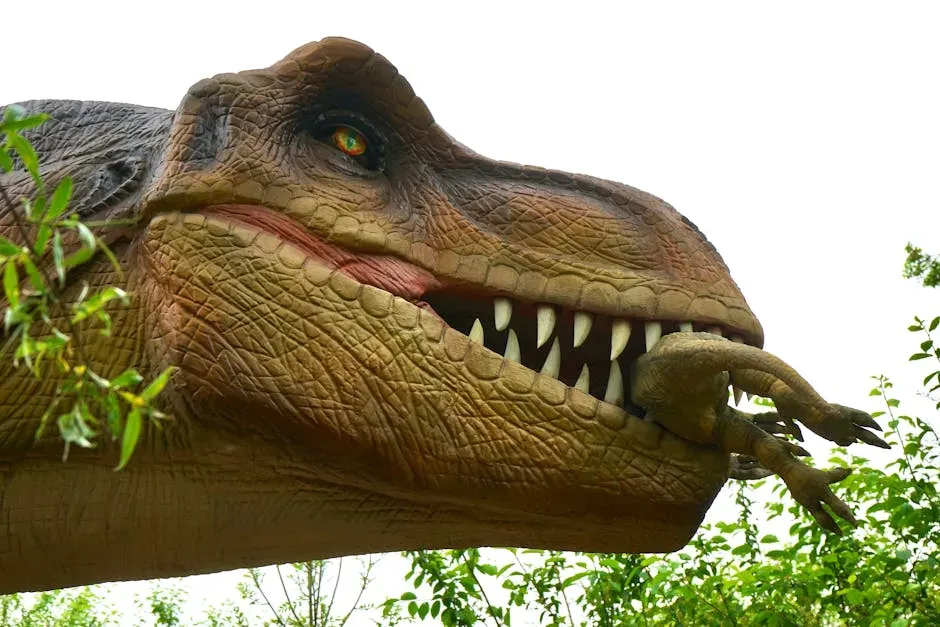
When scientists started running detailed computer models on T. rex skulls, one result kept jumping out: its bite was terrifyingly strong. Estimates vary, but the consensus is that its jaws could generate a force massively greater than that of modern big cats and even modern crocodiles. Its teeth were not knife-like blades; they were thick, banana-shaped spikes that could withstand repeated impacts with bone. This is not the toolkit you expect from an animal that only nibbles on already-dead flesh. It looks more like a living hydraulic press designed to tear through armor.
This kind of bone-crushing ability has a clear advantage in both hunting and scavenging, but it becomes especially powerful if you imagine T. rex tackling huge, well-defended herbivores. The ability to bite through muscle, armor, and bone makes it easier to deliver quick, devastating wounds and to consume as much of a carcass as possible once the prey is down. In ecosystems where competition around carcasses was likely intense, having jaws that could turn an entire limb – bones and all – into calories is a big plus. That kind of adaptation is very hard to reconcile with the idea of a dinosaur that never actively hunted.
To Run or Not to Run: Speed, Balance, and Hunting Strategy
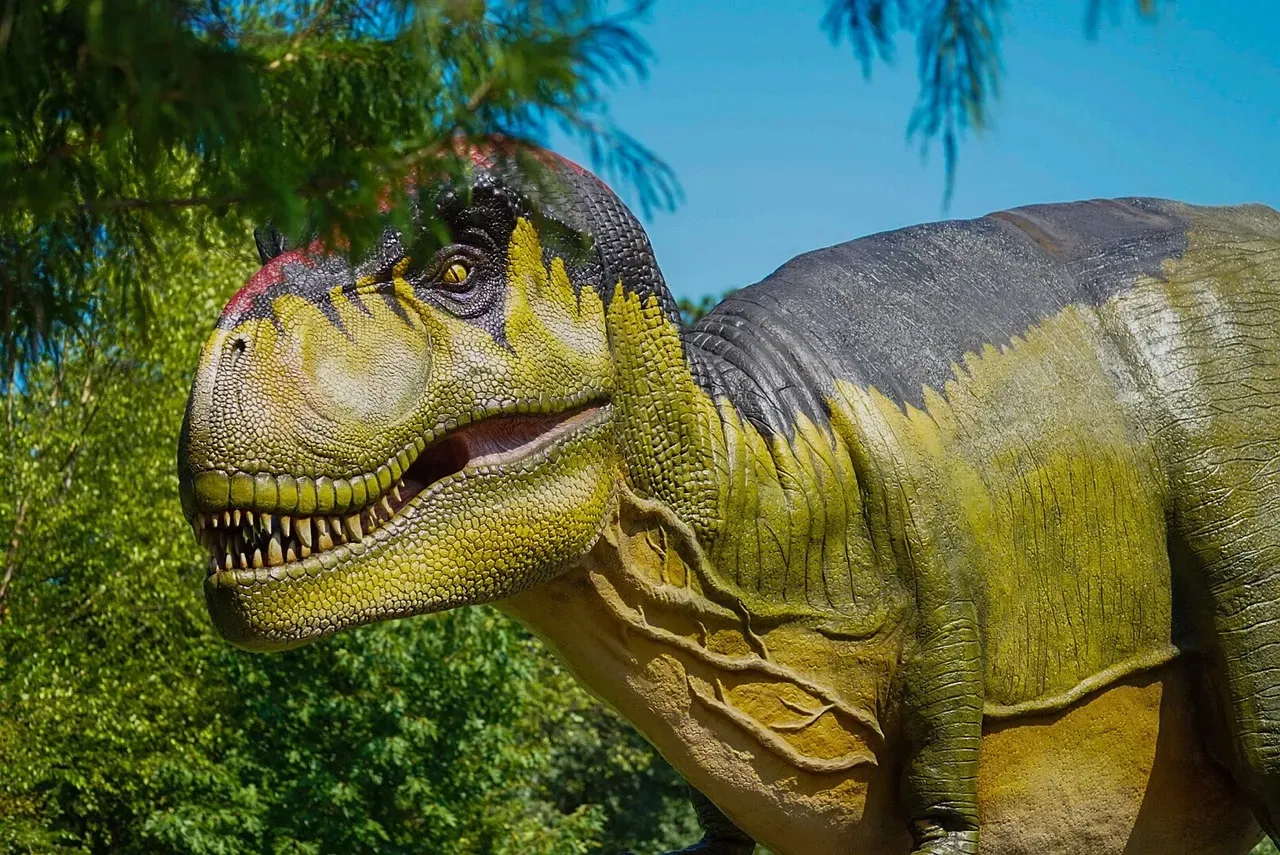
Another major battleground in the debate is whether T. rex could actually chase anything. Early popular portrayals showed it sprinting like a giant ostrich, but later biomechanical studies suggested that running at extreme speeds might have put dangerous stress on its legs. Some analyses propose that a full-out sprint would risk breaking bones in a fall, which obviously is not ideal for a huge animal. Scavenger supporters seized on this, arguing that a creature that could not safely run fast would struggle to chase down agile prey over long distances.
More recent work, though, paints a subtler picture. Even if T. rex was not a sprinter, it likely was not a slow, clumsy plodder either. Its long legs, strong hips, and efficient tendons suggest it was probably a relatively economical walker that could move faster than most of the big herbivores around it. Picture something more like a long-striding, powerful bear than a sprinting cheetah. In that scenario, ambush hunting, short bursts of speed, or targeting injured and young animals become very plausible strategies, all of which fit comfortably within normal predator behavior.
Smell, Sight, and Brains: The Sensory Story
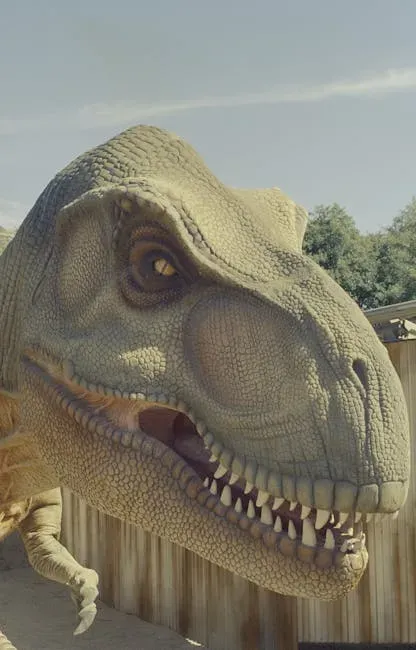
One of the strongest ideas behind the scavenger model is the size of the olfactory regions in T. rex’s brain. These structures, linked to the sense of smell, were large even by dinosaur standards. It is easy to assume that such a nose was primarily meant for sniffing out corpses across long distances, like a hyper-sized vulture with teeth. On top of that, the broad snout and nasal anatomy suggest a complex airflow system, potentially useful for both scent detection and cooling, adding another layer of intrigue to how this animal used its head.
But having a powerful sense of smell does not neatly divide predators from scavengers. Modern wolves, lions, and bears all rely heavily on scent for tracking prey, patrolling territory, and, yes, finding carcasses left by other animals. Evidence from T. rex skulls also suggests forward-facing eyes that would have provided decent depth perception, a handy trait for judging distance when attacking moving targets. Combine that with a sizable brain relative to other large dinosaurs, and you get an animal well-equipped to navigate a complex, competitive world – one where hunting and opportunistic scavenging are both part of the daily survival toolkit.
Fossil Clues: Bite Marks, Healed Wounds, and Who Ate Whom
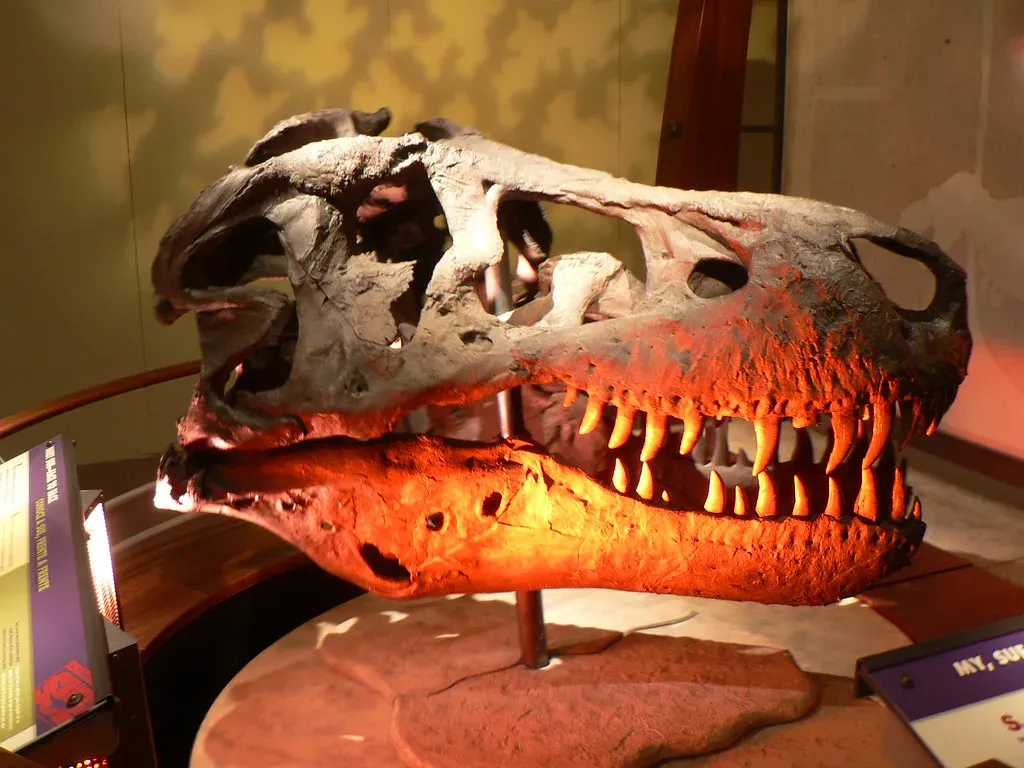
The most compelling evidence often comes down to the bones themselves. Paleontologists have found fossils of large herbivorous dinosaurs with tooth marks that match T. rex teeth, and in some cases those bones show signs of healing. That means the animal was bitten while alive and then survived for a while afterward, which strongly implies an attack rather than a gentle nibble on a corpse. These healed injuries are like frozen moments from failed hunts and close calls, offering a rare, direct window into behavior instead of just anatomy.
There are also bones that show T. rex bite marks without any healing, including T. rex bones themselves. That tells us that these animals were at least sometimes feeding on both other species and on their own kind, whether as predators, scavengers, or both. Evidence of repeated tooth marks on certain bones suggests feeding sessions where the dinosaur was tearing away flesh and crunching through bone, not just daintily sampling leftovers. While these clues do not reveal every detail of the hunt, they are very hard to align with the idea of a dinosaur that only arrived after the killing was done by something else.
Modern Carnivores as a Guide: Why “Either–Or” Misses the Point
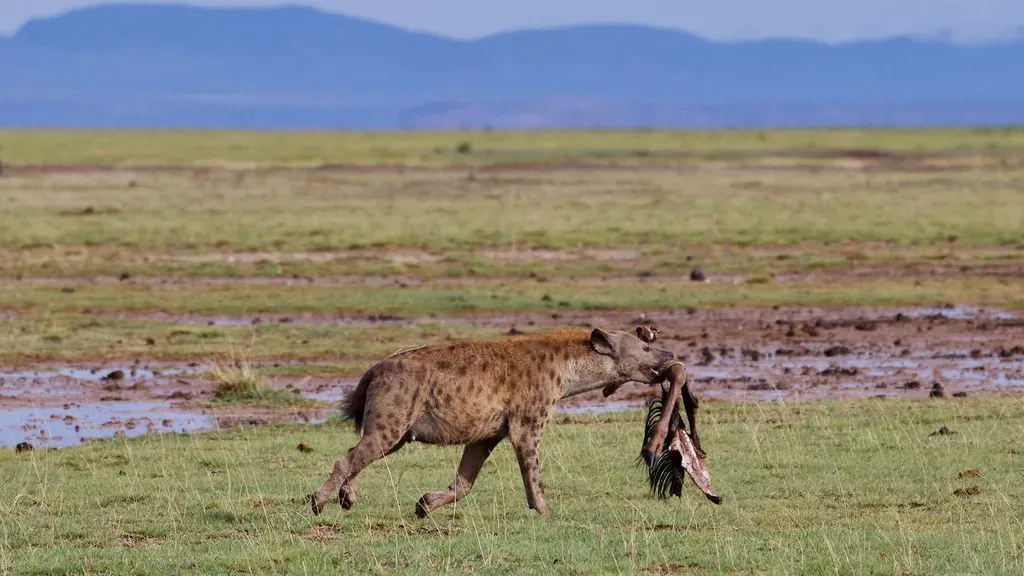
When I first dug into this debate, what struck me most was how divorced it sometimes felt from actual animals living today. Almost every big carnivore we know – lions, hyenas, bears, wolves – hunts when it can and scavenges when it pays off. Hyenas, which used to be caricatured as pure scavengers, are now recognized as highly capable hunters. Vultures are some of the only true specialists in scavenging, and even they sometimes show surprisingly bold behavior around live animals. The real world just does not draw clean lines between “hunter” and “scavenger” for large meat-eaters.
Seen through that lens, the T. rex argument starts to look less like a question with a single correct box to tick and more like a spectrum of behavior. A towering, bone-crunching dinosaur in a complex Late Cretaceous ecosystem would have had every reason to exploit carcasses, chase weakened animals, and possibly engage in confrontations with other predators over kills. Arguing that it was “really” a scavenger or “really” a predator oversimplifies a lifestyle that probably blended both strategies in whatever mix worked best for a given environment and season.
Why the Debate Still Matters: Science, Ego, and Our Need for Monsters
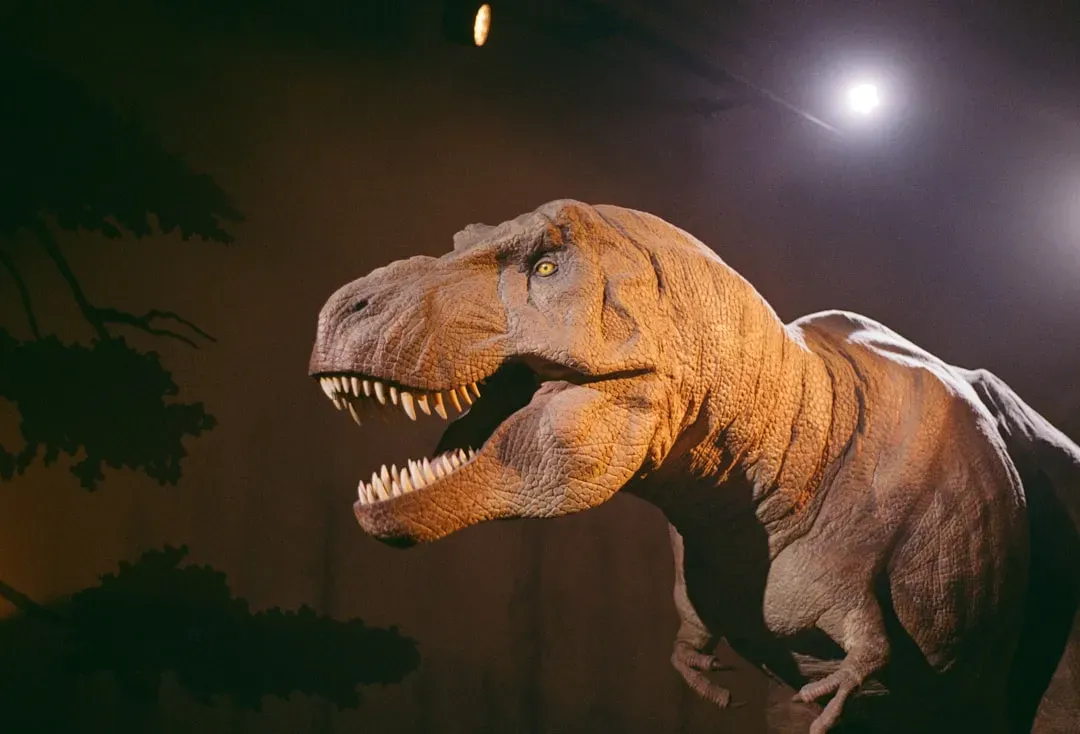
Even though many researchers today lean strongly toward T. rex being an apex predator that also scavenged, the debate still matters because of what it revealed about how science operates. Bold, unpopular ideas can be deeply annoying, but they force everyone to sharpen their evidence, question their assumptions, and collect better data. The scavenger hypothesis pushed paleontologists to study T. rex biomechanics, growth patterns, and sensory systems with far more rigor, which significantly improved our understanding of many dinosaurs, not just the famous ones.
There is also a cultural angle here that is hard to ignore. We like our monsters cleanly defined: heroes hunt, villains skulk. Discovering that the reality is messy, that your childhood nightmare might have been an opportunistic, somewhat pragmatic feeder, can feel like a letdown. But for me, that actually makes T. rex more interesting. It was not a cartoon villain or a clumsy trash-eater; it was a complex, adaptable animal carving out a niche in a brutal world. In some ways, the fight over its image says more about us – our stories, our expectations – than it does about the dinosaur itself.
Conclusion: So Was T. Rex a Scavenger, a Predator, or Something Else? My Take
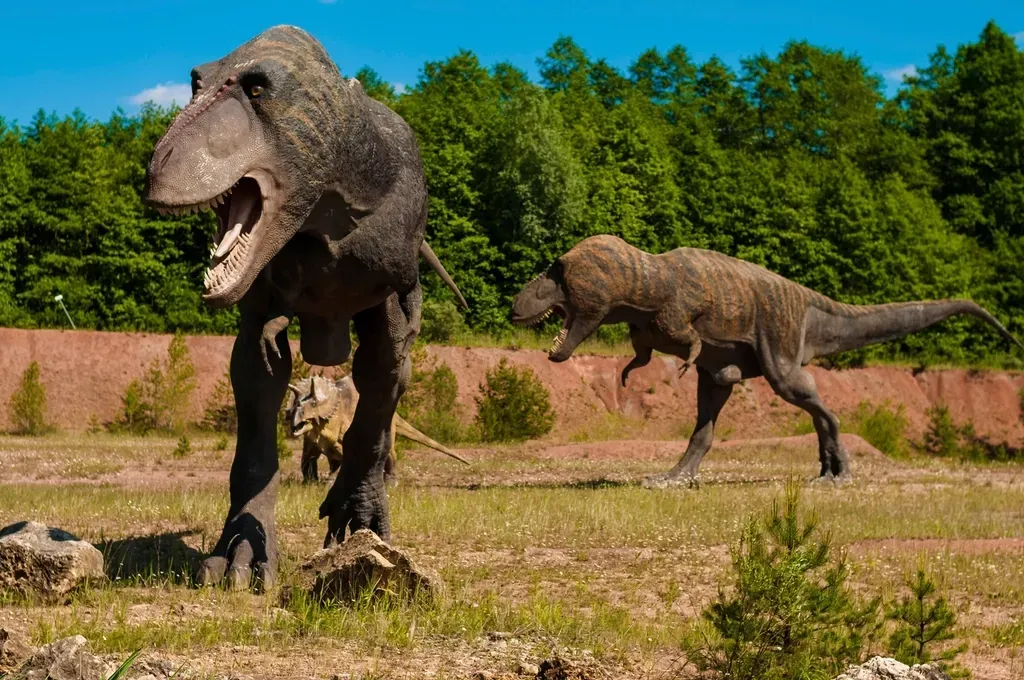
Weighing the anatomy, the bite marks, the sensory evidence, and modern analogs, the most reasonable answer is that T. rex was primarily a powerful predator that also scavenged whenever it could – and that second part is not a downgrade. In nature, refusing a free meal is a good way to starve. The bone-crushing jaws, healed attack wounds on prey, strong legs, and sharp senses line up much more naturally with an active hunter than with a pure scavenger that never risked a fight. The “scavenger only” picture just does not match the full weight of the fossil record and modern ecological comparisons.
At the same time, I like that the scavenger idea forced everyone to slow down and prove their case instead of just assuming the scariest interpretation was true. That kind of friction is healthy for science, even when the bold hypothesis does not fully survive. In the end, T. rex comes out of this debate not as a demoted monster, but as a more believable animal: a smart, brutal, opportunistic carnivore that hunted, stole, and scavenged its way through a dangerous world. Maybe that is the real twist – our favorite dinosaur was not a movie villain or a trash-picker, but something far more familiar: a survivor. Given everything we now know, would you really have guessed anything less?