If you have ever found yourself falling down a rabbit hole about lost civilizations, sacred sites, or ancient symbols, you might have wondered what that says about you. Why do some people shrug at the pyramids or Stonehenge, while others feel an almost magnetic pull toward them? Underneath the documentaries and late-night forums, there is a quieter psychological story: many of us sense that modern life, with all its data and devices, still leaves big, aching questions about who we are unanswered.
Psychologists have not mapped every corner of this territory yet, but what we do know is fascinating. People drawn to ancient mysteries tend to be searching not just for facts, but for meaning, depth, and a more expansive sense of reality and human nature. They feel that our current explanations of the mind and society are oddly flat, like watching a movie with the sound turned down. Exploring the ancient world becomes a way to turn the volume back up.
The Quiet Rebellion Against Flat, Modern Explanations
One of the most striking patterns psychologists notice is that people who love ancient mysteries often feel subtly disappointed by how modern life explains human behavior. We are told that we are a bundle of genes, brain chemistry, and social conditioning, and while that is partly true, it can feel emotionally thin. For many, this reduction to brain circuits and statistics sounds like describing a symphony only in terms of air vibrations.
So the fascination with ancient mysteries can function like a quiet rebellion against overly narrow narratives. Instead of accepting that humans are nothing more than consumers in an economy or data points in a study, these people look for older, richer frameworks: myth, ritual, sacred architecture, and cosmologies that tried to make sense of our inner worlds. They are not necessarily rejecting science; they are reacting to a culture that often forgets about awe, soul, and the unknown.
High Need for Meaning: Why Old Stories Feel More Honest
Psychological research on meaning in life shows that some people have a particularly strong need to feel that life fits into a bigger story. For them, simple explanations like “because of evolution” or “because of culture” do not scratch the itch. They want to understand why humans sacrifice, fall in love, create art, or search for transcendence, not just how those behaviors appear in the brain or in surveys.
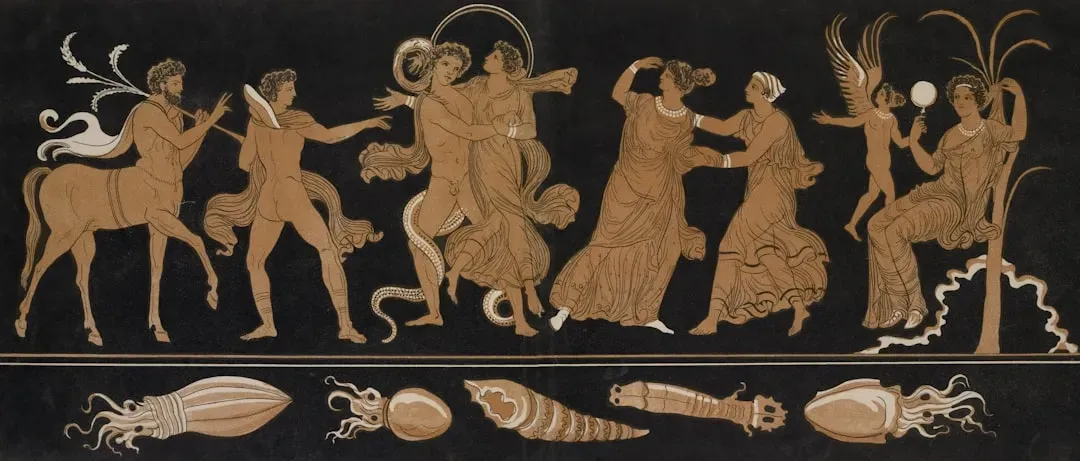
Ancient myths and mysteries step into that gap. Old stories do not pretend to be neat; they mix the sacred and the brutal, the heroic and the tragic, in ways that feel strangely honest about human nature. When someone is drawn to lost temples or forgotten rituals, they are often looking for narratives that can hold complexity and contradiction, rather than clean, bite-sized answers. In a world that prizes quick takes and short posts, ancient stories feel refreshingly deep and slow.
Awe, the Sublime, and the Psychology of Goosebumps

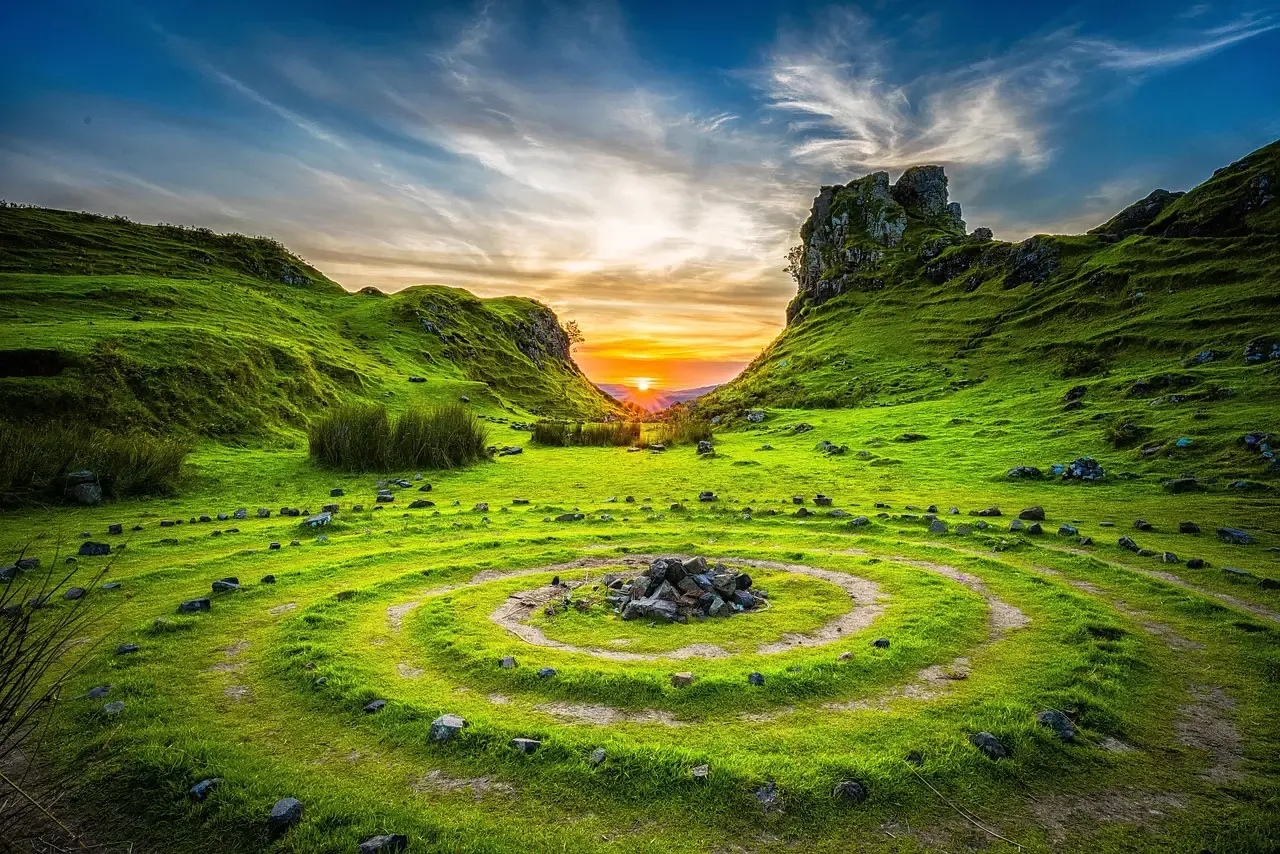
There is also a raw emotional component: awe. Studies on awe suggest that when people encounter something vast and mysterious that challenges their understanding of the world, they feel small in a good way. Think about walking into a cathedral, standing under a desert night sky, or seeing a massive stone circle appear out of the mist. Your everyday worries suddenly shrink, at least for a moment.
Ancient mysteries are essentially awe machines. They bundle together huge timescales, unknown motives, and monumental effort poured into stone, myth, or symbol. For many modern people stuck in predictable routines, this jolt of awe is like oxygen. It reminds them that human beings are capable of more than scrolling, commuting, and chasing deadlines. The emotional payoff of that feeling reinforces the interest, making them want to learn more, dig deeper, and stay curious.
Control, Uncertainty, and the Lure of Hidden Knowledge

At the same time, psychologists know that uncertainty can be deeply uncomfortable. When life feels chaotic or unstable, some people naturally look for patterns and hidden meanings to regain a sense of control. Ancient mysteries, with their puzzles and hints of secret knowledge, can be very appealing in those moments. The idea that there might be a lost map to understanding humanity sitting in a buried library or a forgotten inscription is incredibly seductive.
This does not always mean people are slipping into fantasy; often they are simply trying to organize a confusing reality. In a strange way, looking for lost wisdom in ancient cultures can feel more stable than trusting trending opinions that change every week. When done in a grounded way, this search can be psychologically protective, giving people a sense that there are deeper structures to human life than the latest news cycle suggests. The key is keeping one foot in evidence and one foot in wonder, rather than drifting into pure speculation.
Identity, Belonging, and the Dream of an Older Tribe

There is also a social side to all this. Many people who are fascinated by ancient mysteries feel out of place in their immediate environment. Maybe their friends only care about career milestones or weekend plans, while they are wrestling with questions about consciousness, death, or the soul. Diving into ancient worlds becomes a way to find a different kind of community, even if it is partly imagined.
Psychologically, this is about identity and belonging. Aligning yourself with a long line of seekers, mystics, philosophers, and builders from the distant past can feel far more grounding than trying to fit into a shallow, hyper-modern mold. It is like choosing an older, wider family tree. You may never meet the people who carved the stones at Göbekli Tepe or painted the caves at Lascaux, but feeling connected to their questions makes your own spiritual or intellectual restlessness feel less lonely, and that matters a lot for mental well-being.
When Curiosity Becomes Conspiracy: The Dark Edge of Mystery

Of course, there is a shadow side. The same traits that draw people to ancient mysteries – comfort with uncertainty, a hunger for hidden meanings, skepticism toward official stories – can sometimes tilt into conspiracy thinking. Psychological research has linked strong pattern-seeking tendencies and distrust of authorities with a higher likelihood of embracing unfounded theories. When the desire for mystery outruns the available evidence, imagination can quietly replace reality.
This does not mean that everyone who loves ancient mysteries is a conspiracy believer; far from it. But it does mean the line between healthy curiosity and wishful thinking is thinner than most of us like to admit. A grounded approach requires being willing to say “we do not know yet” rather than forcing an answer that simply feels more exciting. In a sense, the mature lover of ancient mysteries has to learn to honor the questions without turning guesswork into gospel.
Ancient Mysteries as a Mirror for Modern Psychology
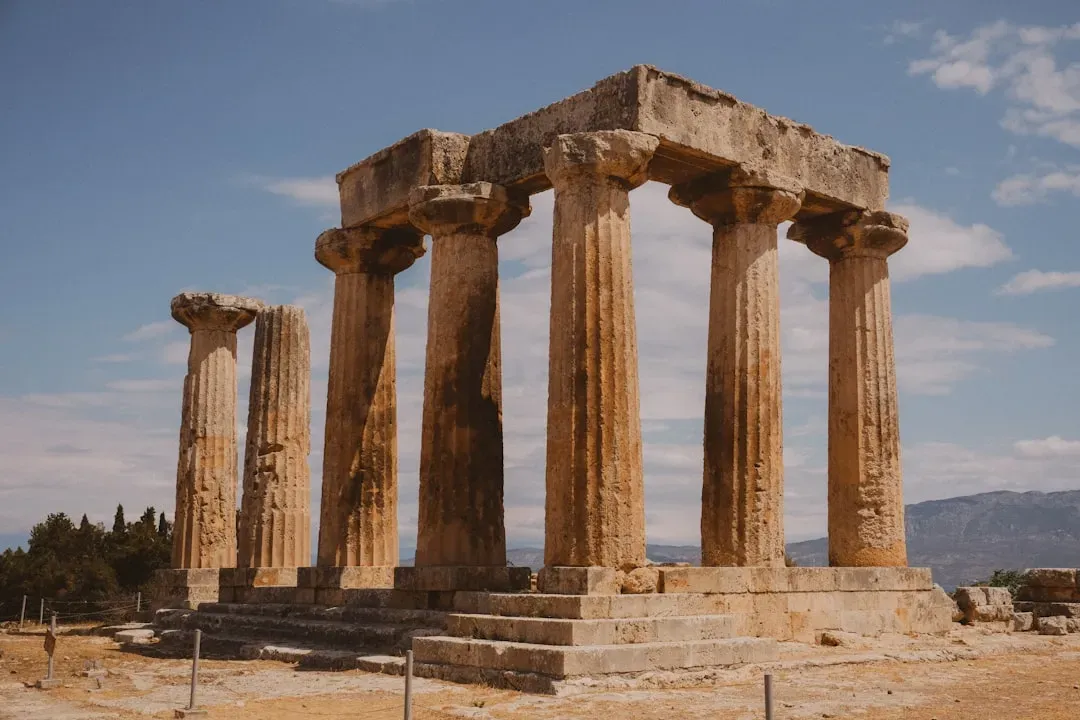
Interestingly, our obsession with ancient mysteries ends up revealing as much about us as about the past. When we project lost wisdom, secret powers, or spiritual purity onto long-gone cultures, we are really expressing what we feel is missing now. If we believe the ancients understood community, ritual, or the human psyche better than we do, that is a quiet critique of our own era’s loneliness, fragmentation, and shallow explanations.
From a psychological point of view, this can be both sobering and hopeful. Sobering, because it suggests our sense that modern life explains too little about human nature is not just nostalgia; it reflects real gaps in how we live and understand ourselves. Hopeful, because our fascination with the ancient is a sign that people are still actively searching for better ways to be human. The ruins we study are like mirrors: we stare at them, but we are also trying to see ourselves more clearly.
Opinionated Conclusion: The Real Mystery Is Us
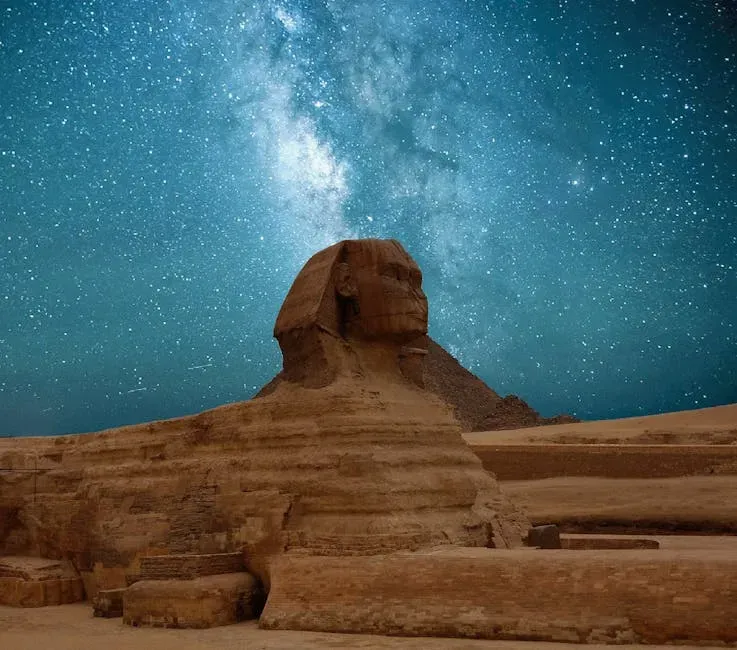
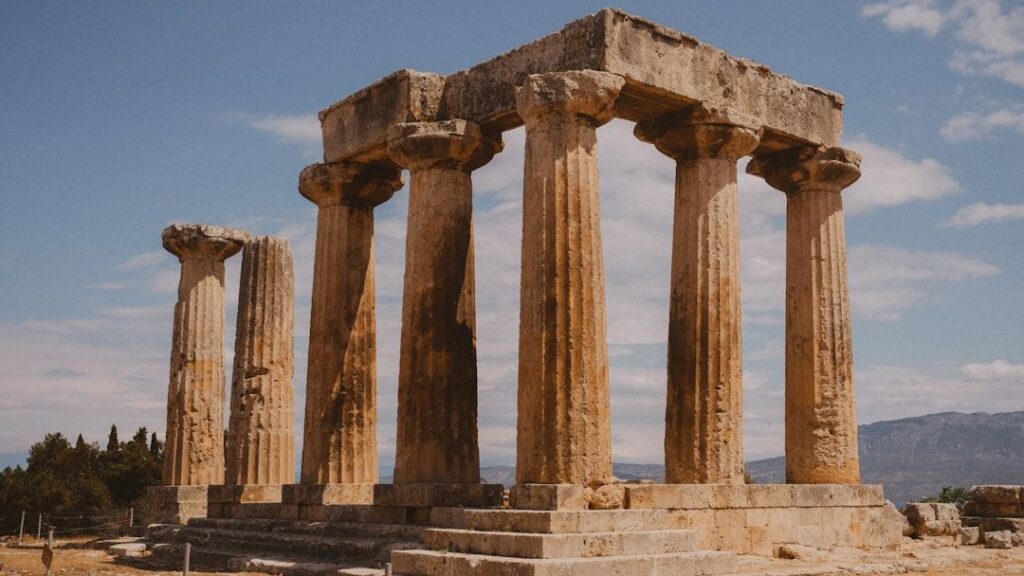
In my view, the pull toward ancient mysteries is not a quirky hobby or an escape from reality; it is a symptom of something modern culture has not fully faced. We have built incredible tools for measuring the brain, mapping societies, and predicting behavior, but we often neglect the parts of human nature that hunger for awe, depth, and a story that feels big enough. People turn to pyramids, petroglyphs, and sacred texts because they sense that the human experiment is older, stranger, and more meaningful than our current headlines suggest.
If there is a message hidden in this psychological pattern, it is simple and challenging: we do not just need more information about ourselves; we need better questions, richer rituals, and bolder ways of talking about what it means to be human. Ancient mysteries will probably always fascinate us, and that is fine. But the most important mystery is not buried under stone or locked in a forgotten script; it is sitting in our nervous systems, our relationships, and the stories we dare to tell about who we are. Maybe the real task is not to recover a lost civilization, but to build a present one that finally does justice to the depth we keep sensing in ourselves.