Imagine if your mind belonged not just to this century, but to an ancient world with its own gods, cities, and obsessions. The way you make decisions, chase love, deal with conflict, or plan for the future can be surprisingly similar to how whole civilizations thought, ruled, and created meaning thousands of years ago. That is not mystical destiny so much as pattern: temperament, priorities, and worldview showing up again and again in human history.
In this article, we match each zodiac sign with an ancient civilization whose mindset mirrors its deeper style of thinking. This is not about physical appearance or historical accuracy down to every detail, but about psychological resonance: courage, caution, strategy, romance, spirituality, ambition. As you read, notice where you feel oddly at home. You might recognize your own mental “home city” in a place you have only ever seen in documentaries or museum exhibits.
Aries – Ancient Sparta’s Fierce Warrior Mindset
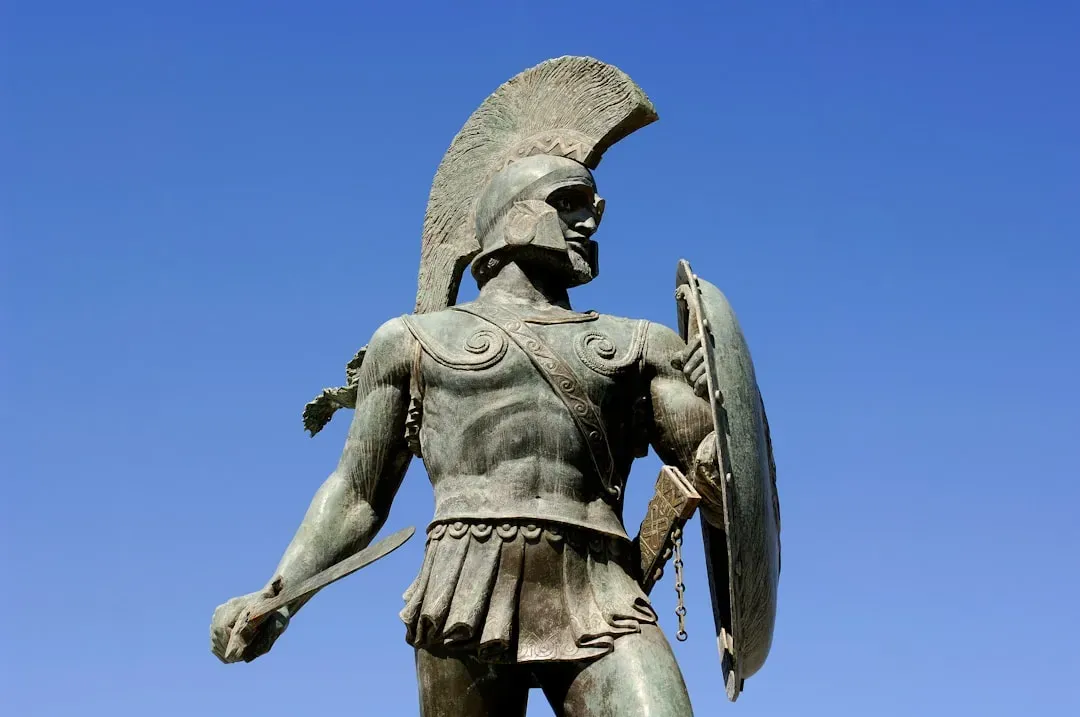
Aries thinks in straight lines: see a challenge, charge. That raw, decisive energy lines up closely with ancient Sparta, a Greek city-state shaped around courage, discipline, and readiness for battle. From a young age, Spartans were trained to face hardship directly and to value action over endless debate, which matches Aries’ instinct to leap first and figure out details on the way down. There is a certain blunt honesty here: if a path does not demand bravery, Aries often loses interest.
This does not mean Aries or Sparta was all violence and noise. Beneath the armor is a code: loyalty, protection, respect for strength in self and others. Aries minds can be intensely protective of the people they love, just as Spartan society was fiercely focused on defending its own. When Aries is at their best, they bring that warrior clarity into everyday life, cutting through social fluff and getting to the point. Like Sparta, the Aries way of thinking can feel extreme, but it is rarely lukewarm.
Taurus – Pharaonic Egypt’s Love of Stability and Beauty
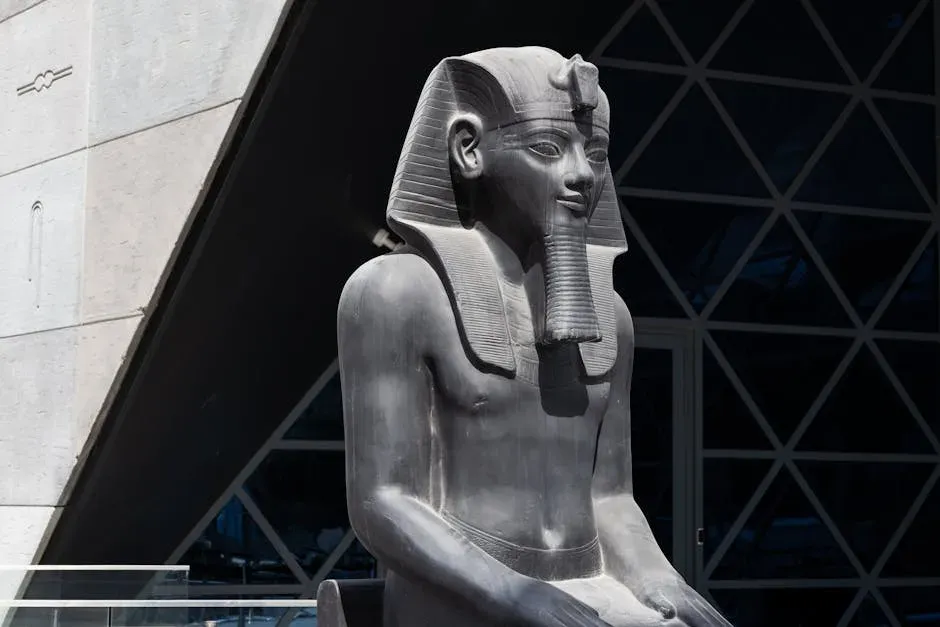
Taurus values what lasts: a solid home, dependable routines, sensory comfort, and beauty that does not scream for attention but simply exists, steady and impressive. That mentality finds a strong mirror in ancient Egypt along the Nile, a civilization built around predictable river cycles, long dynasties, and monumental architecture designed to endure. The Egyptians invested enormous effort into tombs, temples, and rituals that could repeat for centuries, much like Taurus invests in building a life that feels safe, lush, and reliable.
There is also a deep aesthetic streak here. Egyptian art emphasized harmony, balance, and symbolic richness rather than sudden, chaotic experimentation, and Taurus tends to appreciate exactly that kind of calm, composed beauty. Where some signs crave constant novelty, Taurus and Egypt both show a stubborn loyalty to what works: if a certain style, tradition, or habit feels good and proves itself over time, why change it? That slow, grounded mindset can look conservative from the outside, but it often creates the most enduring legacies.
Gemini – Classical Athens’ Curious, Debate‑Loving Intellect
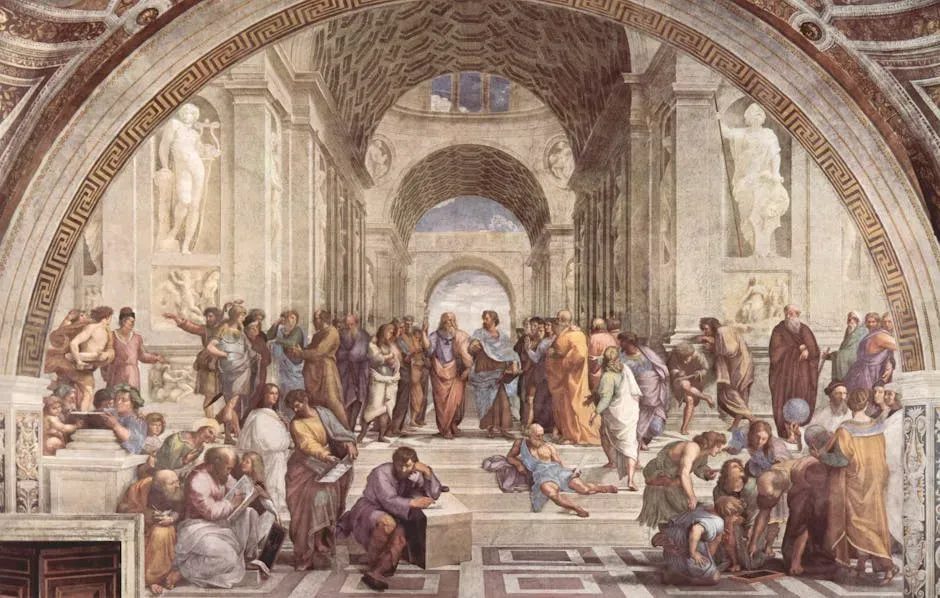
Gemini’s mind rarely sits still, and neither did the intellectual life of classical Athens. This Greek city became famous for its buzzing public debates, evolving philosophies, and highly social style of thinking. Athenian culture thrived on conversation in agoras, schools, and symposiums, where people challenged ideas, asked tricky questions, and shifted positions quickly. That quicksilver curiosity is very Gemini: gather information, exchange perspectives, and treat life like an ongoing conversation rather than a closed book.
Like Athens, Gemini often balances between lightness and depth. On one hand, there is a playful, witty surface that loves stories, jokes, and clever wordplay. On the other, there is a genuine intellectual hunger that can dive into politics, ethics, or science with surprising seriousness when the mood hits. The risk, for both, is scattering attention or talking more than doing. But when Gemini harnesses that Athenian style – open discussion, flexible thinking, mental agility – they become their own kind of democratic forum in human form.
Cancer – Ancient Mesopotamia’s Home, Myth, and Ancestral Memory

Cancer’s thoughts orbit around emotional safety: family, home, history, and the quiet spaces where life actually happens. In that sense, Cancer resonates with ancient Mesopotamia, the region of early cities between the Tigris and Euphrates rivers where writing, law codes, and domestic life began to take organized form. This was a civilization deeply attached to cycles of nature, household gods, and stories about origins, which mirrors Cancer’s instinct to protect roots and remember where everything started.
Mesopotamian culture drew lines between chaos outside the city and order within its walls, an image that fits Cancer’s inner world almost perfectly. The Cancer mind builds emotional walls and gates, letting in only those it trusts, yet caring fiercely for those within. Like the earliest scribes recording harvests and family lines, Cancer keeps mental ledgers of feelings, loyalties, and old wounds. Their way of thinking is not always rational in a cold sense, but it is rich with memory and meaning, like clay tablets holding the story of a people.
Leo – The Roman Empire’s Grand, Dramatic Sense of Self
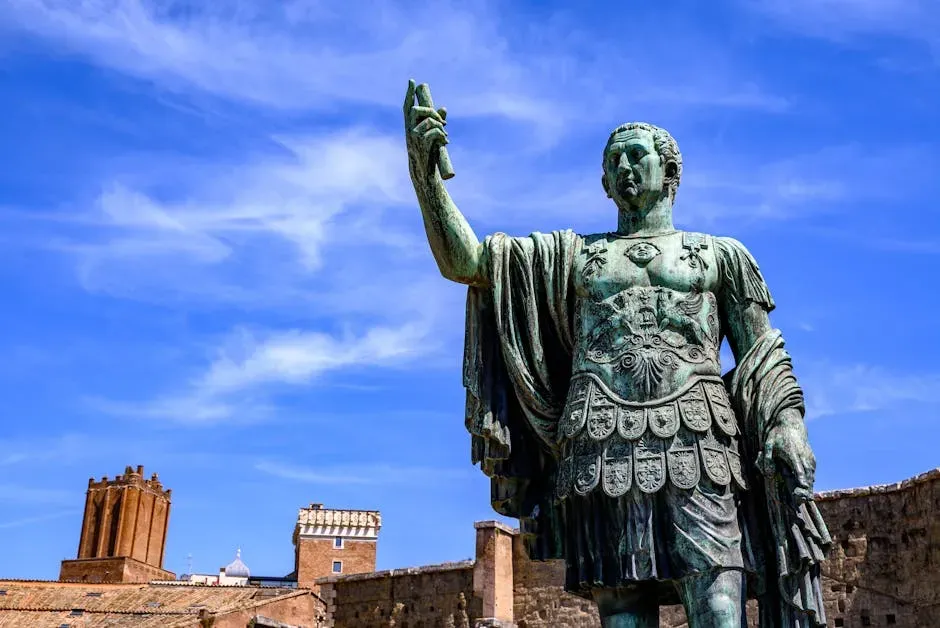
Leo often lives with a sense that life is a stage and they have a central role to play. The ancient Roman Empire shared that scale of self-image: vast territories, monumental architecture, and a constant emphasis on power, honor, and spectacle. Roman leaders paraded through triumphal arches, held massive public games, and stamped their symbols on everything from coins to roads, all of which reflects Leo’s natural urge to be seen, recognized, and celebrated for their efforts.
At the same time, Rome was not only vanity and display. It also organized, built infrastructure, and held together a diverse population through laws and a common identity. Leo’s thinking can work in a similar way: when mature, their pride pushes them to lead responsibly, protect their people, and create something lasting rather than chasing applause for its own sake. The downside, like Rome, can be ego, overreach, or drama. But when channeled well, Leo’s inner empire runs on generosity, charisma, and a powerful desire to leave a mark.
Virgo – Han Dynasty China’s Orderly, Practical Administration
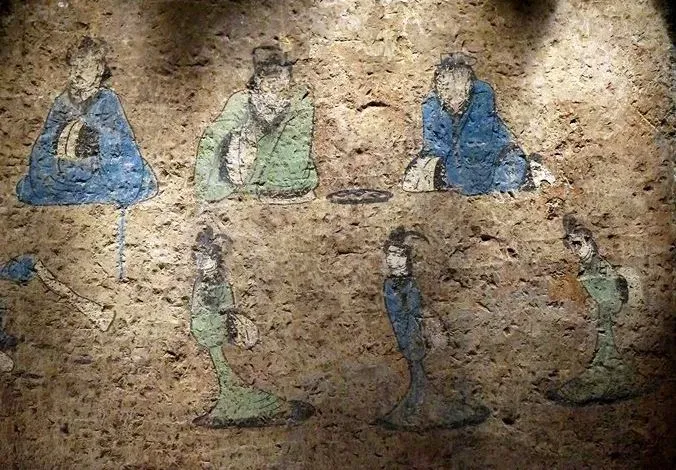
Virgo’s mind is naturally tuned to detail, systems, and subtle improvements, and that finds a strong echo in Han Dynasty China. This period is known for its structured bureaucracy, standardized systems, and emphasis on learning and examination to keep the state running smoothly. That careful, methodical approach fits Virgo’s preference for step‑by‑step solutions, clear responsibilities, and quietly making complex things work behind the scenes. Virgo is less impressed by big speeches and more impressed by a well‑kept ledger.
There is also a moral and philosophical dimension here. Han China blended practical governance with ethical teachings and rituals, much as Virgo blends daily tasks with a sense of duty and service. Both can be critical when standards are not met, but the criticism usually has a purpose: make things better, fairer, or more efficient. When Virgo thinks like this, they become a kind of internal civil service for their own life, setting policies, refining routines, and maintaining order even when no one else notices the effort.
Libra – Ancient Persia’s Diplomacy and Balance Between Worlds
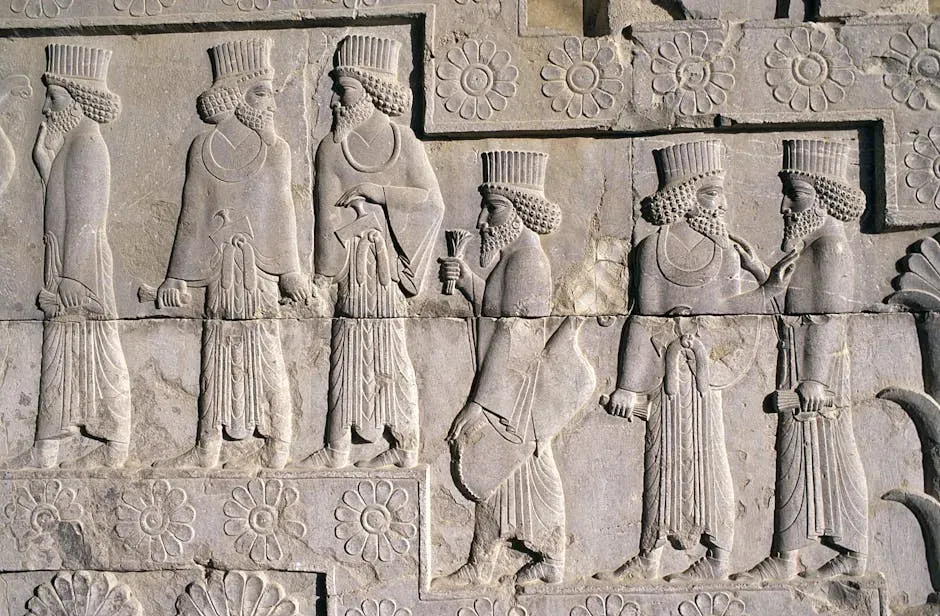
Libra longs for balance, fairness, and beauty, and those values resonate with the mindset of ancient Persia at its best. The Persian empires ruled over a wide range of cultures and faiths, often allowing local customs to continue while connecting regions through royal roads and shared administration. That blend of unity and diversity feels very Libra: keep the peace, respect differences, and create structures where many voices can coexist without constant conflict. The emphasis is on harmony rather than domination for its own sake.
Persian art and architecture often emphasized gardens, symmetry, and refined details, echoing Libra’s love for aesthetic balance and gracious environments. In relationships, Libra tends to think like a diplomat or mediator, weighing options, considering everyone’s feelings, and trying to avoid unnecessary extremes. The danger, as for Persia, lies in indecision or trying too hard to please all sides. Yet when Libra commits, their way of thinking can build bridges – between people, ideas, or even inner contradictions – in a way that feels quietly revolutionary.
Scorpio – Ancient Maya’s Depth, Mystery, and Cycles of Transformation
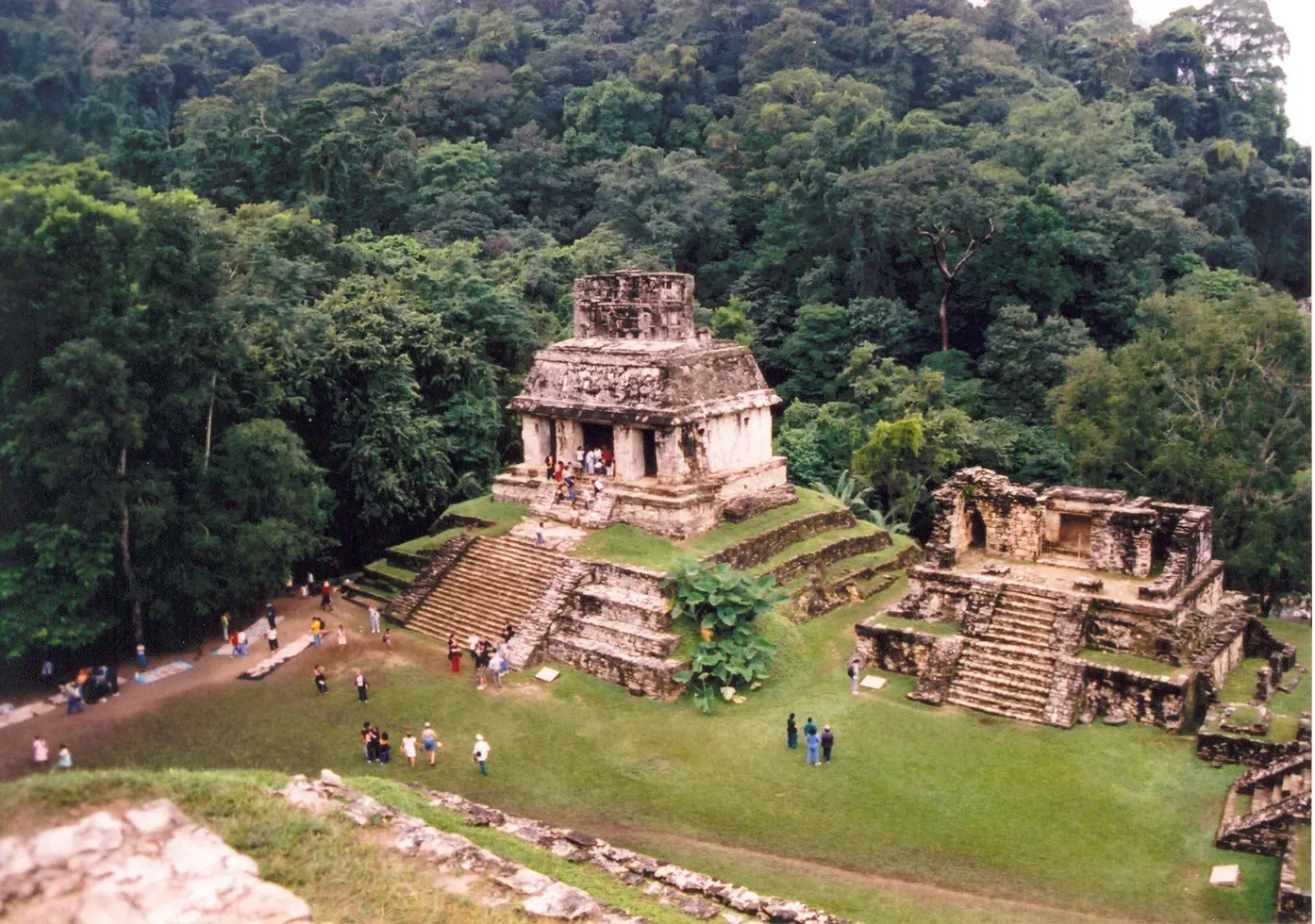
Scorpio thinks in layers: what is visible, what is hidden, and what is changing just beneath the surface. That psychological depth lines up strongly with the ancient Maya, who developed sophisticated calendars, explored astronomy, and built a worldview rich with symbolism and cycles of death and rebirth. Their focus on underworld journeys, transformations, and sacred time mirrors Scorpio’s obsession with what lies beyond the obvious: motives, secrets, endings, and the possibility of renewal after loss.
The Maya were not just dark or fatalistic, though. They saw transformation as necessary and powerful, much like Scorpio sees emotional crises as doorways to a more authentic self. Scorpio’s thinking often gravitates to taboo topics, hidden truths, and intense bonds that change them forever, just as Maya rituals and monuments pointed toward deeper layers of reality. This can make Scorpio seem intimidating or private, but it also grants them a rare capacity for healing, insight, and fearless confrontation with what others avoid.
Sagittarius – Hellenistic Age Explorers and Philosophers on the Move
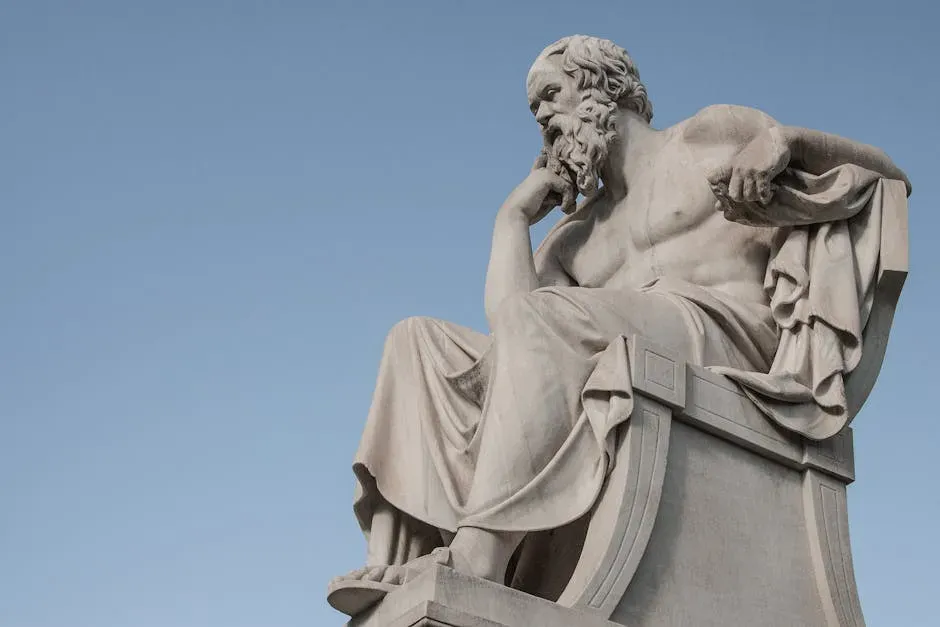
Sagittarius thrives on big questions, long journeys, and the sense that the world always has more to show. Their mindset has a strong parallel in the Hellenistic age that followed Alexander the Great’s campaigns, when Greek culture mixed with Egyptian, Persian, and other traditions across a huge area. Scholars traveled, ideas blended, and new philosophical schools tried to make sense of a rapidly expanding world. That spirit of cultural cross‑pollination matches Sagittarius’ urge to roam, learn, and connect dots across borders.
Sagittarius thinking is usually hopeful, direct, and sometimes reckless, exactly like a traveler who buys a one‑way ticket and trusts that things will work out. Hellenistic thinkers experimented with ethics, cosmology, and personal happiness in a shifting landscape, and Sagittarius grapples with similar themes today: what is a good life, how big can my world become, what truths are worth believing? When they stay honest and open, their mental wanderings become a powerful philosophy in motion rather than simple restlessness.
Capricorn – The Neo‑Babylonian Builders of Power and Legacy
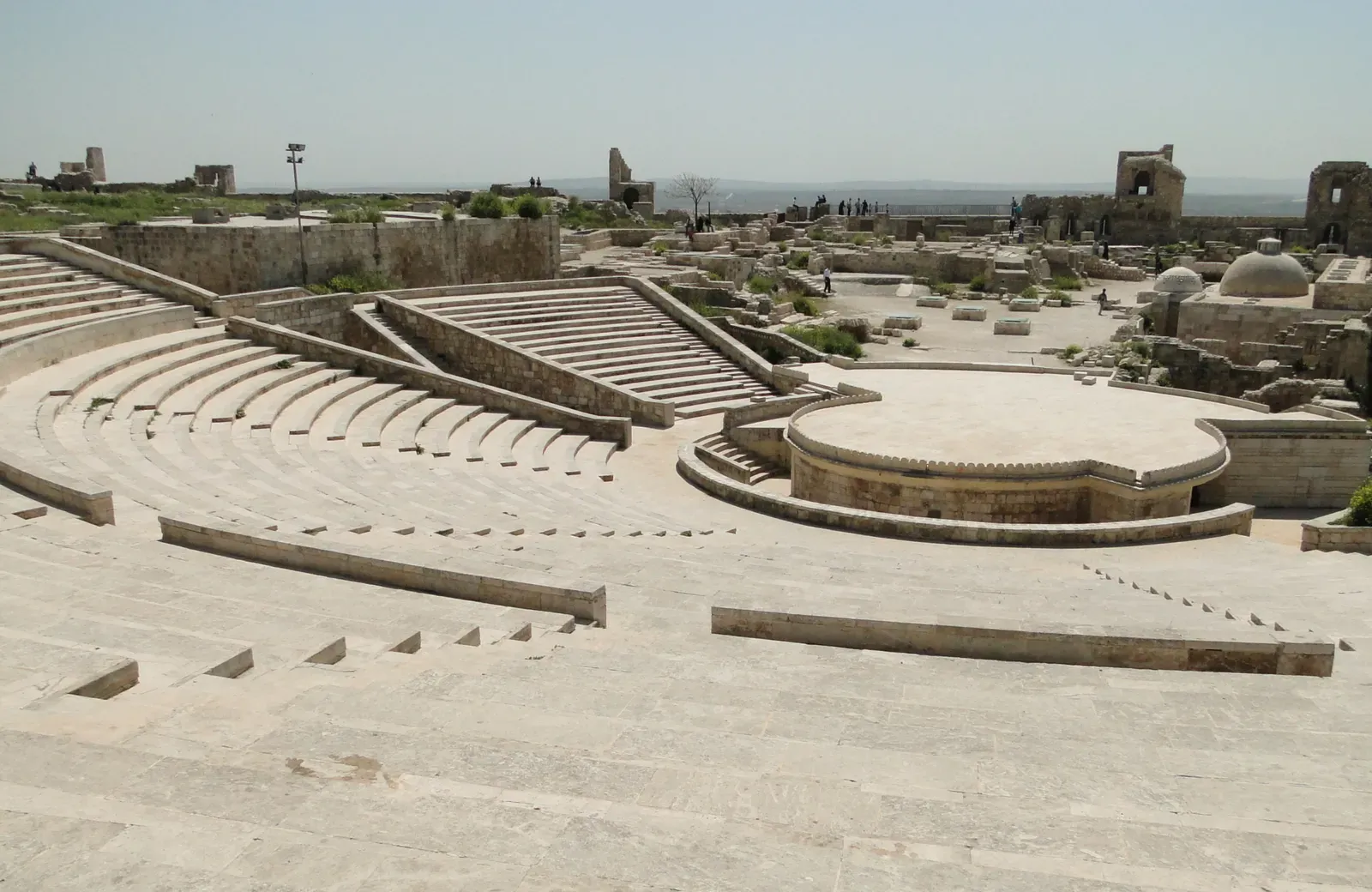
Capricorn’s inner world is full of timelines, responsibilities, and quiet ambition. They think like builders of fortresses and reputations, which aligns well with the Neo‑Babylonian period, famous for monumental projects in Mesopotamia, including towering city walls and grand processional avenues. This was a civilization intensely focused on authority, structure, and impressive public works. Capricorn feels that same drive to construct something that proves their effort over time, whether it is a career, a business, or a stable family system.
There is a sternness here too. Neo‑Babylonian power did not come from impulsive moves but from strategy, alliances, and long‑term planning, all of which Capricorn naturally understands. Their thinking can be cautious, even pessimistic, because they see how easily things can fall apart if no one takes responsibility. Yet that realism is also their strength: like a city planner sketching foundations years before a building rises, Capricorn can map out a path that turns slow progress into undeniable achievement.
Aquarius – Indus Valley’s Quietly Advanced, Community‑Focused Logic
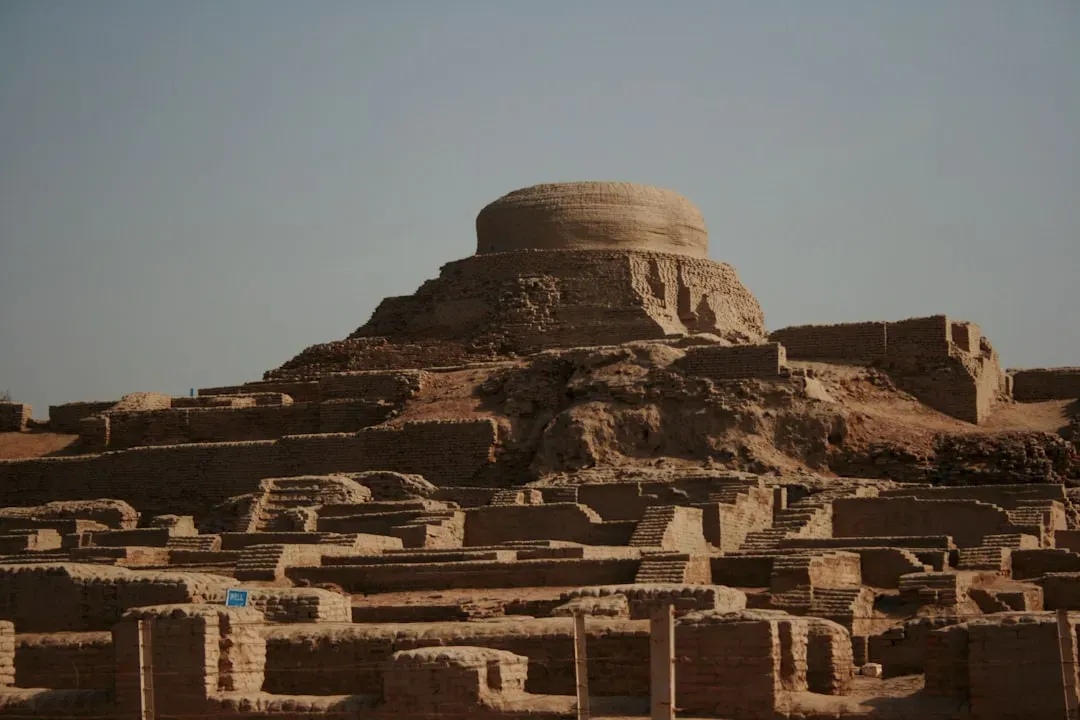
Aquarius is often described as futuristic, but their style of thinking also fits very old experiments in how to live together. The Indus Valley civilization, with its carefully planned cities, standardized weights, and intricate drainage systems, shows a mindset that cared about public order, shared standards, and collective well‑being more than flashy monuments or single rulers. That emphasis on systems over ego feels very Aquarius: they think in terms of networks, communities, and the bigger picture rather than just personal gain.
We still do not know everything about the Indus Valley people, but the archaeological evidence suggests a society that valued organization, trade, and relatively even urban planning. Aquarius minds work similarly, playing with ideas about fairness, new social models, and technology that might improve life for many. Their weak spot can be emotional distance or stubborn idealism, yet their strength lies in imagining better structures and being willing to break with tradition when it no longer makes sense.
Pisces – Ancient India’s Mystical, Compassionate Spiritual Vision

Pisces often feels like it is living with one foot in this world and one foot in another, more fluid realm of dreams, symbols, and feelings. That mental landscape resonates with ancient India’s rich spiritual traditions, where early forms of meditation, epic poetry, and philosophical inquiry into consciousness took center stage. These cultures asked questions about illusion, suffering, and unity that match Pisces’ instinct to look beyond surface reality and tune into subtle emotional and spiritual currents.
In this mindset, art, music, and devotion are not just hobbies but pathways to meaning, much as ancient Indian texts and rituals used story and song to explore the nature of existence. Pisces thinks in images, moods, and intuitions rather than rigid logic, which can be confusing to more straightforward signs but incredibly healing and imaginative when trusted. Like a river that bends around stones instead of smashing through them, Pisces finds ways to adapt, empathize, and connect, even when the path is not clearly marked.
Conclusion – Your Mind as a Modern Ruin and a Living City
Each zodiac sign, mapped onto an ancient civilization, highlights something important: your way of thinking did not appear out of nowhere. Humanity has been experimenting with courage, order, beauty, curiosity, and faith for thousands of years, and those old experiments still echo inside you. Whether you recognize yourself in Sparta’s sharp edges, Egypt’s patient elegance, or the Indus Valley’s quiet innovation, you are part warrior, part architect, part storyteller, carrying forward patterns that entire cultures once lived out on a grand scale.
In my view, the most powerful takeaway is not whether the match is perfect, but how it helps you see your own mental “city” more clearly. If your inner Rome tends toward drama, maybe you build more aqueducts and fewer arenas; if your inner Maya goes deep into mystery, maybe you balance it with simple daily joys. You do not have to be ruled by these ancient echoes, but you can learn from them, borrow their strengths, and avoid their famous downfalls. So, if your mind were an ancient civilization, would you choose to live there – and what would you rebuild first?