If you grew up in the 80s or 90s, chances are you did your first “time travel” not through a movie like Jurassic Park, but by flopping down in front of a chunky TV and getting transported straight into the age of dinosaurs and cavemen. Back then, prehistoric worlds were everywhere: Saturday morning cartoons, prime-time sitcom reruns, after-school specials, and those random science shows your teacher would wheel into class on a rattling AV cart. These moments stuck because they were more than just monsters and lava; they were weirdly cozy, strangely funny, and sometimes even a little bit profound.
What’s wild is how clearly some of these scenes still live in our heads. A purple dino teaching feelings, a stone-age family ordering drive-through ribs, a stop-motion T. rex that looked both fake and terrifying at the same time – they all blended science, fantasy, and pure 80s/90s vibe. Let’s go back and unearth ten of the most instantly recognizable prehistoric TV moments that basically defined what “dinosaurs” meant to a whole generation.
1. The Flintstones opening sequence and that giant rack of ribs
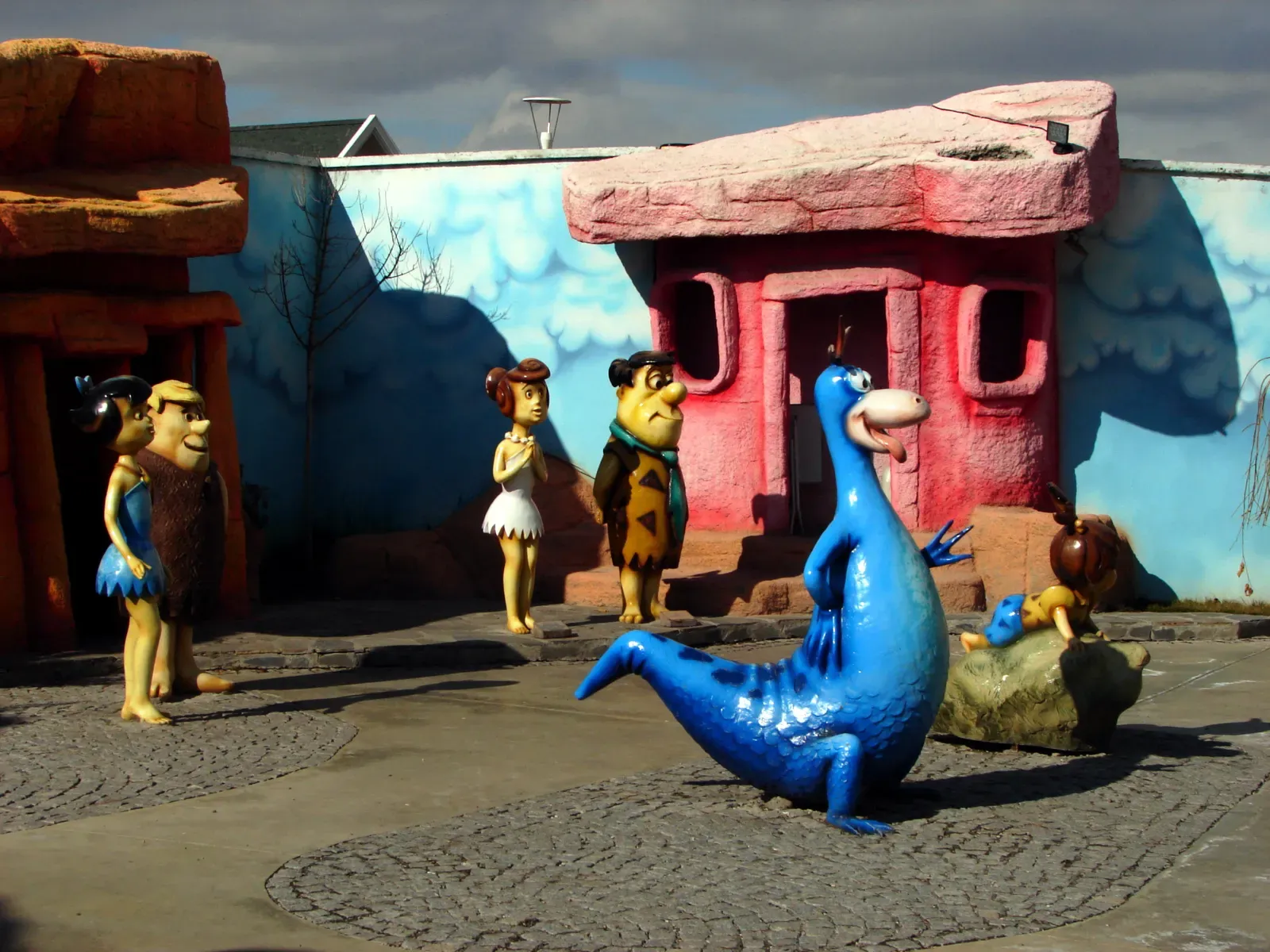
Even if your parents or grandparents first watched it, the Flintstones opening was still running like clockwork in the 80s and 90s: Fred sliding down the brontosaurus’ tail, racing home in his stone-age car, and shouting that famous one-word yell as the episode ended. For kids of that era, it often showed up as reruns on cable or local stations, blurring generations into one shared prehistoric fever dream. That final gag at the drive-in – where the car gets tipped by a comically oversized rack of ribs – burned itself into our brains as the ultimate cartoon punchline.
What made this moment iconic was the way it mashed up mid‑20th‑century suburbia with caveman tech in such a matter-of-fact way. Dinosaurs were lawn mowers, garbage disposals, and construction cranes, and nobody on-screen found that strange. Watching it as a kid, you subconsciously accepted the idea that prehistoric life could feel cozy, domestic, and even aspirational. It was less about scientific accuracy and more about a vibe: the Stone Age, but with bowling night, traffic jams, and a family car that needed a good running start.
2. Barney the purple “dinosaur” and the I-love-you song
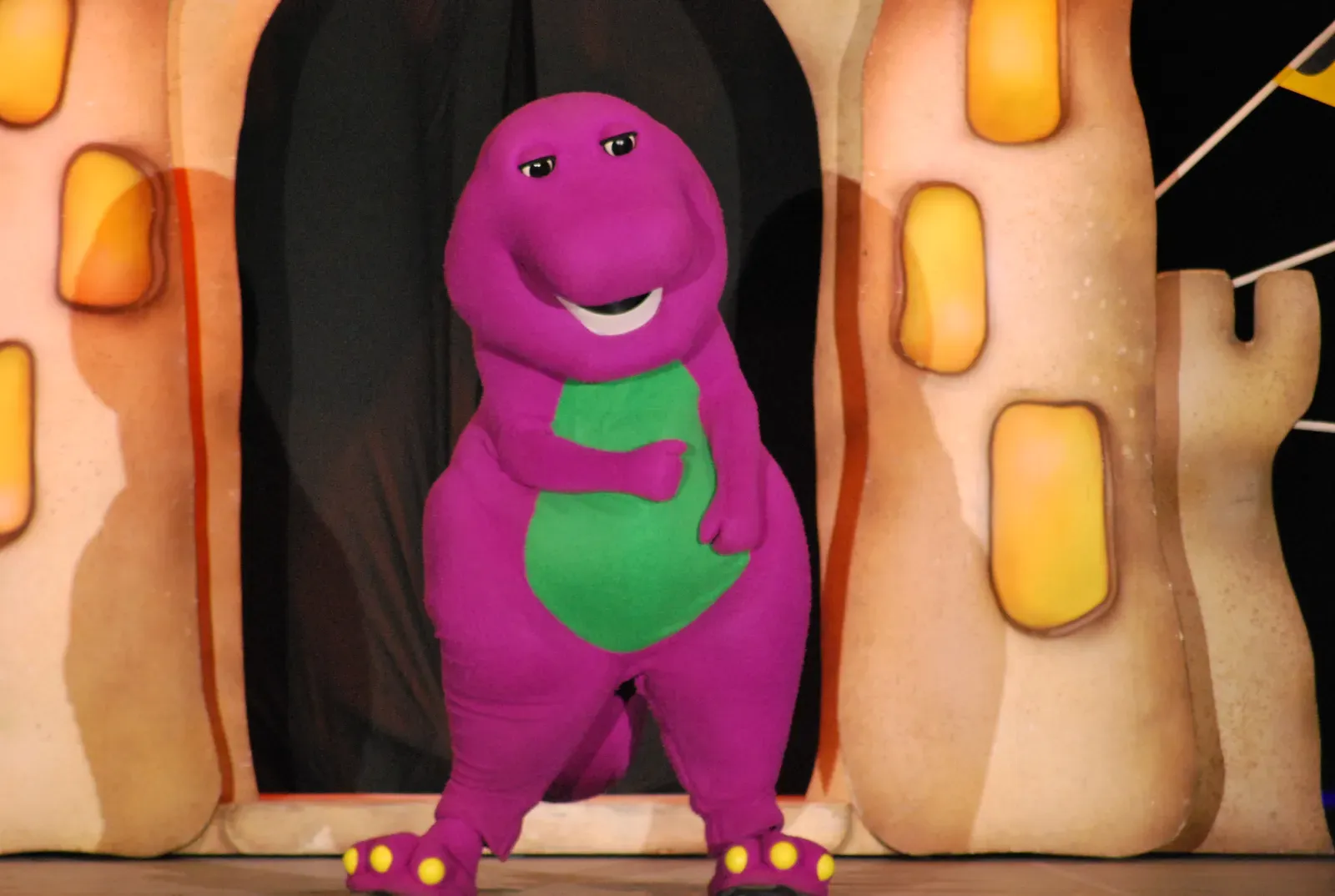
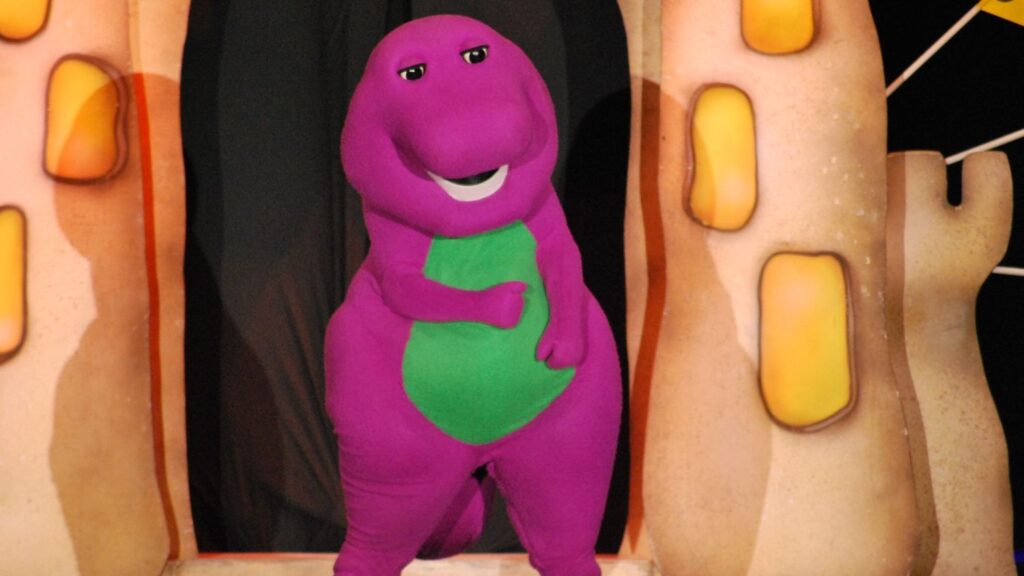
For younger 90s kids, your first dinosaur was not a roaring T. rex; it was a bright purple, endlessly patient thing named Barney. When he came “to life” from a stuffed toy into a full-costume character, it felt like actual magic, especially if you were small enough to believe your toys were secretly waiting for the right moment. The closing song, with the “I love you, you love me” refrain, turned prehistoric creatures from scary museum skeletons into literal symbols of unconditional comfort.
Looking back as an adult, it’s almost hilarious how completely un-scientific Barney is, yet how effective he was at anchoring the dinosaur obsession of the 90s. He was prehistoric in branding only, but he opened the door for kids to ask questions about real dinosaurs, fossils, and ancient worlds. You might roll your eyes now, but that soft-focus purple blur probably made you feel safer, kinder, and weirdly sentimental, even as you insisted to your older sibling that, no, you were too big for this show now.
3. The Land of the Lost’s stop-motion dinosaurs that were somehow terrifying
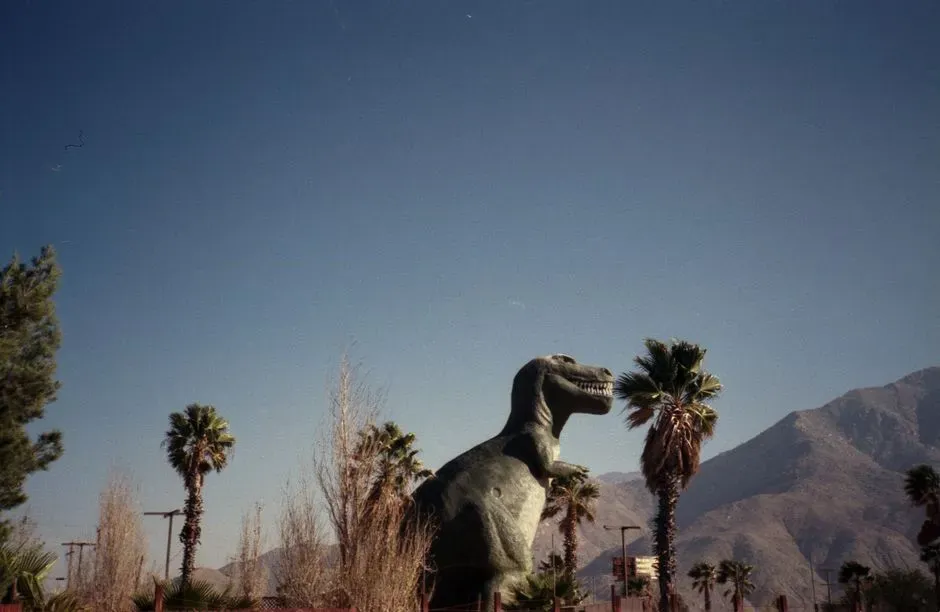
By the time many 80s and early‑90s kids caught Land of the Lost, it was already in reruns, but that did not make it any less unsettling. The show’s stop-motion dinosaurs, with their jerky movements and rubbery roars, were technically outdated even then, yet they hit a strange sweet spot between fake and nightmare fuel. For a lot of kids, this was the first time dinosaurs on TV felt like genuine threats instead of friendly mascots.
What made those scenes so memorable was how low-budget ingenuity accidentally made things creepier. The combination of miniature sets, strange lighting, and that slightly off motion made it feel like you were peeking into some uncanny alternate reality. Even if you knew it was cheesy, the image of a towering T. rex lunging at the tiny human characters had enough weight to keep you watching, half-excited and half-ready to hide behind the couch cushion.
4. Dinosaurs (the sitcom) and Baby Sinclair’s “Not the mama!” chaos
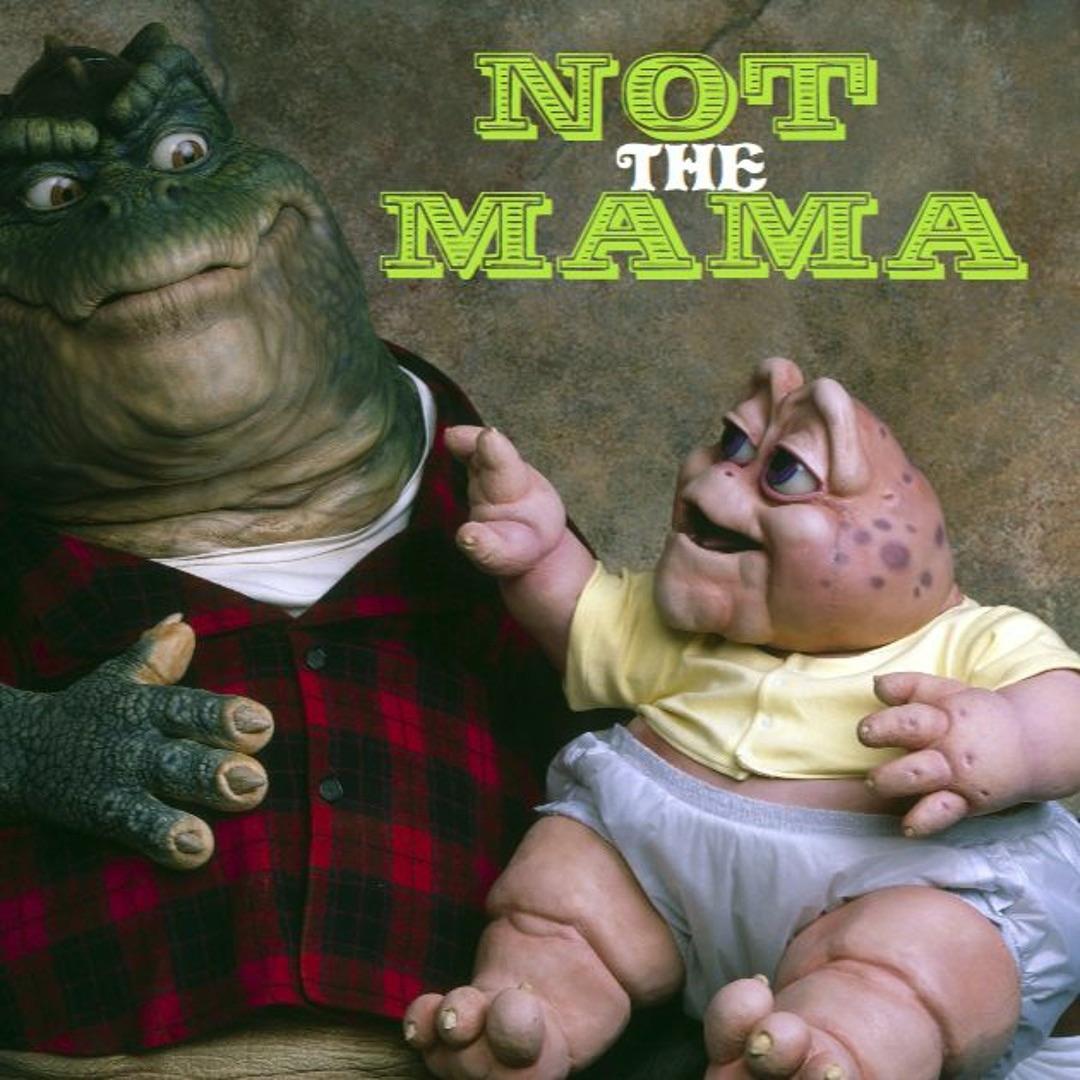
When the sitcom Dinosaurs hit in the early 90s, it felt like someone had smashed together The Flintstones, The Simpsons, and a Jim Henson creature shop and just let the result run wild. The runaway star was Baby Sinclair, whose constant shrieks of “Not the mama!” while clobbering his dad with a frying pan turned into an immediate playground catchphrase. For many kids, this was their first taste of prehistoric life with an actual attitude problem.
The show wrapped surprisingly sharp social commentary in foam rubber and animatronics: consumerism, environmental destruction, and family dysfunction were all lurking behind the laughs. But as a kid in front of the TV, what landed most was the visual slapstick and the weird joy of a dinosaur baby openly rebelling against his parents. It felt rebellious and a little bit edgy, as if you were getting away with something just by watching these creatures scream at each other in their perfectly ridiculous stone-age living room.
5. The dramatic ending of Dinosaurs: the family facing the Ice Age
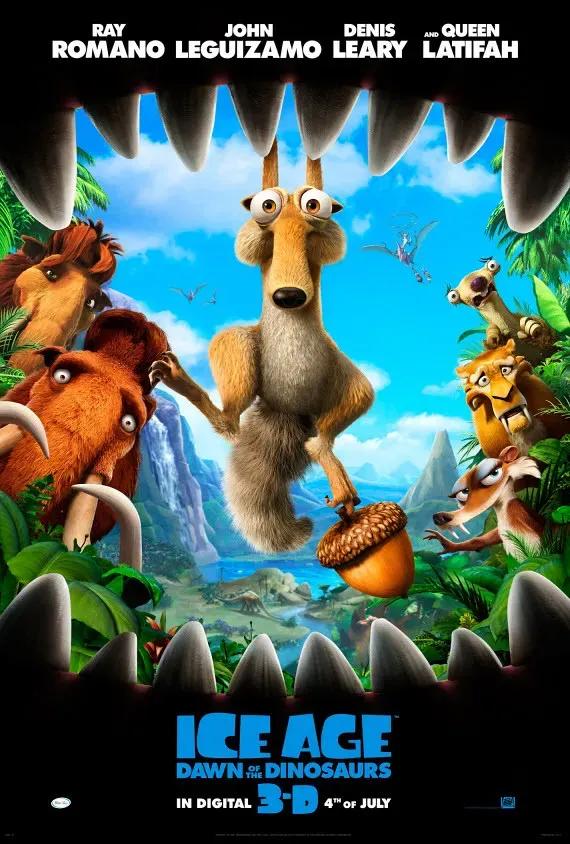
If you stuck with Dinosaurs all the way to its infamous finale, you probably remember it as one of the first times a TV show straight-up gutted you emotionally. In the final episode, the Sinclair family realizes that their society’s environmental recklessness has triggered catastrophic climate changes, and the world is slipping into an artificial Ice Age. The last images of the family huddled together as snow falls and their home grows colder were haunting in a way kids’ TV almost never dared to be.
For many 80s and 90s kids, this might have been the first time a show refused to offer a neat, happy ending, instead leaning into the grim reality of extinction and consequence. It was prehistoric in the truest sense, connecting daily jokes about dinosaur life to the brutal truth that entire species can vanish. Seeing that as a kid planted a seed: the idea that our choices about the environment matter, and that even beloved characters are not guaranteed a rescue when nature finally pushes back.
6. Bill Nye the Science Guy explaining dinosaurs in the classroom TV cart era
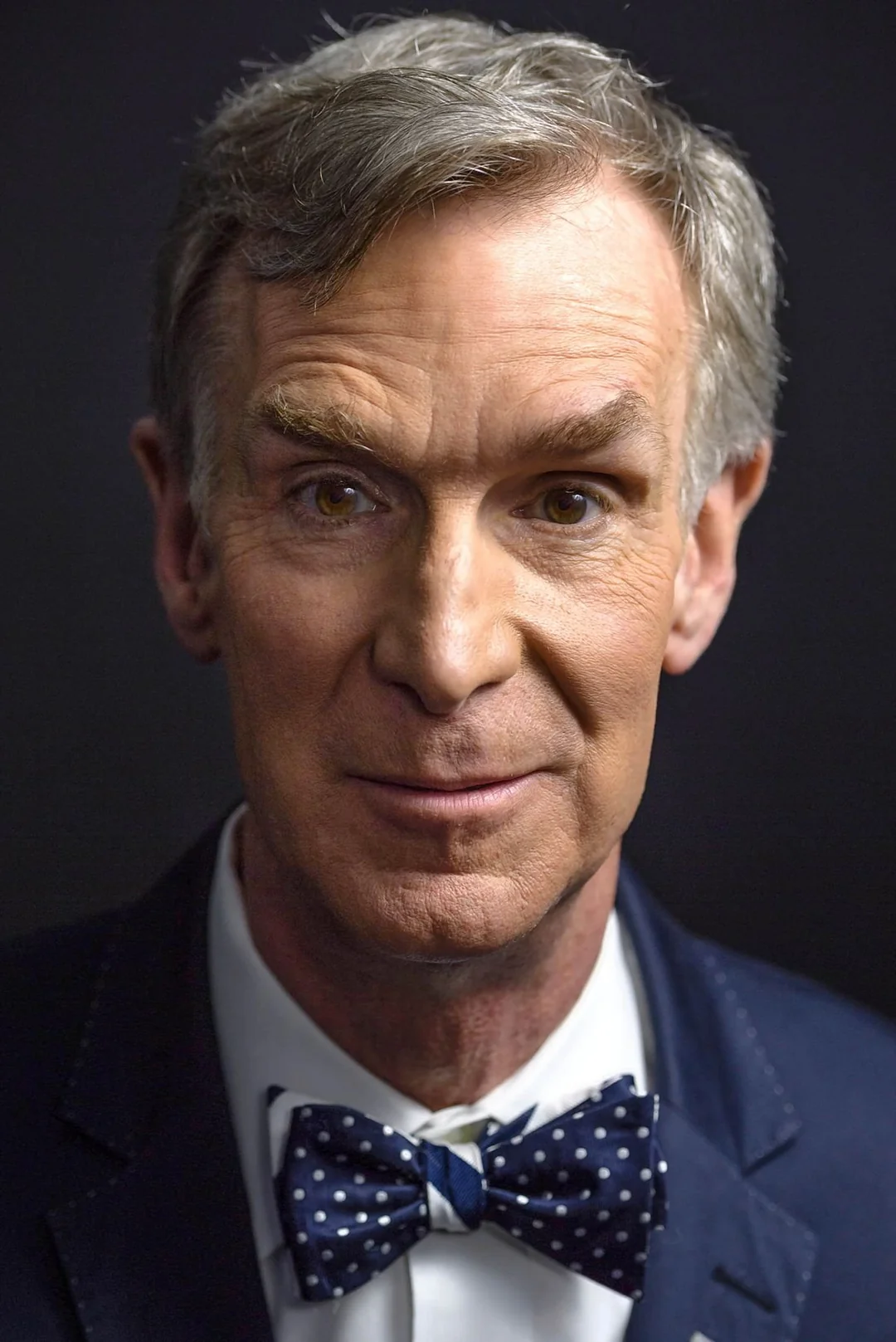
If you went to school in the 90s, the sight of a TV strapped to a metal rolling cart probably still triggers a small jolt of joy. That cart often meant one thing: Bill Nye the Science Guy. Dinosaur episodes were especially beloved, mixing goofball skits with surprisingly solid scientific explanations of fossils, extinction, and how paleontologists actually piece together ancient lives from scattered bones. It was one of the first times many kids heard that birds and dinosaurs were closely related, a fact that sounded almost too wild to be real.
These segments felt different from cartoons because they treated you like someone capable of understanding big ideas, not just absorbing dino roars. You saw real dig sites, genuine fossil casts, and animated sequences that tried to reconstruct how these animals moved and hunted. That combination of classroom setting, pop‑science energy, and prehistoric wonder turned dinosaur knowledge into something cool to know, not just something assigned in a dry textbook chapter.
7. Mister Rogers visiting a dinosaur museum and making fossils feel gentle
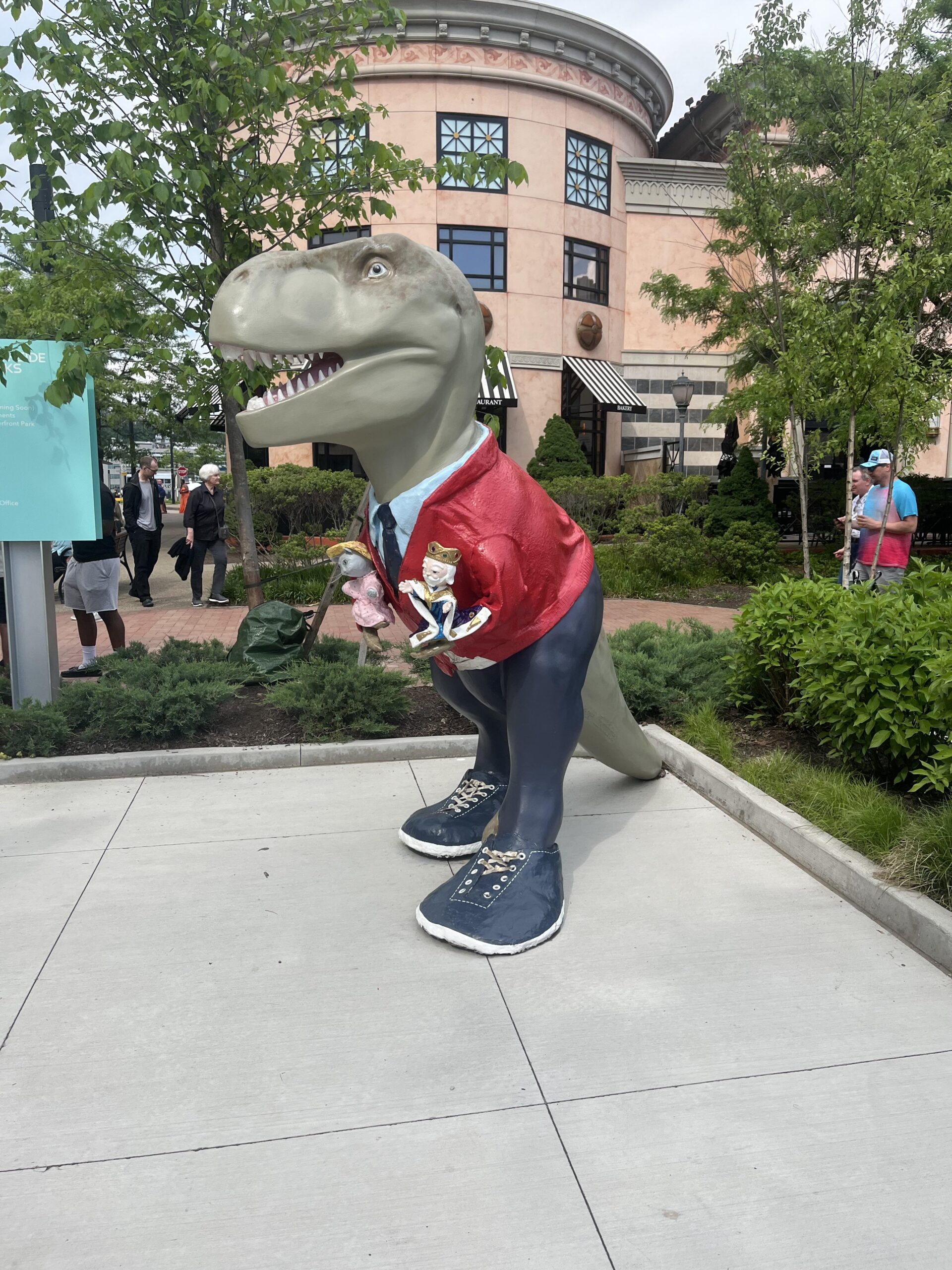
On the opposite end of the energy spectrum from loud science shows, there were the quiet museum visits on Mister Rogers’ Neighborhood. When Mister Rogers walked slowly through dinosaur exhibits, talked calmly with paleontologists, or showed how casts of fossils were made, he transformed towering skeletons from looming monsters into something almost tender. For a lot of sensitive kids, that was important, because giant skulls and teeth could feel intimidating at first glance.
What made those moments stick was the way he always connected the prehistoric past to very human feelings in the present: curiosity, fear, wonder. Instead of turning dinosaurs into pure spectacle, he framed them as part of a much larger story about time and change. You walked away not just thinking “dinosaurs were huge,” but also “people today can learn and care about things that vanished millions of years ago,” which is a surprisingly profound thought to absorb between snack time and nap time.
8. The stop‑motion walking T. rex in educational specials and intros
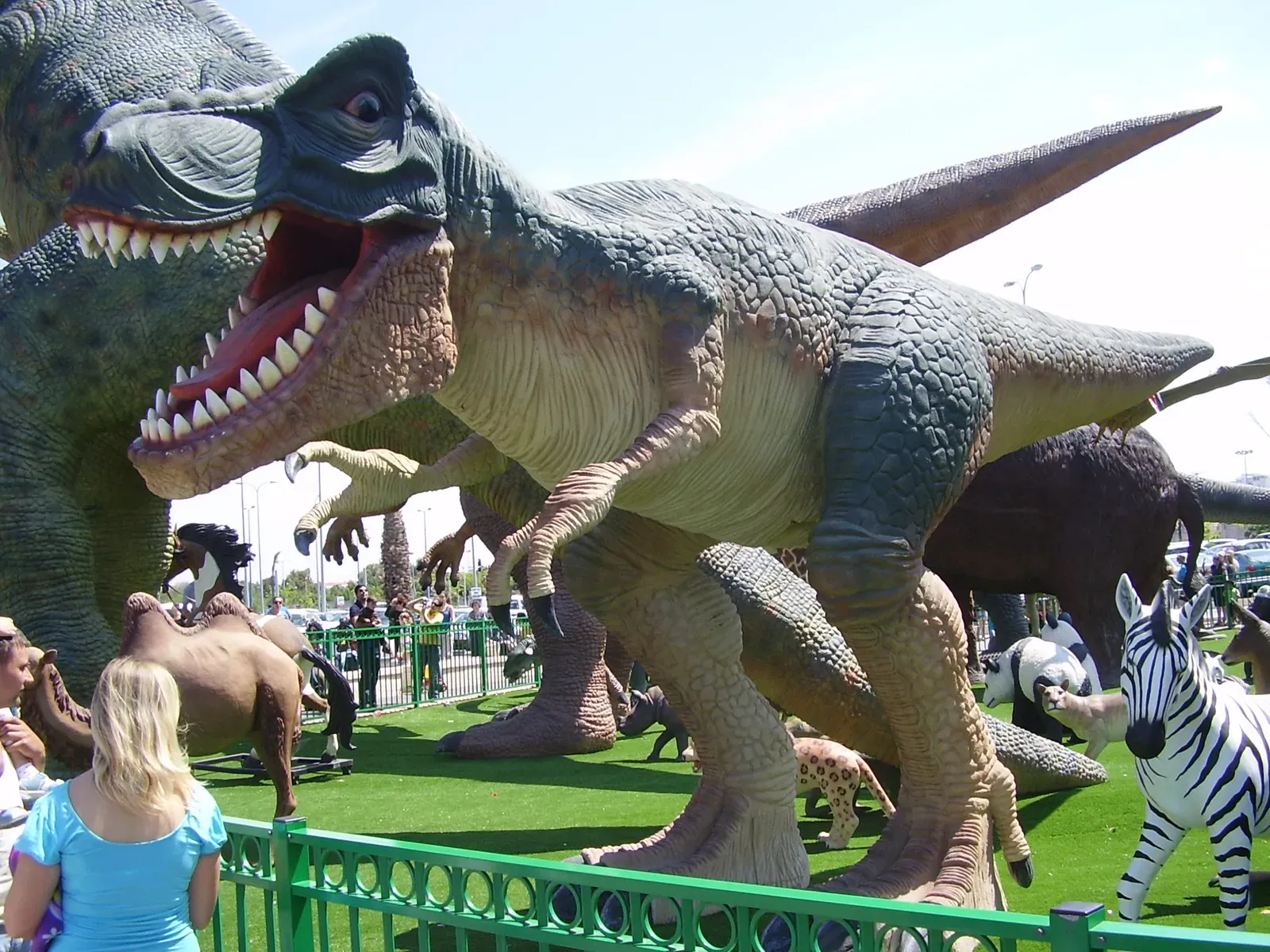
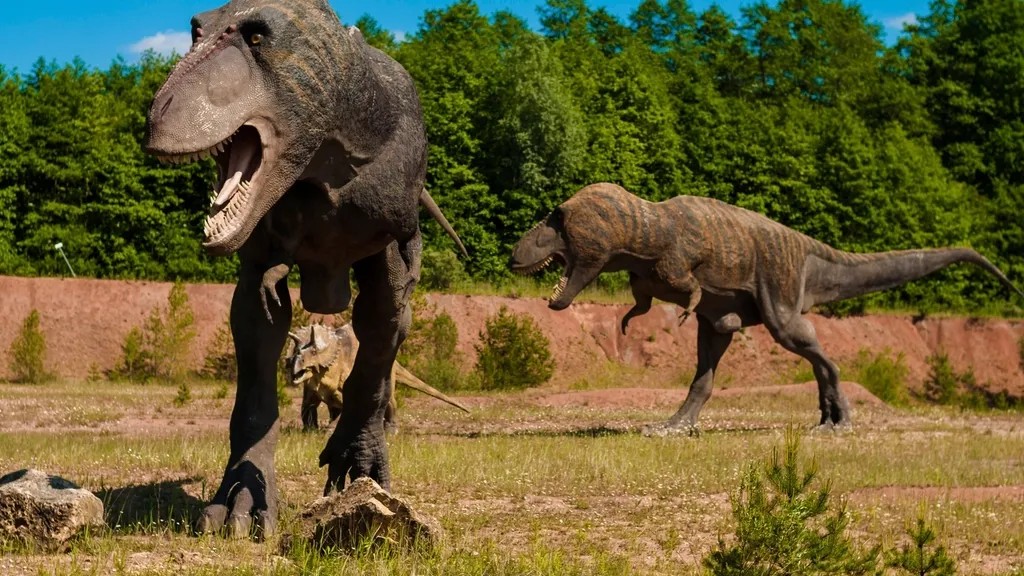
Before CGI took over everything, many 80s and early‑90s dinosaur specials leaned hard on stop-motion and practical effects. One of the most unforgettable recurring images was the stiff‑legged T. rex stomping across a miniature landscape, each frame painstakingly animated. You saw versions of this in documentary intros, school videos, and assorted science programming, and somehow it never got old. That slightly mechanical gait turned into a kind of visual shorthand: this is what a dinosaur looks like when it moves.
For kids who grew up before hyper-realistic digital creatures, that stop-motion T. rex carried a kind of tactile credibility. You could tell it was a model, but that almost made it feel more real, like you could imagine holding it in your hands. The combination of crackly narration, rumbling sound effects, and that lurching silhouette burned into the collective memory of the era, laying the groundwork so that when more advanced effects arrived, we already had a mental template for dinosaur awe.
9. Prehistoric segments in children’s cartoons like Denver, the Last Dinosaur
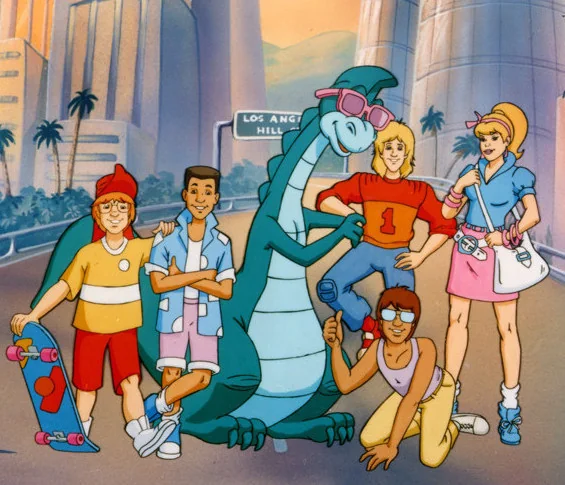
Not every prehistoric TV memory came from documentaries or full-on dinosaur shows. Cartoons like Denver, the Last Dinosaur blended modern kids with ancient creatures, usually through some kind of magical egg or time-warped pet. These shows loved tossing in flashbacks or dream sequences to the actual prehistoric age, with volcanoes bubbling in the background and pterodactyls swooping overhead. For a kid, these brief trips felt like a portal opening in the middle of a normal after-school story.
What made these moments iconic was their ability to fuse everyday 80s and 90s culture – skateboards, boom boxes, neon clothes – with hints of deep time. You would go from a mall food court to a lava field in a single scene change, and no one on-screen seemed especially bothered by the transition. That loose, playful approach made the prehistoric setting feel like another neighborhood you could visit rather than some unreachable, distant realm, and that familiarity stuck long after the credits rolled.
10. Documentary countdowns of “top dinosaurs” on cable science channels
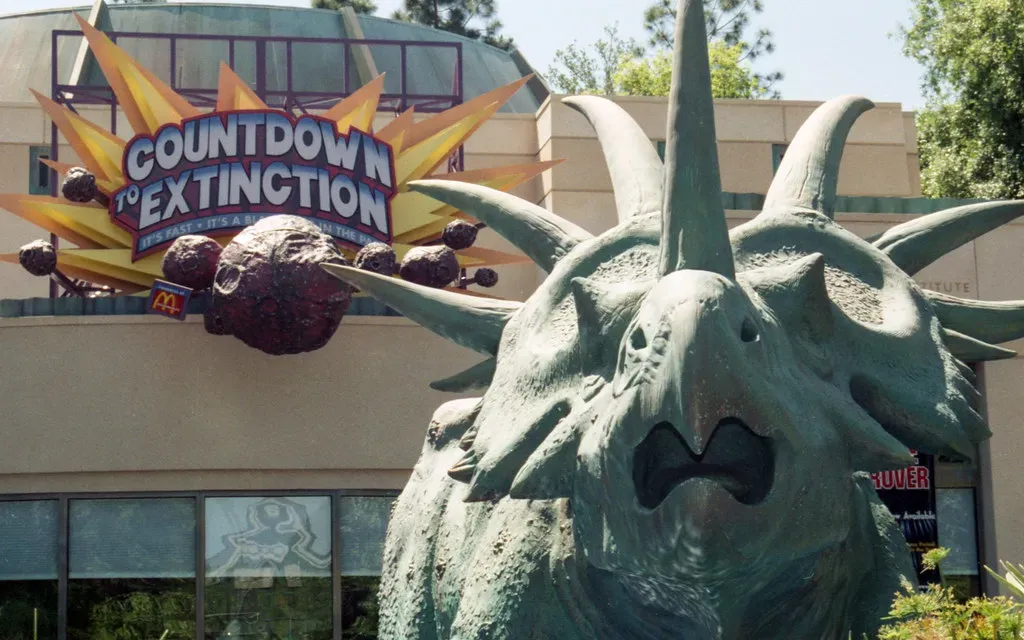
As cable science channels grew in popularity in the late 80s and throughout the 90s, countdown-style dinosaur specials became a quiet rite of passage for young nerds and curious night owls. These shows would rank the “meanest,” “biggest,” or “strangest” dinosaurs, complete with dramatic music, re-created scenes, and breathless narration. Sitting there at home, you would learn names like Triceratops, Velociraptor, and Stegosaurus, storing them away like secret codes to impress your friends later.
What made these countdowns so memorable was the blend of competition and education. Dinosaurs were no longer just background creatures; they had stats, rivalries, and storylines, almost like ancient athletes or superheroes. The segments typically featured paleontologists briefly explaining fossil evidence, mixed with re-enactments that tried hard to make the past feel immediate and dangerous. Even if the science was sometimes simplified, those shows cemented a sense that prehistoric life was not just old, but thrillingly alive in our imaginations.
Conclusion: Why these prehistoric TV moments still live rent‑free in our heads
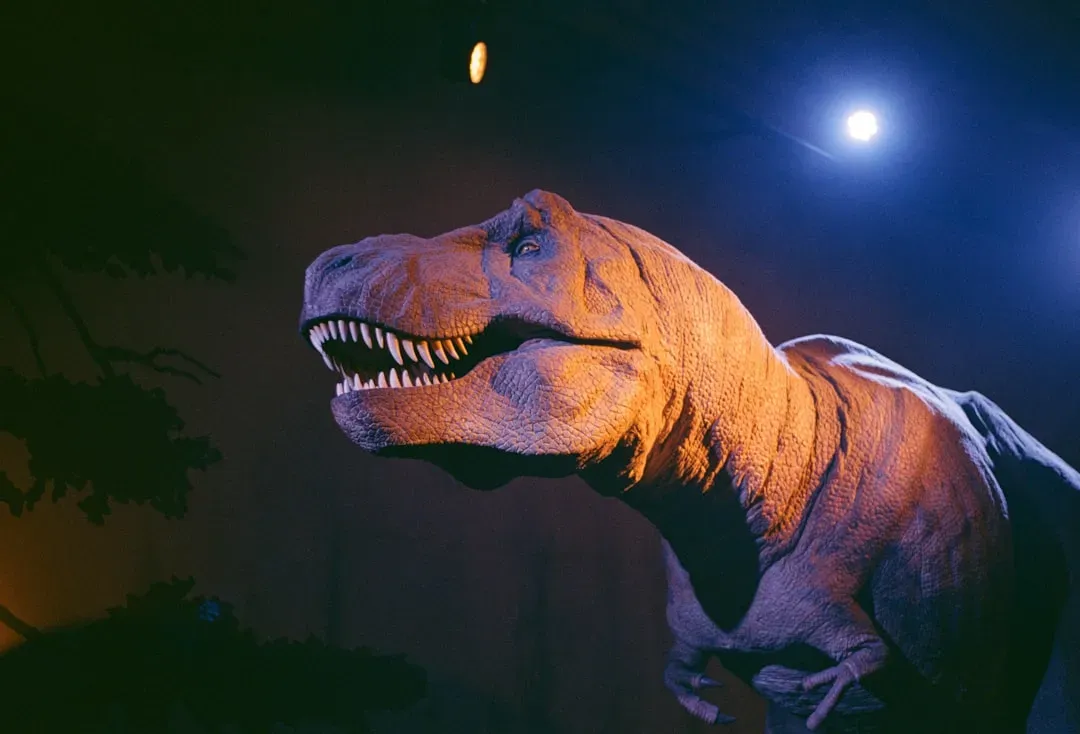
Looking back, what ties all these moments together is not just dinosaurs or cavemen, but the way 80s and 90s television turned prehistory into an emotional playground. The shows blended comedy, fear, science, and fantasy without worrying too much about drawing clean lines between them. You could learn about extinction one moment, laugh at a baby dinosaur whacking his dad the next, then be quietly moved by a family facing an endless winter. That mix gave prehistoric worlds weight and warmth, making them feel less like dusty museum exhibits and more like alternate timelines we briefly got to visit.
Personally, I still feel a strange tug when I see a fossil display or hear that old-fashioned narrator voice talking about “millions of years ago.” It instantly calls back those afternoons and evenings when the TV made ancient Earth feel almost familiar, like an older cousin of our own world. In a media landscape now packed with hyper-detailed CGI and endless content, those rough‑edged, heartfelt prehistoric TV moments stand out even more. They were imperfect, sometimes silly, occasionally profound, and they helped shape how an entire generation imagines the deep past. Which one of these would you have remembered first the moment someone said, “Think of dinosaurs on TV”?