If you grew up on school textbooks and old Western movies, there is a good chance most of what you “know” about Native peoples in North America is either wildly incomplete or just plain wrong. So many of the most important facts are either skimmed over in a quick paragraph or buried under stereotypes that refuse to die. Once you start looking more closely, the real picture is far more complex, scientific, and frankly much more impressive than the cardboard images a lot of us were handed as kids.
What follows is not a greatest-hits list of trivia, but ten core facts that shift how you see the entire continent, past and present. Some of these points might surprise you, some might make you angry, and a few might leave you wondering how on earth this is not common knowledge already. Read them anyway. If you live in North America in 2026, understanding whose land you are on, what has been done here, and what is still being done now is not a niche curiosity. It is basic literacy.
1. North America Was Densely Populated Before Europeans Arrived
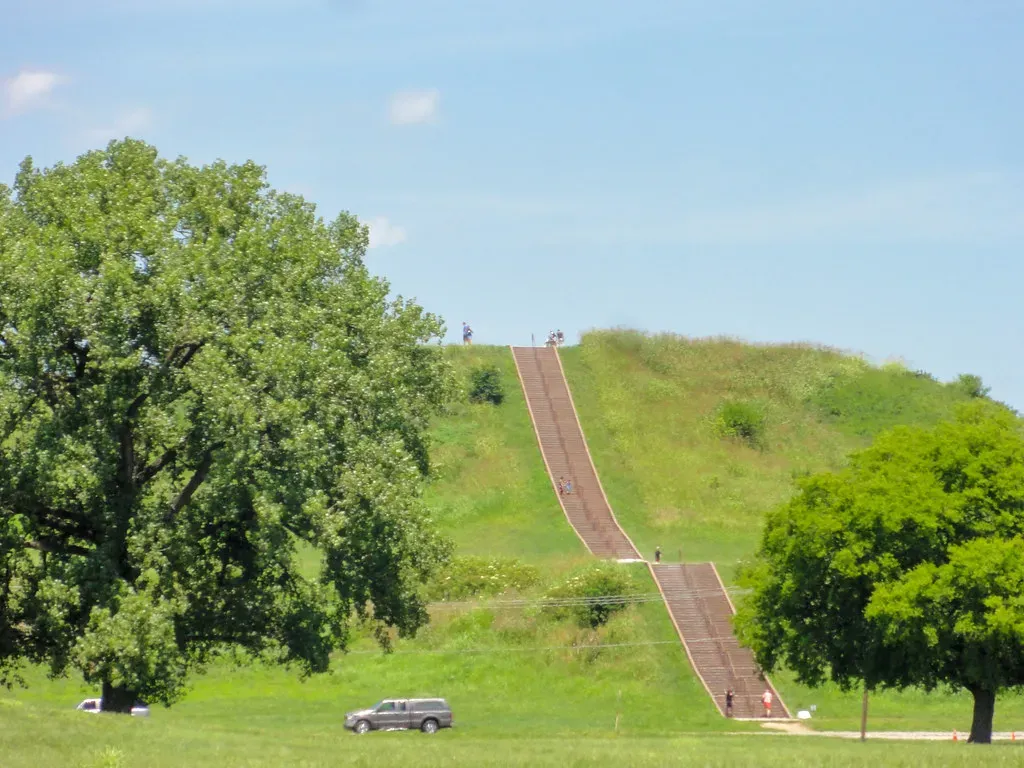
The old image of an almost empty continent sprinkled with a few “nomadic tribes” is one of the biggest myths in American history. Before European contact, Indigenous nations across what is now the United States, Canada, and Mexico had large populations, with sophisticated towns and cities, extensive trade networks, and managed environments. Archaeologists and historical demographers estimate that tens of millions of people lived across the Americas before disease and colonization, with North America holding a significant share of that population.
Evidence of this is literally in the ground. Huge earthwork complexes in places like Cahokia in present‑day Illinois, large villages along the Pacific Northwest coast, agricultural towns in the Southwest, and dense settlements in the Southeast all point to thriving societies. These were not scattered camps in untouched wilderness; they were busy, organized communities shaping the land around them. Once you recognize that, it becomes impossible to see the story of “settling” the continent as anything other than replacing one densely populated world with another.
2. Many Indigenous Nations Practiced Advanced Agriculture And Landscape Management
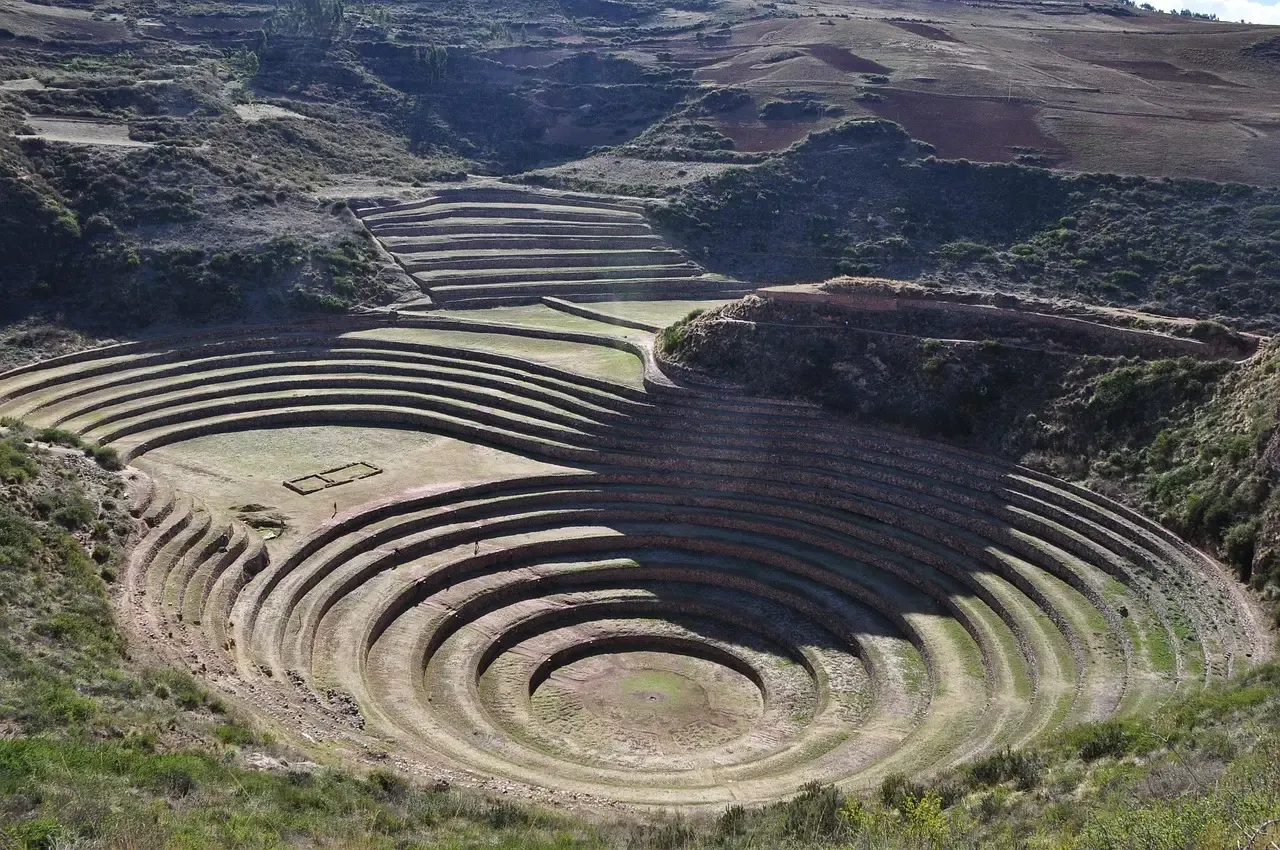
Another stubborn myth is that Native peoples simply “took what nature gave them” without actively shaping ecosystems. In reality, many nations were highly skilled agriculturalists and land stewards. Maize (corn), beans, squash, and a wide variety of other crops were selectively bred and cultivated over countless generations, turning wild plants into the staple foods that still feed much of the world today. Agricultural fields, orchards, and seed saving practices show a deep, experimental relationship with plants and soils.
Beyond crops, Indigenous communities used techniques such as controlled burns to maintain grasslands, reduce catastrophic wildfires, and support game species. Forests, prairies, and wetlands were managed in ways that boosted biodiversity and stability rather than exhausting them. When modern ecologists and fire scientists talk about “traditional ecological knowledge,” they are essentially catching up to systems that successfully sustained people and landscapes for centuries without the industrial machinery we now assume is necessary.
3. There Are Hundreds Of Distinct Nations, Not One Generic “Native American” Culture
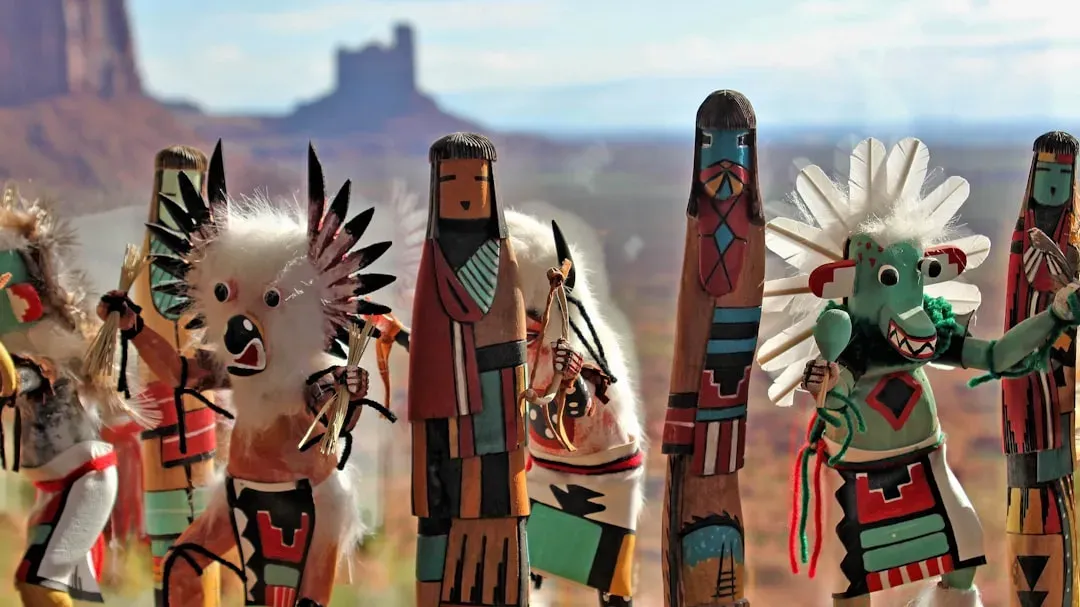
When people say “Native American” in the singular, it is a subtle sign of how deeply mainstream culture has flattened diversity into a stereotype. Across North America there are hundreds of distinct Indigenous nations, each with their own languages, social systems, spiritual frameworks, and histories. The Haudenosaunee in the Northeast, Diné (Navajo) in the Southwest, Anishinaabe in the Great Lakes region, Inuit across the Arctic, Coast Salish in the Pacific Northwest, and many others are as different from each other as European nations are from one another.
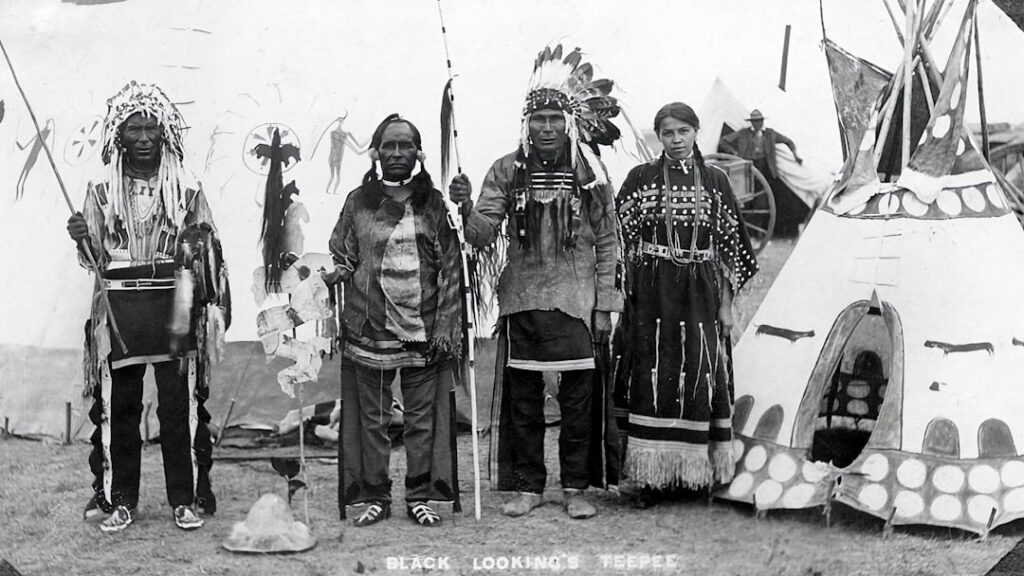
This diversity shows up in everything from housing styles and art to political structures and technologies. Some nations traditionally lived in large permanent towns, others in seasonal rounds following salmon or caribou, and others in complex trade-centered networks. When all of this is compressed into a single “Native” image – feathers, tipis, horses – the result is not just inaccurate, it is erasure. Respect starts with recognizing that there is no one Indigenous experience, and that every blanket label hides a huge amount of specificity.
4. Indigenous Confederacies Influenced Democratic Thought
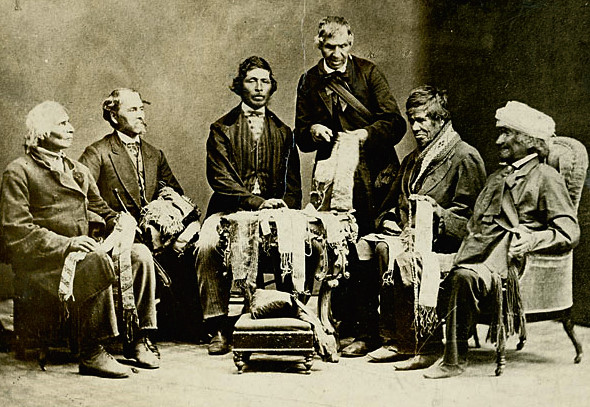
A fact that still surprises many people is that some Indigenous political systems in North America were remarkably complex, with formal councils, laws, and diplomatic protocols. The Haudenosaunee Confederacy (also called the Iroquois Confederacy) is a famous example: several nations united under a shared constitution and council system long before European colonists began building their own political institutions. Their governance emphasized shared decision‑making, consensus, and long‑term responsibility.
Scholars and historians have argued that European thinkers and early American colonists were aware of these systems and drew inspiration from them, especially when imagining federations of states and ideas of checks and balances. While this influence is sometimes exaggerated in popular retellings, it is equally wrong to pretend it did not exist at all. At the very least, Indigenous political thought offered real-life examples of complex, multi-nation democracies functioning on this continent well before any European-style republic appeared.
5. Epidemics Devastated Populations Long Before Many Face‑To‑Face Encounters
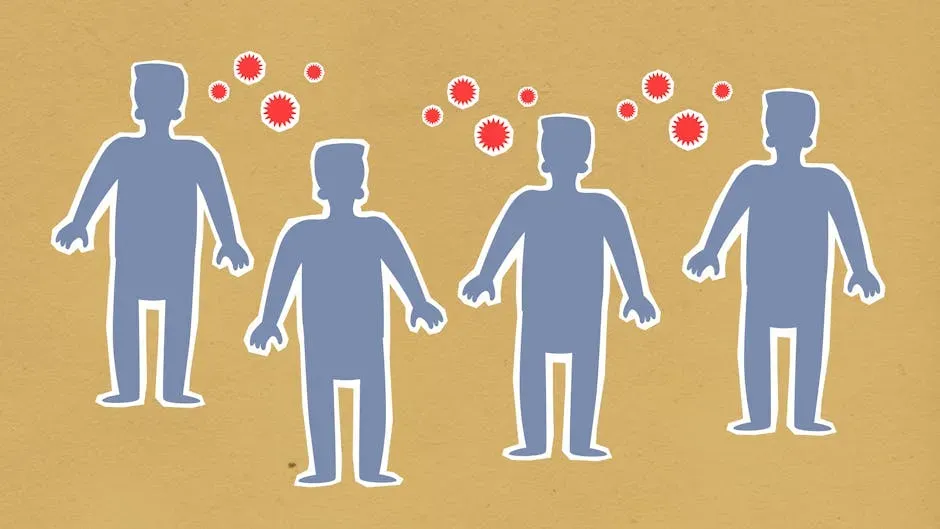
One of the most heartbreaking and misunderstood facts is how much disease shaped the early contact period. Old World diseases like smallpox, measles, and influenza swept across Indigenous trade routes faster than European settlers themselves. Whole communities were decimated before they ever saw a European person, because infections moved from group to group through existing travel and trade networks. Some regions saw catastrophic population drops within a few generations.
This means that early European accounts of “empty” or sparsely populated areas were often descriptions of landscapes that had already gone through waves of epidemic collapse. Imagine trying to understand a city after a series of deadly pandemics with no context, and then claiming it was always that quiet. That is essentially what happened here. You cannot make sense of the later wars, alliances, and adaptations of Indigenous nations without understanding that they were already navigating trauma and demographic chaos caused by disease.
6. Treaties Are Living Legal Agreements, Not Ancient Relics

It is easy to think of treaties between Indigenous nations and colonial or federal governments as yellowed documents from a distant past. In reality, these agreements are still active legal instruments that shape land rights, resource use, and sovereignty today. Many of them guaranteed specific rights – like hunting and fishing in traditional territories, or self-governance – that have been repeatedly violated, contested, and defended in courts into the twenty‑first century.
Modern legal battles over pipelines, water rights, and land claims are not just political protests; they are often centered on the enforcement of treaties that governments themselves signed. When Indigenous leaders and communities say they are demanding that treaties be honored, they are not asking for favors or symbolic acknowledgments. They are asserting the same expectation anyone would have when a signed contract is broken: that the other party live up to their own word.
7. Indigenous Languages Hold Sophisticated Knowledge Systems

Across North America, Indigenous languages encode entire ways of seeing the world that cannot be fully translated into English, French, or Spanish. These languages often carry precise ecological knowledge, kinship concepts, and ethical frameworks that evolved over centuries in close relationship with specific landscapes. When a language is lost, it is not just a set of words disappearing, but an entire knowledge system and worldview being silenced.
Today, language revitalization is one of the most powerful and hopeful movements in many communities. Immersion schools, online courses, community classes, and new media in Indigenous languages are bringing words, songs, and place names back into daily life. I have sat in rooms where elders and kids laughed together over the right way to say a phrase, and it felt less like a classroom and more like watching a fractured mirror slowly reassemble. Saving a language is not nostalgia; it is a strategy for cultural, intellectual, and emotional survival.
8. Indigenous Knowledge Is Central To Modern Environmental Science
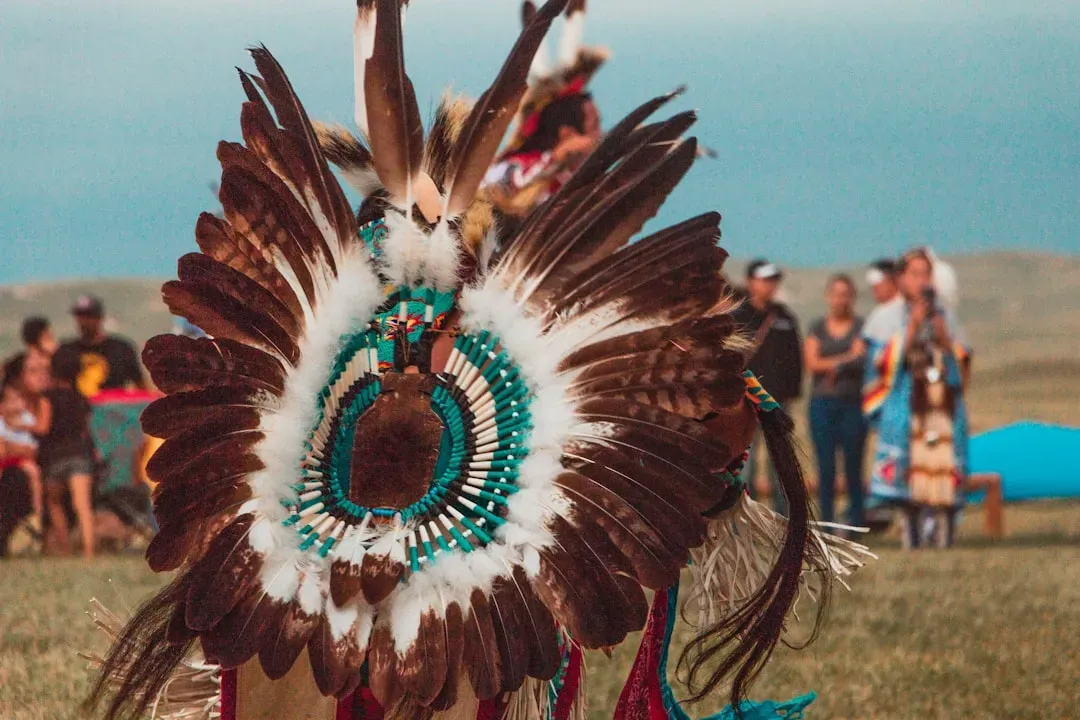
Scientists and policymakers are increasingly recognizing that you cannot talk seriously about climate resilience, biodiversity, or sustainable resource management without including Indigenous knowledge. This is sometimes called traditional ecological knowledge, but that phrase can make it sound static, as if it froze centuries ago. In reality, these knowledge systems are dynamic, observational, and evidence‑driven, refined through trial and error over countless generations living in the same ecosystems.
From fire management practices in the West, to fisheries management on the Pacific coast, to caribou and ice knowledge in the Arctic, Indigenous communities have detailed, long‑term observations that satellite data and short research projects simply cannot match. The uncomfortable truth is that much of what is being branded as new, innovative “nature-based solutions” echoes practices that Indigenous people never stopped advocating, even as those same practices were dismissed or criminalized by colonial governments. Listening now is not a generous gesture; it is overdue course correction.
Contemporary Native cultures are often treated like museum exhibits, as if real Indigenous life faded out sometime in the nineteenth century. That idea collapses instantly if you spend time in Native communities or even just pay attention to modern Native artists, scholars, and leaders. Indigenous people today are lawyers, scientists, rappers, teachers, coders, park rangers, nurses, and so much more, all while engaging with their languages, ceremonies, and community responsibilities in ways their ancestors would absolutely recognize.
You see this continuity and creativity in powwow circuits, in language apps, in land‑back campaigns, in film festivals, and in everyday community events that never make headlines. The fact that mainstream media still tends to highlight Native people only during conflict or tragedy says more about media habits than about Indigenous life. Reducing Native existence to either victimhood or romanticized tradition does not just miss the point; it denies the obvious reality that these nations are still here, still adapting, and still shaping the future.
10. Land Acknowledgment Is Not Enough Without Action
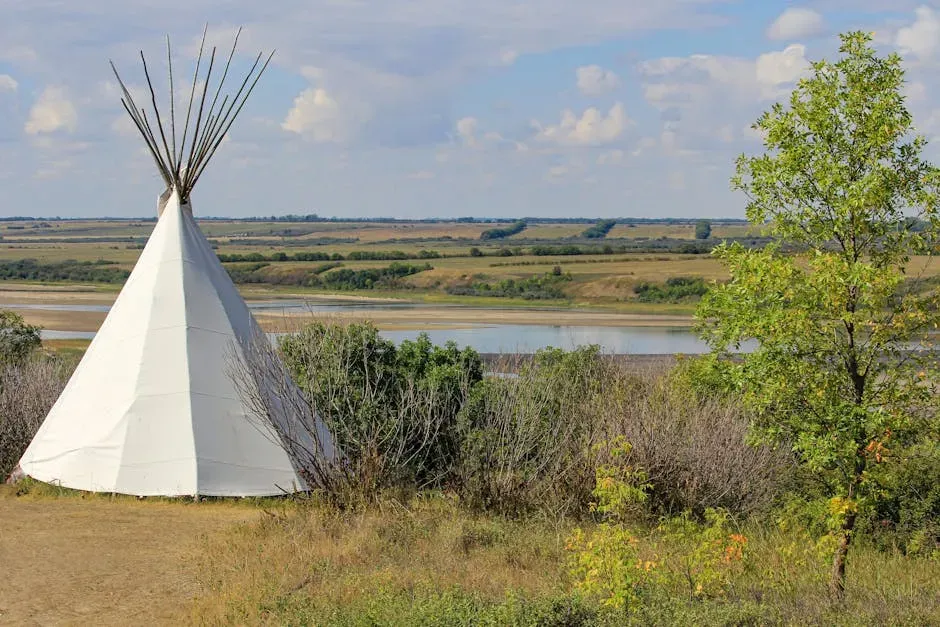
In recent years, land acknowledgments have become common at events, universities, and public institutions, where speakers name the Indigenous nations whose lands they are on. At their best, these statements can be a small step toward awareness, reminding people that colonial history is not ancient and that dispossession is an ongoing condition. But on their own, they can also feel like a way for institutions to feel morally tidy without changing anything material.
If acknowledging the original stewards of a place leads nowhere – no policy shifts, no support for Indigenous-led initiatives, no challenged assumptions – then it risks becoming a ritual of self-comfort. A genuine relationship to place and to Indigenous nations means asking harder questions: Who controls the land and the water? Who benefits from it? What would it look like to share power, resources, and decision‑making in real, enforceable ways? Without that kind of follow‑through, a land acknowledgment is a starting whisper that never grows into a conversation.
Conclusion: Knowing These Facts Should Change How You Live Here
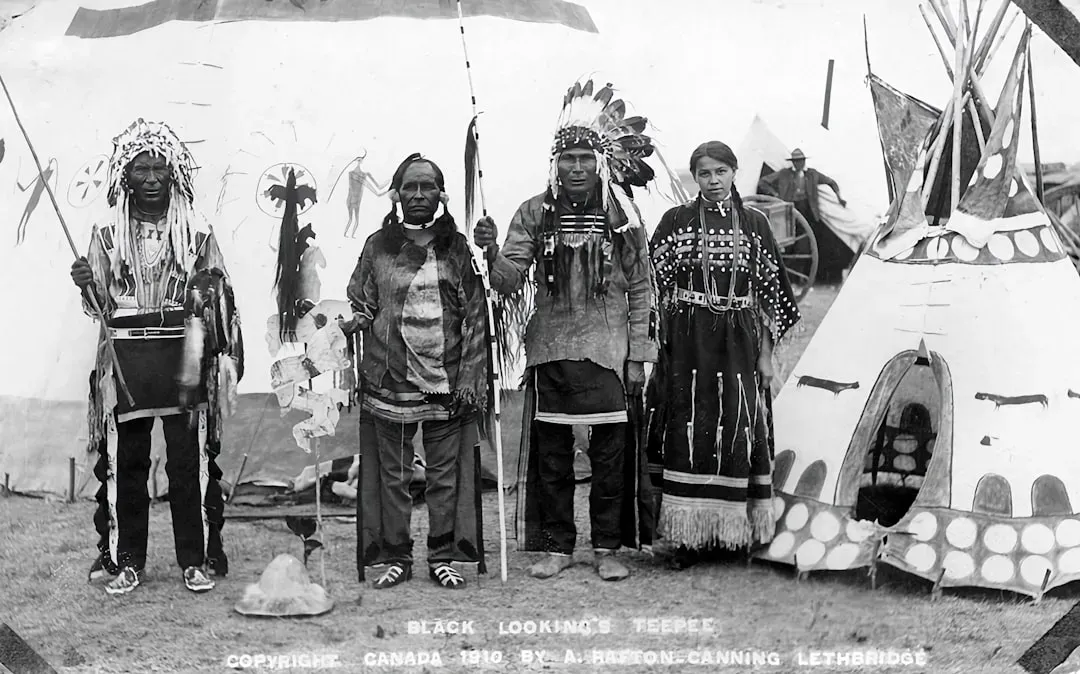
In my view, the most dangerous lie about Indigenous North America is not any single myth about tipis or “vanishing Indians,” but the quiet idea that all of this is purely historical. Once you realize this continent was crowded with nations, legally bound by living treaties, speaking hundreds of languages, and managing forests and rivers with incredible skill, you cannot honestly treat Native presence as a footnote anymore. These facts are not trivia; they are a mirror held up to everything from property law to environmental policy to how we tell our children the story of where they live.
That mirror can be uncomfortable, especially if you grew up on simple tales of heroic pioneers and empty frontiers, but discomfort is not a good enough reason to look away. The real question is what you do with this knowledge: whose voices you seek out, which policies you support, and how you talk about this land when no one is grading you. If living in North America in 2026 means anything, it should at least mean refusing to pretend that the original nations are ghosts instead of neighbors. Now that you know a little more, what are you going to do with it?