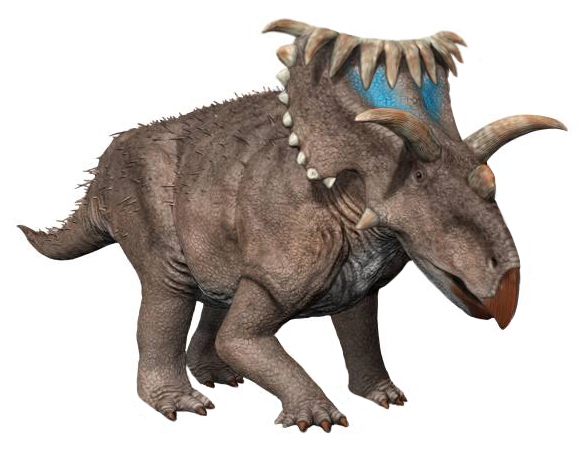
If you grew up humming that catchy Flintstones theme, there’s a good chance your first mental picture of “cavemen” was not from a museum, but from Bedrock. For a lot of us, dinosaurs wore saddles, dishes were washed by tiny mammoths, and traffic jams involved brontosaurs on the freeway. It sounds ridiculous when you spell it out, yet those images built a kind of default setting in our heads about what prehistory looked like.
The wild part is that a half-hour animated sitcom, designed mainly to be funny and sponsor-friendly, ended up acting like a stealth history lesson for millions of kids and adults. Not a good history lesson, but a powerful one. The Flintstones mashed together Stone Age humans, Jurassic giants, suburban life, and 1960s social norms into one bright, comfortable package. Once those images sink in early, they are surprisingly hard to shake. Let’s dig into how this accidental time-traveling sitcom quietly rewired the way a generation pictured the distant past.
Bedrock suburbia: When the Stone Age became the 1960s with rocks
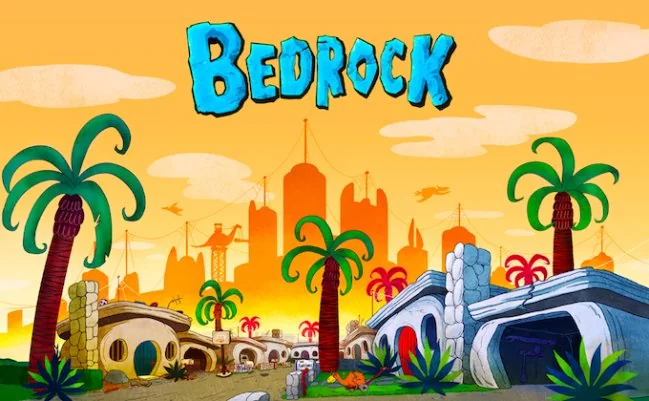
One of the most striking things about The Flintstones is how shamelessly it turned prehistory into a modern American suburb, just with more granite. Fred and Wilma live in a single-family home, have a car in the driveway, argue about money, watch TV, and worry about the boss. The show is less about mammoths and more about mortgages, and that blend made prehistory feel familiar, almost cozy. For a lot of viewers, “cavemen” stopped being mysterious ancestors and started looking like slightly grumpier neighbors in animal-print outfits.
Because the show aired for years in prime time and then endlessly in reruns, that Bedrock suburbia became a shared mental backdrop. When teachers mentioned “Stone Age people,” many kids instinctively pictured stone houses, rock telephones, and dinosaur-powered gadgets rather than the very different reality of small, mobile hunter‑gatherer groups. The idea that prehistoric life was basically the 1960s with worse plumbing and better dinosaurs slipped under the radar, because it was wrapped up in jokes, laugh tracks, and catchy theme music.
Humans and dinosaurs: The mashup that never actually happened
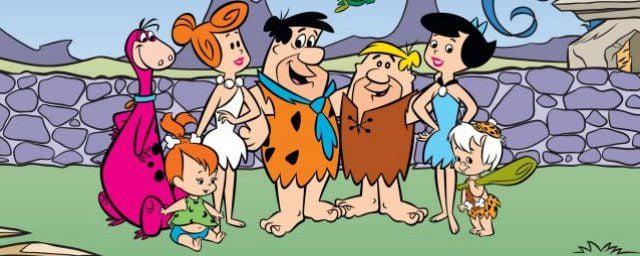
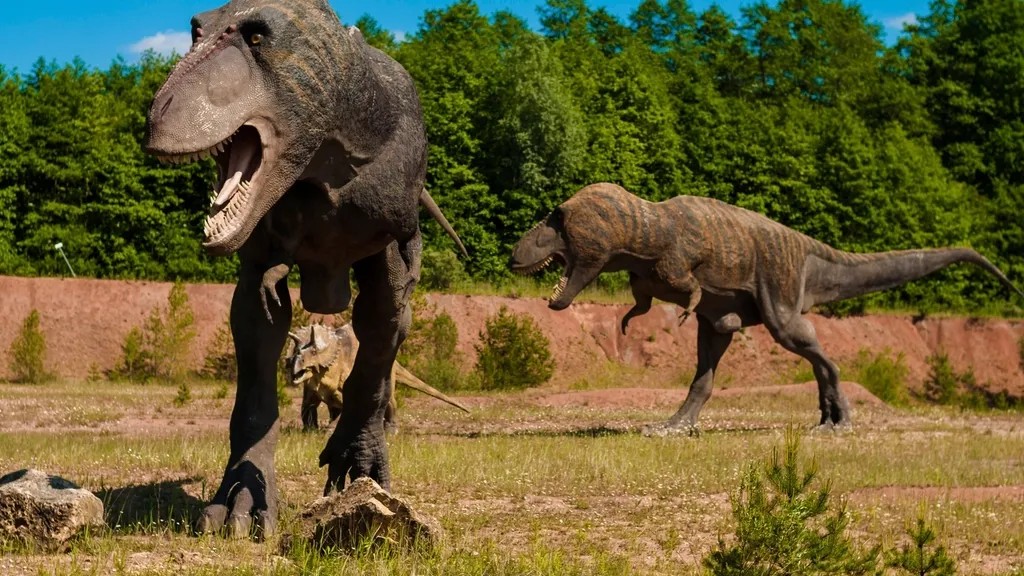
The single biggest scientific problem in The Flintstones is the image that humans and dinosaurs lived side by side, chatting over the backyard fence. In the real fossil record, non‑avian dinosaurs died out tens of millions of years before the first anatomically modern humans appeared. Yet Bedrock is full of brontosaur cranes, triceratops lawnmowers, and pterodactyl record players, all working like slightly disgruntled appliances. When that kind of imagery is your first exposure to “prehistory,” it leaves a deep groove in memory, even if you later learn it is wrong.
What is fascinating is how this playful anachronism blurred the line between science and fantasy for a whole generation. Kids could visit a natural history museum and still half‑expect a caveman to be hiding behind a T. rex skeleton. Even as schools explained timelines, The Flintstones’ dino‑neighbors kept popping up in the mental slideshow. The show did not set out to miseducate anyone, but by normalizing human‑dinosaur coexistence as just another running gag, it made a scientifically impossible world feel strangely plausible, especially in young imaginations.
Gender roles in animal skins: Prehistory wearing mid‑century values
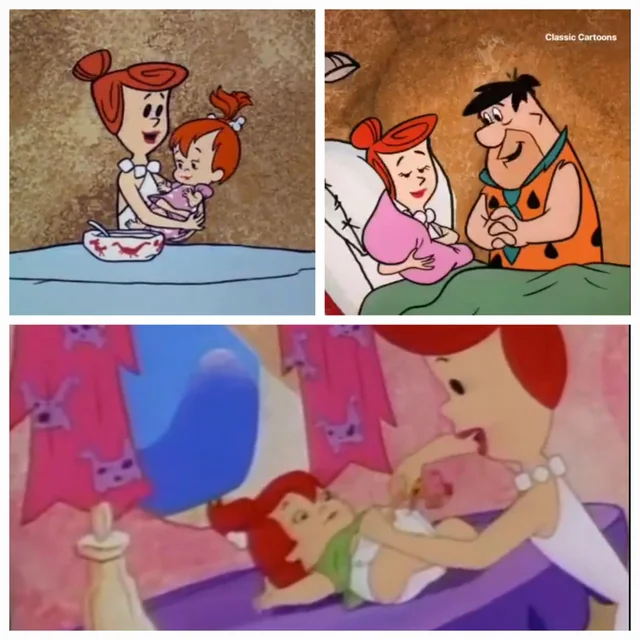
The Flintstones did not only reshape how people pictured rocks and reptiles; it also smuggled 1960s gender expectations into the distant past. Fred goes to work in the quarry, Wilma stays home, cooks, raises Pebbles, and manages the social life. The Rubbles next door mirror the same pattern. In Bedrock, men are breadwinners and women are homemakers, as if that arrangement were as ancient and natural as stone tools. For many viewers, that gave the impression that strict gender roles were not a modern construct, but something as old as humanity itself.
Anthropologists, of course, paint a much more varied and flexible picture of actual prehistoric societies. Yet the Flintstones’ version, beamed into living rooms for years, quietly reinforced the idea that “that’s just how people have always lived.” I remember as a kid just assuming cavewomen stayed in caves while cavemen went out with clubs, because that was what TV showed. It took learning about real hunter‑gatherer cultures to realize how narrow and modern that cartoon script actually was. Bedrock turned specific mid‑century norms into something that felt timeless, and that illusion stuck with a lot of us longer than we like to admit.
“Caveman” technology: Clever gags that warped our sense of innovation
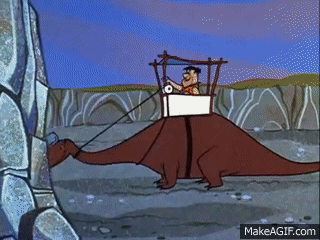
The show’s running joke of “modern” technology reinvented with rocks, bones, and animals is still brilliant. Dishwashers are tiny elephants, cameras are little birds chiseling on stone, and record players have beaks for needles. Those visual puns made gadgets feel universal, as if every era naturally wanted the same conveniences: cars, washing machines, bowling alleys, TV, and golf courses. In Bedrock, technological progress is not a slow, messy climb; it is a quick stone‑age reskin of whatever Americans already owned in the 1960s.
This plays a subtle trick on our sense of how innovation really works. Real prehistoric people did develop extraordinary technologies, from fire and clothing to complex tools and art, but their priorities were survival and adaptation, not weekend golf and traffic jams. By seeing the Stone Age as a kind of rough draft of suburbia, viewers could easily overlook how radical and different early human innovation truly was. Instead of trying to understand prehistoric tools on their own terms, many of us unconsciously compared them to Bedrock’s gag inventions and assumed ancient life was basically low‑budget modern life with more grunting.
From kids’ TV to cultural shorthand: How Bedrock became the default caveman image
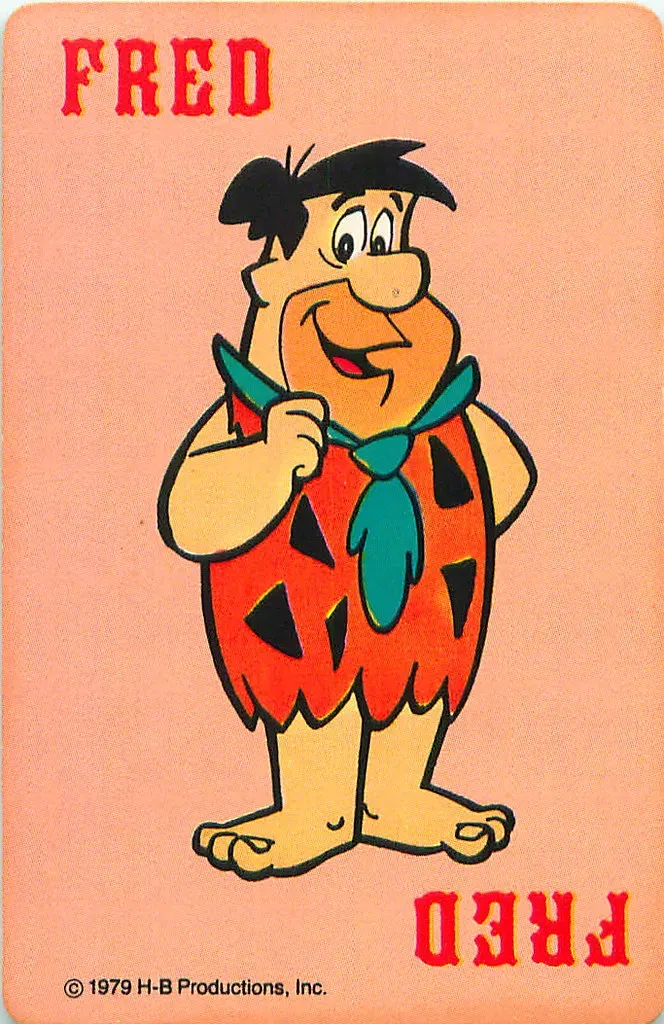
Over time, The Flintstones stopped being just a cartoon and turned into a kind of cultural language for anything “prehistoric.” Advertisers leaned on Fred and Barney to sell vitamins, cereal, and more. Other shows borrowed the same visual jokes: fur outfits, stone cars, dinosaur pets, big stone houses. The result is that when people think “caveman,” they do not imagine a specific scientific period like the Paleolithic; they imagine a fuzzy composite that looks suspiciously like Bedrock, whether they realize it or not.
You can see this in how people casually talk about technology or habits as “Stone Age,” often imagining something closer to Fred’s life than to real archaeological evidence. Jokes about “living in the Stone Age” rarely involve nomadic bands, complex tool kits, or sophisticated knowledge of animals and plants. Instead, they call up images of clumsy guys in rough tunics dragging clubs and coming home to a rocky little suburb. Once a cartoon aesthetic becomes shorthand in jokes, ads, and memes, it quietly cements itself as the default mental icon, nudging genuine prehistory further into the background.
Relearning prehistory: Untangling Bedrock from the fossil record
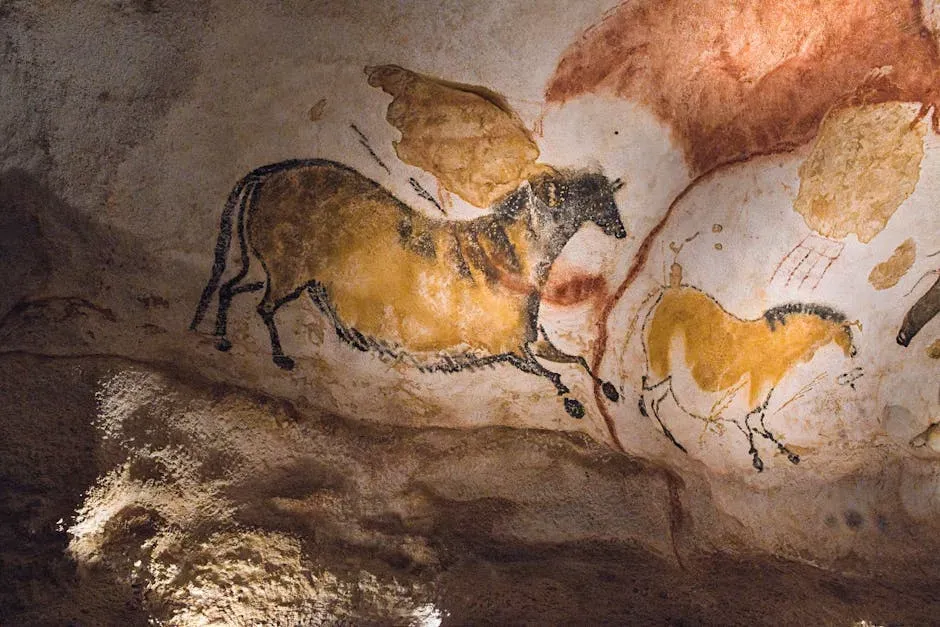
Many adults eventually hit a strange moment of cognitive dissonance: you read or watch something about early humans, and realize how wrong your Flintstones‑shaped mental picture actually was. No dinosaurs. No suburban homes. No stone “cars” that you power with your feet. Instead, you find complex migration stories, climate shifts, language emerging, art in caves, and diverse social structures that do not fit Fred and Wilma’s script at all. It can feel like discovering that your childhood map of the world left out entire continents.
That relearning process is not just about correcting trivia; it is about recognizing how much pop culture quietly shapes the way we imagine history and even human nature. Personally, the more I read about real prehistory, the more I realized how much richer and stranger it is than any gag in Bedrock. The irony is that the cartoon tried to make the Stone Age more relatable by turning it into a joke version of suburbia, but the authentic story of early humans, with their migrations, experiments, and creativity, is far more dramatic. Untangling Bedrock from the fossil record is less about scolding a beloved cartoon and more about making room in our heads for how astonishing the real past actually was.
Opinionated conclusion: A lovable lie that we now have to outgrow
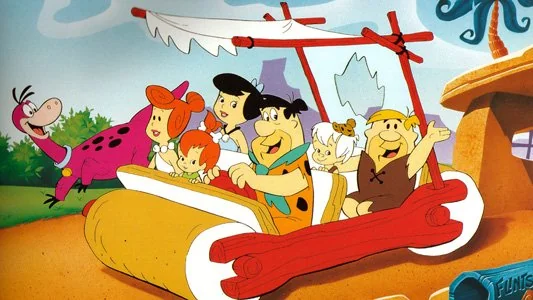
In the end, The Flintstones is both a nostalgic comfort and, frankly, a lovable lie about prehistory. It gave generations of viewers a shared language of yabba‑dabba‑doos and dinosaur forklifts, but it also flattened millions of years of human evolution into a stone‑walled sitcom. I do not think the show needs to be canceled or scolded; it needs to be understood for what it is: a parody of 1960s America wearing a fur costume, not a window into our distant ancestors. The problem is not that Bedrock exists, but that for many of us it quietly became our default picture of “the Stone Age.”
My own take is that we should happily keep the cartoon in our cultural toolbox, while being honest that it misled us about almost everything scientific. It is fine to love Fred and Wilma, as long as we also make space for the real people who lived, struggled, invented, and dreamed long before any suburb, car, or bowling alley existed. Maybe the real task now is to replace the stone‑car stereotype with a more accurate, more awe‑inspiring sense of our origins. Given what you now know about Bedrock versus reality, which version of the Stone Age will you picture the next time someone says the word “caveman”?