Try to imagine standing on land and seeing no trees, hearing no birds, and knowing that dinosaurs are still hundreds of millions of years in the future. The sky is the same starry dome we know, but the world beneath it is almost alien. The continents are unrecognizable, the oceans are packed with strange creatures, and the land, in many places, is as bare and harsh as a newly built parking lot after a storm. Yet this stark world is the stage on which everything familiar to us will eventually appear.
When we talk about the deep past, it’s easy to lump everything “prehistoric” into one blurry chapter. But there is a vast stretch of time before the first tree trunk, before the first feather, before a single dinosaur footprint ever pressed into mud. That world tells a quieter but far more radical story: how rock, water, microbes, and time slowly constructed the living planet we now take for granted. Let’s walk through that world, piece by piece, and see what Earth really looked like long before forests, birds, and dinosaurs arrived.
An Oxygen-Poor Sky and a Strange Blue Planet
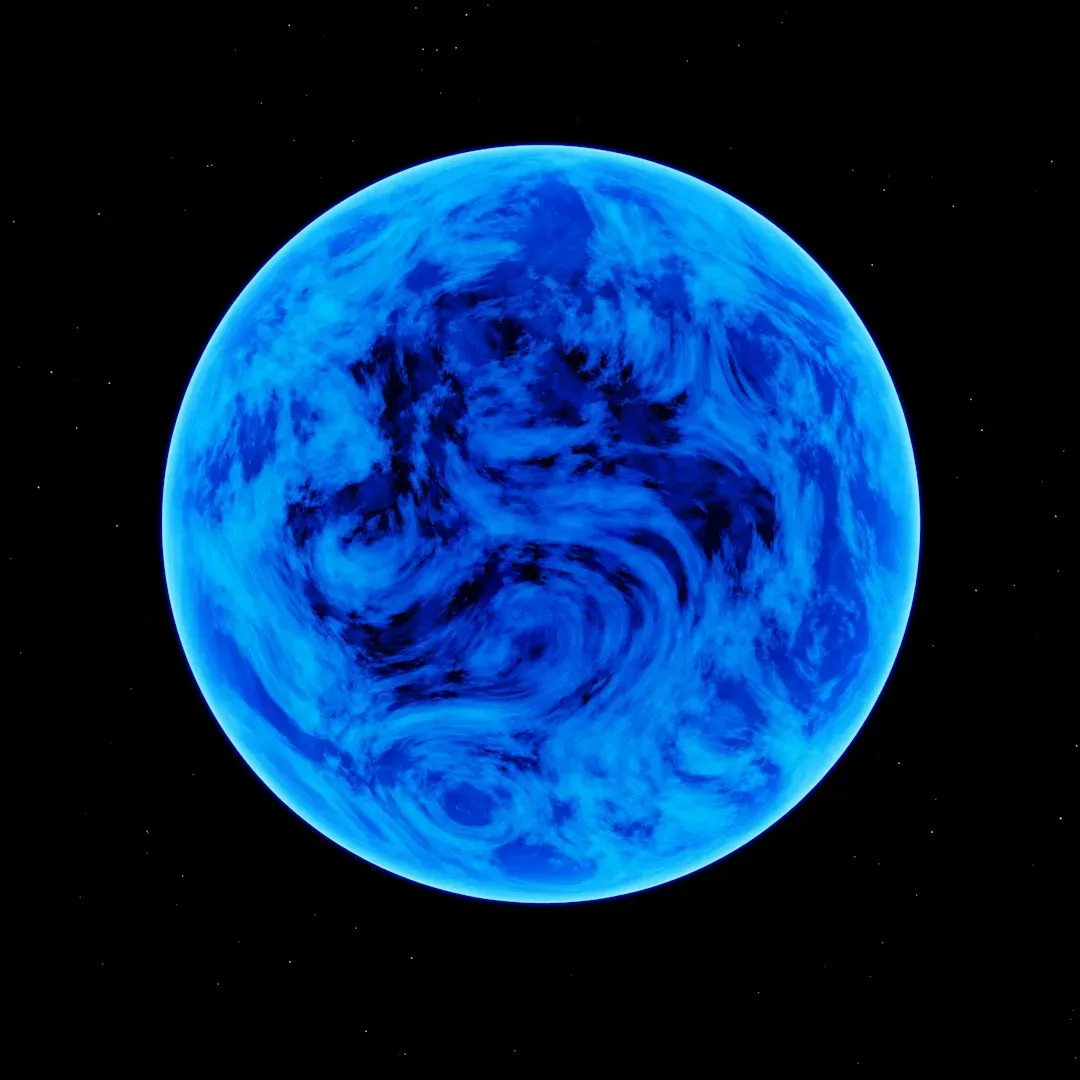
Long before trees pumped oxygen into the atmosphere, Earth’s air would have felt shockingly hostile to us. For a huge chunk of early history, the atmosphere was rich in carbon dioxide, methane, and other gases, but contained only a tiny trace of the oxygen we depend on. You could think of it as a planet-sized high-altitude zone, where any modern animal would suffocate almost instantly. The sky itself may have had a slightly different hue at times, influenced by volcanic gases and particles that scattered sunlight in unfamiliar ways.
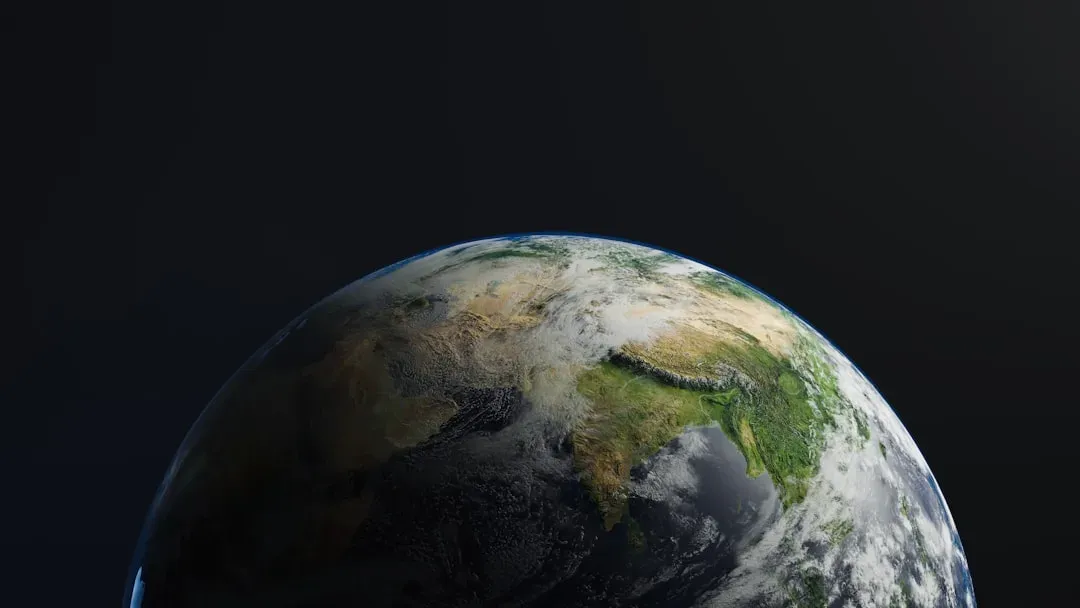
Instead of vast green continents, the most striking feature from afar would have been the oceans. They dominated the planet’s surface, and in many eras long before trees, those seas were tinted in odd colors by dissolved iron and by blooms of microbes. Closer to shore, tides would have crashed on coastlines mostly bare of life, without dunes stabilized by plant roots or beaches littered with driftwood. Storms would have sculpted the landscape more directly, blasting loose rock and sediment without the buffering effect of vegetation, giving the surface a raw, freshly carved look that feels almost unfinished compared to today’s Earth.
Seas Teeming With Life While Land Stayed Barren
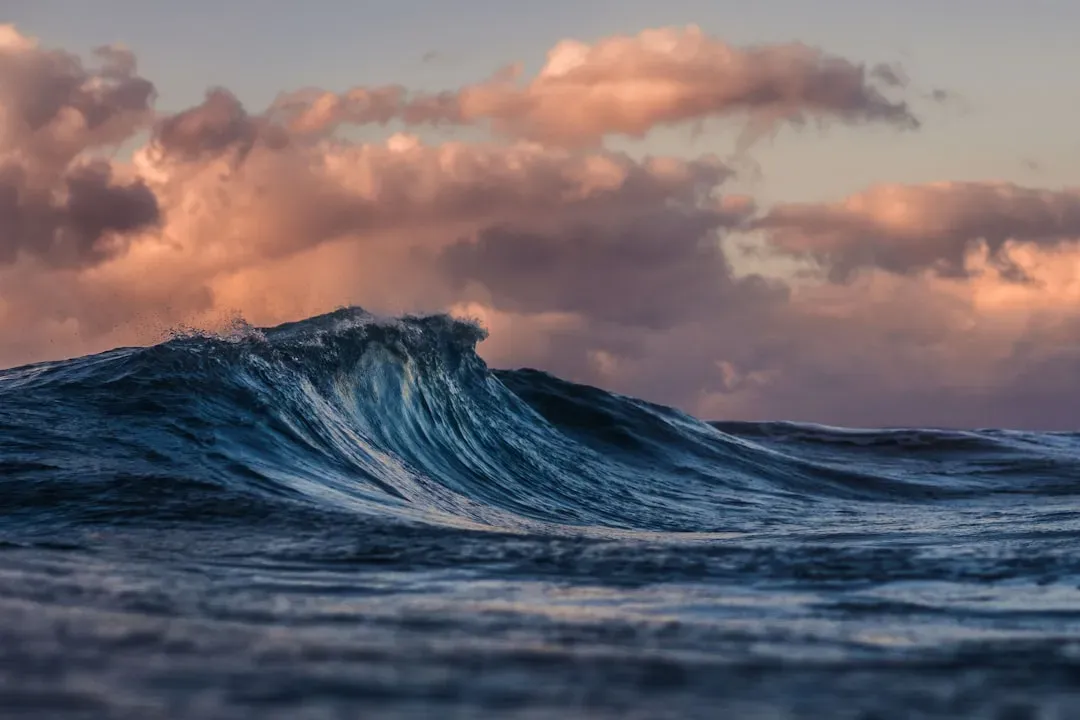
One of the strangest truths about our planet is that life flourished in the oceans for a mind-bogglingly long time while land stayed almost completely empty. Long before the first tree seed ever existed, shallow seas were full of trilobites, early arthropods, strange soft-bodied creatures, and the ancestors of fish. Coral-like reefs and microbial mats built intricate underwater landscapes that would put some city skylines to shame. If you scuba-dived into those ancient seas, you’d see an explosion of life, even though you’d recognize almost none of it.
But if you walked up onto the shore in those same times, you’d be struck by how quiet it was. No rustle of leaves, no chirp of insects in the branches, no birds wheeling overhead. In the early Paleozoic, the land surface was, in many regions, just rock, sand, mud, and scattered microbial crusts clinging in damp places. That asymmetry is wild to think about: oceans buzzing with activity and land left in a kind of evolutionary silence, like a stage waiting decades for the first actor to finally step out under the lights.
A World of Microbial Mats and Early Land Invaders
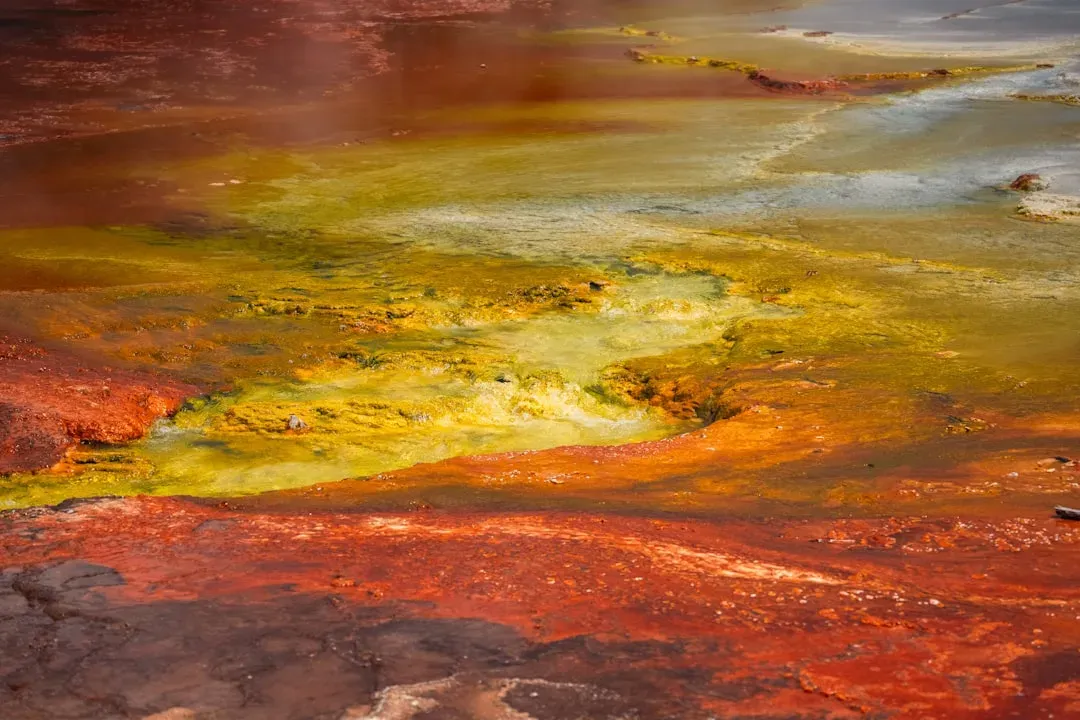
Before forests, the first things to really “claim” the land were not towering plants, but humble microbes. On rocky coasts and in moist, low-lying areas, layers of bacteria and algae formed thin, dark, squishy carpets known as microbial mats. They trapped sediments, stabilized tiny patches of ground, and slowly began to alter the chemistry of soils and shallow waters. It sounds unimpressive, but these mats were the early engineers of Earth’s surface, quietly preparing the way for everything that came after.
Over time, simple plant-like organisms and fungi crept onto land as well. Think of them as low, mossy, or crusty patches hugging the ground rather than anything that resembled a tree. A few pioneering invertebrates followed – worm-like creatures and early arthropods that could handle life outside water for short stretches. These first colonizers did something revolutionary: they started breaking down rock into true soil and cycling nutrients on land. It’s a bit like moving into an empty, dusty house and slowly turning it into a living home, piece by piece, with no furniture, electricity, or plumbing yet – just the basics.
Landscapes Without Forests: Bare Rock, Low Plants, and Giant Fungi
In the time before trees, terrestrial landscapes looked oddly open and exposed. Without deep-rooted plants, erosion carved sharp features, and rainstorms could strip away loose sediment with brutal efficiency. Where plant life did take hold, it tended to form low, sprawling vegetation that rarely rose far above ankle or knee height by human standards. Imagine valleys and plains covered not with forests, but with patchy carpets of simple plants, more like expansive wetlands or mossy tundra than lush jungles.
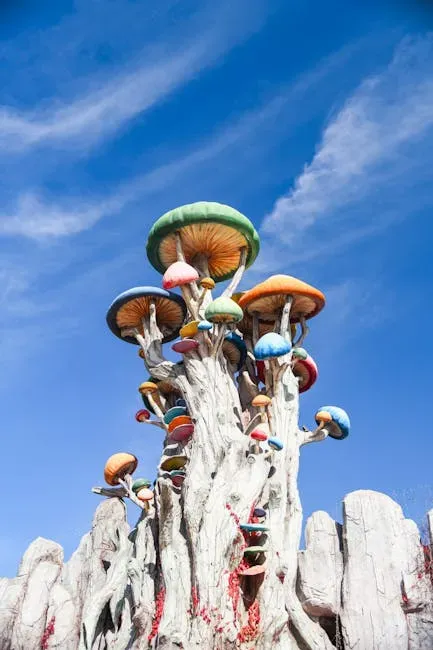
There were, at certain times, some genuine giants, but not the kind you might expect. Evidence suggests that enormous fungus-like organisms, possibly related to modern fungi or lichens, may have grown several meters tall in some early Paleozoic landscapes. Picture towering, trunk-shaped growths or pillars rising from an otherwise squat, flat world of green and brown. To a time traveler, this would feel like walking through a surreal art installation: no leafy canopies, no birdsong, just scattered colossal fungal columns and low vegetation under a wide, open sky.
No Birds, No Dinosaurs: Only the First Steps of Animal Life on Land
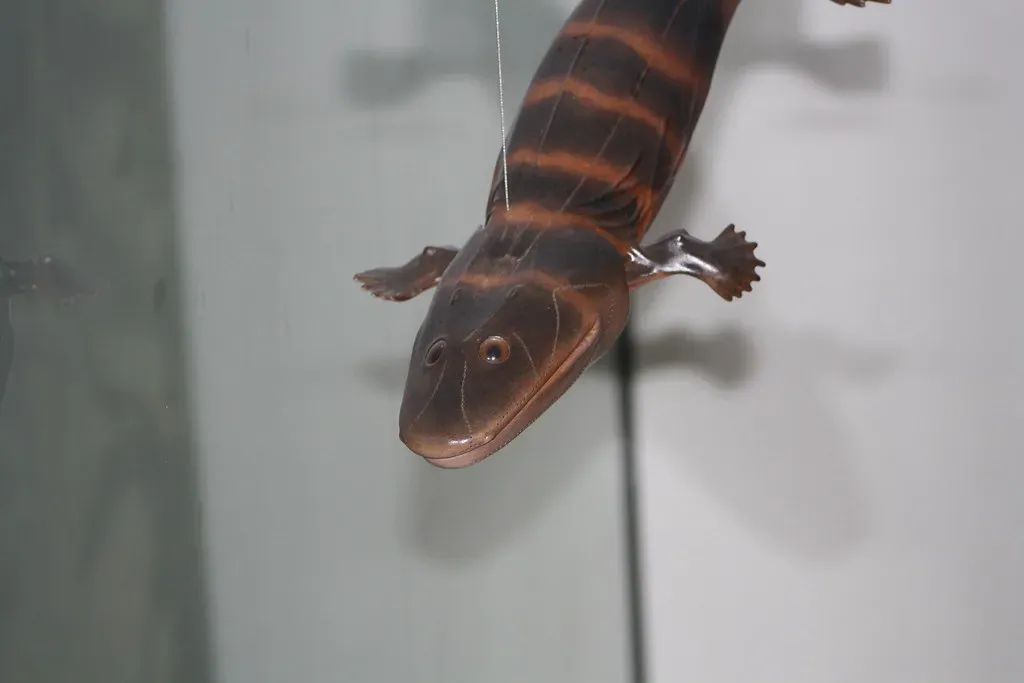
The absence of birds and dinosaurs is more than just a missing cast; it changes the entire mood of the planet. Without birds, skies and trees (where trees existed later) were not yet claimed by flapping wings and complex songs. Without dinosaurs, there were no thundering herds of giant reptiles, no apex predators stalking the land on two powerful legs. In their place, early land animals were relatively small and tentative: primitive arthropods, early amphibian-like vertebrates venturing out from swamps, and a growing variety of invertebrates testing the limits of dry ground.
Predator–prey dynamics on land were simpler and more localized. The drama was not about massive carnivores chasing fleet-footed herbivores; it was more often about tiny hunters and their prey in streams, ponds, and damp lowlands. The real evolutionary arms race still belonged to the oceans, where large fish, armored swimmers, and bizarre invertebrates were locked in constant battle. On land, the story was in its early chapters, with animals still figuring out how to breathe air efficiently, support their bodies, and reproduce without always needing open water. It was a quieter, slower world – no roaring dinosaurs, no raptors in the canopy – just the faint rustle of small pioneers feeling their way into a new realm.
How This Alien Earth Set the Stage for Trees, Birds, and Dinosaurs
As stark and empty as this pre-tree, pre-bird, pre-dinosaur Earth might sound, it was doing critical background work. Microbial mats, early plants, and fungi were slowly transforming bare rock into fertile soil, releasing and locking away nutrients, and adjusting levels of carbon dioxide and oxygen in the atmosphere. Over millions of years, these changes helped stabilize climates, cool the planet in some eras, and create the conditions where deeper-rooted plants could finally evolve. The first true trees did not appear out of nowhere; they grew on a foundation built by those small, easily overlooked pioneers.
Once trees took hold, they rewired almost everything: they shaded the ground, changed rainfall patterns, stored massive amounts of carbon, and created complex habitats where insects, birds, and eventually dinosaurs would thrive. From that perspective, the world before trees, birds, and dinosaurs is not a boring prologue but a necessary act of slow preparation. In my view, it is one of the most underrated periods in Earth’s history. It reminds us that the wild, cinematic version of life we love to imagine – forests echoing with bird calls and giant reptiles – was only possible because an older, stranger Earth patiently laid all the groundwork first. If you could step back in time, would you be more impressed by the dramatic giants we talk about, or by the quiet, unseen forces that made their world possible?