
If you secretly sort people into categories like “my kind of person” and “something feels off about them,” you’re not uniquely judgmental – you’re human. Our brains are still running very old software, built for small tribes on open savannas, not for crowded cities and global group chats. Modern life looks advanced, but under the hood, we’re still using ancient shortcuts to decide who is safe and who might be a threat.
What makes this fascinating – and a little uncomfortable – is how automatic and invisible this process usually is. You can genuinely believe you’re open-minded, caring, and fair, while your nervous system is quietly scanning for “ally or enemy” cues in every room, meeting, and social feed. Once you start noticing this pattern, you see it everywhere: in politics, fandoms, dating, office cliques, even who you sit next to on a train. Let’s unpack what psychology says is actually going on, and why it matters more than most of us want to admit.
The Ancient Brain Running in a Modern World

The human brain did not evolve for social media, skyscrapers, or multicultural cities; it evolved for tight-knit bands trying not to die. For most of our history, encountering a stranger really could mean danger – someone from another group might steal resources, spread disease, or attack. In that environment, being a little paranoid about outsiders was not mean; it was protective. The individuals who hesitated around unfamiliar people were more likely to live long enough to have kids.
That survival logic is still stitched into our nervous systems today, even though the physical dangers are usually far lower. When you walk into a room full of unfamiliar faces and feel a slight spike of tension or hyper-awareness, that’s your old brain running a risk assessment long before your conscious mind forms an opinion. You might experience it as a gut feeling or a vague sense of “I don’t know about this,” without realizing you’ve already mentally tagged people as more or less safe.
How the Brain Rapidly Sorts People Into “Us” and “Them”

Psychologists call this in-group and out-group processing, and it switches on ridiculously fast. Research using brain scans has found that areas linked to threat detection and emotional response can activate within fractions of a second when we see unfamiliar faces. The brain is not patiently waiting for you to think things through; it’s firing up snap judgments based on minimal information like posture, expression, clothing style, or even accent. By the time you’ve said hello, your nervous system has already guessed: “closer to my tribe” or “possibly not safe.”
What makes this more subtle today is that “tribe” is rarely about literal ancestry or village membership. Instead, we use rapidly interpreted cues: Are they dressed like “my people”? Do they talk in a way I recognize? Do they mirror my politics, music taste, or values? Something as small as a T-shirt slogan, a tattoo, or the type of bag someone carries can unconsciously nudge them into your “safe” category – or quietly push them into “watch out.” You might proudly insist you see everyone as an individual while your brain is speed-sorting them into color-coded mental folders.
Hidden Biases: When “Gut Feelings” Are Just Old Shortcuts
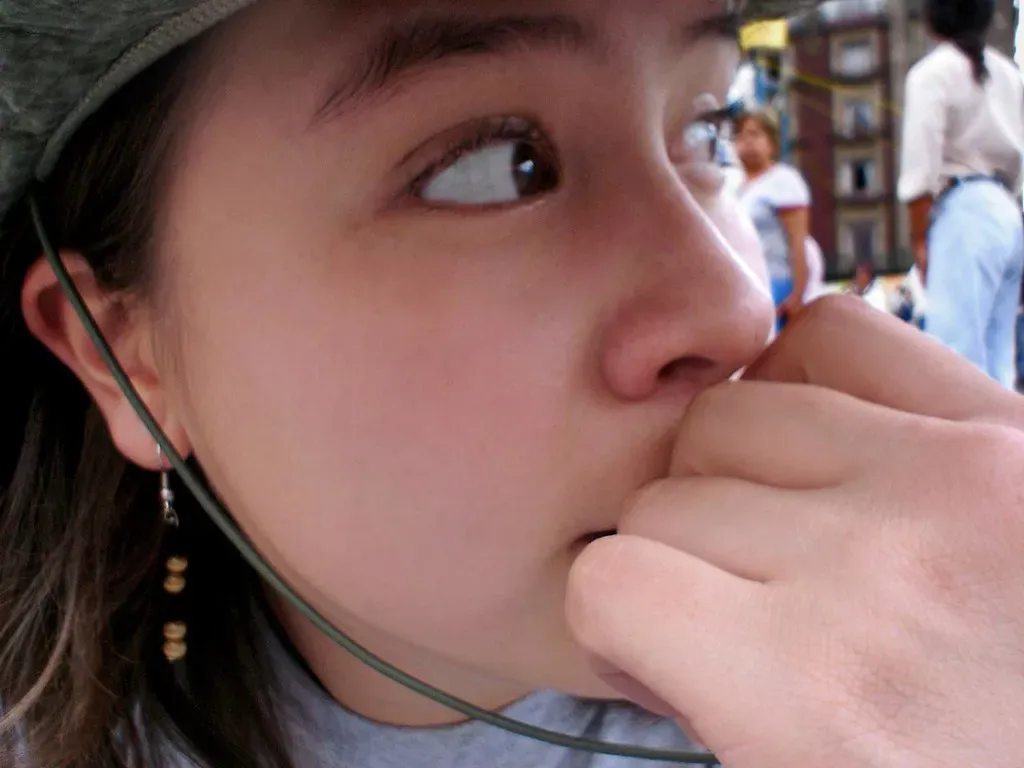
Many people trust their instincts around others, but psychology is blunt on this: a lot of what we call intuition is actually bias dressed up as wisdom. Our brains love shortcuts because they save energy, and those shortcuts get built out of stereotypes, past experiences, and cultural messages. You might feel a strong sense that someone is “trustworthy” or “sketchy,” yet what you’re really detecting is how closely they match a familiar pattern your brain already likes or fears. The belief that your gut is always right is seductive, but often wrong.
This is where things get ethically messy. You can genuinely believe you are kind and fair while repeatedly giving more benefit of the doubt, more warmth, and more opportunities to people who look and act like your internal “safe tribe.” At the same time, you may be more skeptical, distant, or strict with those who register – often subconsciously – as “other.” From hiring decisions and classroom discipline to dating preferences and friend groups, these invisible splits can quietly shape entire lives, while everyone involved feels like they are just “going with their feelings.”
Modern Tribes: Politics, Fandoms, Work Cliques, and Online Echo Chambers

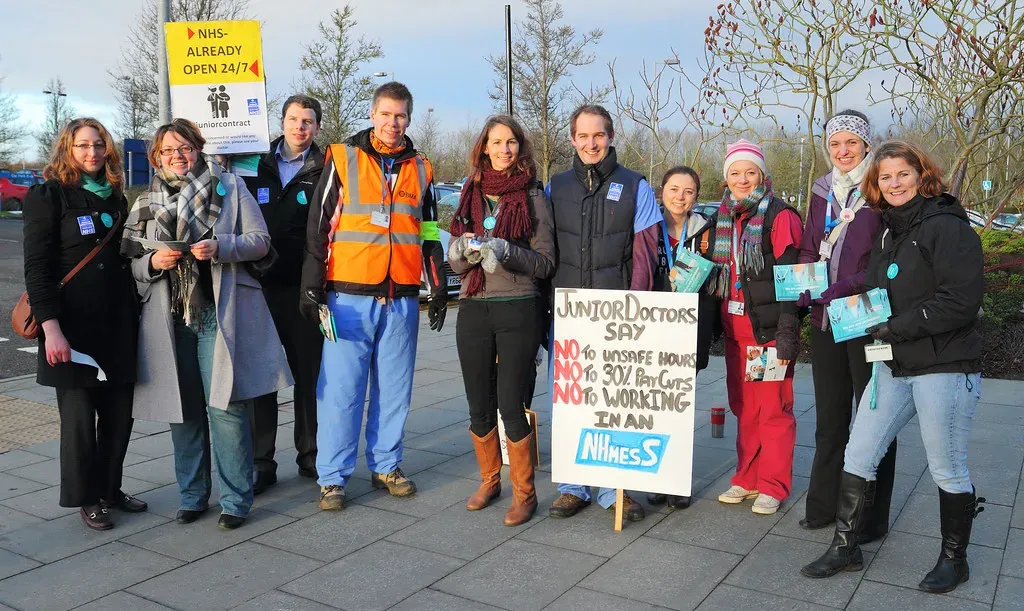
Our ancient tribal wiring did not vanish; it just found new costumes. Politics is an obvious example: today’s parties and movements function like mega-tribes, with symbols, slogans, and shared enemies. People often judge others’ morality or intelligence almost instantly based on which side they appear to support. But the same pattern shows up in much lighter spaces, too. Sports teams, music fandoms, hobby communities, and even phone brands can become identity markers, signaling who is “one of us” and who clearly is not.
Online life turbocharges this effect by clustering us into echo chambers, where we mostly see people who think and talk like we do. This constant social mirroring strengthens a feeling that our tribe is rational, normal, and good – and that outsiders must be weak, dangerous, or ridiculous. When someone from another “digital tribe” shows up in your feed, your brain is primed to see them as a threat to your values, not just as a person with a different experience. It feels like a culture war, but under the surface, it is the same old tribal sorting system in a new, brightly lit arena.
Why Threat Detection Feels So Real (Even When There’s No Real Danger)
One reason this safe-versus-threat split is so convincing is that your body often joins in. When your brain labels someone or some group as potentially dangerous, your stress system can kick on in subtle ways: a slightly faster heart rate, tense shoulders, shallow breathing, or a flushed face. You may read these signals as pure evidence that “something is off” about this person, not realizing your brain triggered them based on old associations. The feeling of unease is genuine – but the story your mind tells about it might be wildly off-base.
The problem is that once your body feels activated, your thinking narrows. You pay more attention to behavior that confirms your suspicion and overlook anything that contradicts it. If you already see someone as part of the “potential threat” category, a small mistake or awkward comment from them can feel like a big red flag, while the same behavior from a “safe tribe” person barely registers. In this way, your nervous system and your beliefs create a feedback loop that hardens first impressions into lasting judgments.
Can We Ever Turn Off This “Tribe vs Threat” Filter?
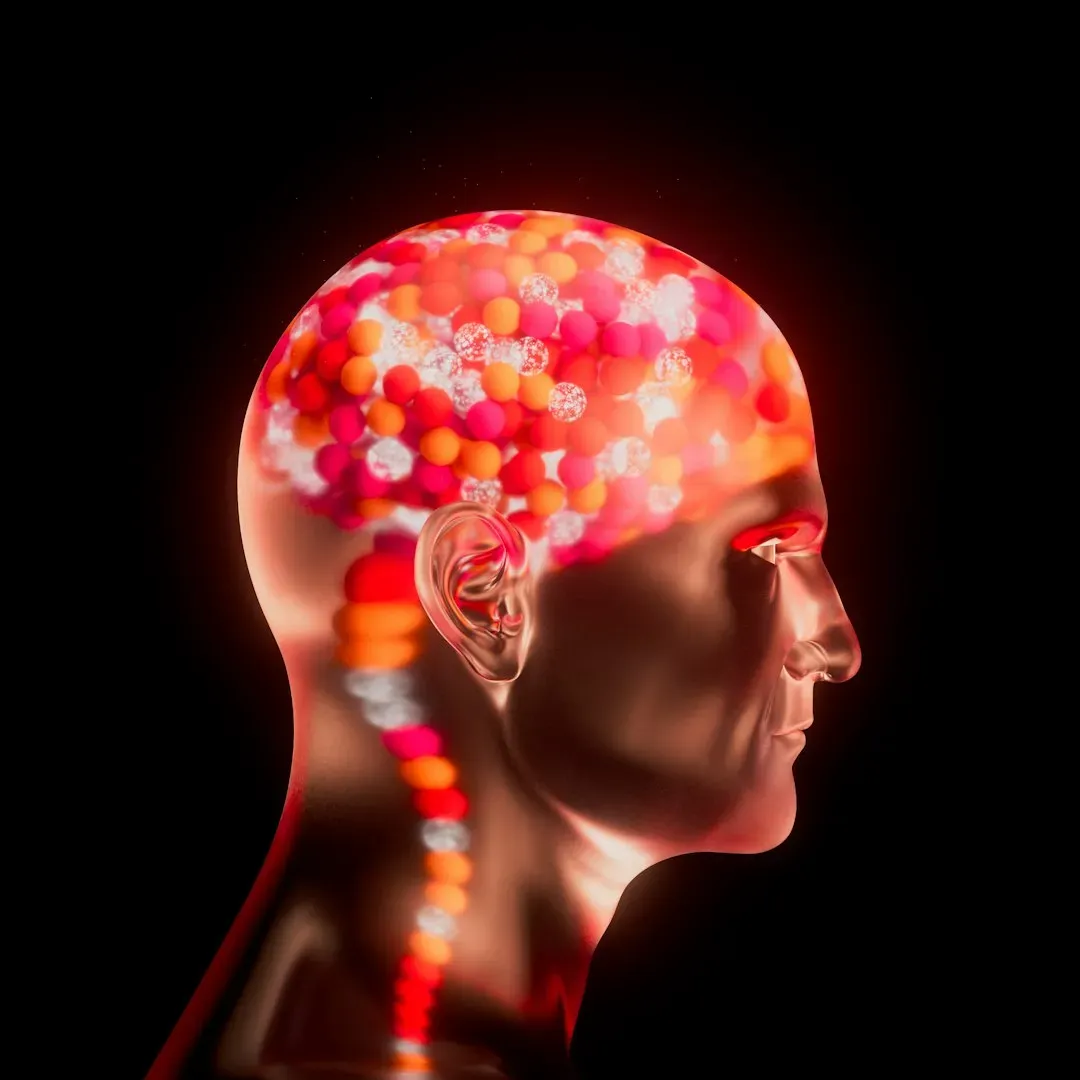
Realistically, no – you cannot uninstall millions of years of evolution with good intentions and a few inspirational quotes. The automatic part of this filter will keep humming along in the background because its job is to protect you faster than your conscious mind can think. Expecting yourself to have zero bias or zero tribal impulses is a setup for denial, not growth. In fact, people who insist they are completely objective usually have less insight into how their biases actually operate.
The goal is not to become some blank, neutral robot; it is to become aware enough that your instinctive reactions do not get the final say. When you notice a surge of dislike, distrust, or discomfort around someone, you can learn to pause and ask: “Is this about them, or is this about a story my brain is telling?” That pause is powerful. It gives your more reflective, rational systems time to weigh in, to gather real data, and to override the primitive impulse to treat every unfamiliar signal as danger.
Practical Ways to Soften the “Safe vs Threat” Split in Daily Life
One of the most reliable ways to turn down the intensity of tribal thinking is repeated, meaningful contact with people you initially see as “not my group.” When you actually work with, learn from, or share hobbies with individuals who break your mental categories, your brain is forced to update its shortcuts. Over time, the default label can shift from “potential threat” to “interesting human with a story,” especially if you meet them in contexts that feel safe and collaborative. Change rarely happens after one workshop; it happens after many lived experiences.
On a smaller scale, you can practice micro-interruptions in everyday situations. If you catch yourself instantly judging someone at the grocery store, in a meeting, or on a dating app, try getting curious instead of certain. Ask a question, start a brief conversation, or simply imagine a more generous backstory for them than your first assumption. This sounds almost annoyingly simple, but it is exactly the kind of repetition that gradually retrains the brain. I have personally watched my own knee-jerk reactions soften over years of consciously doing this, and it is humbling to realize how often my first read on people was wrong.
Opinionated Conclusion: Owning Our Inner Tribes Before They Own Us
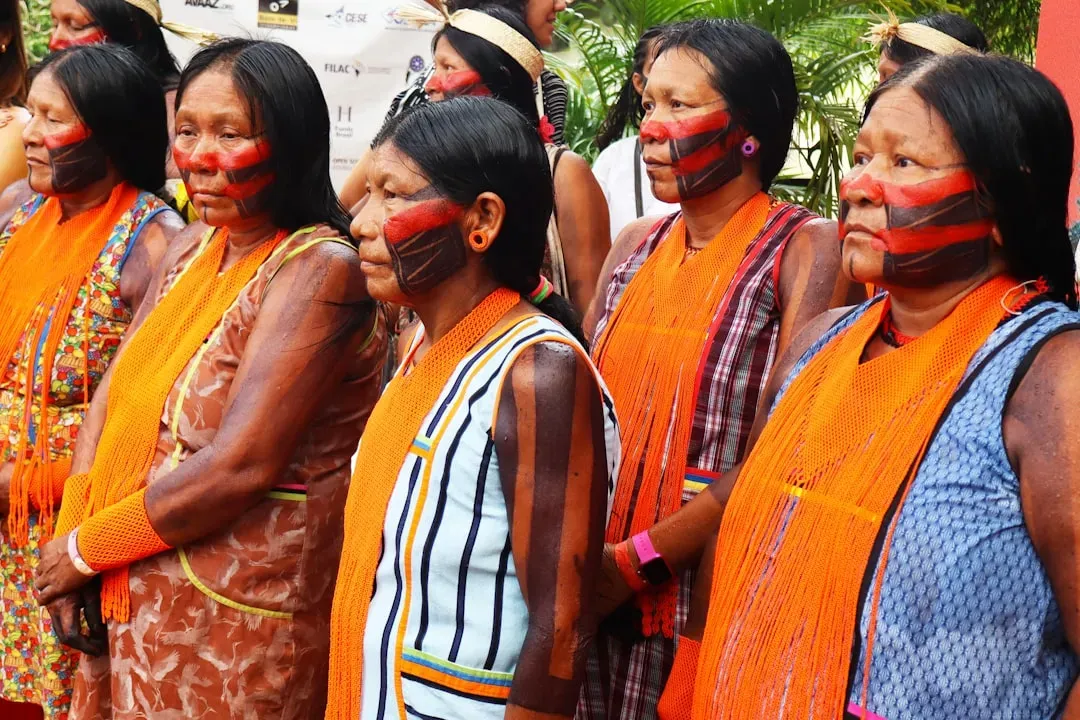
We like to think we are civilized, rational individuals, but under pressure, many of us still act like members of warring camps. In my view, pretending that we no longer divide the world into “safe tribe” and “potential threat” is not progress – it is self-deception. The honest move is to admit the split, see how it shows up in our own lives, and then decide what we want to do with it. Without that honesty, we risk letting ancient instincts quietly dictate who we trust, who we fear, and who we never even give a chance.
The most hopeful part of this story, to me, is that awareness really does change behavior over time. You cannot erase your tribal wiring, but you can choose not to be ruled by it, especially when it clashes with your values of fairness, curiosity, or compassion. In a world that feels increasingly polarized, those choices add up – at the family table, at work, at the ballot box, and in the comments section. The question is not whether your brain is sorting people into tribes; it is whether you have the courage to notice when it does and to answer more wisely. Now that you see this pattern more clearly, what will you do the next time your instincts label someone as “not one of us” before you even know their name?