Movies love to bring dinosaurs back to life on screen, yet they often lean on the same handful of ideas that paleontologists moved past years ago. Those repeated images shape what most people picture when they think of the prehistoric world, even when the science tells a different story.
The result is a version of dinosaurs that feels familiar but drifts further from reality with every new film. Here are ten of the most persistent mistakes that keep showing up like established truth.
Velociraptors Stood as Tall as People
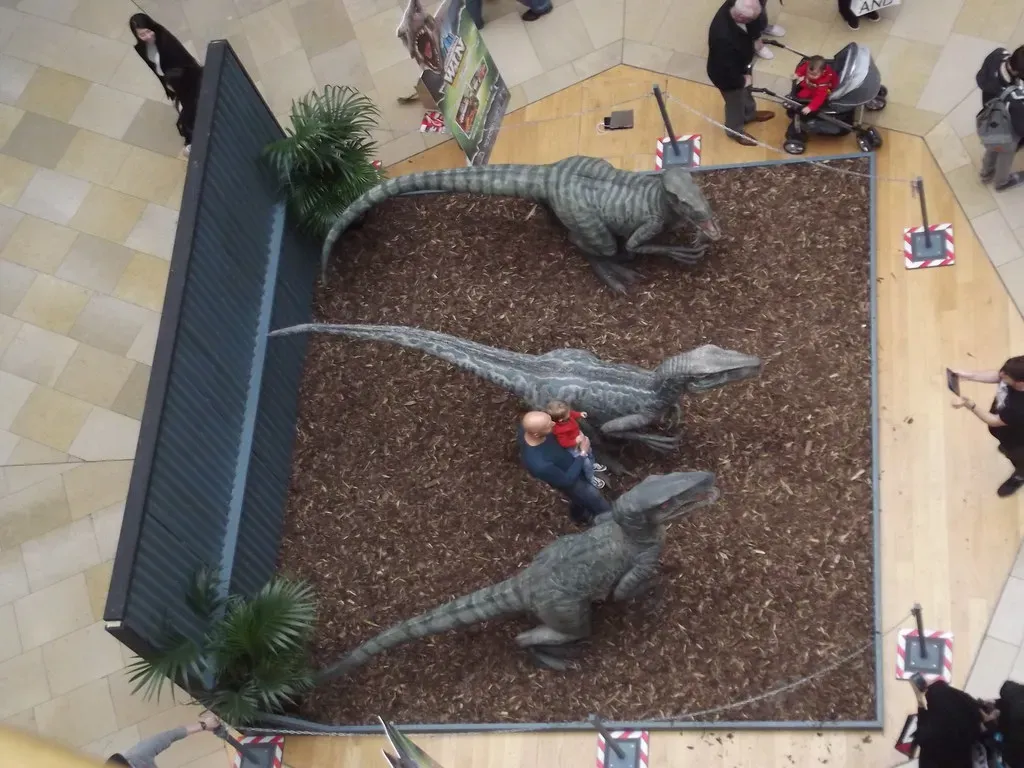
Films often show velociraptors reaching a human adult in height and hunting in coordinated packs that feel almost military. In reality these animals measured about the size of a large turkey and stood no taller than a modern dog at the shoulder. Their fossils come from Mongolia and reveal slender builds suited to smaller prey rather than taking down large mammals.
Feathers covered their bodies as well, turning them into something closer to colorful birds than scaly monsters. The movie version grew out of an earlier mix up with a larger relative called Deinonychus. That single error created an entire generation of oversized, featherless killers that still appear in new releases today.
Tyrannosaurus Rex Could Not See Anything That Stayed Still
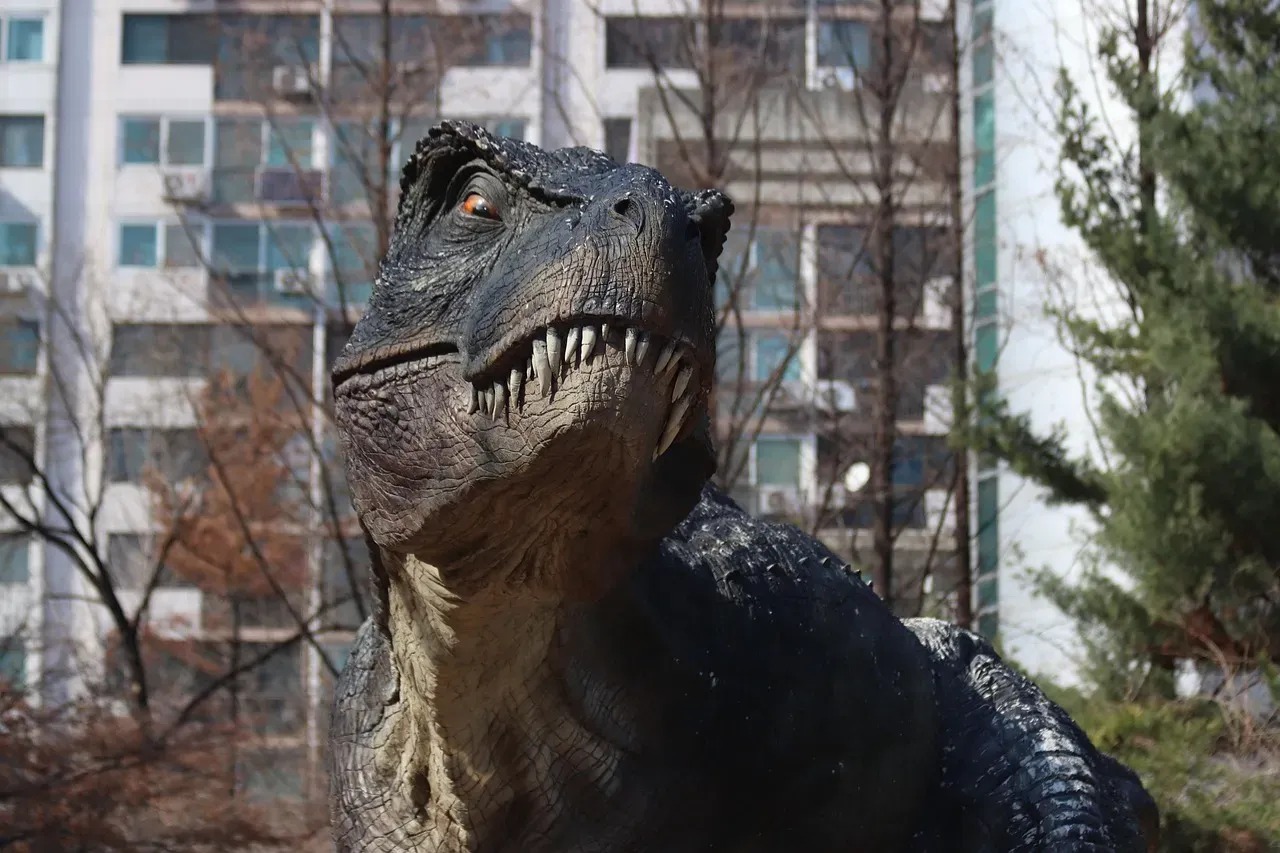
One classic scene has characters freezing in place because the tyrannosaur supposedly cannot detect motionless targets. Studies of the animal’s skull show large forward facing eyes that would have given it strong depth perception and the ability to spot stationary objects. Its brain size relative to body mass also suggests decent visual processing rather than the limited senses once assumed.
The idea traces back to an old experiment with a different species and got amplified for dramatic tension. Modern reconstructions place tyrannosaurus among the better sighted large predators of its time. The frozen prey trope lingers because it creates easy suspense even though the anatomy points elsewhere.
Dinosaurs Roared Like Modern Big Cats or Elephants
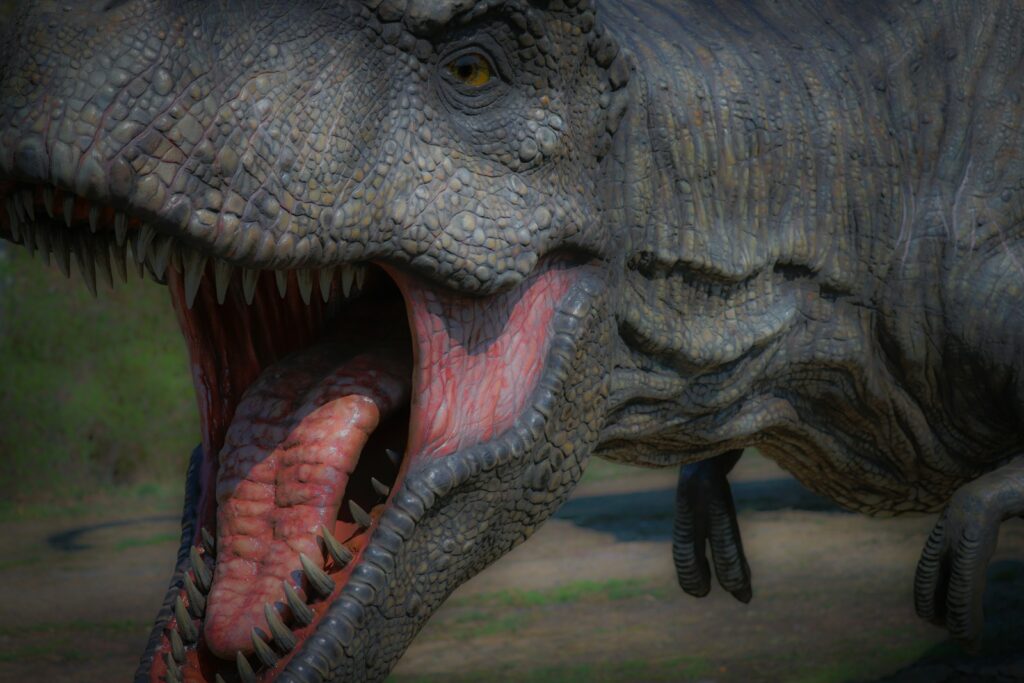
Soundtracks fill the air with deep bellows and piercing shrieks whenever a dinosaur appears. Most species lacked the vocal structures needed for those kinds of calls, and many probably communicated through hisses, clicks, or low frequency rumbles similar to birds. Fossil evidence of the larynx remains rare, yet the available clues point away from lion style roars.
Filmmakers choose dramatic sounds to match the scale of the creatures on screen. The result is an audio signature that feels iconic yet has little grounding in the physical remains scientists study. Viewers now expect those noises even when newer research suggests quieter or entirely different signals.
Every Dinosaur Wore Smooth Reptilian Skin
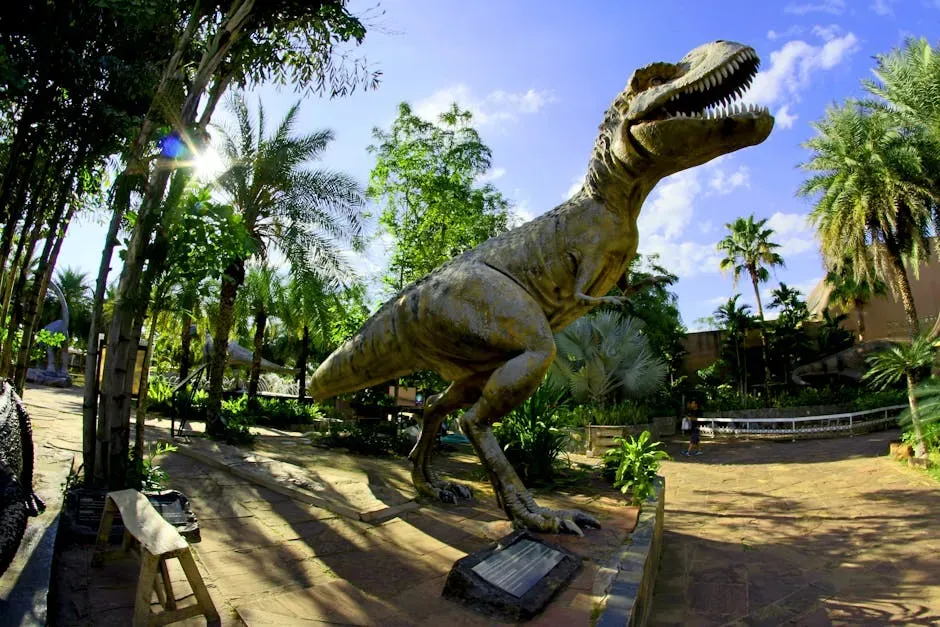
Early films and many later ones present dinosaurs as giant lizards with uniform scaly hides. Discoveries over the past three decades show feathers or feather like structures on a wide range of species, including relatives of tyrannosaurus. Skin impressions from some fossils even preserve patterns that look more like down than traditional scales.
The scaly default came from comparisons with living reptiles rather than direct evidence from dinosaur skin. Once feathers entered the picture the visual changed dramatically for many groups. Movies still default to the older look because it matches audience expectations built over decades of similar imagery.
Dinosaurs Dragged Long Tails Behind Them
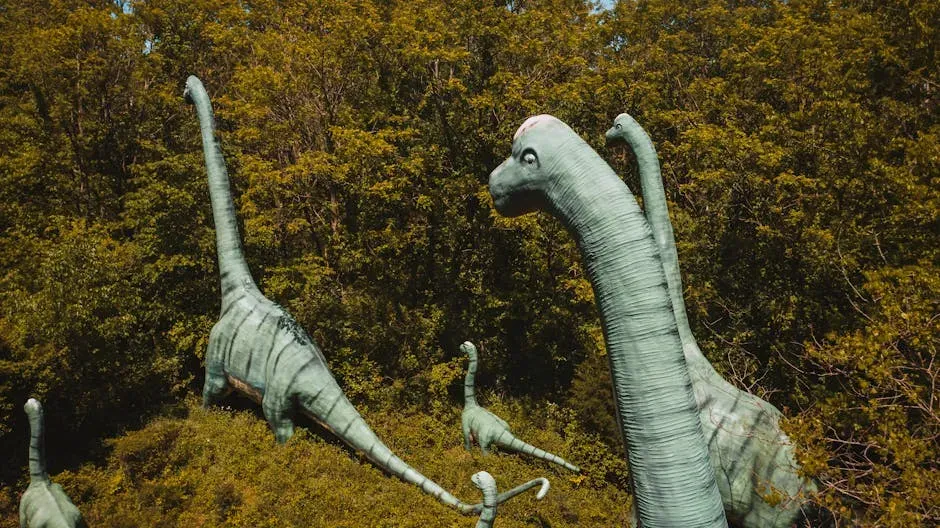
Animated and live action scenes often show tails scraping the ground as animals walk. Trackways and skeletal structure indicate tails stayed elevated for balance during movement. A dragging tail would have created constant drag and left distinctive marks that fossil footprints rarely show.
The posture also affected how the spine and hips worked together. Modern animations based on biomechanics keep the tail level or slightly raised. The dragging version survives mainly because it adds visual weight and a sense of lumbering power on screen.
Pterosaurs Belonged to the Dinosaur Family
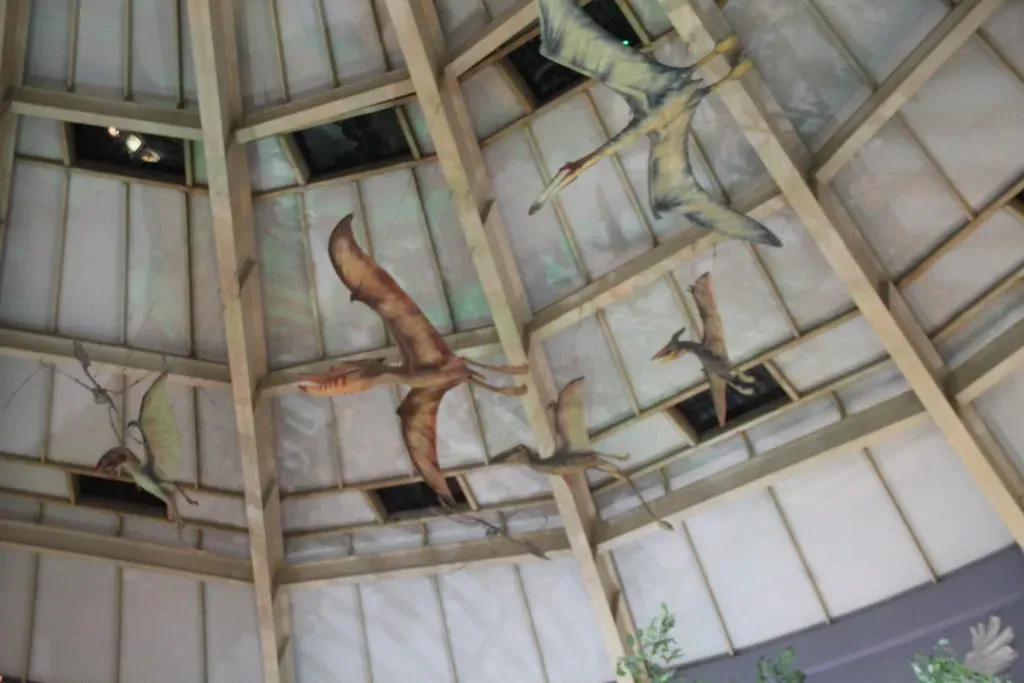
Many stories treat flying reptiles as just another kind of dinosaur sharing the same landscapes and behaviors. Pterosaurs formed a separate branch of reptiles that split off earlier and never developed the same skeletal features that define dinosaurs. They flew using a membrane stretched over an elongated finger rather than feathered wings.
The confusion arises because both groups lived during the same broad time period and sometimes appear together in the same scenes. Clear anatomical differences separate the two in the fossil record. The mix up persists because the word dinosaur gets used loosely in popular media to cover any large extinct reptile.
Humans and Dinosaurs Walked the Earth Together
Adventure plots sometimes place people alongside living dinosaurs in the same era. The last non avian dinosaurs disappeared roughly sixty six million years before the first members of the human lineage appeared. The gap spans tens of millions of years with no overlap in the fossil timeline.
Stories that ignore this separation rely on dramatic license rather than geological evidence. The vast distance in time makes any shared scenes impossible under known history. Audiences still enjoy the fantasy because it collapses deep time into a single exciting frame.
Long Necked Sauropods Held Their Heads Straight Up Like Giraffes
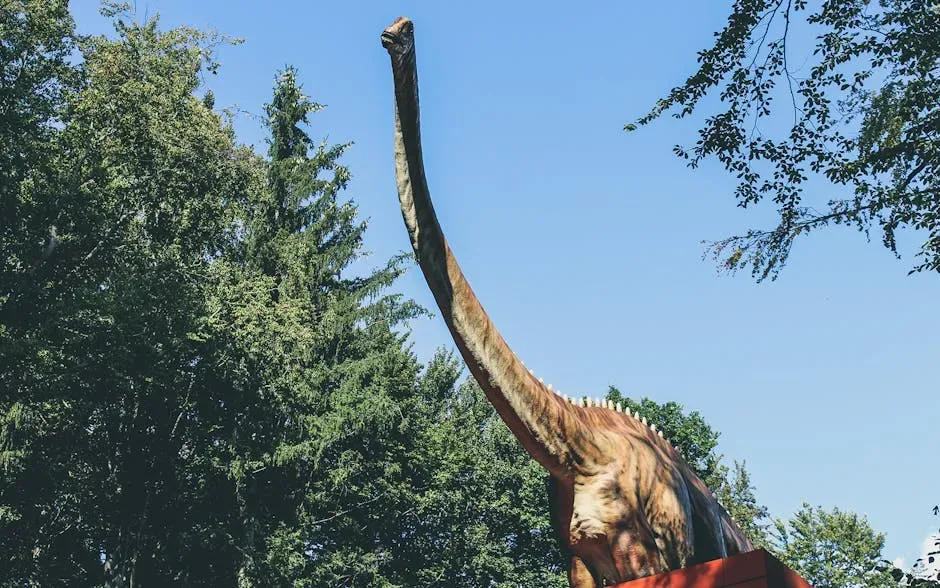
Classic illustrations and films show sauropods stretching their necks vertically to reach treetops. Biomechanical models suggest the neck stayed closer to horizontal for most of the time, with limited ability to raise it high without straining blood flow and muscle effort. The heart would have needed enormous pressure to pump blood that far upward.
Fossil neck vertebrae support a more level posture suited to sweeping across lower vegetation. The upright pose creates a striking silhouette but does not match the physical limits reconstructed from the bones. Movies favor the dramatic reach because it emphasizes the animal’s enormous size.
Spinosaurus Lived Exactly Like a Tyrannosaur on Land
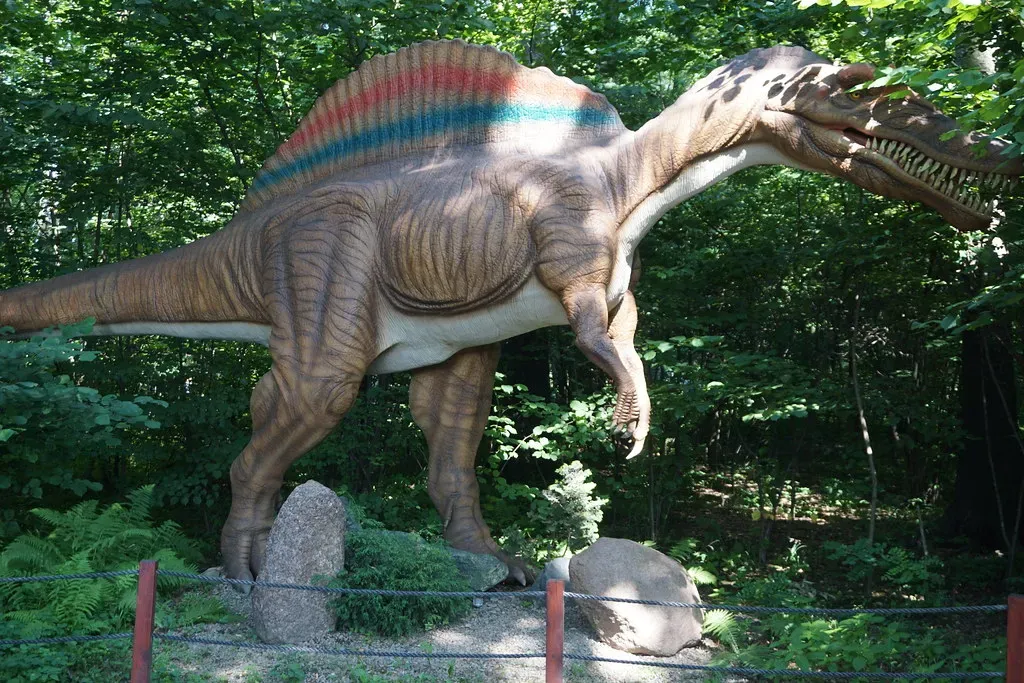
Some films show spinosaurus as another large land predator with similar habits to tyrannosaurus. Recent fossils and limb proportions indicate a more aquatic lifestyle with a long narrow snout and powerful tail for swimming. The animal spent significant time in rivers and lakes rather than chasing prey across open plains.
Its sail like structure along the back may have helped with display or temperature regulation in a wet environment. The land based version comes from earlier incomplete skeletons that missed key aquatic adaptations. Updated reconstructions shift the animal into a very different ecological role.
The Asteroid Ended Everything in a Single Day
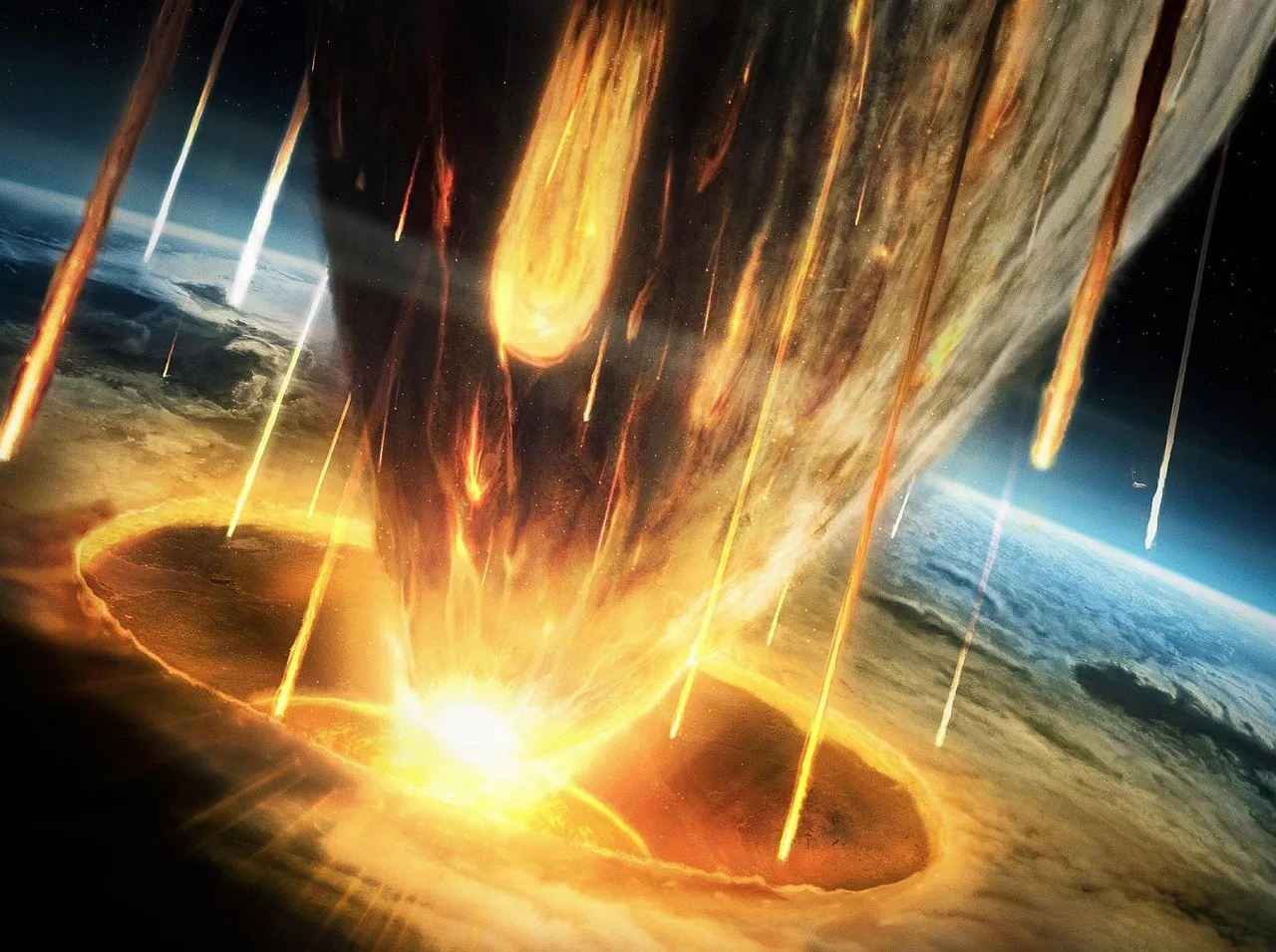
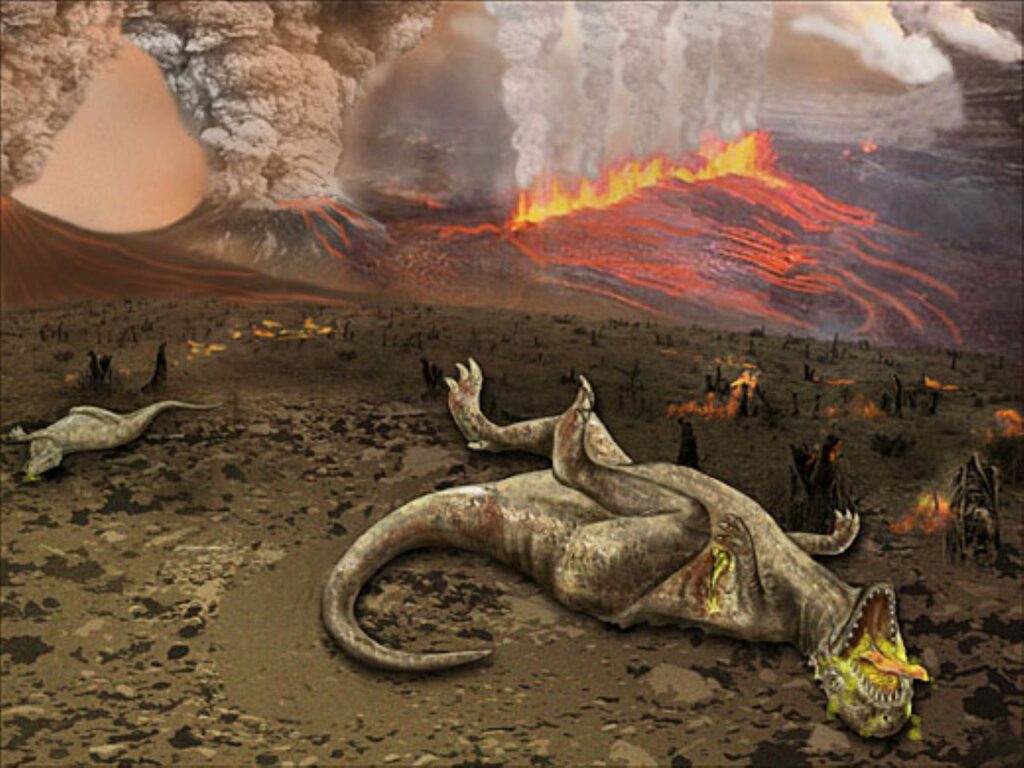
Stories often frame the dinosaur extinction as an instant global catastrophe triggered solely by one impact. The event unfolded over thousands of years with multiple stresses already weakening ecosystems before the asteroid struck. Volcanic activity, climate shifts, and sea level changes played roles alongside the impact.
Some dinosaur groups had already declined in diversity in the final million years of the Cretaceous. The asteroid delivered a final blow rather than acting as the sole cause in an otherwise stable world. The simplified instant wipeout remains popular because it delivers a clear dramatic endpoint.
Conclusion
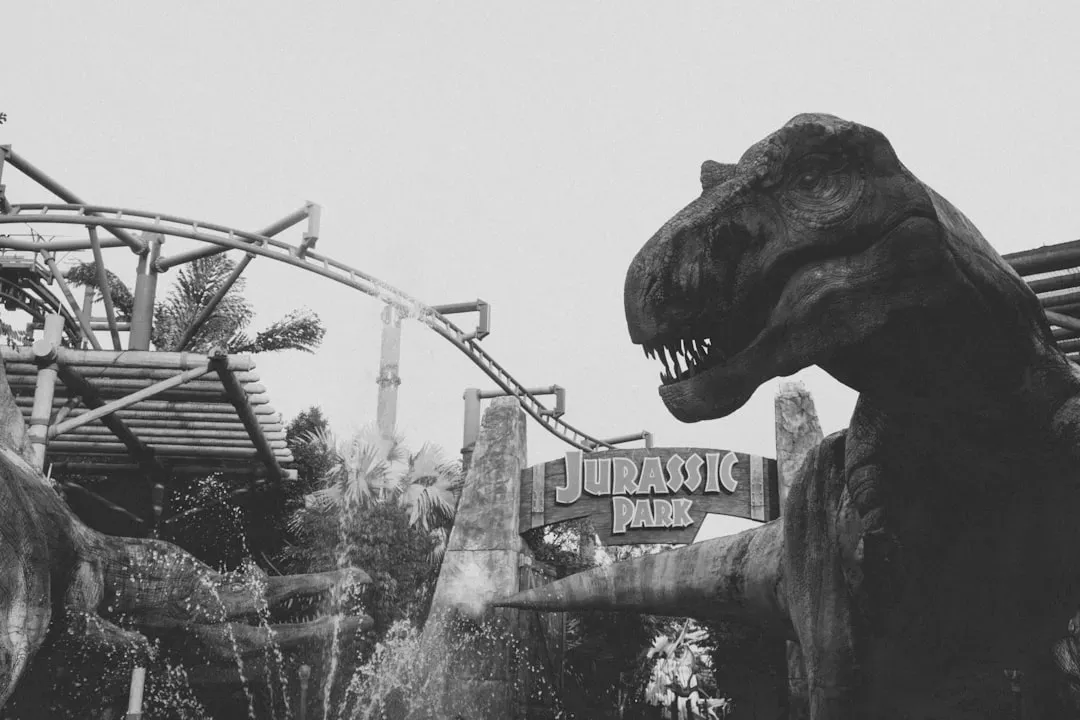
These repeated images keep dinosaurs exciting on screen while drifting from the evidence scientists continue to uncover. The gap between movie shorthand and current research rarely closes completely because visual spectacle often wins over nuance. Viewers who notice the differences can enjoy both the films and the real story behind the fossils. In the end the most lasting dinosaurs may be the ones that keep evolving in our understanding rather than the ones frozen on celluloid.