Close your eyes for a second and imagine Earth with no cities, no engines, no voices, no music. Now strip away even the animals you know: no dogs, no birdsong, no buzzing streetlights. What is left is not silence, but a strange, wild orchestra that almost no human will ever truly hear. Long before we showed up, the planet was already loud in its own way, humming, cracking, roaring, whispering, and singing through air, water, rock, and ice.
We love to think of prehuman Earth as quiet and peaceful, but the truth is almost the opposite. The world was full of sound; it just was not designed for human ears or human stories. Volcanoes bellowed, oceans boomed, forests creaked and clicked with ancient insects, and even the planet’s magnetic field sparked noise in the upper atmosphere. Reconstructing those soundscapes is a bit like trying to imagine music from a band you have never seen but know only from a few old instruments. We cannot hear the past directly, yet science gives us enough clues to sketch a pretty vivid picture of how Earth once sounded.
The Roar of a Young, Volatile Planet
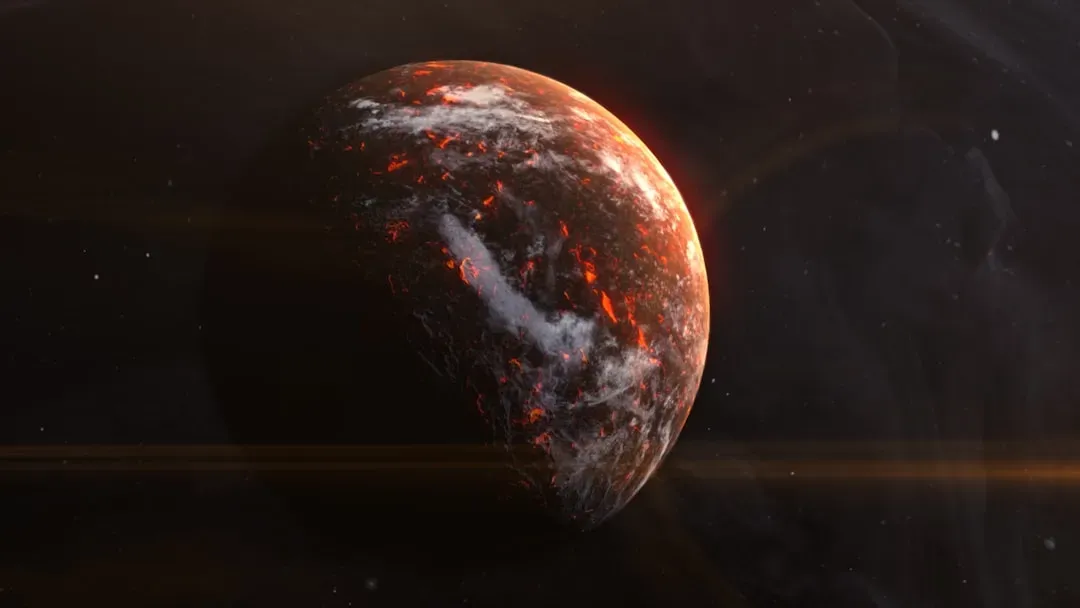
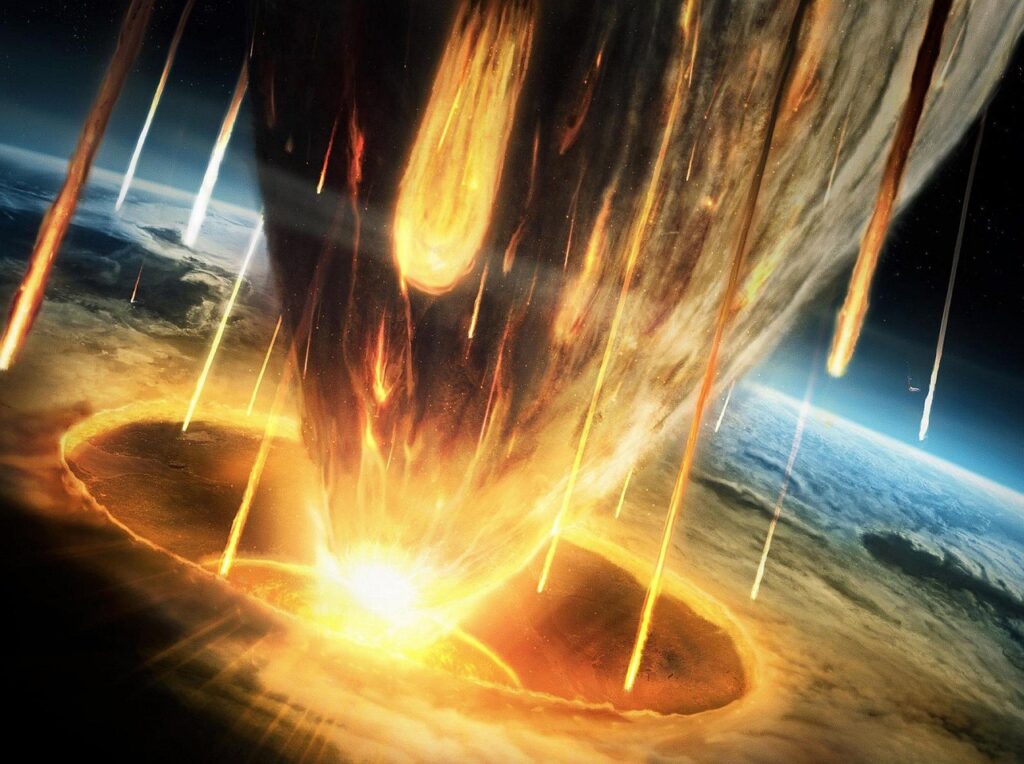
If you dropped into Earth’s deep past, the first thing that would hit you is not birdsong or rustling leaves, but the brutal voice of geology. Early Earth was hotter, more volcanically active, and more frequently smashed by space rocks than it is today. Every major volcanic eruption would have sounded like a continuous, low thunderstorm mixed with the harsh blast of jet engines, only stretched across days or weeks. The deeper roars would carry for great distances, rumbling through the ground and air, while explosions of gas and ash cracked above like gigantic gunshots.
Even without eruptions, the crust itself was noisy. Think of the grinding of tectonic plates, earthquakes popping and groaning along fault lines, landslides rushing down newly formed mountain slopes. Somewhere between a collapsing building and distant thunder, those quakes would send sound waves through both rock and atmosphere. To early ears – if there had been any – it would feel like living inside a drum that occasionally took massive hits. This constant tectonic soundtrack meant that “quiet” in the deep past was probably a rare luxury.
Oceans That Boomed, Hissed, and Sang
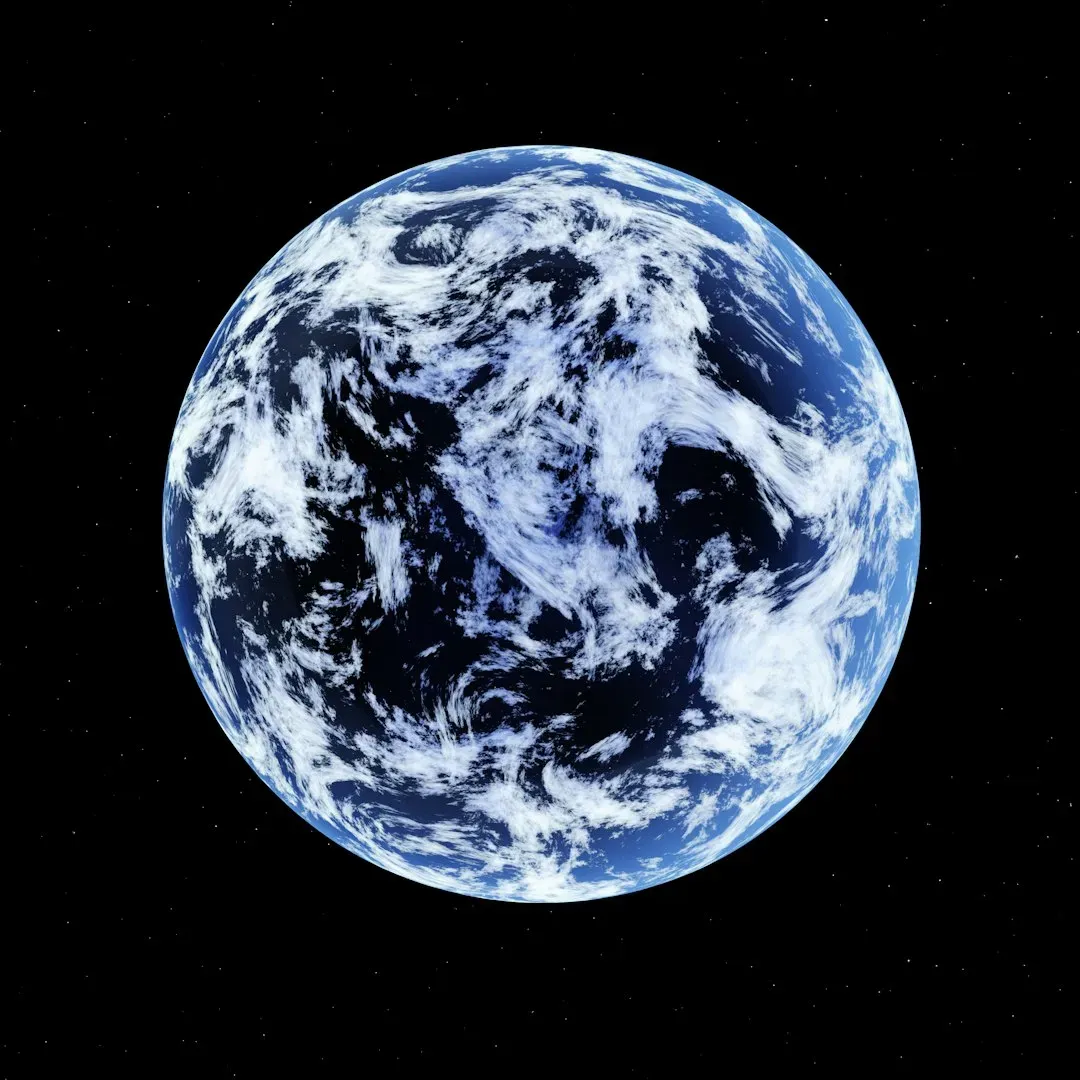
For much of Earth’s history, especially before complex land life spread, the sea was the main stage for sound. Waves smashing into ancient shorelines would have crashed with a familiar roar, though the coastlines themselves looked nothing like ours. On stormy days, the surf would have produced layers of noise: booming breakers, hissing foam, and the sharp percussive clatter of rocks and sediments tumbling in the shallows. When I stand by the ocean today, it feels oddly comforting to realize that this part of the soundtrack is one of the oldest on the planet, almost like an original track that never went off the playlist.
Beneath the surface, prehistoric oceans were anything but silent. Long before whales or modern fish, shifting currents and underwater volcanic vents created constant low-frequency hums. As life evolved, those waters gained new sounds: early arthropods snapping limbs or shells together, primitive fish whipping their tails, and gas bubbles from microbial mats fizzing up from the seafloor. Sound travels faster and farther in water than in air, so even small events could echo through the depths. If you could listen like a submarine microphone, ancient seas might have sounded like an eerie mixture of distant thunder, underwater fireworks, and an endless, rolling hiss.
Wind, Thunder, and the Voice of Ancient Skies
Even before birds or mammals, the atmosphere itself had a lot to say. Wind rushing over barren rock, early mountains, or later through dense primeval forests would have whistled, howled, and moaned in all sorts of strange tones. Picture hurricane-force gusts slamming across an open landscape with little to block them, turning the whole planet into a giant wind tunnel. When dust storms or ash clouds kicked up, they would add a dry, abrasive hiss, like sandpaper dragged across a drumhead.
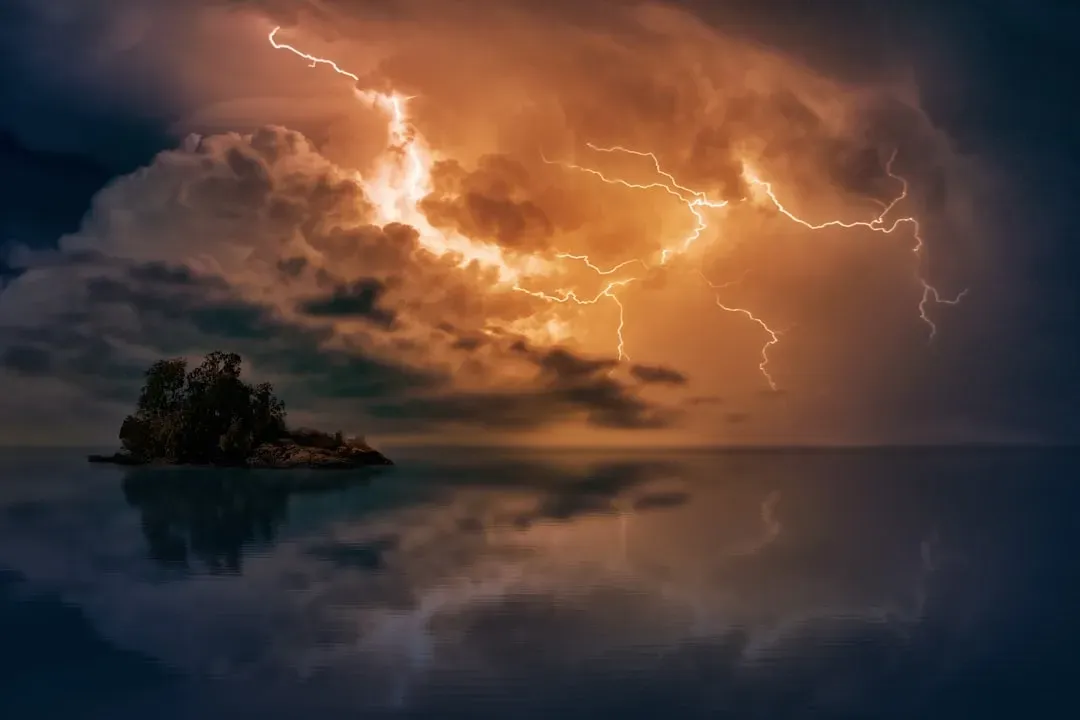
Then there were the storms. Lightning crackling across prehistoric skies would still have produced the same rolling thunder we know today, possibly even more intense in certain eras when the atmosphere was loaded with volcanic particles or different gas mixtures. A single large lightning strike can already sound like a cannon followed by a deep growl; multiply that across a sky full of storm cells, and you have a full percussive performance. Throw in heavy rain hammering bare rock or early soil, and you get a relentless staccato rhythm that could last for hours.
Insects, Amphibians, and the First Animal Choruses
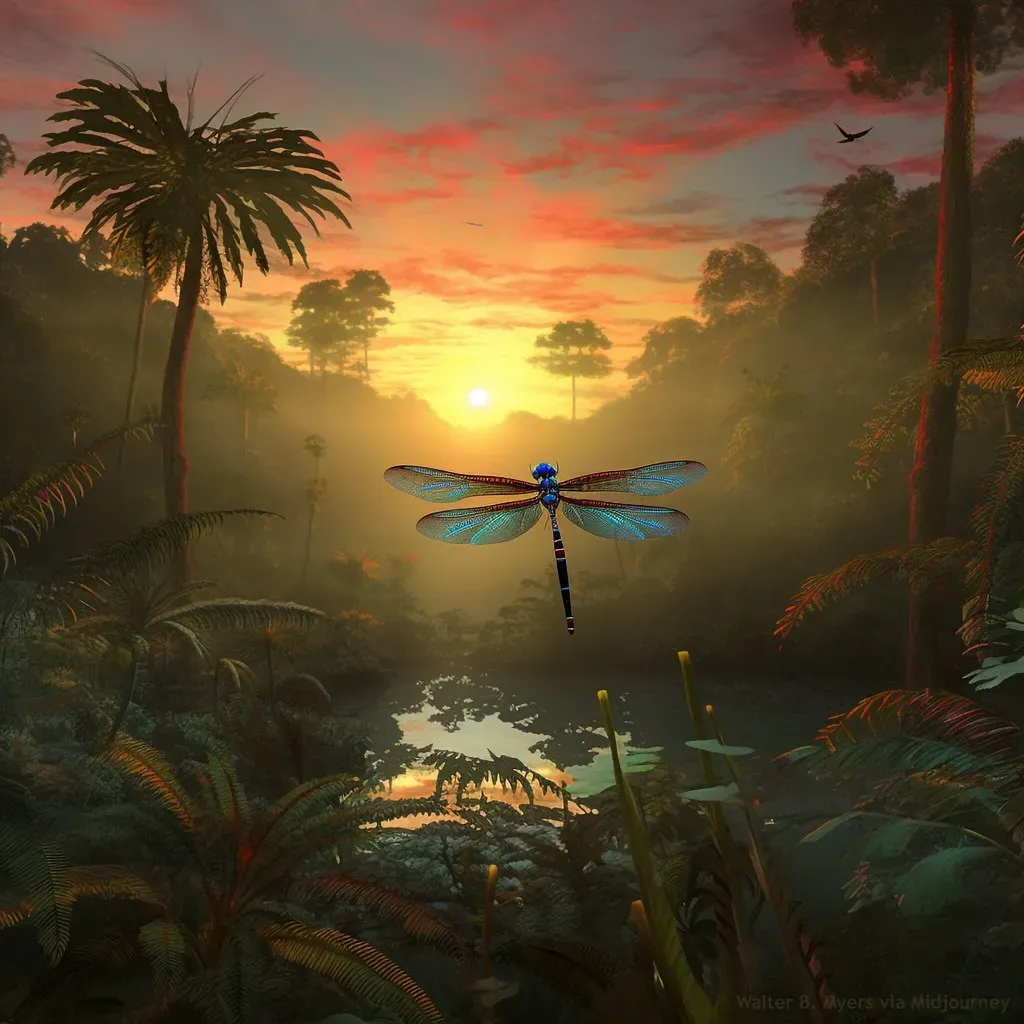
Once complex life crawled out of the water and onto land, Earth’s soundtrack changed dramatically. Early arthropods and insects were some of the first true noisemakers in ecosystems: clicking, scraping, and buzzing either accidentally through movement or intentionally for communication. The first chirps and stridulations would not have sounded exactly like modern crickets, but the general idea is similar – tiny bodies rubbing body parts together to send a message into the night. It is weirdly moving to think that some of the earliest animal “songs” were made by creatures smaller than your fingernail.
Amphibians added another distinct layer. As primitive frogs and frog-like species appeared, marshes and swamps would have transformed after dark into echoing choruses of croaks, trills, and calls. These voices were shaped by evolution and physics: air pushed through vocal sacs, throats resonating like built-in speakers, sound bouncing off water and plants. In some ancient wetlands, the sheer number of calling animals could have built into a wall of sound that rivaled a modern stadium crowd, long before any human ever shouted at a concert.
The Age of Dinosaurs: Heavy Footsteps and Echoing Calls
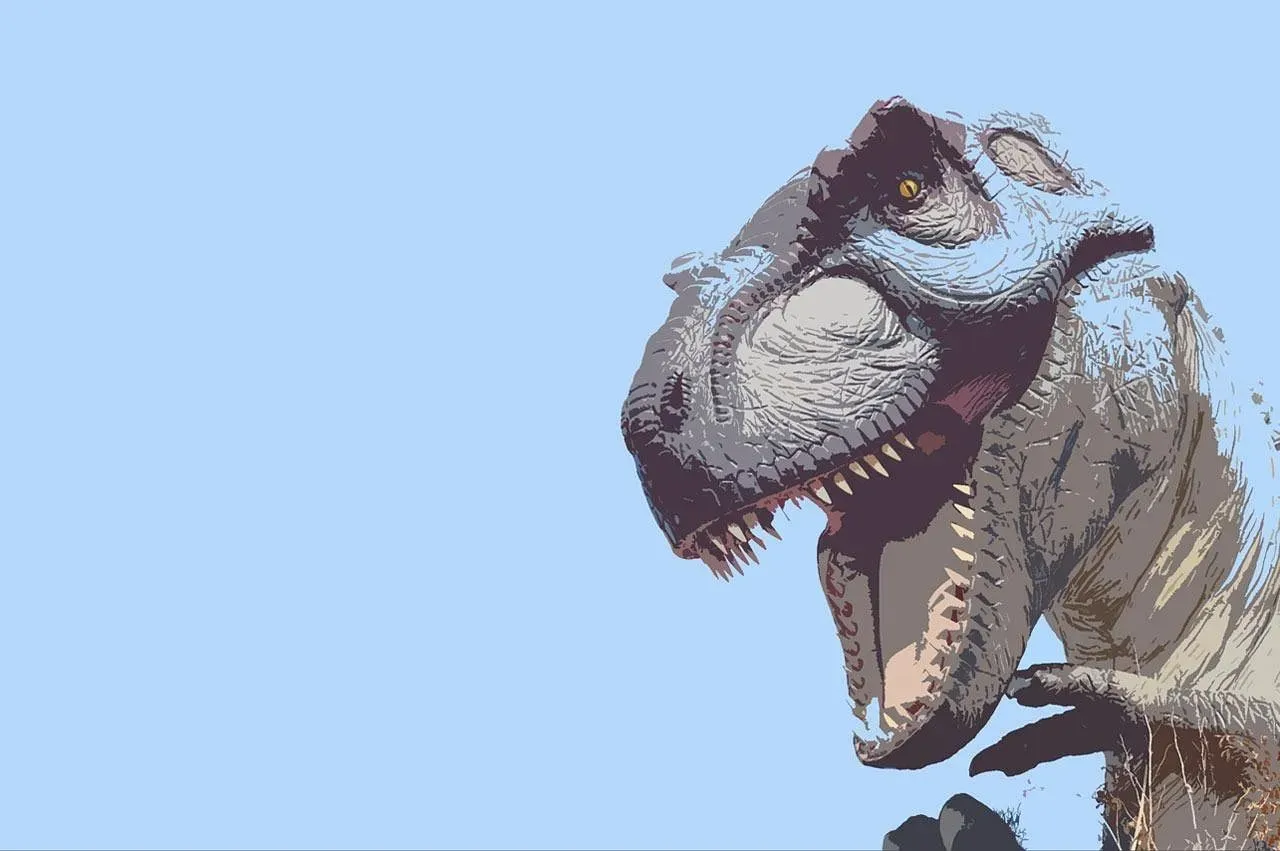
The dinosaur era is where most people’s imagination jumps straight to cinematic roars, but the reality was probably more complex and in some ways stranger. Large dinosaurs moving through forests or floodplains would absolutely have made sound just by existing: heavy footsteps thudding into mud, vegetation cracking and snapping under their weight, tails swishing through branches. Herds traveling together could have produced a low, rhythmic rumble that you felt through the ground before you heard it clearly in the air, a bit like standing near a railway line when a freight train passes.
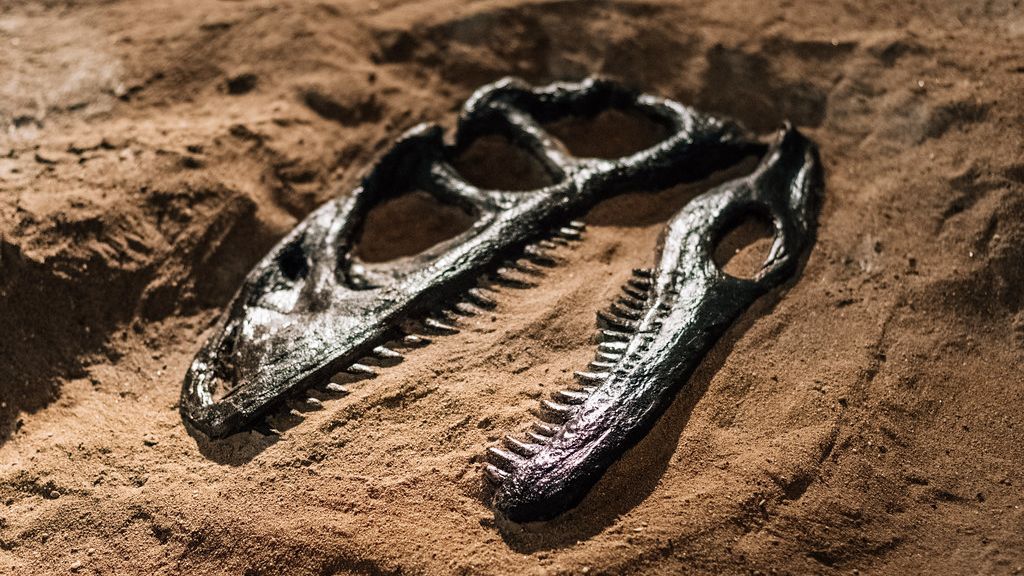
When it comes to actual vocalizations, the fossil record gives some clues but not a full script. Hollow crests on some hadrosaurs, for example, likely acted as resonating chambers, suggesting deep, haunting calls rather than sharp roars. Big animals often favor low-frequency sounds that carry far, so large dinosaurs may have used booms, bellows, or even infrasound that we would feel more in our chest than in our ears. Smaller predatory dinosaurs might have hissed, barked, or produced bird-like calls, since modern birds are their descendants. So instead of just deafening roars, the Mesozoic soundscape was probably a layered mix of grunts, hoots, honks, and rustling movement – wild, loud, and surprisingly sophisticated.
Ice, Glaciers, and the Creaking of a Cooling World
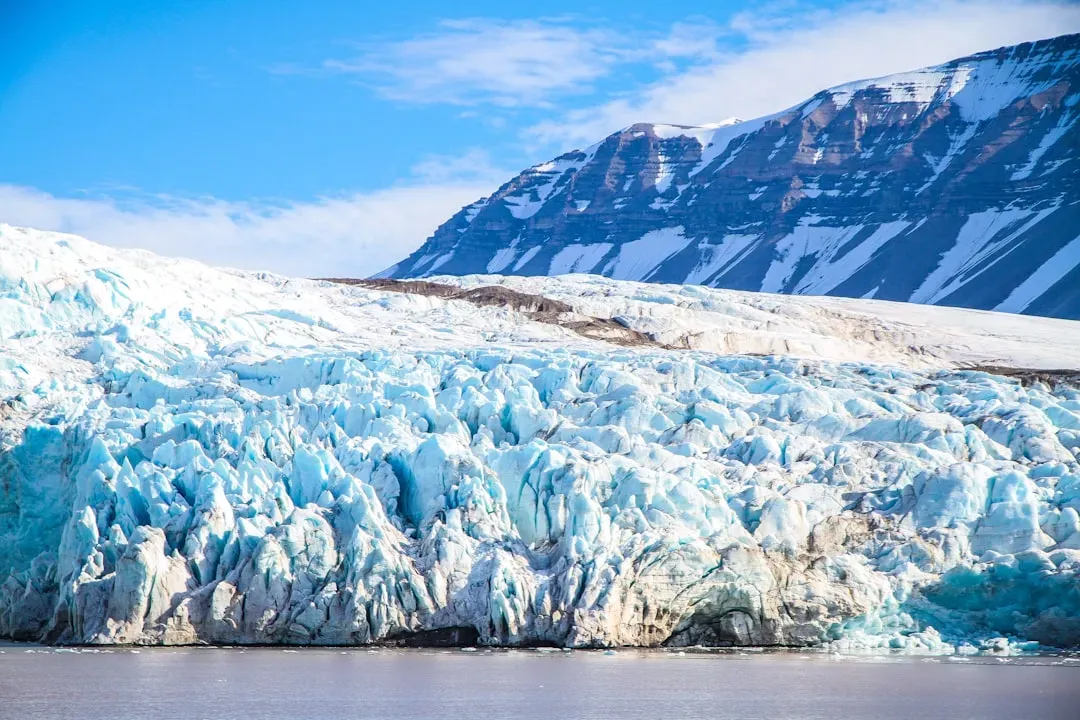
In colder epochs, especially during major glaciations, ice became one of the planet’s loudest instruments. Glaciers do not just sit there; they move, crack, grind, and groan as they flow slowly over land. If you have ever heard ice on a frozen lake popping or cracking, imagine that sound amplified across entire valleys. Glaciers produce sharp snaps as crevasses open, low rumbles as ice scrapes rock, and deep booms when chunks calve off into the sea. Standing near a massive ice front in ancient times would have felt like listening to a giant building constantly shifting and breaking itself apart.
Sea ice added its own soundtrack in polar oceans. Wind pushing ice floes together makes grinding and squealing noises, something between metal being twisted and stones dragged across each other. When the ice expands or contracts with temperature, it can create eerie singing or ringing tones that echo over long distances. These icy soundscapes would have dominated high latitudes during long, dark winters, turning frozen regions into strange, creaking amphitheaters where the main performers were temperature, water, and time.
The Quiet That Was Never Truly Silent
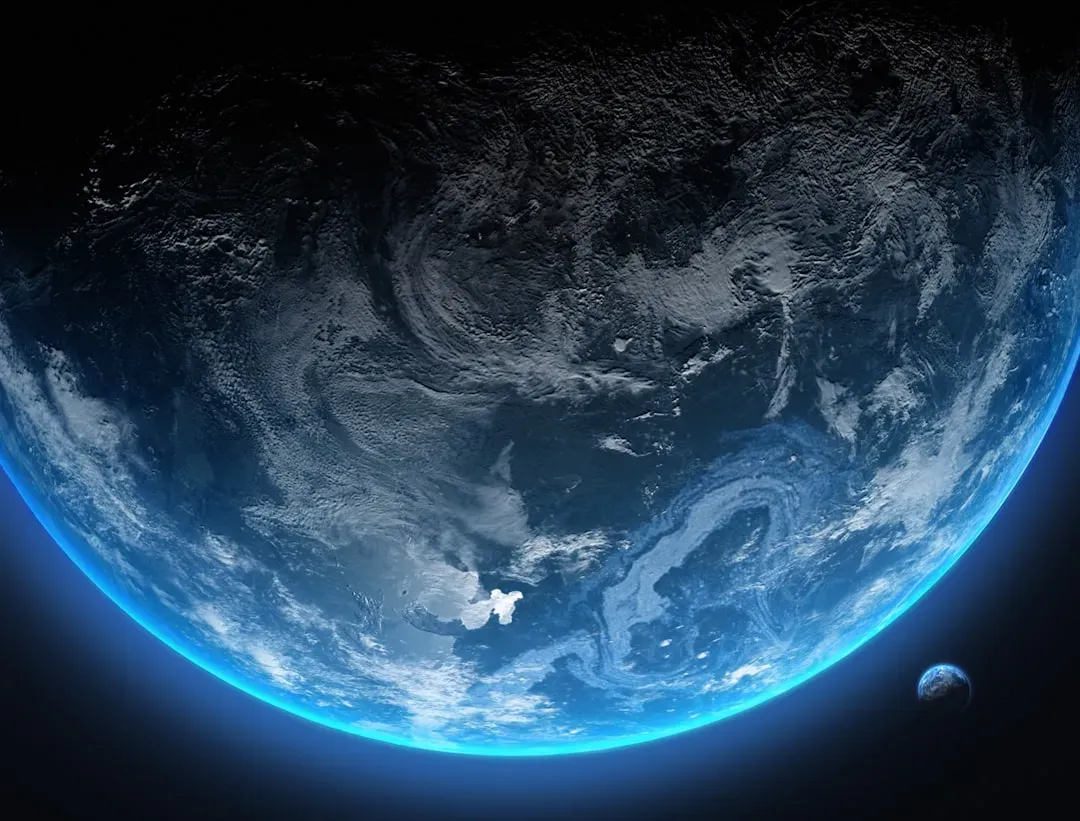
When we romanticize prehuman Earth, we often imagine pure, perfect silence – no phones, no engines, no airplanes. But in reality, the planet was never truly quiet; it just spoke in a different language of sound. Even in the calmest moments, there would still have been the soft rush of wind, the distant crash of waves, the rustle of plants, the chirp or buzz of some creature going about its business. Silence, in the absolute sense, is more of a human fantasy than a natural condition. The universe itself hums; Earth just joined in the chorus early and never stopped.
What did change over time was the flavor of the noise. As life diversified, biological sounds increasingly layered on top of the physical ones. The difference between a barren volcanic coastline and a later, forested one is like the difference between a simple drum beat and a full band. Today, we have added yet another layer: mechanical and electronic noise, from highways to hard drives. In a way, humans are just the latest players to plug into an ancient, ongoing jam session. The question is not whether we made Earth noisy, but whether we like the music we are adding.
Conclusion: A Planet That Has Always Had Something to Say
To me, the most striking thing about imagining Earth before humans is realizing that we did not awaken a silent world; we arrived late to a concert that was already in full swing. From volcanic roars to insect choirs and glacial groans, our planet has been performing its own evolving soundtrack for billions of years. Human-made sounds can feel overwhelming and invasive now, but they sit on top of layers and layers of older, nonhuman noise that shaped every ecosystem long before we existed. That perspective makes our modern speakers and sirens feel both small and a bit arrogant.
Here is the opinionated part: I think we underestimate how much we need those older sounds for our sanity. When I escape the city and hear only wind in the trees, water over rocks, and maybe a few animal calls, it feels less like “peace and quiet” and more like reconnecting with the original language of the planet. If anything, our task is not to chase some impossible perfect silence, but to let the ancient voices of Earth be heard again beneath the hum of our machines. Next time you step outside and really listen, ask yourself: are you hearing the human layer, or can you still catch the echoes of the world as it once sounded?