If dinosaurs actually made the noises you hear in movies, the Late Cretaceous would’ve sounded like a monster truck rally echoing through a canyon. In reality, the soundscape was almost certainly stranger, softer, and a lot more birdlike than most of us want to imagine. The problem is simple: soft tissues like vocal cords do not fossilize well, and nature has a habit of surprising us whenever we try to fill in the gaps with our imagination.
That hasn’t stopped Hollywood from cranking up the volume and inventing an entire prehistoric soundtrack out of thin air. The result is fun, dramatic, and often completely disconnected from what paleontologists think these animals could actually do. Let’s walk through eight of the most famous “dino sounds” the film industry basically made up – and why the real noises, if we could hear them, would probably feel unsettlingly familiar, unexpectedly quiet, or just plain weird.
The Iconic Tyrannosaurus Rex Roar
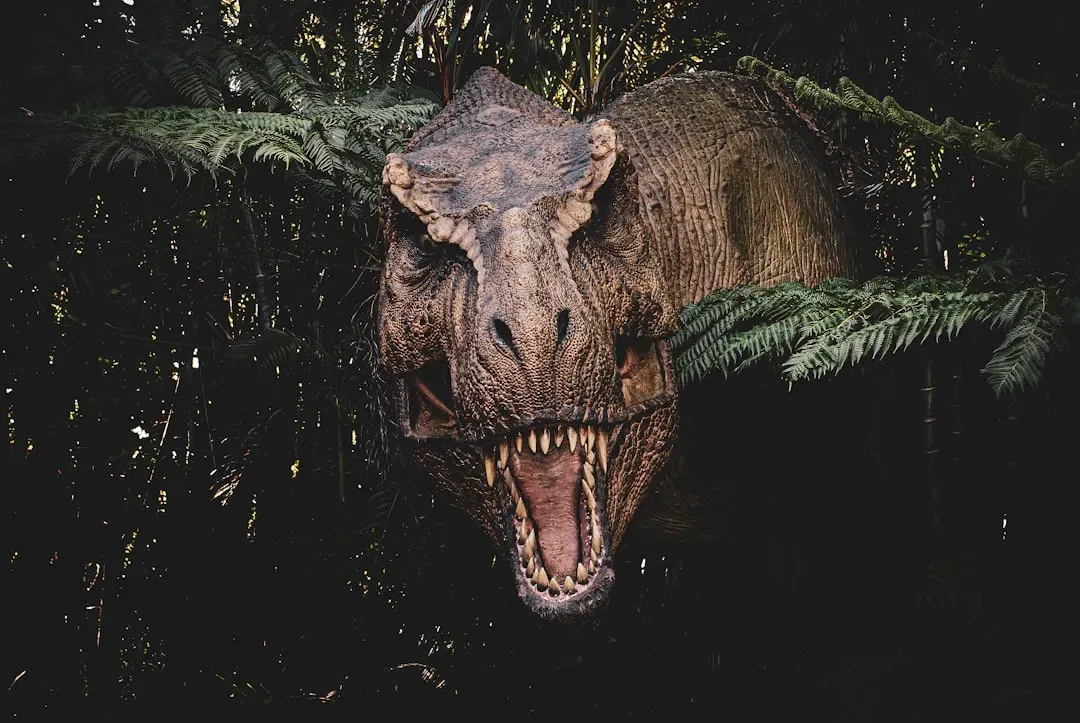
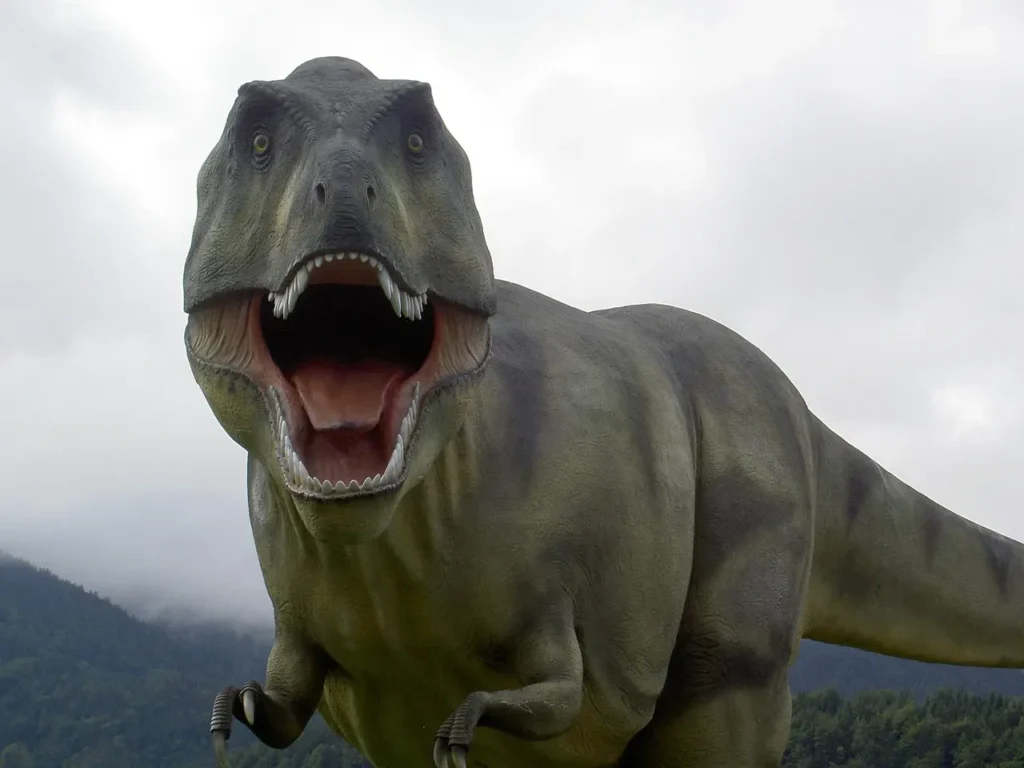
The cinematic Tyrannosaurus rex roar is one of the most recognizable sound effects on the planet – and it is pure fiction. Sound designers have admitted they stitched together audio from modern animals like lions, tigers, elephants, alligators, and even slowed-down bird calls to make that chest-rattling bellow. It is fantastic for drama, but there is no evidence that T. rex ever produced anything remotely like that famous roar. In fact, we do not even know if it could roar in the mammal sense of the word, because the structures that let big cats roar do not exist in the fossil record for dinosaurs.
What we do know is that birds and crocodilians – dinosaurs’ closest living relatives – often produce low, booming sounds with closed mouths, using vibrations deep in the throat and chest rather than open-throated roars. Some research has suggested that large dinosaurs like T. rex might have made more of a chesty, subsonic boom or a resonant rumble, maybe something you felt as much as heard. Personally, I find that idea creepier than the Hollywood version: imagine standing in a forest while the ground hums with a bass note you can’t quite locate, knowing something massive is out there but never getting that big dramatic roar as a warning.
Raptors Screaming Like Movie Monsters
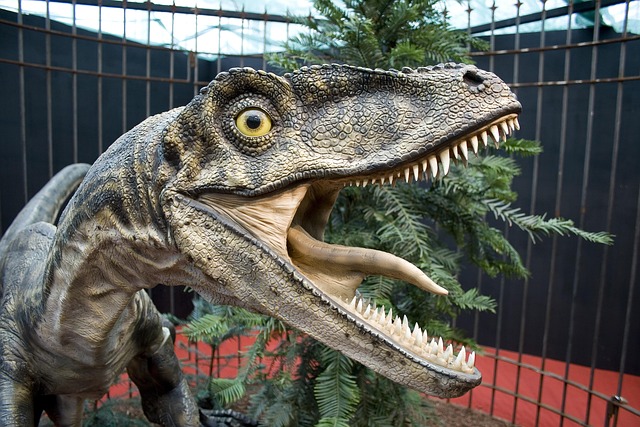
Movie velociraptors shriek like a mashup of eagles, monkeys, pigs, and who-knows-what-else, all layered to sound intelligent, aggressive, and terrifying. The reality is that real dromaeosaurs – raptor-like dinosaurs with sickle claws – were probably more birdlike than monster-like. They were lightly built, covered in feathers, and very likely communicated with a mix of clucks, chirps, croaks, and maybe low hoots or hisses. Their skulls do not show any special roaring hardware; instead, their anatomy lines up neatly with the bird side of the family tree.
Modern birds of prey, despite their fierce image, do not actually scream quite the way movies portray them either; a bald eagle’s call is famously underwhelming in real life, and filmmakers often swap in hawk cries just to make it sound tougher. Raptors probably had the same problem: they looked terrifying, but they may have sounded surprisingly ordinary, even a bit silly to our ears. I like to imagine a pack of deadly, feathered predators coordinating with little hoots and chirps, more like a gang of angry geese than a horror-movie monster. It does not sell as many tickets, but it is probably closer to the truth.
Trumpeting Sauropods Like Giant Elephants
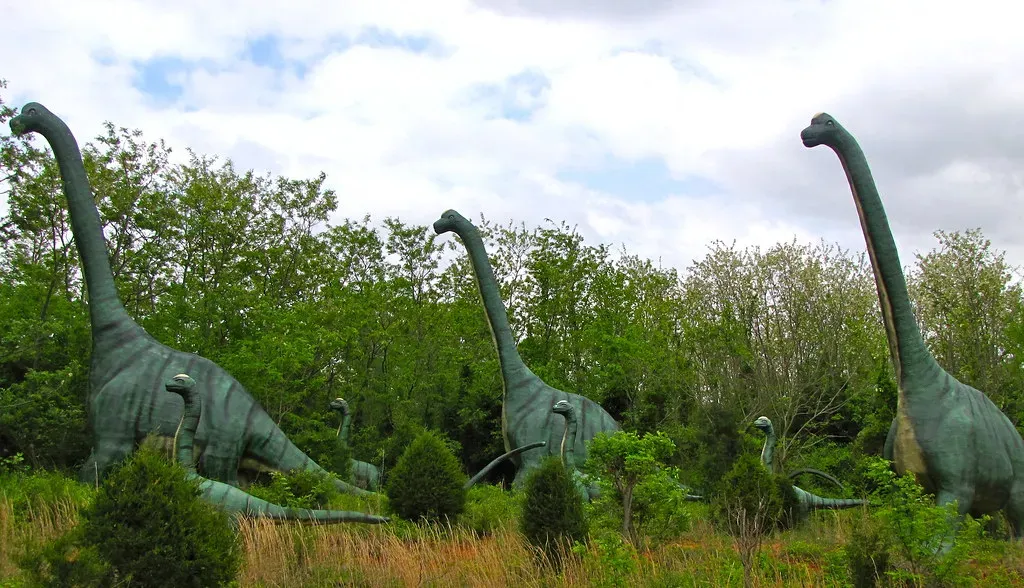
Those long-necked sauropods in movies often let out emotional, echoing trumpets, straight out of an elephant documentary with a few tweaks. It fits the visual: huge, gentle giants calling to each other across misty valleys. But sauropods did not have trunks; they had long, relatively simple snouts and massive air-filled necks and bodies. Their skulls were lightweight and built more like bird heads than elephant faces, which means the classic trunk-like blare is almost certainly wrong. There is nothing in their anatomy that screams “prehistoric elephant trumpet.”
What they did have were enormous air sacs and long respiratory pathways that could have acted as resonating chambers. Some scientists suspect they could have produced very low-frequency sounds, maybe below the range of human hearing, allowing them to communicate across long distances like whales or modern elephants do – just not with that familiar high blast. If you stood near a real sauropod herd, you might not hear a majestic movie chorus at all. You might just notice your chest vibrating with deep, distant pulses, the way you feel bass through a wall at a concert. It is less cinematic, but weirdly more awe-inspiring.
Herbivores Bellowing Like Angry Cows
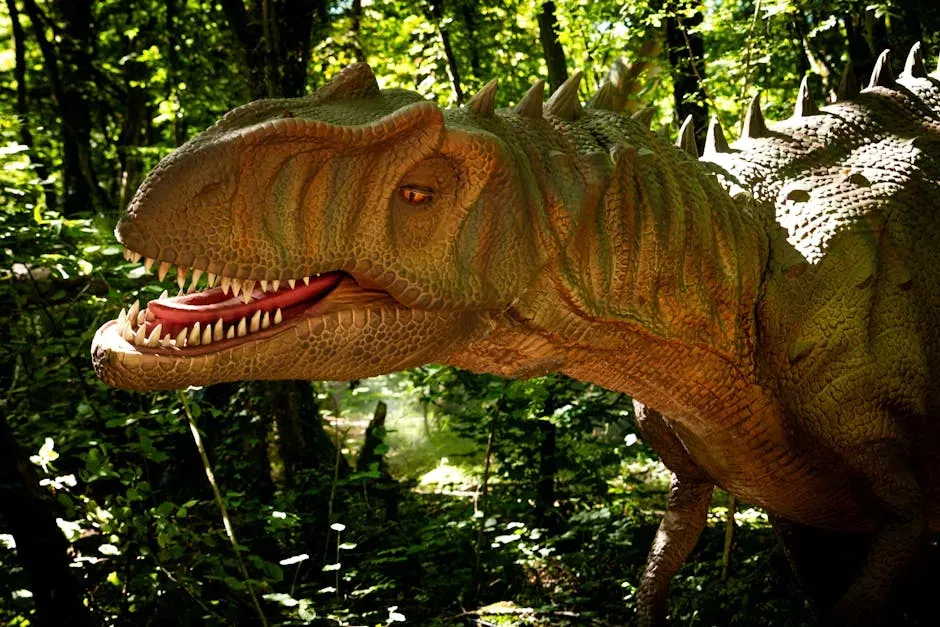
Big plant-eating dinosaurs are often given generic mammal bellows in films: deep cow-like moos, buffalo grunts, or rhino-style snorts, often just pitched down to sound “dinosaur-sized.” It is understandable – those are the sounds we instinctively reach for when we see a huge, lumbering animal. But many of these herbivores, especially hadrosaurs and ceratopsians, had skulls and nasal passages that look nothing like modern mammals. They were built on a very different blueprint, and their sounds almost certainly reflected that.
Hadrosaurs, sometimes called duck-billed dinosaurs, had complex, hollow crests and sinus systems that may have functioned like built-in brass instruments. Instead of a simple moo, they might have produced multi-toned, resonant calls, more like someone blowing through a giant, living trombone or didgeridoo. Ceratopsians like Triceratops had large nasal cavities and hefty skulls that could also have supported strange, resonant vocalizations. In other words, the real soundscape might have featured droning, haunting, occasionally comical honks and booms rather than the cow pasture soundtrack Hollywood loves to reuse.
Pterosaurs Screeching Like Oversized Bats
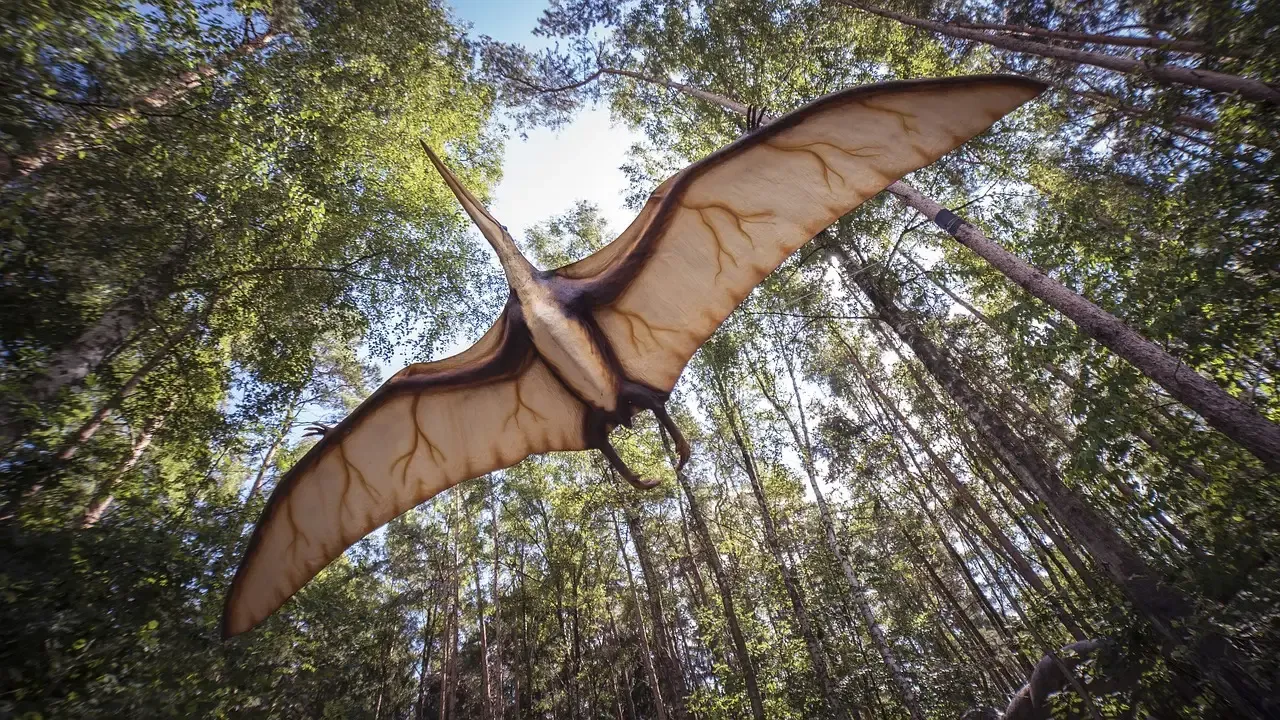
Pterosaurs are not technically dinosaurs, but movies almost always throw them into the same roaring, screaming mix. On-screen, they tend to screech like bats cranked up in pitch and volume, or like angry seagulls stretched over a microphone. The problem is that we know almost nothing about their soft-tissue vocal anatomy, and their bones do not suggest they were just scaled-up versions of any living animal today. Treating them like giant bats is convenient, but it is scientifically lazy and almost certainly wrong.
The closest living analogues in terms of aerial lifestyle might be seabirds and some bats, but even those groups show a wide range of calls – from quiet clicks and chirps to haunting, low wails. Some pterosaurs had crests and air-filled skull structures that might have influenced their voices, similar to how some birds use their syrinx and air sacs. Their real sounds could have been surprisingly subtle, even whispery – a mix of croaks, clacks, and short calls used in close-range communication. I like to picture a cliff full of nesting pterosaurs sounding more like a chaotic, alien seabird colony than a nonstop bat-attack orchestra.
Dinosaur “Growls” Lifted Straight From Big Cats
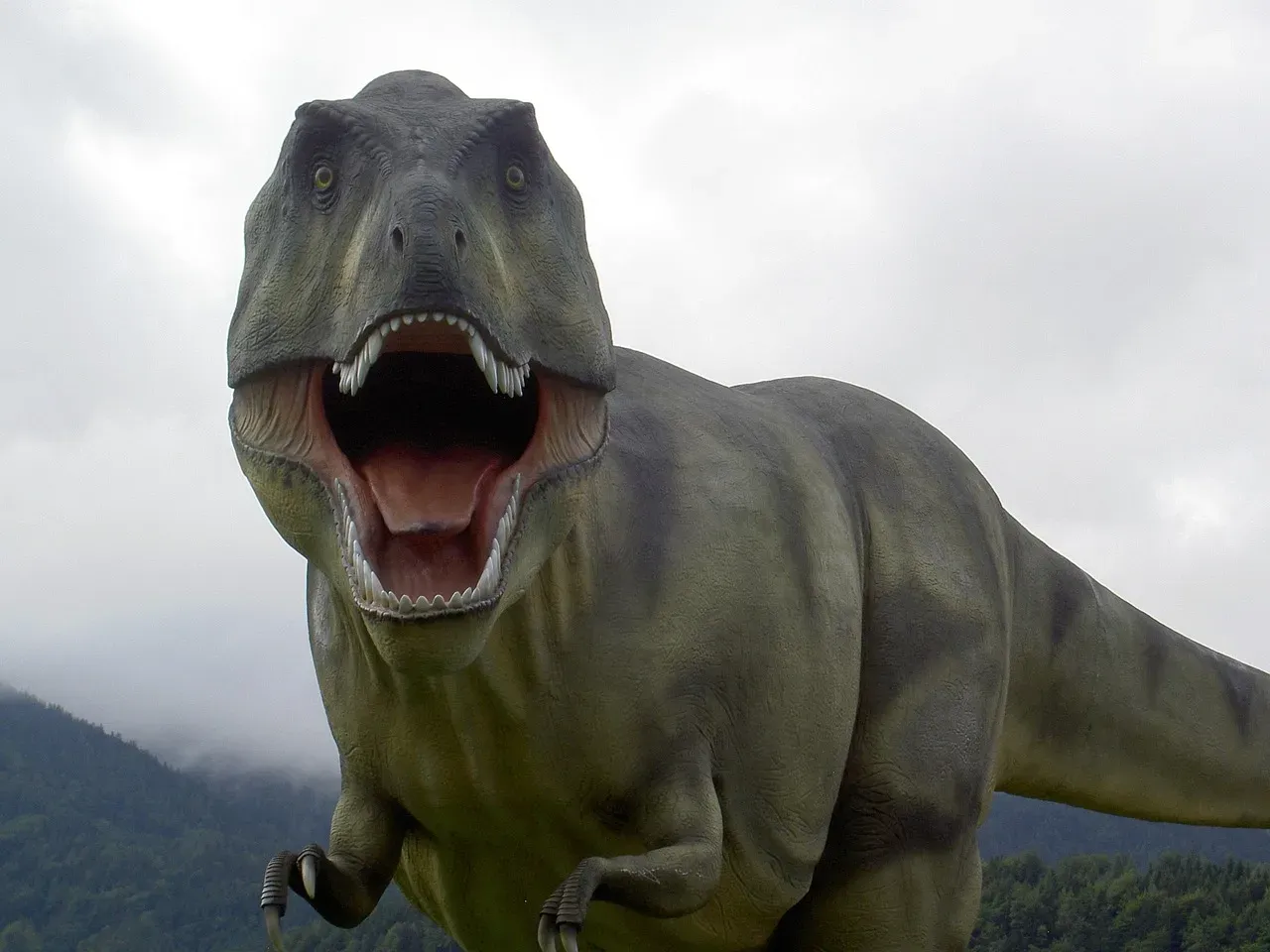
One of the sneakiest Hollywood inventions is the generic dinosaur growl. If you listen closely, many of those “original” growls are just tiger, lion, or leopard audio manipulated and layered together. Movies lean heavily on mammal-style snarls, rumbling chests, and hissing air through teeth, because those sounds instantly feel threatening and powerful to us. The hitch is that roaring big cats rely on specialized laryngeal structures and soft tissues that are not documented in dinosaur fossils, and birds – the living dinosaurs – simply do not make those kinds of sounds.
Instead, many dinosaurs probably relied on closed-mouth vocalizations, where the mouth stays mostly shut and the sound resonates in the throat, chest, and skull. Think of the low booms of an ostrich, the deep coos of a pigeon, or the weird, drumming noises some birds make with their chests and feathers. Those sounds can still be intense and unsettling, but they do not fit our usual horror-movie template. It is entirely possible the scariest dinosaur in your imagination would, in reality, sound more like a massive, ominous pigeon than a sabertooth tiger, which is both hilarious and slightly disturbing.
Over-the-Top Death Screams and Dramatic Final Cries
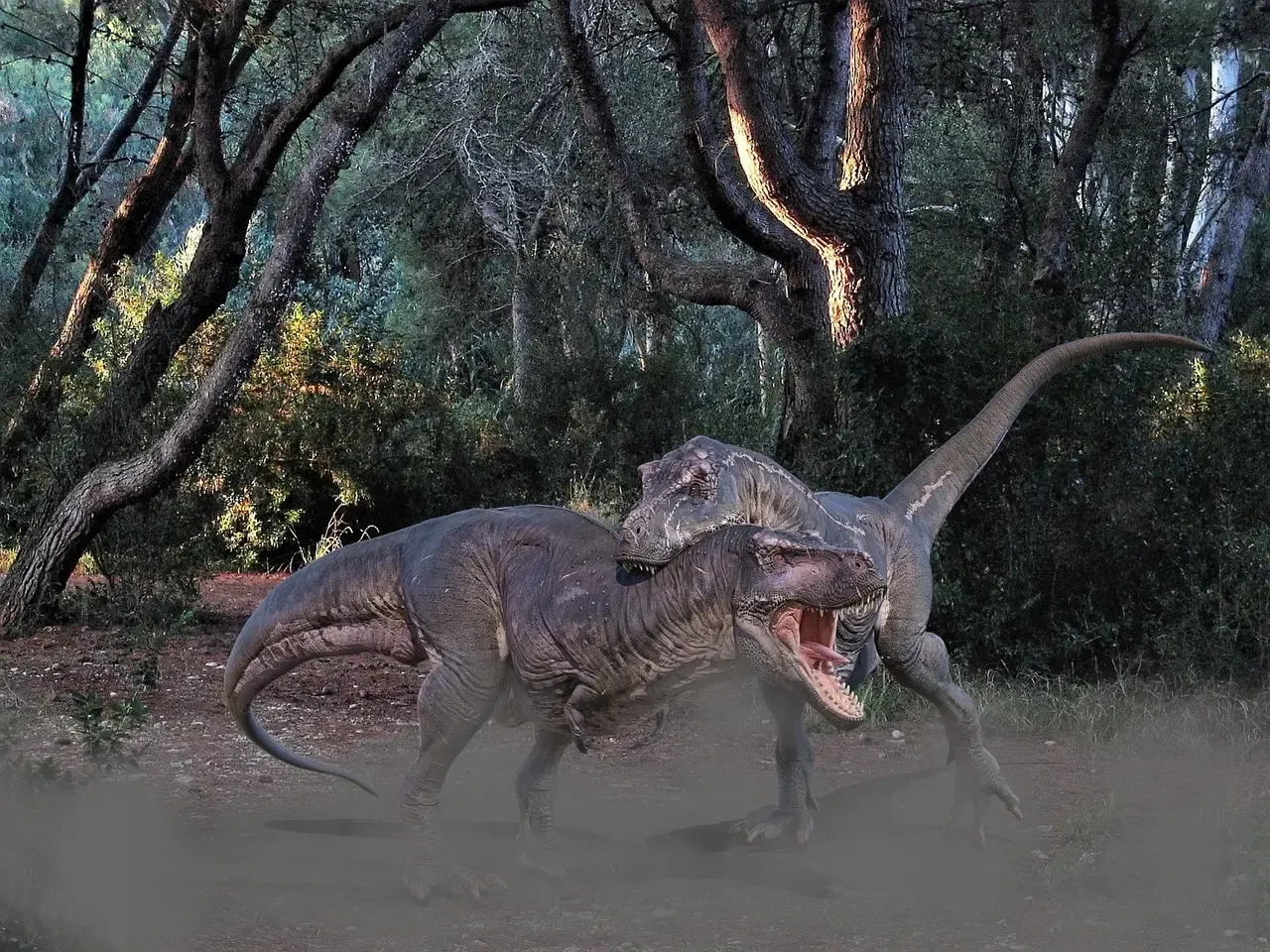
Hollywood loves a good death scream: a dinosaur gets taken down and unleashes a drawn-out, echoing wail that tells the audience exactly how to feel. The truth is that we have no evidence that dinosaurs produced theatrical, human-pleasing death cries at all. Many modern animals, especially prey species, often go silent when captured, either because it is over too quickly or because staying quiet can sometimes reduce further attacks. Nature is usually brutal and fast, not theatrical and slow-motion.
Predators, too, generally do not roar in agony for dramatic effect; when they do vocalize in pain, it is quick, raw, and not especially cinematic. Dinosaurs would have had the same evolutionary pressures pushing them toward efficient, survival-focused behavior instead of Hollywood drama. I sometimes wonder if real dinosaur battles would be almost unnervingly quiet compared to the movie versions, punctuated only by thuds, crunches, and a few brief cries. From a storytelling perspective, that is a lot less satisfying – but from a biological standpoint, it is far more believable.
Perfectly Timed Roars Used As “Dialogue”
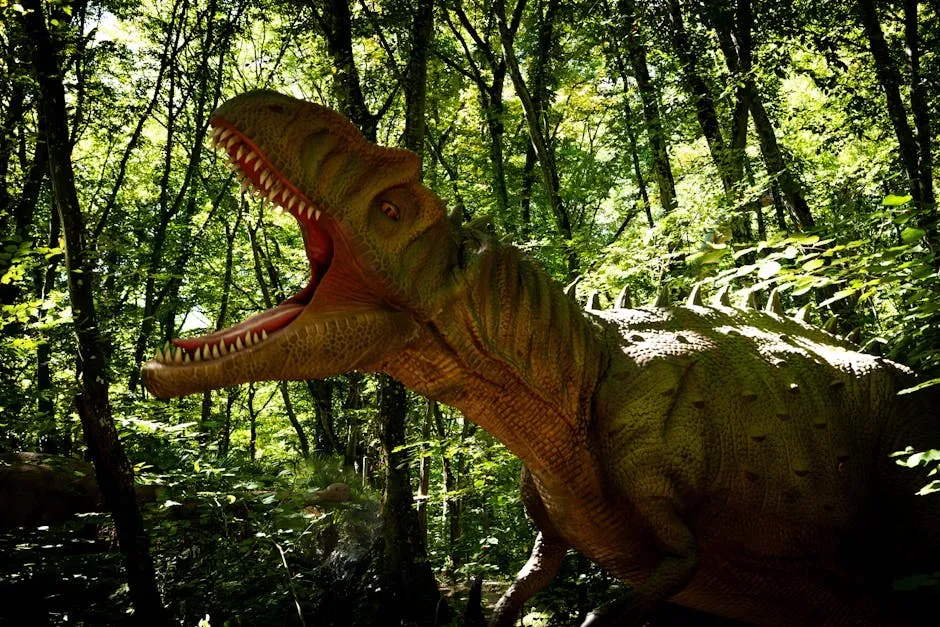
In movies, dinosaurs roar on cue like actors hitting their marks: one roars to assert dominance, another roars back in defiance, and we essentially “read” their emotions through sound. That works for a narrative, but it massively overstates how much we know about dinosaur vocal communication. We can infer that they used sound for courtship, territory, and warnings, just as many animals do today, but the idea that they constantly exchanged long, dramatic calls like verbal arguments is pure cinematic imagination. Real animal communication is usually far more subtle and context-dependent.
Modern birds and reptiles rely heavily on body language, coloration, posture, and short, repeated calls rather than continuous theatrical noise. Dinosaurs almost certainly did the same: a tilted head, a raised crest, a sudden stillness of the tail might have communicated more than any roar. Sound was probably one of several tools, not the constant, booming soundtrack we are used to. Ironically, if we dropped a real dinosaur into a movie set, the quiet pauses and ambiguous little noises might make it feel even more alien and unsettling. The silence between sounds can be scarier than any perfectly timed roar.
Conclusion: The Real Dinosaur Soundscape Was Stranger Than Fiction
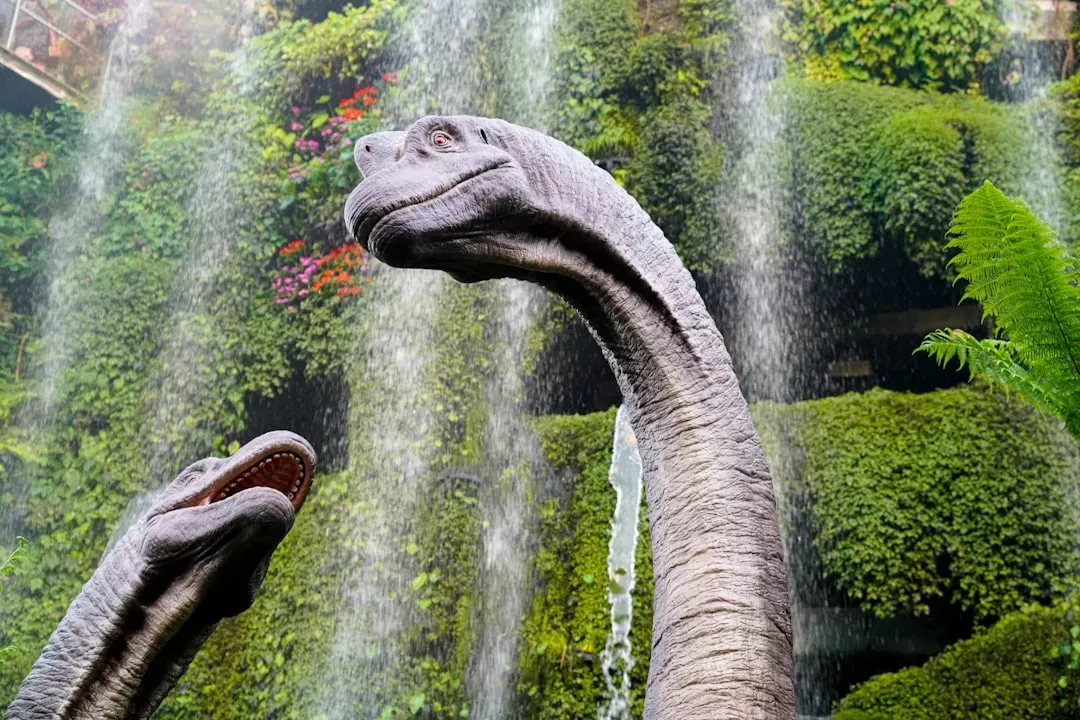
When you step back and look at it, Hollywood’s dinosaur noises are less about science and more about us – our fears, our expectations, and the sounds that already make our hair stand on end. Roaring like lions, trumpeting like elephants, screaming like monsters: these are familiar emotional shortcuts, not reconstructions of a lost world. The fossil evidence and living relatives suggest a very different prehistoric soundscape, full of low booms, strange honks, subtle hoots, and chest-vibrating rumbles that might have felt eerie rather than deafening. In a way, the real version is more fascinating, because it forces us to admit how alien even our own planet can be once you roll the clock back far enough.
I think that is the fun of it: accepting that we might never perfectly know what a T. rex “really” sounded like, and resisting the temptation to fill the gap with convenient movie clichés. Instead of giant cats in scaly costumes, we get something closer to nightmarish birds and deeply weird reptiles humming through their bones. That uncertainty keeps the field alive, nudging scientists to squeeze new clues from old bones and pushing the rest of us to keep questioning the stories we are sold on screen. Next time you hear a dinosaur roar in a theater, maybe ask yourself: is this the sound of the Mesozoic, or just the echo of our own imagination turned up to eleven?