There is something irresistibly fun about watching humans and dinosaurs duking it out on screen, even when every cell in your brain is quietly screaming that none of this makes sense. We know the timelines do not match, we know that most of these creatures never met, and we definitely know that cavemen were not running around drop-kicking Tyrannosaurus like action heroes. Yet when filmmakers mash up millions of years of prehistory into one messy brawl, it somehow becomes its own kind of entertainment: so wrong, it loops all the way back around to being weirdly watchable.
Prehistoric battles on screen are rarely about scientific accuracy; they are about adrenaline, spectacle, and the thrill of imagining impossible face‑offs. That is where the unintentional comedy creeps in. When a saber‑toothed cat behaves like a house tiger, or when a massive dinosaur politely takes turns attacking like a video game boss, you cannot help but laugh. Let’s dive into some of the most absurd patterns and tropes that make these prehistoric showdowns gloriously, unmistakably fake.
Humans Versus Dinosaurs: The Ultimate Historical Non‑Event
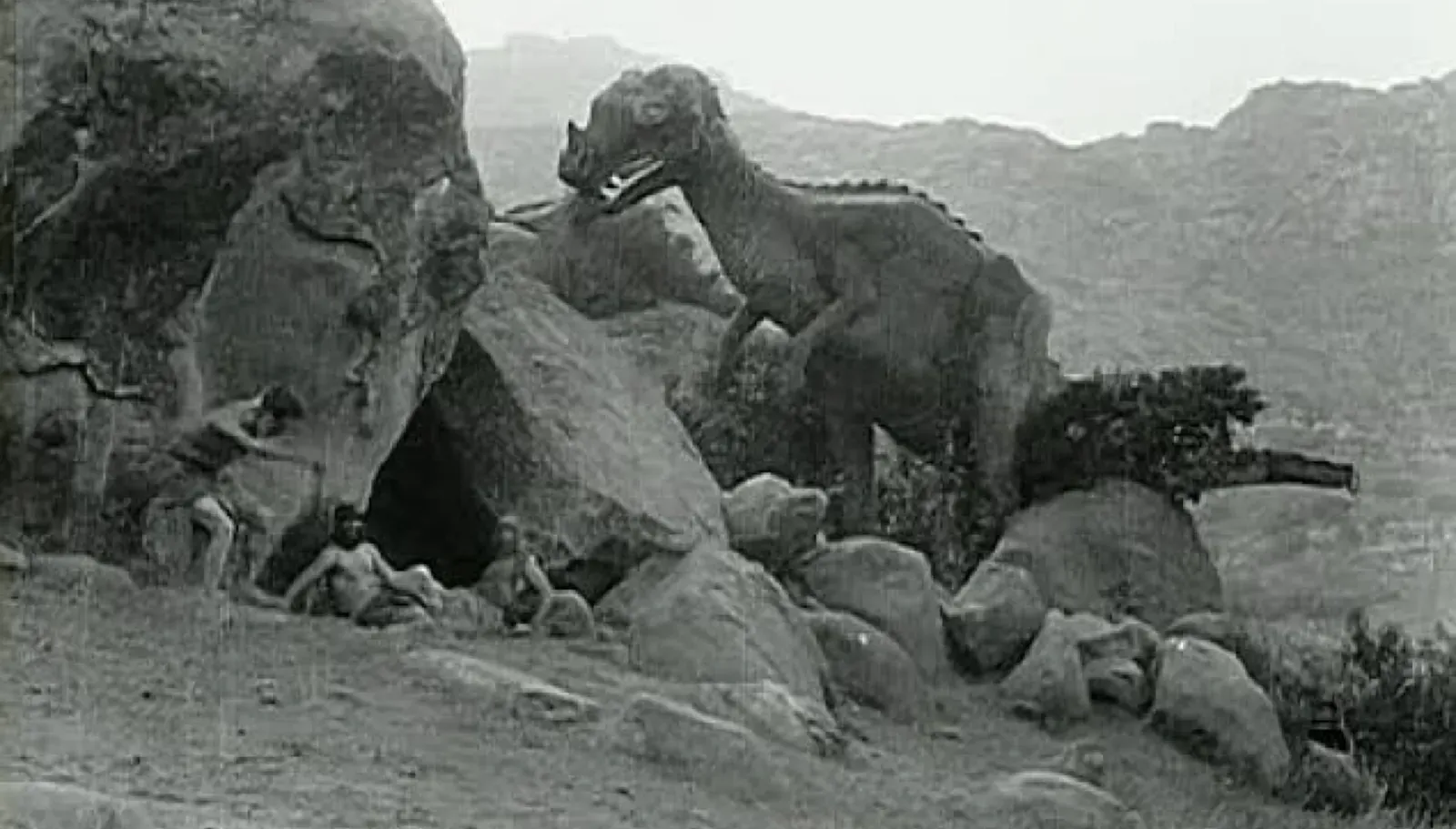
One of the most ridiculous recurring images in film is the fur‑clad “caveman” sprinting from a roaring Tyrannosaurus. From a scientific point of view, that matchup is pure fantasy: non‑avian dinosaurs were wiped out tens of millions of years before anything like a modern human appeared. Yet cinema keeps treating this pairing as the definitive prehistoric showdown, as if the planet hosted some epic crossover event that paleontologists somehow forgot to write down. It is like making a boxing movie where a Roman gladiator fights a World War II tank in a suburban parking lot.
What makes this trope funny is how seriously movies frame it. The music swells, the camera shakes, characters scream as though they are reenacting a documentary, while anyone with a basic grasp of Earth’s timeline knows this is as plausible as a Neanderthal riding a jet ski. At some point, it stops feeling like bad science and starts feeling like a running joke the whole culture is in on. We know it never happened, but watching a human with a wooden spear stare down a multi‑ton predator presses a very simple, very primal button in the brain: underdog versus monster, logic be damned.
Dinosaur Behavior Straight Out of a Wrestling Ring
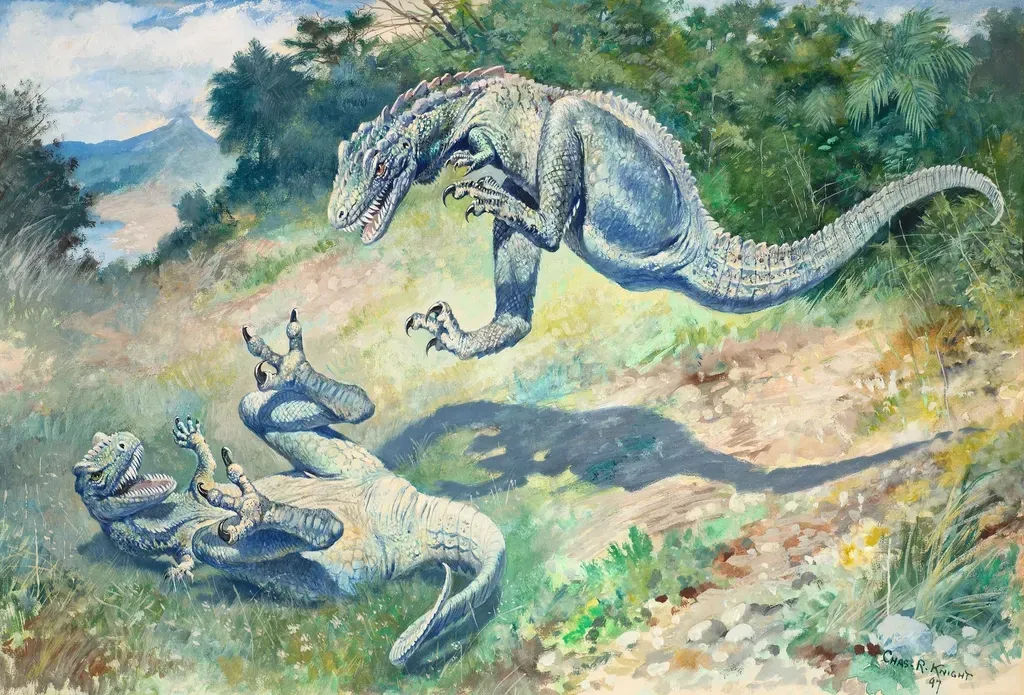
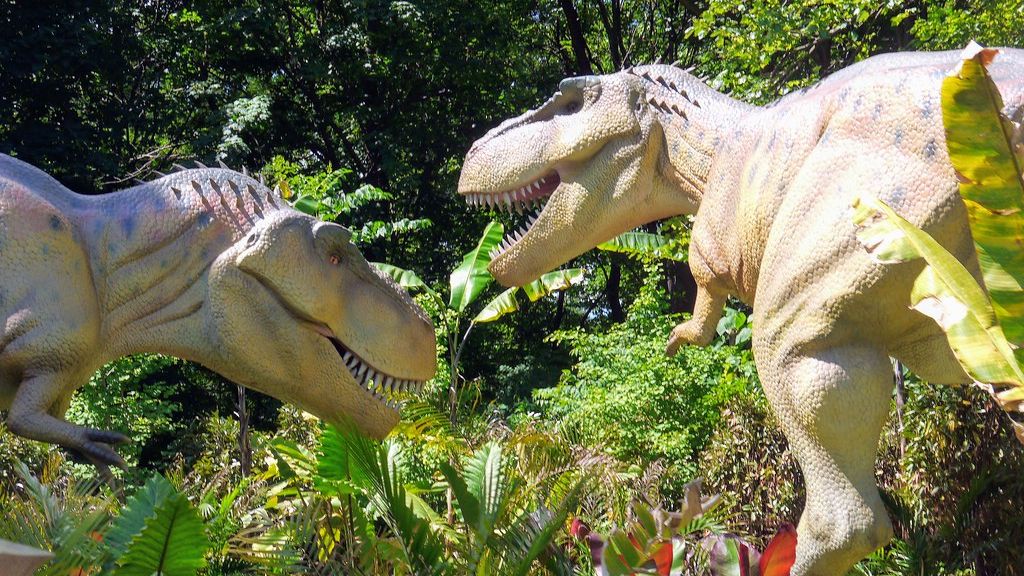
Another giveaway that a prehistoric battle is more fantasy than science is how dinosaurs move and “think” like professional wrestlers or movie henchmen. On screen, giant predators conveniently attack one at a time, circle dramatically, and wait for the hero to finish a cool move before lunging again. Real animals, especially pack hunters, are brutally efficient; they gang up, flank, and finish quickly because energy is precious. But in films, a raptor will stalk a character for minutes, hissing and posing, almost as if it is checking whether the camera has a good angle.
These creatures are also often given choreographed attack patterns that look suspiciously like human martial arts. You will see a dinosaur swat a character aside with a perfectly timed tail flick, then pause for a beat as if basking in applause, instead of instinctively going for the kill. The result feels more like a staged fight scene than a desperate struggle for survival. It is entertaining, sure, but it turns supposedly wild animals into costumed performers, trading real predator behavior for something halfway between a theme park show and a video game boss fight.
Everything Fights Everything: Ecological Mash‑Ups Gone Wild
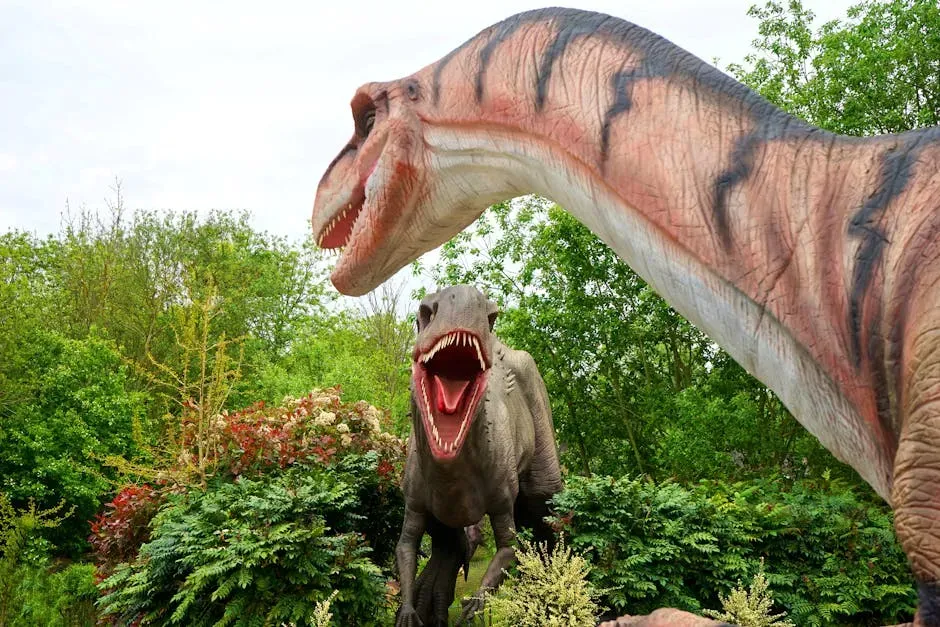
Prehistoric battle scenes love to toss together creatures that lived in completely different eras or environments, just because the visual contrast looks cool. You get desert‑dwelling mammals attacking ocean reptiles, polar megafauna conveniently rampaging through lush tropical jungles, and random insects scaled up to nightmare size for good measure. It is like a child mixed all the dinosaur toys and Ice Age animals into one pile, then yelled “They all fight!” without the slightest concern for when or where these species actually existed.
This ecological chaos is especially obvious when massive predators just keep appearing out of nowhere, as if the prehistoric world was crammed shoulder‑to‑shoulder with apex hunters that never ran out of food. In reality, ecosystems are fragile: too many giant meat‑eaters, and everything collapses. But movies treat the ancient Earth like an endless battle royale server, constantly spawning new monsters at the edge of the frame. The result can feel hilariously overcrowded, as though the planet was hosting a never‑ending UFC tournament where evolution quietly stepped aside in favor of maximum carnage.
Cavemen With Gym‑Bro Bodies and Modern Combat Skills
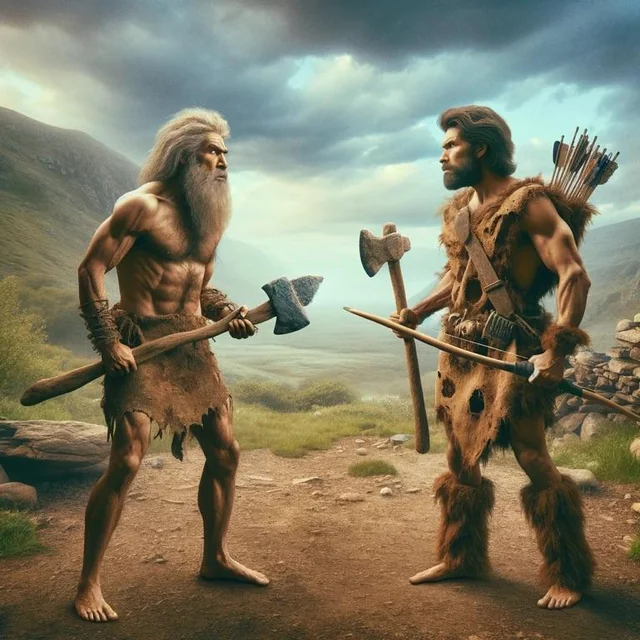
Many prehistoric battle scenes hinge on human ancestors who look less like real hunter‑gatherers and more like fitness influencers dropped into a rock quarry. You get flawless teeth, sculpted muscles, and suspiciously fresh haircuts, all wrapped in perfectly torn animal skins that seem oddly runway‑ready. Then, when danger strikes, these characters suddenly fight with polished choreography, rolling, flipping, and improvising weapons with the kind of flair you would expect from a trained stunt team, not a small band of foragers who spent most of their day just trying to find calories.
The comedy really lands when these “cavemen” start pulling off tactical moves that feel ripped from modern military thrillers. They lure predators into traps with near‑instant engineering, coordinate ambushes with shouted commands, and occasionally go toe‑to‑toe with multi‑ton beasts in hand‑to‑hand combat. Actual early humans were clever and adaptable, but they were also fragile apes in a dangerous world, not action superheroes who took on apex predators for sport. When a spear‑wielding hunter suddenly survives what would realistically be a one‑second mauling, the illusion of authenticity snaps and the whole scene starts to feel like prehistoric cosplay.
Physics‑Defying Escapes and Indestructible Heroes
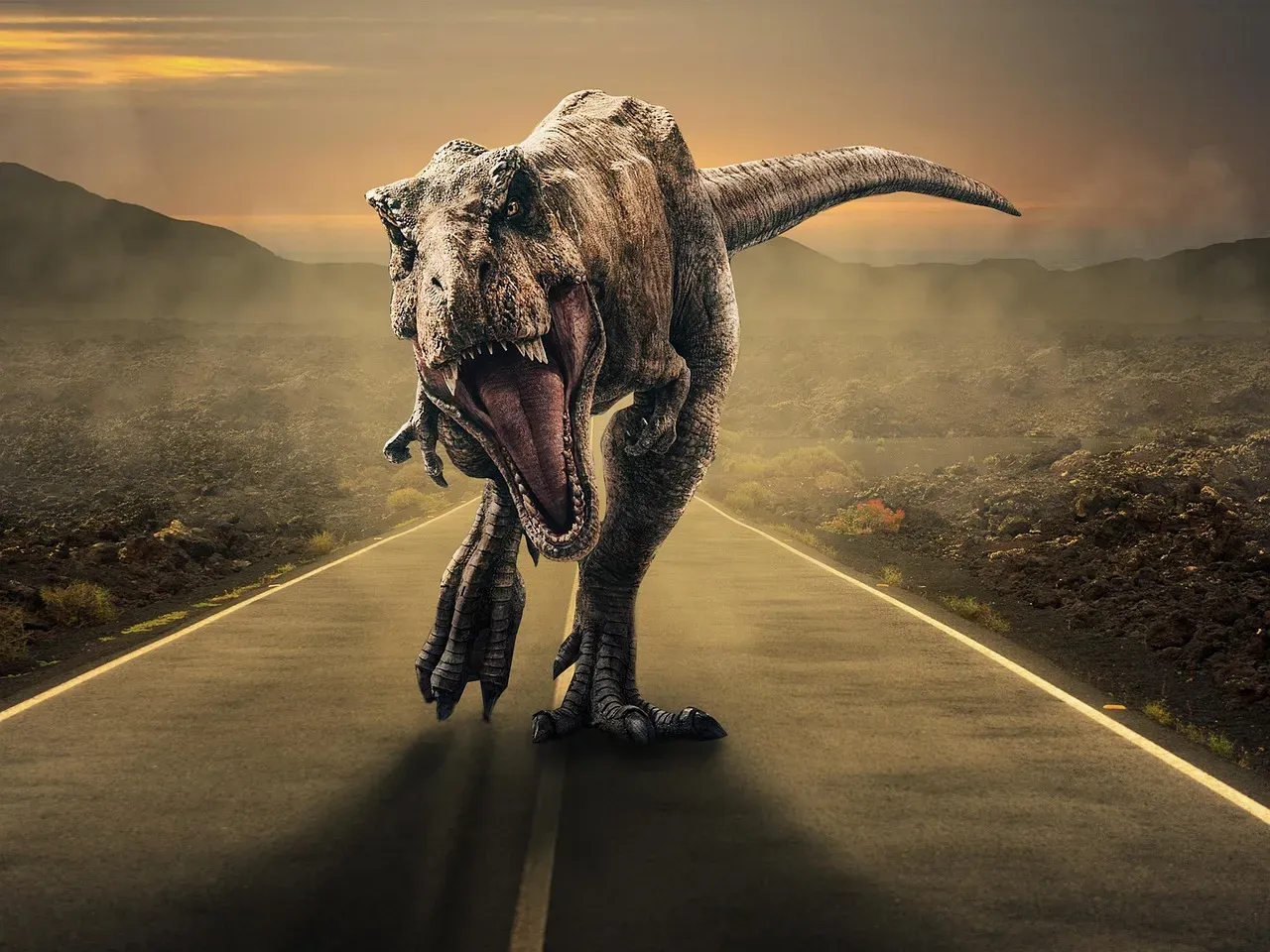
Nothing screams “fake prehistoric battle” louder than the way characters routinely shrug off impacts, falls, and bites that should end the story instantly. A hero will be swatted by a massive tail, hurled meters through the air, smash into a rock wall, and then stand up with maybe a slightly bloody lip. In real life, that is shattered ribs, internal bleeding, and a very short movie. These scenes treat the human body like a rubber ball, bouncing, rolling, and sliding away from danger with barely a limp for the next dramatic close‑up.
Predator attacks are just as exaggerated. Enormous jaws snap inches from a character’s leg multiple times, like a malfunctioning carnival ride, missing again and again for maximum suspense. When a bite finally lands, it tends to be on a conveniently non‑fatal area, giving the hero time for an emotional reaction shot and a brave final stand. It feels less like nature’s brutal efficiency and more like a theme park attraction where the danger has been carefully nerfed. The result is unintentionally funny: you stop worrying about the characters’ survival and start mentally scoring their stunt work instead.
Roars, Colors, and Creatures That Never Existed That Way
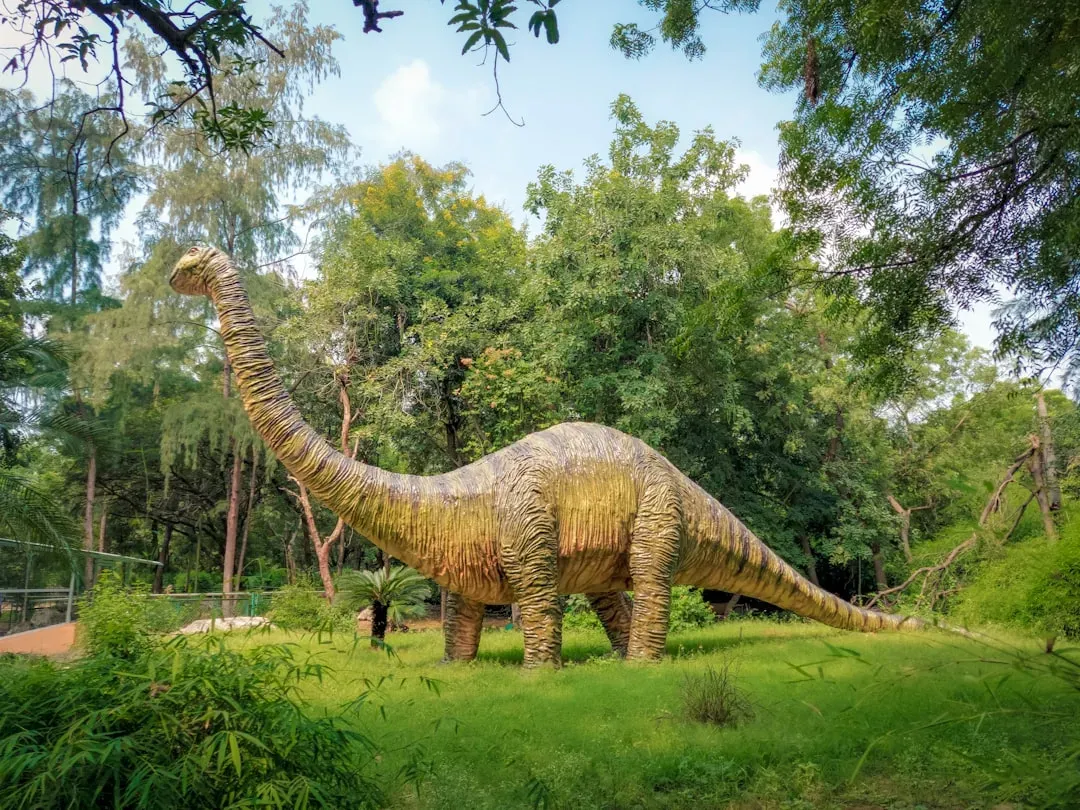
Even when a prehistoric battle tries to get the matchup “right,” the animals themselves are often wildly off the mark. Many movie dinosaurs roar like lions, tigers, or jet engines, despite the fact that scientists are still debating how they might have sounded at all. Bright, scaly skins are painted like sports cars, while current research suggests many species probably had feathers, fuzz, or color patterns quite different from the reptilian monsters we are used to. So while a fight might technically feature the “correct” species, it still feels like watching a fantasy creature that only loosely remembers having a fossil record.
Filmmakers also love to upgrade or downgrade creatures for dramatic effect, inflating a predator to ludicrous proportions or miniaturizing it to convenient sidekick size. Once the anatomy is stretched and the behavior rewritten, the supposed prehistoric battle becomes more myth than reconstruction. It is a bit like watching a superhero movie that insists it is based on real physics: you can enjoy it, but you know better than to treat any of it as a lesson about the real world. The clash on screen might be thrilling, but the animals are often closer to dragons and goblins than to anything that ever roamed Earth.
Why We Keep Loving These Completely Impossible Fights
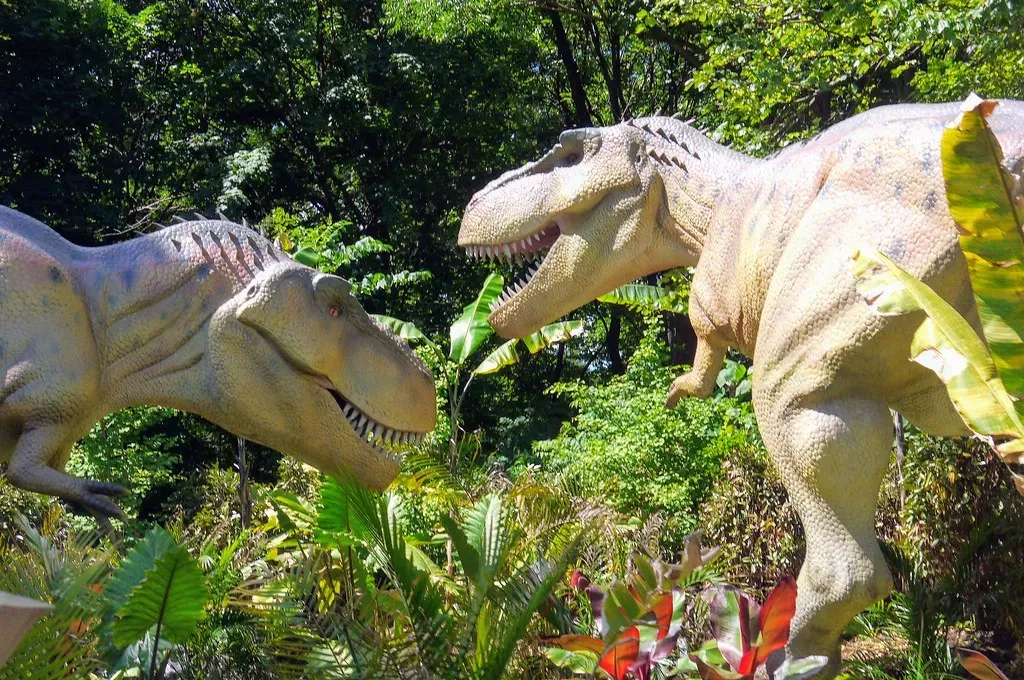
For all their scientific sins, laughably fake prehistoric battles are not going anywhere, and honestly, part of me is glad. They tap into a very simple fantasy: what if humans had to earn every sunrise by outsmarting giant, terrifying beasts on a daily basis? That idea is intoxicating, even if it bends every rule of geology, evolution, and common sense. When I watch these scenes, I catch myself switching between two modes: the nerd in me quietly cataloging the inaccuracies, and the kid in me grinning at the sheer audacity of it all.
There is a trade‑off here that audiences seem perfectly willing to accept. We know these battles are historically impossible and biologically absurd, but we keep showing up for the spectacle, the adrenaline, and the excuse to imagine worlds that never were. Maybe the trick is to enjoy them as wild prehistoric fantasies instead of pretending they are windows into the past. After all, if every dinosaur fight followed the fossil evidence to the letter, would it still feel like the same chaotic, over‑the‑top fun… or have we secretly come to love just how gloriously wrong these battles are?