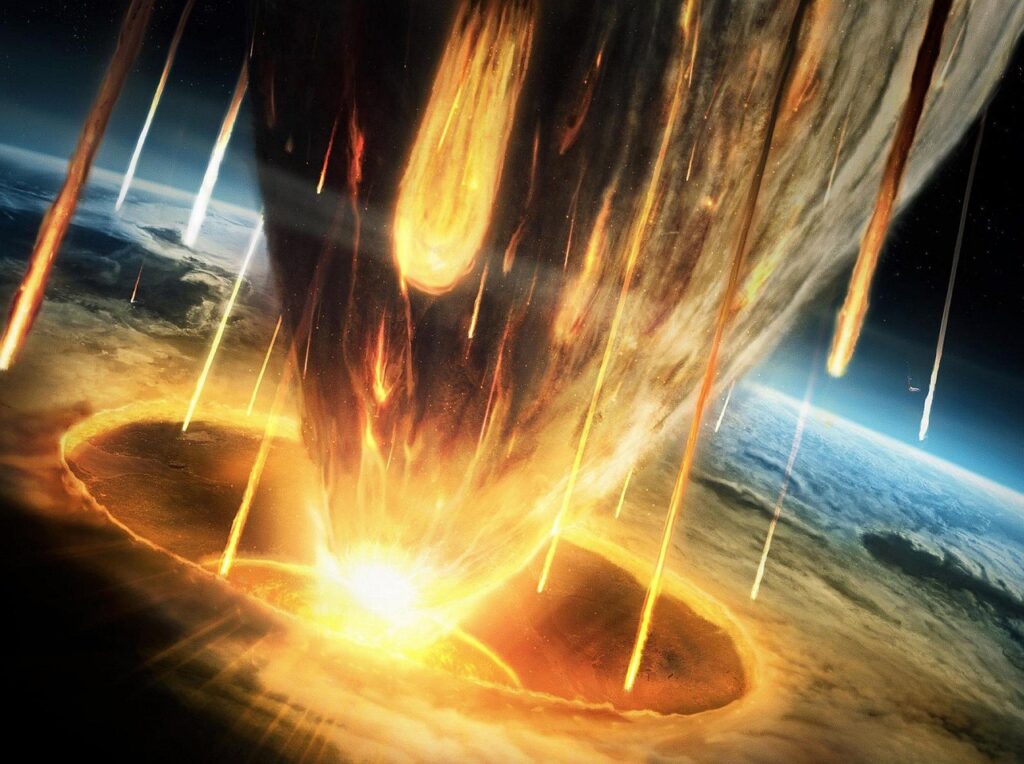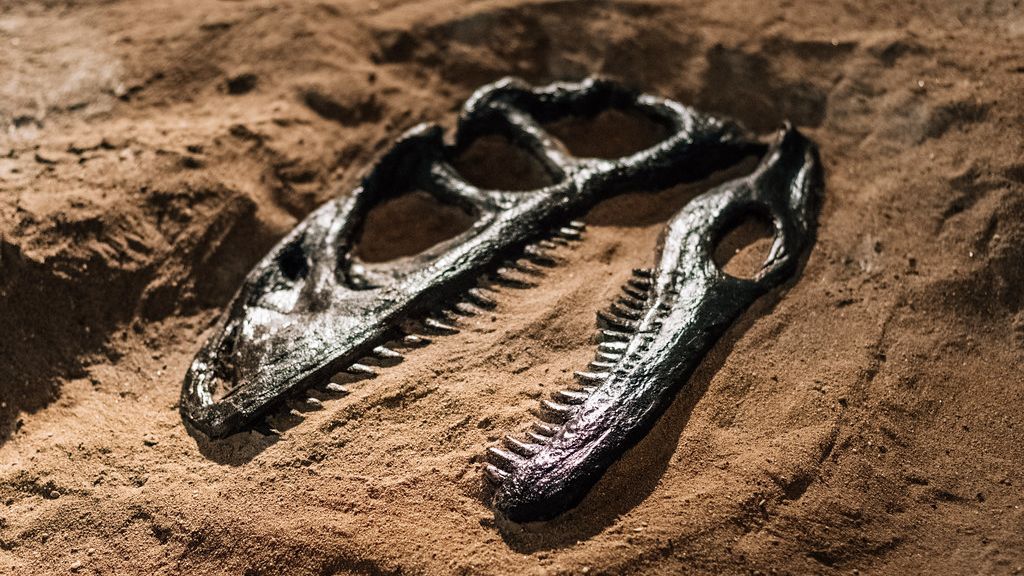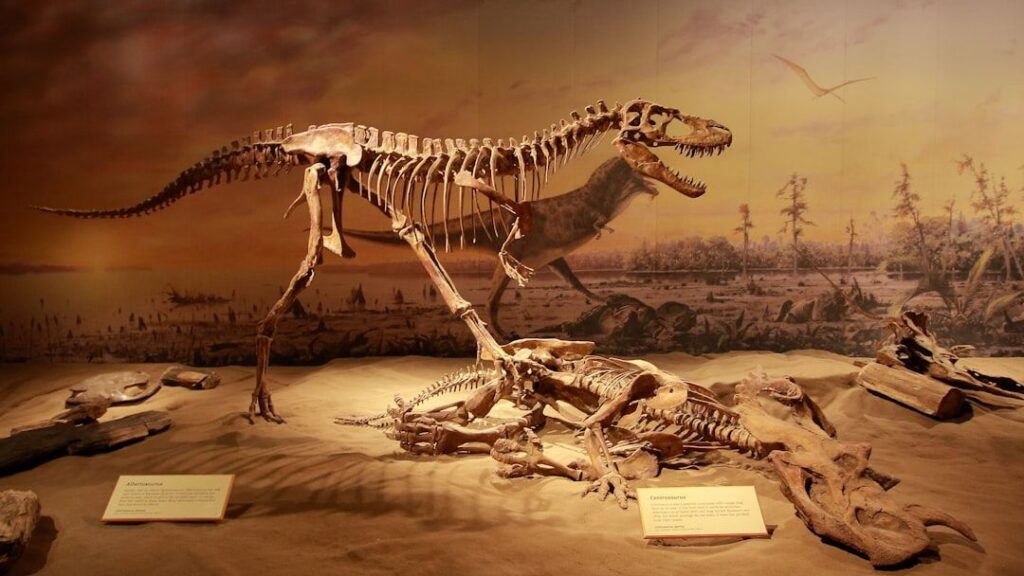
If you grew up thinking the asteroid that wiped out the dinosaurs was the ultimate doomsday, the truth is somehow even darker. That impact was catastrophic, yes, but it was not Earth’s worst day by a long shot. Our planet has repeatedly come terrifyingly close to pressing the reset button on complex life, erasing entire ecosystems and reshaping evolution itself.
Looking back at these earlier disasters is like scrolling through a horror anthology written in rock and fossil. Oceans turned to chemical traps, skies choked with volcanic gases, continents baked and frozen, and creatures that once ruled the world simply vanished. Yet, strangely, this story is not just about destruction. It is also about survival, reinvention, and the fragile luck that lets us be here at all. Once you see how many times life has nearly lost everything, the age of dinosaurs starts to look almost gentle by comparison.
The Ordovician–Silurian Extinction: When Ice Locked the World
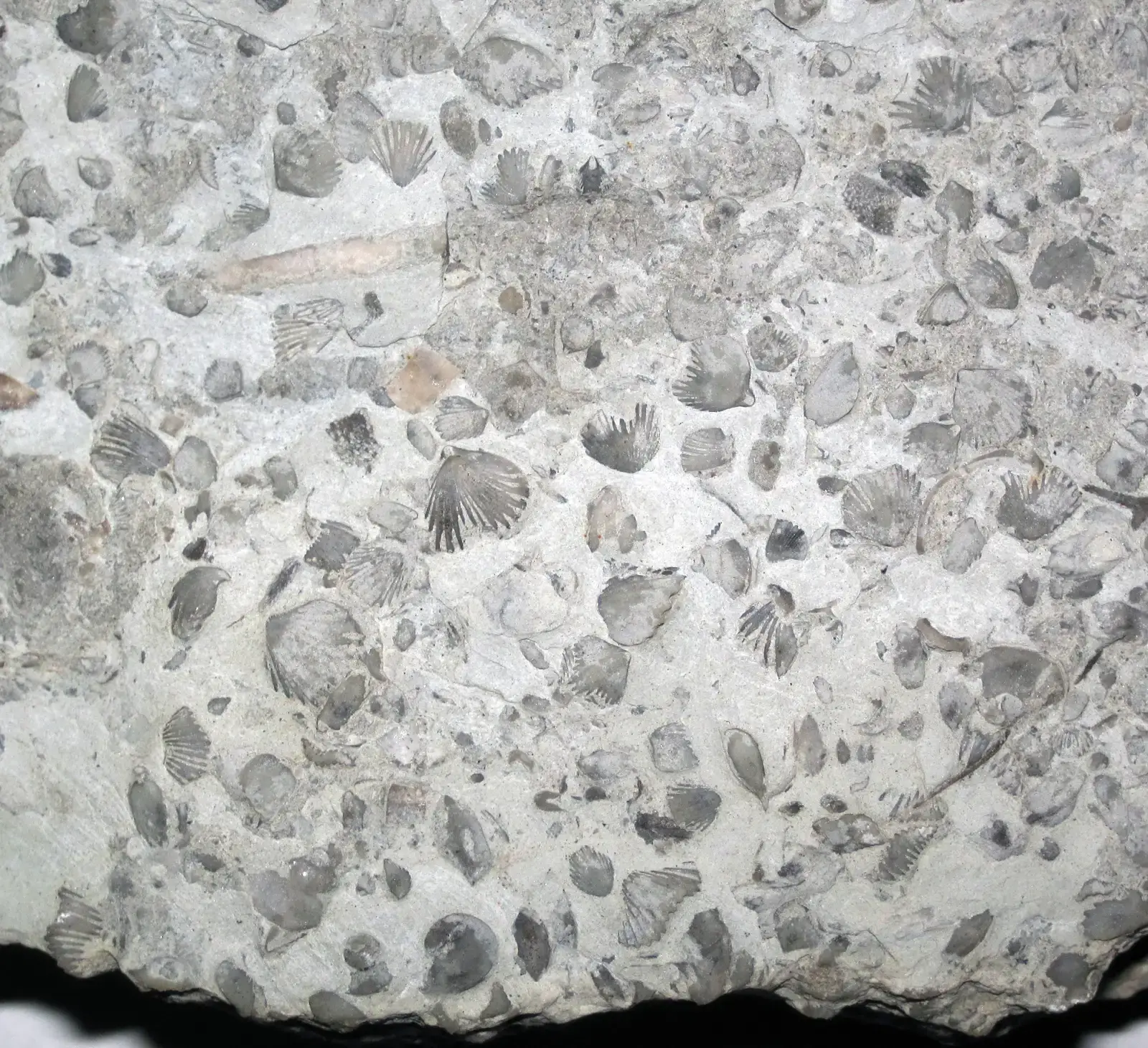
Imagine a flourishing alien ocean world, packed with strange shelled creatures, early jawless fishes, and coral-like reefs, suddenly thrown into a deep freeze. Around 443 million years ago, during the Ordovician–Silurian extinction, global temperatures plunged as massive ice sheets spread across what is now Gondwana near the South Pole. Sea levels dropped dramatically, shallow seas drained, and huge swaths of marine habitat simply disappeared, taking a huge fraction of marine species with them.
This event hit early complex marine life at a critical stage, long before dinosaurs, mammals, or even land forests existed. Many groups that had been thriving for tens of millions of years were cut down brutally, from trilobites to reef builders, reshaping the evolutionary path of ocean ecosystems. Some researchers think intense glaciation followed by rapid warming may have stressed life twice in quick succession, like delivering a knockout punch right after a hard blow. It is a sobering reminder that you do not need an asteroid to trigger a global crisis; tilt the climate hard enough, and entire branches of life fall away.
The Late Devonian Extinctions: The Long, Slow Squeeze on Ocean Life
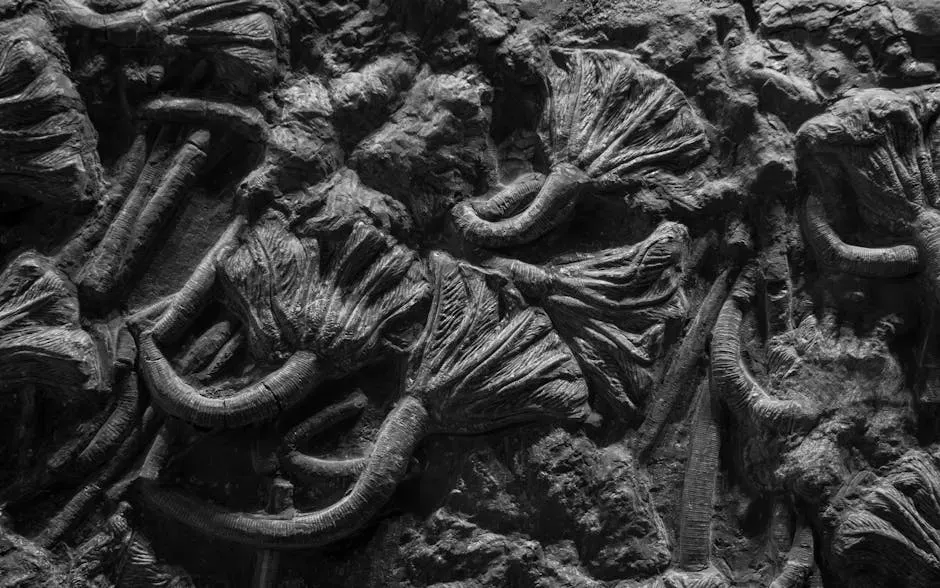
Unlike the sudden drama of an asteroid impact, the Late Devonian extinctions unfolded like a painfully slow suffocation. From roughly 375 to 360 million years ago, life on Earth endured repeated crisis waves that together erased a huge share of marine species. Coral reefs that had dominated the seas for ages collapsed, armored fish called placoderms faded, and many lineages of early jawed fishes were hammered again and again.
Scientists suspect a messy tangle of causes: widespread ocean anoxia where deep waters lost their oxygen, climate shifts, changes in sea level, and possibly the spread of land plants altering nutrient flow into the seas. Instead of one dramatic day of doom, you get an extended, drawn-out pressure cooker where every recovery is cut short by another ecological shock. In some ways, that slow grind is more unsettling than a single catastrophic blow because it shows how a world can be pushed toward collapse by decades, centuries, and millennia of accumulated stress. It is the geological equivalent of death by a thousand cuts, and for many marine species, there was no way out.
The End-Permian “Great Dying”: Earth’s Closest Brush with Total Collapse
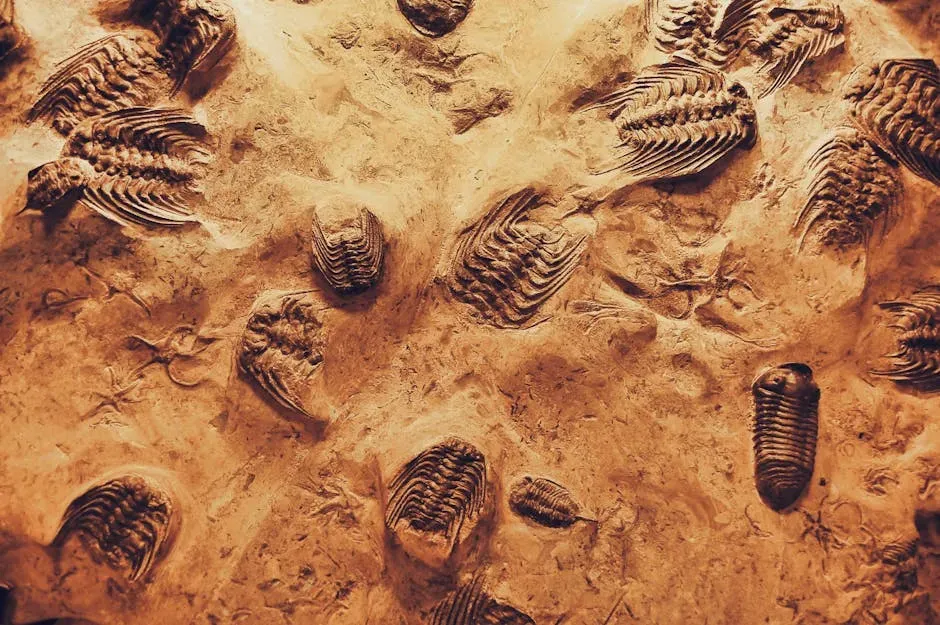
If there is a king of extinction events, it is the end-Permian catastrophe roughly 252 million years ago, sometimes called the Great Dying. This is the one moment in Earth’s history when complex life came closest to being totally wiped out. The vast majority of marine species disappeared, and most land species went with them. Picture a world where nearly everything larger than a bug is gone, where ecosystems disintegrate from top to bottom instead of just losing a few headline creatures.
The leading suspect behind this nightmare is truly colossal volcanic activity in what is now Siberia. These eruptions likely pumped staggering amounts of carbon dioxide and other gases into the atmosphere, triggering runaway global warming, acidifying the oceans, and stripping oxygen from seawater. Some parts of the oceans may have become toxic, warmed, and nearly lifeless, while land surfaces baked in punishing heat and environmental chaos. The dinosaurs would not appear until many millions of years later, rising out of the shattered aftermath of this apocalypse. Compared to the Great Dying, the dinosaur-killing extinction almost looks like a sharp but survivable plot twist rather than a complete rewrite of the story.
The End-Triassic Extinction: Clearing the Way for the Dinosaurs’ Empire
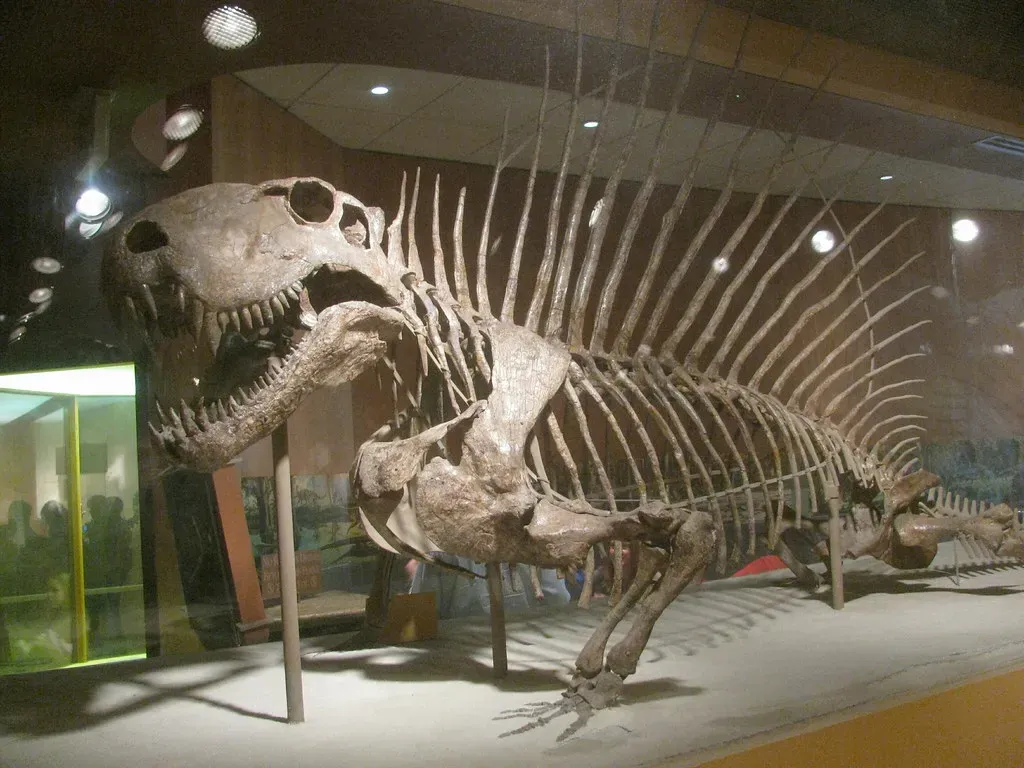
Before dinosaurs ruled the planet, they were just one set of scrappy competitors in a crowded reptile world. Around 201 million years ago, at the end of the Triassic period, another massive extinction slammed into life and radically rearranged the competition. Again, huge volcanic eruptions, this time linked with the breakup of the supercontinent Pangaea, likely belched vast amounts of greenhouse gases into the air, driving intense warming and climate instability.
This crisis thinned out many of the dominant reptile groups and marine creatures that had kept early dinosaurs in check. When the dust settled, dinosaurs were suddenly in a position to spread and diversify into forms that would dominate land ecosystems for more than 130 million years. In that sense, the end-Triassic extinction was far worse for the victims of that time than the later asteroid was for the dinosaurs. It was not just a reshuffling of who lived where; it was a wholesale handover of planetary power that set the stage for the age of dinosaurs most of us know from movies and museums.
The End-Guadalupian Crisis: A Forgotten Mass Die-Off Before the Great Dying
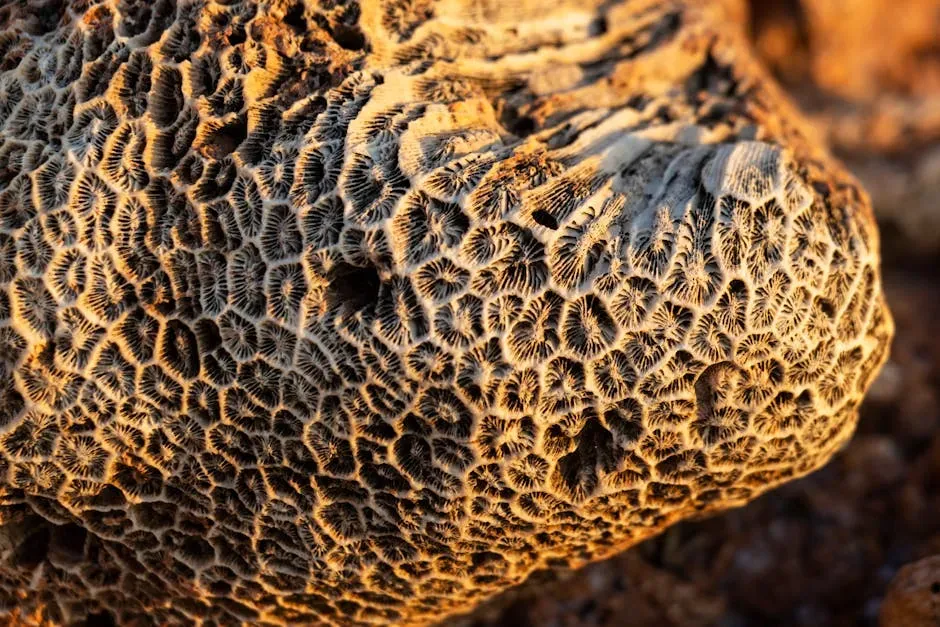
Buried in the shadows of the even more famous end-Permian disaster is an earlier extinction in the middle Permian, often called the end-Guadalupian crisis. It does not get nearly as much attention, but for life at the time it was brutally disruptive, killing off many marine species and severely damaging reef ecosystems. Some lineages that looked like they were on the verge of long-term success were cut short well before the Great Dying finished the job.
This event may also have been linked to large-scale volcanic activity and associated climate shifts, foreshadowing the much bigger catastrophe that would follow. You can think of it as a grim rehearsal: ecosystems are destabilized, some groups vanish, and survivors are left more vulnerable. That one-two punch of mid-Permian and late-Permian stress meant that by the time the Great Dying struck, life was already standing on shaky legs. When people say the Permian was a rough time to be alive, they are not exaggerating; for many creatures, the dinosaur extinction would have seemed almost mild compared to what they faced.
The Carnian Pluvial Event: A Hidden Turning Point in the Age Before Dinosaurs Took Over
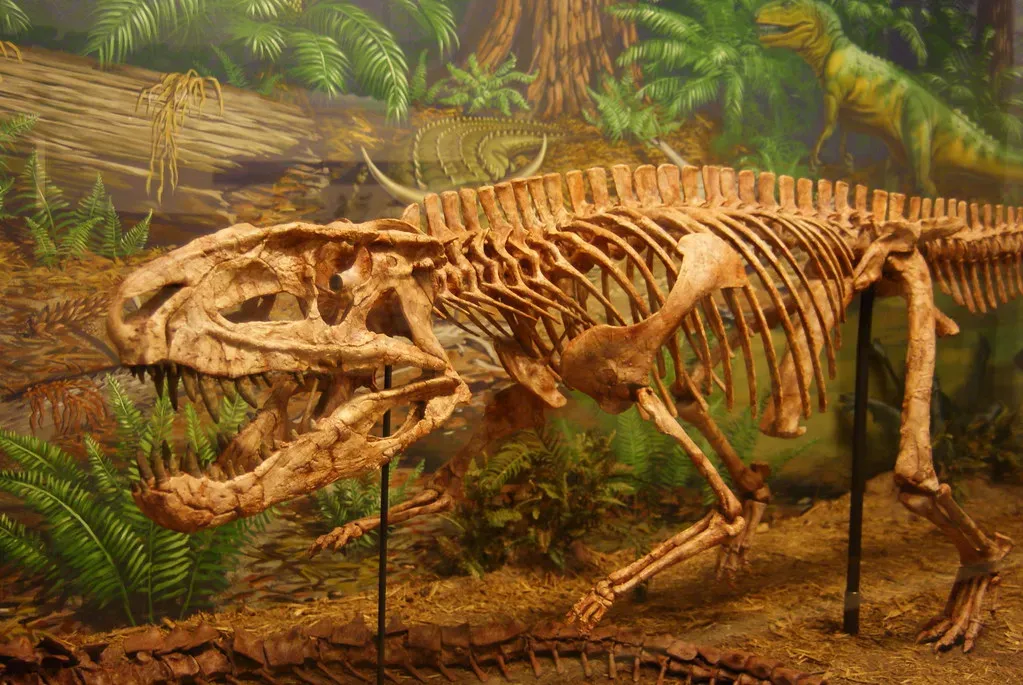
Some extinctions are not officially on the classic list of the “big five,” but they still change everything, and the Carnian Pluvial Event in the Late Triassic is a perfect example. During this interval, roughly 230 million years ago, the planet appears to have gone through a phase of intense rainfall, climate swings, and environmental upheaval. In the oceans, several marine groups took serious hits, and on land, ecosystems were reshaped as some reptile lineages and early mammal relatives stumbled.
What makes this event stand out is how it seems to tie into a major reshuffling of dominance, including a critical step in the rise of dinosaurs. Some studies suggest that this chaotic interval opened up ecological space, letting early dinosaurs and other groups expand into new roles. It is not as widely known as the asteroid that ended the dinosaurs or the Great Dying that nearly erased complex life, but its fingerprint shows up in the timing of who thrives and who fades. In that sense, it was worse than the dinosaur extinction for the creatures unlucky enough to be on the losing side, even if most of us have never heard its name.
The Late Eocene Extinctions: Subtler but Still Brutal in a Changing Climate
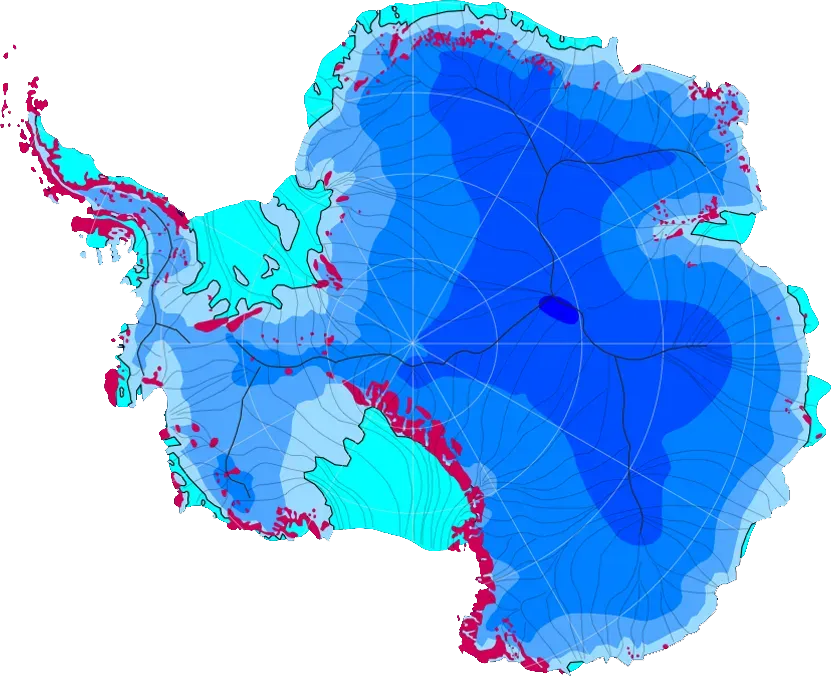
Fast forward to around 34 million years ago, long after dinosaurs (other than birds) had disappeared, and you hit another sharp ecological break: the transition from the warm Eocene world to the cooler Oligocene. During this time, the planet cooled significantly, Antarctic ice sheets grew, and ocean circulation patterns changed in ways that hit marine life especially hard. Many deep-sea and shallow marine species vanished, and mammal communities on land shifted dramatically as forests retreated and more open habitats spread.
Compared to the showy, cinematic destruction of the end-Cretaceous asteroid, the Late Eocene extinctions feel quieter, but for the species involved they were absolutely catastrophic. Entire ways of life tied to warm, stable climates were squeezed out as the world cooled and dried. To me, this episode feels uncomfortably relevant today, because it shows how changing temperature and circulation alone, without an asteroid or massive lava field, can still deeply reset ecosystems. It is a sobering reminder that you do not always need a single dramatic villain to collapse a biosphere; sometimes all it takes is a persistent shift in the planet’s thermostat.
Conclusion: The Dinosaur Extinction Was Bad – But Not Unique
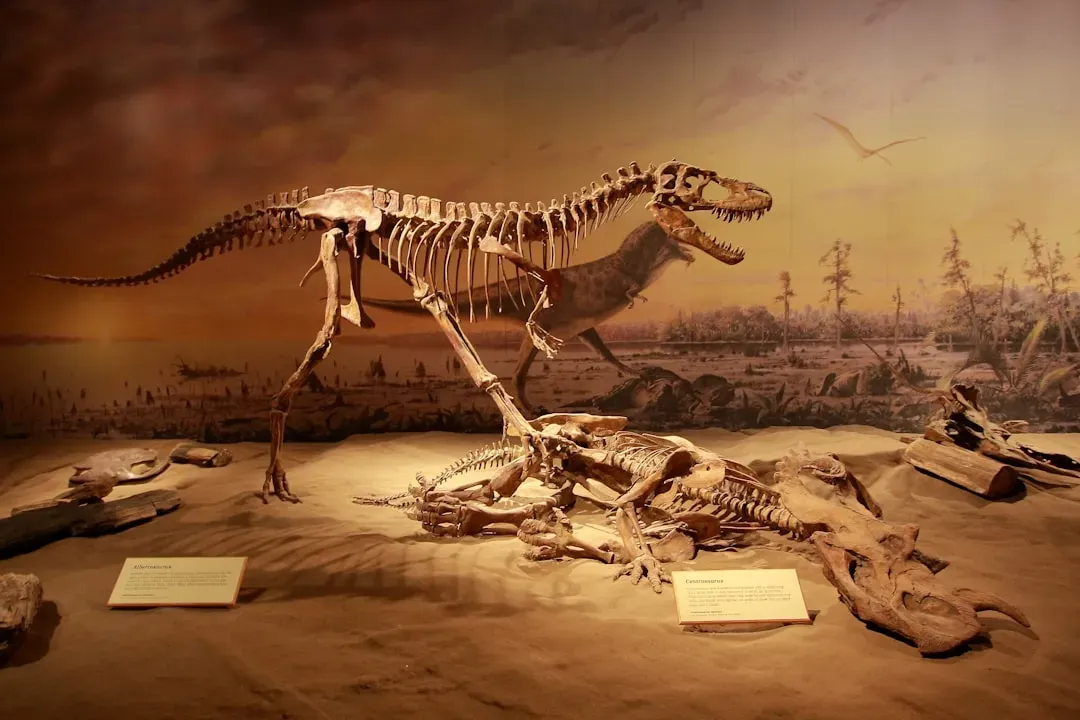
When you line up these earlier disasters next to the famous asteroid impact, the story becomes brutally clear: the end-Cretaceous extinction was terrible, but it was not the worst, and it was definitely not the only time Earth pulled the rug out from under life. The Great Dying at the end of the Permian nearly shut down complex ecosystems altogether, and slow-burn events like the Late Devonian crises and climate-driven shifts in the Eocene quietly wrecked worlds in ways that do not fit neatly into Hollywood scripts. From suffocating oceans to runaway greenhouse conditions to deep freezes, our planet has tested life with almost every nightmare scenario you can imagine.
My own take is that the most chilling part of this history is not just the scale of death, but how often these collapses were tied to changes in climate, chemistry, and long-term stress rather than a single spectacular blow. That pattern makes our current moment feel less like an unprecedented mystery and more like another chapter in a dangerous, familiar story. The good news is that we have something trilobites, early fishes, and Permian reptiles never had: awareness, data, and choices. The bad news is that awareness without action is just another fossil in the making. Knowing what you know now, how close do you think we should dare to get to writing the next mass extinction chapter ourselves?