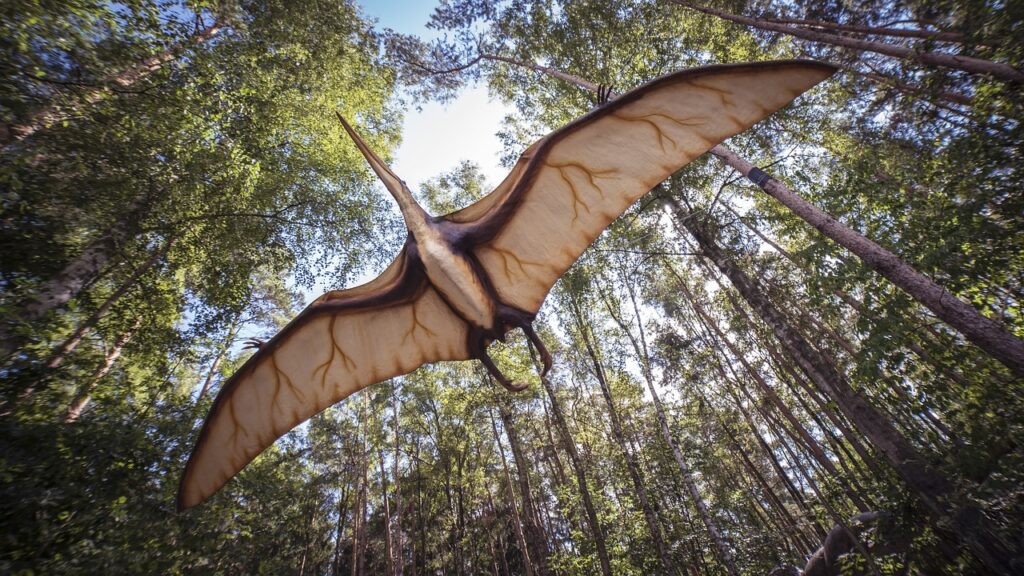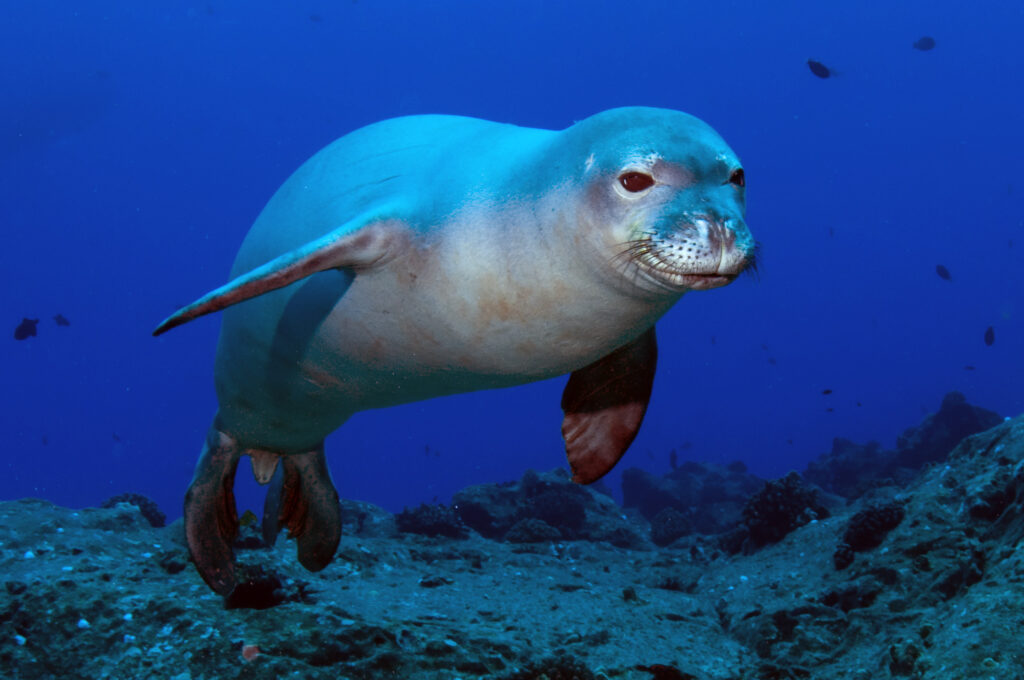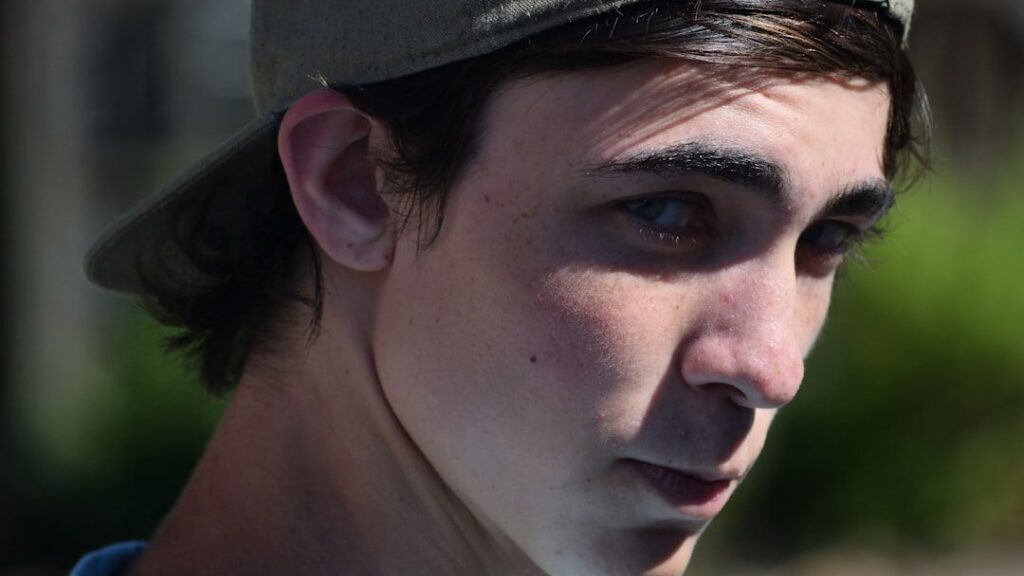
Walk into a forest and your brain does something sneaky. Before you admire the dappled sunlight or the soft moss under your shoes, a deeper, older part of you is already scanning for snakes, sudden movements, and anything that looks even slightly off. Long before we learned to enjoy sunsets on Instagram, our nervous systems were wired for one urgent priority: do not die. Only after that box is checked do we have the luxury of noticing what is beautiful, interesting, or inspiring.
This might sound gloomy at first, like humans are condemned to be anxious little alarm systems forever. But the story is actually more fascinating and oddly comforting. Our “danger first, beauty later” wiring explains so much: why bad news sticks, why a single criticism hurts more than ten compliments, why an unexpected sound in the night jolts us upright. The more we understand this, the more power we get back. We can stop blaming ourselves for having a jumpy brain and start working with it instead of against it.
The Stone Age Brain in a Modern World
Here’s the awkward truth: you are walking around with a Stone Age brain in a world of smartphones, delivery apps, and streaming platforms. For most of human history, missing a predator could mean instant death, while missing a pretty view just meant… you missed a pretty view. So our brains evolved like overprotective parents, constantly scanning the environment for threats and weird anomalies, long before they bother with appreciation or aesthetic pleasure.
This old survival wiring is still running in the background even when you’re just scrolling through your phone or sitting in a café. A harsh headline, a sudden argument nearby, or an angry email will grab your attention way faster than a peaceful view or a loving message. It isn’t that you’re negative or dramatic by nature; it’s that your brain still thinks it lives on a savanna where rustling grass might hide a lion. The modern world is basically a mismatch for that ancient hardware.
The Negativity Bias: Why Bad Always Feels Louder
Psychologists talk about something called the negativity bias, and it’s exactly what it sounds like: negative events and potential threats hit harder, feel stickier, and get processed more deeply than neutral or positive ones. Your brain devotes extra resources to cataloging and remembering what went wrong so you can avoid it in the future. In evolutionary terms, this was a brilliant strategy. In emotional terms, it can feel like your mind has an aggressive spam filter that only lets the worst stuff through.
Think about how a single cutting remark can replay in your mind for days while a dozen small kindnesses vanish into the background. Or how you might obsess over one awkward moment at a party instead of remembering all the times you laughed and felt connected. That imbalance is not proof that your life is terrible; it’s proof that your attention system treats “possible danger” as priority mail. Beauty, joy, and appreciation are more like postcards: lovely, but not urgent.
Threat Detection: The Brain’s Built‑In Alarm System

Deep in your brain sits the amygdala, a tiny almond-shaped structure that behaves like a hyper-vigilant security guard. It is constantly scanning for signs of threat: angry faces, sudden movements, sharp sounds, anything that even vaguely resembles danger. It reacts fast, often before you’re consciously aware of what you saw or heard, sending signals that speed up your heart, sharpen your senses, and prepare your muscles to fight, flee, or freeze.
This alarm system is so quick and so sensitive that it can misfire, tagging harmless things as dangerous simply because they resemble something threatening from the past. A shadow that looks like a snake, a tone of voice that feels like old criticism, or a crowd that feels too much like a previous bad experience can all set it off. From an evolutionary perspective, false alarms were acceptable; missing a real threat was not. The cost of jumping at shadows was small compared to the cost of being eaten.
Why Movement, Snakes, and Angry Faces Grab Us First

Certain stimuli are almost guaranteed to grab human attention, and they tend to be the same categories our ancestors could not afford to ignore: sudden movement, certain animals, and hostile facial expressions. A fast motion in the corner of your eye will pull your gaze more aggressively than a beautiful but still landscape. Shapes that look like snakes or spiders tend to trigger a jolt of attention and unease in many people, even if they’ve never had a bad experience with them.
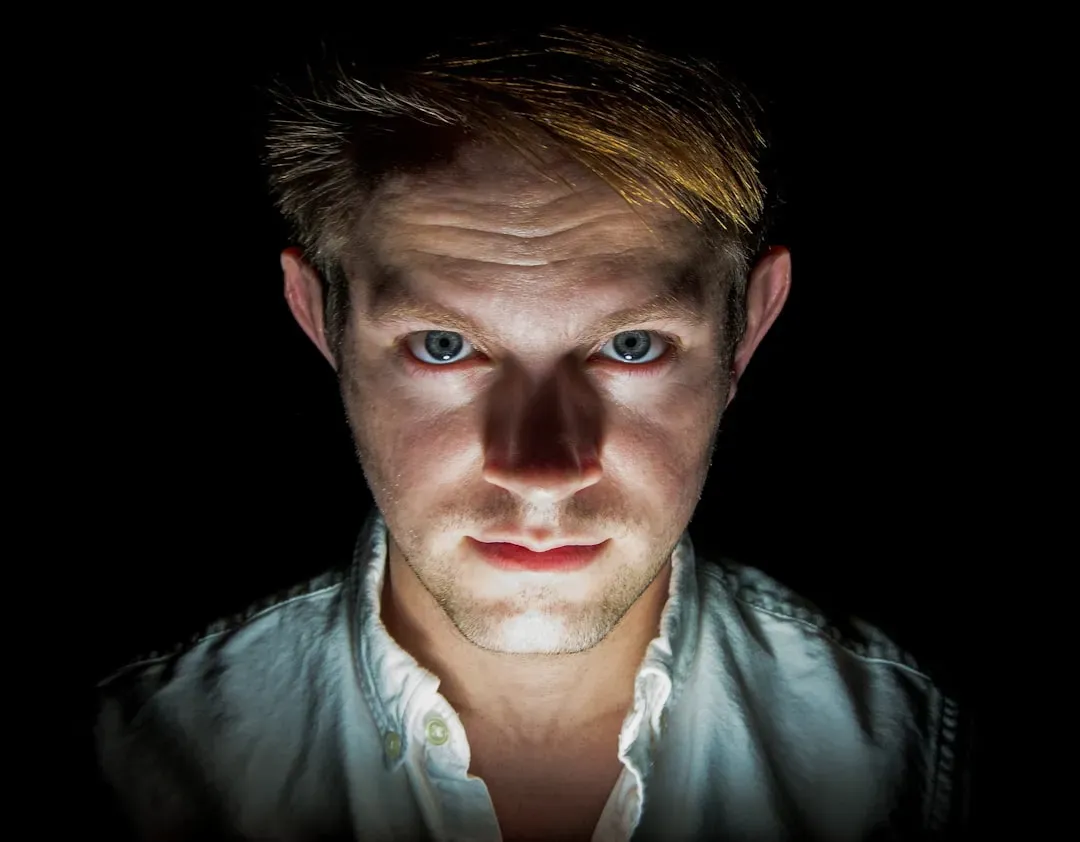
Faces are another powerful trigger, especially angry or fearful ones. Your brain is exquisitely tuned to read micro-expressions that might signal threat, conflict, or danger in your social environment. An annoyed look from a stranger across the room can yank your attention away from whatever you’re enjoying, and your body will respond before you have time to reason your way through it. From the brain’s point of view, beauty is optional, but potential hostility is urgent data.
Beauty Comes After Safety: A Two‑Step Experience
None of this means we cannot appreciate beauty or that aesthetics do not matter. It means beauty tends to be a second-stage process: once your brain decides, at least roughly, that you are safe, it frees up resources for curiosity, enjoyment, and exploration. That’s when you notice the colors of the sunset, the warmth in someone’s smile, or the details in a song that give you goosebumps. Safety opens the door; beauty walks through it.
You can feel this sequencing in everyday life. Walk into a room full of strangers and you’ll likely first scan for social cues: Who looks upset? Who looks dominant? Is anyone staring at me? Only after that subtle threat assessment quiets down do you start noticing who’s stylish, who’s attractive, or how nice the space looks. Our brains are like cautious hosts: they quietly check the exits and the guest list before they pour the wine and put on the music.
From Survival Mode to Appreciation Mode
The problem in modern life is that many of us get stuck in survival mode even when we are not facing predators or immediate physical danger. Chronic stress, constant notifications, bad news cycles, and unresolved anxiety keep the threat system humming. When that happens, beauty and joy feel distant, like they’re behind a pane of glass. It is not that they do not exist; it is that your nervous system refuses to release the mental bandwidth needed to fully feel them.
The shift to appreciation mode often requires deliberate practices that signal safety to the brain: slower breathing, grounding your senses, gentle movement, stable routines, or genuinely supportive relationships. When your system starts to believe that you’re not in immediate danger, your perception opens up. You start catching small beautiful details again: the way light hits your coffee, the sound of leaves in the wind, the way a friend’s laugh feels like home. Safety is not just an absence of threat; it’s a platform that lets pleasure and beauty finally land.
Can We Re‑Train a Predator‑First Brain?

Here’s where it gets hopeful. While our default wiring prioritizes predators over beauty, the brain is not a fixed machine; it’s more like a muscle that changes with training. Practices like mindfulness, therapy, and even simple daily reflection can slowly recalibrate what your attention grabs first and how long it stays there. You probably won’t erase the negativity bias, but you can soften its grip and build a stronger, more reliable counterweight of appreciation and perspective.
Personally, I’ve noticed that on days when I deliberately name a few small beautiful things out loud, my whole perception shifts. The threats and worries do not vanish, but they stop feeling like the entire truth. Re-training a predator-first brain is not about pretending danger does not exist; it is about refusing to let fear be the only narrator of your life. In my view, that is one of the most radical things a person can do in a world that constantly tries to hijack our attention with alarm bells.
Conclusion: A Brain Built for Survival, Choosing More Than Fear

Humans really , and ignoring that fact only makes us feel more broken and confused. Our attention system is biased, our alarm circuits are jumpy, and our minds will always lean a little harder toward what might hurt us than what might heal us. I think accepting that is the first grown-up step: you are not weak for noticing danger; you are running on hardware that kept your ancestors alive long enough for you to exist at all.
But here is where I get opinionated: staying in pure survival mode when we are not actually under attack is a waste of the one life we get. We owe it to ourselves to build habits, relationships, and environments that remind the brain it can stand down, at least sometimes, so that beauty, joy, and wonder have a fighting chance to show up. We may be wired to spot the predator first, but we are also capable of consciously looking again, more gently, until we see the wildflowers around its shadow. Knowing that, what do you want your brain to notice more often from now on?