
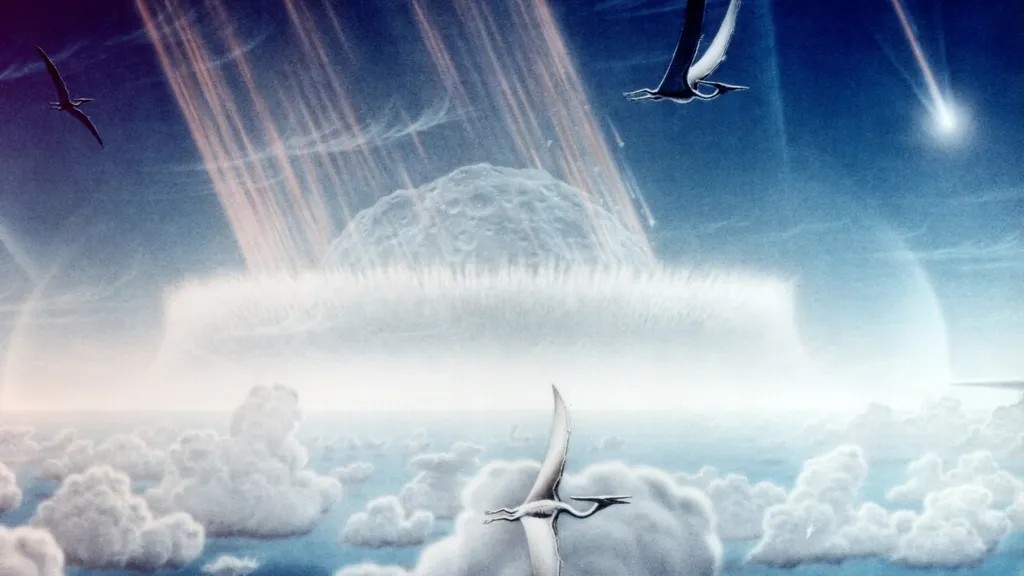
Imagine a world where the dinosaur-killing asteroid slams into Earth, fires rage, skies darken, food chains collapse… and yet, some tough, unassuming creatures just grit their teeth and keep going. While towering T. rex and Triceratops vanished, a quiet cast of survivors crawled, swam, and flew through the chaos, then patiently rebuilt the planet’s ecosystems over millions of years. These are not the usual movie stars of prehistory, but the scrappy side characters that turned out to be the real long‑term winners.
The twist, of course, is that they eventually ran into us. Many of the animals that outlasted the asteroid have been relentlessly hunted, poisoned, or pushed into shrinking patches of habitat by humans in just a blink of geological time. There’s something almost uncomfortable about that: the same species that shrugged off one of the worst mass extinctions in Earth’s history are now struggling to cope with roads, plastic, and fishing nets. Let’s look at seven survivors that rode out the apocalypse, flourished afterward, and are now learning the hard way what it means to share a planet with humans.
Crocodilians: Armored Survivors Turned Tourist Attractions
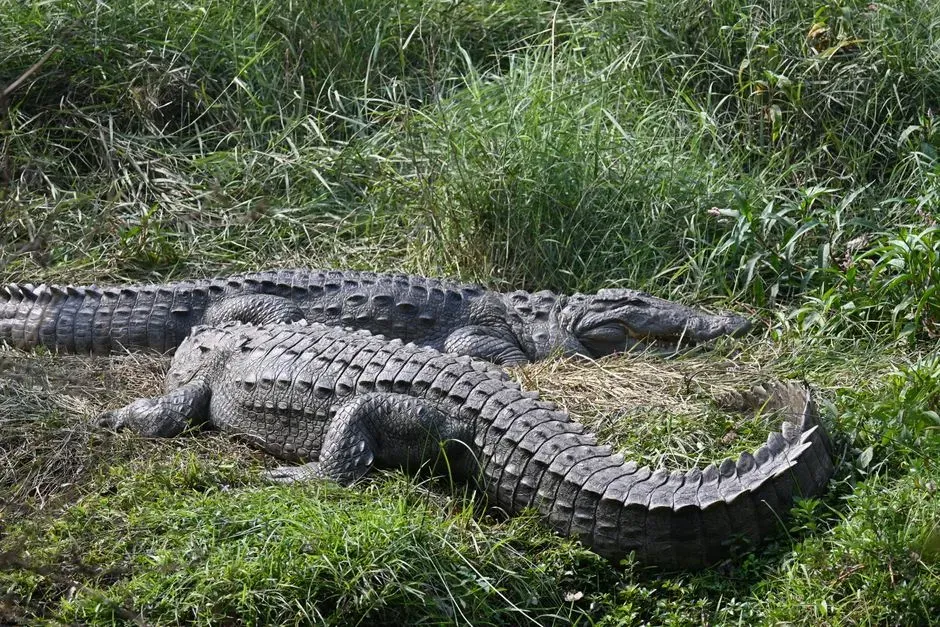
It still shocks a lot of people that crocodiles and their relatives watched the last non‑avian dinosaurs die and simply kept going. Crocodilians were already around long before the asteroid hit about sixty‑six million years ago, lurking in rivers and coastal swamps while tyrannosaurs roamed the land. When the impact wiped out most large land animals, these semi‑aquatic ambush predators had a few big advantages: they could hide in water, go for long periods without eating much, and feed on whatever washed in, from fish to carrion. Being generalists with slow metabolisms made them surprisingly well suited to a suddenly unstable world.
Fast‑forward to the age of humans, and crocodilians are still here, but their story is more complicated. Some species, like the American alligator, have bounced back from overhunting thanks to strong protections, while others, like the critically endangered Philippine crocodile, are hanging on by a thread. Habitat loss, pollution, and conflict with people who live near rivers and coasts have turned these ancient survivors into targets. I remember standing at a crocodile farm once, watching tourists take selfies while a guide joked about handbags, and thinking how bizarre it is that an animal tough enough to survive an asteroid is now at the mercy of fashion trends and property development.
Sharks: Ancient Apex Predators in a Plastic Ocean
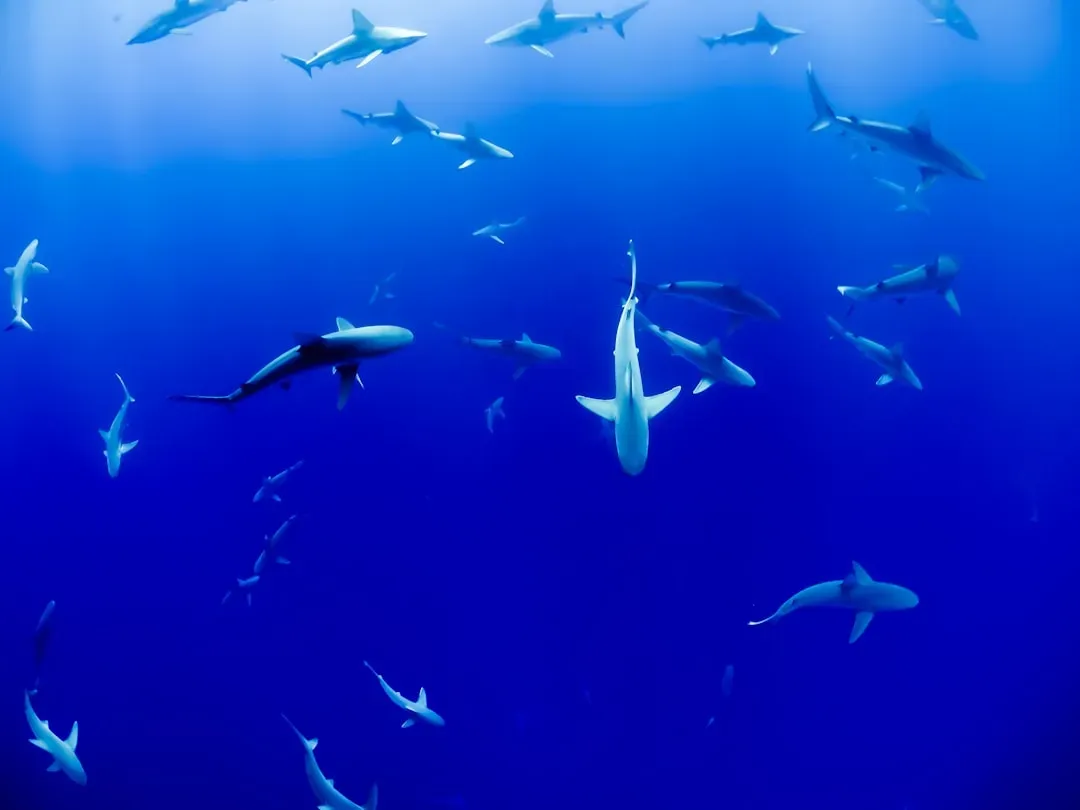
Sharks are older than dinosaurs, older than trees, and they cruised right past the asteroid disaster that ended the Cretaceous. Not all shark lineages made it through, of course, but many did, helped by their wide range of sizes, diets, and habitats. Some species could prey on fish or squid in open water, while others scoured the seafloor for scavenging opportunities. In a post‑impact ocean where food webs were scrambled but not totally broken, that flexibility was everything. Over millions of years, sharks diversified again and reclaimed their role as apex predators that keep marine ecosystems in balance.
Today, though, sharks are facing a threat they have never met before: industrial‑scale humans. Overfishing, bycatch, finning, and the steady degradation of coastal habitats have driven many shark populations down sharply in just a few decades. There’s something darkly ironic about this: an animal that rode out global climate upheaval and mass extinction is now struggling against longlines, trawlers, and ghost nets. When you see headlines about dwindling shark numbers, you’re not just reading about one more conservation story; you’re watching the slow unravelling of an ancient success that dates back hundreds of millions of years, undone not by another asteroid, but by our appetite for seafood and soup.
Birds: The Last Dinosaurs Learning to Dodge Skyscrapers
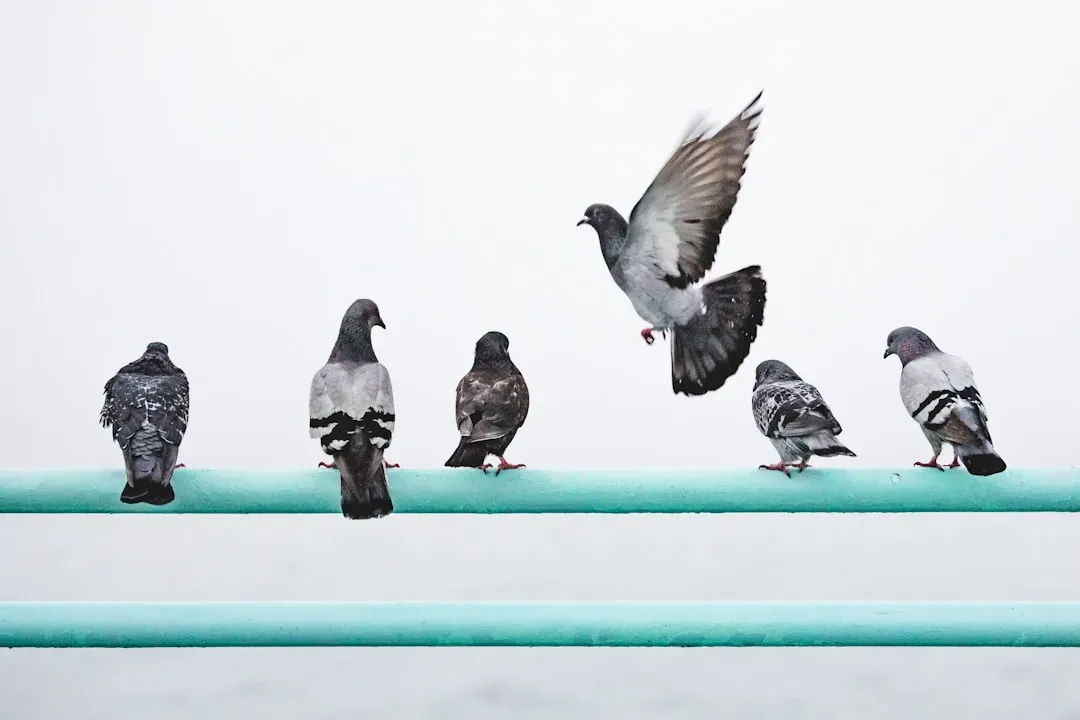
It still surprises people when they hear that birds are not just related to dinosaurs; they are dinosaurs, the only branch that made it through the asteroid impact alive. Small, feathered, beaked, and often capable of flight, early birds had a toolkit that turned out to be perfect for surviving hard times. They could fly to new habitats, shift their diets toward seeds or insects, and exploit niches that collapsing reptile giants could not. In the bleak years after the impact, birds spread into forests, grasslands, and shorelines, experimenting with all kinds of shapes and lifestyles, from early seabirds to land‑dwelling runners.
In the human era, birds might look like they are doing fine because we see them everywhere, but the reality is more fragile. Many species are in steep decline due to habitat loss, window collisions, cats, pesticides, and the accelerating chaos of climate change. It’s a strange moment: the last surviving dinosaurs are now learning to navigate city lights, turbine blades, and glass towers. I catch myself watching a pigeon perch on a traffic light and thinking that, in a very literal sense, I’m looking at a dinosaur that outwitted an asteroid but now has to dodge office blocks and suburbia just to survive.
Turtles and Tortoises: Shelled Time Travelers on a Deadline
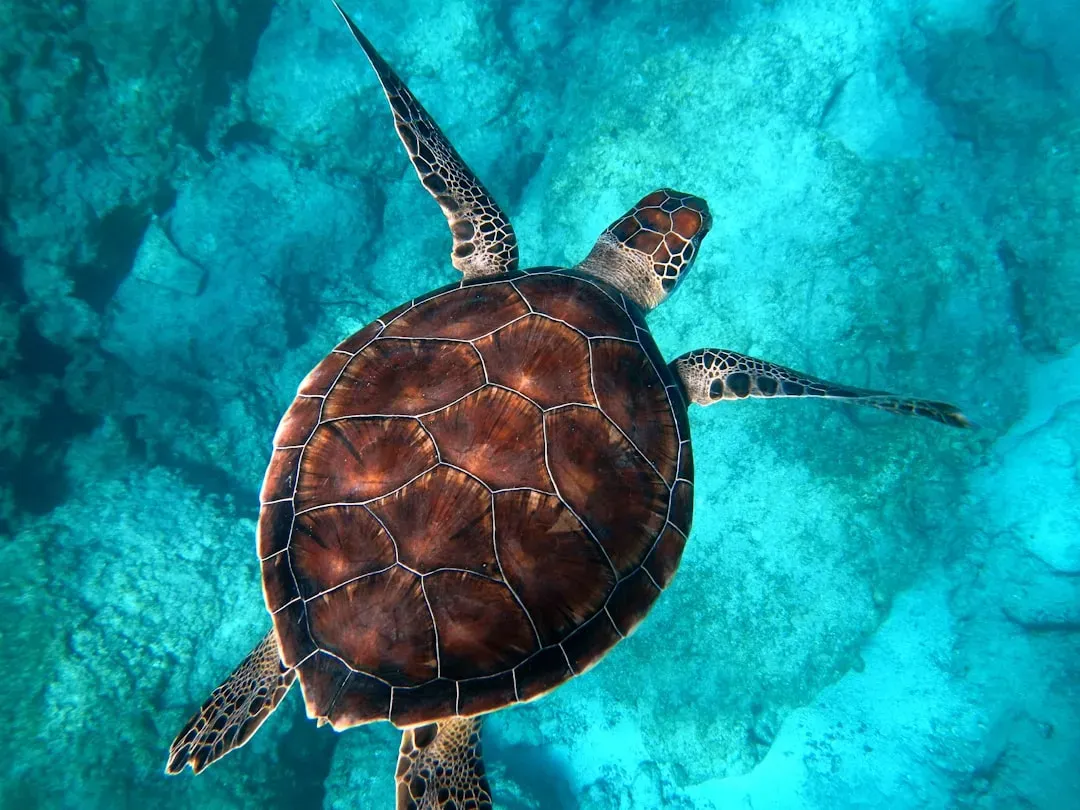
Turtles were already well established long before the asteroid impact, with both marine and freshwater forms swimming through prime dinosaur territory. Their hard shells, slow metabolisms, and flexible diets helped many of them through the catastrophic environmental changes after the collision. While a lot of lineages disappeared, others survived by retreating into lakes, rivers, and oceans where food webs recovered more gradually. Over tens of millions of years, turtles and tortoises diversified into everything from deep‑diving sea turtles to rugged desert tortoises, quietly enduring while more glamorous groups came and went.
Now, despite all that evolutionary patience, humans have driven many turtle species to the edge. Egg collection, hunting, plastic pollution, fishing gear, and coastal development have devastated sea turtle nesting beaches, while land tortoises face poaching and the loss of intact habitats. There’s something almost heartbreaking about watching a slow, ancient animal cross a modern road, barely moving faster than your walking pace, yet carrying a design that’s older than almost anything else alive today. These creatures survived the chaos of an asteroid winter, but they’re struggling with our highways, beachfront resorts, and throwaway culture, and that feels a lot less forgivable than a rock from space.
Lungfish: The Fish That Waited Out the End of the World
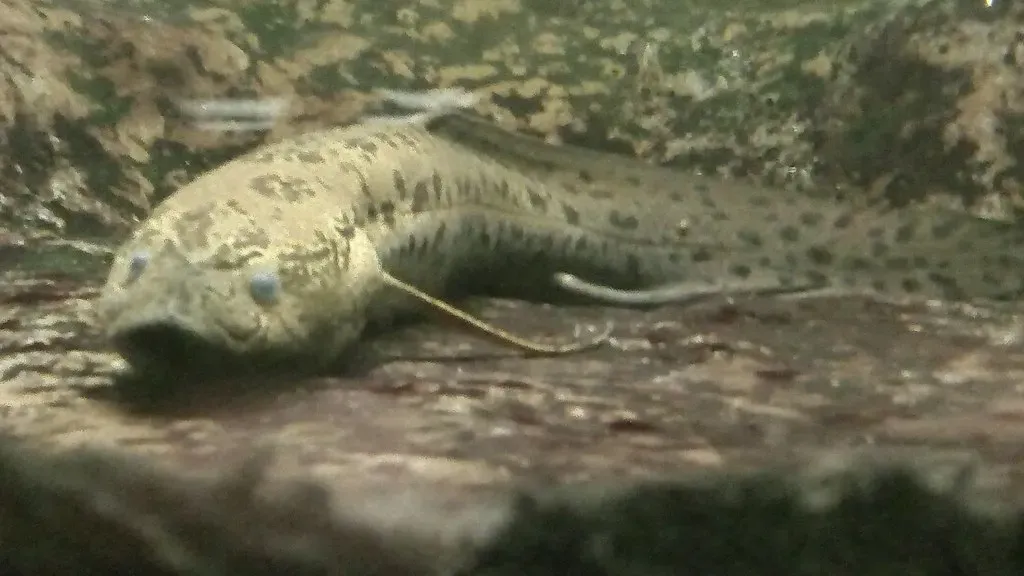
Lungfish are like living fossils that quietly break all the rules of what we expect fish to be. They have lungs as well as gills, allowing them to gulp air in low‑oxygen waters or even burrow into mud and wait out droughts. This dual strategy made them exceptionally resilient when environments shifted violently, including during the asteroid event. While oceans and climates lurched through dramatic changes, lungfish in freshwater systems could hunker down in swamps, rivers, and floodplains, riding out the worst until things stabilized again. In a way, they survived not by being fierce, but by being stubborn and patient.
Under human pressure, lungfish are not front‑page conservation symbols, but they are far from invulnerable. Habitat destruction, water pollution, dams, and the draining of wetlands chip away at the quiet refuges these animals depend on. I once heard someone compare lungfish to old analog radios in a world rushing to smartphones: not flashy, not trendy, but still incredibly robust and oddly comforting. The sad part is that we are ripping out the very wetlands that let these evolutionary outliers survive previous planetary crises, as if we’ve forgotten that resilience is not something you can easily rebuild once it is gone.
Ray-Finned Fishes: The Unsung Backbone of Post-Asteroid Oceans
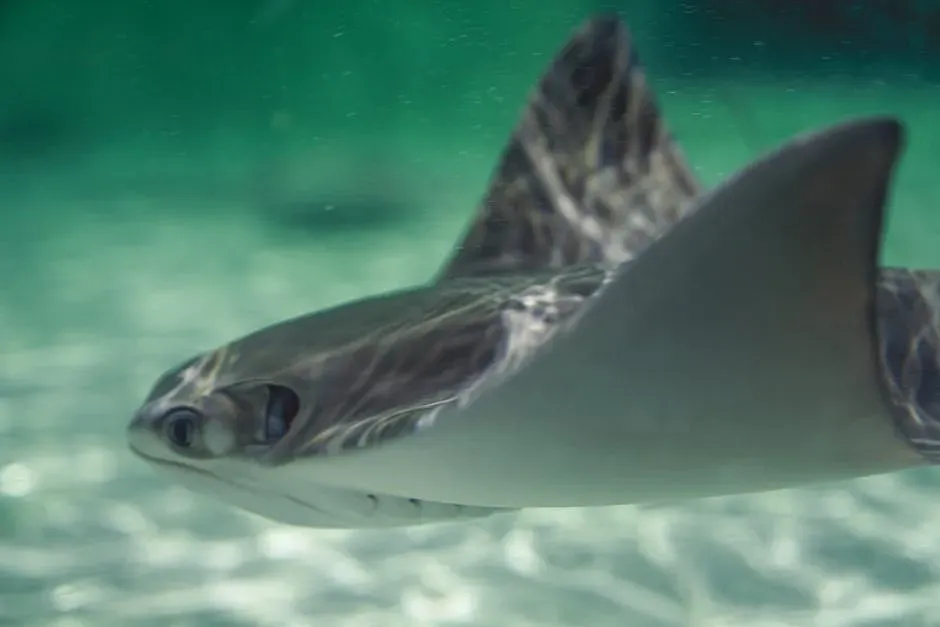
Ray‑finned fishes, the enormous group that includes most of the fish people recognize today, were already diverse before the asteroid struck. When the impact triggered food shortages and climate swings, many marine reptiles and large predators vanished, opening new ecological space in the oceans. Ray‑finned fishes, with their wide range of body shapes, feeding styles, and life cycles, were perfectly positioned to fill those gaps. Over the following tens of millions of years, they exploded into reefs, open seas, rivers, and lakes, becoming the backbone of marine and freshwater food webs that modern ecosystems still rely on.
Humans, however, have treated this vast success story like an unlimited buffet. Industrial fishing, pollution, river damming, and warming oceans have put enormous pressure on fish stocks worldwide. Some populations have collapsed in the time it takes for a person to go from childhood to middle age, which is geologically less than a blink. When I see a supermarket aisle filled with neatly packed fillets, I sometimes think about how those aisles are built on the bones of a lineage that threaded its way past an asteroid only to be hammered by trawlers and factory ships. It’s hard not to feel that, in a few reckless decades, we are running up a debt against hundreds of millions of years of evolutionary hard work.
Mammals: From Shrew-Like Nobodies to Planet-Shaping Primates
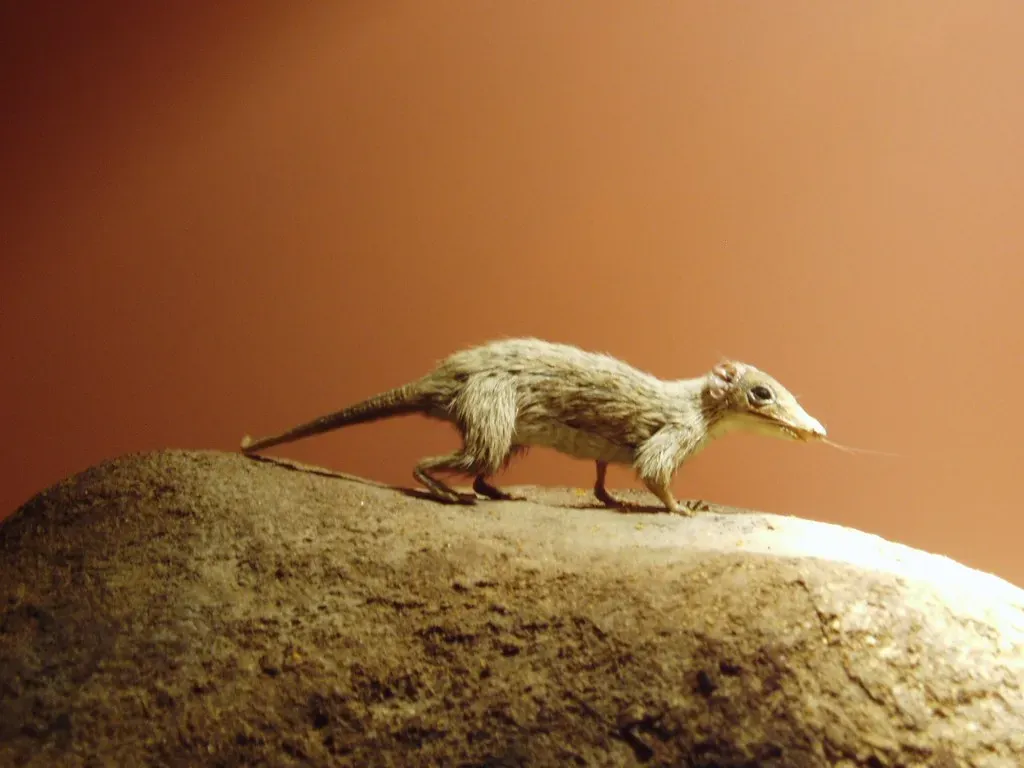
Before the asteroid hit, most mammals were small, nocturnal, and living in the shadow of dinosaurs, literally and figuratively. When the impact wiped out the dominant reptilian giants, those little fur‑bearing generalists suddenly found themselves in a world full of open niches. Their warm‑blooded bodies allowed them to stay active in cooler post‑impact climates, and their varied diets meant they could exploit seeds, insects, and the early regeneration of plant life. Over time, mammals radiated into everything from whales and bats to big cats and primates, building the foundations of the modern animal world.
And then, of course, one primate lineage went further than any other and began reshaping the entire planet. Humans are technically just another mammal, but we have become the main threat to many of our own distant cousins, from rhinos and elephants to bats and small forest dwellers that barely have names in the public mind. There’s a bitter irony in the fact that the group that benefited the most from the dinosaur extinction is now driving a new wave of extinctions. When you step back and look at it, the real catastrophe for many prehistoric survivors was not the asteroid sixty‑six million years ago; it was the arrival of a clever ape that decided the world was its to pave, mine, and burn.
Conclusion: The Asteroid Wasn’t the End – We Might Be
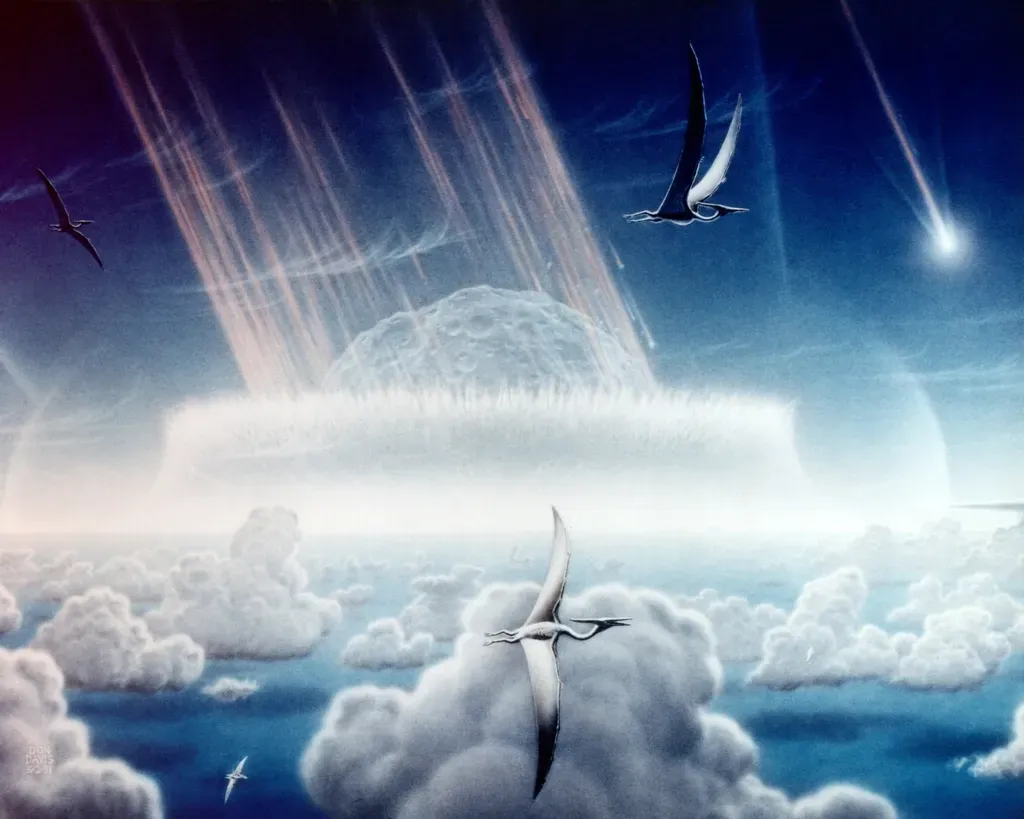
Looking at these seven groups side by side, a pattern jumps out: survival after the asteroid was not about being the biggest or the scariest, but about being adaptable, flexible, and sometimes just incredibly patient. Crocodilians, sharks, birds, turtles, lungfish, ray‑finned fishes, and mammals all navigated one of the harshest filter events in Earth’s history and then went on to shape the modern biosphere. For tens of millions of years, their stories were about persistence and renewal. Only in the last sliver of that timeline did humans appear and start rewriting the script at breakneck speed, often without understanding what we are tearing out of the plot.
I think we like to imagine the asteroid as the ultimate symbol of doom, but the uncomfortable truth is that we are on track to be far more disruptive than that rock ever was, especially for the survivors it spared. Unlike an asteroid, we can choose to pull back, protect habitats, change how we fish, farm, and build, and give these old lineages room to keep doing what they do best: endure. To me, the real test of whether we are as intelligent as we claim is simple: will we allow the creatures that survived the last apocalypse to survive us, too, or will our brief moment of dominance be remembered as the most avoidable extinction event in Earth’s history?