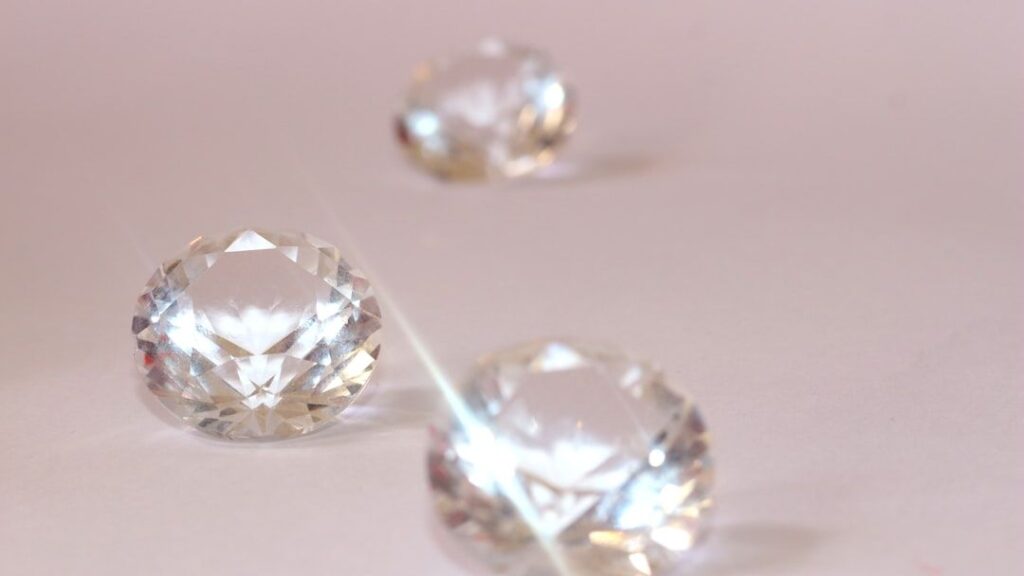
If you grew up thinking diamonds are rare, mystical treasures scattered sparsely through the crust, geology has a quietly shocking rebuttal: deep in Earth’s mantle, diamonds are probably about as ordinary as sand on a beach. The real rarity is not the crystals themselves, but the brutal, once-in-an-age eruptions capable of rocketing them from depths of more than a hundred kilometers up to where we can pick them out of gravel. That violent express elevator from the mantle has been eerily silent for tens of millions of years, which makes every natural diamond we see today a relic from a very different Earth.
Once you see diamonds this way, they stop being symbols of modern luxury and start looking more like time capsules from a planet that no longer behaves the same way. Each stone is a frozen postcard from an ancient mantle, wrapped in explosive volcanic rock that has not been emplaced in any new location for roughly the last 25 million years. That means all the natural diamonds you will ever see in jewelry stores were born and delivered in a geological era long gone. Let’s dig into how we know that, what it says about Earth’s interior, and why the story is way more fascinating than any marketing slogan.
Deep in the Mantle, Diamonds Are Surprisingly Ordinary
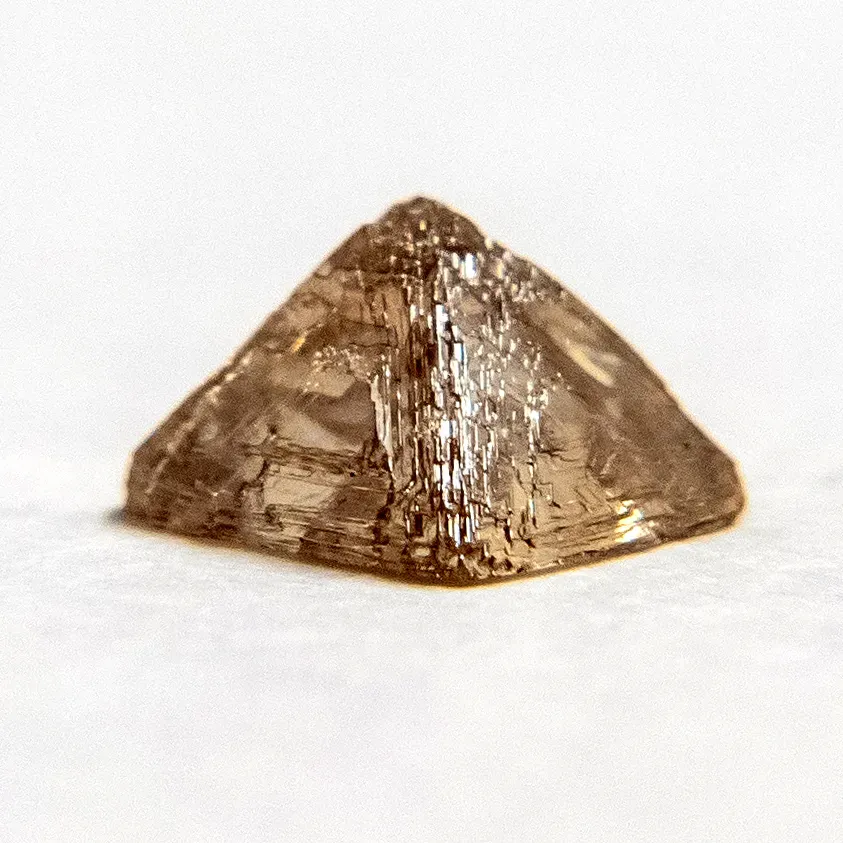
It sounds counterintuitive, but at the pressures and temperatures deep in Earth’s mantle, diamond is not an exotic visitor – it is a stable, thermodynamically favored form of carbon. At depths of roughly 140 to more than 700 kilometers, the combination of immense pressure and high temperature makes diamond a perfectly normal mineral phase that can form wherever carbon is present in suitable rocks. Geophysicists modeling the mantle’s composition generally conclude that diamond could be widespread in certain mantle regions, especially beneath old, thick continental roots that have persisted for billions of years.
The catch is that we do not see this abundance directly because we cannot just drill down and collect it; our deepest boreholes barely scratch the upper crust. Instead, we infer the potential commonness of diamonds from high-pressure experiments, seismic studies, and the chemistry of mantle rocks and inclusions trapped inside diamonds that have already been brought to the surface. Those tiny inclusions tell a consistent story: many diamonds formed in what is, on mantle terms, a fairly ordinary environment. That means diamonds are geologically common where they live – they only look rare from the cramped perspective of the surface.
Why Diamonds Form So Deep: Pressure, Carbon, and Ancient Continental Roots
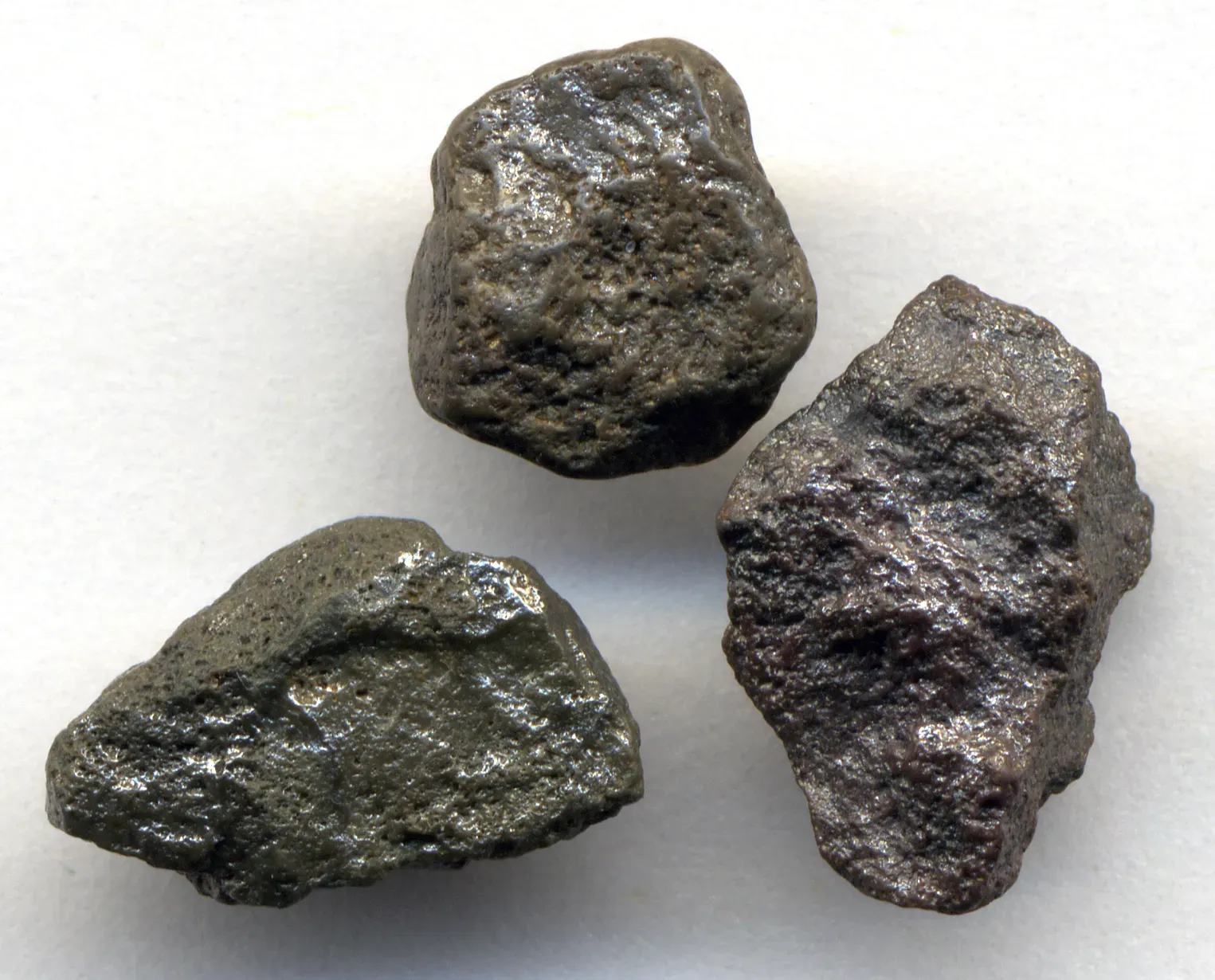
To turn carbon into diamond, you need conditions that most of Earth simply cannot provide. Near the surface, carbon prefers to be graphite or locked in minerals and organic matter; the pressures are just too low for diamond to be stable. Down in the mantle keel beneath old continental cratons – those ancient, rigid blocks of lithosphere that are billions of years old – the pressure climbs high enough that diamond becomes the stable form of carbon, especially between roughly 140 and 200 kilometers depth. These cratonic roots act like cold, thick anchors that extend deep into the mantle, creating a long-lived zone where diamonds can grow and persist.
Carbon itself can come from different sources: some is primordial, left over from Earth’s earliest history, and some has been carried down by subducting tectonic plates that drag surface carbon into the deep interior. Over millions to billions of years, that carbon can be transformed into diamond if the local pressure, temperature, and chemistry line up. Many diamonds also show signs of complex histories, forming, breaking, and regrowing as mantle conditions change. So when you look at a diamond, you are not just seeing a pretty crystal; you are seeing a tiny geological autobiography written across unimaginable spans of time and depth.
The Real Bottleneck: Diamonds Need an Ultra-Fast, Ultra-Violent Ride Up
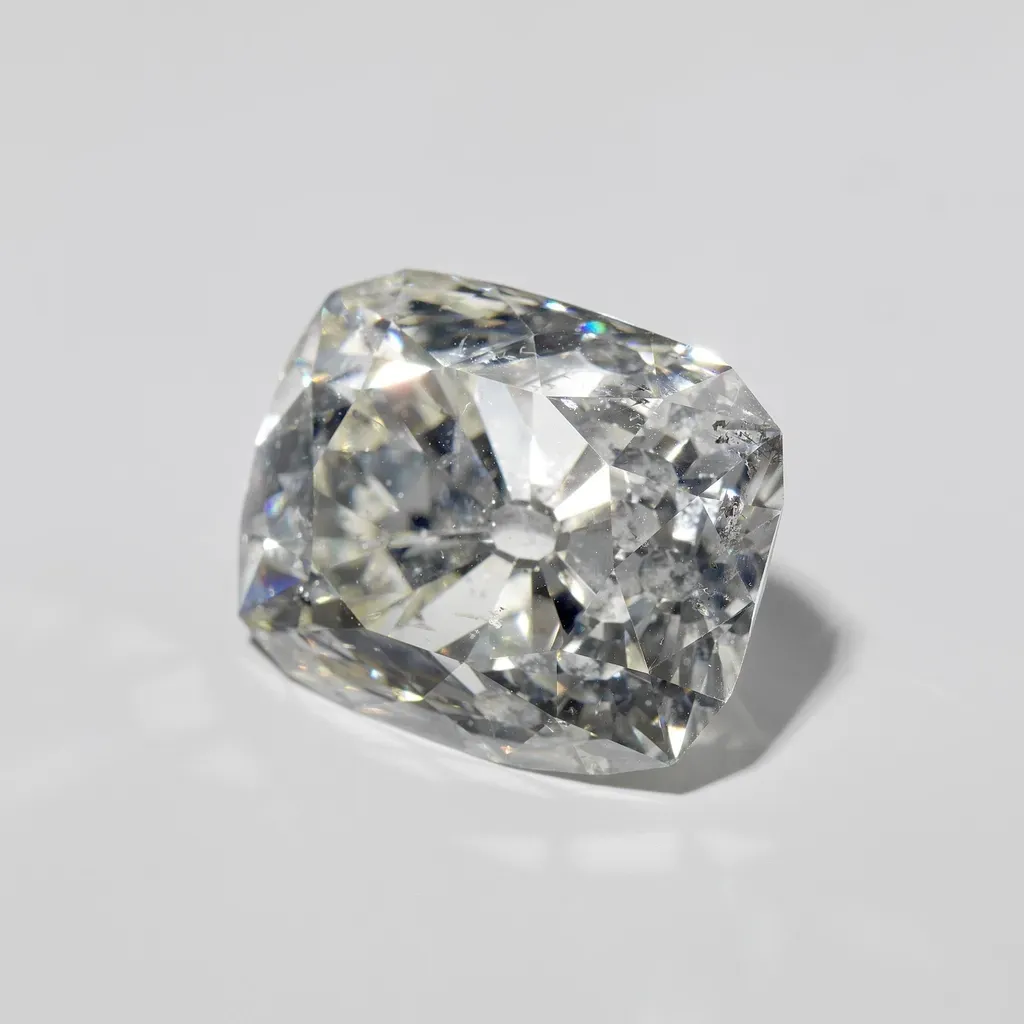
Here is where the story takes a dramatic turn: even if diamonds are common at depth, they face a brutal survival problem on the way up. Most magmas rising from the mantle move slowly and linger at intermediate depths, where temperatures and pressures shift into a range where diamond is no longer stable and wants to revert to graphite. If a diamond takes a leisurely ascent, it essentially un-makes itself and disappears back into a more mundane form of carbon before it ever reaches the crust. So from a diamond’s perspective, the only way to live a second life at the surface is to hitch a ride on an eruption that is astonishingly rapid.
This is where a specific kind of volcanic rock, known as kimberlite (and to a lesser extent lamproite), enters the picture. Kimberlite magmas are believed to rise from deep in the mantle at exceptionally high speeds, potentially on the order of meters per second through the final stages of ascent, driven by enormous gas contents and low viscosity. That violent, almost explosive journey preserves diamonds by minimizing their exposure to the stability field of graphite. Think of it as an emergency evacuation: if the magma dawdles, the diamonds die; if it sprints, the diamonds make it out intact, crystallized proof of an extreme volcanic express.
Kimberlite Pipes: Ancient Eruptions Frozen in Place
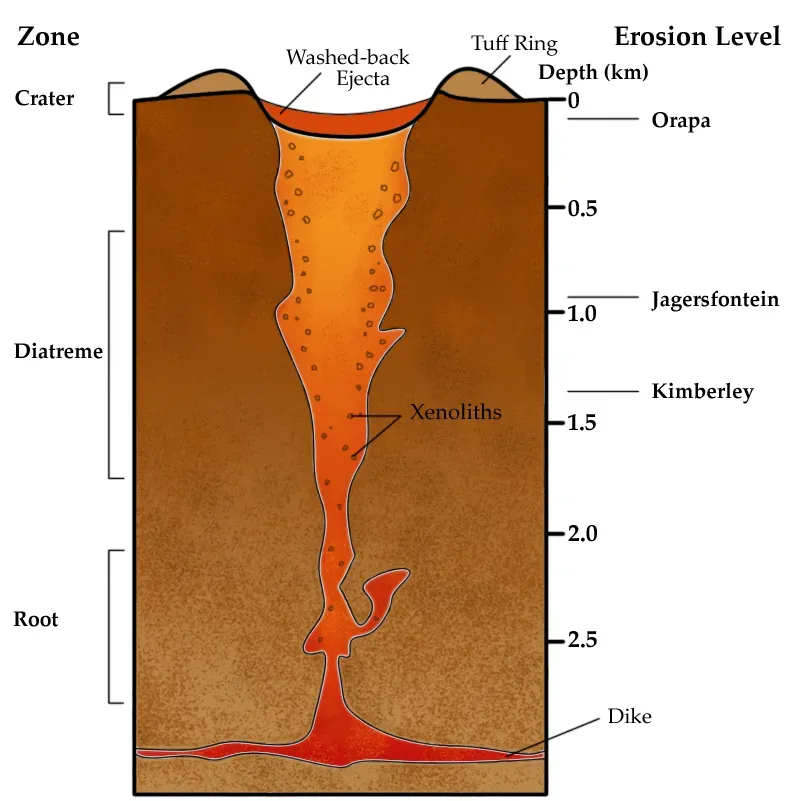
The diamond deposits we mine today are almost all associated with kimberlite pipes, carrot-shaped volcanic conduits that punched through the crust in short-lived, catastrophic eruptions. These pipes tend to be narrow but can extend to great depth, filled with fragmented rock, mantle xenoliths, and occasional diamonds embedded in a chaotic volcanic breccia. In many famous diamond fields, like those in southern Africa, Siberia, and parts of Canada, the pipes cut through very old cratonic crust, exactly where we expect long-lived, diamond-friendly mantle keels to be lurking below. The pattern is too tight to be coincidence: ancient roots plus explosive kimberlite seems to be the winning formula.
What is striking is how old these pipes usually are. Many were emplaced hundreds of millions of years ago, during periods when Earth’s tectonics and mantle dynamics were more vigorous or configured differently than they are today. Over the eons, erosion has scraped away the upper layers of rock, sometimes leaving the upper parts of kimberlite pipes exposed at the surface or just below it, where miners can reach them. In that sense, modern diamond mining is less about tapping active Earth processes and more about rummaging through the frozen wreckage of ancient volcanic violence that is no longer happening on any visible scale.
No New Major Diamond-Bearing Eruptions for Roughly 25 Million Years
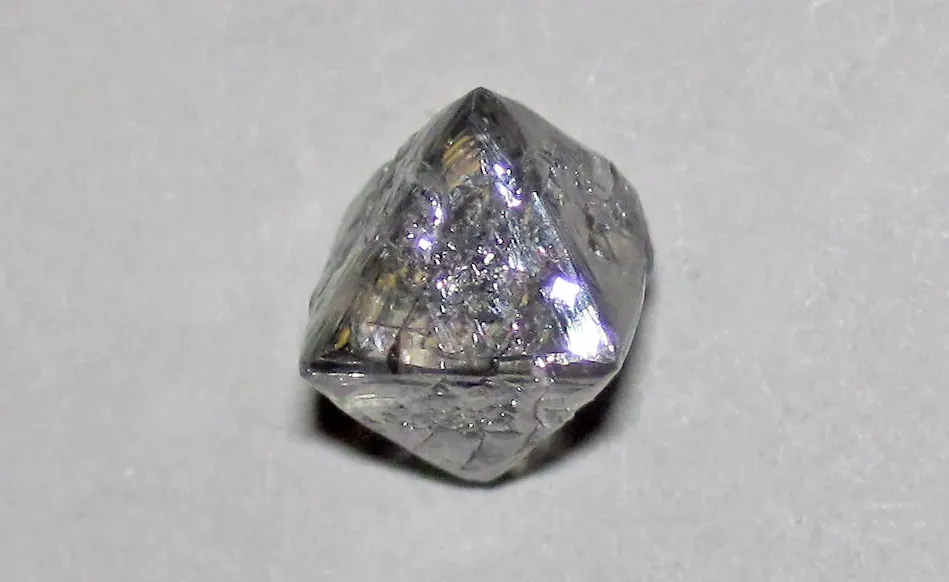
Here is the quiet but astonishing conclusion geologists have drawn from mapping and dating kimberlite fields around the world: there is no compelling evidence for major new diamond-bearing kimberlite eruptions in any region on Earth during roughly the last 25 million years. The pipes we know and mine are older than that, often much older, and recent volcanic activity of other types – like the basaltic eruptions in Iceland or Hawai‘i – shows a completely different magma style, depth, and chemistry. In other words, the specific kind of ultrafast, deep-rooted, volatile-rich eruption that can deliver diamonds appears to be something Earth has simply stopped doing in geologically recent times.
That gap has profound implications. It means every natural diamond that reaches your finger or sits in a museum case not only formed deep in the mantle long ago but also completed its journey to the surface during volcanic episodes that have not recurred in the most recent slice of Earth’s history. We are effectively living in a post-diamond-eruption world, scavenging the relics of past mantle behavior. Even if diamonds are still forming abundantly at depth today, they are trapped, invisible, and likely to stay that way until and unless Earth re-enters a regime that can generate another wave of kimberlite-style eruptions – something that might not happen for tens of millions of years, if at all.
Rarity Reframed: Why Market Scarcity Is About Access, Not Existence
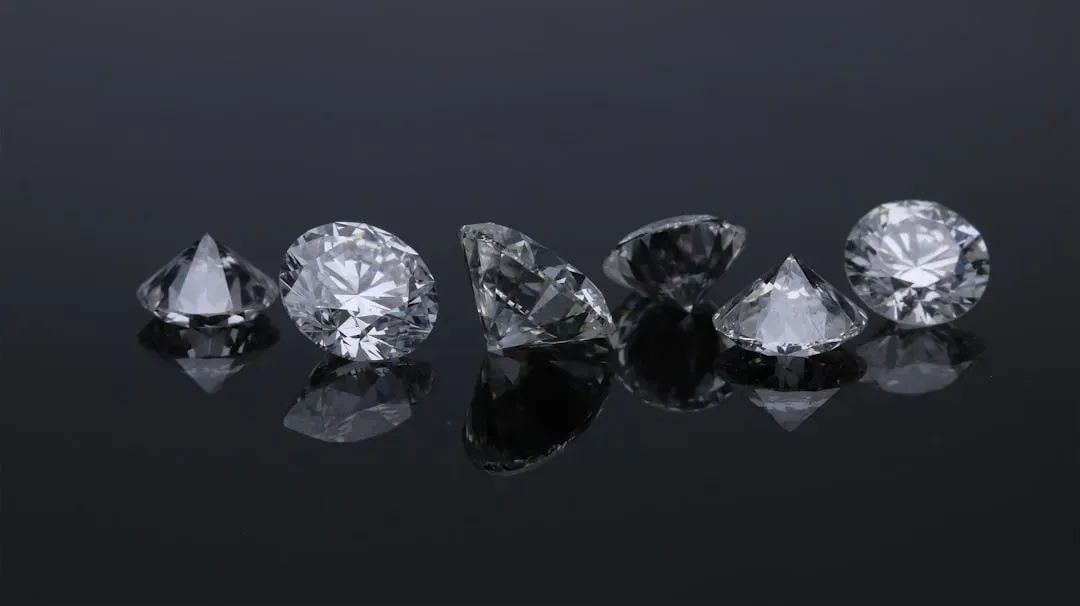
Once you accept that diamonds are geologically common but volcanically stranded, the whole notion of rarity starts to look very different. What is truly rare is not carbon arranged in a diamond lattice but the overlapping conditions of deep formation, explosive transport, and fortuitous exposure at the surface where humans can find, mine, and cut them. Add in the economic and political realities of where kimberlite pipes are located, who controls them, and how difficult they are to mine, and you end up with a commodity that is scarce in practice even if the underlying mineral is abundant in theory. It is a bit like saying there is plenty of gold dissolved in the oceans – technically true, but practically irrelevant to your jewelry box.
This perspective also helps explain the dramatic rise of lab-grown diamonds in recent years. In a laboratory, we can mimic the conditions of diamond formation or use clever chemical vapor deposition techniques to grow diamond without needing a 200-kilometer-deep mantle keel and a catastrophic eruption. That does not make natural diamonds meaningless, but it does shift their story: their value becomes less about intrinsic material rarity and more about age, origin, and their status as souvenirs from a vanished style of Earth’s volcanism. Whether that makes them more special or less depends entirely on how romantic you find deep time and extinct geological processes.
What Diamonds Reveal About Earth’s Changing Personality
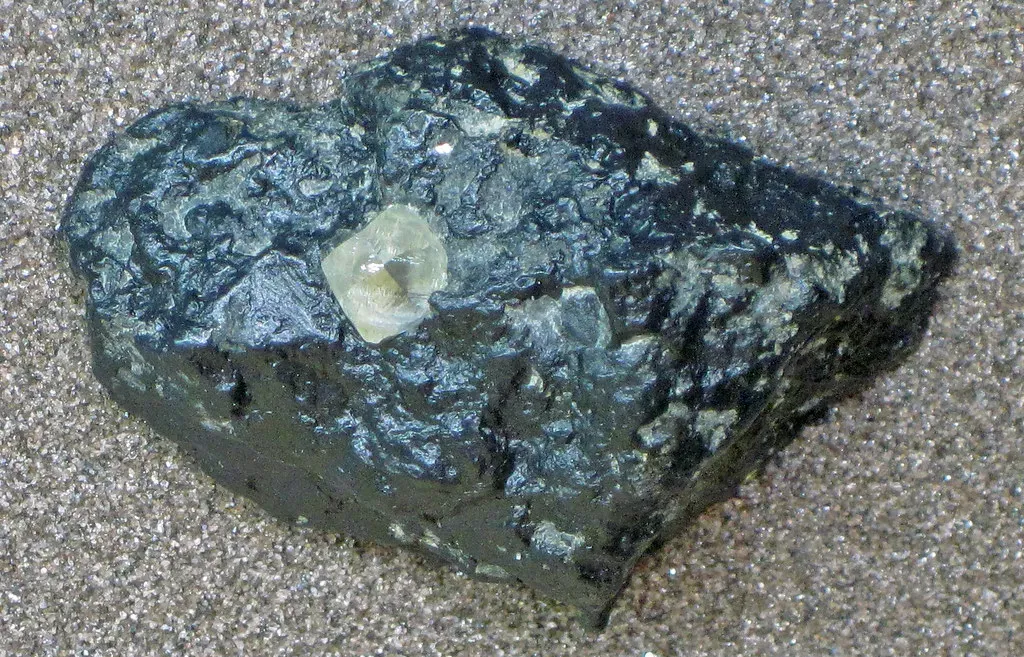
For me, the most fascinating part of all this is not the economics, but what it says about Earth itself. If kimberlite eruptions capable of transporting diamonds have faded away, it suggests that our planet’s deep interior and tectonic engine have evolved, even over the last hundred million years or so. Perhaps the distribution of mantle plumes has shifted, the thickness of lithospheric roots has changed, or the way continents assemble and break apart no longer generates the same pressure-cooker settings that once triggered these ultrafast eruptions. Diamonds become clues in a detective story about how Earth’s personality has mellowed, at least in this one dramatic respect.
In that sense, every kimberlite-hosted diamond deposit is like a fossilized scar from a younger, more explosive Earth. Studying the inclusions inside diamonds, the ages of the pipes that carried them, and the tectonic context in which those eruptions occurred helps us reconstruct how the deep mantle has shifted over time. It is remarkable that a gemstone on someone’s hand can quietly encode information about ancient subduction zones, continental breakups, and long-dead mantle plumes. If that does not change how you look at a diamond, I do not know what will.
Conclusion: Diamonds Are Common, Eruptions Are Extinct – and That Changes Everything
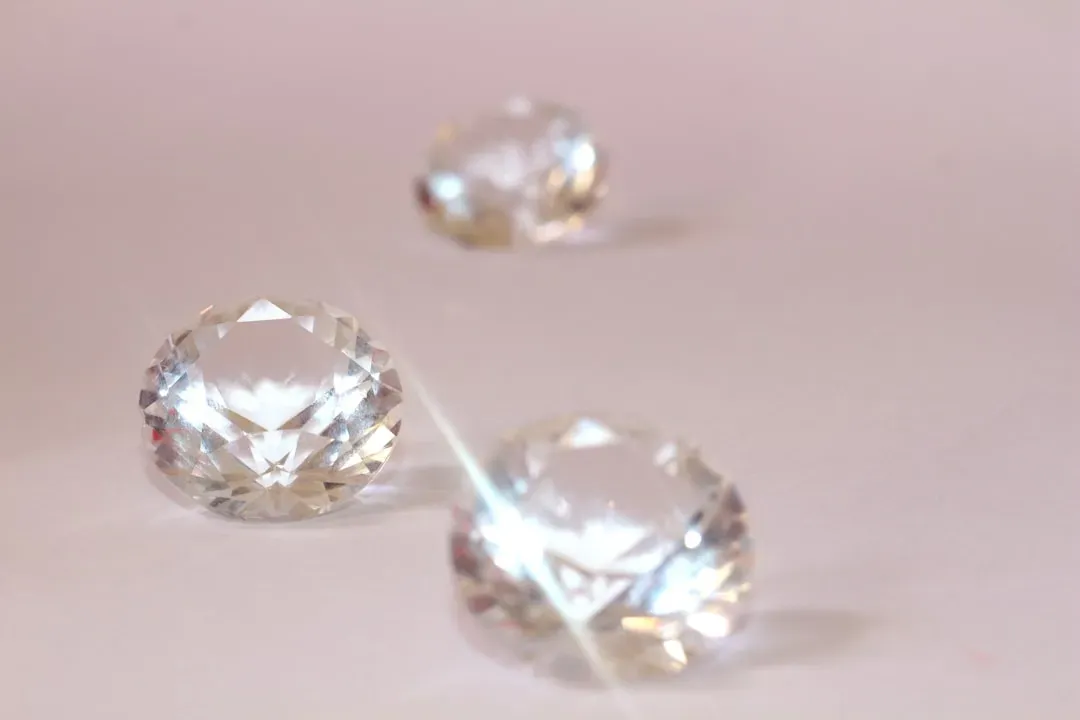
When you strip away the marketing myths and look at the geology, the verdict is clear and, in my view, a bit mind-bending: diamonds themselves are not the rare miracle they are often made out to be, but relics of a common deep-earth mineral phase that our planet currently has no way to deliver to us. The real scarcity lies in a style of violent, high-speed eruption that appears to have gone quiet for roughly the last 25 million years, leaving us to mine the leftovers from a geologically more tumultuous past. In that light, natural diamonds feel less like timeless symbols of love and more like limited-edition artifacts from an Earth that no longer behaves quite the same way.
My personal take is that this makes natural diamonds more interesting but also less magical as status objects: they are not rare because the universe decreed them precious, but because our planet stopped running the very specific experiment that brings them to our doorstep. Lab-grown stones, with their controlled origins, only underscore that point. Maybe the real wonder is not the sparkle itself, but the thought that somewhere far below our feet, countless unseen diamonds are still forming and waiting, with no realistic chance of ever joining their ancient cousins at the surface. Knowing that, does a diamond look more like a luxury item to you, or a tiny, glittering reminder of how strange and changeable our planet really is?