Imagine standing at the edge of a continent thousands of years ago, staring across an endless horizon, knowing there are lands and people out there you will never meet because your feet can only carry you so far. For most of human history, the world was effectively broken up into tiny walking-distance islands of culture and trade. The sheer scale of Earth was terrifying, and in a way, imprisoning. Then humans stumbled onto something so simple, so strange, and so powerful that it ripped those invisible walls apart.
We did not start with ships or roads or navigation tools. The turning point was more basic than that: learning how to harness rolling and sliding, how to let the ground itself help carry the load. From that realization came the wheel, the sledge, and the idea that distance didn’t have to mean exhaustion or isolation. It’s easy to shrug that off today when you can fly across continents in an afternoon, but that first breakthrough transformed the human map forever, turning a world of scattered villages into a web of connected journeys.
From Bare Feet To Burden Beasts: Why Walking Alone Wasn’t Enough
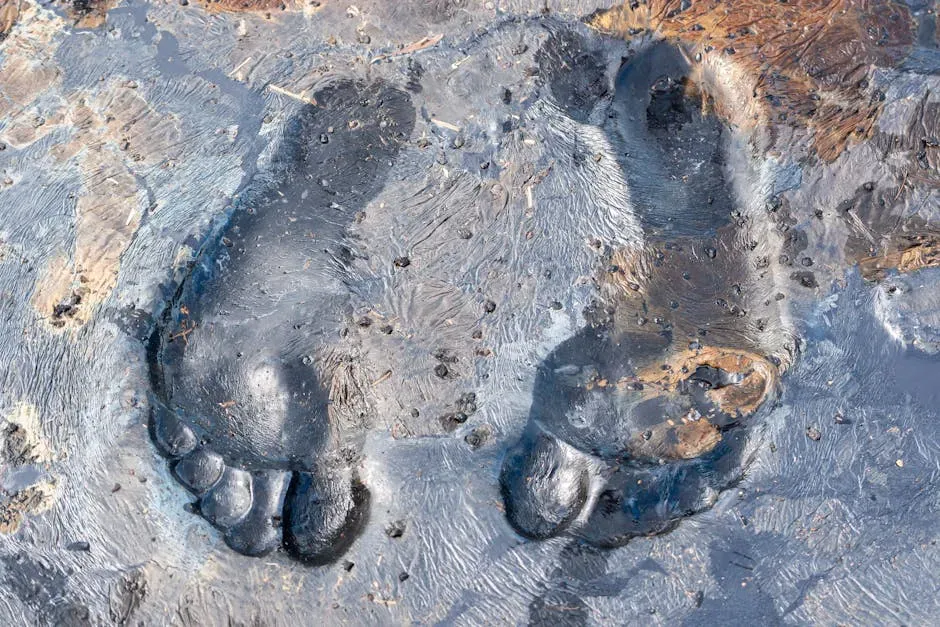
Before any clever technology, human travel was brutally simple: you walked. Maybe you carried a bundle, maybe a baby, maybe some food, but it was all on your back or in your hands. Your speed was limited by your slowest step and your energy by how much you could eat along the way. Think about hiking all day with a heavy backpack; now imagine doing that not for fun, but because survival depended on it, with no paved paths and no comfortable breaks. The planet did not feel small then; it felt huge, resistant, and unforgiving.
People tried to cheat those limits with the most obvious idea available: let animals do the hard work. Domesticated donkeys, horses, camels, and oxen became living engines, turning what would be an unbearable haul into a manageable journey. Yet even this approach hit a wall, because an animal can only carry so much before it slows down or collapses. Picture stuffing your car trunk until the suspension sags and the ride becomes dangerous; that was every overloaded pack animal, except with fur and a heartbeat. Long-distance trade and migration needed something beyond muscle, something that turned simple movement into efficient transport.
The Quiet Revolution Of Sliding: The Overlooked Sledge
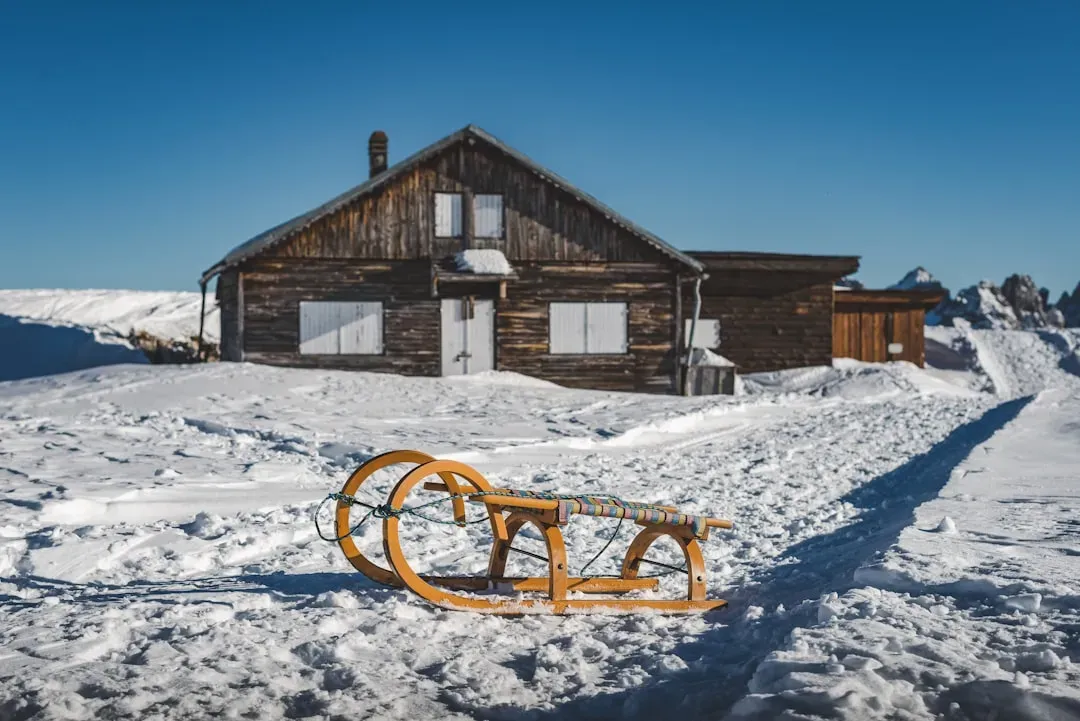
Long before the wheel became a symbol of civilization, people in icy and snowy regions discovered a different trick: sliding. A simple sledge or drag made out of wood let heavy loads glide over snow and ice with far less effort than carrying them on shoulders or loading them on an animal’s back. It was like suddenly switching from lifting furniture one piece at a time to pushing it on a smooth dolly; the work was still real, but the strain dropped dramatically. This idea turned raw landscape conditions – snow and frozen ground – into allies instead of enemies.
What makes the sledge so fascinating is that it hinted at a deeper truth about movement: if you can reduce friction, you can stretch distance. Hunters could follow migrating herds farther. Nomadic groups could haul shelters, food stores, and tools across wider territories. The sledge did not shrink the planet, but it thickened the lines of contact between groups, allowing journeys that would have been impossible on foot alone. In many ways, sliding was the rehearsal for the main act that would come later: the wheel and axle.
The Wheel And Axle: The Simple Machine That Rewired The World

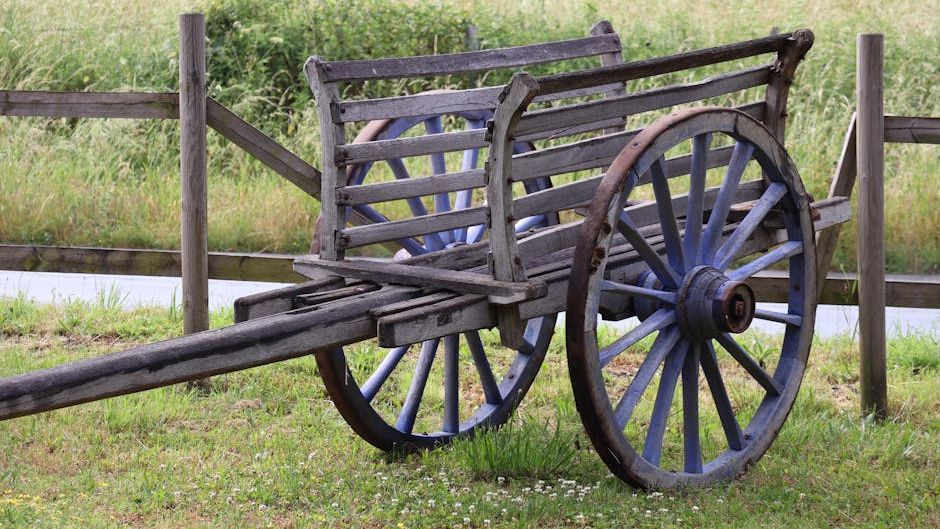
The leap from dragging loads to rolling them on wheels was not obvious and not quick. Crafting a wheel that was round enough, strong enough, and securely fixed to an axle demanded a level of precision that early toolmakers had to struggle toward. When it finally came together, though, the effect was startling. Suddenly, a single animal or a small team of people could move many times more weight than before over solid ground. A wagon was basically a force multiplier, turning a stretch of earth into a kind of primitive conveyor belt.
This was the discovery that truly unlocked long-distance travel on land in a scalable way. Carts and chariots could carry food, tools, raw materials, and people over routes that once would have taken an exhausting caravan of pack animals. With wheels, traders could push beyond the horizon of local markets, rulers could project power across broader territories, and ordinary families could relocate with more than just what they could physically carry. The wheel and axle did not just make journeys longer; they made them purposeful, repeatable, and economically worthwhile.
Roads, Ruts, And Routes: How Infrastructure Turned Motion Into Networks
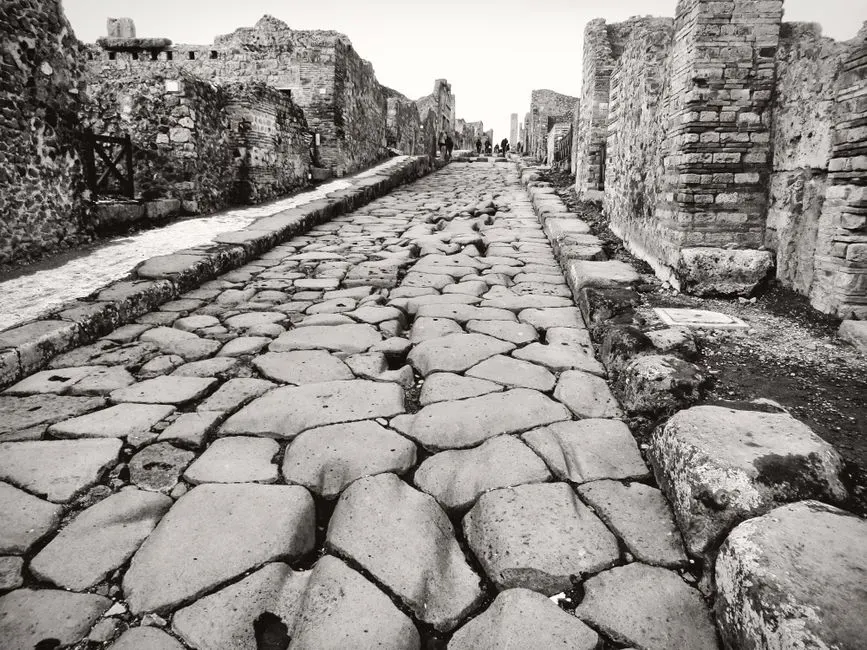
Once wheeled vehicles existed, another problem appeared: rough, uneven ground could ruin wheels, break axles, and stall movement. People answered that problem with one of the most underrated inventions in history: the built road. Flattened paths, compacted surfaces, bridges, and causeways took the raw terrain and reshaped it into something predictable. It is one thing to have a cart and a strong ox; it is another to be able to count on a route that will not destroy that cart halfway through the journey. Infrastructure turned movement from an act of courage into something closer to planning a schedule.
These roads did more than protect wheels; they created permanent lines of connection between distant places. Towns along major routes became trade hubs, and cultures that might never have met began to share goods, ideas, and stories. You can think of roads as the prehistoric version of digital cables, carrying not just objects but also information. Once a route existed, it invited use: caravans followed, settlements sprang up, and long-distance travel gradually shifted from rare and risky to normal and expected for traders, messengers, and even pilgrims.
Maps, Memory, And The Courage To Leave The Known
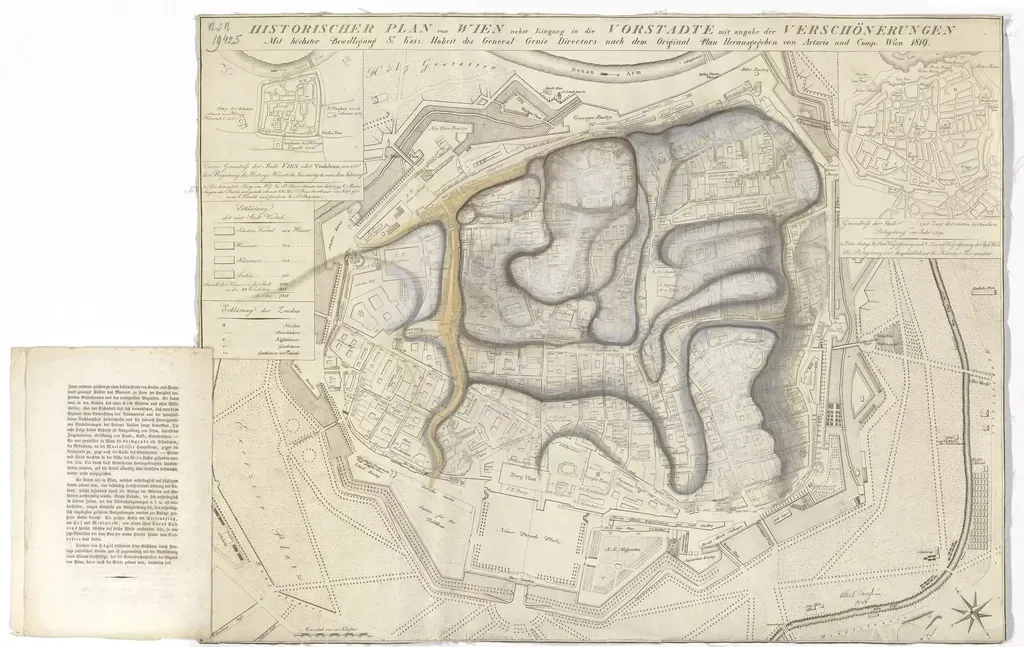
Technology alone cannot explain long-distance travel; there is also the human mind and its relationship with the unknown. Early travelers had to navigate deserts, mountains, forests, and open plains with minimal tools. They relied on memory, landmarks, the stars, and slowly emerging maps drawn from shared experience. Every successful journey left behind a trail of knowledge, passed orally or sketched in simple diagrams, turning a once-terrifying route into something a bit more approachable for the next group. Over time, paths solidified in collective memory just as surely as ruts formed in the ground.
What impresses me personally is the courage baked into those first extended journeys. Imagine committing to weeks or months on the move, with only a rough idea of what lay ahead, trusting that the wheel under your cart and the path under your feet would hold. It is not so different from starting a risky project or moving to a new city today; you assemble what tools you have, gather stories from those who went before you, then decide to go anyway. That mix of fear and determination helped push humans beyond the small circles of home and into a wider, interconnected world.
Why The Wheel Still Matters In An Age Of Jets And Rockets
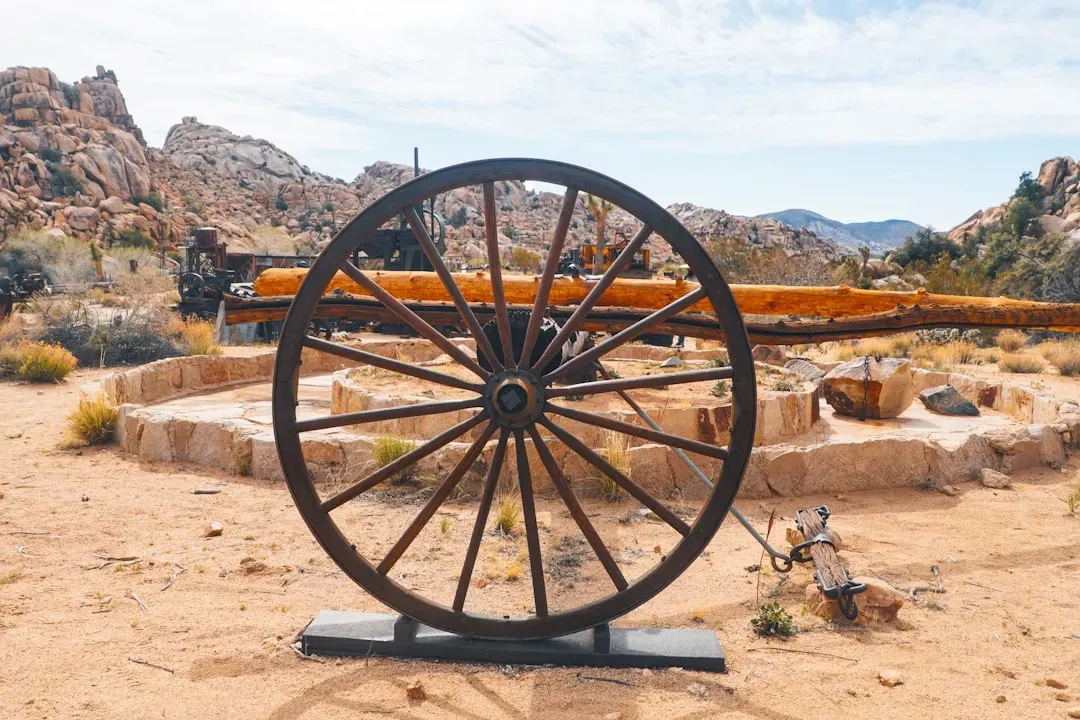
In a world obsessed with supersonic jets and space travel, it is tempting to see the wheel as old news, something nostalgic rather than revolutionary. But look around any modern city: buses, trains, cars, bicycles, airport luggage carts, even airplanes on the tarmac are all literally rolling on that same core principle. Every long-distance journey today still begins and ends on wheels, whether it is a taxi ride to the airport or a train connecting cities. The fundamental insight that rolling reduces friction continues to do quiet, invisible work in the background of our lives.
My honest opinion is that the wheel and axle deserve to be seen not just as a clever tool, but as one of the deepest psychological shifts in human history. It taught us that the physical limits of our bodies are not the final word, that the world can be re-engineered to make distance less oppressive. Long-distance travel, from ancient caravans to modern road trips, is really an ongoing negotiation between nature and human ingenuity. Even now, with rockets leaving the atmosphere, the original discovery that made extended journeys possible is still turning, literally, under almost every move we make.
Conclusion: The First Real Escape From Our Own Limits
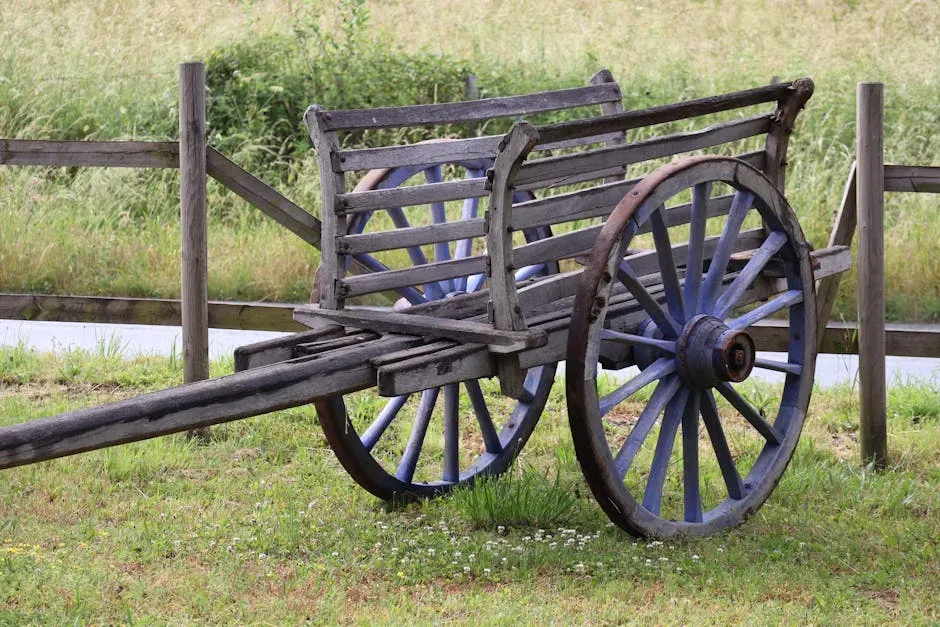
When you trace long-distance travel back to its roots, you do not find a single heroic invention standing alone, but a chain of discoveries that built on each other. Sliding loads over snow, shaping strong wheels, aligning them with axles, sculpting roads, and learning to remember and map the routes all worked together like parts of a living machine. Yet if we have to point to the ancient human discovery that truly flipped the script, it is the realization that rolling and mechanical advantage could carry us farther than flesh and bone ever could by themselves. That quiet insight turned the world from a series of isolated pockets into something closer to a continuous landscape.
In my view, that is the real miracle: not that we travel far now, but that people who had never seen a car, a train, or an aircraft found a way to stretch their reach so dramatically using wood, stone, and patience. Every time you drag a suitcase with wheels or feel a bus glide along the highway, you are riding on the same basic idea that once transformed survival journeys into true long-distance travel. It makes you wonder what ancient-looking technique we are ignoring today that could open the next frontier of movement, doesn’t it?