
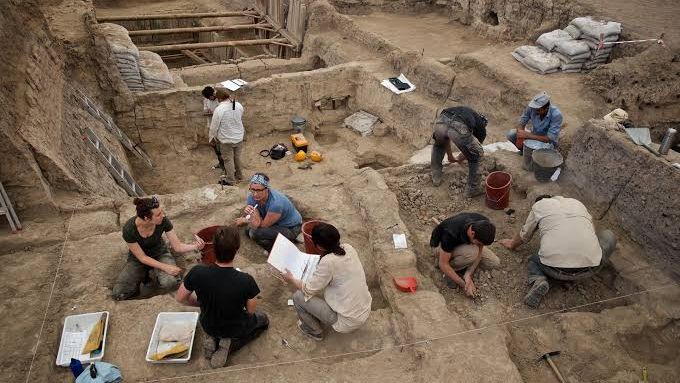
You know that feeling when you open a drawer looking for your keys and instead find something that completely changes your day? Multiply that by a thousand, add a few decades of training, some mud, and a trowel, and you’re close to what happens when archaeologists stumble on things they were absolutely not expecting to see. Archaeology is supposed to be slow, methodical, almost boring in its patience. Yet time and again, the ground spits out objects and entire sites that break rules, rewrite timelines, and make experts quietly go back to their notes and say: “Well… that’s awkward.”
What follows is not a list of random curiosities, but ten moments when the past refused to behave. These finds challenged power, faith, nationalism, academic pride, and sometimes just common sense. In each case, someone dug where they were “supposed” to find one story and instead uncovered another. And that is where things get fun, because those uncomfortable moments are usually where real progress happens. Ready to walk through ten times the dirt did not stick to the script?
1. Göbekli Tepe: A Monument That Shouldn’t Exist That Early
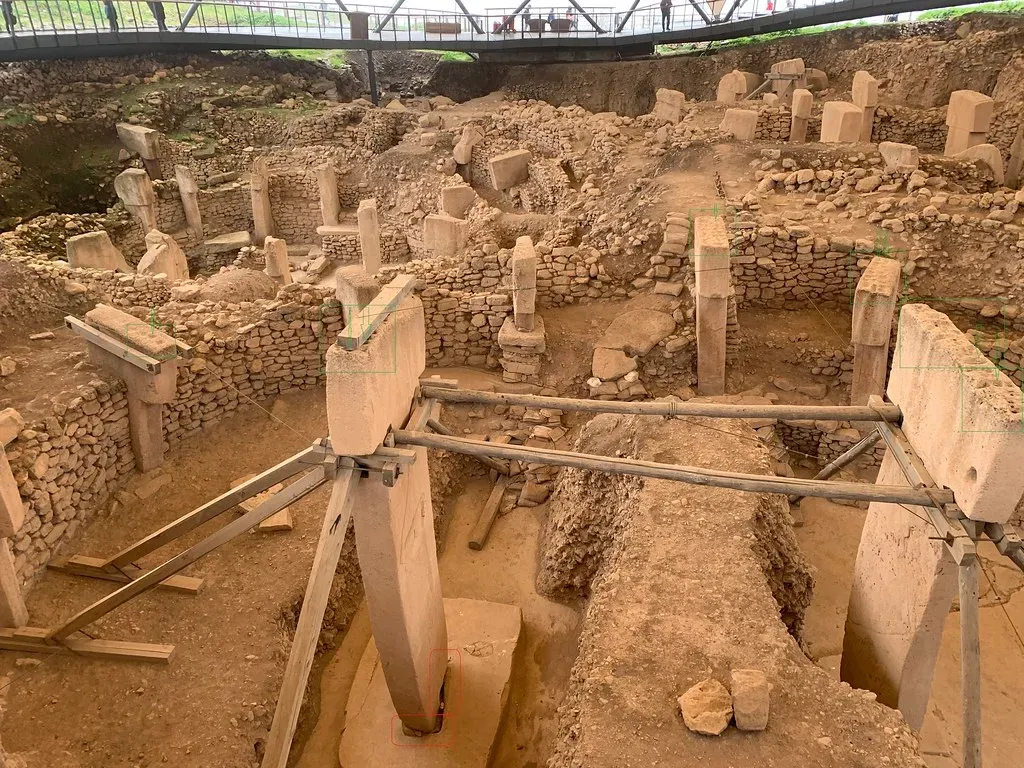
When excavations at Göbekli Tepe in southeastern Turkey began to reveal massive T‑shaped stone pillars, decorated with animals and abstract symbols, archaeologists had a serious problem on their hands: the site was older than agriculture. Radiocarbon dates pushed it back to around ten thousand years before the present, long before stone temples and organized religion were supposed to show up. The existing story said that farming came first, then surplus, then organized religion and monumental architecture. Yet here was a stone sanctuary apparently built by hunter‑gatherers who had not yet settled into permanent farming life.
This was not just a surprise; it was almost philosophically offensive to some neat models of how civilization develops. If people were already gathering to build enormous ritual spaces before they planted fields, maybe shared beliefs and social bonds came first, and farming followed as a way to sustain gatherings. Suddenly the sequence flipped: perhaps temples helped create farmers, not the other way around. I remember the first time I saw images of those carved pillars and thought they looked more like something out of fantasy art than the end of the Ice Age. Göbekli Tepe is a blunt reminder that the past does not care about our tidy flowcharts.
2. The Dead Sea Scrolls: Ancient Texts Hidden Where No One Was Meant to Look
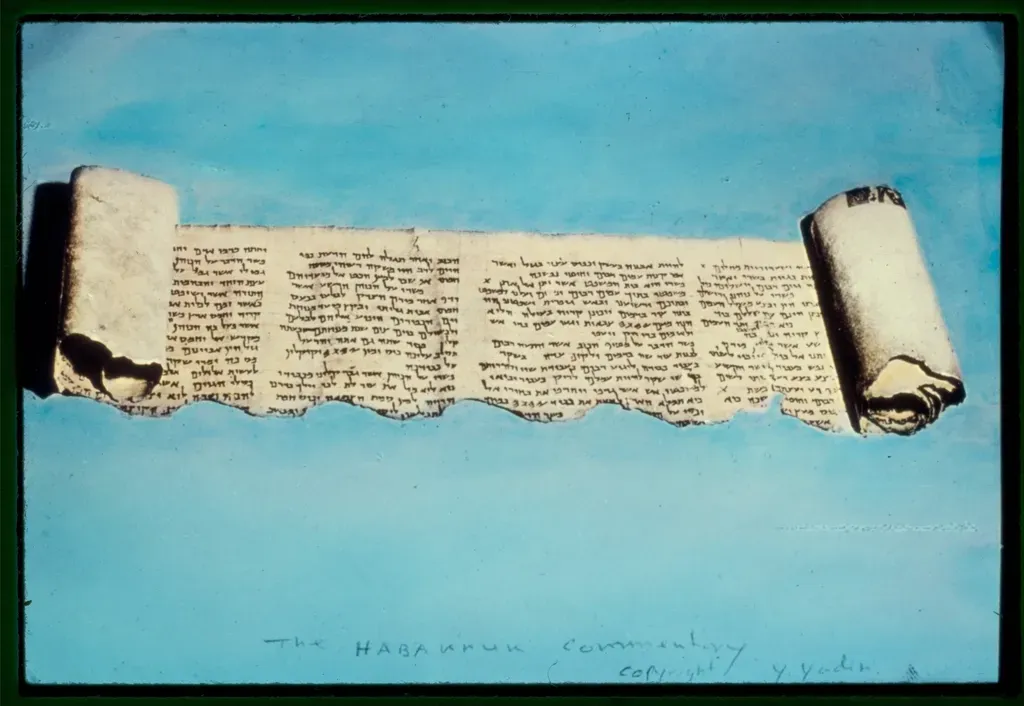
In the mid‑twentieth century, a set of chance discoveries in caves near the Dead Sea dropped some of the oldest known biblical and related texts into the laps of stunned scholars. The scrolls, hidden in remote cliffside caves for roughly two millennia, were never meant to be found by modern hands; they were stashed in sealed jars, tucked away in spaces where only a goat herder scrambling after a stray animal or a very determined explorer could stumble upon them. Inside were fragments of Hebrew scriptures, community rules, commentaries, and previously unknown writings that threw open a window on religious life and debates in the centuries around the time of early Christianity and late Second Temple Judaism.
The real “not supposed to” moment was not just that these scrolls survived in such a harsh environment, but that they preserved alternate versions and arrangements of texts many people thought were fixed and stable. Suddenly scholars could compare slightly different wordings and emphases, seeing the Bible in motion rather than as a static monument. For a lot of believers and historians alike, that is an unsettling idea: the notion that foundational texts evolved, were copied, argued over, and edited. The caves near Qumran became a kind of time capsule of uncomfortable nuance, and once opened, there was no going back to a simpler story.
3. Ötzi the Iceman: A Bronze Age Crime Scene Frozen in Time
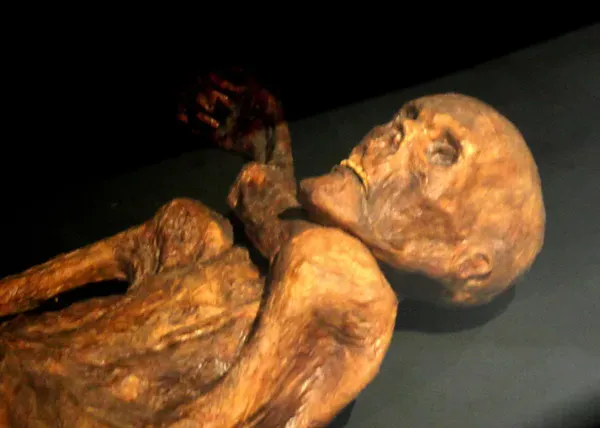
When hikers in the Alps first spotted what they thought was a recently dead mountaineer sticking out of the ice in 1991, no one expected to be looking at a body over five thousand years old. Archaeologists had dreamt of well‑preserved ancient humans, but finding one by accident at the border of Austria and Italy, practically lying out in the open, was not in any playbook. Once specialists realized what they had, that “mountain casualty” instantly turned into one of the most intensively studied individuals in archaeological history, complete with clothes, tools, last meals, and internal organs.
The most unsettling twist came when detailed analysis revealed an arrow wound in his back and evidence of trauma, turning Ötzi from a romantic frozen wanderer into the victim of a likely violent conflict. Instead of a simple story about a man trapped by the weather, we had something closer to a prehistoric crime story, with hints of social tension, maybe betrayal, and a hurried escape. I still find it eerie how much we can reconstruct: pollen in his gut, cuts on his hands, the direction of the fatal shot. This is one of those cases where archaeologists almost found too much, raising as many questions about his last hours as they answered.
4. The Terracotta Army: An Underground Army No One Was Looking For
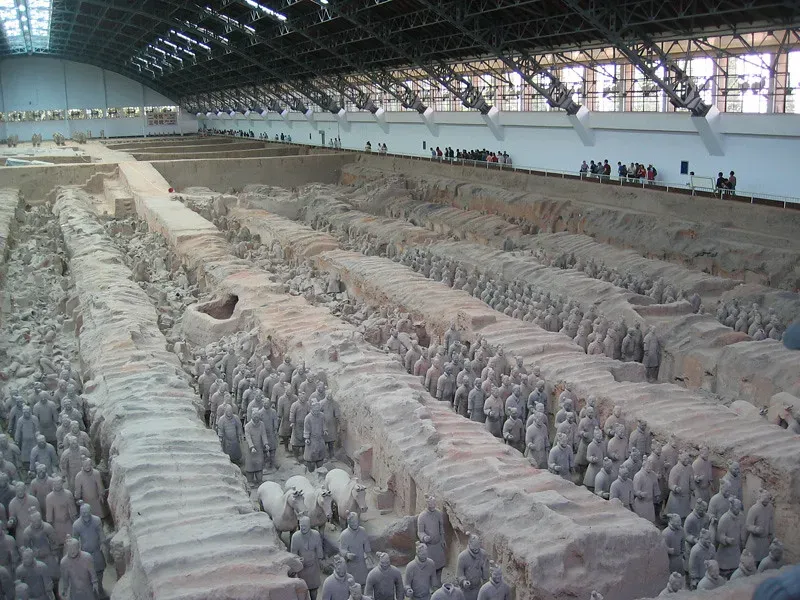
In the nineteen seventies, farmers digging a well in China’s Shaanxi Province hit something hard that was very much not bedrock. What they eventually uncovered, with the help of archaeologists, was an enormous buried army: thousands of life‑sized terracotta soldiers, horses, and chariots guarding the mausoleum of the first emperor of a unified China. For centuries, stories had circulated about a grand tomb, but almost no one imagined a complex on this scale, stretching over a vast area with multiple pits full of individualized warriors, each with distinct faces and details. It was as if a silent city had been packed away under the fields, never intended to see daylight again.
The shock here is partly about excess. The sheer amount of labor and resources invested in crafting an entire clay army for a single ruler’s afterlife is staggering. It forces us to confront just how absolute certain forms of power can be, and how beliefs about death can justify almost unimaginable undertakings. From a modern perspective, it feels almost obscene: thousands of intricate statues buried instead of displayed, their beauty and ambition entombed. And yet, had the farmers not chosen that exact spot for a well, the army might still be down there, an imperial secret sleeping under a patch of ordinary farmland.
5. The Antikythera Mechanism: A Computer Way Too Early
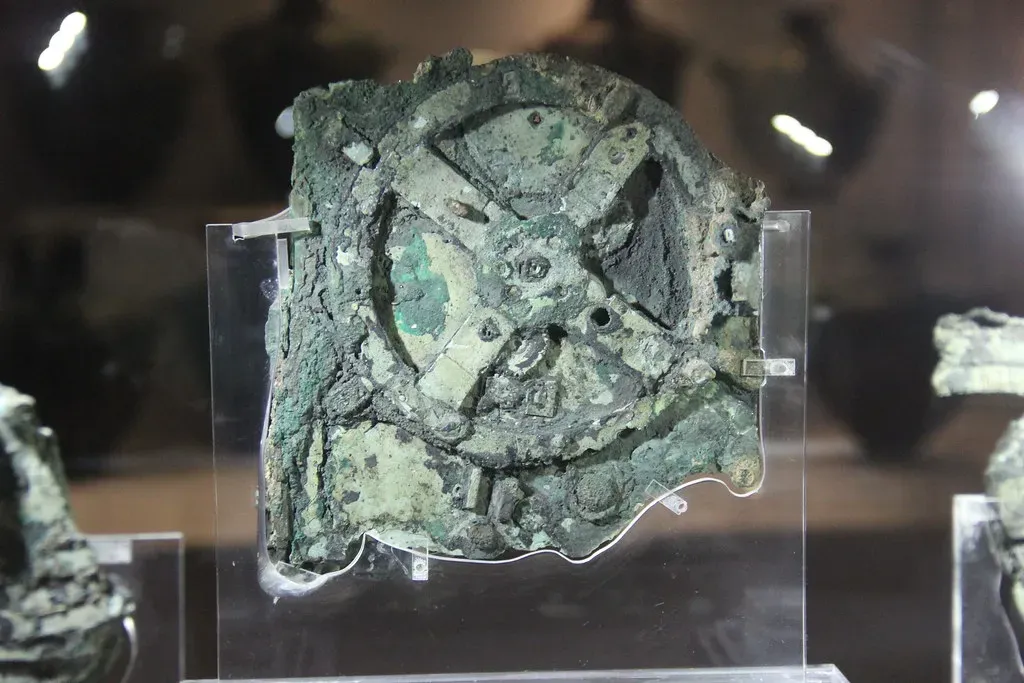
When sponge divers off the Greek island of Antikythera hauled up a tangle of corroded bronze and encrusted wood in the early twentieth century, it looked like shipwreck junk. Only later did detailed study show that one of those lumps was a mechanical device with an astonishing level of sophistication: interlocking gears designed to predict the motions of celestial bodies, track eclipses, and perhaps model calendar cycles. This so‑called Antikythera Mechanism is often described, a bit dramatically but not unfairly, as the world’s first known analog computer. It dates to the last centuries before the Common Era, far ahead of what many historians thought Greek engineering could pull off in this area.
The unsettling part is that nothing else quite like it survived from that period, so it feels like discovering a smartphone in a medieval ruin. Clearly this was not a one‑off miracle; complex gear trains require a tradition of craftsmanship and knowledge. Yet the written record is almost silent about such devices, and the archaeology gives us just this one mangled example. To me, it is a humbling reminder that absence of evidence really is not evidence of absence. How many technologies bloomed for a few generations and vanished without leaving neat textbook examples behind? The Antikythera Mechanism is like a brief flash of lightning illuminating a much larger invisible landscape.
6. The Staffordshire Hoard: A War Treasure Buried and Forgotten
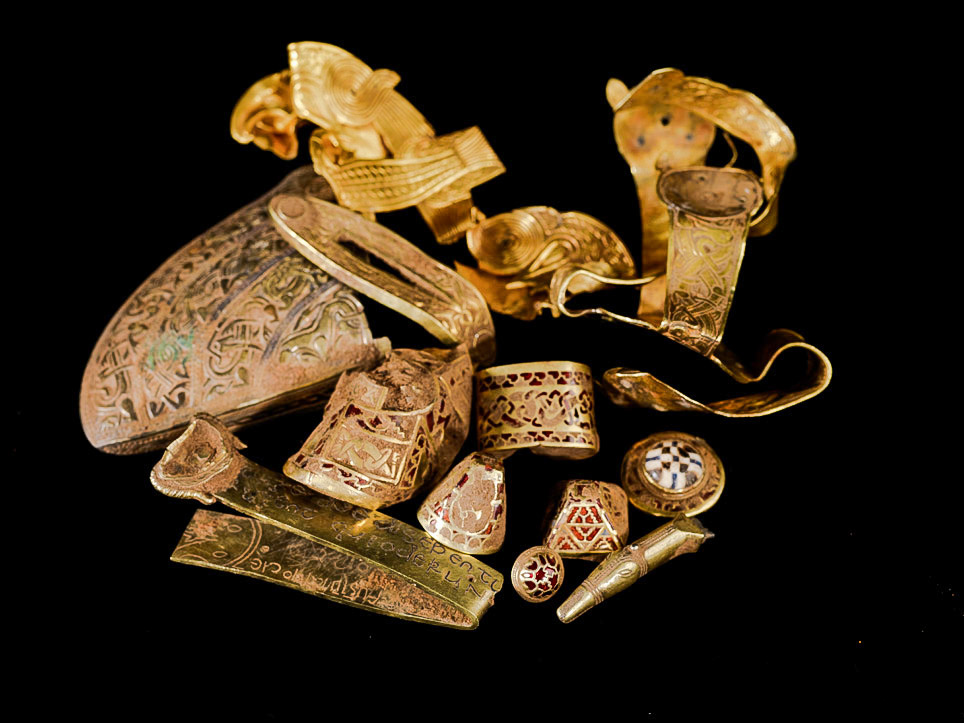
When a metal detectorist in England’s Midlands area started picking up signals in a farmer’s field in 2009, he probably expected a few stray coins or bits of scrap. Instead, he and archaeologists uncovered what turned out to be the largest known hoard of Anglo‑Saxon gold and silver metalwork, full of weapon fittings, religious items, and exquisitely decorated fragments. This was the sort of treasure you would expect to see in royal halls or church treasuries, not scattered in pieces, hastily buried in a rural spot and apparently never retrieved. Whoever hid it clearly did not intend for future museum curators to enjoy the view.
The hoard scrambled neat narratives about early medieval Britain. Suddenly we had direct, glittering proof of elite military culture, workshop skill, and the blending of warrior symbolism with Christian motifs in a period often dismissed as a “dark age.” What makes it feel almost illicit is how private and personal it seems: bits of weapons, crosses, and ornaments taken off objects that once mattered deeply to specific people, then dumped into the ground in what looks like a desperate moment. I find it oddly moving that this panic‑burial, probably driven by fear or chaos, slept on quietly until a hobbyist with a metal detector walked across the right patch of soil.
7. The Lascaux Cave Paintings: Ice Age Art Hidden Behind a Collapse
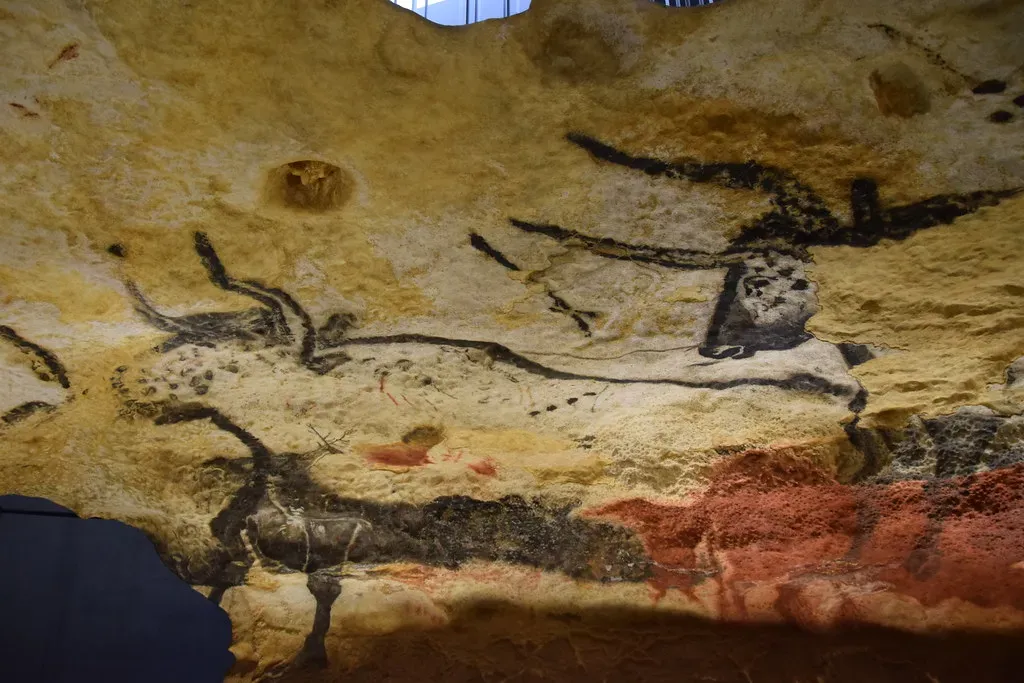
In the nineteen forties, a group of teenagers in southwestern France followed a dog into a hole in the ground and, after some exploring, found themselves staring at walls covered in vivid animals painted tens of thousands of years ago. The Lascaux cave paintings were never meant for us; they were protected by collapsed entrances and layers of rock, hidden for an almost ridiculous span of time. When archaeologists and artists first saw the painted horses, bulls, and mysterious symbols lit by electric lamps, it hit like a cultural thunderclap. Suddenly, Ice Age humans were not faceless primitives but skilled painters with a sense of movement, composition, and maybe even storytelling.
The real shock, to me, is how modern some of the images feel. There is energy, abstraction, and even something close to animation in overlapping figures. The fact that this was all sitting in darkness while entire civilizations rose and fell above it is wild. It also raises uncomfortable questions: Why did people go so deep underground to make these images? Were we even supposed to see them widely, or were they meant for small groups, rituals, or something we do not have good words for? Lascaux suggests that human creativity has been taking strange, sophisticated forms far longer than any textbook chapter title like “The Birth of Art” really admits.
8. The “Bog Bodies”: People Preserved Where No Graves Were Marked
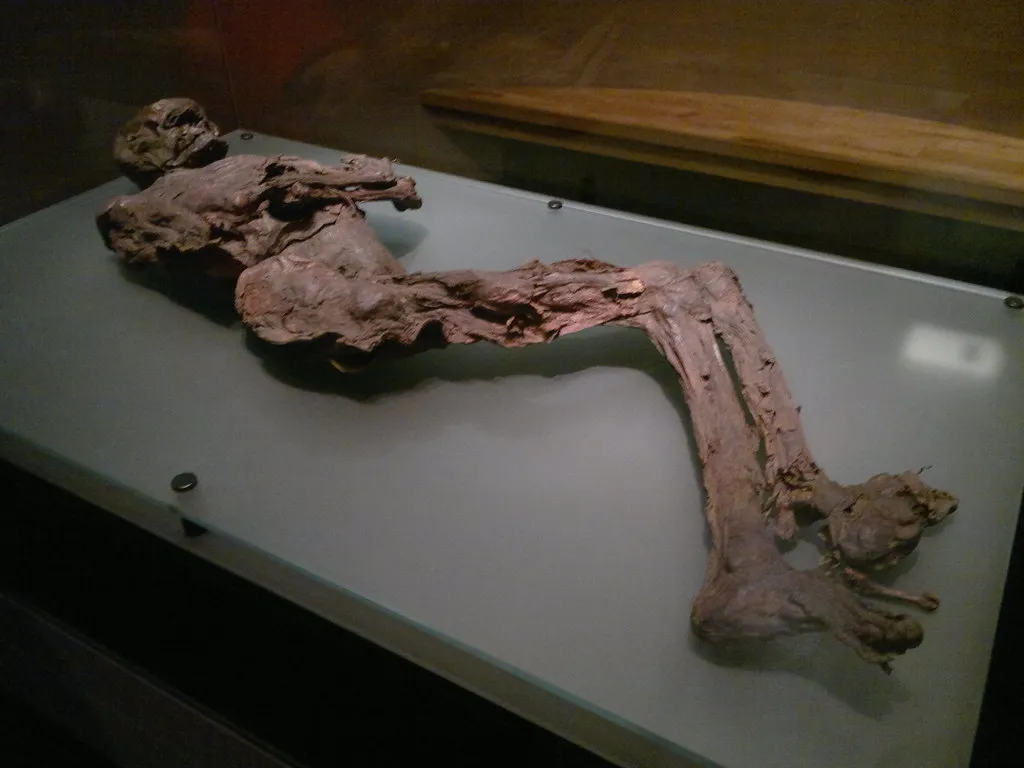
Across northern Europe, peat cutters and workers in wetlands have occasionally stumbled on something no one wants to find in a day’s work: a human body emerging from the dark, acidic bog. Many of these so‑called bog bodies are so well preserved that skin, hair, and even facial stubble survive, despite being centuries or millennia old. These individuals were not buried in obvious cemeteries or marked graves; they were placed, sometimes apparently violently, into watery, liminal landscapes that later generations used as fuel sources and farmland. No one setting them there intended for archaeologists to show up with lab coats and CT scanners.
The unsettling aspect is not just the preservation, but the hints of ritual killing, punishment, or sacrifice. Some bodies show signs of strangling, blows to the head, or other trauma, leading scholars to debate whether these were condemned criminals, offerings to deities, or something in between. Standing in front of one in a museum is disarming: you are face to face with a person whose last moments may have been terrifying, whose world is gone, but whose body looks alarmingly recent. For me, bog bodies make archaeology feel less like studying ancient pottery and more like meeting ghosts who never expected an audience in the twenty‑first century.
9. The Rosetta Stone: A Bureaucratic Inscription Turned Decoding Key
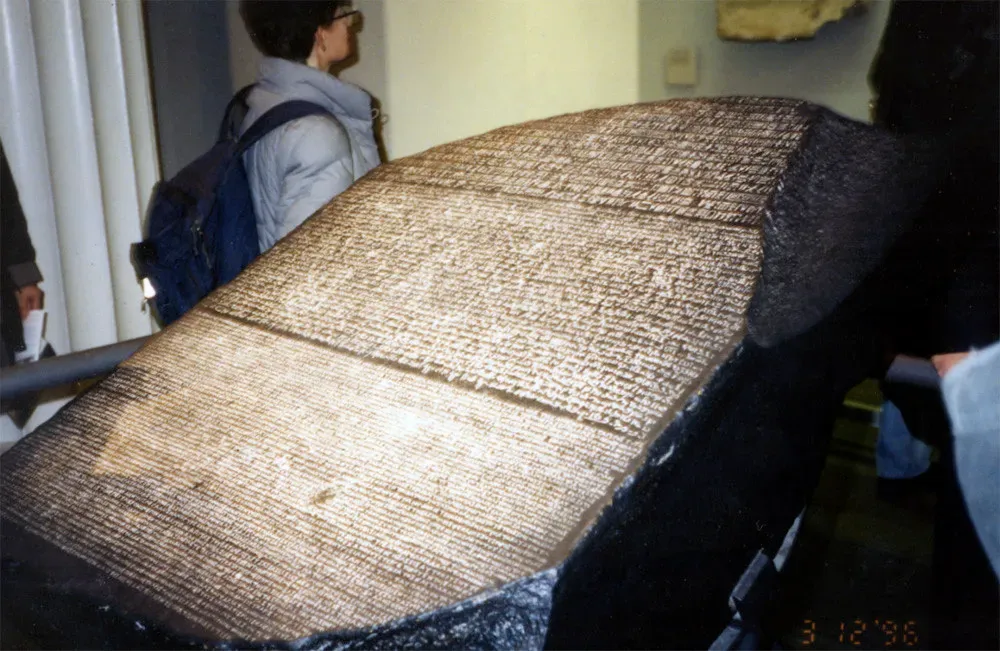
During Napoleonic military campaigns in Egypt at the beginning of the nineteenth century, soldiers working on fortifications found a broken stone slab reused as building material. On it were three versions of the same text: one in hieroglyphic script, one in a more cursive Egyptian script, and one in ancient Greek. The stone itself was a fairly dull decree praising a ruler, the sort of thing you would not normally frame as a masterpiece. No one who commissioned it ever imagined that long after their empire fell, the text would become the key to reviving a dead writing system and unlocking thousands of years of history that had turned into mute symbols.
The “not supposed to” twist lies in how mundane it is. The Rosetta Stone was never meant as a cipher, never intended to be a Rosetta Stone in our metaphorical sense. It is like finding the master password to a lost operating system written on the back of an office memo. Yet because it survived at just the right time, in just the right condition, scholars could learn to read hieroglyphs again and rediscover voices that had been silent for ages. Personally, I love that such a glamorous breakthrough rested on something so dry and administrative. It is a reminder that the past’s biggest secrets can hide inside its most boring paperwork.
10. The Cave of Altamira: Art That Experts Dismissed as “Too Good”
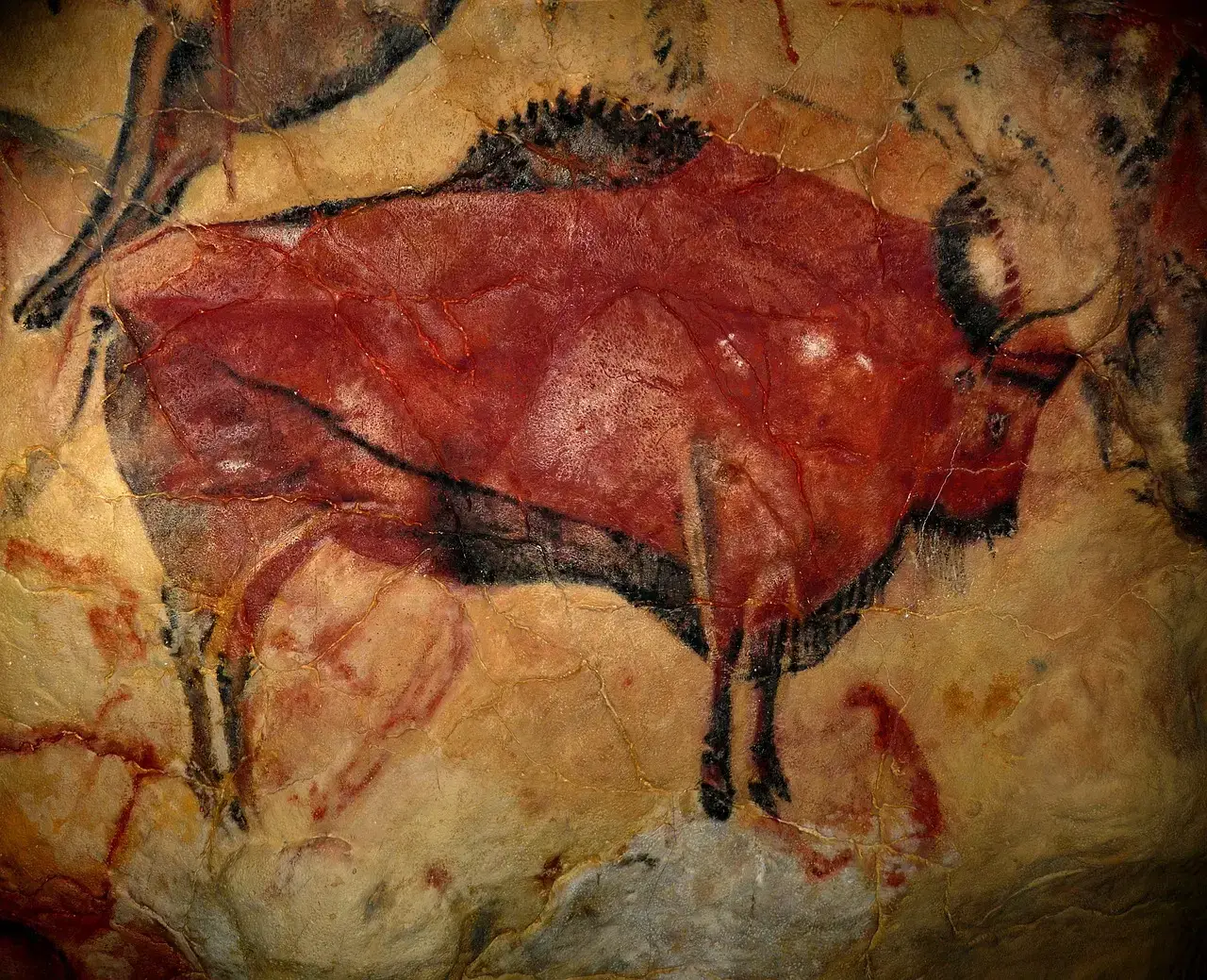
In the late nineteenth century, when paintings in Spain’s Altamira cave were first brought to the attention of scholars, many experts declared them fakes. The art was simply too sophisticated for what they believed Stone Age humans were capable of; surely some modern hand had cleverly painted them to deceive. For years, that skepticism meant Altamira was treated almost like an embarrassment instead of a treasure. The people who had first pointed out the paintings effectively found something the academic establishment refused to accept, because it did not fit their expectations of a properly primitive past.
Eventually, as more prehistoric cave art was discovered and dating techniques improved, the authenticity of Altamira was confirmed, and the scientific community had to quietly walk back its earlier arrogance. I find this episode both hilarious and sobering. It shows how deeply our assumptions shape what we are willing to see, even when the evidence is literally on the wall in front of us. In a way, Altamira was not supposed to be found because, mentally, many people were not ready to find it. The cave forced archaeology to stretch its imagination about early humans, and that is probably the healthiest kind of discomfort a science can have.
Conclusion: When the Ground Refuses to Obey the Story
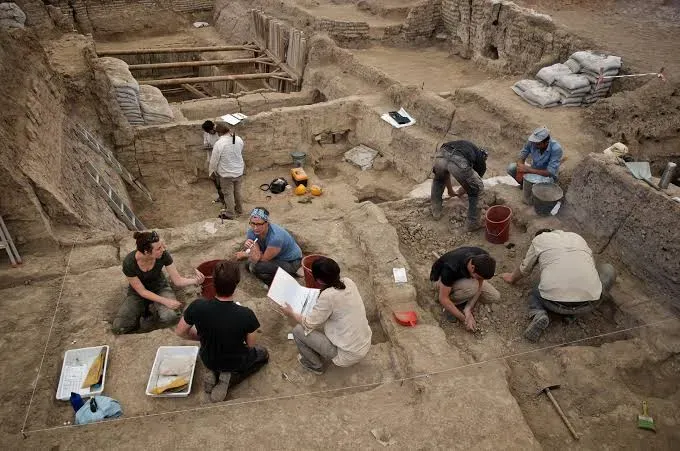
Looking across these ten finds, a pattern jumps out: the past constantly breaks the rules we write for it. Temples show up before farms, complex machines appear centuries “too early,” anonymous marshes turn out to be stages for rituals we barely understand. Again and again, archaeologists think they know roughly what to expect from a site or period, and the ground politely disagrees. Honestly, that friction is what keeps the field alive; if everything matched the models, archaeology would be a bookkeeping exercise, not a human drama played out in soil and stone.
My own bias is pretty clear: I think we should be suspicious of any neat story that claims to sum up “how civilization began” or “what ancient people believed.” These unexpected discoveries are like reality checks telling us to stay humble, stay curious, and accept that our timeline is always a draft, never a final edition. Maybe the most exciting thing is not any single object or hoard, but the realization that there are almost certainly more of them still out there, quietly waiting under parking lots, fields, and riverbanks. So the real question is: when the next impossible find comes up on a trowel’s edge, will we be ready to let it change our minds?