If you learned most of what you know about dinosaurs from movies, you were basically raised on monster stories, not natural history. Hollywood has a habit of turning real animals from Earth’s past into shrieking demons that exist only to chase screaming humans down dark corridors. It makes for loud trailers and flashy posters, but it often bulldozes anything resembling science.
That gap between what we see on screen and what paleontologists actually think these creatures were like is massive – and honestly, kind of fascinating. Let’s walk through eight cases where movies took real dinosaurs or dinosaur-like reptiles and cranked them up into ridiculous villain mode, ignoring the fact that they were once just animals trying to survive, not cosmic boogeymen built to snack on protagonists.
1. Jurassic Park’s Velociraptors: Smart, Scaly Supervillains That Never Existed
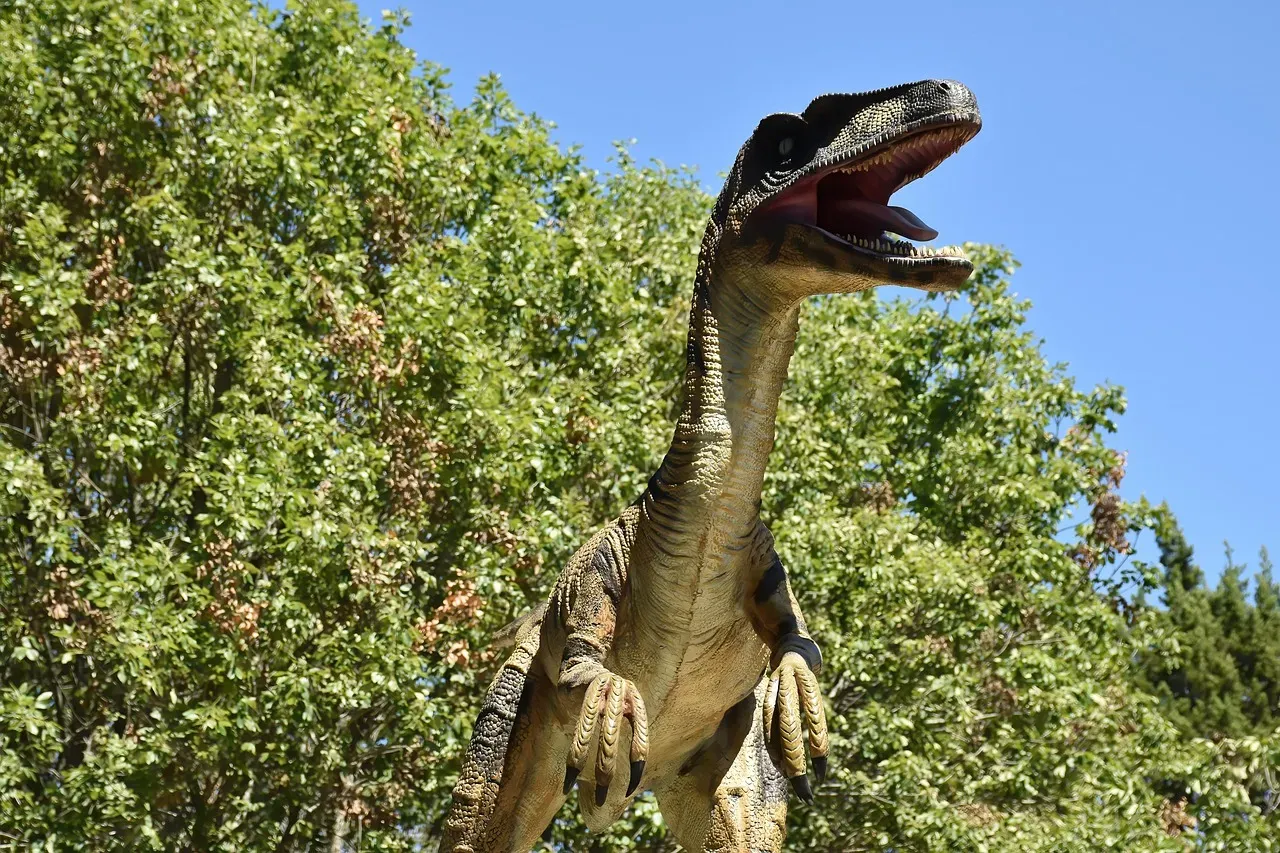
Here’s the big one: the raptors from Jurassic Park are arguably the most famous movie dinosaurs ever, and they are also some of the least accurate. The creatures in the films are closer to oversized, scaly Deinonychus than actual Velociraptor, which in reality was turkey-sized, feathered, and probably not opening kitchen doors like a criminal mastermind. The movies turned them into ultra-coordinated pack hunters with near-human-level problem-solving skills, staging ambushes that feel more like a heist movie than a nature doc.
In reality, raptors were smart for dinosaurs, but that still puts them around the level of modern birds, not chess-playing villains. They likely hunted opportunistically, maybe in loose groups, maybe alone, not in perfectly synchronized wolf-pack formations led by an evil genius alpha. The film version is terrifying and iconic, sure – but it took a clever predator and rebuilt it as a reptilian slasher villain with a PhD in door handles.
2. Indominus Rex and Indoraptor: Dinosaurs Turned into Bio-Engineered Slasher Icons
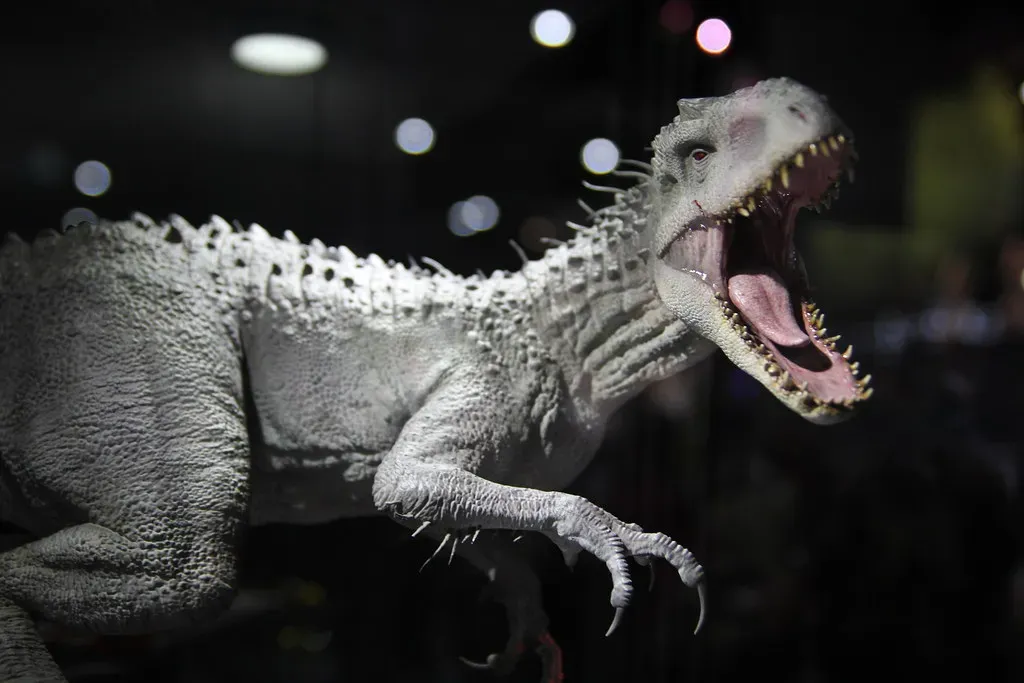
When Jurassic World introduced Indominus rex, Hollywood basically gave up pretending to adapt real animals and just built a monster. Indominus is a genetic mash-up designed to be bigger, smarter, whiter, and scarier than a T. rex, with camouflage abilities and thermal trickery thrown in for good measure. Then came the Indoraptor, which feels like someone merged a dinosaur with a haunted house ghost and a serial killer: it stalks victims, plays with fear, and moves like a creature invented in a nightmare lab, not a fossil bed.
No real dinosaur was ever engineered for maximum marketable terror, obviously. Real animals evolve traits that help them survive, not sell theme park tickets or escalate box-office stakes. These hybrid villains turn dinosaurs into metaphors for human hubris and corporate greed, which can be interesting storytelling, but they also move the franchise away from anything about real prehistoric life. At that point, we are not watching a dinosaur movie; we are watching a monster movie wearing dinosaur cosplay.
3. T. rex as the Eternal Roaring Villain: From King Kong to Endless Reboots
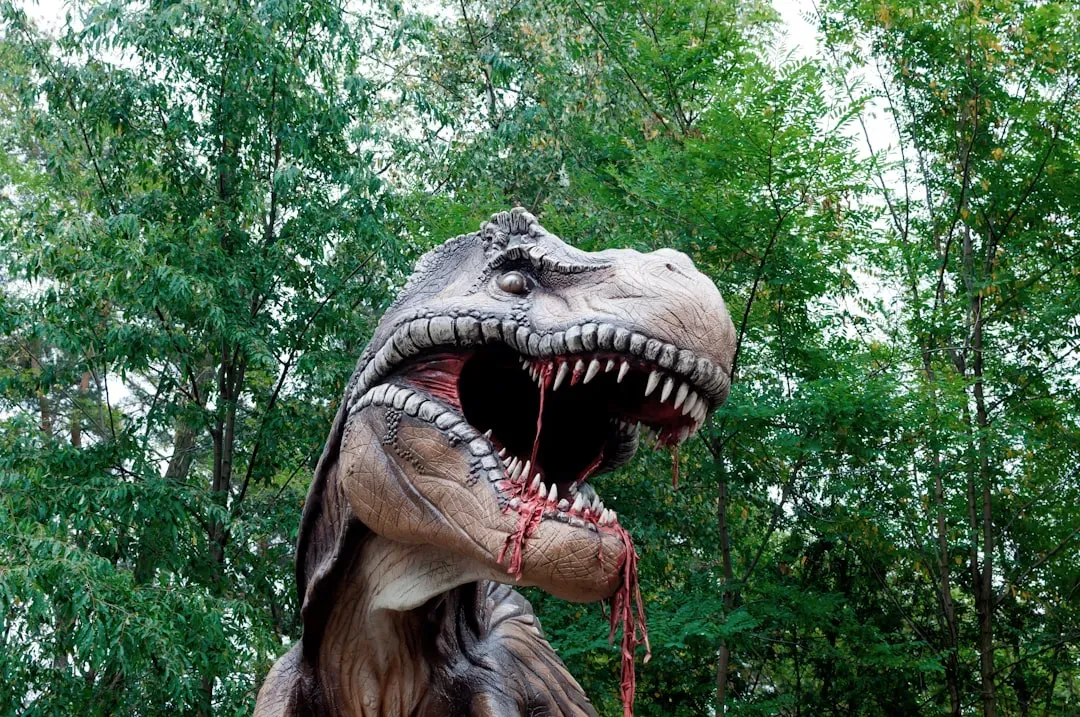
Tyrannosaurus rex probably did hunt large prey and could absolutely ruin your day if you time-traveled back and ran into one, but the way movies frame it is very specific: the T. rex as a pure incarnation of doom. From early appearances in King Kong to countless modern films, T. rex is usually shot like a horror monster – a looming shadow, a thundering arrival, a roar that shakes the camera and signals, in case you missed it, that evil has entered the chat. There is almost never any subtlety, only the message: this thing lives to chase and destroy.
Real T. rex was an apex predator but also likely a scavenger when it made sense, similar to how lions will absolutely steal a carcass if it’s easier than hunting. It did not run around constantly screaming for dramatic effect, and its life would have been as much about energy budgets, competition, mating, and raising young as about combat. Hollywood flattens all that complexity into one note: relentless villain. It sells well, but it turns a fascinating, complex animal into a giant, angry mascot for generic danger.
4. The Spinosaurus in Jurassic Park III: A Science Update Turned Into a Cartoon Bully
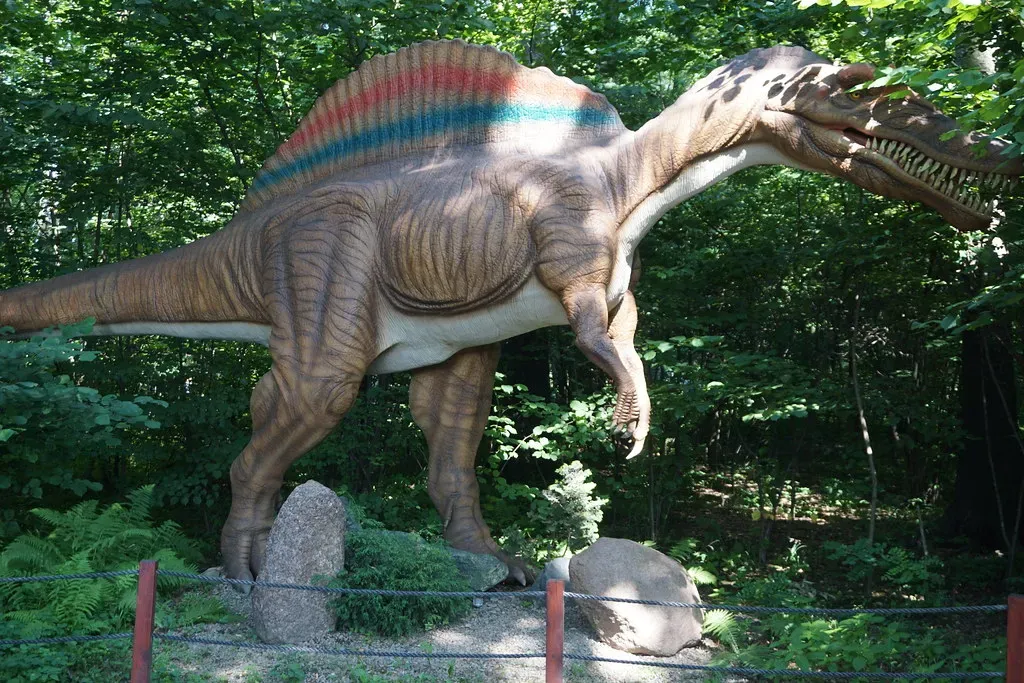
Spinosaurus is one of the weirdest and most intriguing dinosaurs known – semi-aquatic, with a sail on its back and a crocodile-like snout built for fishing. Jurassic Park III took that fascinating animal and turned it into a plot device whose main job was to knock T. rex off its throne and scream a lot. The movie has Spinosaurus rampaging around forests, hunting people, and casually killing a T. rex in a quick, almost wrestling-style showdown, as if it was designed to one-up the previous villain.
Current research suggests Spinosaurus was far more at home in or near water, likely eating lots of fish and spending more time in rivers and wetlands than crashing through dense woodland hunting big land animals. The idea that its primary narrative purpose would be dinosaur-on-dinosaur cage matches is purely a human fantasy. Instead of letting Spinosaurus be the bizarre, fish-eating, river-stalking specialist it likely was, the film repackaged it as a bigger, meaner bully whose job is to make everything else on the island look weak.
5. Jurassic World’s Mosasaurus: Sea Monster That Eats Everything, Physics Included
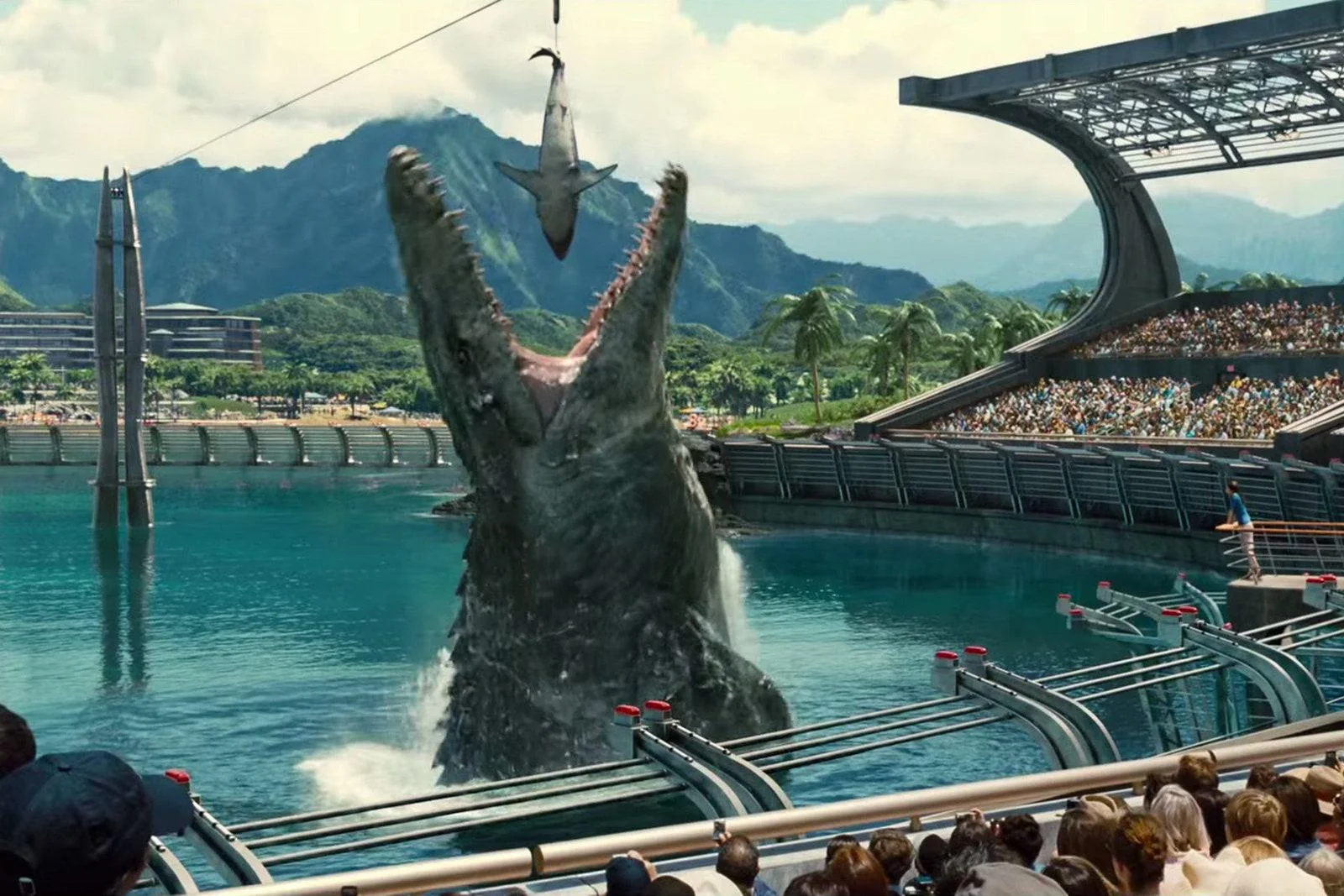
Mosasaurus was not a dinosaur but a marine reptile, and in Jurassic World it becomes a stadium attraction that might as well be a kaiju. On screen, it erupts from the water like a missile, snatching a shark in a made-for-trailer moment, then later lunges out of the lagoon to grab the Indominus and drag it under in a final act of dramatic chaos. Its size and leaping ability seem to expand scene by scene, as if the creature is powered not by muscles but by raw narrative escalation.
In reality, mosasaurs were impressive predators, but they were limited by things like mass, water resistance, and simple biomechanics. They did not behave like gravity-defying theme park animatronics designed exclusively to deliver jump scares. Turning Mosasaurus into a bottomless, omnipresent sea demon reinforces the idea that prehistoric reptiles were just mindless jaws in search of their next stunt. It erases the nuance that these were animals with ecological roles, not horror set pieces loaded into a digital effects pipeline.
6. The Indestructible Dino Swarms: Packs, Hordes, and Infinite Aggression
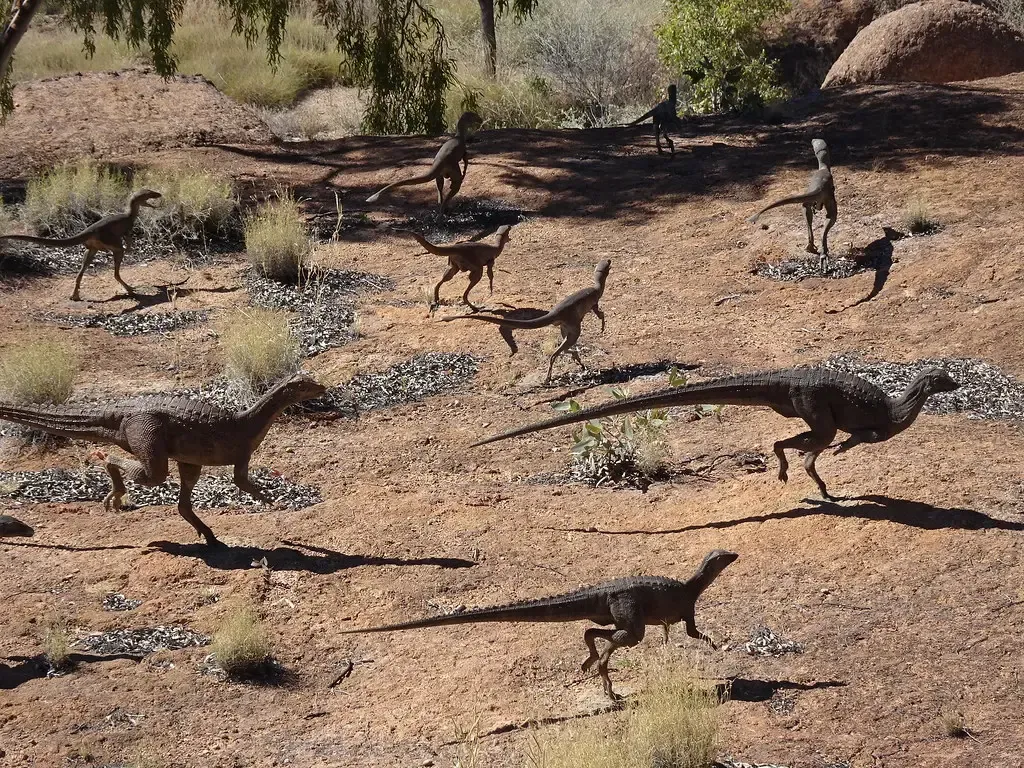
Hollywood loves scenes of humans being chased by endless hordes of dinosaurs, whether it is packs of raptors, herds of theropods, or swarms of pterosaur-like creatures raining from the sky. In these sequences, the animals rarely behave like they are trying to conserve energy or avoid injury; instead, they sprint endlessly, crash through obstacles, throw themselves into gunfire, and fight to the last individual like extras in an over-the-top war movie. Their entire mental life seems to be: see human, attack human, at any cost.
Real animals are usually energy misers. Predators avoid unnecessary risks, and even aggressive species have thresholds where the cost is not worth it. A pack of large carnivorous dinosaurs would likely spend most of its time resting, patrolling, or cautiously hunting prey, not throwing itself into suicidal charges for the sake of drama. These exaggerated chase scenes turn them into faceless, disposable minions, like zombie crowds or alien armies, instead of living creatures constantly balancing hunger, safety, and effort.
7. Dino-Human Mind Games: Hyper-Intelligent Villains That Feel More Witchcraft Than Wildlife
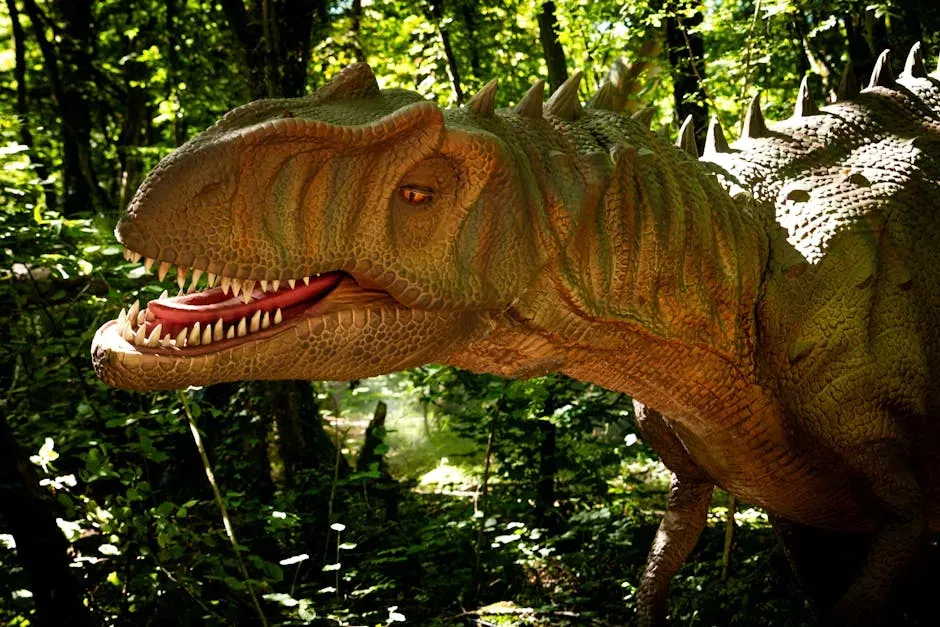
Another recurring Hollywood trick is giving dinosaurs almost supernatural awareness of human emotions and plans. We see them glaring through glass with what looks like malice, timing their appearances for maximum psychological impact, or toying with victims in ways that feel more like a human serial killer’s pattern than animal behavior. Sometimes they seem to understand security systems, recognize weapons, and even display what looks like calculated revenge, as if they are reading the script with us.
Even very smart animals today – crows, parrots, dolphins, great apes – are not running their lives around tormenting humans with theatrical flair. Their intelligence is tuned to solving ecological problems: finding food, navigating social hierarchies, protecting offspring. Dinosaurs, including the smarter theropods, would likely have been no different. When films turn them into mind-gaming villains, they import a human-style sense of spite and strategy that says more about our love of horror tropes than it does about actual prehistoric brains.
8. Random “Dinosaur” Monsters That Barely Resemble Anything from the Fossil Record
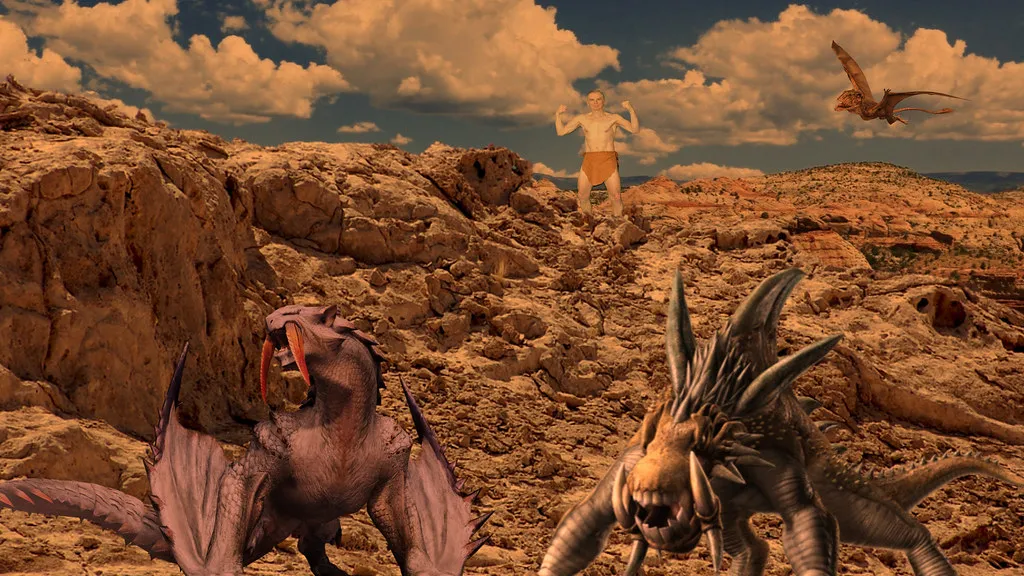
Beyond the big franchises, plenty of movies just slap the word dinosaur on whatever creature design the effects team dreamed up over a weekend. You get monsters with anatomy that would collapse under its own weight, teeth and claws designed more for visual edge than plausible function, and behaviors that feel like a mash-up of wolf, shark, and demon. These creatures roar constantly, ignore any realistic limitations, and sometimes even bleed glowing colors, because why not – it looks cool in a dark theater.
There is nothing wrong with pure fantasy monsters, but labeling them as dinosaurs blurs the line between real prehistory and total invention. It reinforces this background idea that dinosaurs were basically anything vicious and vaguely reptilian, rather than a diverse group of animals with specific anatomies, habitats, and evolutionary histories. When every monster with scales gets called a dinosaur, the real creatures behind the word get pushed further into myth, and the actual science ends up feeling optional instead of exciting.
Conclusion: Dinosaurs Deserved Better Than Being Cast as One-Note Villains
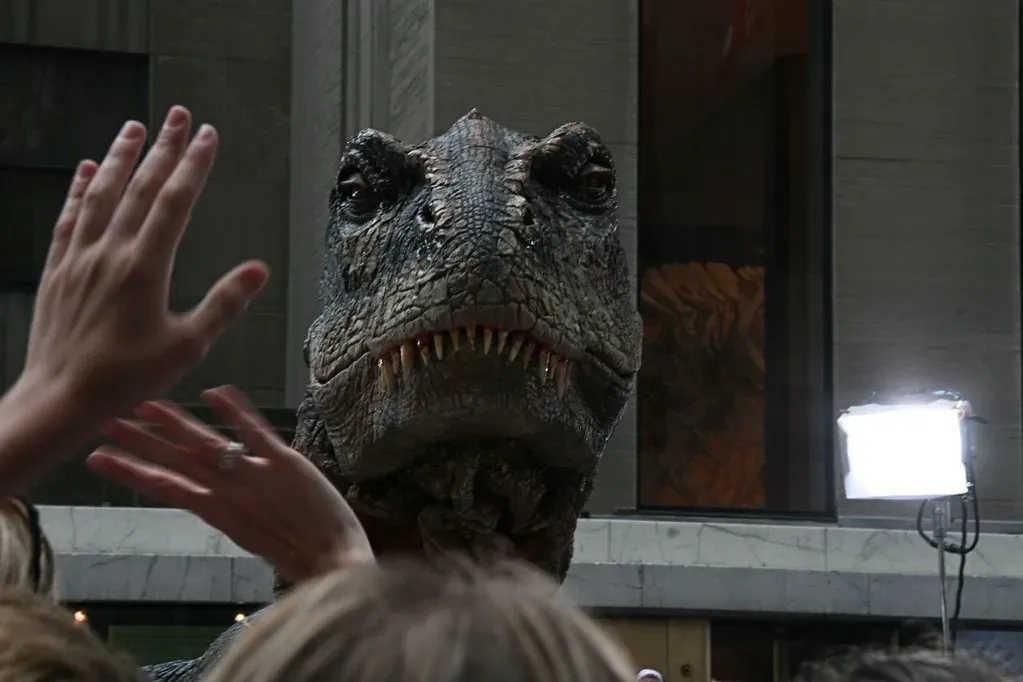
The funny thing is, real dinosaurs and their reptilian cousins were already strange and dramatic enough that they never needed the horror-movie makeover. They lived through mass extinctions, evolved wild body plans, and occupied ecosystems that would feel alien to us today. Yet Hollywood keeps sanding off their animal qualities and painting them as pure antagonists, as if audiences can only connect with them when they are turned into tireless monsters built to chase and bite. It is entertaining, but it quietly convinces people that these long-dead creatures were basically movie slashers with scales.
Personally, I think the scariest and most awe-inspiring version of a dinosaur is the real one: an animal that woke up, hunted, rested, raised young, and struggled through its environment the way lions, eagles, or crocodiles do now. When films choose spectacle over science every single time, they miss an even richer story about how life on Earth actually works and how fragile and adaptable it can be. Maybe the next great dinosaur movie will dare to show them as they were – animals, not villains – and still keep us on the edge of our seats. If you had to pick, would you rather watch a monster, or meet the real creature behind the myth?