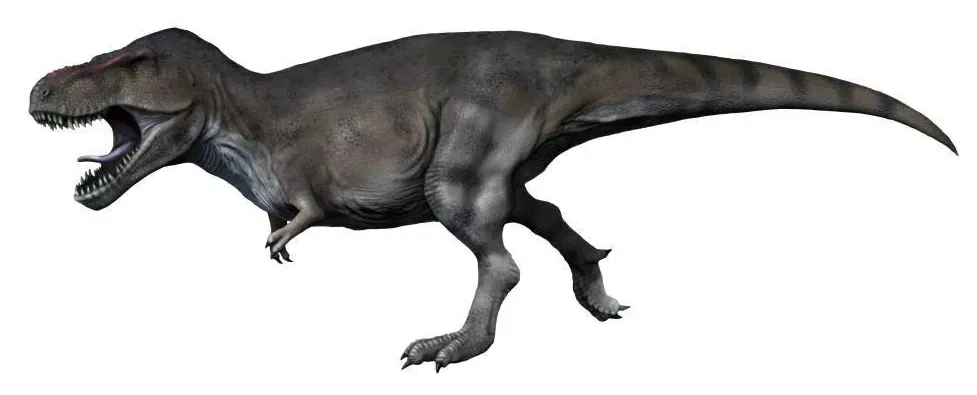
Every T. Rex you have ever seen on screen is wrong. Not slightly wrong – fundamentally, bone-deep wrong. The roaring chrome-toothed sprinter that has dominated documentaries and blockbusters for thirty years was built almost entirely on guesswork, cinematic drama, and a handful of fossils interpreted in the most dramatic way possible. Scientists have spent the last two decades quietly dismantling that image, specimen by specimen, and the animal they are rebuilding is stranger, smarter, and in some ways far more unsettling than anything Hollywood invented.
The twelve behaviours below are not fringe theories. They come from peer-reviewed bone histology, biomechanical modelling, trackway analysis, and comparative anatomy with living animals. Some of them rewrite entire chapters of what we thought we knew. A few will make you look at every T. Rex documentary you have ever watched and realise you were sold a fiction. The last one will almost certainly change the way you picture the most famous predator in history – and not in the direction you expect.
#12 – T. Rex Spent Forty Years Growing Into a Giant, Not Twenty-Five
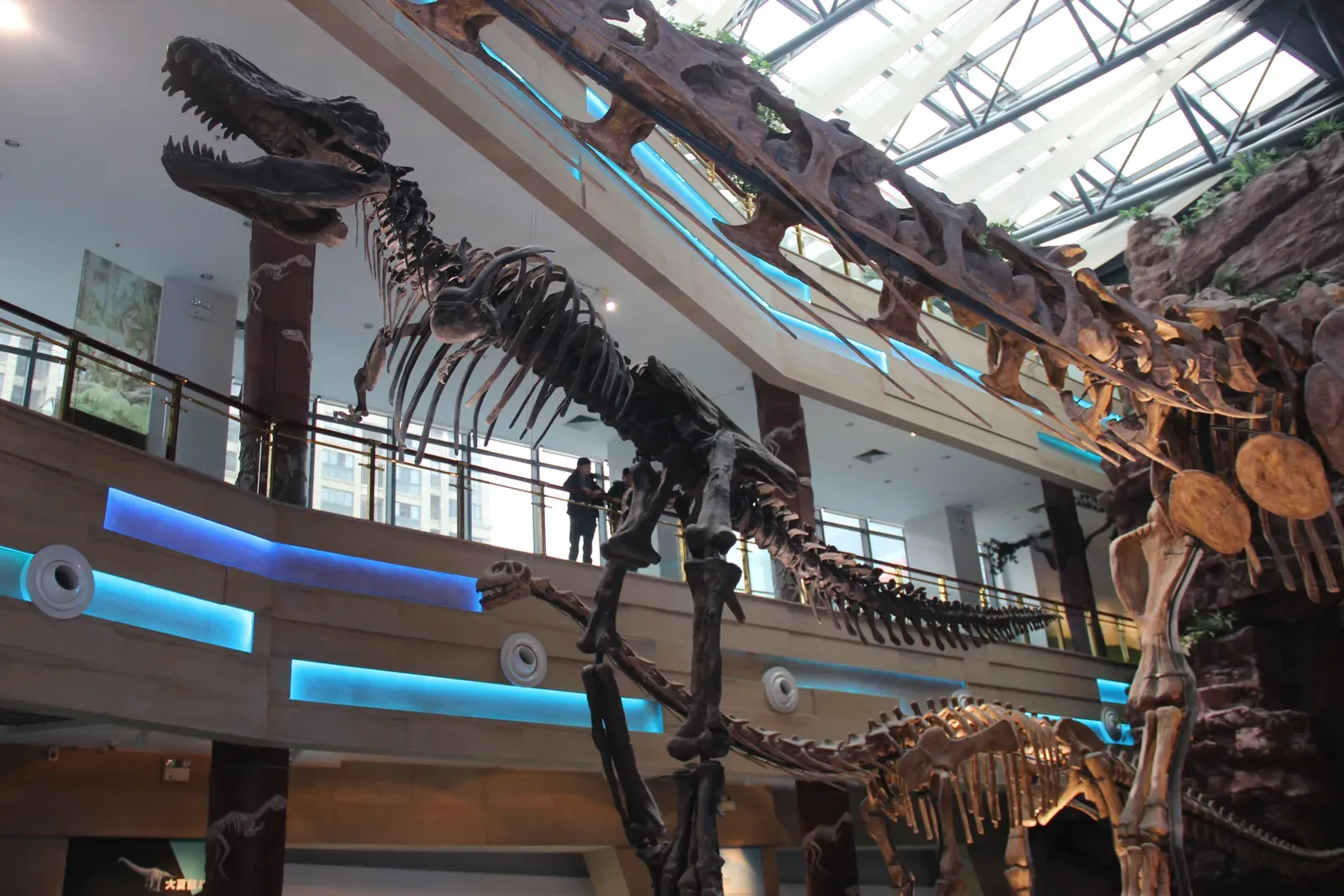
Most documentaries still lean on the old story: a dramatic teenage growth spurt, a few explosive years, and suddenly you have an eight-ton apex predator. The largest histological study ever conducted on T. Rex – examining seventeen individual specimens by reading growth rings inside the bone like tree rings – tells a completely different story. Growth was slow, steady, and deeply sensitive to food availability, and reaching full size often took a full four decades of life.
That prolonged timeline is not a minor detail. It means T. Rex individuals spent the majority of their lives as mid-sized predators, neither the terrifying giant of adulthood nor the helpless hatchling of the egg. It also explains why so many smaller tyrannosaur fossils were misidentified for years – scientists kept assuming they were juveniles when some were simply slow-growing adults at an intermediate stage. The forty-year growth window also created an enormous ecological ripple effect, which leads directly into the next discovery and fundamentally changes how we read every fossil site in the Hell Creek Formation.
Fast Facts
- Growth ring analysis across 17 specimens established the four-decade lifespan model
- Most T. Rex individuals alive at any given time were mid-sized, not the adult giants of documentaries
- Slow growth made the species highly sensitive to ecosystem-wide food disruptions
- The misidentification of slow-growing adults as juveniles skewed T. Rex population models for decades
#11 – Nanotyrannus Was a Distinct Species Living Alongside Adult T. Rex
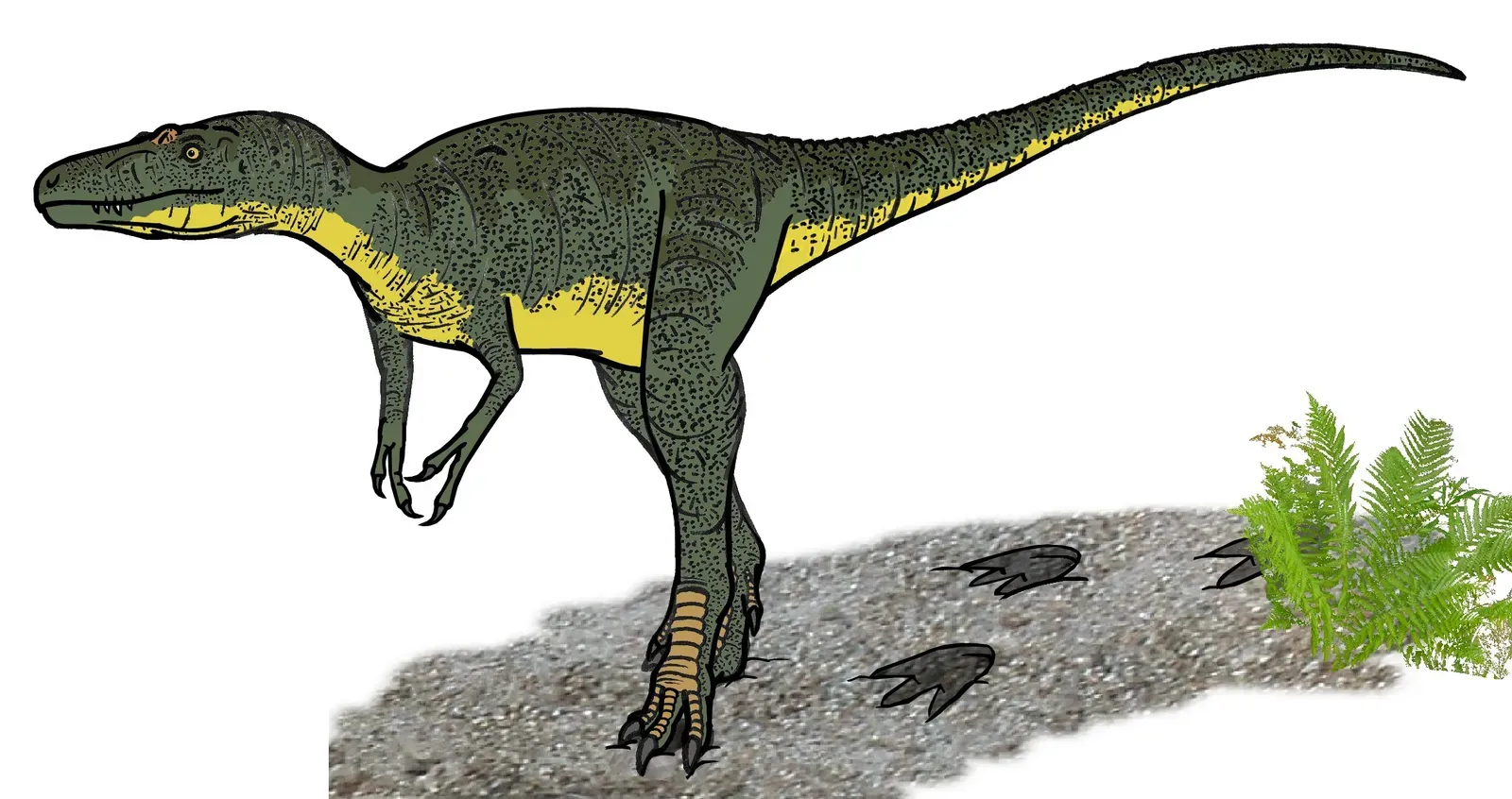
For decades, the default assumption was simple: small tyrannosaur skull equals juvenile T. Rex. That assumption collapsed under fresh scrutiny of the “Dueling Dinosaurs” specimen, one of the most complete tyrannosaur fossils ever recovered. Using growth rings, spinal fusion data, and developmental anatomy, researchers demonstrated that the specimen was around 20 years old and physically mature when it died. Its skeletal features – including larger forelimbs, more teeth, fewer tail vertebrae, and distinct skull nerve patterns – are features fixed early in development and biologically incompatible with T. rex. Nanotyrannus lancensis appears to be a genuine separate species.
“Simply put, the Dueling Dinosaur Nanotyrannus is fully grown at half the length and one tenth the body mass of a mature T. rex,” says study co-author Lindsay Zanno. “There is no scenario in which this animal morphs into a T. rex.” The implication is jarring. Adult T. Rex and adult Nanotyrannus were apparently sharing the same landscape, hunting in the same region, leaving bones in the same rock formations. Nanotyrannus was around 18 feet long, agile and built for speed, with long legs and strong arms to grasp prey, while T. rex stretched to 42 feet. Two tyrannosaur species – one enormous, one comparatively lean and blade-toothed – occupying the same environment at the same time, presumably with different hunting strategies to avoid direct competition. No documentary has yet portrayed this coexistence with any real seriousness, and it completely reshapes how we should be reading the social and ecological complexity of Late Cretaceous North America.
At a Glance: Nanotyrannus vs. T. Rex
- Length: Nanotyrannus ~18 ft vs. T. Rex ~42 ft
- Body mass: Nanotyrannus roughly one-tenth the mass of a mature T. Rex
- Forelimbs: Nanotyrannus carried proportionally larger, stronger arms
- Teeth count: Nanotyrannus had more teeth and a blade-suited dentition
- Status confirmed: 2025 study in Nature based on 200+ tyrannosaur fossil comparisons
#10 – T. Rex Kept Its Teeth Hidden Behind Lips
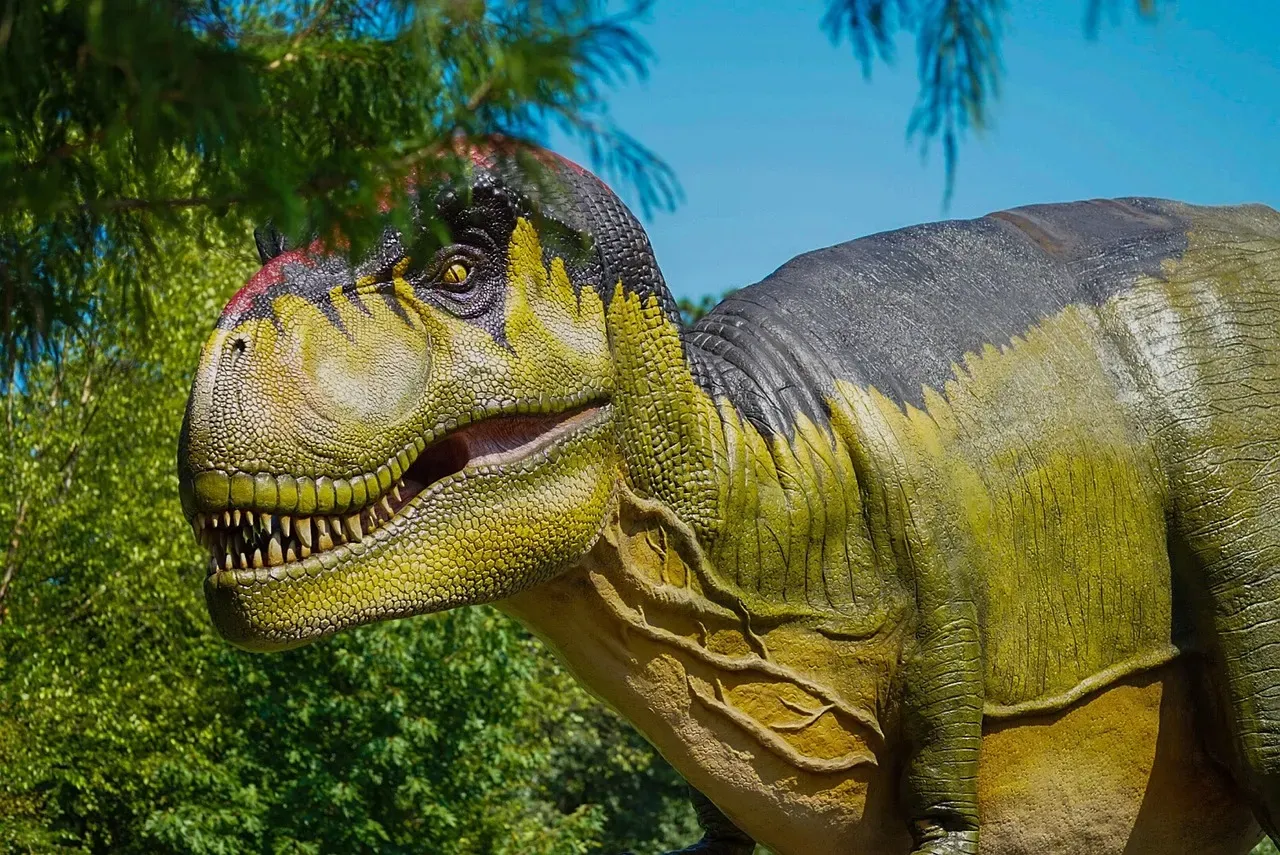
The permanently exposed, saliva-gleaming teeth of every movie T. Rex are one of cinema’s most iconic images – and almost certainly anatomically false. Detailed analysis of the tooth socket structure, combined with comparative study of living reptiles including monitor lizards and iguanas, points strongly toward T. Rex having lips: soft tissue coverings that kept the teeth hidden and protected when the mouth was closed. The sockets show none of the bone recession patterns seen in crocodilians, which genuinely do carry exposed teeth at rest.
The reason matters beyond aesthetics. Exposed enamel in a dry terrestrial environment dries out, microcracks, and degrades. T. Rex replacement rates shown in the fossil record are consistent with teeth being protected rather than constantly exposed to air. Lips would have kept the enamel moist, functional, and intact across a much longer lifespan. They would also have changed how the animal breathed at rest, how it displayed threat, and what it actually looked like standing still. The ferocious open-mouthed snarl you picture is a real behaviour – it just was not the animal’s resting face.
#9 – Juvenile T. Rex Could Already Crush Bone Before Reaching Adulthood
The standard documentary treatment of young T. Rex is essentially a smaller, weaker version of the adult – dependent, cautious, and far from dangerous. Experimental analysis matching actual tooth marks found on Edmontosaurus bones tells a radically different story. Based on 17 successful attempts to match the depth and shape of bite marks on fossils, researchers determined that a juvenile could have exerted up to 5,641 newtons of force, somewhere between the jaw forces exerted by a hyena and a crocodile. Previous bite force estimates for juvenile T. rexes – based on reconstruction of the jaw muscles or from mathematically scaling down the bite force of adult T. rexes – were considerably less, about 4,000 newtons. These were not helpless animals waiting to grow up.
What makes this discovery particularly interesting is the shape of juvenile teeth compared to adult teeth. Juveniles carried narrower, more blade-like teeth rather than the thick, bone-crunching pegs of mature adults. That morphology suited faster, slashing attacks on smaller or more agile prey rather than the sustained bone-crushing behaviour of adults. So juvenile T. Rex were not doing a weaker version of the same thing – they were doing a genuinely different thing, with different teeth, different targets, and different tactics. The predator changed its entire hunting style as it aged, which no major documentary has yet dramatised properly.
#8 – Trackway Evidence Shows Multiple T. Rex Moving Together
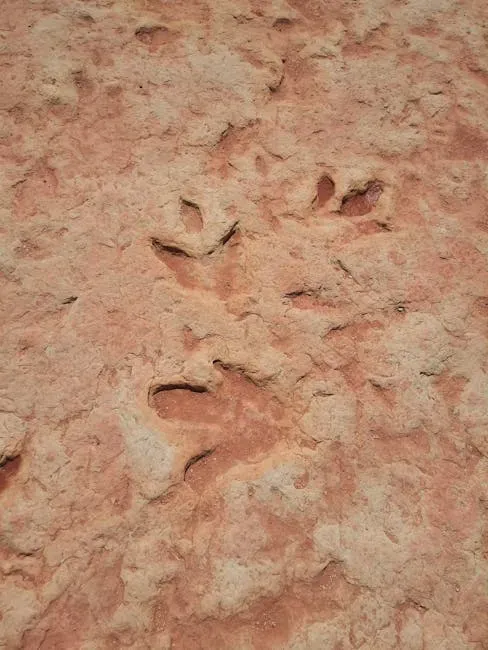
T. Rex as the lone, brooding apex predator is one of palaeontology’s most persistent cinematic myths. Researchers reported the world’s first trackways attributable to tyrannosaurids from the Upper Cretaceous of northeastern British Columbia, Canada. All three trackways show animals bearing southeast within an 8.5-metre-wide corridor, and similarities in depth and preservation indicate these three trackways were made by track-makers walking concurrently in the same direction. The geological evidence rules out the tracks being laid at meaningfully different times.
The non-tyrannosaurid trackways at the site are random in regards to compass bearing, which rules out a geographic barrier that might have compelled the tyrannosaurids to walk in the same direction. The inference that these three animals were moving as a social group is the most parsimonious interpretation based on current data. This does not definitively prove coordinated pack hunting – that debate continues – but it proves something almost as significant: T. Rex was capable of sustained social tolerance with other members of its own species. For an animal this size, moving alongside conspecifics without attacking them requires a level of behavioural flexibility that the “mindless solitary killer” narrative completely fails to account for. Whether these groupings served a hunting function, a reproductive one, or simply reflected shared knowledge of migration corridors, we cannot yet say. But the tracks exist, and they demand an explanation that no documentary has seriously attempted.
Worth Knowing
- The British Columbia trackways, published in PLOS One, are the first tyrannosaur trackways ever recorded – prior to 2014, only isolated single footprints existed
- Three animals moved in a tight 8.5-metre corridor – not scattered randomly across a wide landscape
- The footprints, dating back nearly 70 million years, were so well preserved that even the contours of the skin were visible
- A group of tyrannosaurs now has an official collective noun in the scientific literature: “a terror”
#7 – T. Rex Likely Smelled Prey from Miles Away
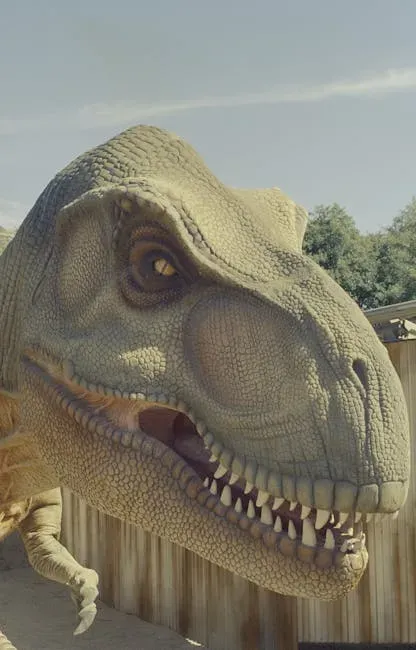
Films love to show T. Rex detecting prey through movement and vision – the famous “it can’t see you if you don’t move” scene from Jurassic Park is burned into a generation’s memory. The skull anatomy tells a different story about which sense actually did the heavy lifting. The olfactory bulbs of T. Rex – the brain structures dedicated to processing smell – were proportionally enormous, comparable in relative size to those of modern Turkey Vultures, which can detect a carcass from over a kilometre away in the right conditions.
The olfactory bulbs of T. rex are enormous – larger than those of almost any other dinosaur we’ve studied. This animal was living in a world of scent.
Dr. Lawrence Witmer, Ohio University palaeontologist
This sensory specialisation would have shaped the animal’s entire daily existence in ways we rarely consider. Territory size, patrol routes, carcass detection, rival location, mate identification – all of these would have been driven primarily by smell rather than vision. A T. Rex standing motionless in forest cover, nose working the wind for a hadrosaur herd kilometres away, is a far more ecologically realistic image than the thundering open-plain charger of popular depiction. The nose was the primary weapon before the jaws ever came into play.
#6 – The Jaw Locked Into Maximum-Force Mode Only in Adulthood
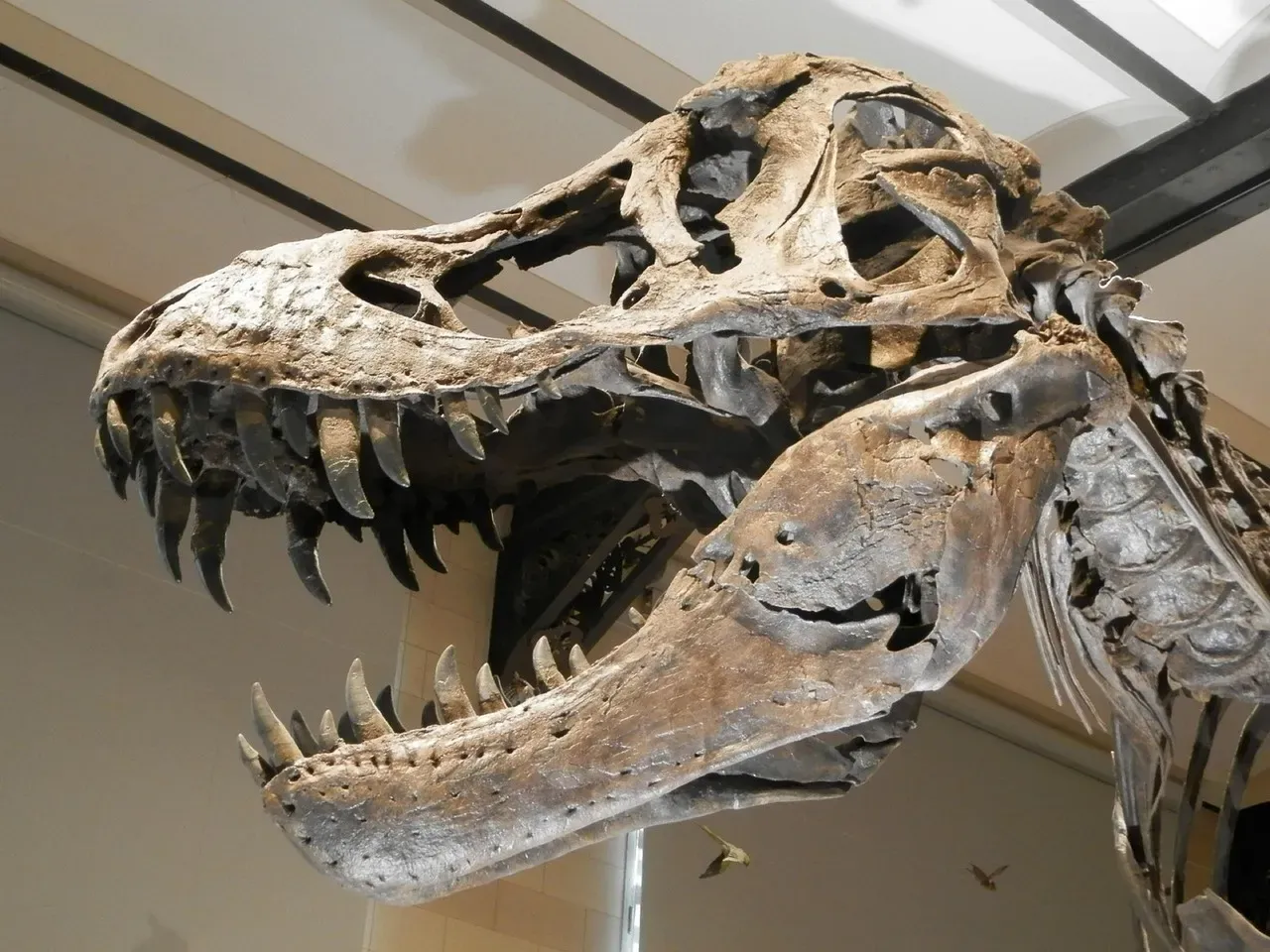
Every dramatic depiction of T. Rex biting through bone applies adult-level mechanics to every age class, as though the jaw worked the same way from birth to death. The bone structure does not support this. Specialised interlocking elements of the lower jaw that created the rigid, force-concentrating biting platform characteristic of adult T. Rex only fully developed after the subadult growth phase was complete. Before that structural maturation, the jaw was more flexible – better for gripping and slashing than for the devastating bone-crushing bite that made adults unique.
This ontogenetic shift in jaw mechanics is deeply significant because it means the famous T. Rex bite force figures – the ones measured in tens of thousands of newtons – applied only to the oldest, largest individuals. Dynamic musculoskeletal models predict that adult T. rex generated sustained bite forces of 35,000 to 57,000 newtons at a single posterior tooth, by far the highest bite forces estimated for any terrestrial animal. Younger animals were not just smaller versions of the adult bite; they were anatomically incapable of replicating it. Scaling analyses suggest that adult T. rex had a strong bite for its body size, and that bite performance increased dramatically during growth – positive allometry that may have facilitated an ontogenetic change in feeding behaviour, associated with an expansion of prey range in adults to include the largest contemporaneous animals. It is a reminder that T. Rex was not one animal so much as a sequence of increasingly different predators wearing the same species name at different stages of life.
#5 – Age-Based Ecological Partitioning Kept the Species Dominant for Millions of Years
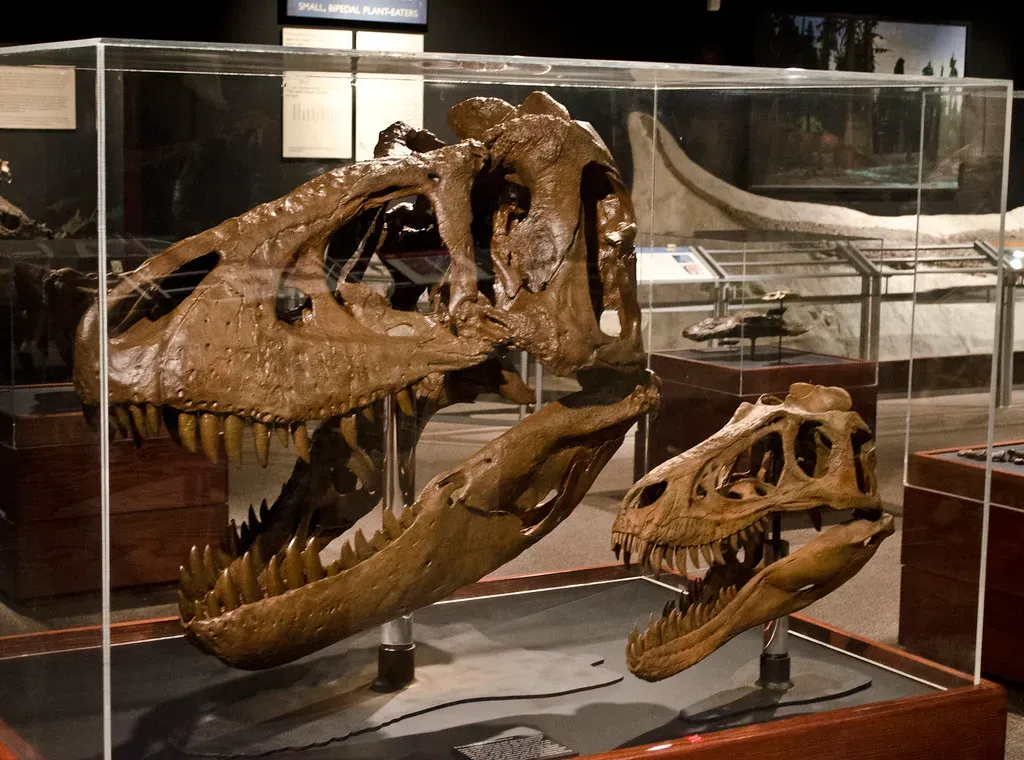
Most wildlife documentaries treat all T. Rex as interchangeable – same prey, same tactics, same ecological role regardless of age. The combination of changing tooth shape, developing jaw mechanics, and shifting body mass across a forty-year lifespan means that juveniles, subadults, and adults were functionally occupying different ecological roles within the same species. Juveniles with blade-teeth were targeting smaller, faster animals. Subadults were occupying a middle-predator niche. Only full adults were taking on the massive ceratopsians and hadrosaurs that dominate the fossil record.
This partitioning was almost certainly a major reason the species remained so ecologically dominant across millions of years without exhausting its own food supply. Different age classes were not competing with each other for the same meals – they were spreading the predation pressure across an enormous range of prey sizes. It is an elegant biological solution to the problem of maintaining a species of giants, and it mirrors strategies seen in modern apex predators like lions and crocodilians, where juveniles and adults exploit genuinely different prey pools. The ecosystem supported T. Rex at every life stage because every life stage was doing something different.
Quick Compare: T. Rex Across Life Stages
| Life Stage | Tooth Shape | Primary Prey Target | Jaw Capability |
|---|---|---|---|
| Juvenile | Narrow, blade-like | Small, agile animals | Slashing; up to ~5,600 N |
| Subadult | Transitional | Mid-sized prey | Intermediate force |
| Full adult | Thick, bone-crushing pegs | Hadrosaurs, ceratopsians | Up to 35,000–57,000 N |
#4 – Parts of T. Rex May Have Carried Simple Feather-Like Structures
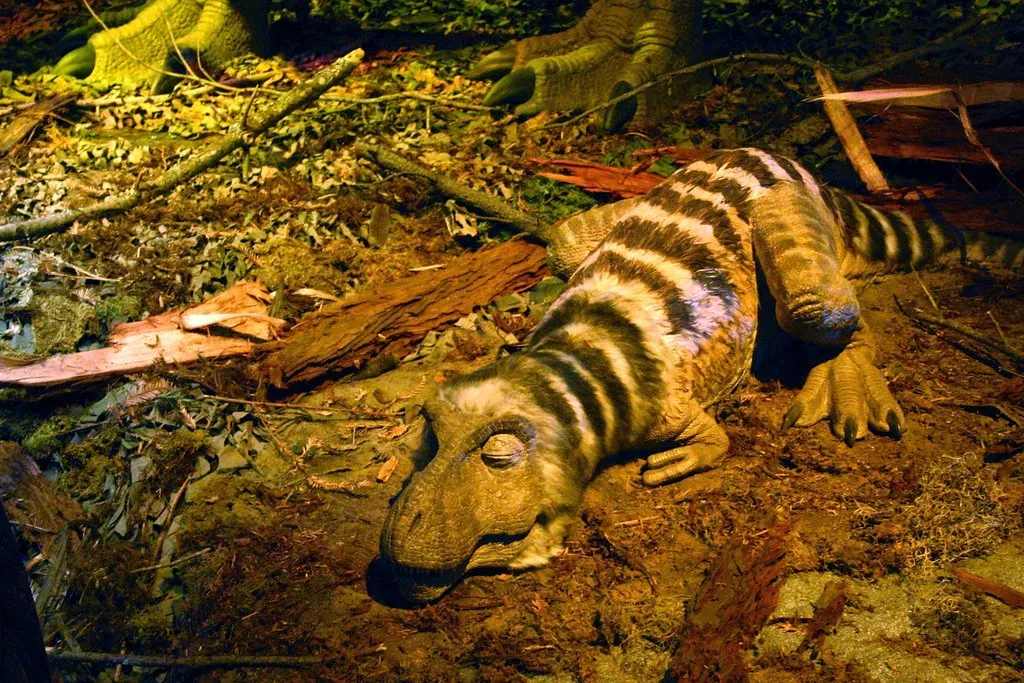
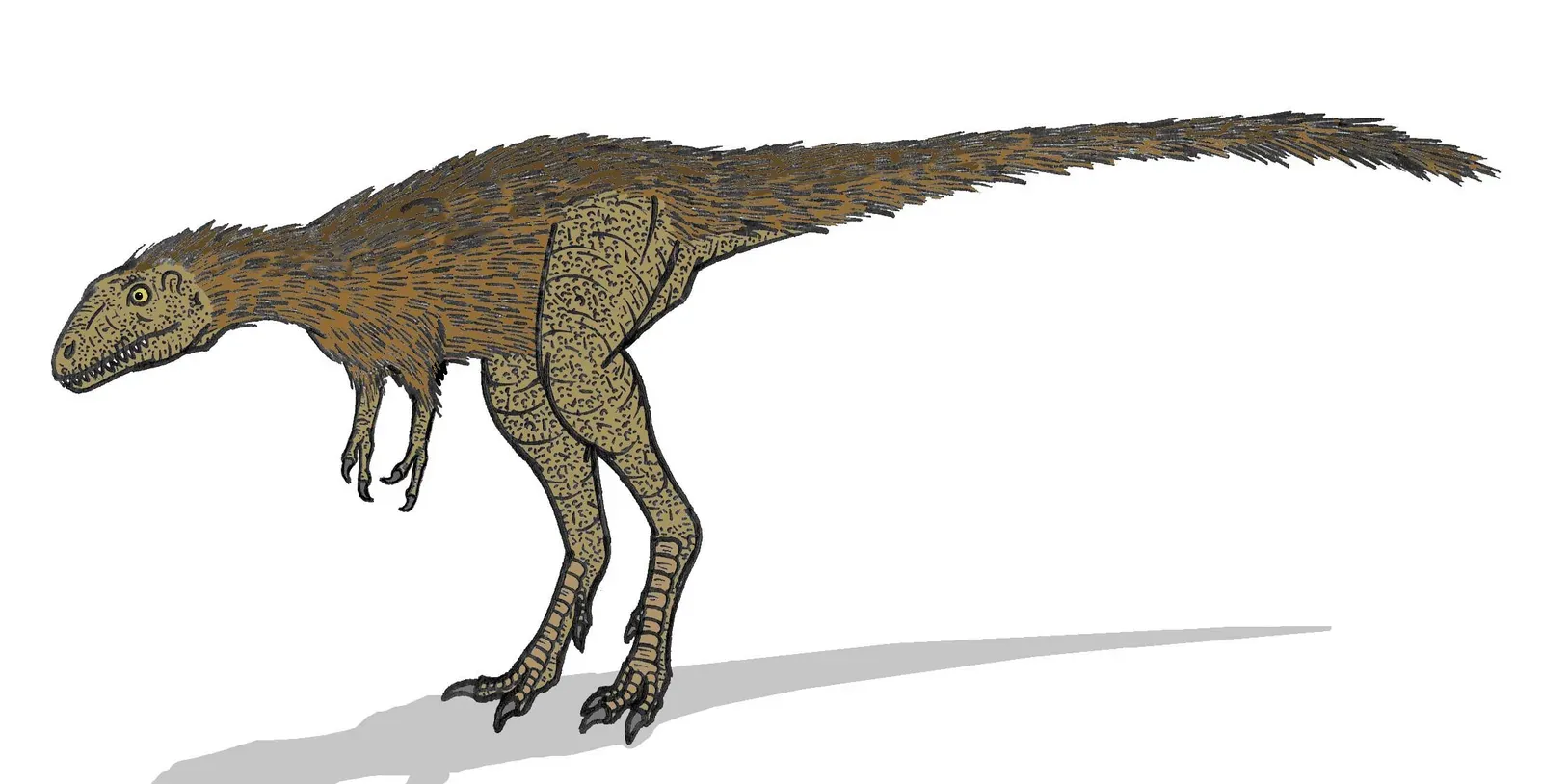
Adult T. Rex almost certainly lacked the elaborate plumage of its smaller tyrannosaur relatives – scale impressions from large-bodied tyrannosaur skin suggest the giant adults were predominantly scaly, likely because maintaining body temperature at that mass required shedding heat rather than retaining it. But the picture for juveniles and subadults is considerably less certain. Related tyrannosauroids from China – Yutyrannus in particular – preserve clear evidence of filamentous proto-feather coverings across substantial portions of the body, and the shared ancestry makes a complete absence in young T. Rex difficult to rule out.
For smaller, younger animals whose body mass was not yet generating the metabolic heat of an eight-ton adult, simple insulating filaments on the back, head, or flanks would have provided a genuine thermoregulatory advantage. The classic scaly monster image that still dominates older documentaries and theme park merchandise may be accurate for adult T. Rex but could be misleading for the juvenile and subadult stages that made up the majority of the species’ living population at any given time. A young T. Rex that was partly fuzzy is a deeply uncomfortable image for anyone raised on 1993 cinema – and probably a more accurate one.
#3 – Bone-Crushing Bite Force at Car-Crushing Levels Belonged Only to the Oldest Adults
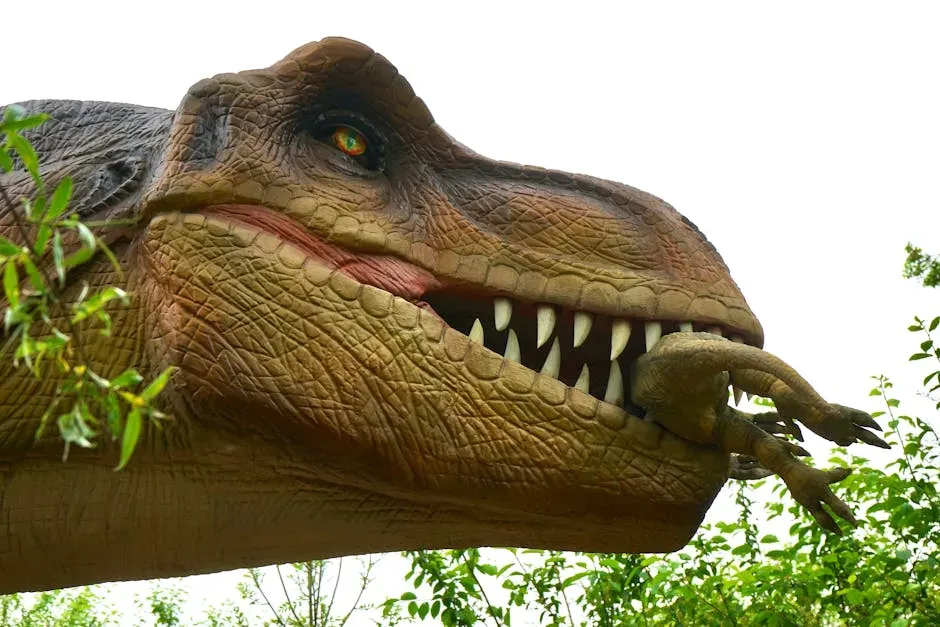
The figure of up to 57,000 newtons of bite force gets applied to T. Rex as a species-wide fact in nearly every documentary and popular account. The biomechanics behind that figure tell a more specific story. The strongest bite force was at the back of the teeth – between 30,000 and 60,000 newtons – just as with humans who can bite harder with their molars than with their front teeth. Generating force at that extreme level required the complete development of the adult skull – the thickened bones, the fully fused jaw elements, the enormous jaw-closing musculature that only reached its final configuration in animals that had been growing for thirty years or more. A twenty-year-old T. Rex, still in what bone histology would classify as late subadult development, simply could not produce those forces.
The practical consequence is that the iconic behaviour of biting straight through a hadrosaur femur – the behaviour that leaves the distinctive puncture-and-pull bite traces found in Hell Creek fossils – was almost exclusively the province of the oldest, most massive members of the population. These were animals that had survived four decades of a Cretaceous landscape, grown into their full skull architecture, and only then unlocked the mechanical capability that makes T. Rex bites so distinctive in the fossil record. To put the numbers in context: an alligator can manage around 4,500 newtons, while an adult human produces a maximum of just 400 to 600 newtons. The bone-crusher depicted in every major film is really a portrait of extreme old age by dinosaur standards – a survivor, not just a predator.
Why It Stands Out
- Adult T. Rex bite force of 35,000–57,000 N is the highest ever estimated for any terrestrial animal
- A juvenile T. Rex at ~5,600 N was already biting harder than a modern alligator (~4,500 N)
- The iconic bone-puncture behaviour in the fossil record belongs exclusively to the oldest adults
- Full jaw architecture only finished developing after roughly three decades of growth
#2 – Healed Bite Wounds Prove T. Rex Actively Hunted Live Prey
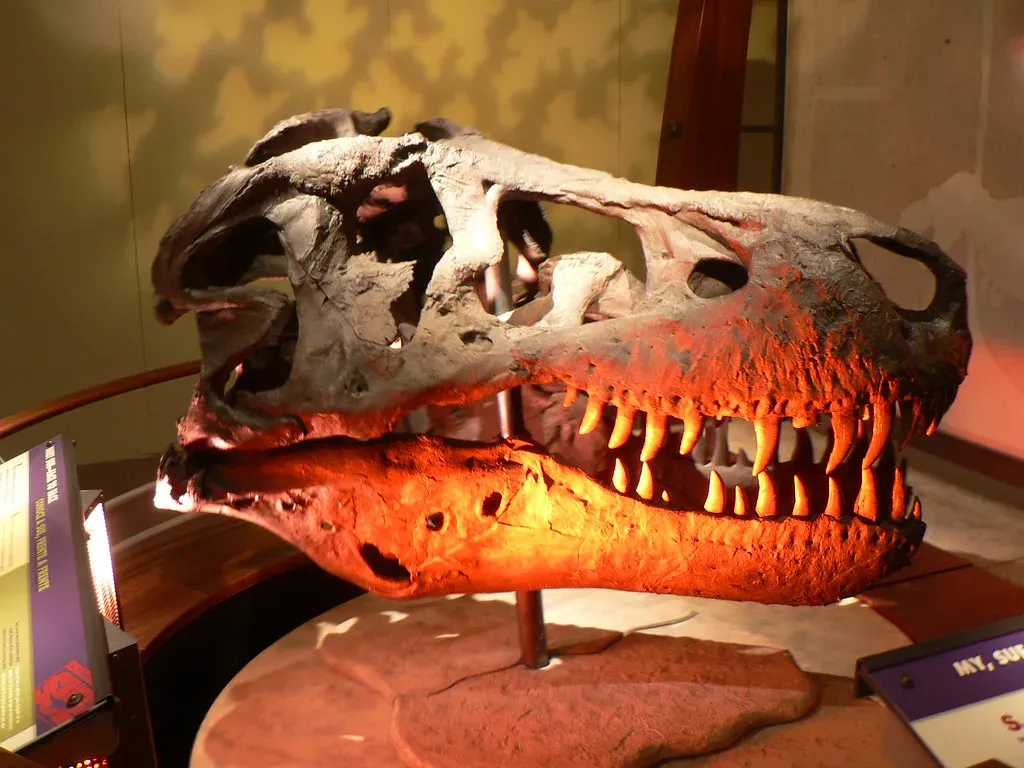
The long-running debate over whether T. Rex was primarily a predator or primarily a scavenger – popularised in the 1990s by palaeontologist Jack Horner – effectively ended with a single fossil specimen. A hadrosaur tail vertebra preserves something extraordinary: an embedded T. Rex tooth tip surrounded by regrown, healed bone tissue. Bone does not heal after death. The only way that healing could have occurred is if the hadrosaur survived the initial bite, lived for weeks or months afterward, and its body actively repaired the wound around the broken tooth fragment left behind.
This specimen is not a probability or an inference – it is direct, physical evidence of live predation followed by prey escape and survival. It proves T. Rex was striking living animals with enough force to embed tooth fragments, and that some prey animals survived those attacks and walked away. The scavenging-dominant hypothesis has not been seriously defended in the primary literature for years, but documentaries still occasionally hedge with “may have scavenged” qualifications that the fossil record no longer supports as a primary behaviour. T. Rex hunted. We have the healed bone to prove it.
#1 – T. Rex Walked at a Human Jogging Pace and Did Not Need to Sprint
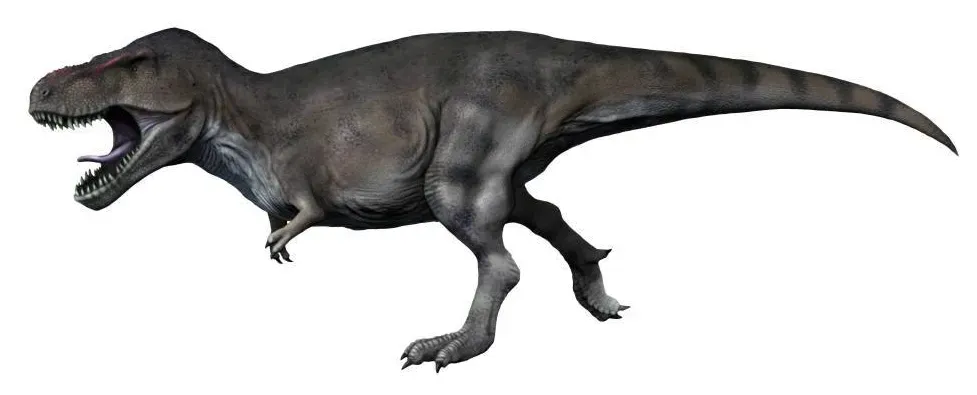
The movie version of T. Rex chase scenes requires the animal to move at something approaching a full sprint – fast enough to terrify, fast enough to catch vehicles, fast enough to override every other sensory advantage the prey might have. Current research suggests that T. rex would have moved at the rough equivalent of 11 to 16 kilometres per hour – much slower than many previous estimates, and certainly less speedy than most Hollywood versions of the great Cretaceous carnivore. The current consensus is that an adult T. rex was not capable of a true, sustained run – defined as a gait where both feet are off the ground simultaneously. An average adult human jogging casually could theoretically keep pace with the most powerful predator of the Mesozoic era.
Here is why that finding does not diminish T. Rex at all – it actually makes the animal more interesting. The herbivores T. Rex preyed on were not speed demons. Large hadrosaurs and ceratopsians were also built for endurance over velocity, and an ambush predator with extraordinary smell, wide-field binocular vision, bone-crushing jaws, and the patience to stalk prey through cover does not need to outrun a cheetah. This modest speed suggests that the T. rex was not an agile, pursuit predator but rather an ambush hunter or an endurance specialist. T. Rex was not a sprinter that got robbed of its speed by a few extra tonnes of mass. It was an endurance ambush predator that was perfectly calibrated for the prey available to it – which is a far more sophisticated and ecologically coherent strategy than simply being the fastest thing in the room.
At a Glance: T. Rex Speed vs. Popular Myth
- Hollywood estimate: Up to 70 km/h (45 mph) – physically impossible given bone stress constraints
- Preferred walking speed: ~4.6 km/h – roughly a human walking pace
- Estimated top movement speed: 11–16 km/h – a brisk human jog
- Strategy implication: Ambush and endurance predator, not a pursuit sprinter
- Why it worked: Its primary prey – hadrosaurs and ceratopsians – were equally slow
The Verdict: The Real T. Rex Is More Fascinating Than the Fake One
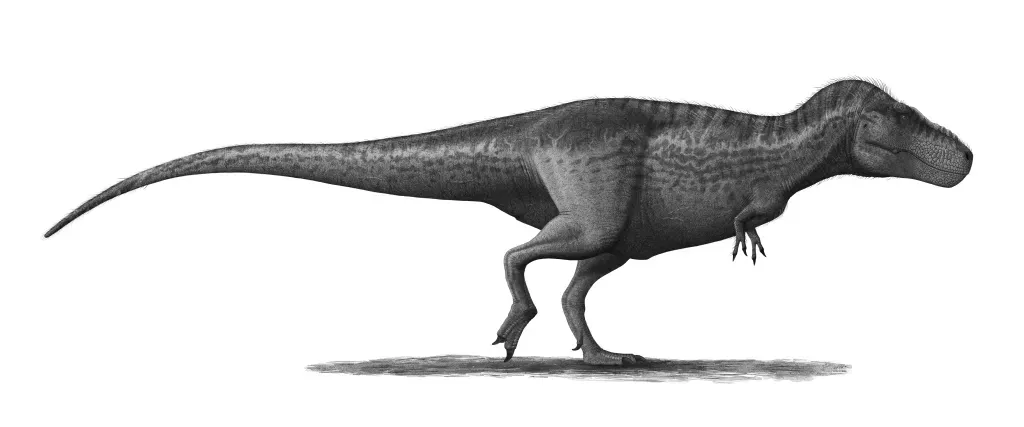
Taken together, these twelve discoveries describe an animal that grew slowly over four decades, changed its diet and hunting style as it aged, hid its teeth behind lips, navigated its world primarily through scent, occasionally travelled in groups, and topped out at a walking speed a fit human could match – none of which appears in standard documentary treatments. The cinematic T. Rex is a composite of the most dramatic possible interpretations of incomplete early evidence, frozen in amber by franchise loyalty and production budgets reluctant to redesign an iconic monster.
The real animal is better. A forty-year-old, lips-closed, faintly fuzzy-as-a-juvenile, nose-first, jaw-locked, ecologically partitioned apex predator that coordinated movement with its own kind and left healed bite wounds in prey that escaped and told the story in bone – that is a creature genuinely worth being afraid of. Science keeps finding more complexity, not less. The documentaries will catch up eventually. Until then, the fossil record is doing something far more interesting than any screenplay has managed: it keeps proving us wrong.