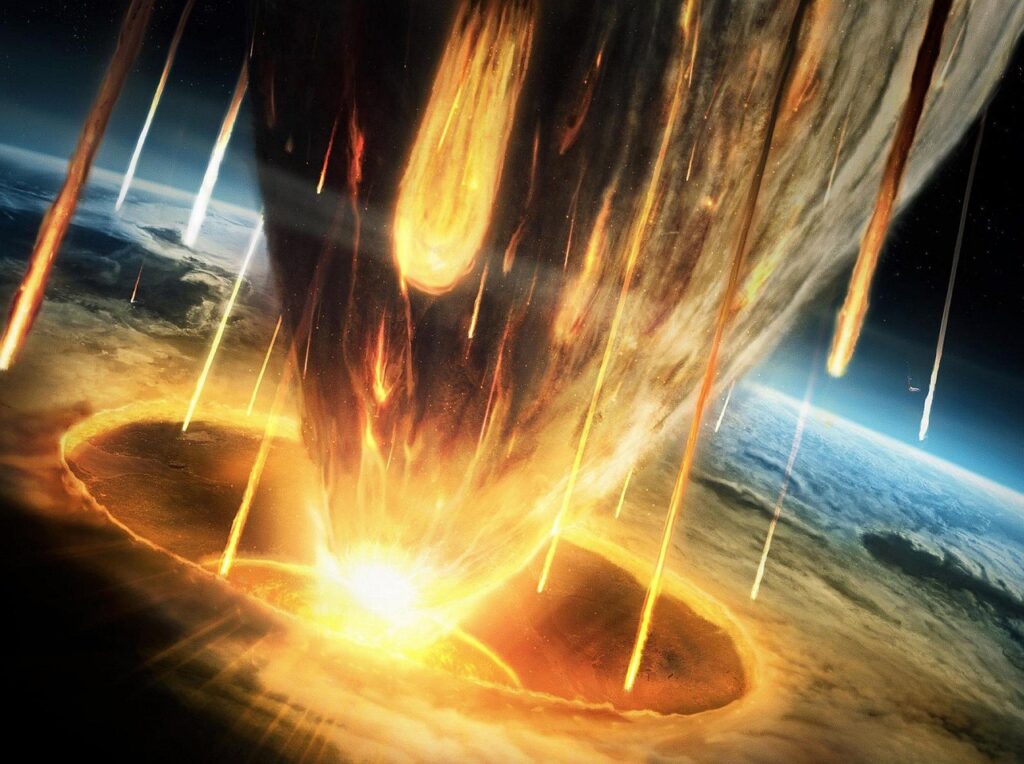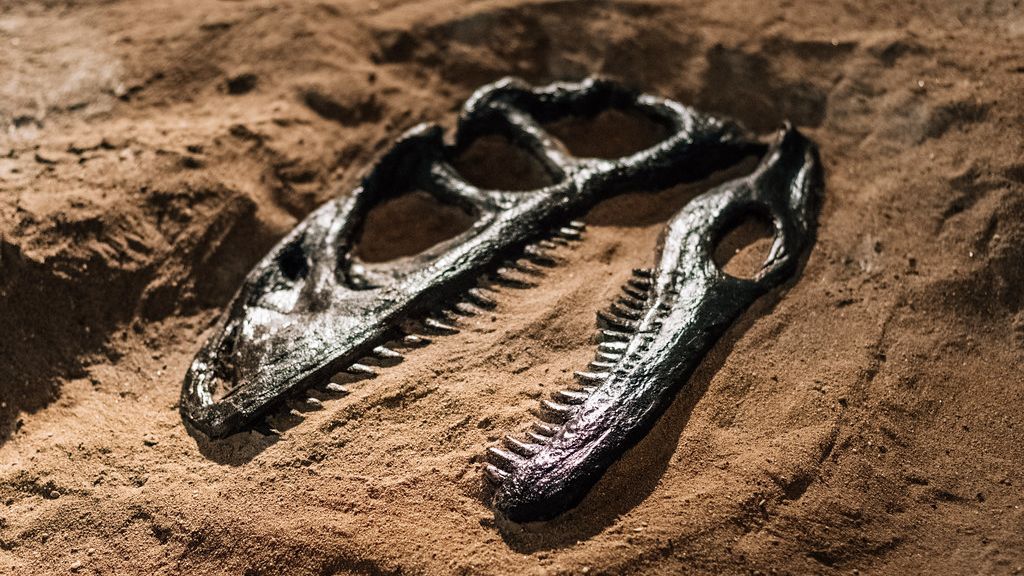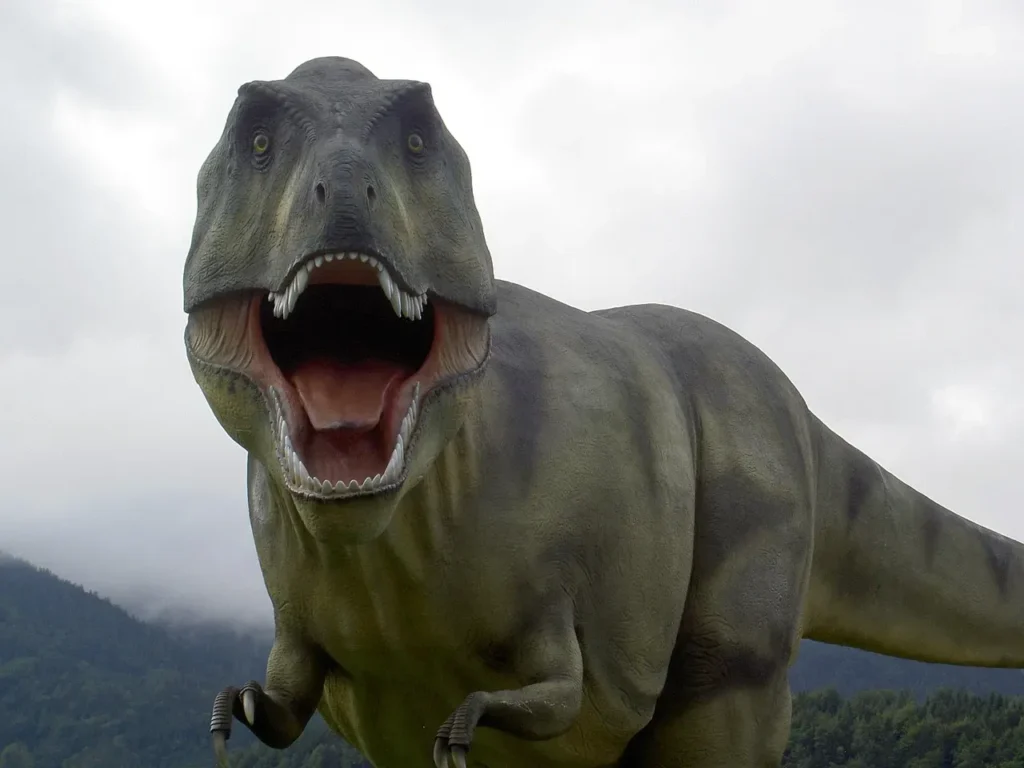
You already know the image. Scaly gray skin, a thunderous roar, tiny useless arms, and a brain barely smarter than a speed bump. That version of T-Rex was built for movie theaters and childhood nightmares, not for science. For decades, it worked well enough because the fossils were scarce and the storytelling filled in the gaps. But the gaps have been closing fast.
What paleontologists have pieced together through CT scans, bone histology, biomechanical modeling, and a wave of stunning new specimens is an animal so different from the pop-culture version that it almost feels like a different creature entirely. Some of what follows will seem impossible. Some of it will make the old Hollywood monster look almost quaint. All of it is backed by fossil evidence, and almost none of it made it into the books you grew up reading.
#13 – Those Arms Were Shockingly Strong Tools, Not Vestiges
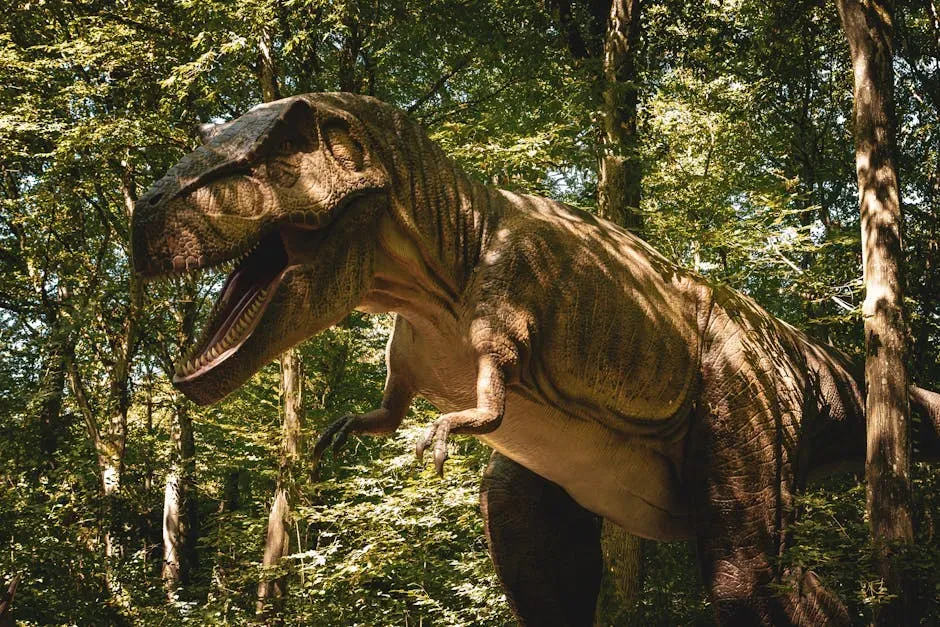
The tiny-arm jokes have been running for decades, and they are not entirely wrong about size. But size is almost the only thing those jokes get right. The bones of the T-Rex forelimbs show massive attachment scars for the deltoid and pectoral muscles, the kind of scarring that signals serious, sustained force. Researchers have estimated those stubby arms could exert hundreds of pounds of grip strength, which puts them closer to a powerlifter’s than to a decorative flap of skin. The two-fingered hands ended in large, curved claws built for puncturing and holding.
The current thinking is that those arms were precision tools for close-quarters feeding. Once the jaws clamped down on struggling prey, the forelimbs helped pin the carcass steady while the head did the real damage. They may also have helped the animal push itself up off the ground after resting. The “useless arms” narrative made for a great punchline, but the muscle scarring tells a story of an appendage that earned its place on one of the most successful predators that ever lived.
Fast Facts
- Forelimb bones show deep deltoid and pectoral muscle attachment scars — hallmarks of high sustained force
- Two large, curved claws on each hand were built for gripping and puncturing, not decoration
- Arms likely served a dual role: pinning prey during feeding and pushing the body off the ground
- At roughly 3 feet long, the arms were short relative to body size but powerfully muscled throughout
#12 – T-Rex Grew at Insane Rates Most Dinosaurs Couldn’t Match
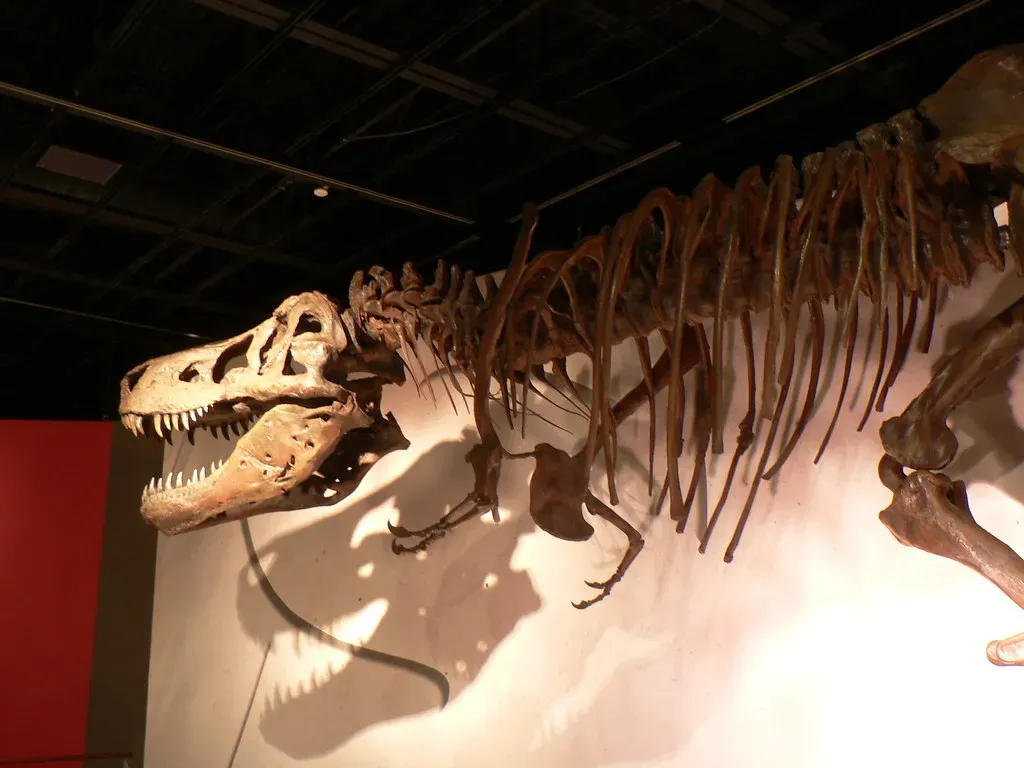
Cut a cross-section through a T-Rex bone and you will find growth rings, like a tree, that record exactly how fast the animal was putting on mass. The answer is staggering. During its teenage years, T-Rex could gain hundreds of pounds per year, a growth rate that dwarfed nearly every other large theropod on the planet. A 14-year-old specimen was already several tons. By roughly age 20, it had hit its adult ceiling. That kind of explosive growth demanded an almost industrial calorie intake every single day.
Those same rings reveal something darker: many individuals never made it to adulthood. High juvenile mortality meant that most T-Rexes you would have met in the Late Cretaceous were essentially enormous teenagers, burning through energy at a furious rate and competing hard for food. The few that survived long enough to reach full size became the bone-crushing apex predators the fossil record documents so vividly. Growth biology alone reframes how we think about this animal’s place in its ecosystem.
At a Glance
- Peak growth phase: roughly ages 14–20, gaining up to 1,300–1,680 lbs per year
- That works out to approximately 4–5 lbs of mass added every single day at peak rate
- Adult size (around 9 tons, 40 feet long) reached in under two decades — faster than most large dinosaurs
- Maximum confirmed lifespan from bone histology: approximately 28–30 years
- Comparable rapid growth rate in modern terms: roughly equivalent to an African elephant’s pace
#11 – Its Senses Were Sharper Than Most Modern Predators
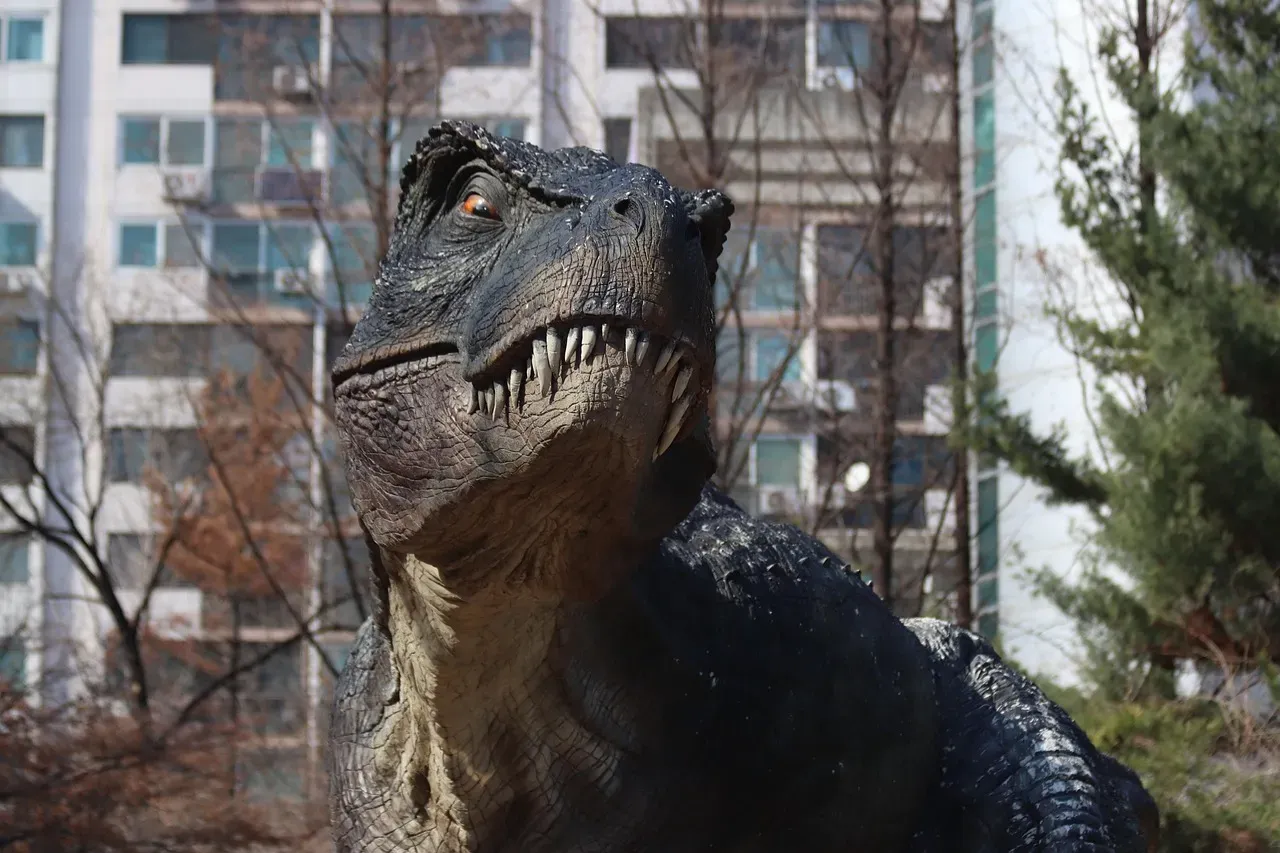
CT scans of T-Rex skulls have given researchers a window into brain structure that no amount of external fossil study could provide. What they found was not the dim, reactive animal of old reconstructions. The olfactory bulbs are enormous, comparable to those of a modern wolf built specifically for tracking scent across miles. The optic lobes rival those of eagles. Binocular vision, with overlapping fields of view, gave T-Rex genuine depth perception, the ability to judge exactly how far away a moving animal was during a chase or an ambush approach.
The inner ear structure adds another layer. The semicircular canals suggest T-Rex could track subtle, fast movements with precision, even in low-light conditions, which points strongly toward an active predator rather than an opportunistic scavenger waiting for something to die nearby. The brain cavity itself is proportionally larger than that of any other large theropod known. You do not invest that much biological real estate in sensory processing unless the information coming in is genuinely useful for survival.
#10 – Bite Force Crushed Bone Like No Other Land Animal
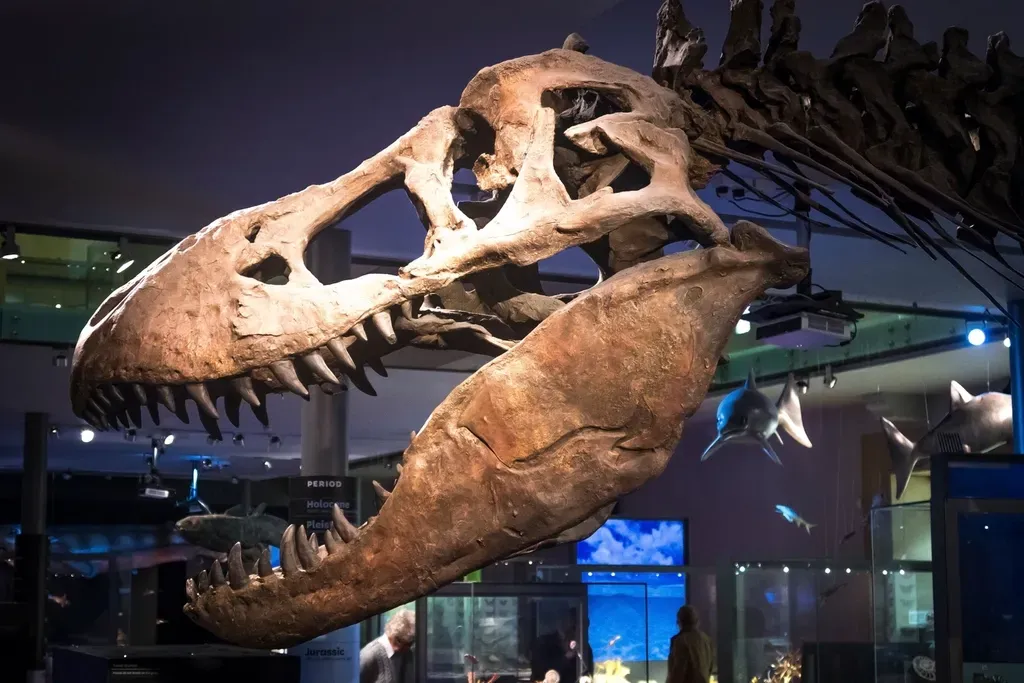
Finite element analysis, the same modeling technique used in engineering to test how structures handle stress, has been applied to T-Rex skulls with jaw-dropping results. Peak bite forces at the back teeth exceed 12,000 pounds per square inch in some estimates. To put that in physical terms: that is enough to compress and shatter Triceratops frill bone, which was dense enough that most predators simply avoided it. Fossil bones across multiple species show the puncture-and-drag marks that can only be explained by something that could bite through solid bone and pull.
The teeth were engineered for both slicing and crushing, thick and heavily serrated in a way that differs from the blade-like teeth of most other large carnivores. Juveniles had different tooth morphology entirely, suggesting they hunted smaller, softer prey before graduating to the bone-crushing diet of adults. That means T-Rex effectively occupied two different ecological niches across its lifetime, which is a level of biological sophistication that the old monster-movie version never hinted at. No other land predator in the fossil record left comparable evidence of bone destruction.
Quick Compare: T-Rex Bite vs. Other Apex Predators
| Animal | Estimated Bite Force |
|---|---|
| T-Rex (rear teeth) | ~8,000–12,800 lbs of force |
| Saltwater Crocodile | ~3,700 lbs of force |
| African Lion | ~650 lbs of force |
| Human | ~200 lbs of force |
#9 – It Wasn’t a Lone Wolf – Some Evidence Points to Social Groups
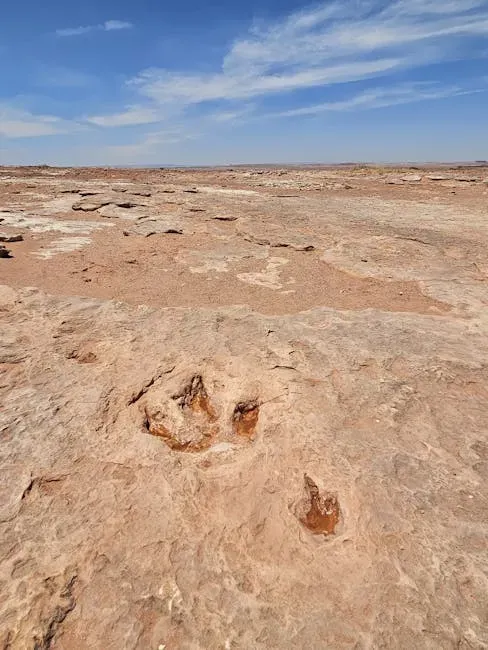
The image of a solitary apex predator stalking the landscape alone is cinematically powerful, but the fossil evidence keeps complicating it. Multiple trackway sites show several T-Rex-sized individuals moving in the same direction at roughly the same time. Bone beds have produced remains of multiple individuals at different life stages in the same location. None of this is proof of coordinated pack hunting in the way wolves operate, but it is enough to challenge the assumption that these animals had zero tolerance for each other outside of mating.
Some sites show juveniles and adults together, which opens the door to possible parental tolerance or even rudimentary care. Researchers are careful to note the evidence is circumstantial, and debate continues. But the pattern repeats across enough formations that dismissing it entirely now looks like the less scientific position. The lone-monster narrative fits the movie, not necessarily the animal. If T-Rex showed any degree of social tolerance, it rewrites our models for territory size, hunting ranges, and how populations managed resources across the landscape.
#8 – Its Top Speed Was Faster Than Early Estimates Allowed
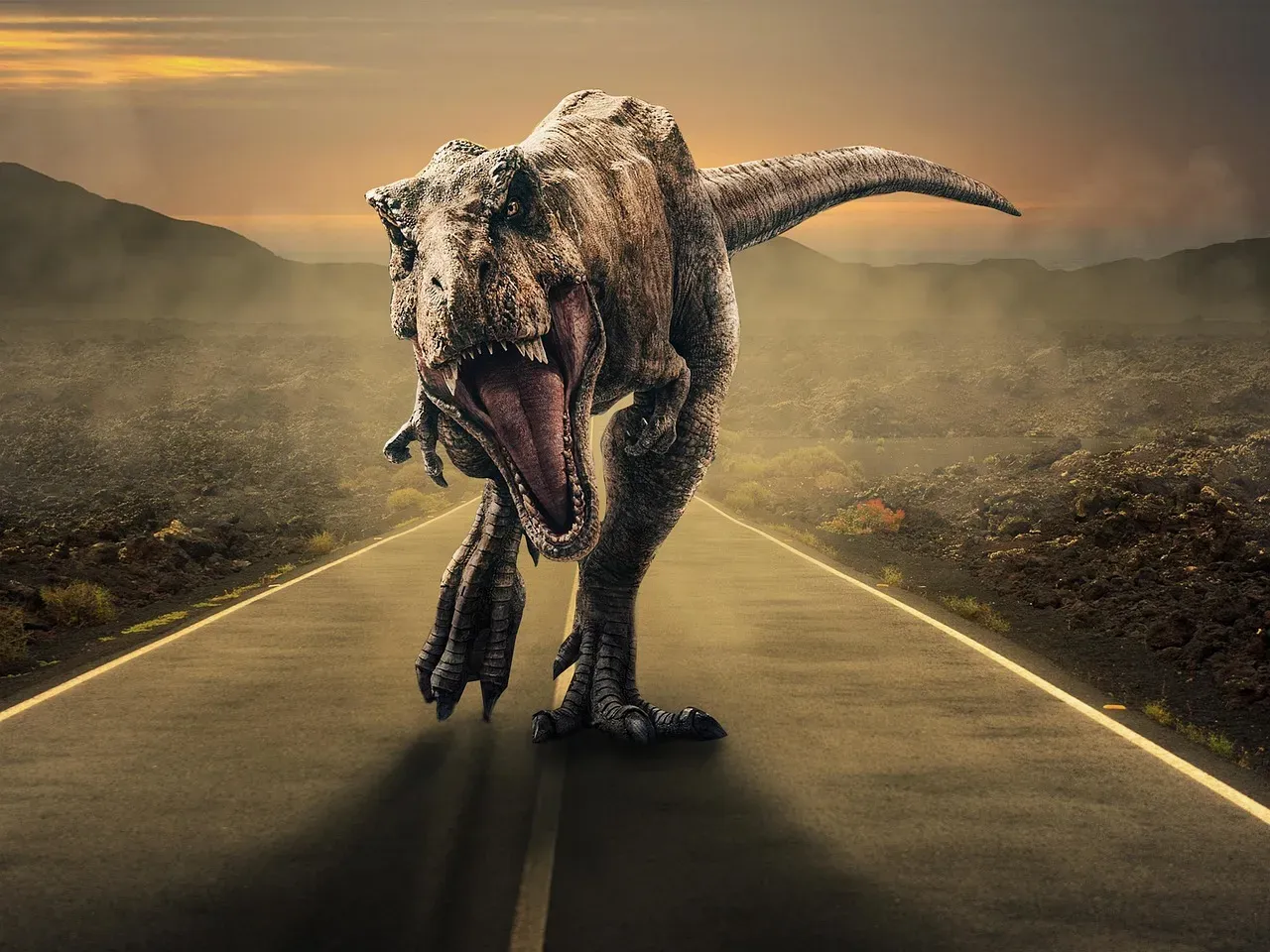
Early computer models put T-Rex at a pace that a determined human jogger could theoretically outrun, which fed years of speculative debate about whether prey animals could simply escape by running. Those models made assumptions about muscle mass that newer data have revised significantly upward. Updated biomechanical work incorporating more accurate muscle volume estimates and limb proportions now suggests T-Rex was capable of reaching somewhere between 12 and 25 miles per hour — fast enough to close ground on most animals sharing its environment before they could react.
The tail played a role that the old models largely ignored. Rather than dead weight dragging behind the animal, the tail functioned as a dynamic counterbalance, shifting during turns and accelerations to keep the body stable at speed. Elastic tendons in the legs stored and released energy with each stride, the same mechanism that makes ostriches so efficient despite their size. Trackway evidence is still being debated, but the anatomy is clear: this was not a lumbering giant waiting for prey to trip. It was a large, fast, biomechanically efficient animal built to close distance quickly.
Worth Knowing
- Early 1990s models incorrectly placed T-Rex top speed as high as 45 mph — biomechanically impossible at that body weight
- Current scientific range: roughly 12–25 mph depending on specimen size and methodology used
- Running at previously proposed top speeds would have shattered the animal’s own foot bones
- Younger, lighter T-Rex individuals were almost certainly faster than fully grown adults
- The dynamic tail counterbalance — largely ignored in old models — was key to stability at speed
#7 – Skin Was Likely a Mix of Scales and Sparse Feathers
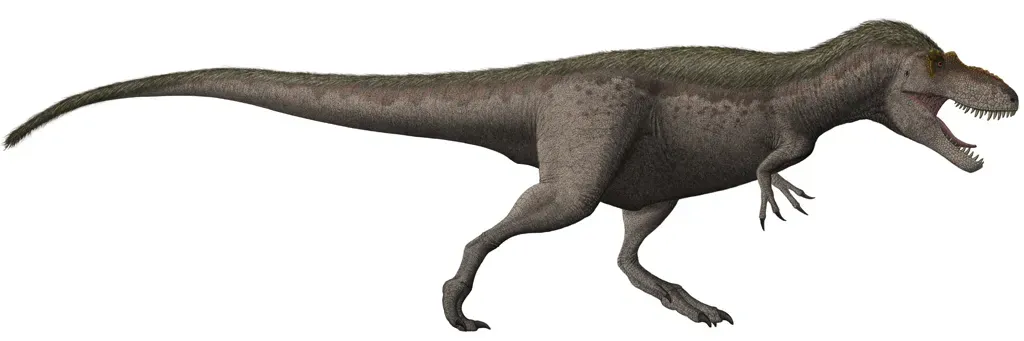
Several T-Rex specimens have preserved skin impressions, and they show something that surprised researchers who expected a simple answer: the picture is genuinely mixed. Some regions of the body show clearly scaled, crocodilian-style skin. Other patches, particularly from areas less likely to be preserved, show structures consistent with proto-feather filaments. The working hypothesis now is that adult T-Rexes were predominantly scaly, with possible feathering limited to juveniles or to specific regions used for display or insulation in cooler climates.
This matters because it means neither extreme in the public debate is fully right. The classic “giant lizard” reconstruction is outdated. But the fully feathered T-Rex of some popular science art also overstates the current evidence. What probably existed was something in between, an animal whose appearance varied somewhat by age, sex, and possibly geographic range, in the same way that modern large mammals show variation across populations. The real visual would likely strike us as stranger and more interesting than either version we have been given.
#6 – Its Hearing and Vocal Range Were More Subtle Than a Roar
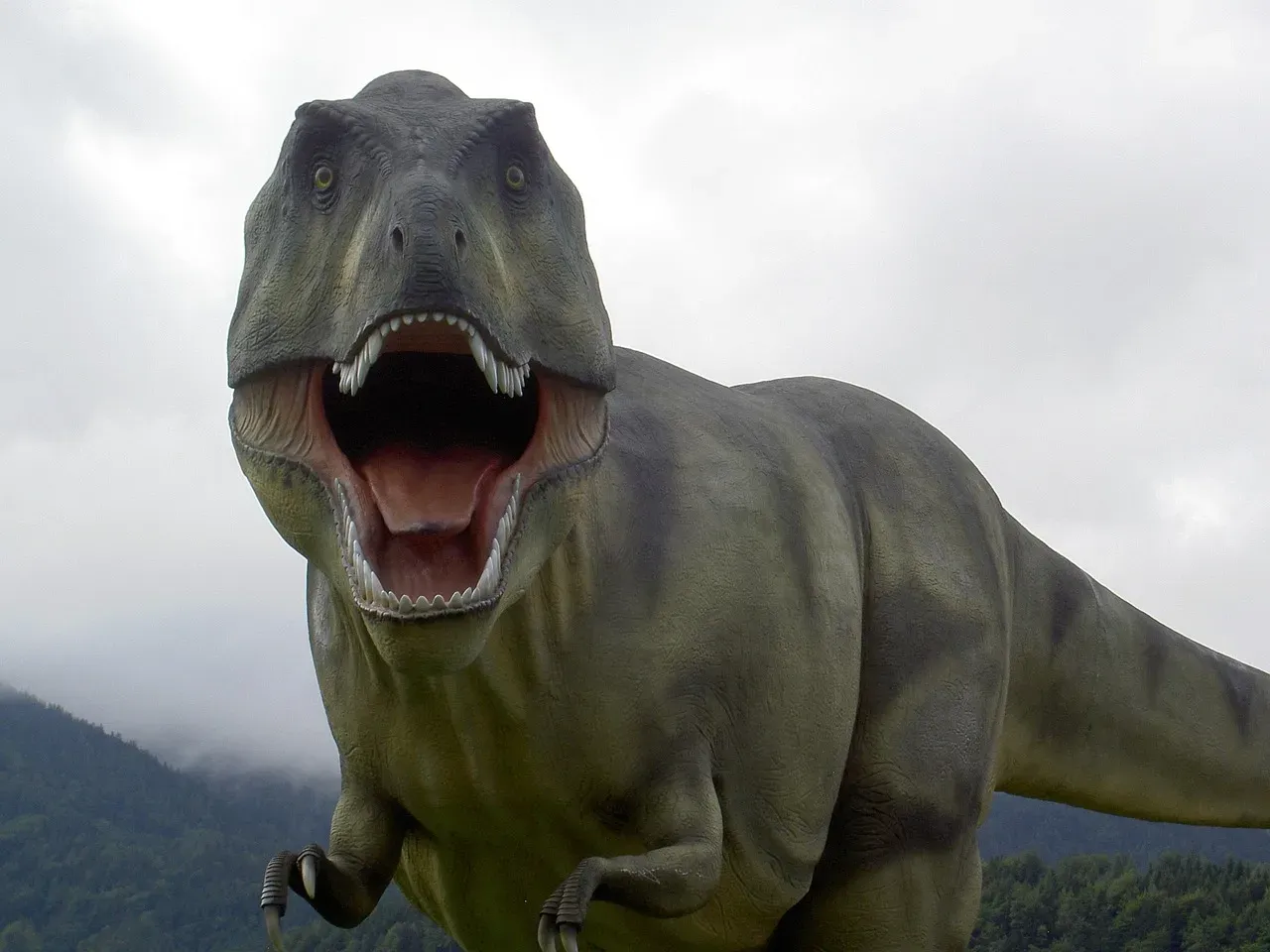
The Hollywood roar is one of the most recognizable sounds in cinema history, and it is almost certainly wrong. Reconstructions of the T-Rex vocal tract and inner ear anatomy point toward low-frequency, closed-mouth vocalizations, deep rumbles and resonant sounds similar to what modern crocodilians produce, rather than the wide-open shriek the movies gave us. Low-frequency sound travels farther through dense vegetation and is harder for prey to localize, which makes it far more useful for a large predator than a sound that announces your location to everything within a mile.
The ear structure itself shows sensitivity tuned for detecting subtle, low-frequency movements in the environment, footsteps, rustling, the particular vibration of a large animal shifting its weight nearby. There is no fossil evidence for the kind of large resonating chamber that would produce a cinematic roar. What this suggests is an animal that communicated in ways we would barely register at close range, and that used its hearing not to listen for competitors calling out dramatically, but to detect prey moving quietly through its territory. The real T-Rex was probably much quieter and much more unnerving for it.
The most terrifying predator is not the loudest one in the room.
Common refrain among predator ecologists studying ambush hunters
#5 – Lifespan and Maturity Tell a Story of Rapid Boom and Bust
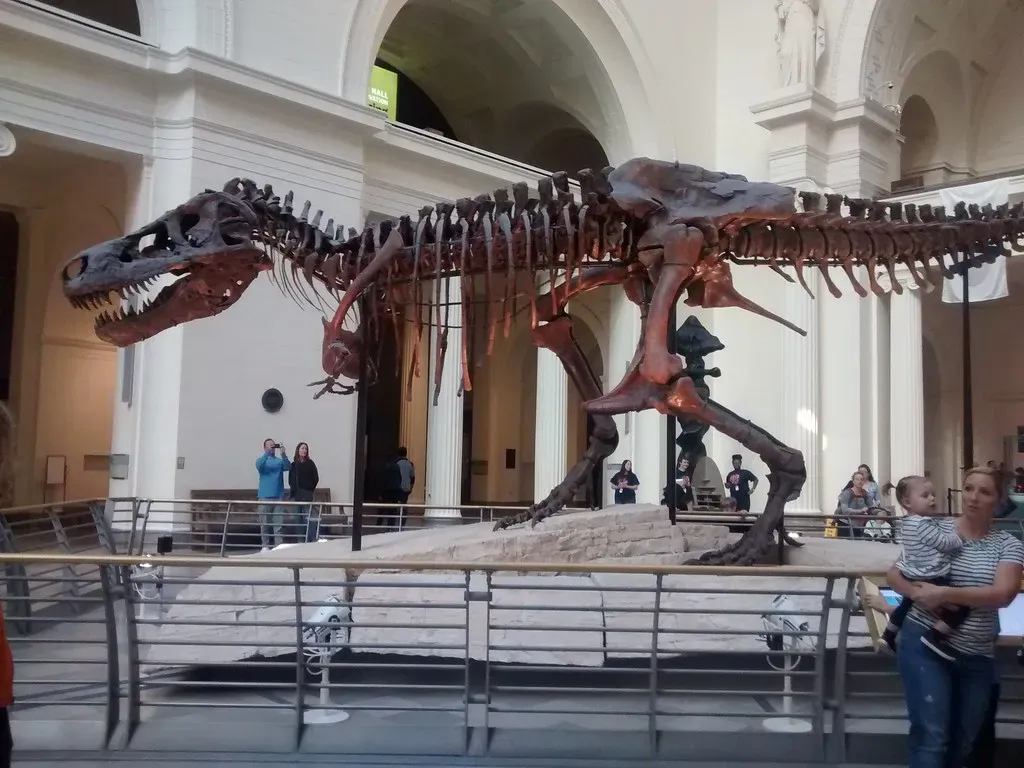
The same bone rings that reveal explosive growth also set a hard ceiling on lifespan. Most T-Rex individuals, based on the specimens with well-preserved histology, lived only into their late twenties before disease, injury, or the sheer metabolic cost of being that large caught up with them. The combination of furious early growth and a relatively compressed total lifespan meant that T-Rex populations turned over quickly compared to animals with slower metabolisms and longer lives. There were no ancient, wizened elders dominating the landscape for decades.
High metabolic demands during the growth phase likely contributed directly to early death. An animal pushing its body to gain hundreds of pounds per year while simultaneously hunting prey large enough to fight back is under constant physiological stress. Pathologies, healed injuries, bone infections, and joint damage all appear frequently in adult specimens, suggesting that surviving to full size was already a significant achievement. The “king” imagery implies permanence and dominance, but the biology tells a story of a creature living fast, burning hard, and rarely making it far past its prime.
#4 – It Shared Its World With Other Giant Predators
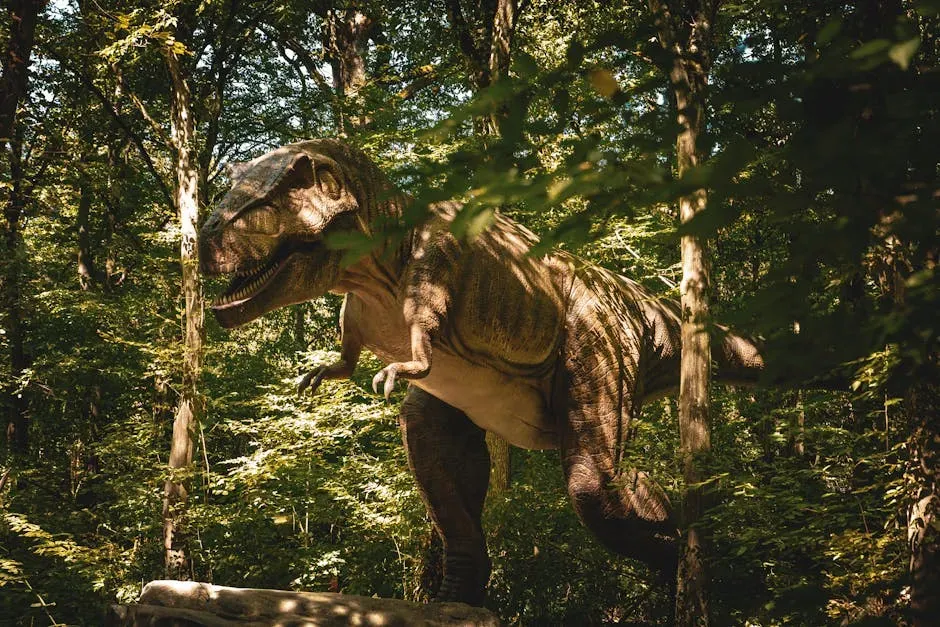
The idea of T-Rex as the unchallenged ruler of every landscape it touched is geographically and temporally convenient but not entirely accurate. In certain formations, T-Rex coexisted with other large tyrannosaurids and substantial carnivores that occupied overlapping but distinct ecological roles. Niche partitioning, where different predators specialize in different prey sizes or hunting strategies, likely reduced direct confrontation. But the food web was messier and more competitive than a single-apex-predator model suggests.
The “king” title applies most cleanly to the final few million years of the Cretaceous in specific North American regions where T-Rex was genuinely the largest predator around. Zoom out geographically or push the timeline back slightly, and the picture gets more crowded. Competition from other large carnivores almost certainly shaped T-Rex anatomy and behavior over time, pushing it toward the specific combination of extreme bite force, sensory investment, and size that made it dominant where it did reign. The crown was earned, not simply inherited.
Why It Stands Out
- T-Rex’s reign was concentrated in the final 2–3 million years of the Cretaceous in North America
- It coexisted with other large tyrannosaurids such as Nanotyrannus (still debated) and various large abelisaurids elsewhere
- Niche partitioning — not outright domination — likely kept multi-predator ecosystems functional
- Its extreme bite force may have evolved partly as a competitive edge over rivals that could not crack bone
#3 – Its Brain Was Proportionally Large and Well Organized
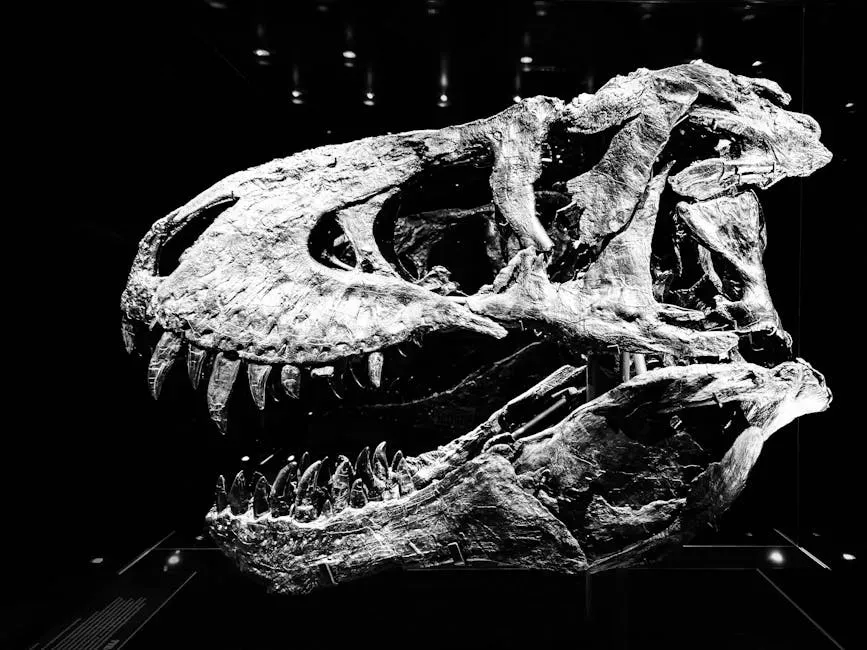
The “tiny brain” claim has been repeated so often it feels like established fact, but it rests heavily on older, incomplete, or mis-scaled endocasts. Modern imaging of well-preserved specimens shows a proportionally larger brain than any other large theropod in the record, with expanded regions specifically associated with sensory integration, spatial awareness, and behavioral flexibility. The layout is still fundamentally reptilian, but the relative investment in higher processing is measurably greater than in animals that relied purely on instinct and reflex.
This matters for behavior. A larger, better-organized brain means more capacity for learning from experience, adjusting hunting tactics based on prey behavior, and potentially recognizing and responding to social cues from other individuals. None of this makes T-Rex intelligent in a mammalian sense, but it does mean the animal was operating with more cognitive flexibility than a crocodile or a Komodo dragon. The hunting strategies implied by its anatomy, combining stealth, sensory tracking, explosive speed, and bone-crushing finishing power, would require exactly that kind of neural investment to execute reliably.
#2 – It Was Both Hunter and Scavenger Depending on Opportunity
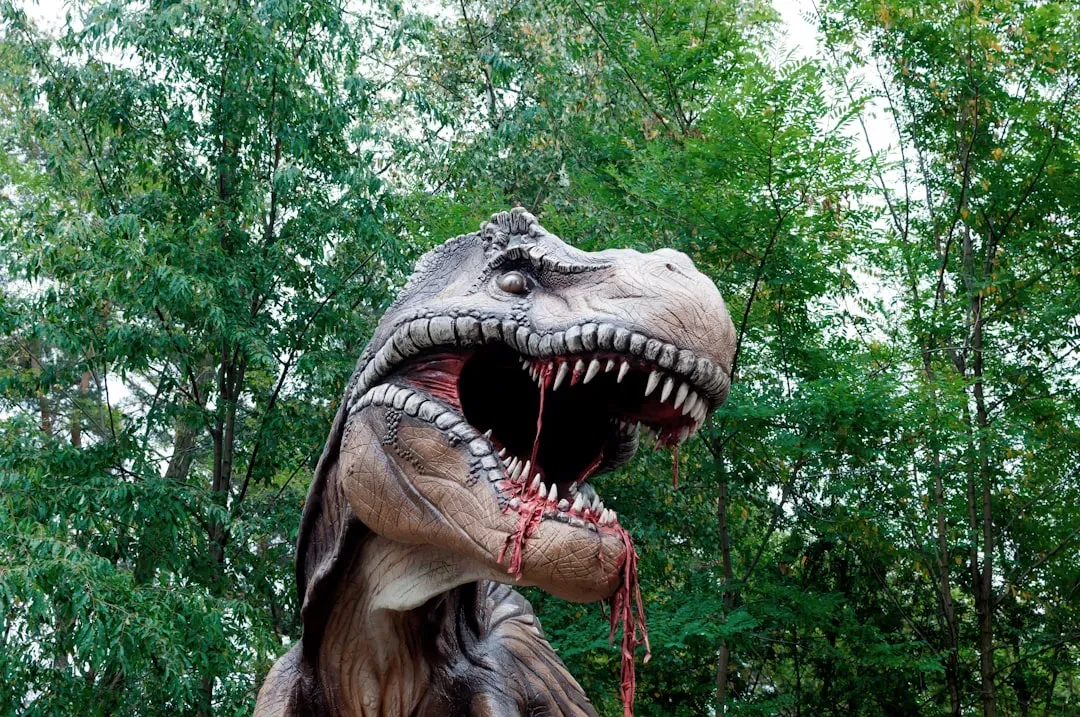
For years, paleontologists debated fiercely whether T-Rex was primarily a hunter or primarily a scavenger, and the argument produced some genuinely heated scientific exchanges. The answer the evidence now supports is that the question itself was too narrow. Tooth marks appear on bones in ways consistent with active predation, including marks on animals that clearly fought back. The same evidence base also shows T-Rex exploiting carcasses that other predators could not fully access, using its unmatched bite force to crack open bones that would defeat any competitor.
This dual strategy is not a compromise or a sign of biological ambiguity. It is a sign of intelligence and adaptability. Nearly every large modern carnivore, lions, spotted hyenas, Komodo dragons, operates as an opportunistic generalist that hunts when it can and scavenges when the energy calculation favors it. An animal as metabolically expensive to run as T-Rex could not afford ideological loyalty to one feeding strategy. It ate what the day provided, and its combination of speed, senses, and bite force meant the day almost always provided something. That flexibility, more than any single physical attribute, may be what made it so successful for so long.
#1 – Its True Appearance and Behavior Still Hold Major Surprises
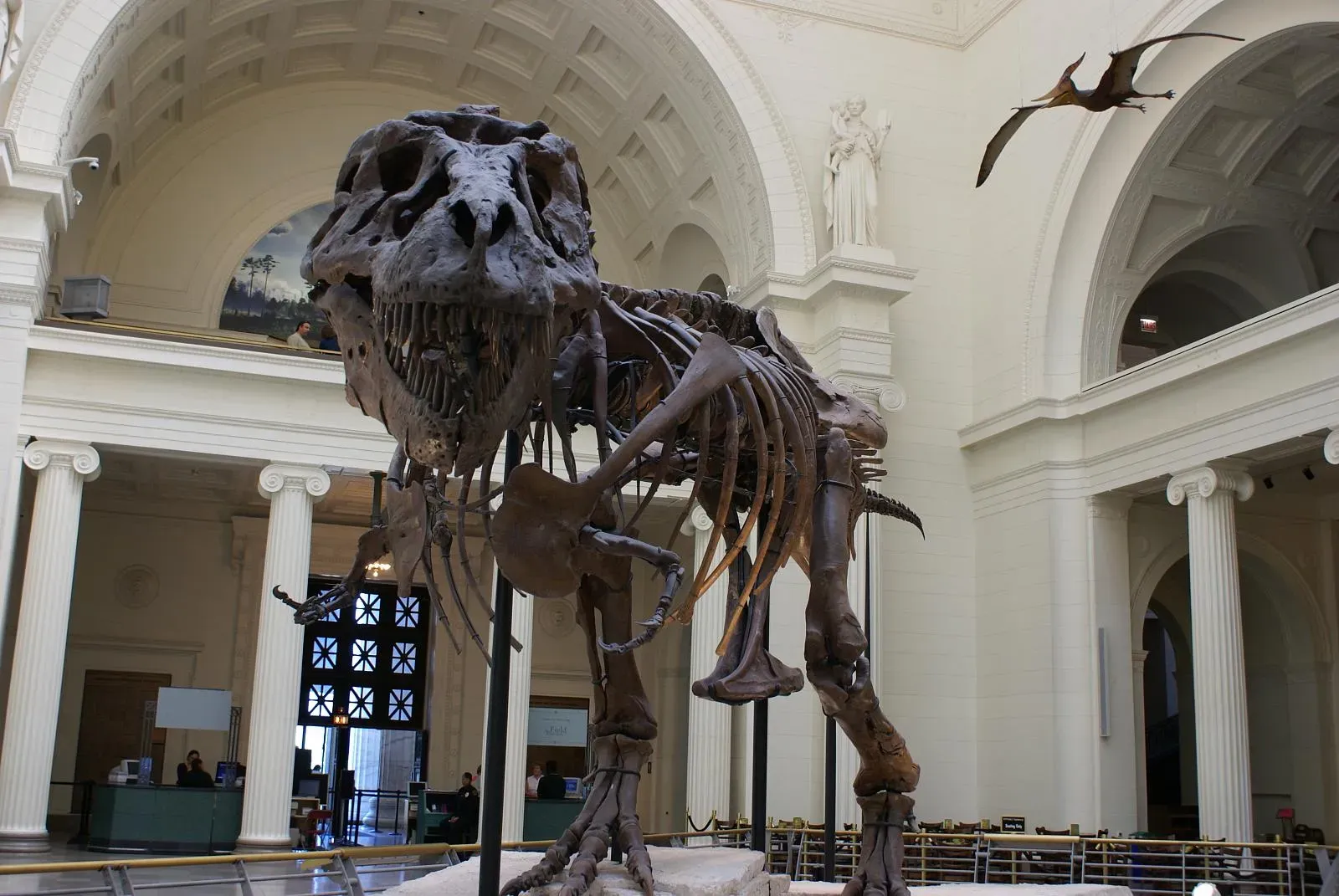
Every few years, a new specimen comes out of the ground and quietly dismantles another piece of the received image. Soft tissue preservation has revealed details about facial covering, lip structure, and skin texture that no 1990s reconstruction anticipated. Hints about possible display structures, color variation, and even the precise geometry of the face continue to shift with new finds. The pace of discovery has accelerated, not slowed, meaning the gap between current science and popular culture is actually widening even as the science gets more specific.
What makes this genuinely exciting rather than just academically interesting is that the real animal keeps turning out to be more complex, more capable, and more strange than the simplified monster ever was. It was not a scaly, roaring, slow-moving nightmare from central casting. It was a fast-growing, sensory-sharp, biomechanically sophisticated predator with a functional grip, a crushing bite, possible social dimensions, and a set of survival strategies that we are still working to fully understand. The creature you grew up thinking you knew was a placeholder. The real one is still being discovered.
At a Glance: What Science Has Changed
- Arms: Powerfully muscled tools — not vestigial or decorative
- Skin: Likely a mixed mosaic of scales and limited feathering, not purely either
- Voice: Probably low-frequency rumbles, not a cinematic open-mouthed roar
- Brain: Proportionally the largest of any large theropod — sensory processing was a real priority
- Behavior: Flexible hunter-scavenger with possible social tolerance, not a lone monster
The Verdict
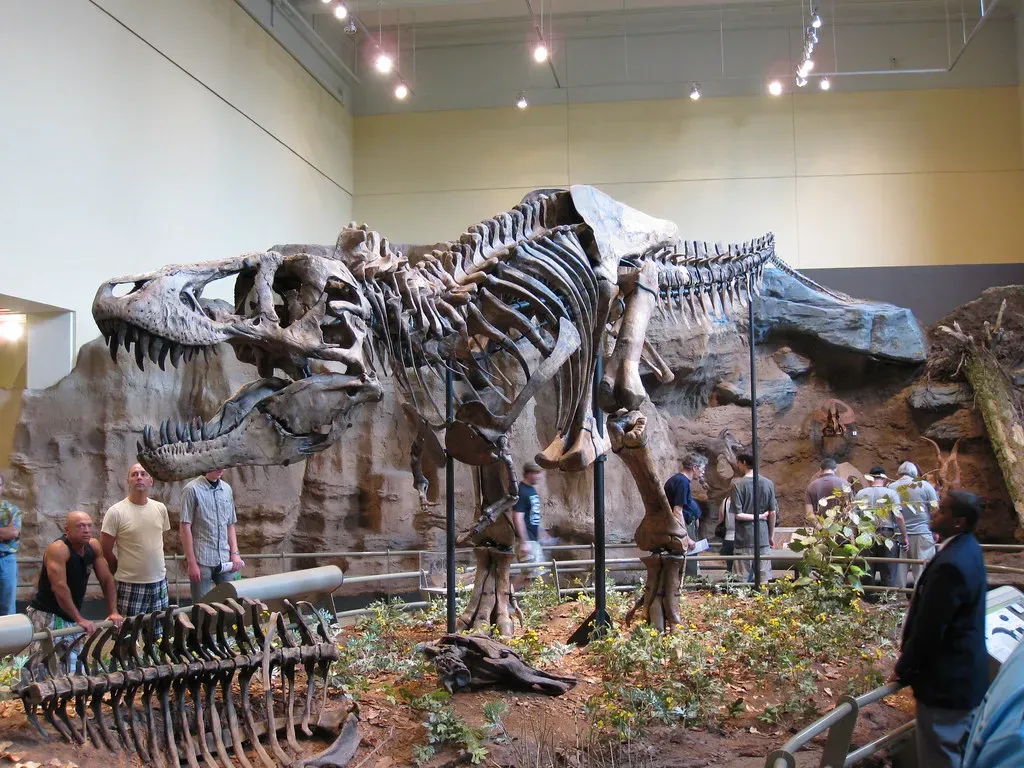
Taken together, these thirteen revisions do not just update a few details around the edges. They replace one animal with another. The T-Rex that emerges from current evidence was fast-growing and metabolically furious, powerfully armed in ways its size obscured, sensorially sophisticated enough to rival modern apex predators, and behaviorally flexible enough to hunt, scavenge, and possibly even tolerate its own kind depending on circumstances. Its bite had no equal in land-animal history. Its brain was underestimated for decades. Its appearance was stranger and more nuanced than any movie version captured.
The old image was not entirely useless. It kept people fascinated long enough for science to catch up. But science has now caught up considerably, and what it found is an animal that deserves far more credit than a punchline about tiny arms. The real T-Rex was not the monster. It was something rarer and harder to dismiss: a genuinely extraordinary creature that actually existed, and that we are only now beginning to see clearly.