For most of us, dinosaurs arrived pre-packaged: giant scaly monsters, all stomping around the same steamy swamp, until one unlucky asteroid ended the whole show. That image felt complete. It felt settled. Teachers taught it, museums displayed it, and Hollywood spent billions reinforcing it. The problem is that paleontologists quietly stopped believing most of it decades ago.
The fossil record kept delivering evidence that contradicted the clean, comfortable story—and the updates are genuinely unsettling in the best possible way. Lips where there should be fangs. Feathers on animals the size of bears. A mammal biting into a dinosaur’s ribs. What follows are 13 facts that quietly vanished from mainstream teaching once the science moved on, replaced by something far weirder and more fascinating than anything a textbook committee ever approved.
#13 — Dinosaurs Never Shared the Planet with Humans
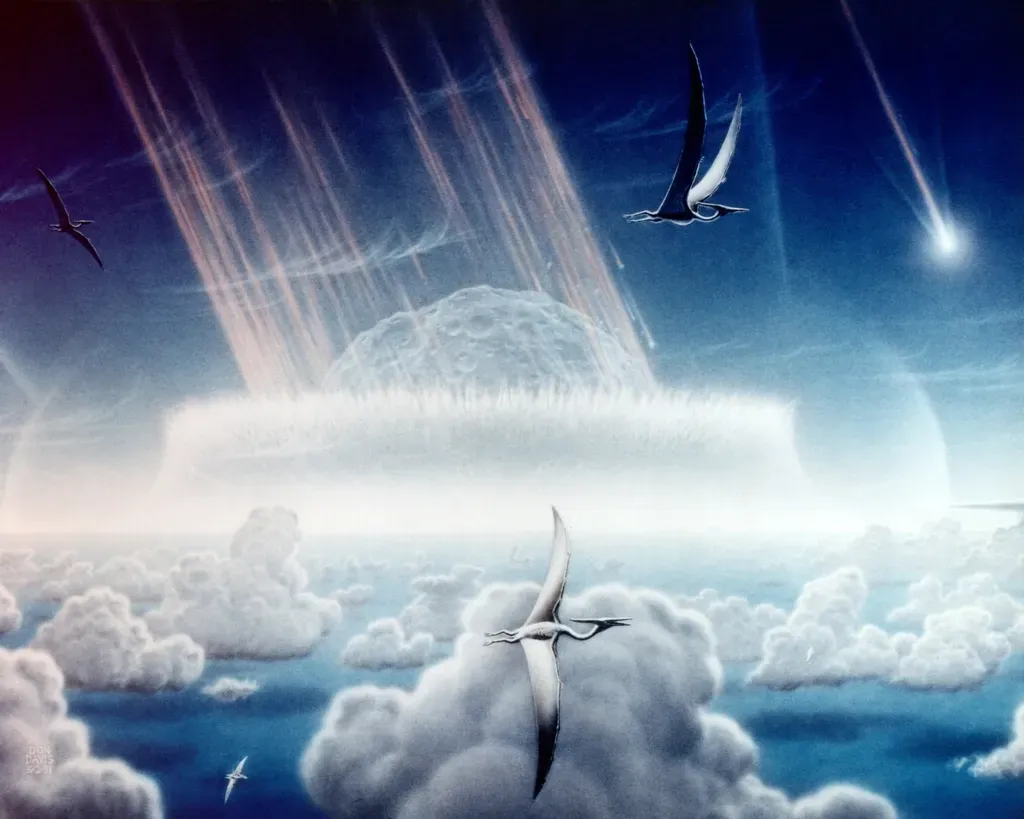
Most school lessons implied a hazy, romantic overlap—early humans dodging giant predators, surviving against impossible odds. It made for a compelling story. The fossil record tells a completely different one: there is a clean 66-million-year gap between the last non-avian dinosaurs and the first Homo sapiens. That is not a rounding error. That gap is longer than most people can genuinely imagine, and precise radiometric dating of rock layers made the separation impossible to soften or fudge.
Every dinosaur species you learned about had already been extinct for tens of millions of years before any primate walked upright, used a tool, or looked up at the stars. The coexistence idea lingers in pop culture because it feels dramatic and because humans instinctively want to insert themselves into every story. But the strata don’t negotiate. The separation is absolute, and paleontologists stopped hedging on it the moment the dating became airtight. That gap is where the story really begins to get strange.
#12 — T. rex Teeth Stayed Hidden Behind Lips
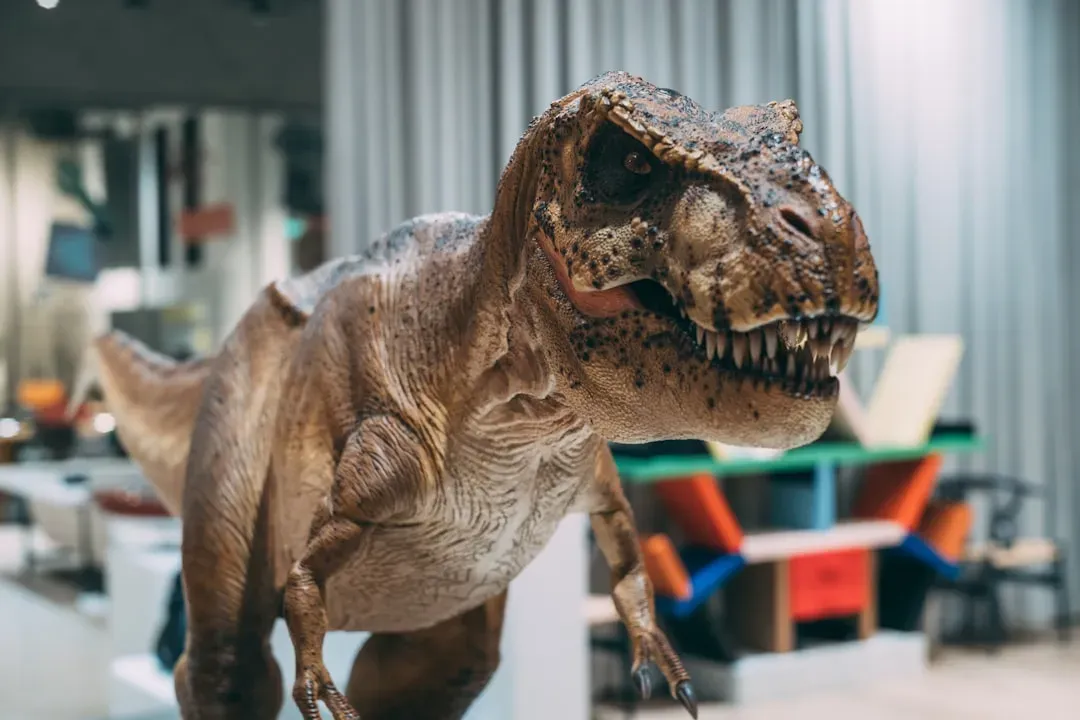
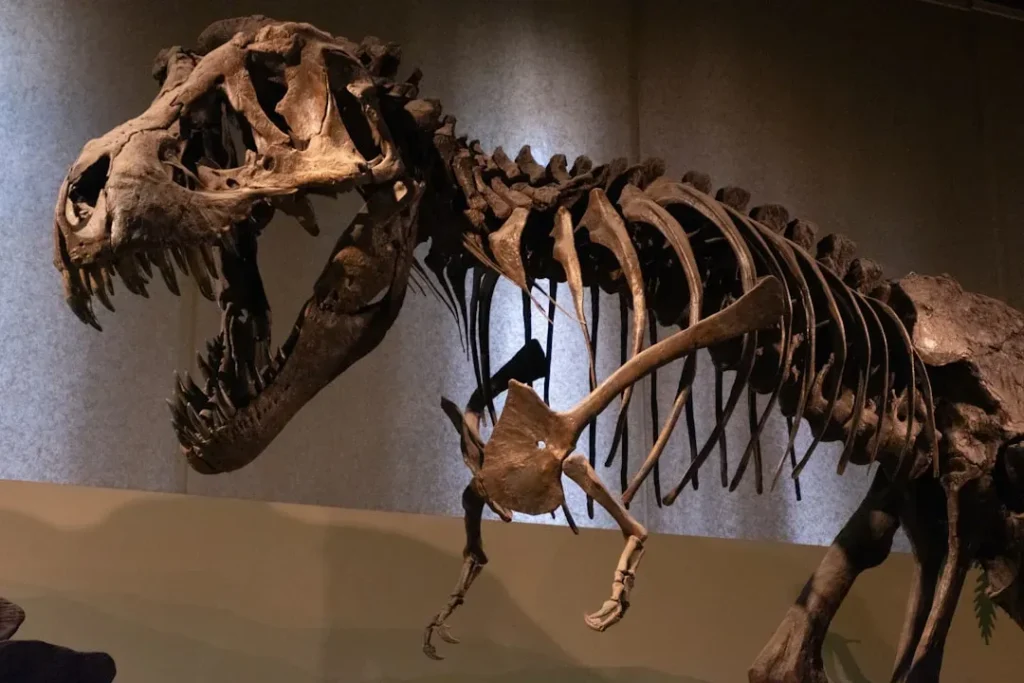
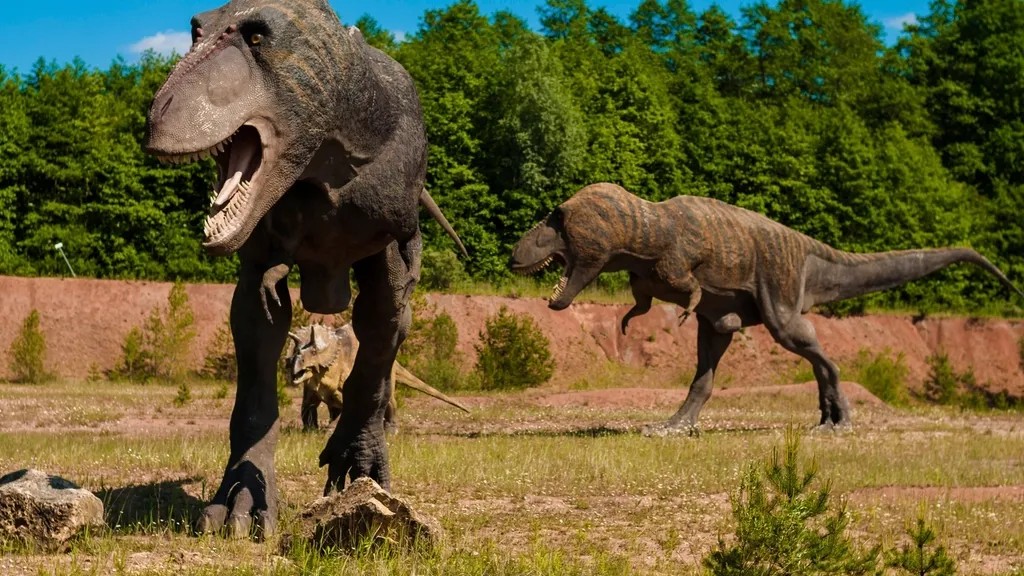
For generations, the defining image of T. rex was those permanently exposed fangs—rows of serrated teeth on constant display, like a crocodile that had been injected with rage. Artists painted it. Toy companies molded it. The image became so embedded that questioning it felt almost disrespectful. Then researchers began studying microscopic wear patterns on theropod tooth enamel and noticed something that didn’t fit the exposed-tooth model at all.
The wear signatures matched those of lipped lizards, not crocodilians. New jaw and dental studies now strongly suggest that T. rex—along with most other large theropods—had fleshy lips that kept teeth moist, protected the enamel, and closed over the mouth at rest. The exposed-fang look was an artistic shortcut that cascaded through decades of reconstructions without anyone stopping to check the teeth themselves. The predator still delivered a bone-crushing bite capable of shattering prey into fragments. It just didn’t look the way every museum poster insisted it did.
#11 — Feathers Covered Far More Species Than Anyone Expected
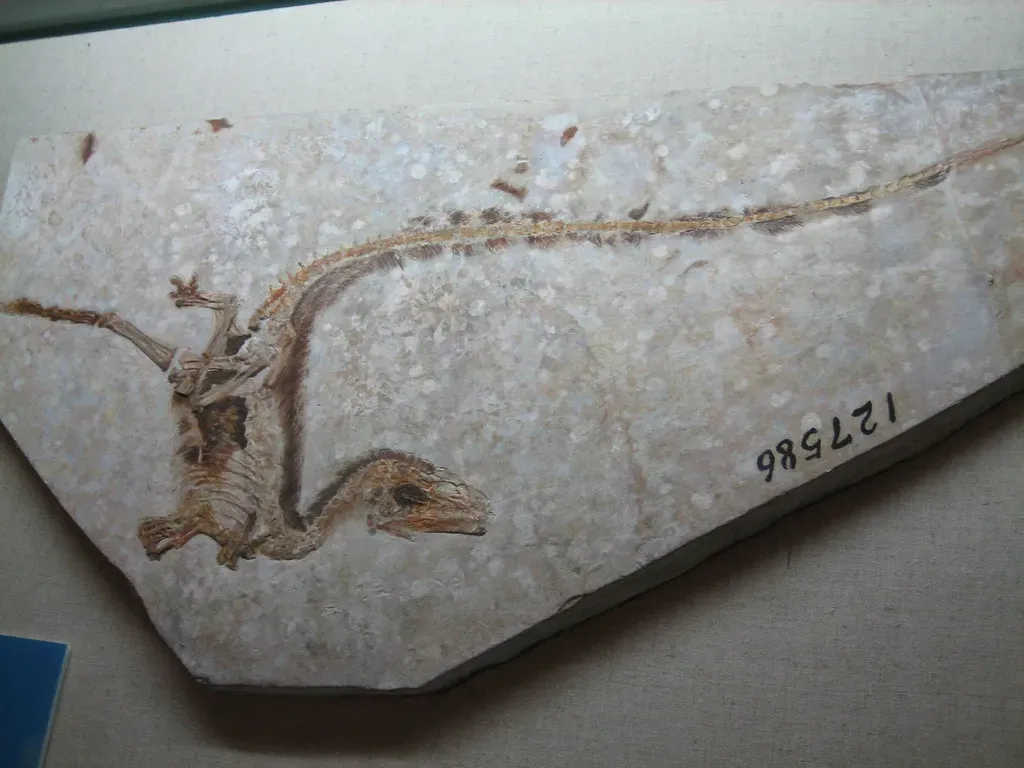
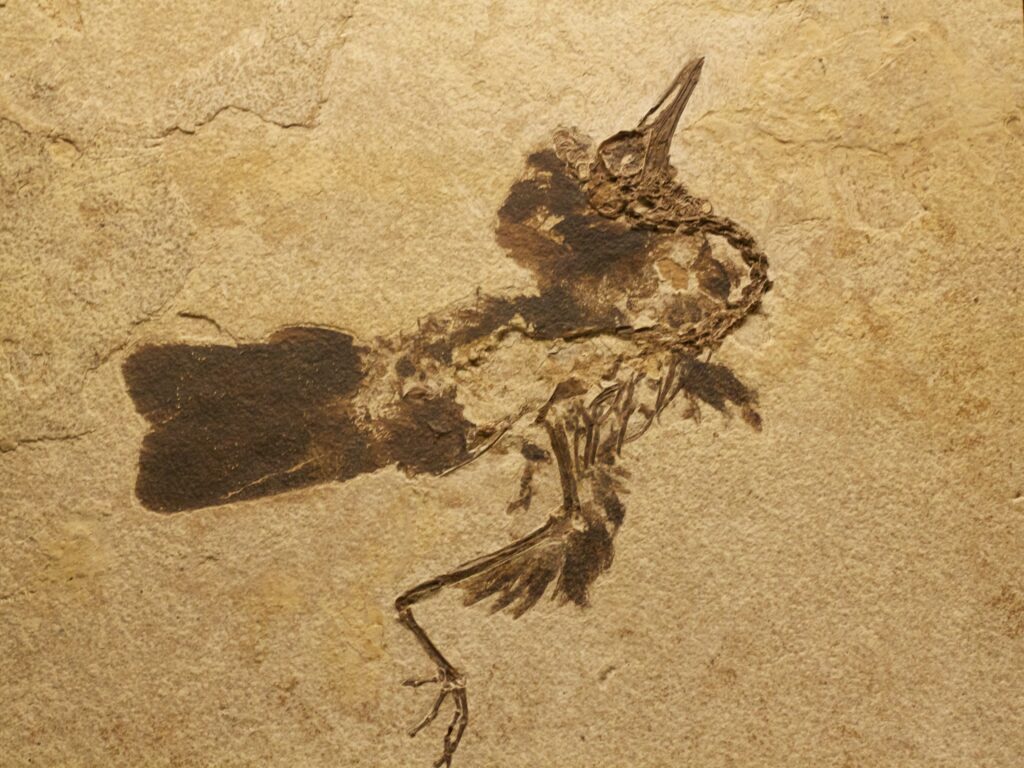
Early teaching was careful to limit feathers to small, bird-adjacent dinosaurs—the lightweight, nimble ones that seemed like obvious evolutionary bridges. Larger animals were still reconstructed as scaly and reptilian, because that felt appropriately monstrous. Then Chinese fossil sites began producing specimen after specimen with preserved filaments and fully structured feathers on animals the size of bears, and the argument for limiting plumage to small species collapsed almost immediately.
The evidence wasn’t subtle. Impressions locked into fine-grained rock showed structures that could not be dismissed as skin folds or sediment artifacts. Many paleontologists had argued feathers were rare, juvenile, or restricted to specific lineages. The data forced a much broader acceptance: insulation and display mattered across a wide range of body sizes, and the scaly giant was more of an assumption than a conclusion. The mental image of dinosaurs required a near-total overhaul, and it’s still happening in real time.
#10 — Some Dinosaurs Were Tiny Enough to Hold in One Hand
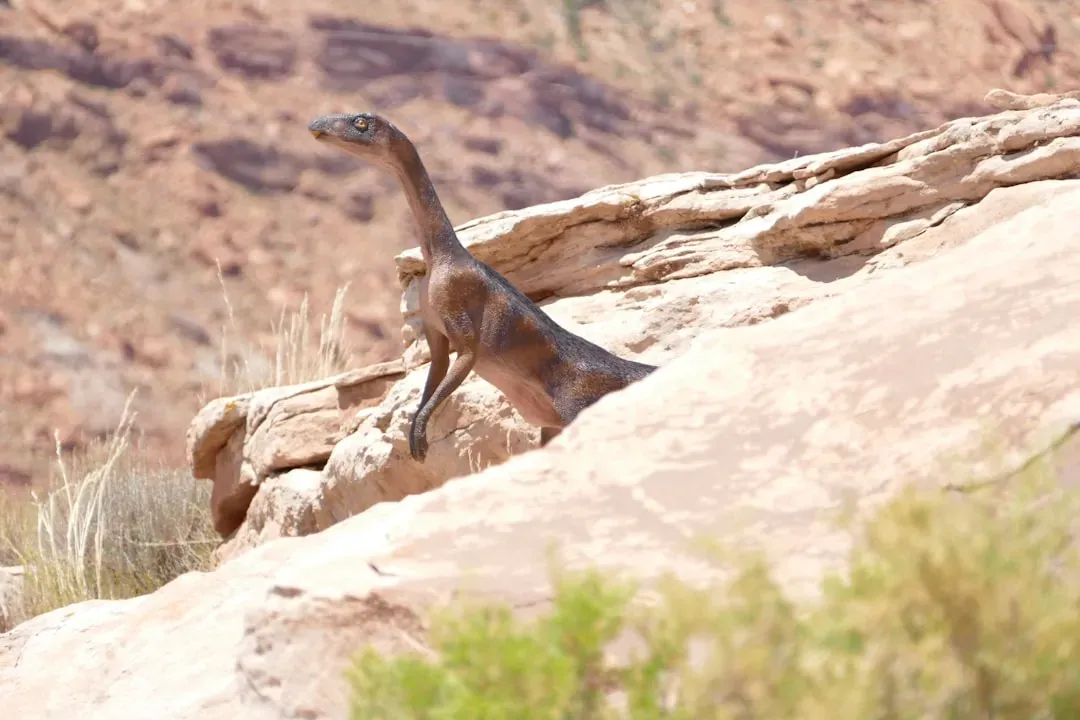
The public memory of dinosaurs is dominated by scale—Brachiosaurus necks disappearing into clouds, T. rex footprints swallowing entire humans. Size became the defining characteristic, the thing that made dinosaurs worth caring about. But careful sieving of sediment at micro-sites revealed something that larger bone excavations had been drowning out for decades: several fully valid adult dinosaur species measured under two feet long and weighed less than a modern chicken.
These weren’t juveniles of larger animals or evolutionary misfires. They were successful adults of their own species, competing and surviving in ecosystems that also contained giants. Fossil hunters stopped emphasizing only the record-breakers once the full body-size range became undeniable. The smallest adults force a complete rethink of what ecological roles dinosaurs actually filled—not just apex predators and massive herbivores, but small, fast, opportunistic animals occupying niches we’d never considered assigning to them.
#9 — Birds Are Not Descendants of Dinosaurs. They Are Dinosaurs.
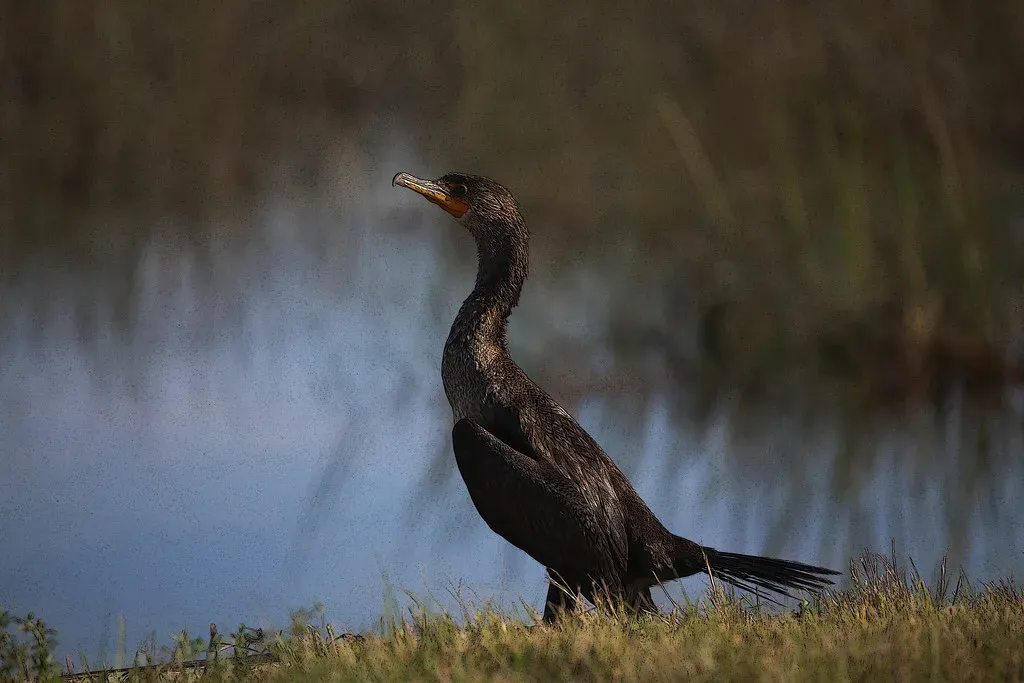
The phrasing “birds descended from dinosaurs” sounds precise and scientific, and for years it did the job well enough. It positioned dinosaurs safely in the past and birds comfortably in the present, with a respectful evolutionary distance between them. Then cladistic analysis—the systematic mapping of shared derived characteristics across lineages—made that comfortable distance impossible to maintain. Skeletal, genetic, and fossil evidence converged on one conclusion: living birds don’t just share ancestors with dinosaurs. They fall inside the dinosaur clade itself.
Older researchers resisted the terminology shift for years, partly out of habit and partly because it felt counterintuitive to call a sparrow a dinosaur. The data didn’t care. The distinction between birds and non-avian dinosaurs became a practical label, not a biological one. Every pigeon pecking at a sidewalk, every chicken in a fast-food sandwich, is technically a living dinosaur. That fact didn’t make it into most textbooks before the evidence made the old language look scientifically indefensible. It quietly updated, and most people never noticed.
#8 — Stegosaurus and T. rex Never Breathed the Same Air
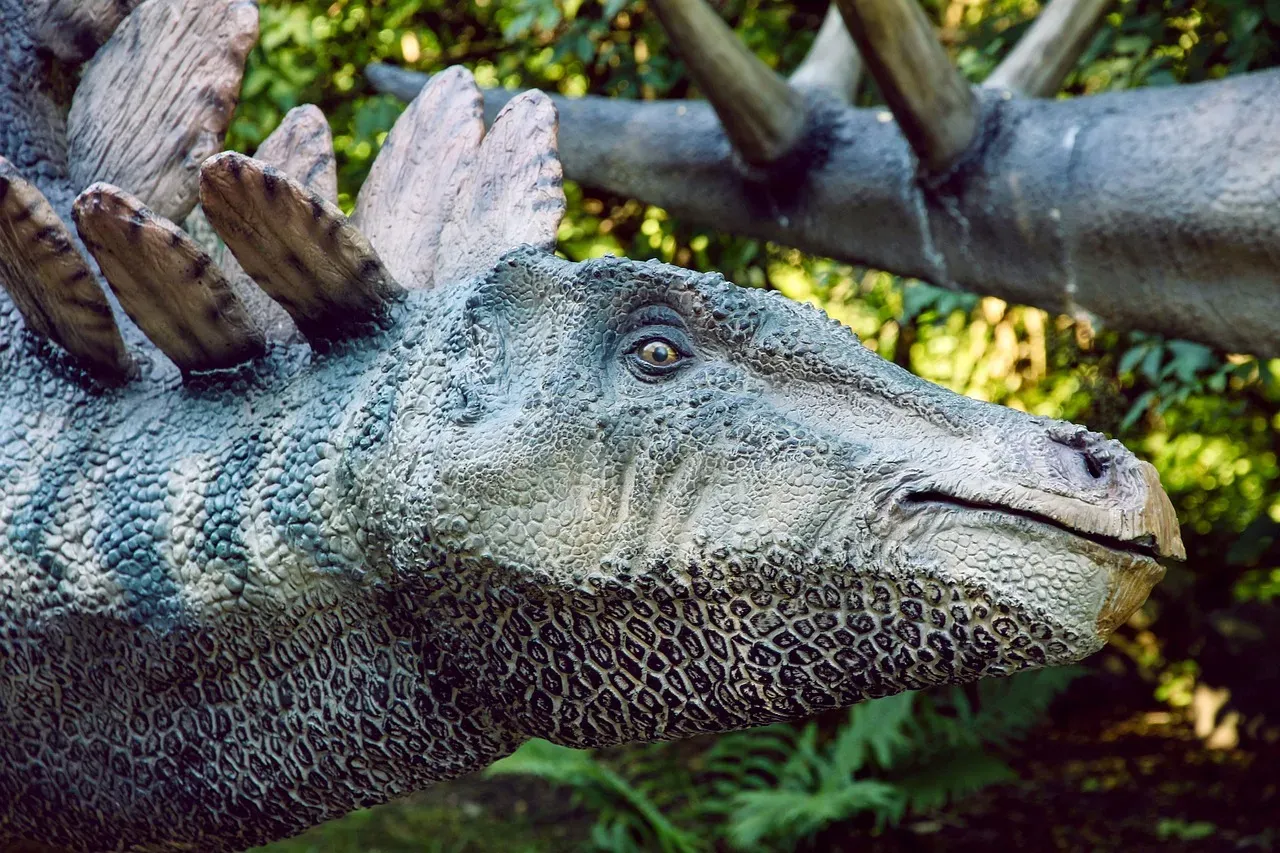
Museum exhibits and children’s books loved gathering the famous names together—Stegosaurus, T. rex, Triceratops, Brachiosaurus—as though they shared one chaotic, oversized world. The dramatic logic made sense. The geological timeline did not. Stegosaurus lived roughly 150 million years ago. T. rex appeared around 68 million years ago. The gap between them is longer than the entire span of time that has passed since the asteroid ended the non-avian dinosaurs.
Precise radiometric dating of volcanic ash layers embedded in rock made the timeline impossible to compress or blur. Fossil hunters dropped the single-era mental picture once museum exhibits were required to include accurate stratigraphic labels. Stegosaurus was as ancient to T. rex as T. rex is to us—and then some. The Mesozoic wasn’t one long party. It was three distinct geological periods separated by enormous stretches of time, each with its own cast of animals, ecosystems, and evolutionary pressures.
#7 — The Earliest Dinosaur Eggs Were Soft and Leathery, Not Hard-Shelled
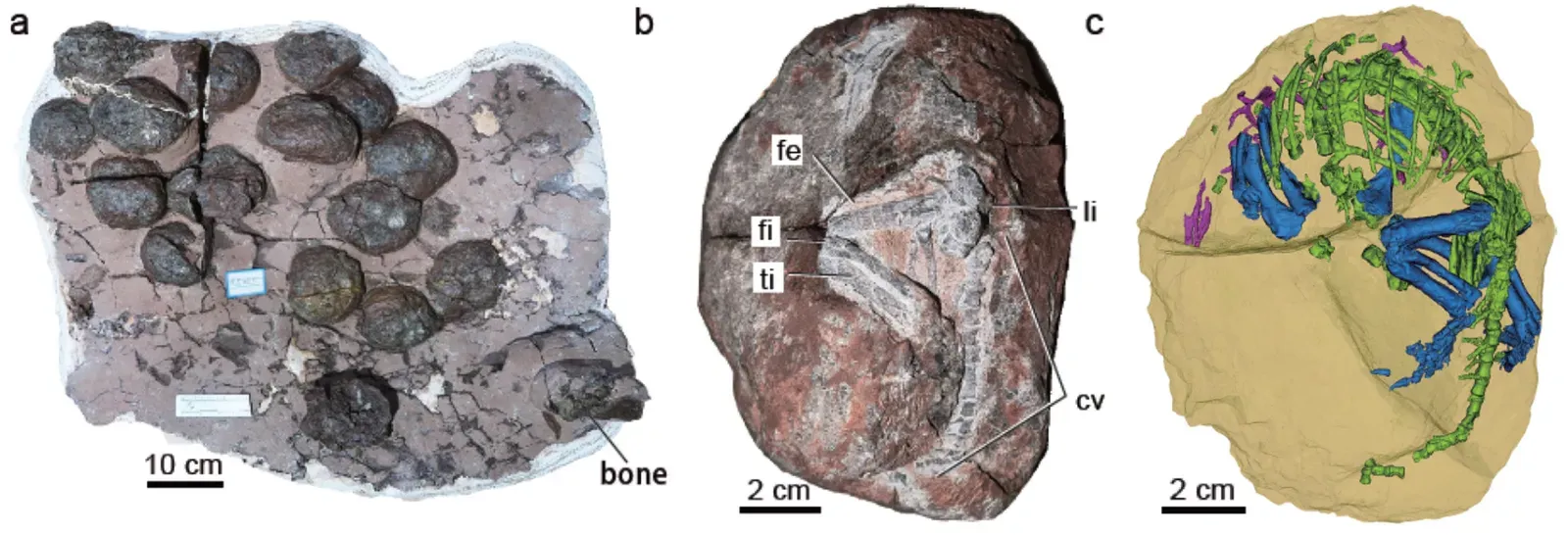
The classic image of a dinosaur nest features rigid, bird-like shells cracking open as hatchlings push through. It’s a satisfying image—clean, familiar, and almost completely wrong for the earliest part of dinosaur history. CT scans of some of the oldest known dinosaur eggs revealed something unexpected: flexible, parchment-like shells far closer to those of modern lizards and snakes than to the hard-shelled bird eggs that dominate the popular imagination.
That discovery forced a fundamental rethink of how early dinosaurs nested and incubated their young. Hard shells likely evolved later and independently in specific lineages as a response to particular environmental and behavioral pressures. The leathery egg wasn’t a failure or a primitive accident—it was the original design, and it worked well enough to persist through early dinosaur evolution. The image of the rigid-shelled nest, it turns out, was another artistic assumption that calcified into accepted fact long before the actual evidence was examined closely enough.
#6 — We Have Almost No Idea What Most Dinosaurs Actually Sounded Like
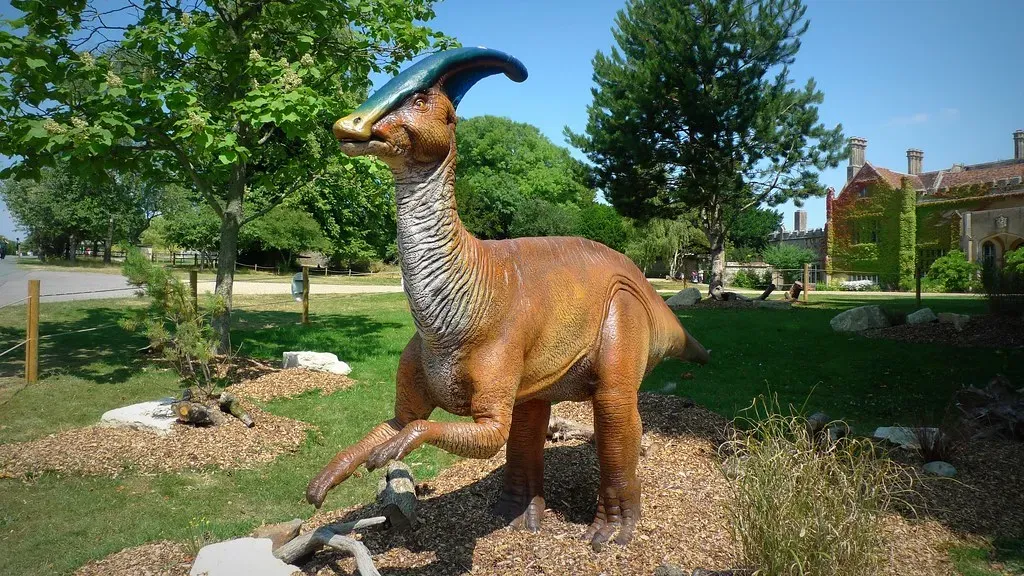
Cinema gave every species a signature roar. T. rex shook the ground with a sound that rattled theater speakers and lodged permanently in cultural memory. Velociraptors screamed. Even herbivores had their dramatic vocal moments. None of it had any meaningful basis in the fossil record, and paleontologists largely stopped pretending otherwise once they were pressed on the evidence. Soft vocal tissues almost never fossilize. The structures that produce sound in living animals leave almost no trace in bone.
The one meaningful exception is Parasaurolophus, whose elaborate hollow crest has an internal structure that researchers have modeled with some confidence, suggesting a deep, resonant, low-frequency call. Everything else is honest guesswork. Some researchers have proposed that many non-avian dinosaurs may have produced closed-mouth vocalizations—deep booming sounds similar to crocodilians or ostriches—rather than open-mouthed roars. The silence on sound is now the scientifically honest position, which makes the movie versions feel even more like pure invention than they already were.
#5 — Those Short Arms on Large Theropods Actually Did Something
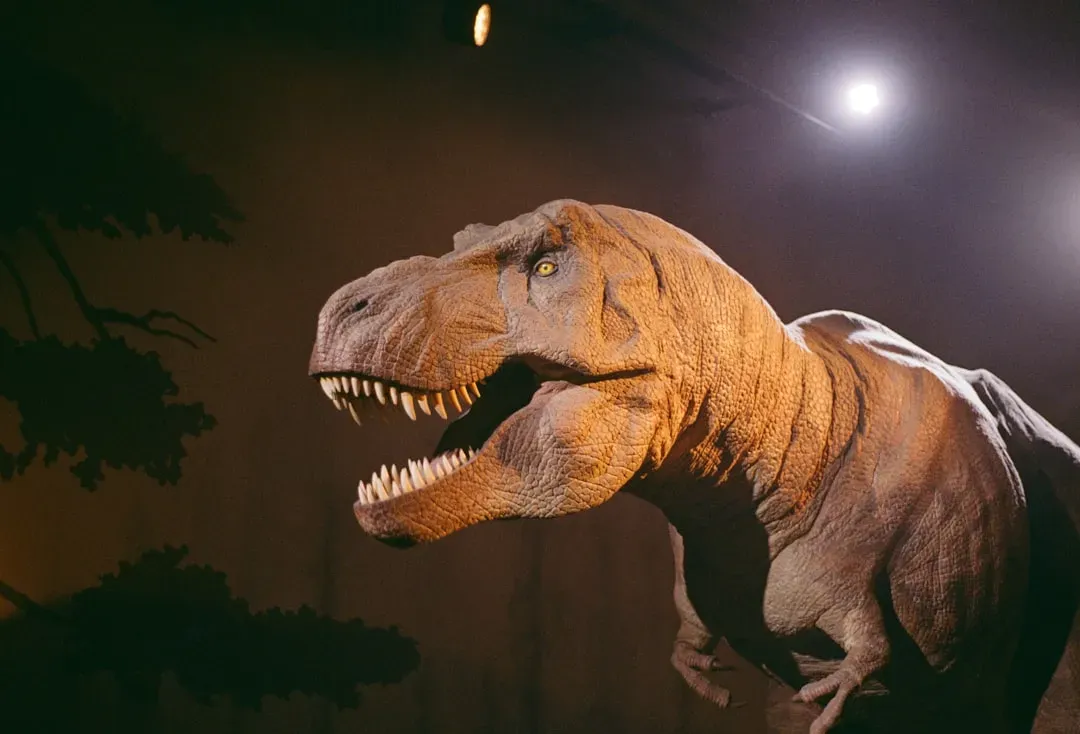
T. rex‘s famously stubby forearms became a cultural joke precisely because they seemed so absurd—this apex predator, this killing machine, dragging around two comically undersized arms that appeared useless by any reasonable measure. The same label got applied broadly to other theropods with reduced forelimbs. "Vestigial" became the default explanation, implying the arms were evolutionary leftovers waiting to disappear entirely. Then researchers started looking more carefully at the muscle attachment points.
Biomechanical analysis of shortened forelimbs in oviraptorosaurs and related theropods revealed robust muscle attachment sites that would not be present if the limbs were truly non-functional. Those arms could generate meaningful force. Current thinking points to specific behavioral uses: display, gripping during mating, stabilizing prey already pinned by the jaws, or manipulating eggs at a nest. New specimens preserved soft-tissue traces around the shoulder regions that reinforced the case. The arms weren’t pointless. They were specialized—and assuming uselessness because something looks small turned out to be a significant analytical mistake.
#4 — A Mammal Once Sank Its Teeth into a Dinosaur’s Ribs
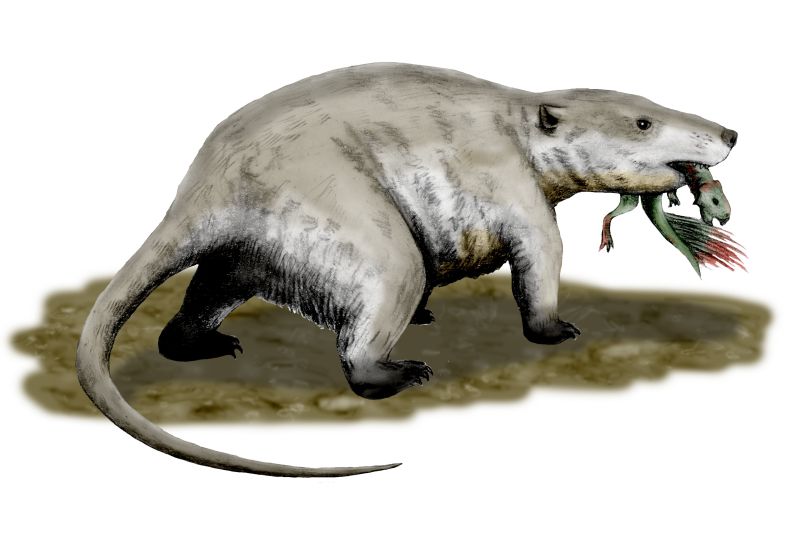
The standard predator hierarchy was neat and satisfying: dinosaurs hunted mammals, mammals hid, and that dynamic held until the asteroid reshuffled the deck. It was a story about vulnerability and survival that made the eventual mammalian takeover feel like a long-delayed justice. Then a 2023 specimen complicated everything. The fossil preserved a cat-sized mammal locked in combat with a dog-sized horned dinosaur—teeth sunk into the dinosaur’s ribs, limbs entangled, the attack still readable in the rock millions of years after both animals died together.
The bite marks confirmed the mammal had initiated contact. This wasn’t a scavenger working on a carcass. This was an active predatory assault by an animal that, by the old narrative, should have been cowering in a burrow. The fossil overturned the simple food-chain hierarchy that had been taught for decades. Small mammals could and did target young, sick, or small dinosaurs when opportunity arose. The relationship between the two groups was messier and more competitive than the clean "dinosaurs on top" story ever acknowledged.
The more fossils we find, the more we realize the Mesozoic was not a world of simple hierarchies. It was as complicated and contested as any ecosystem alive today.
Paul Sereno, Paleontologist, University of Chicago
#3 — Sauropod Necks Were Feats of Structural Engineering, Not Just Elongated Tubes
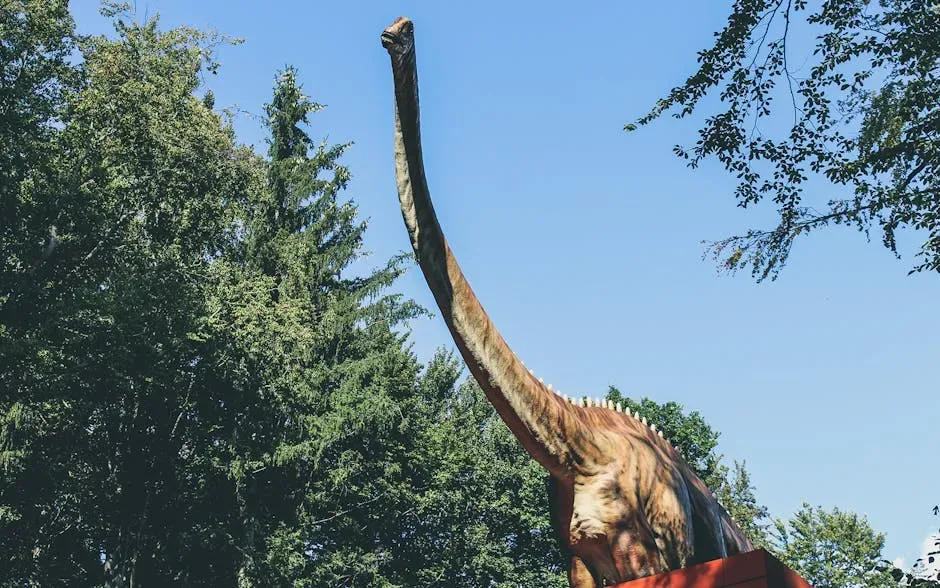
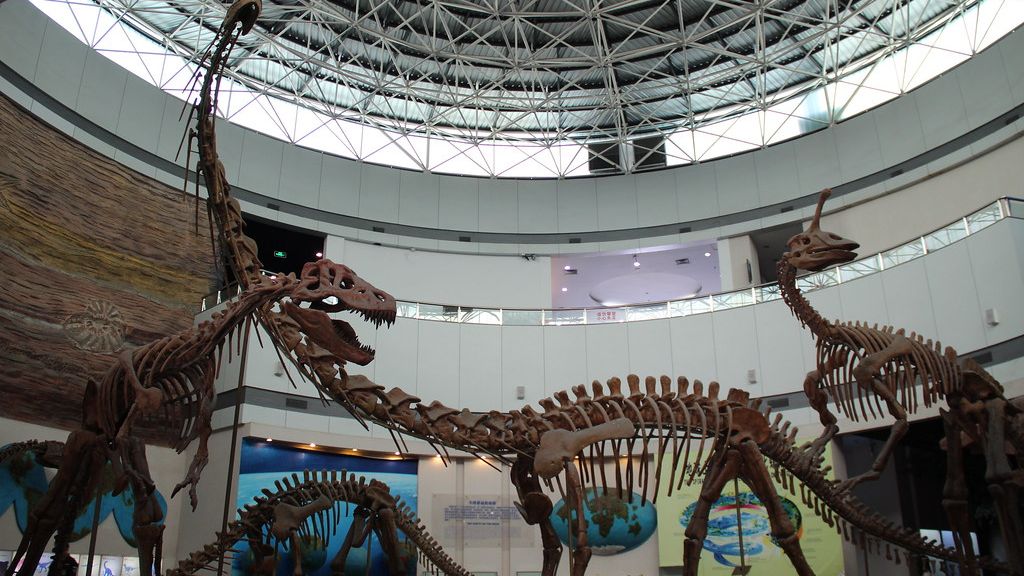
Long-necked sauropods looked, in old reconstructions, like animals that had simply stretched a standard neck to impractical lengths and hoped for the best. The mechanical reality is far more sophisticated. Cervical ribs running along the underside of the neck acted as tension members, like the cables of a suspension bridge, preventing the neck from buckling under its own weight. Meanwhile, an extensive air-sac system honeycombed the vertebrae, reducing mass without sacrificing structural strength.
The combined system allowed necks to reach documented lengths exceeding 45 feet while remaining light enough to actually lift and maneuver. Older biomechanical models had severely underestimated the engineering demands involved in building and operating a neck that long, and the oversimplified "long tube" mental model persisted because no one had done the detailed structural analysis. Once researchers re-examined the vertebrae under that framework, the sophistication of the solution became clear. Evolution didn’t just make the neck longer. It built an entirely novel support architecture to make that length physically possible.
#2 — Some Dinosaurs Thrived in Cold, Dark, Snowy Environments
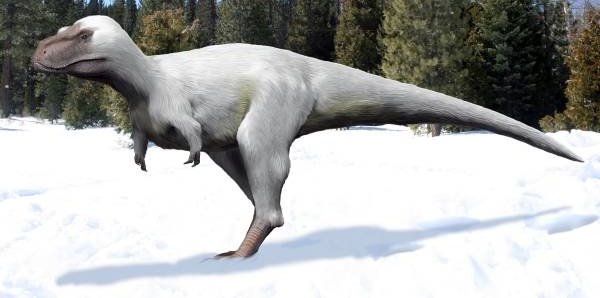
The Mesozoic Era lived in the popular imagination as a permanently tropical greenhouse—humid, warm, dense with vegetation, never a frost. That image made dinosaurs seem like heat-dependent creatures whose comfort zone never extended toward cold. Then high-latitude fossil sites began accumulating, and the animal bones recovered from them told a completely different story. Dinosaur species found near ancient polar regions showed bone growth rings consistent with seasonal stress and associated plant fossils that indicated real winters—not mild cool seasons, but genuine periods of cold and extended darkness.
These weren’t animals that migrated to avoid the cold or sheltered until conditions improved. The evidence suggests many of them stayed year-round, physiologically adapted to endure months of near-freezing temperatures and polar night. Fossil hunters dropped the "warm everywhere" assumption once enough high-latitude bone beds had accumulated to make the pattern undeniable. The dinosaurs didn’t just tolerate a wider range of environments than the textbooks implied—some of them actively colonized the harshest conditions on the planet and apparently thrived there.
#1 — Dinosaurs Dominated Earth for Over 165 Million Years—and We’ve Barely Scratched That Timeline
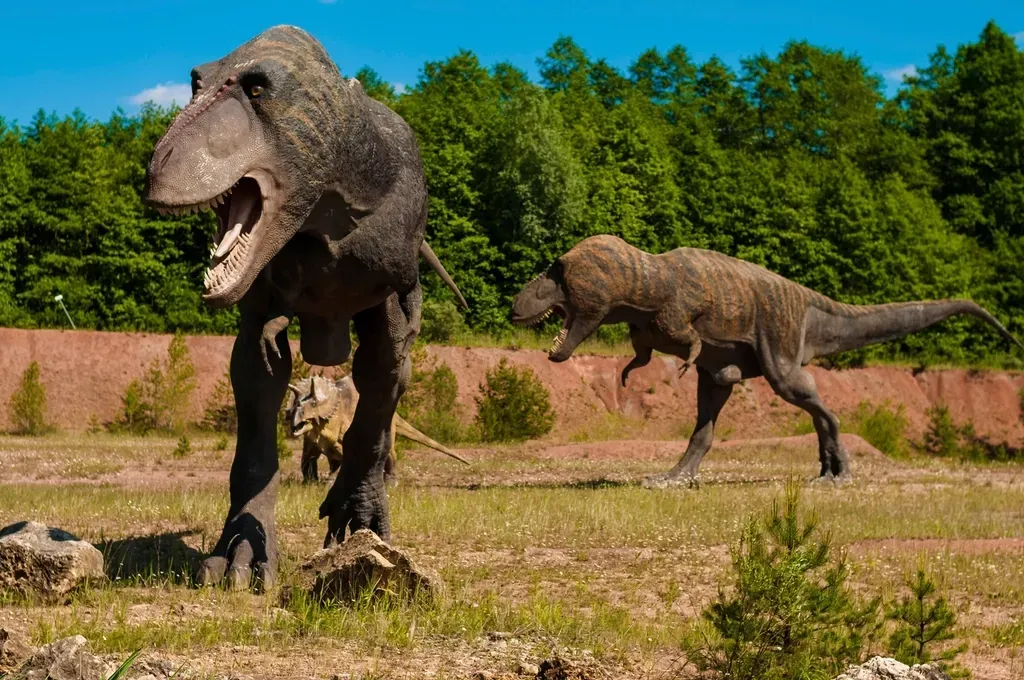
The public tends to treat the dinosaur era as a spectacular but ultimately doomed experiment—impressive while it lasted, but clearly not built to endure. The actual duration of non-avian dinosaur dominance is staggering in a way that numbers alone don’t fully convey. They persisted through three geological periods—the Triassic, Jurassic, and Cretaceous—spanning more than 165 million years. Mammals have been the dominant land vertebrates for roughly 66 million years. Dinosaurs outran that by more than double.
The longevity only registers properly when timelines are laid end to end without compression. That span included multiple mass extinctions, continental drift, dramatic climate shifts, and evolutionary arms races that produced animals ranging from chicken-sized insectivores to 80-ton titanosaurs. The “flash in the pan” narrative quietly disappeared from serious paleontology once researchers started doing the math honestly. The asteroid that ended their run was not exposing a weakness. It was interrupting what had been, by any objective measure, one of the most successful vertebrate dynasties in the history of complex life on Earth—one whose survivors are still with us every time a bird crosses the sky.
Here’s what’s worth sitting with: almost every foundational image most people carry about dinosaurs—the exposed fangs, the uniform scale, the tropical sameness, the permanent extinction—was an assumption dressed up as a conclusion. The actual fossil record is stranger, richer, and more humbling than any of those tidy pictures suggested. And the unsettling part isn’t that scientists got things wrong. It’s that some of those corrections have been sitting in the peer-reviewed literature for twenty or thirty years while the old versions kept circulating in classrooms, museums, and movies. The truth was always stranger. It just took a while for the stranger truth to get equal airtime.