There’s a good chance that, if you grew up in the nineties or early 2000s, the first dinosaur that ever really scared you was not a museum skeleton, but a roaring, wet‑skinned Tyrannosaurus on a TV screen. Jurassic Park did something textbooks never could: it made dinosaurs feel terrifyingly alive. For a lot of kids, it was the first time prehistory felt less like dusty fossils and more like a real world you might accidentally step into if the power went out.
But buried underneath the screams, the animatronics, and the theme music was something quieter and stranger: the film quietly rewired how children imagined the deep past. Kids came away knowing words like “Velociraptor” and “dilophosaurus” before they could spell “paleontology,” yet they also absorbed half‑truths and Hollywood flourishes that stuck for decades. Jurassic Park helped a generation fall in love with dinosaurs, while also planting misconceptions that scientists have spent years patiently untangling.
The moment dinosaurs stopped being “big lizards” and became living animals
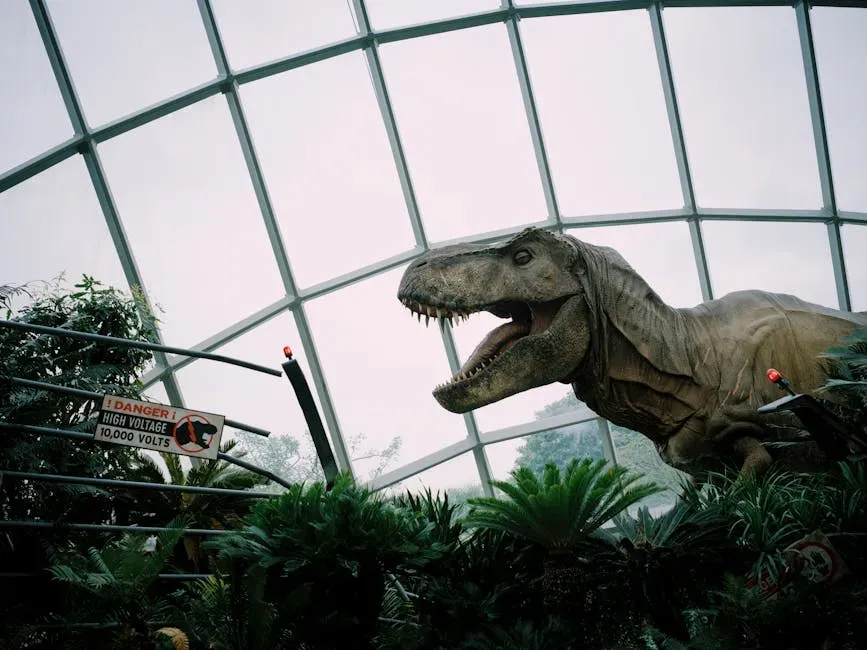
Before Jurassic Park, dinosaurs in popular culture were often lumbering, tail‑dragging monsters that moved like sluggish crocodiles in stop‑motion films. For many kids, dinosaurs were either cartoon mascots on cereal boxes or stiff plastic toys, more like fantasy dragons than anything that had really walked the Earth. Jurassic Park blew that image apart in the first minutes, showing animals that breathed, blinked, hunted, and reacted like something you might see on a wildlife documentary, not in a fairy tale.
This film arrived just as the “dinosaur renaissance” in science was filtering into the mainstream, with paleontologists arguing dinosaurs were active, warm‑blooded, and more birdlike than reptilian. The movie translated that debate into pure emotion: you did not just see a T. rex, you felt its footsteps in your chest. For a whole generation of children, that visceral experience overwrote the older stereotype. From then on, dinosaurs were not just “giant reptiles”; they were complex, dynamic animals that might have nested, cared for their young, and filled ecosystems much like today’s big mammals and birds.
How Jurassic Park made dinosaur science feel glamorous, modern, and a little dangerous
One of the quiet revolutions of Jurassic Park is that it made paleontologists look like the heroes of a techno‑thriller instead of introverts in dusty basements. Kids did not just remember the dinosaurs; they remembered the dig sites, the ground‑penetrating radar, the computer screens full of genetic code. The film suggested that studying ancient bones could lead directly into cutting‑edge genetics, powerful computers, and even world‑changing technology (for better or worse).
For children watching in the mid‑1990s, this merged dinosaurs with a broader fascination with science and technology. Dinosaurs were no longer only something you found in encyclopedias; they were at the center of debates about cloning, chaos theory, and the ethics of playing with nature. Many kids who were obsessed with the movie did not just want to see dinosaurs; they wanted to be the kind of scientist who could bring them back, even if the story was meant as a warning. That shift made dinosaur science feel more like a thrilling frontier than a quiet academic niche.
The raptor problem: when a movie villain becomes the “face” of dinosaur intelligence
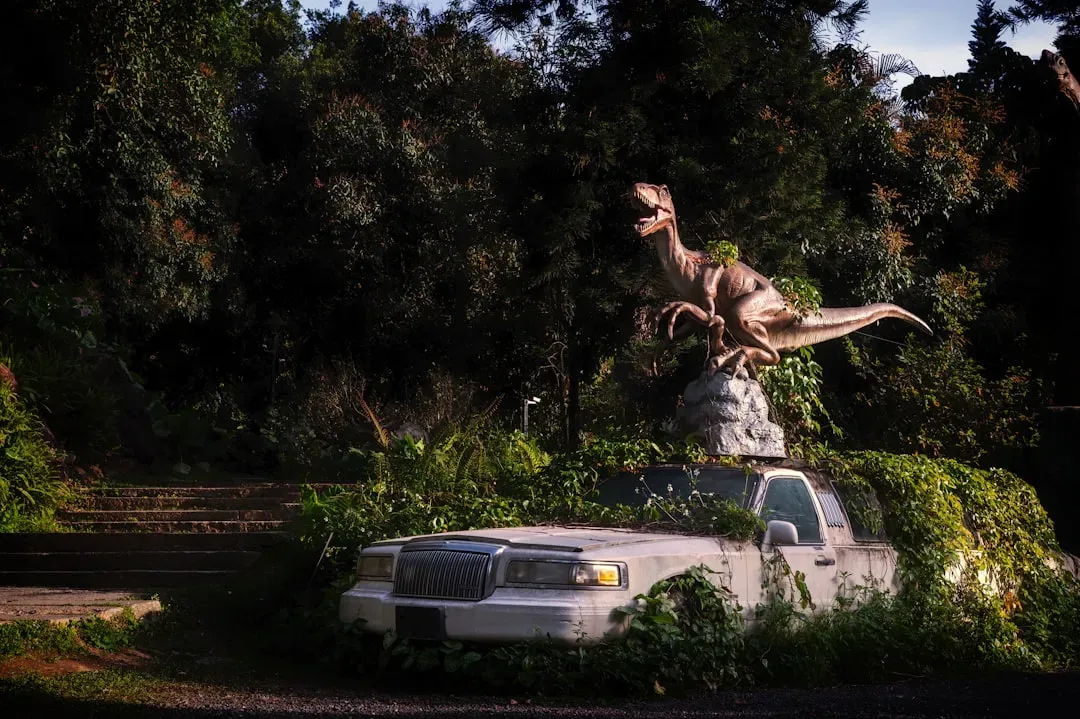
If there’s one creature that captured kids’ imaginations as fiercely as T. rex, it was the Velociraptor. Jurassic Park turned raptors into hyper‑intelligent, door‑opening, pack‑hunting predators with eerie, almost human cunning. Children came away whispering about how they could test fences, set traps, and stalk prey with chilling coordination. Those sequences left a psychological scar in the best possible way; playground debates about whether you could survive a raptor attack became a rite of passage.
The funny twist is that the film’s “raptors” were closer in size to another real dinosaur called Deinonychus, while real Velociraptors were smaller, more turkey‑sized animals that likely had feathers. The movie cranked up their intelligence and menace for the sake of suspense, and those choices stuck. For a whole generation, the idea that some dinosaurs were practically supervillains overshadowed the more nuanced reality: they were probably smart for reptiles, maybe on par with some modern birds, but they were not shadowy geniuses trying to outwit door handles. We understood that dinosaurs could be clever hunters, but we also walked away with a Hollywood‑shaped exaggeration of what that meant.
The T. rex mythos: king of the dinosaurs, but not quite as shown
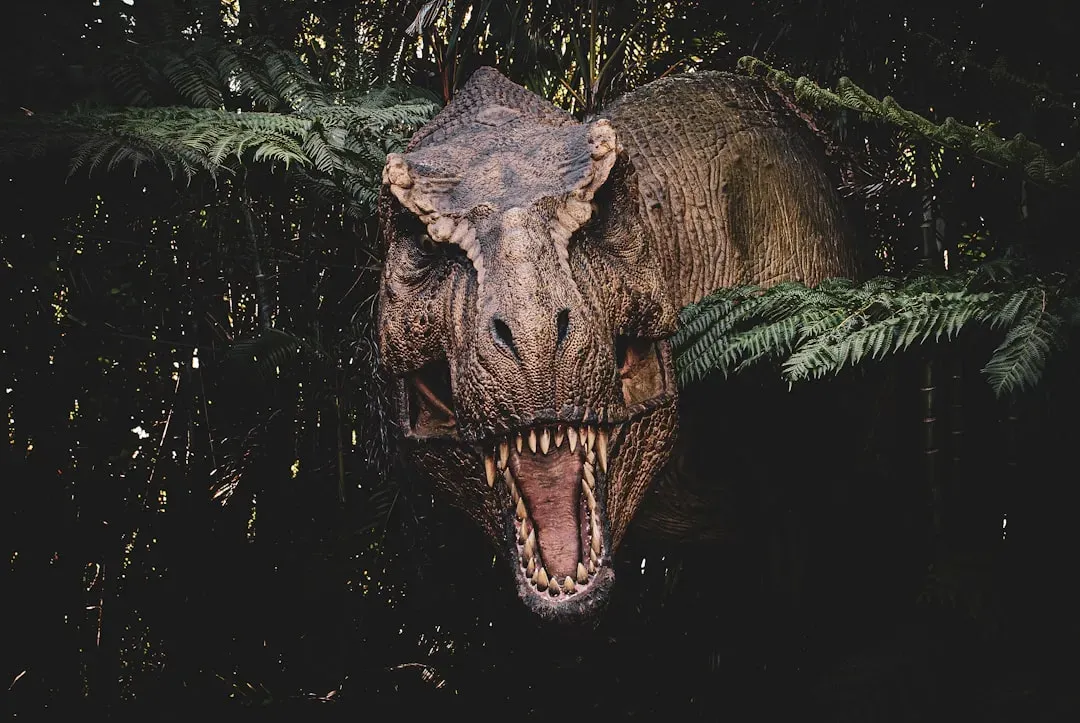
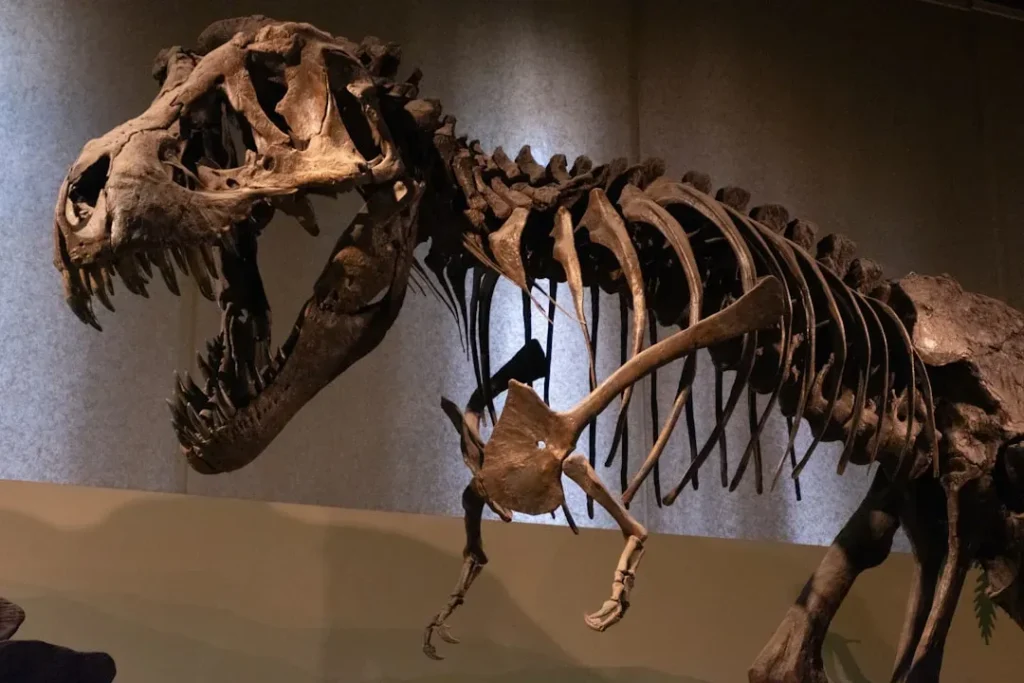
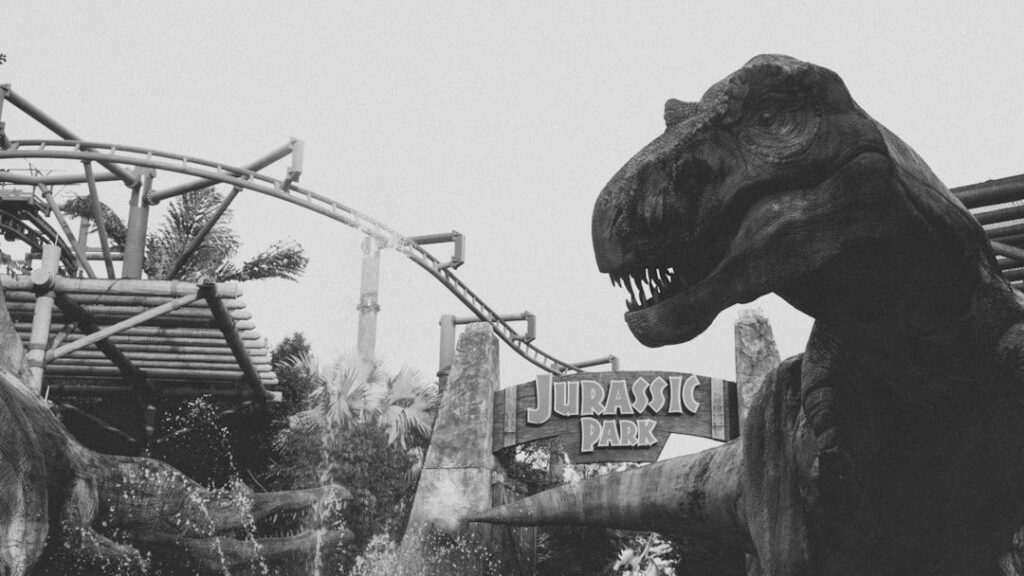
The T. rex in Jurassic Park is a masterpiece of character design: huge, predatory, unpredictable, and strangely charismatic. Kids internalized the idea that T. rex could not see you if you stayed still, that it roared with window‑shaking power, and that it was the undisputed king of every dinosaur landscape. The image of that enormous head emerging from the broken fence in the rain may be one of the most enduring frames in modern cinema, and it burned an almost mythic version of the animal into young minds.
Later research has challenged some of what the movie suggested, and that has been confusing for those who grew up with the film. Evidence points to T. rex having pretty good vision, possibly excellent, not the motion‑only eyesight that the film dramatized. Its roar was likely nothing like the cinematic sound design that blended lions, tigers, and who knows what else, and its posture and movement have been refined by further study. Still, the movie’s T. rex did something important: it pushed kids to care enough to follow those scientific updates. Even if the details were off, it made T. rex feel like a real animal worth arguing about, not just a Halloween costume.
Feathers, colors, and the long shadow of scaly movie dinosaurs
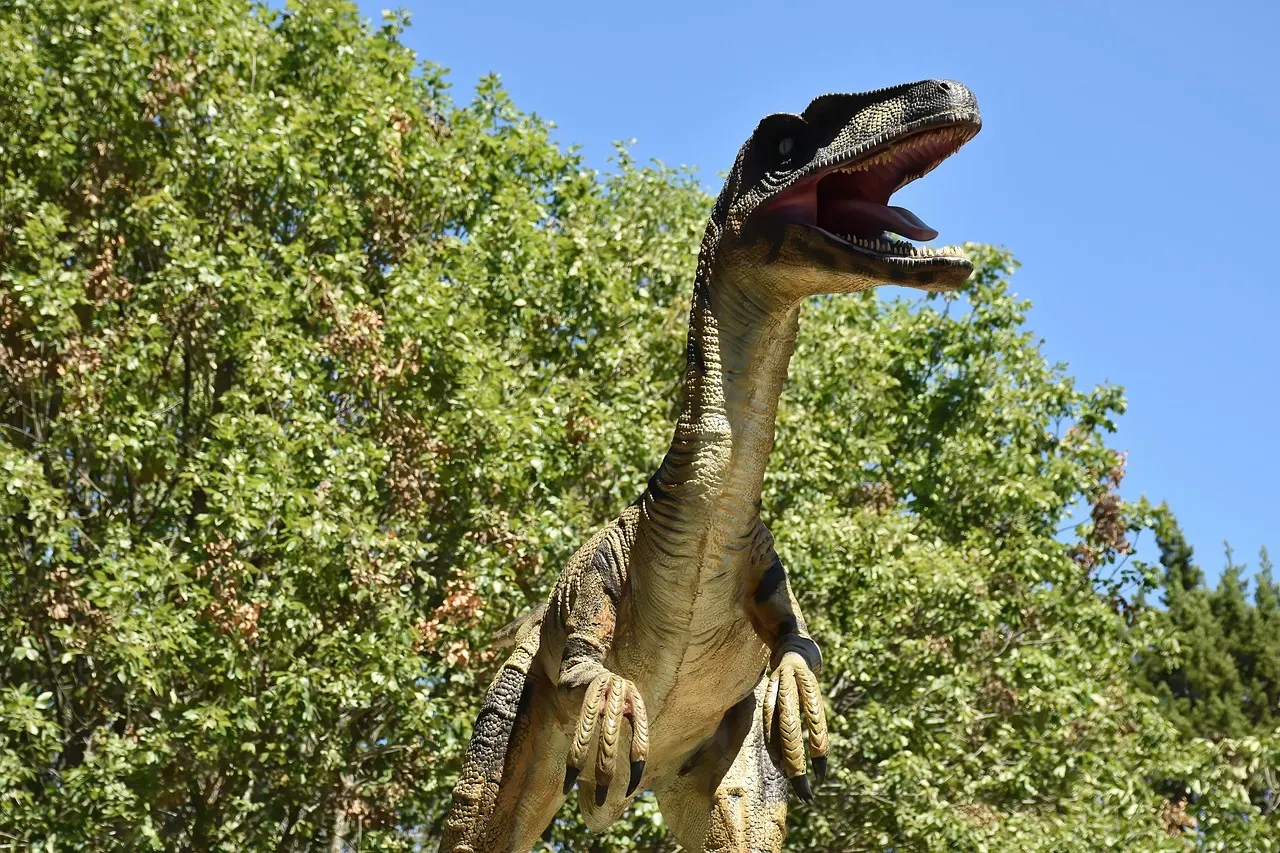
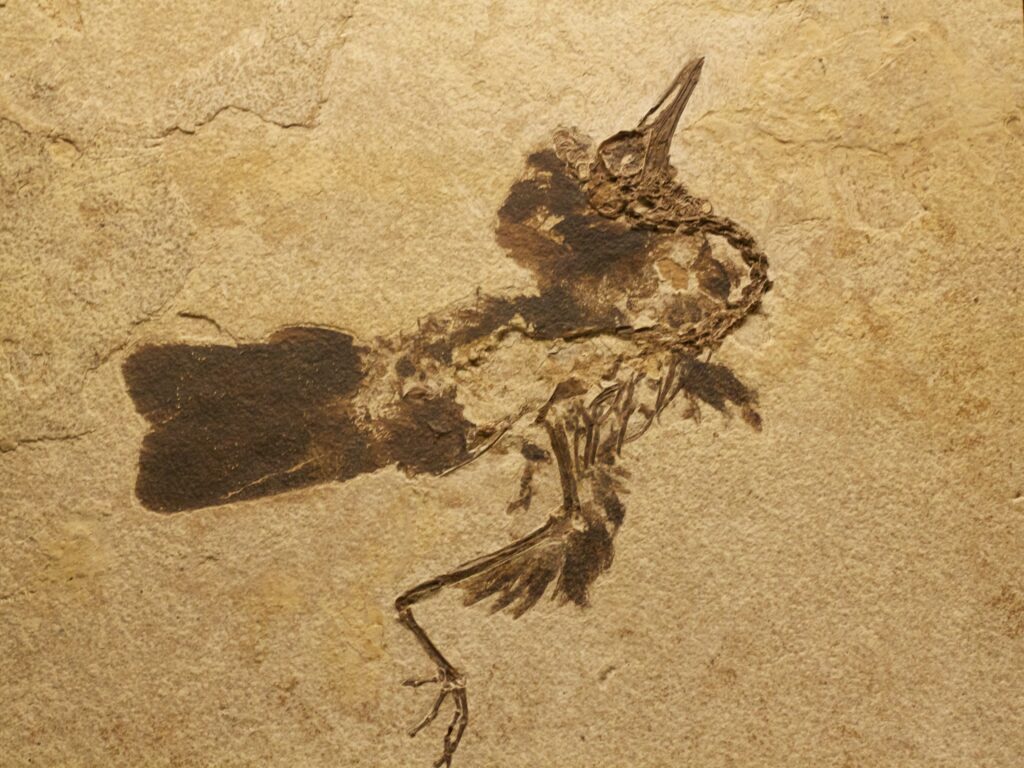
One of the biggest gaps between Jurassic Park’s dinosaurs and modern science is the question of feathers. By the time many of the kids who worshipped the film grew up, paleontologists had uncovered a wealth of fossils strongly suggesting that numerous theropod dinosaurs – the group that includes raptors and the ancestors of birds – had feathers or featherlike coverings. That created a weird emotional whiplash: the sleek, scaly predators of the movie had to be mentally “updated” into something more birdlike and, to some fans, less intimidating at first glance.
Because Jurassic Park was so visually iconic, it set a baseline expectation for what a “real” dinosaur should look like, even when the evidence moved on. Adding feathers in later media sometimes felt wrong to people not because of data, but because it violated what their childhood had taught them. The film also cemented a palette of dinosaur colors – earthy browns and greens, camouflage patterns – that may or may not match reality. Some fossil evidence hints that dinosaurs could have had striking color patterns, but the movie’s grounded, military‑style designs defined “believability” for millions of viewers. In that sense, it both pulled public understanding closer to science in some ways and froze it in place in others.
DNA, cloning, and the seductive illusion that “we could really do this”
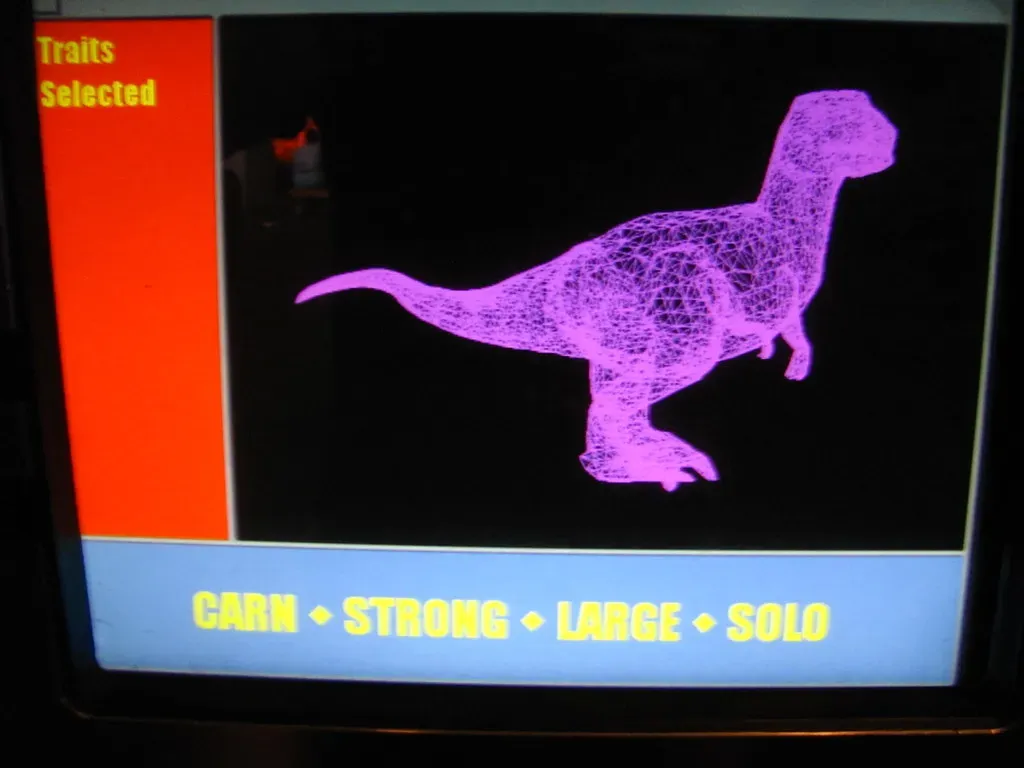
Jurassic Park’s whole premise rests on extracting dinosaur DNA from ancient mosquitoes trapped in amber, patching the gaps with DNA from living animals, and then hatching living dinosaurs. For kids, this felt thrillingly plausible. Many of us walked away sincerely convinced that we were only a few technical steps away from a real dinosaur park, maybe just waiting for governments to “allow it” or corporations to “fund it.” The movie fused real concepts, like DNA sequencing and genetic engineering, with speculative leaps that were easy to miss if you were ten years old and glued to the screen.
In reality, DNA breaks down over time, and findings suggest it does not survive intact for the tens of millions of years that separate us from the dinosaurs of the Jurassic and Cretaceous. The idea of cloning a dinosaur from fossil DNA is extremely unlikely given what we know now, but for an entire generation, it felt like the sort of project a determined genius could pull off in a secret lab. That misunderstanding had a double edge: it overstated how close we are to resurrecting the past, while also sparking genuine interest in genetics, de‑extinction projects for more recent species, and the ethics of tinkering with life. The science was bent, but the curiosity it triggered was very real.
From fear to fascination: how childhood terror turned into lifelong dinosaur fandom

For many children, Jurassic Park was their first real horror experience. Hiding behind couch cushions during the kitchen raptor scene, watching through fingers during the electric fence escape, or jumping at the sudden appearance of the T. rex in the final act became core memories. Yet that fear oddly transformed into fascination. Kids who had nightmares about raptors prowling their hallways were the same kids who begged for dinosaur encyclopedias, posters, and video games a few months later.
That emotional roller coaster forged a deep personal connection to prehistoric life that dry diagrams alone could never offer. Dinosaurs stopped being distant, abstract creatures and became part of people’s inner worlds – something you could daydream about, role‑play as, or draw obsessively. For a lot of adults today, their lingering interest in natural history, evolution, or even broader science traces back to that one film. Jurassic Park may have scared them, and it definitely misled them in places, but it also opened a door: once you cared enough to argue about the details, you were already half a scientist at heart.
Balancing awe and accuracy: why Jurassic Park still matters to our dinosaur imagination
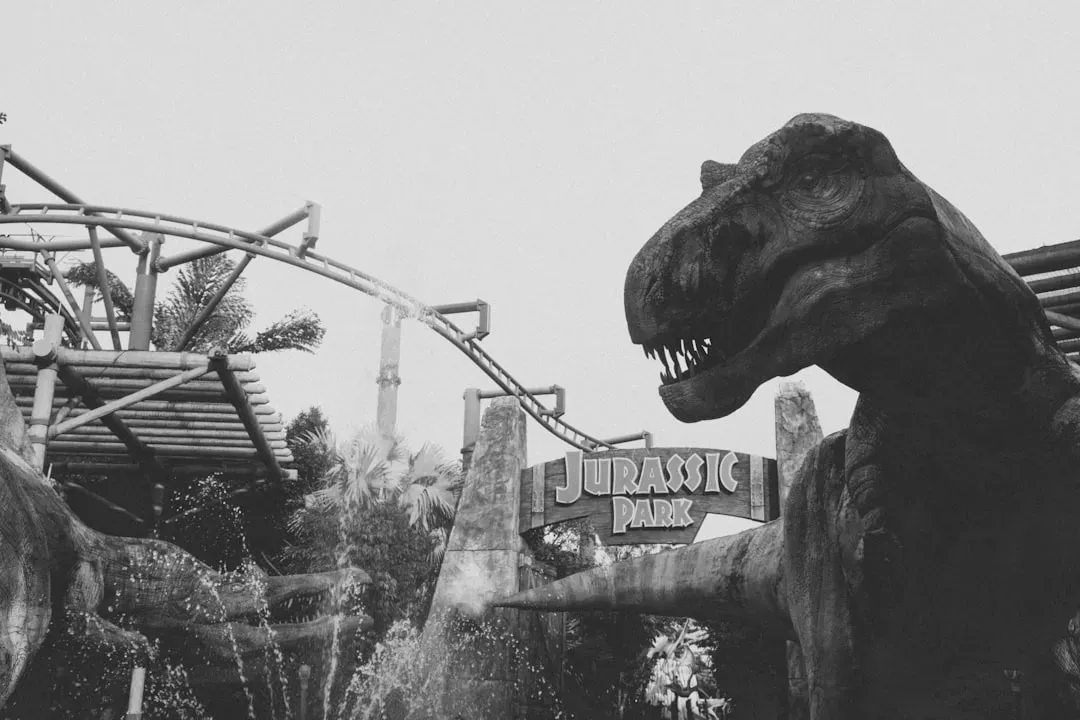
Looking back from 2026, it is tempting to judge Jurassic Park harshly for every scientific shortcut: the wrong raptor size, the missing feathers, the over‑the‑top intelligence, the fanciful genetics. But that misses the deeper truth about how people, especially children, actually learn to care about the past. The movie did not function as a textbook; it functioned as a spark. It took the best available science of its time, mixed it with storytelling and spectacle, and delivered an emotional payload strong enough that people are still arguing about it three decades later.
In my view, Jurassic Park changed a generation’s understanding of dinosaurs in a beautifully messy way. It pushed us closer to modern ideas of active, birdlike, behaviorally rich animals, while also locking in some myths that scientists have had to patiently correct ever since. Yet that tension is not a failure; it is the cost of lighting a fire in millions of young minds. The real question is not whether the film got everything right, but whether it made people care enough to keep listening as the science evolved – and on that front, it succeeded spectacularly. When you think about dinosaurs today, are you picturing a museum fossil, or are you still hearing footsteps in the rain?