If you grew up picturing dinosaurs as scaly, roaring movie monsters, recent paleontology has probably felt a bit like watching your childhood get fact-checked in real time. Over the last couple of decades, scientists have quietly (and sometimes not so quietly) corrected a whole list of misconceptions about how dinosaurs looked, moved, sounded, and even behaved. Some of these updates are serious and deeply scientific; others are, frankly, hilarious when you realize how wrong our old mental images were.
What makes it even better is that these corrections are not coming from armchair critics but from the very people who devote their lives to digging up dinosaur bones. Paleontologists have had to publish genuinely straight-faced scientific papers that amount to: “Actually, T. rex probably did not sprint like a sports car” or “No, that dinosaur was not naked, it was basically a murder-chicken in a feather coat.” Let’s walk through some of the funniest and most surprising course corrections scientists have made about dinosaurs in recent years, and why they matter more than you might think.
We Used To Think Dinosaurs Were All Giant Scaly Lizards
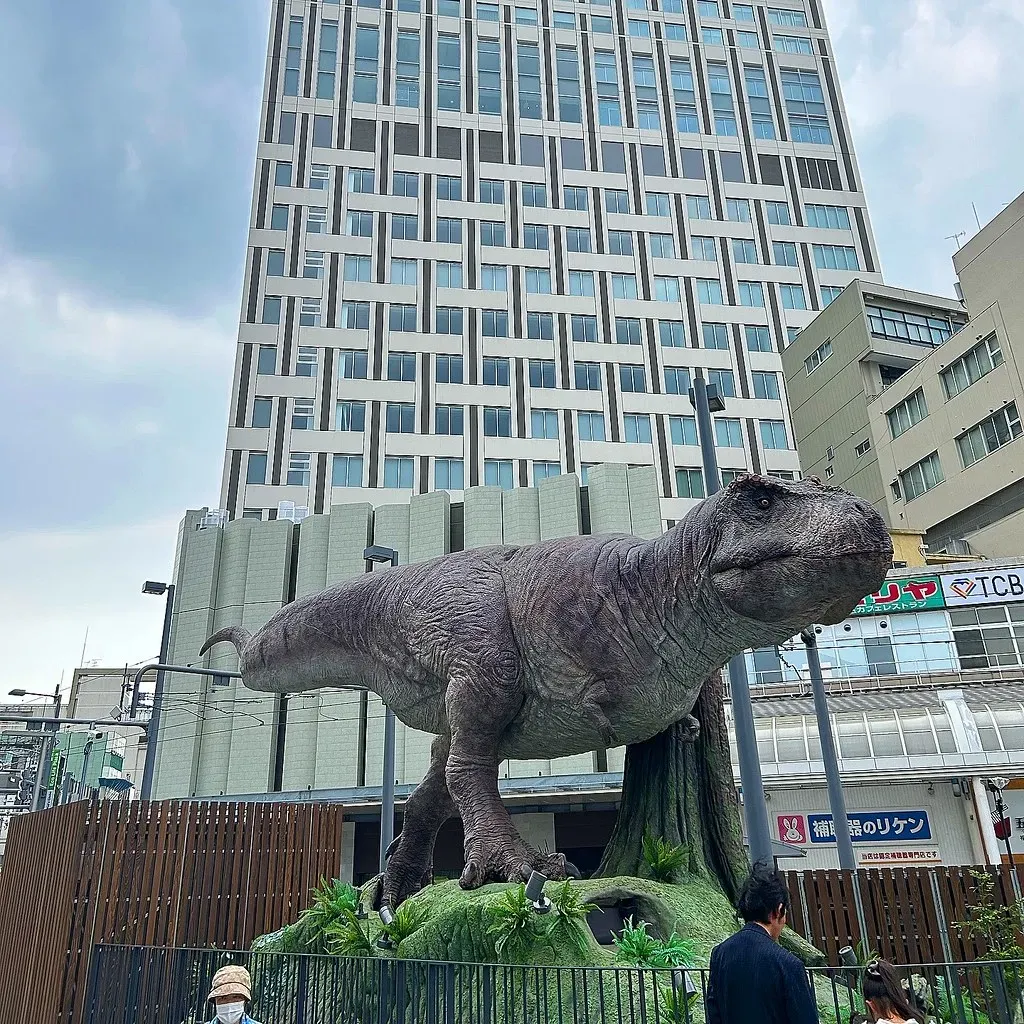
For a long time, the official image of a dinosaur looked more like a huge crocodile crossed with a sluggish lizard: dark, leathery skin, maybe a few bumps, and not much else. Museum mounts, textbooks, and early documentaries pushed this look so hard that people were genuinely shocked when feathered dinosaur reconstructions started showing up. Paleontologists have spent years patiently explaining that many theropod dinosaurs – especially those related to birds – almost certainly had feathers, fuzzy coats, or at least partial plumage.
The funny part is how jarring the transition has been in popular culture. Imagine being a scientist having to calmly tell a film studio that their terrifying raptor design really needs more fluff, like someone slipped a hawk into a motorcycle jacket. We now know several species with direct evidence of feathers preserved in fine-grained fossils, and some early dinosaurs likely looked more like oversized parrots or ground birds than dragon-like reptiles. That means the “classic” bare, scaly versions are more outdated costume than accurate portrait – like insisting knights wore shiny armor made of plastic.
Raptors Were Not the Human-Sized Movie Villains We Thought
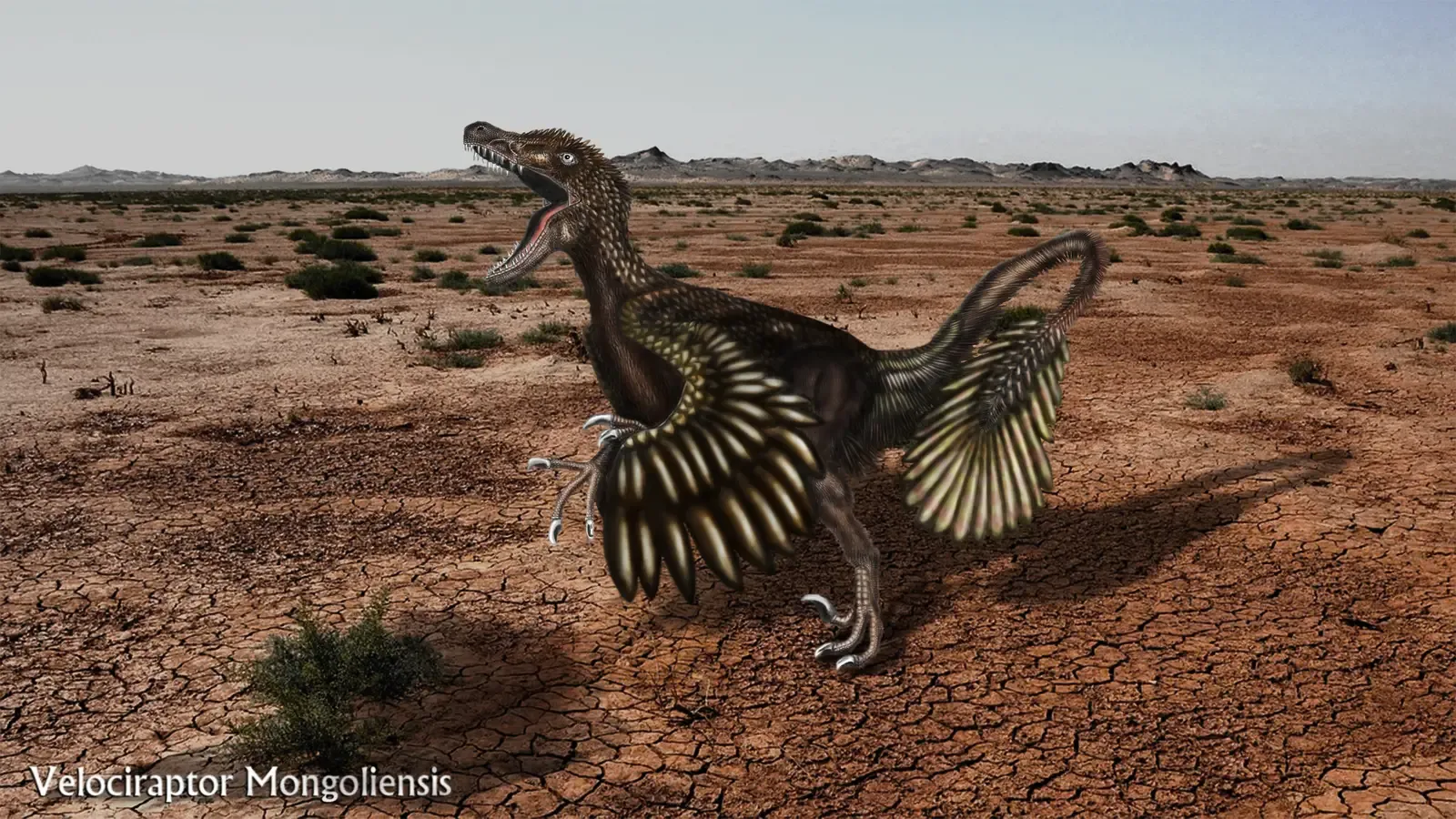
One of the biggest pop culture corrections paleontologists have had to make involves the famous “raptors.” Thanks to blockbuster movies, many people picture Velociraptor as a human-tall, door-opening nightmare with knife-like claws and lizard skin. In reality, the actual Velociraptor was closer in size to a large turkey, and it was feathered. The big, scaly movie raptors are closer to a different dinosaur group in body size, but the name and look got mashed together into one stylish horror mascot.
Paleontologists have had to patiently explain, over and over, that a real Velociraptor would not stare you in the eye without hopping up on something first. This mismatch has actually become a running joke in the field: the idea that one of the most famous dinosaurs in the world is basically fan fiction with a cool-sounding name attached. The scientific reality – a lithe, birdlike hunter with feathers and a relatively modest frame – is no less fascinating, but it does make the movie version feel like someone took a house cat, scaled it up, shaved it, and called it a lion.
T. rex Probably Didn’t Sprint Like a Sports Car
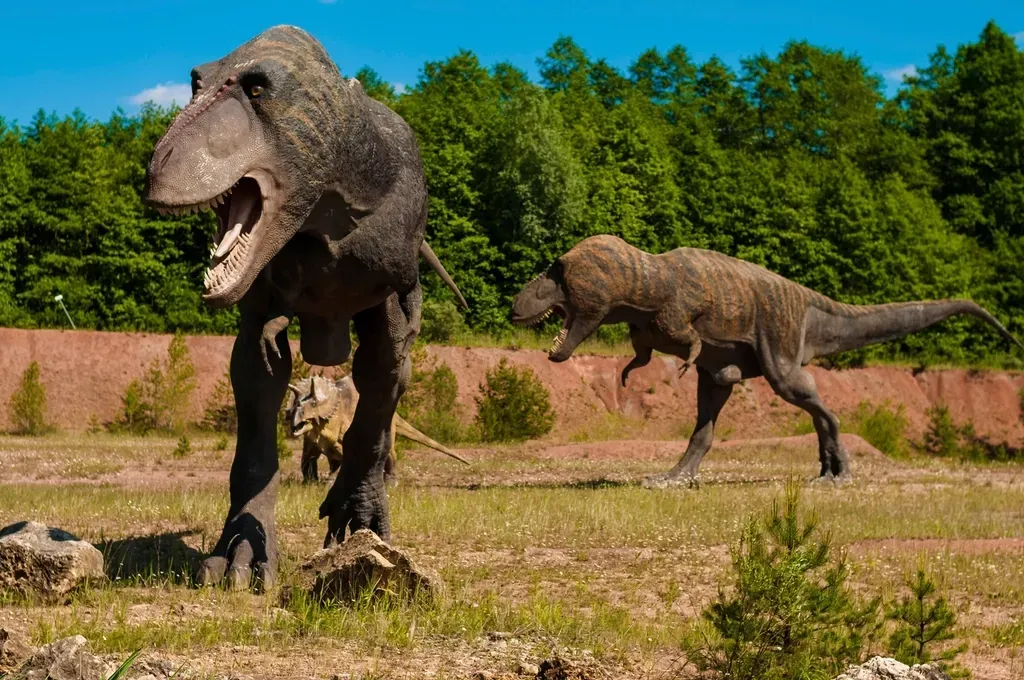
For years, documentaries and movies joyfully showed Tyrannosaurus rex barreling across open plains like a freight train at top speed, sometimes keeping pace with vehicles. It looked cinematic, but it never really sat well with biomechanics experts. In recent years, detailed computer models that factor in bone strength, muscle mass, and balance have forced a big correction: a fully grown T. rex was likely a fast walker or jogger, not an agile sprinter. Its massive size would have put extreme stress on its legs if it tried to run as fast as popular media once suggested.
There is something funny about needing high-end physics simulations to tell us that a multi-ton predator with thigh bones thicker than your torso probably did not move like a cheetah. Paleontologists now talk in terms of brisk walking or moderate running speeds, which is still terrifying if you imagine something that big casually striding after you. The updated image is less racecar and more unstoppable, walking tank – slower than you thought, but absolutely not something you could just jog away from.
No, Most Dinosaurs Did Not Drag Their Tails Like Giant Lizards
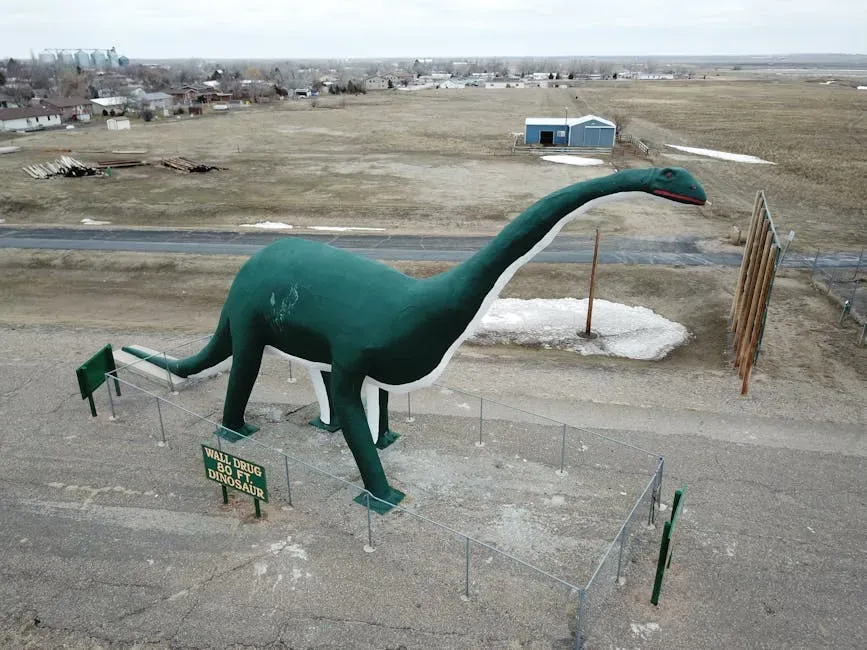
Older museum skeletons often show dinosaurs posed like oversized Komodo dragons, backs sloping and tails drooping along the ground. For a long time that was the standard: tails were heavy counterweights that just sort of trailed behind, dragging through the dirt. Then trackway evidence and modern biomechanics work started making it clear that many dinosaurs actually held their tails off the ground, more like a balancing beam. Paleontologists had to go back and correct decades of art, models, and even physical mounts.
In some cases, this meant literally reposing entire skeletons to raise the tail into a horizontal position. The idea that those elegant tails were designed to scrape the earth turned out to be about as accurate as drawing a tightrope walker dragging their balancing pole behind them on the floor. Once you see updated reconstructions with straight, elevated tails, the old low-slung dragon poses look oddly deflated, like the dinosaur fell asleep halfway through walking. The correction is both scientifically important and strangely comical, given how many textbooks got it wrong for so long.
Many Dinosaurs Were Not The Dull, Mud-Colored Animals We Imagined
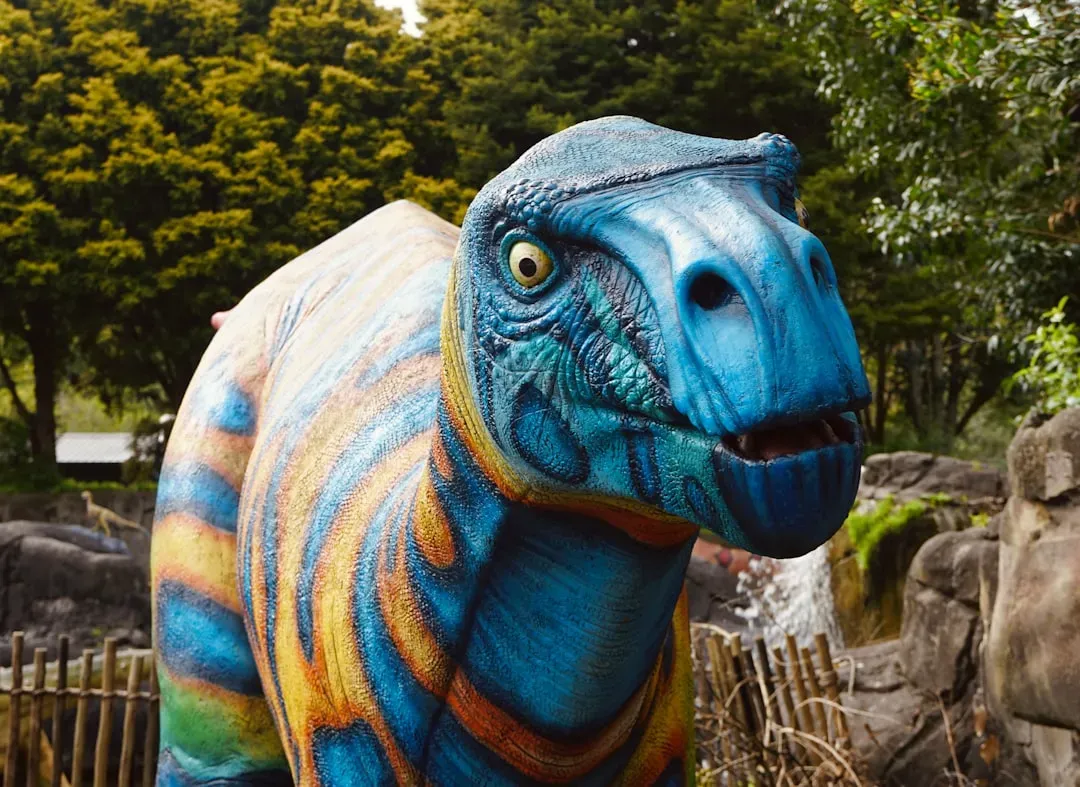
For most of the twentieth century, dinosaurs were almost always colored in the safest possible way: greenish-brown, gray, maybe a darker back, and that was about it. It was the paint-by-numbers version of prehistoric life, based more on caution than evidence. As paleontologists began studying fossilized pigment structures called melanosomes in exceptionally preserved feathers and skin impressions, they realized they could infer actual colors and patterns for some species. The results? Some dinosaurs were patterned, banded, or even iridescent, with markings that wouldn’t look out of place on modern birds.
The idea that we once insisted these animals were basically walking mud-colored blobs now feels almost embarrassing. Imagine learning that you spent decades drawing tropical birds in grayscale because you assumed color was “too speculative.” Paleontologists have had to officially correct the old, colorless view and embrace a more vivid, sometimes showy dinosaur world. The shift has turned some reconstructions from drab creatures into what look like prehistoric fashion experiments, complete with contrasting stripes, spots, or even shimmering feathers that would have flashed in the sun.
Dinosaur Posture: From Upright Tail-Dragging To Athletic, Birdlike Stances
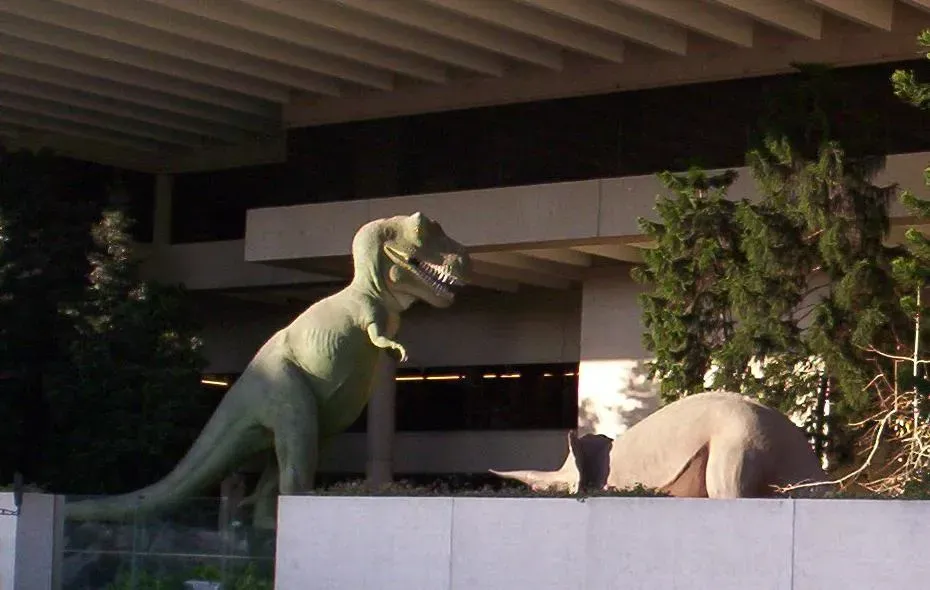
If you flip through very old dinosaur books, you’ll see creatures like Iguanodon and early reconstructions of T. rex standing almost vertically, like a kangaroo trying to impersonate a lamp post. That upright posture, with the body tilted steeply and the head way up high, has since been debunked as biomechanically awkward and inconsistent with their anatomy. Over time, paleontologists have corrected these poses, showing that many dinosaurs carried their bodies horizontally, with the spine more or less level and the tail balancing behind.
This change seems simple, but it completely alters how dynamic and athletic these animals look. The old stance was like forcing a greyhound to stand like a person; the new one lets the skeleton flow the way the joints and muscle attachments suggest. Scientists had to formally correct many museum mounts and published illustrations to match this more accurate, birdlike posture. The result is that dinosaurs now look less like clumsy, tail-propping monsters and more like powerful, well-balanced animals built to move with purpose.
The Roar Problem: Dinosaurs Might Have Sounded A Lot Less Like Movie Monsters
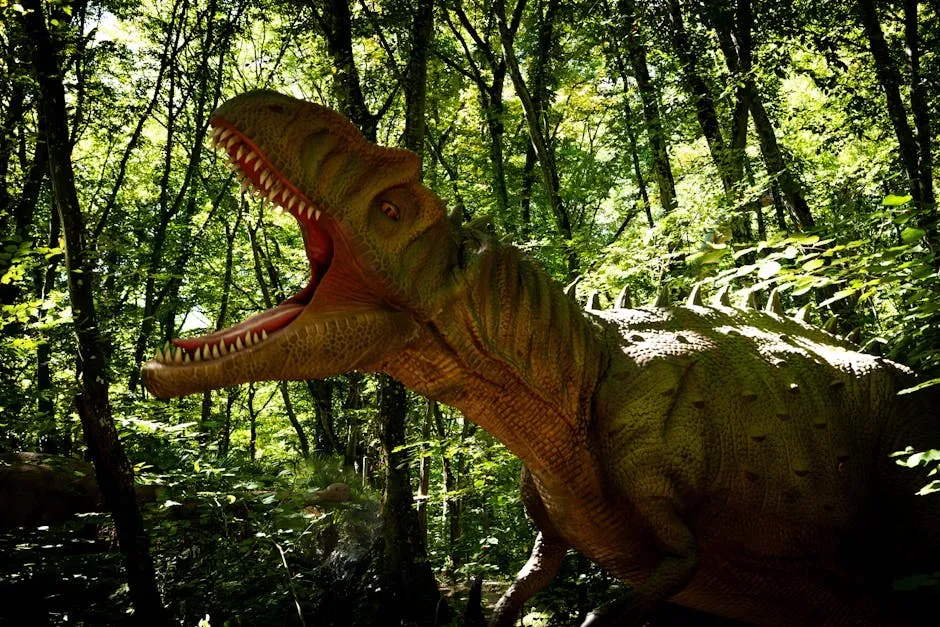
Cinema has trained us to hear dinosaurs as deafening, echoing roar machines, somewhere between a lion and a jet engine. The truth is, we do not know exactly what most dinosaurs sounded like, but there is growing evidence that many may have produced lower, subtler, or more birdlike sounds than we once imagined. Studies of related animals, fossil skull anatomy, and the evolution of vocal organs suggest possibilities like deep booms, closed-mouth calls, hisses, or coos rather than constant, dramatic roaring.
This has left paleontologists in the funny position of having to gently break the news that the iconic dinosaur roar might be mostly a sound designer’s invention. Instead of volcanic bellowing, some large dinosaurs may have used low-frequency communication that was felt as much as heard, more like elephants or giant birds. The correction does not make them less impressive, but it does make the famous, echoing “movie roar” feel as manufactured as a soundtrack jump scare. In a strange way, the truth – complex, varied, and sometimes quiet – is far more interesting than the one-size-fits-all monster noise we grew up with.
We Overestimated How Constantly Violent And Solitary Dinosaurs Were
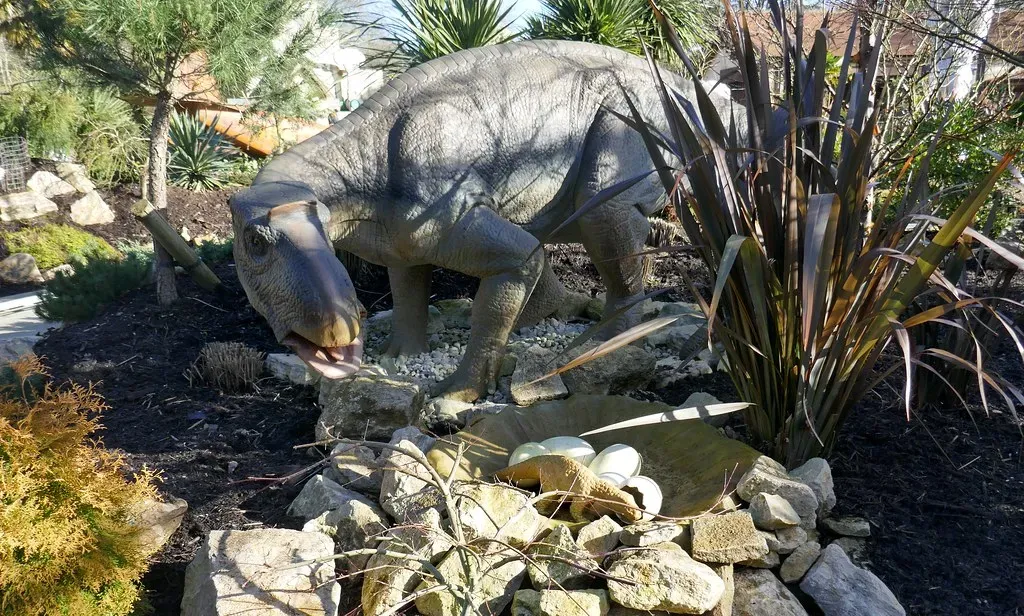
For a long time, dinosaurs were portrayed as permanently angry reptiles that mostly fought, hunted, and stomped through their world in perpetual battle mode. Early interpretations leaned heavily into tooth and claw, underplaying social behavior, parental care, or anything that looked too gentle. As more nesting sites, trackways, and group fossil discoveries have come to light, paleontologists have had to officially walk back the idea of dinosaurs as purely savage loners. Evidence of brooding behavior, herd movement, and close packings of individuals suggests at least some species lived more complex social lives.
This correction has a slightly ironic flavor: the most fearsome animals we know from the fossil record may have spent huge parts of their lives doing fairly ordinary things, like tending nests, traveling in groups, or just existing together without constant fighting. That does not mean dinosaurs were friendly in a human sense, but it does mean they were not nonstop predators from a monster movie script. In my view, dialing back the pure violence actually makes them more impressive. It turns them from flat villains into real animals, with behaviors that sometimes look strangely familiar if you’ve ever watched birds defend a nest or herd animals move together across a landscape.
Conclusion: The Funniest Corrections Make Dinosaurs Feel More Real, Not Less
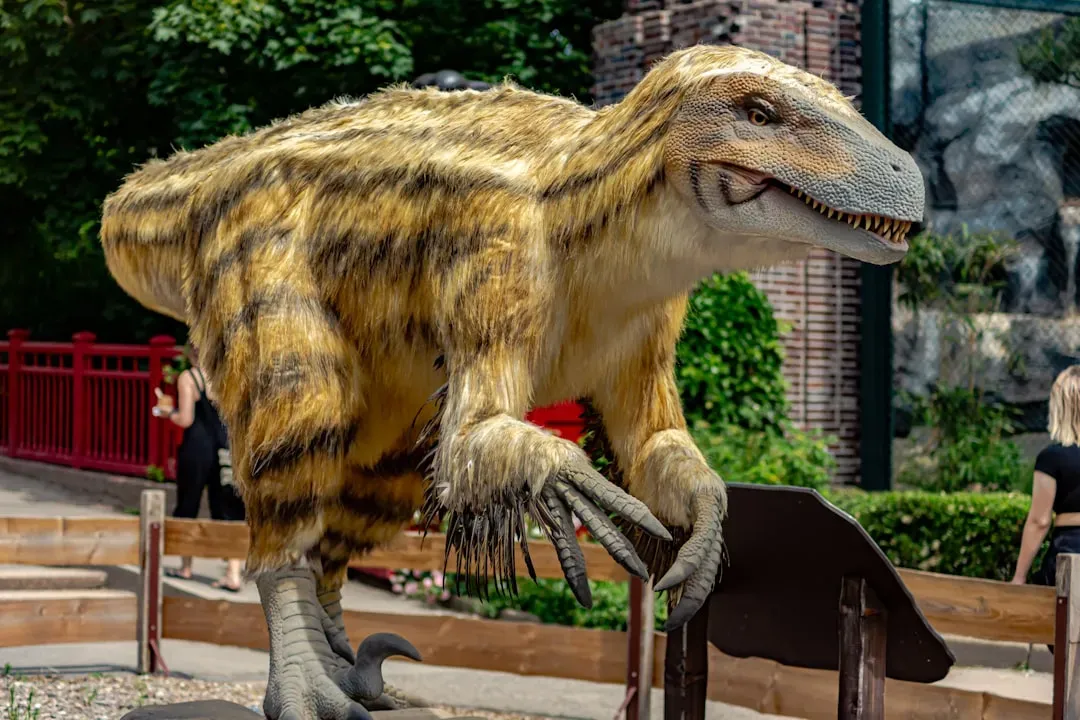
Looking back at all these corrections, from feather coats to slower T. rex strides, you can almost feel the awkwardness of having to fix the world’s collective dinosaur headcanon. Paleontologists have essentially had to tell us that our beloved monsters were, in many cases, weirder, fluffier, and more nuanced than the sleek, scaly beasts we put on lunchboxes. To me, the funniest part is not that we were wrong – science is supposed to correct itself – but how emotionally attached we got to those outdated images. We fell in love with the movie versions, then had to be gently told that reality comes with more feathers and fewer dramatic roars.
In my opinion, these updates are not disappointments; they are upgrades. Every time a scientist corrects something – even if it means announcing that your favorite dinosaur was more like a deadly bird than a dragon – the creatures of the past step a little closer to feeling alive in the present. The humor in these corrections sits right alongside a kind of wonder: if we were this wrong about things as big and spectacular as dinosaurs, what else about the ancient world is still waiting to surprise us? When you imagine a T. rex now, do you still see the movie monster, or can you picture the feathered, heavy-stepping, strangely birdlike giant science is slowly revealing?