If you could dive a time machine straight into Earth’s ancient oceans, you probably would not recognize the planet. No coral reefs like the ones in postcards, no familiar fish, and in some eras, not even blue water in the way we know it today. Instead, you would find alien chemistry, monstrous invertebrates, and entire ecosystems powered by things that seem ripped from a wild science fiction script rather than real geology and biology.
What makes it so wild is that all of this actually happened here, on the same world where we now complain about slow Wi‑Fi and lukewarm coffee. Ancient seas boiled, stank of sulfur, glowed with strange microbes, and once almost completely froze over. Some of the most extreme settings in movies barely scratch the surface of how weird Earth’s oceans used to be. Let’s dive into eight of the strangest, most mind‑bending realities of …but are grounded in solid science.
1. The Purple, Sulfurous Seas Of The Early Earth
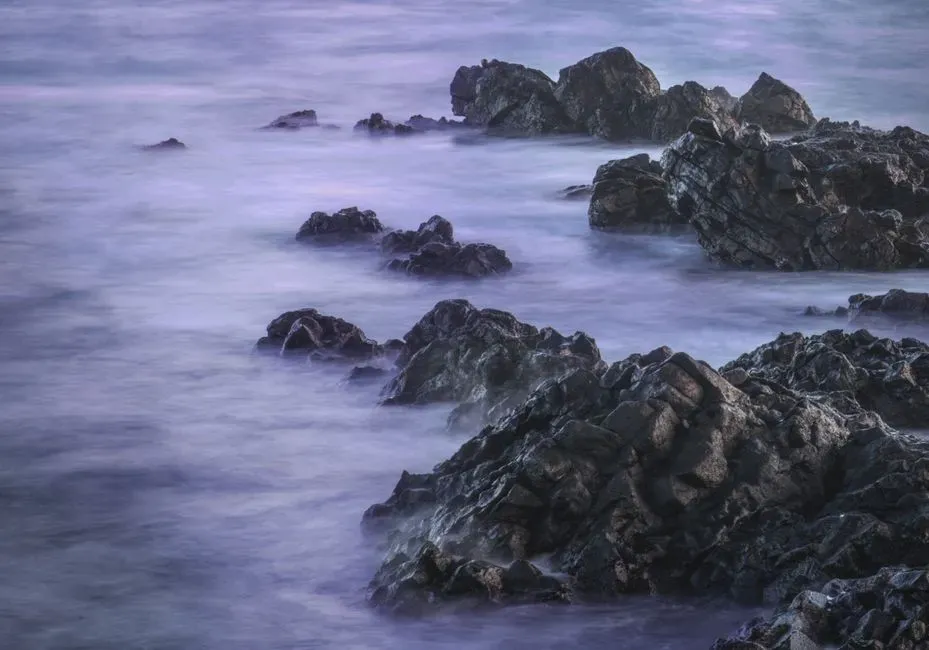
Imagine looking out over the ocean and seeing not a deep blue expanse, but something closer to a murky, purplish soup that smells like rotten eggs. That is a decent approximation of what some scientists think parts of Earth’s oceans looked and smelled like more than two billion years ago. Oxygen was scarce, and instead of the kind of photosynthesizing algae that help give modern seas their color, early oceans may have been dominated by microbes that used sulfur instead of water for photosynthesis, releasing toxic hydrogen sulfide gas.
These so‑called purple and green sulfur bacteria thrive today only in bizarre, oxygen‑poor pockets like stagnant basins and certain hot springs. In the ancient oceans, though, conditions like low oxygen and high levels of dissolved iron and sulfur were much more widespread. The result would have been waters that were chemically hostile to most modern life and skies that sometimes filled with a haze of sulfur compounds. It sounds like a villain’s secret lair from a sci‑fi movie, but it was just our young planet doing its messy, pre‑oxygen thing.
2. Snowball Earth: When The Oceans Nearly Froze Solid
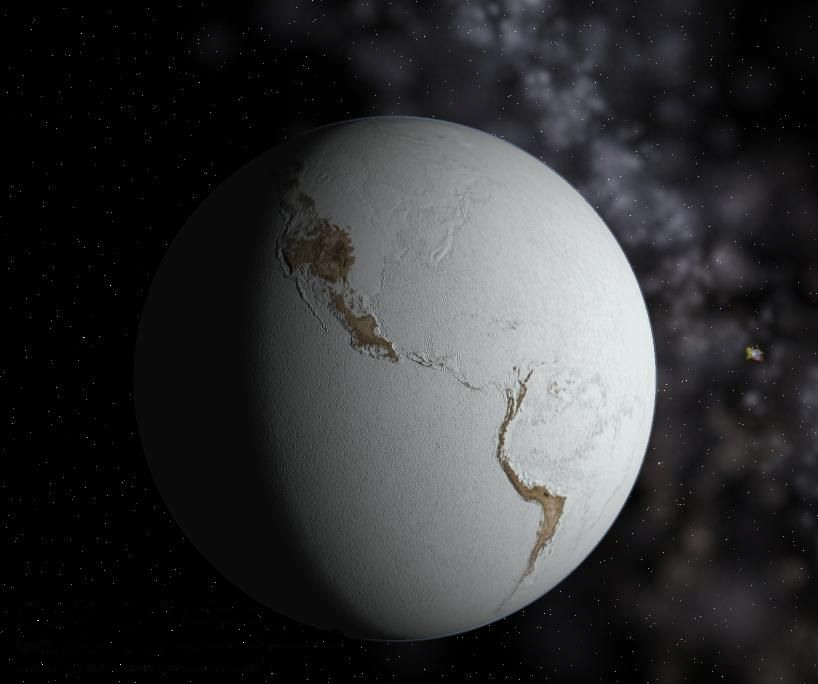
Now swing to the complete opposite extreme: there were times in Earth’s past when the oceans may have been almost entirely sealed under ice. During episodes known as Snowball Earth, roughly hundreds of millions of years ago, geological evidence suggests that glaciers reached the tropics and that sea ice may have extended from pole to pole. Picture a global ocean capped by thick ice, with just thin films of liquid water surviving in pockets below the frozen shell.
What makes this feel like science fiction is that life did not simply vanish. Microbial communities likely huddled in brine channels within the ice, near volcanic hot spots on the seafloor, or in rare open stretches of water around volcano‑warmed zones. The planet’s climate system eventually escaped this deep freeze through massive volcanic carbon dioxide buildup, triggering a super‑charged greenhouse rebound and wild swings in climate. That back‑and‑forth between planet‑wide freezer and dramatic thaw sounds like the plot of a speculative climate thriller, except it is written in rocks and ancient sediments rather than on a screen.
3. The Ocean That Nearly Ran Out Of Oxygen
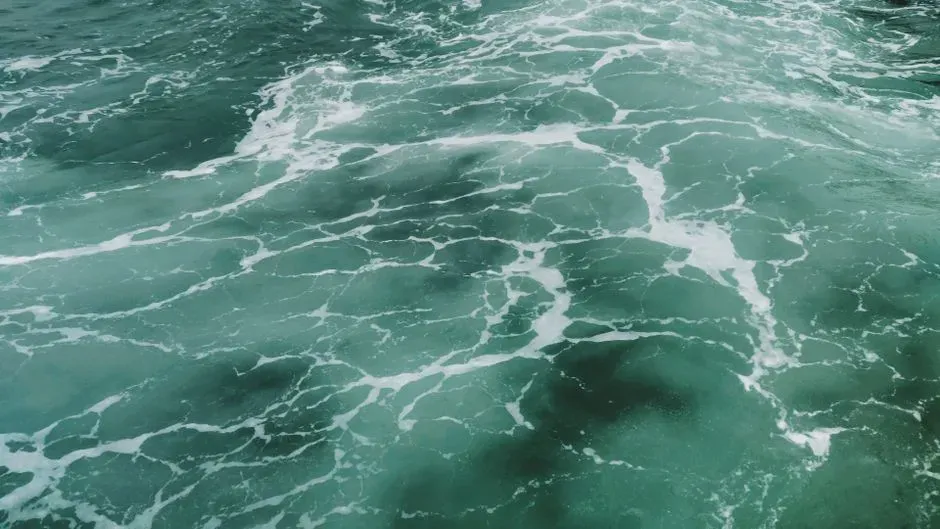
We worry today about low‑oxygen “dead zones” forming from pollution and warming, but ancient oceans went through far grander crises. Several times in Earth’s past, particularly during what are called oceanic anoxic events, vast stretches of the seas lost most of their oxygen for thousands to hundreds of thousands of years. In these suffocating epochs, surface waters might still have held some oxygen, but deeper layers turned into toxic, stagnant basins rich in hydrogen sulfide and other nasty compounds.
These anoxic events often coincided with massive volcanic outpourings, rapid climate warming, and major disruptions to the carbon cycle. Many marine species could not cope: shell‑forming organisms, reef builders, and large predators were hit especially hard, triggering extinctions that reshaped the food web. Imagine a slow‑motion disaster film where the world’s oceans quietly go bad from the bottom up, wiping out whole ecosystems before conditions finally stabilize again. The eerie part is that the clues are all preserved in black, organic‑rich shales that formed when dead organisms piled up faster than they could decompose.
4. Planet Of Giant Sea Scorpions And Toothed Nightmares
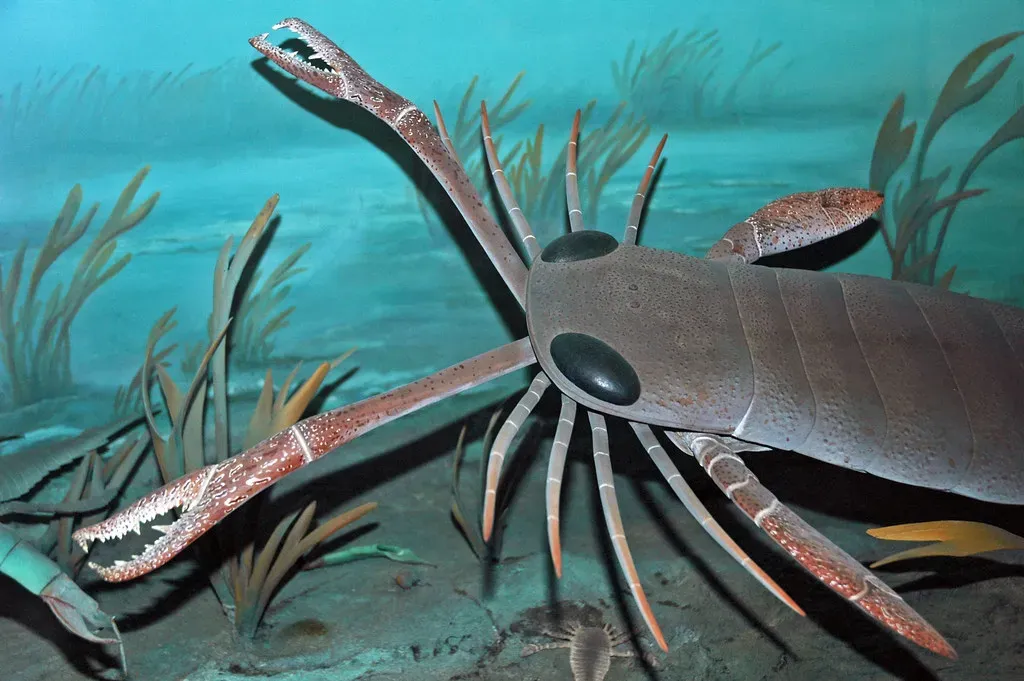
Before sharks and whales ruled the seas, the oceans were home to creatures that look like rejected monster designs from a sci‑fi video game. Take the eurypterids, often called sea scorpions: some species stretched longer than a human is tall and prowled shallow seas with clawed appendages and powerful swimming paddles. They were not true scorpions as we know them today, but their armor‑plated bodies and barbed limbs would have made for a very convincing underwater horror scene.
They shared their world with other nightmare‑grade predators, from jawless but heavily armored fishes to bizarre early sharks and terrifying, toothy fish like Dunkleosteus, which could bite through bone with crushing force. These animals evolved in oceans that were still experimenting, in a sense, with body plans and ecological roles. To me, the most striking thing is how unfamiliar they feel compared with today’s more streamlined marine life. If you dropped a modern diver back then, it would feel less like Earth and more like a hostile exoplanet ocean, full of experimental boss‑level creatures.
5. Reef Worlds Built From Sponges, Not Coral
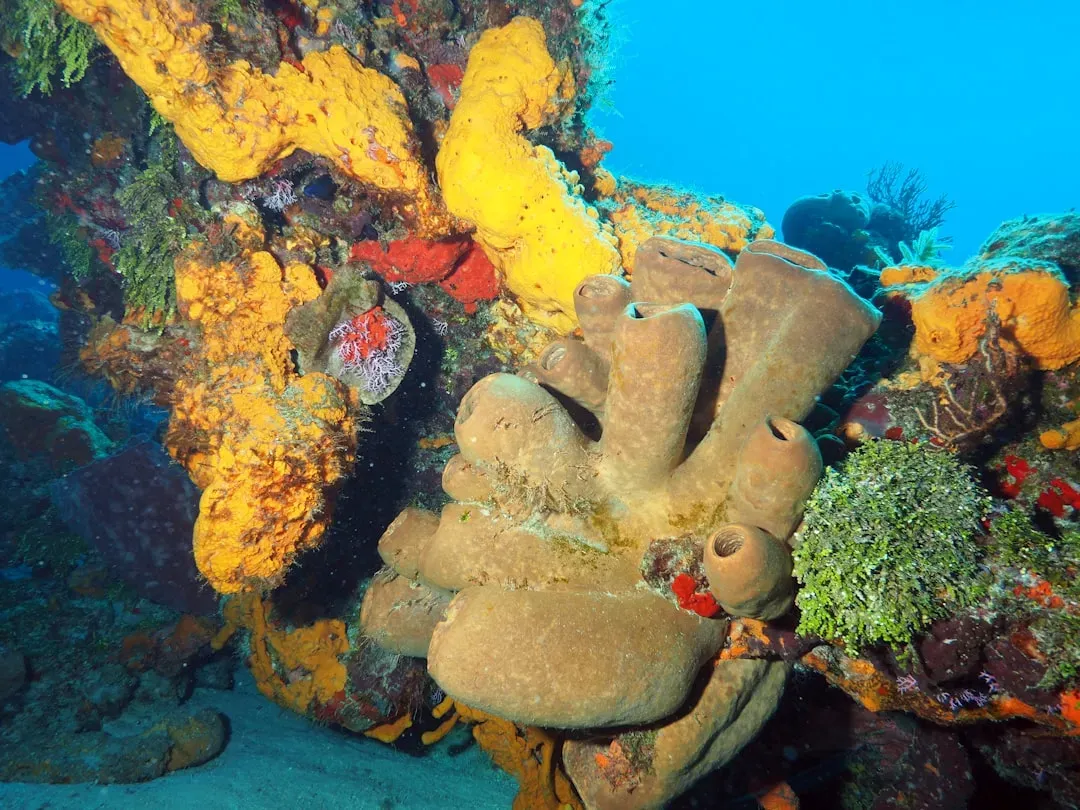
When most people think of a reef, they picture branching corals, rainbow fish, and maybe a turtle gliding by. But if you visited certain ancient seas, you would find reef systems built not by corals, but by sponges, algae, and even strange, layered microbial mats. These so‑called sponge reefs could sprawl for long distances, forming intricate thickets of silica‑based skeletons that provided habitat just like modern coral reefs, but with a completely different look and feel.
Some ancient reefs also relied heavily on stromatolites, which are dome‑shaped structures made by communities of microbes that trap and bind sediment. Today, stromatolites are relatively rare and live in a few protected environments, but in the deep past they were major ecosystem engineers. It is a little like discovering that before modern skyscrapers, cities were once built entirely out of living, shape‑shifting plants. The idea that the ocean’s great underwater “cities” changed their primary architects over time adds an extra layer of strangeness to how dynamic life in the seas has been.
6. Methane Hydrate Ice That Burns Like A Frozen Flame
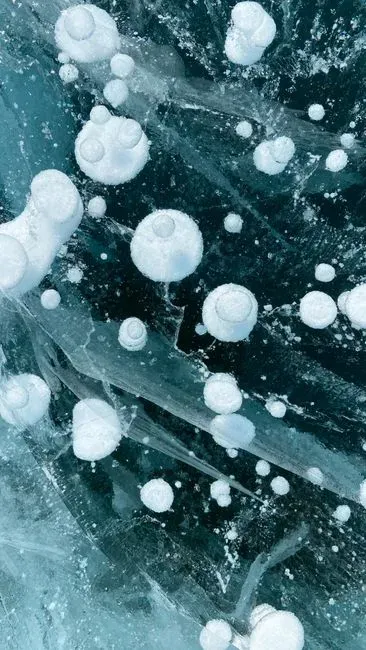
One of the most sci‑fi‑sounding things in the modern seafloor actually has a deep ancient story: methane hydrates. These are icy, crystalline structures that trap methane gas inside cages of water molecules, forming what looks like ordinary ice but can be set on fire when brought to the surface. In cold, high‑pressure parts of the seabed, massive deposits of these hydrates have built up over long stretches of geological time, often fueled by the decay of ancient organic matter.
In Earth’s past, there is evidence that rapid destabilization of methane hydrates may have contributed to sudden climate shifts. When ocean temperatures or pressure conditions changed, some of this frozen methane could have been released in bursts, adding a powerful greenhouse gas to the atmosphere. Picture the seafloor laced with enormous, sleeping reservoirs of a flammable ice that can, under the right conditions, suddenly “melt” and help tip climate into a new state. It is both fascinating and unsettling, like discovering your basement has been slowly filling with some exotic fuel for millions of years.
7. Entire Ecosystems Powered By Underwater “Black Smokers”
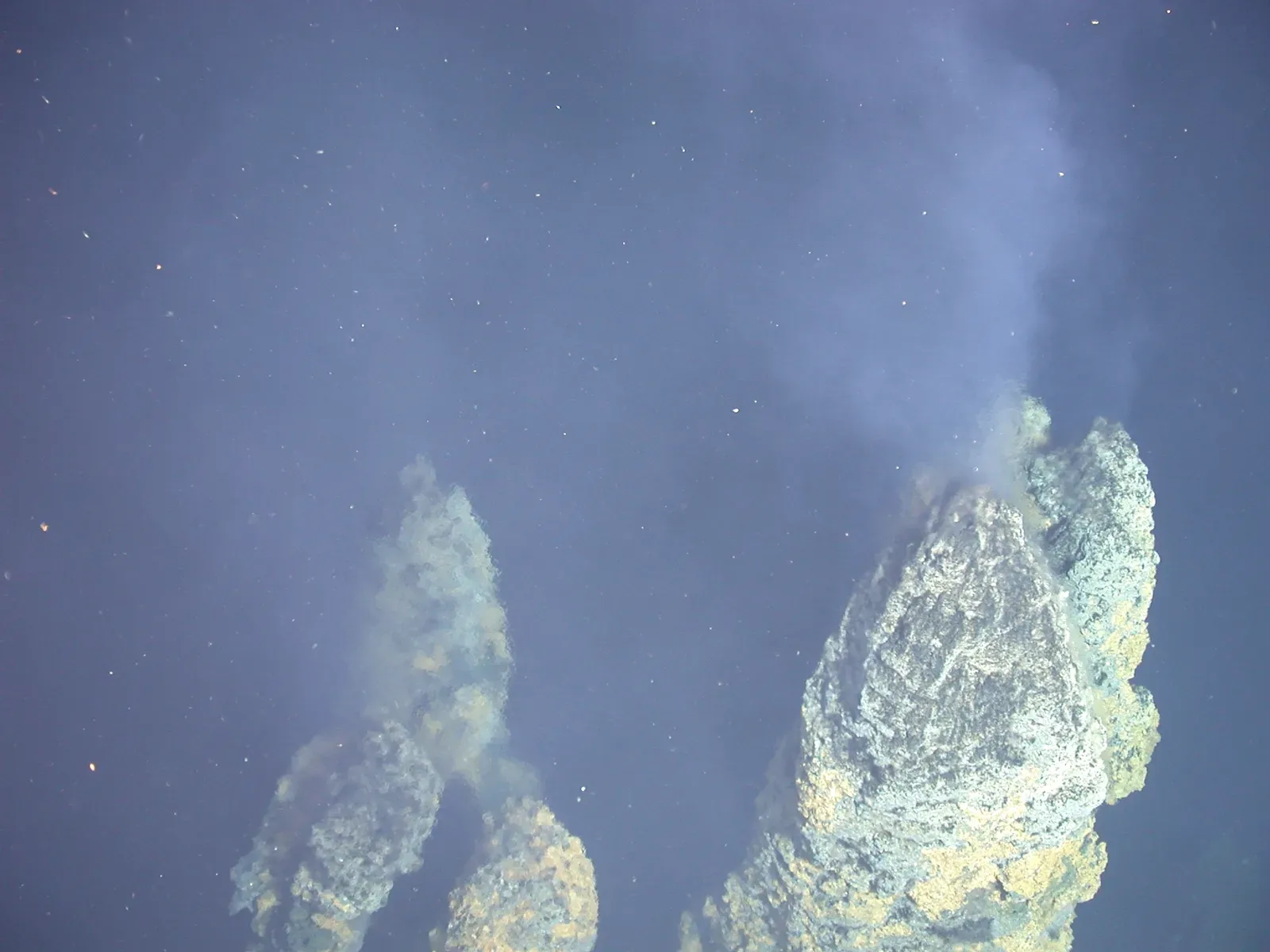
If you want something that really feels like a set piece from deep‑space science fiction, look at hydrothermal vent communities. On mid‑ocean ridges, where tectonic plates pull apart, seawater seeps into the crust, heats up near magma, and then blasts back out of the seafloor in jets of superhot, mineral‑rich water. These vents, nicknamed black smokers, look like chimneys belching dark clouds, and yet they support lush colonies of giant tubeworms, clams, crabs, and bacteria.
What makes them feel so otherworldly is that they do not rely on sunlight at all. Instead, microbes use chemical energy from sulfur and other compounds to build organic matter, and everything else feeds on them. Scientists think similar chemistry could power life on icy moons like Europa or Enceladus, which have subsurface oceans in contact with rocky interiors. In other words, these eerie towers in the deep ocean are both ancient Earth ecosystems and potential analogues for life in alien seas. Standing on a research ship years ago, I remember seeing the first vent images come up on a monitor and thinking it looked less like nature and more like a concept painting from a space opera.
8. The Ocean That Helped Build Our Atmosphere And Our Future
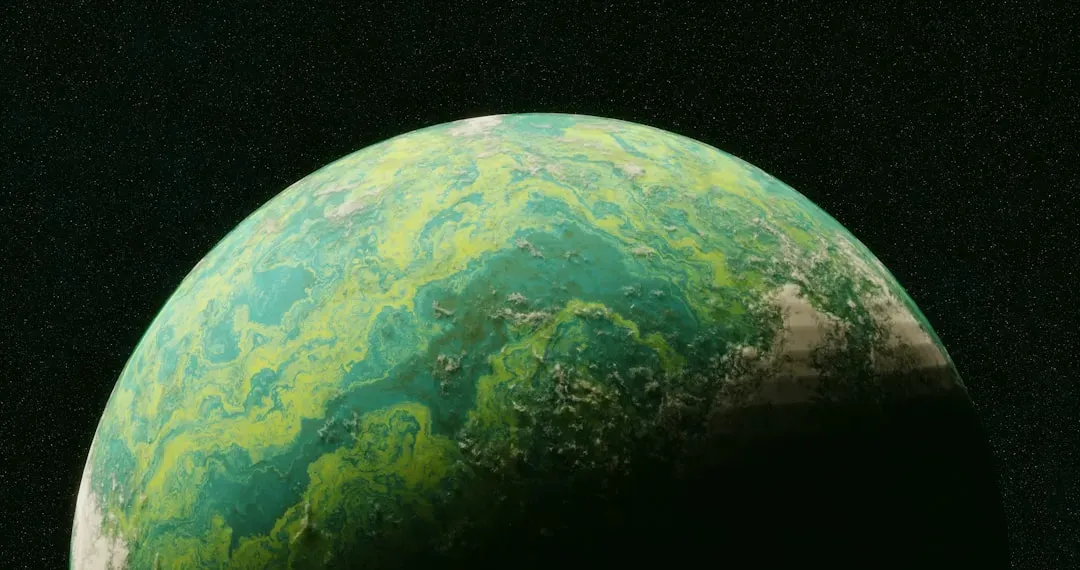
One of the most mind‑bending ideas is that ancient oceans were not just passive backdrops for evolution; they actively helped build the atmosphere we breathe today. Early marine microbes, especially cyanobacteria, slowly pumped out oxygen as a by‑product of photosynthesis. Over long spans of time, that oxygen reacted with dissolved iron in the oceans, forming banded iron formations, and eventually began to leak out into the air. The result was a planetary‑scale transformation sometimes called the Great Oxidation, without which complex animals like us would not exist.
But the oceans did not stop there. Through complex loops involving plankton, carbon dioxide, dissolved minerals, and sediments, they kept shaping climate and chemistry over hundreds of millions of years. To me, there is something humbling about realizing that the sea is not just scenery; it is more like an enormous, slow‑thinking machine that has been tinkering with Earth’s conditions since long before there were humans to name it. When we talk about protecting the oceans now, we are not just being sentimental. We are trying, hopefully, not to break the very system that once made this planet habitable in the first place.
Conclusion: Our Own World Is Already Stranger Than Fiction
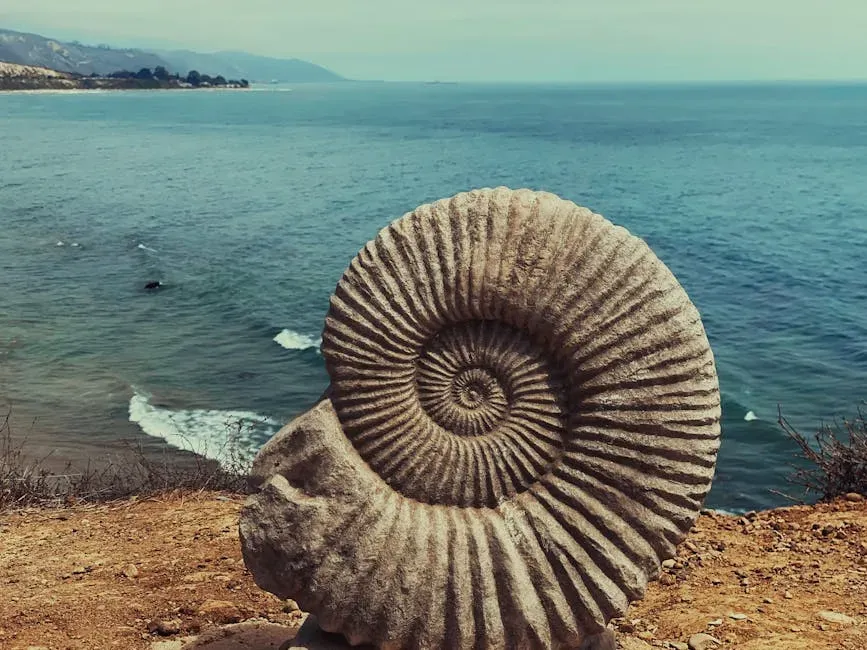
When you line up all these ancient ocean stories – purple, sulfurous seas, near‑global ice caps, suffocating dead zones, monster predators, sponge cities, burning ice, black smokers, and atmosphere‑shaping microbes – it becomes hard to see Earth as ordinary. In my view, a lot of science fiction actually underestimates how bizarre a real, evolving planet can be over deep time. We do not need to invent mythical oceans on distant worlds to find places that seem impossible; we just have to rewind our own world a few hundred million or a few billion years.
At the same time, there is a quiet warning hidden in these ancient tales. The oceans have flipped between extremes many times, often linked to rapid changes in climate and chemistry, and life has been reshuffled or nearly wiped out more than once. We are now nudging those same systems again, only much faster than volcanoes and tectonic plates usually do it, and pretending everything will stay familiar. Maybe the real science‑fiction scenario is thinking we can push a machine this powerful without consequences. Knowing what you know now about the ancient seas, does it still feel safe to assume the ocean will always behave like it does today?