If you tried to dream up the weirdest dinosaur face imaginable, you’d probably still fall short of Kosmoceratops. This horned dinosaur from Late Cretaceous Utah looked like a Triceratops that went through an over-the-top redesign, with extra horns, curls, and frill flourishes that seem more suited to fantasy art than a fossil record. Yet the bones are real, and paleontologists have spent years trying to figure out why any animal would evolve such an outrageous head.
What makes Kosmoceratops so fascinating is that its skull is not just strange, it is precisely, anatomically strange. Every ridge and spike is a physical puzzle piece from about seventy-six million years ago, hinting at behavior, social lives, and ecosystems that we can only partially reconstruct. In a field where a single tooth can trigger debate, a skull this elaborate is like a loud, showy announcement from deep time saying: pay attention, there’s a story here.
A Skull That Looks Almost Too Weird To Be Real
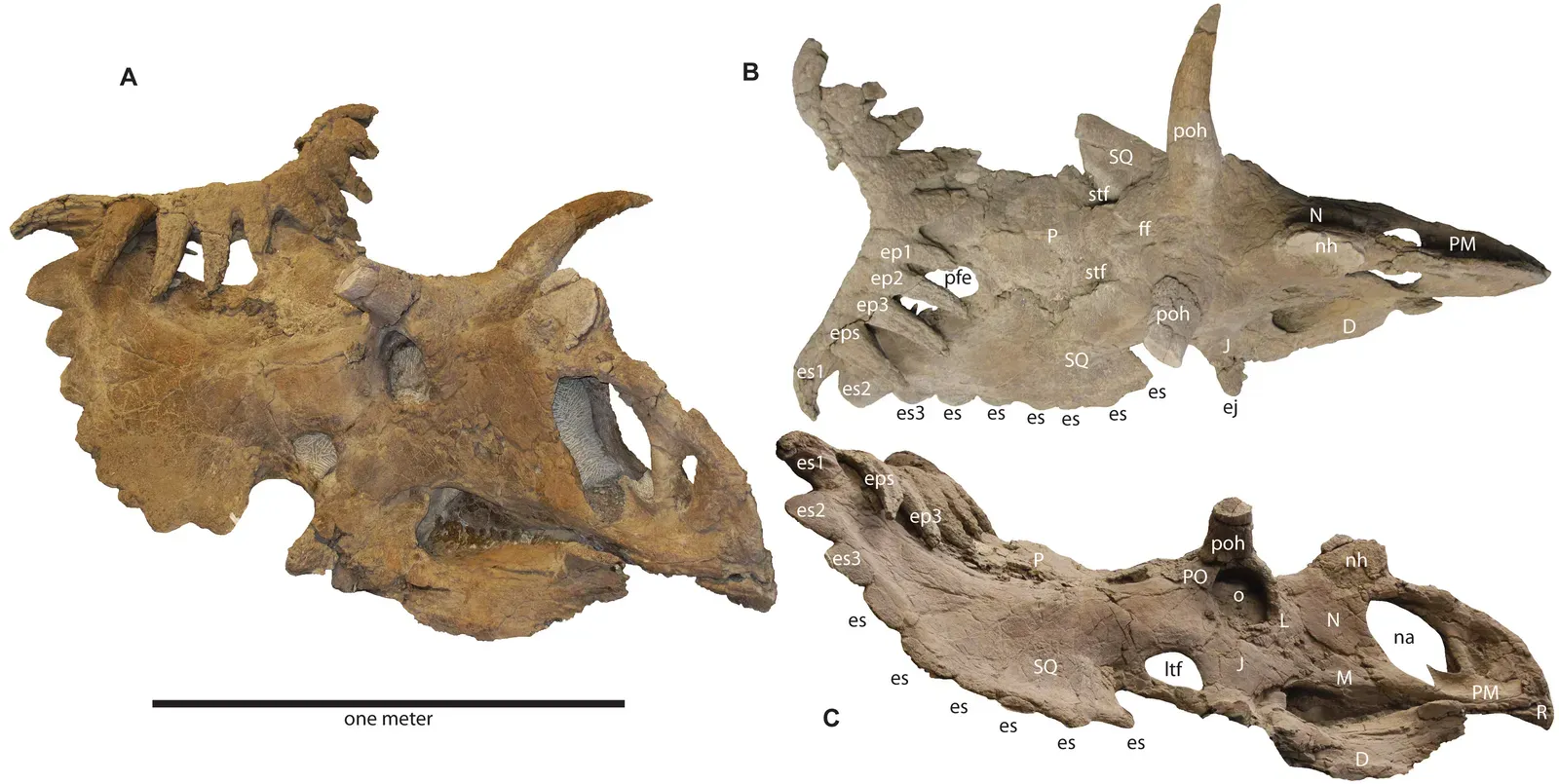
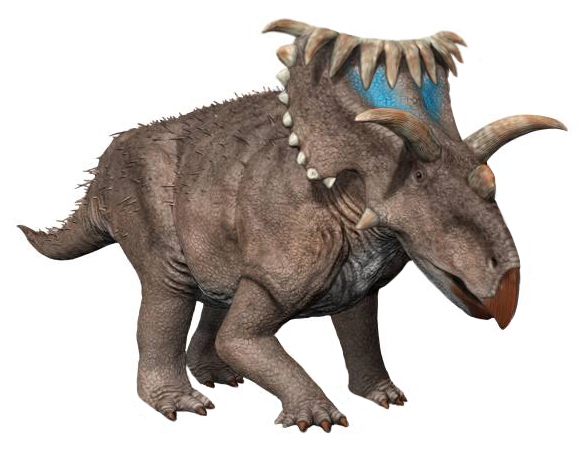
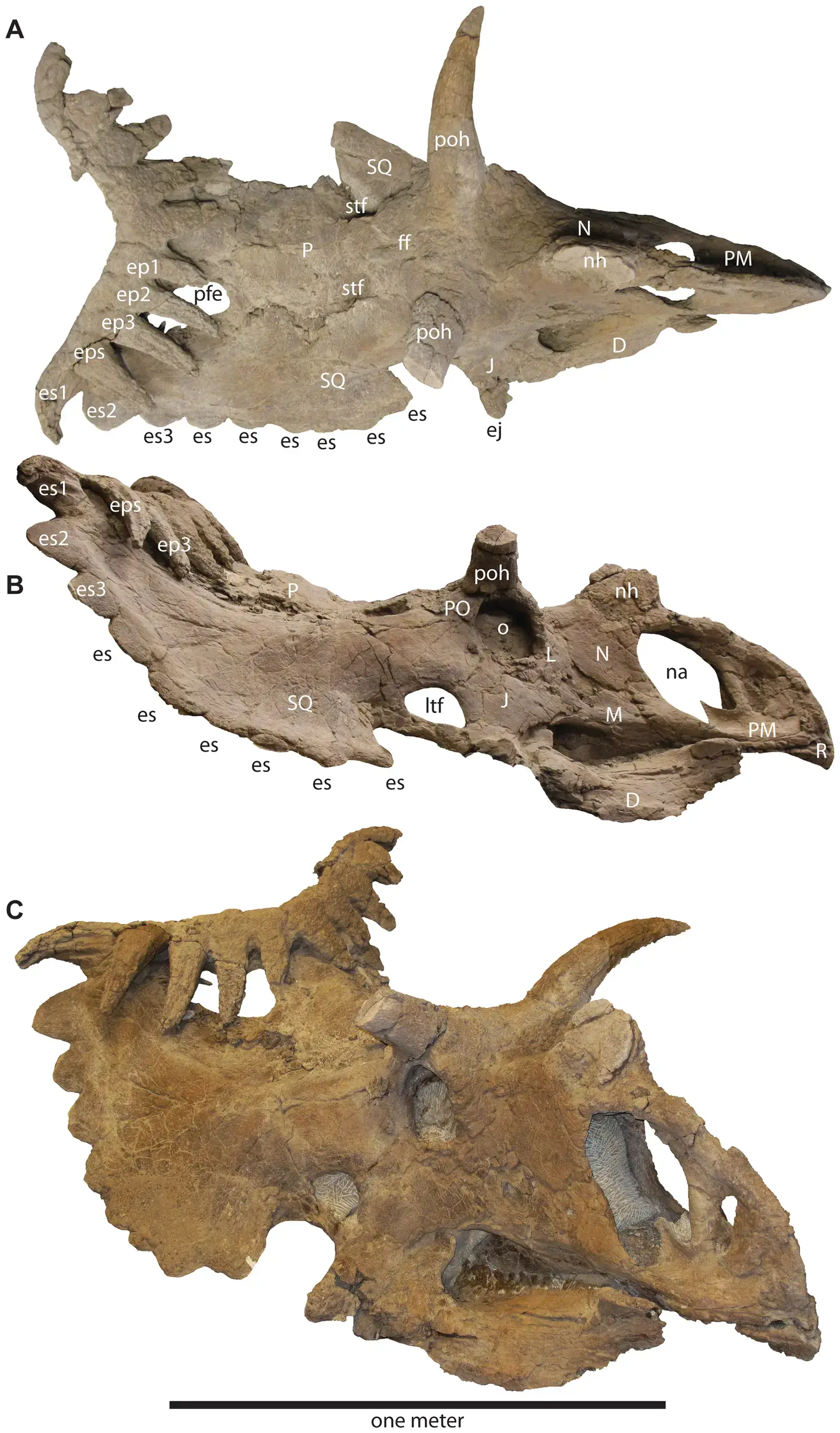
The first time you see a reconstruction of Kosmoceratops, it honestly looks like someone went too far in a dinosaur design contest. This ceratopsian had a relatively short face, a large bony frill at the back of the skull, and, most famously, a crown of horns that twist and flare backward like some kind of prehistoric headdress. It did have brow horns, but they were not the straightforward spears many people imagine from Triceratops; instead, they curved outward and to the sides in a more decorative arc.
The frill itself carried a line of hooked horn cores that projected outward and then curled forward, giving the animal a strange, almost baroque silhouette from behind. Functionally, that meant Kosmoceratops was carrying a lot of bone on its head, far more elaborate than it would need just for basic defense. The whole skull suggests that this dinosaur’s face was not only about survival against predators, but also about making an impression on other members of its own species, the way antlers or colorful plumage do in many modern animals.
Why Would Evolution Create Such An Over-Decorated Dinosaur?
When paleontologists see an animal with features that look hard to explain in purely practical terms, one of the first suspects is sexual selection. In plain language, that means traits evolve not because they help the animal escape predators or catch food, but because they help it win mates or intimidate rivals. Think of a peacock: that giant tail is a survival liability in many ways, but it is powerful in a mating display. Kosmoceratops, with its extravagant headgear, fits that pattern far better than a purely “battle-ready” design.
Those curled, backward-projecting horns on the frill do not scream “perfect weapon” so much as “visual signal.” They would have been highly visible from the side and behind, where other herd members would often see them. In a world where many horned dinosaurs lived alongside each other, a species-specific combination of horn direction and frill shape would have been like a built-in ID badge, making sure individuals recognized the right partners. I like to think of it almost like an ancient social media profile picture: showy, distinctive, and tuned less for practicality than for how it looks to others in your group.
The Environment That Shaped Kosmoceratops’ Strange Head
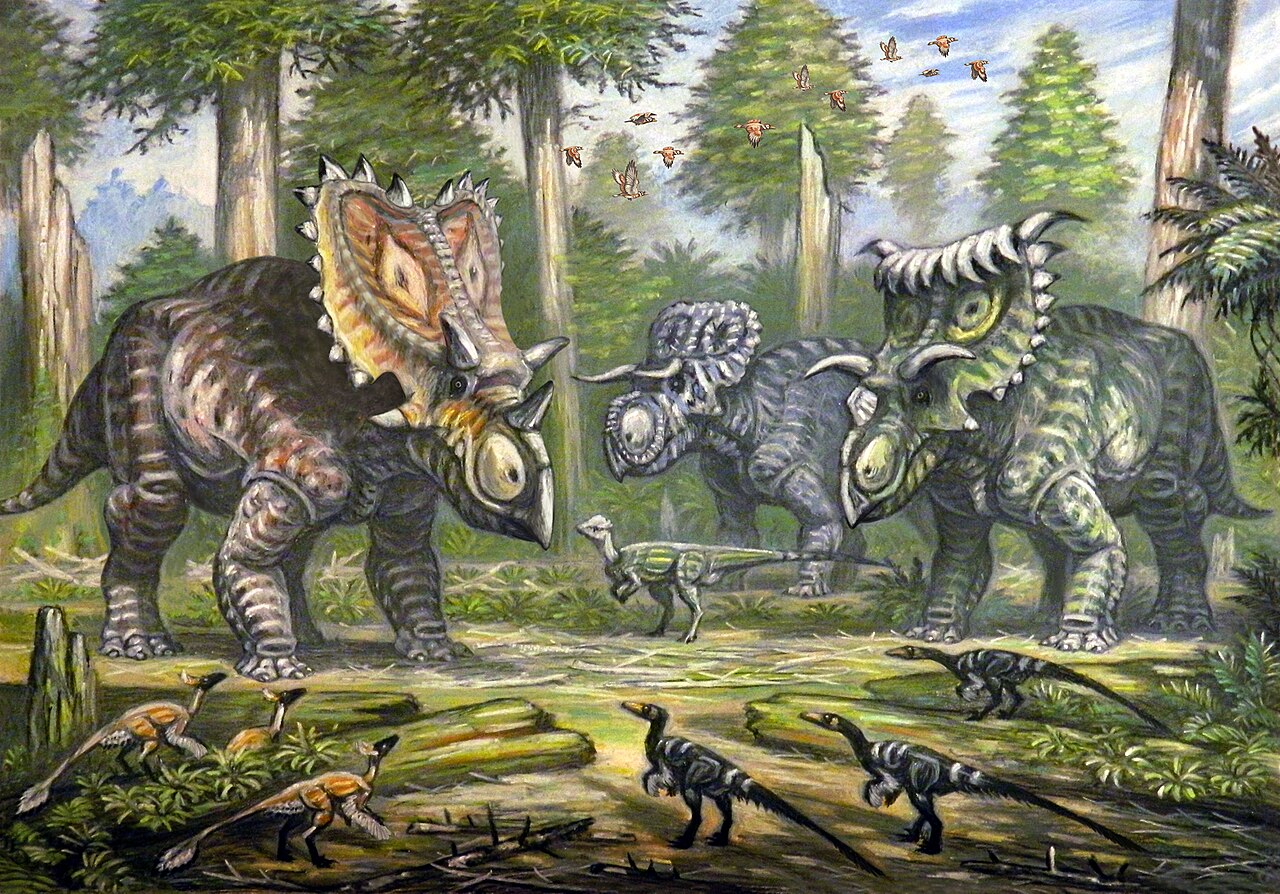
Kosmoceratops did not wander some empty wasteland; it lived in what is now southern Utah, in a region that was part of a long, lush landmass on the western side of an inland sea. This area, often referred to as Laramidia by paleontologists, supported a surprising diversity of dinosaurs in relatively small geographic bands. That means Kosmoceratops shared its environment with several other horned species, each with its own unique skull ornamentation and body shape.
In such crowded, diverse ecosystems, visual signals can become more elaborate over time as different populations diverge and adapt to local conditions. It is a bit like how regional accent differences in humans can grow more pronounced when groups stay partly separate but still relatively close. For Kosmoceratops, living in this patchwork of habitats along ancient floodplains and coastal swamps may have helped drive the evolution of a skull that was not only recognizable within its own species, but also clearly distinct from its neighbors.
From Bones To Behavior: What Its Skull Suggests About Its Life
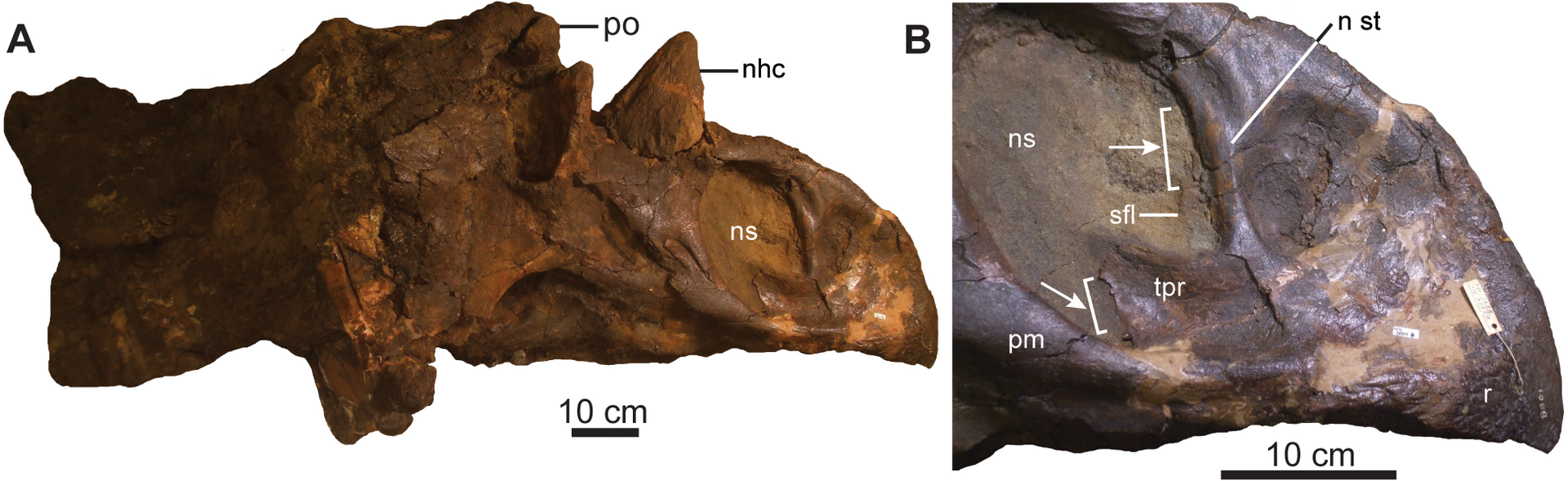
We will never see a live Kosmoceratops strutting through a Cretaceous forest, but its skull gives some surprisingly intimate clues about how it might have behaved. The complex arrangement of horns and frill suggests this dinosaur probably relied heavily on visual displays. Herds might have been full of individuals facing off, swinging their heads slightly, or turning sideways to show off the full profile of their ornamentation. Even subtle differences in size or shape may have signaled age, strength, or social rank.
At the same time, the heavy, solid construction of the skull hints that these displays were not purely for show. It is plausible that, like some modern horned or antlered animals, Kosmoceratops engaged in controlled combat or shoving matches, using its headgear in locked-horn contests rather than slashing attacks. I imagine them a little like big, prehistoric bison with fancier helmets, clashing and pushing in ritualized bouts that rarely turned deadly but strongly influenced who got to pass on their genes.
How Kosmoceratops Rewrites Our Idea Of “Normal” Dinosaurs
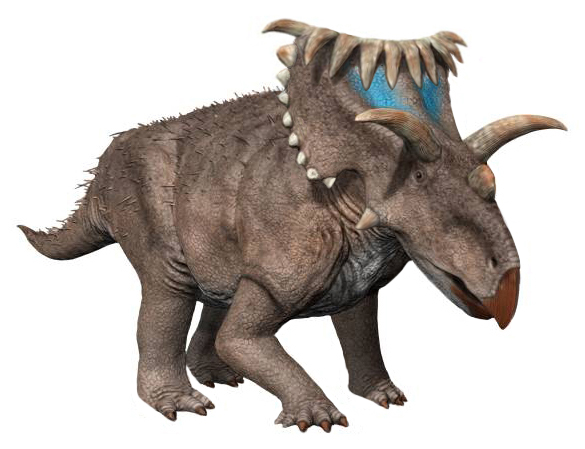
Most of us grow up with a pretty narrow mental image of dinosaurs: the meat-eating terror with big teeth, the long-necked plant-eater, and the classic three-horned Triceratops. Kosmoceratops shatters that simplicity. Its skull is a reminder that dinosaur evolution churned out far more experimental, almost flamboyant body plans than the pop culture greatest hits usually show. To me, it proves that the Mesozoic was not a monotonous parade of familiar forms, but a restless laboratory of weirdness.
What is especially striking is that Kosmoceratops is not a bizarre outlier from a marginal environment; it belongs to a whole radiation of horned dinosaurs that were each evolving their own strange combinations of spikes, hooks, and frill patterns. Every new discovery in this group forces scientists to revisit tidy stories about why these animals looked the way they did. The more unusual skulls we uncover, the harder it becomes to claim there was a single, simple explanation for all that ornamentation, and frankly, I think that scientific discomfort is healthy.
The Lasting Mystery And Why It Matters Today
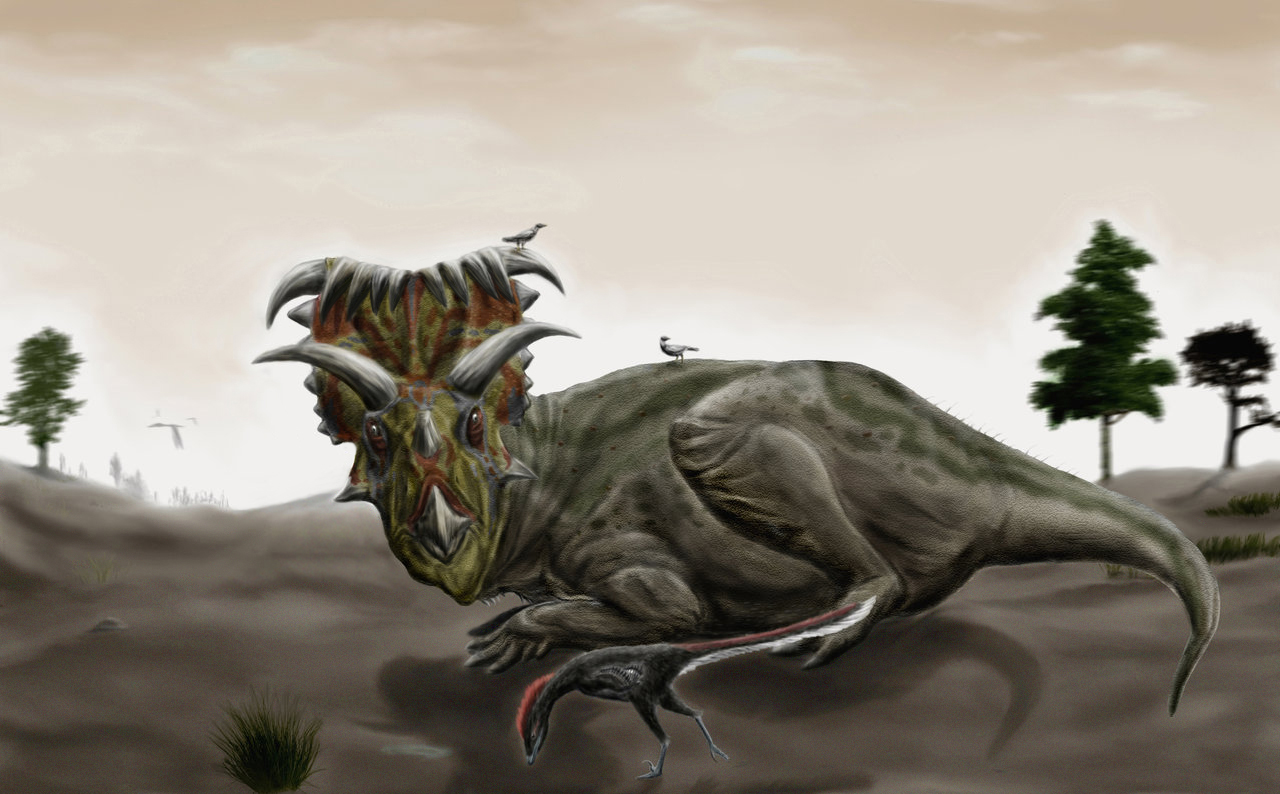
Even with modern imaging, detailed skull measurements, and decades of research on ceratopsians, Kosmoceratops still refuses to give us clean, definitive answers. We can make educated arguments about display, species recognition, and sexual selection, but we have to accept a good dose of uncertainty. There is a kind of humility in standing in front of such a skeleton and admitting that, after all our clever methods, we are still guessing about what really played out on those ancient floodplains.
Personally, I find that uncertainty energizing rather than frustrating. A skull this bizarre pulls you in, not just because it looks wild, but because it reminds you how much of nature’s history we still do not fully understand. In a world where people sometimes talk like we have everything figured out, Kosmoceratops is a nice corrective: a bone-deep reminder that evolution has more imagination than we do, and that there are still countless stories hiding in the rock, waiting to upend our sense of what “normal” life on Earth looks like.
Conclusion: A Dinosaur That Deserved Its Dramatic Face
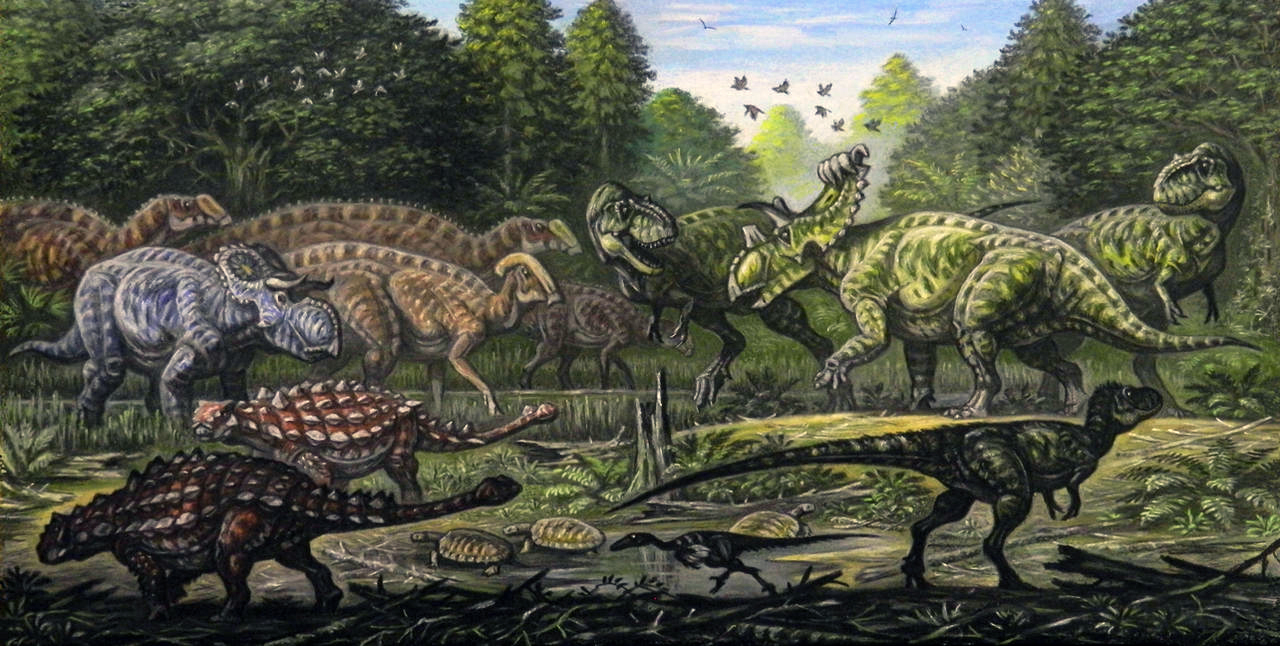
When you step back and look at Kosmoceratops in the broader context of dinosaur evolution, it is hard not to see that bizarre skull as completely justified. This animal lived in a competitive, visually crowded world where standing out had real consequences for survival and reproduction. Its curling horns and ornate frill were not pointless decorations; they were the result of millions of years of trial and error written into bone. In my view, Kosmoceratops is not an evolutionary oddball, but an extreme, honest expression of the same forces that gave us peacocks, elk, and even human fashion.
If anything, I think we have been too conservative in how we picture the past. For decades, dinosaur art tended to tone things down, to make creatures look respectable and functional, as if nature would never “waste” effort on extravagance. Kosmoceratops suggests the opposite: that deep time was full of animals so visually outrageous they would put modern runway shows to shame. To me, that is the real legacy of this dinosaur’s skull: it forces us to admit that the prehistoric world was stranger, more theatrical, and more imaginative than we like to assume. Looking at that swirling crown of horns, how can you not wonder what other spectacular faces we still have left to find?