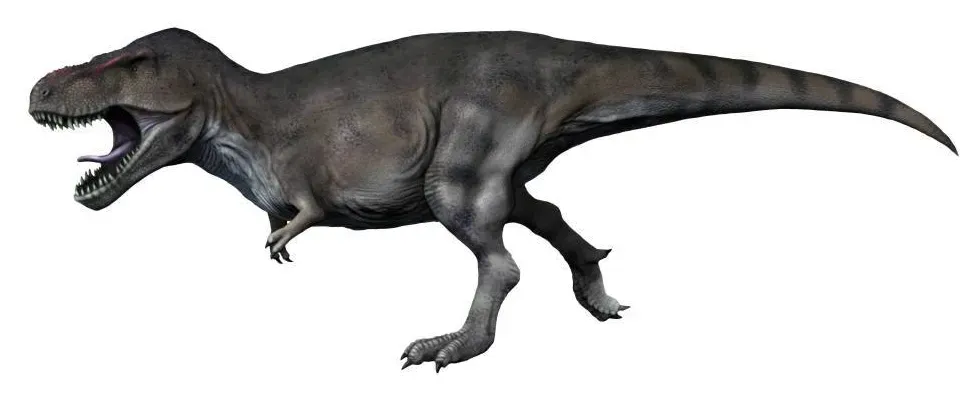
If you think the tiny arms of Tyrannosaurus rex are the punchline of every dinosaur joke, wait until you meet Mononykus. This little, bird‑like predator had arms so short, so specialized, and so downright bizarre that T. rex suddenly starts looking almost sensible. Mononykus is the kind of dinosaur that makes paleontologists stop, squint at a fossil, and wonder what on earth nature was trying to do.
In the last few decades, new fossil discoveries from Mongolia have turned Mononykus from an obscure name in technical papers into one of the strangest celebrities of the dinosaur world. Its body was lean and agile, almost like a sprinting bird, but its forelimbs looked like someone had pressed fast‑forward on evolution and skipped a few steps. Once you see how weird those arms really were, T. rex’s limbs feel almost ordinary by comparison.
A Tiny Desert Hunter That Looked More Like a Bird Than a Dinosaur
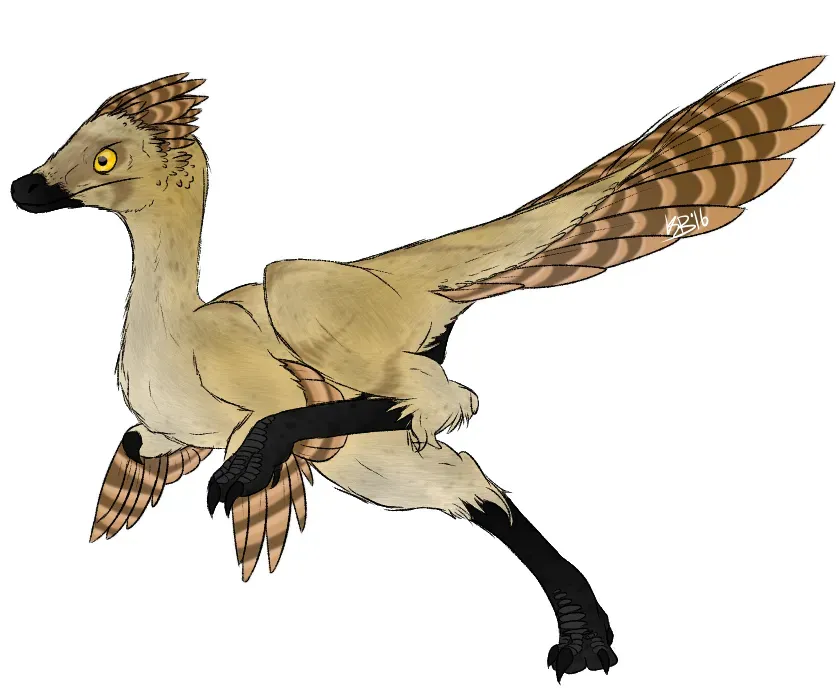
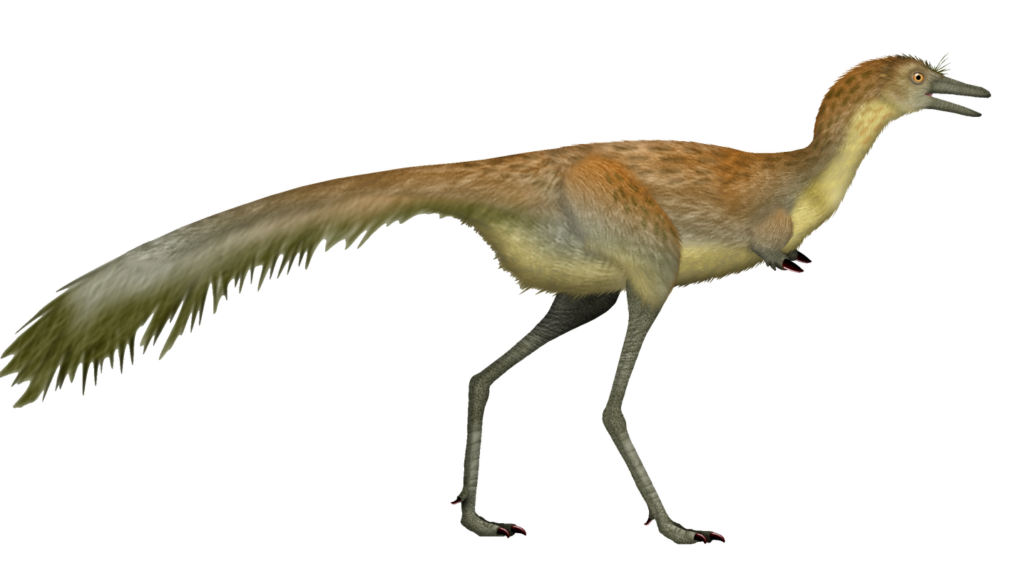
Mononykus lived in what is now the Gobi Desert of Mongolia during the Late Cretaceous, in an environment that was likely dry, sandy, and harsh. Instead of the massive, hulking profile we associate with big carnivores, it was small and lightly built, probably about the size of a large turkey or small dog. Its body plan screams “runner”: long back legs, a lightweight frame, and a tail that worked like a balancing pole as it darted across dunes and scrub. If you passed it today in a scrubby desert, you might at first glance mistake it for a very odd, ground‑dwelling bird.
Even its skull fits that more bird‑like, delicate story. Mononykus did not have the thick, bone‑crushing head of a tyrannosaur, but something narrower and more refined, possibly adapted to picking or probing rather than tearing huge chunks of meat. Add in a covering of feathers – as evidence from close relatives strongly suggests – and you get a creature that would have looked more like a sprinting, feathered insect‑eater than a classic movie monster. This contrast alone sets the stage: while T. rex was the blockbuster predator, Mononykus was the strange, specialized indie film you only discover if you pay attention.
When “Short Arms” Become Truly Extreme
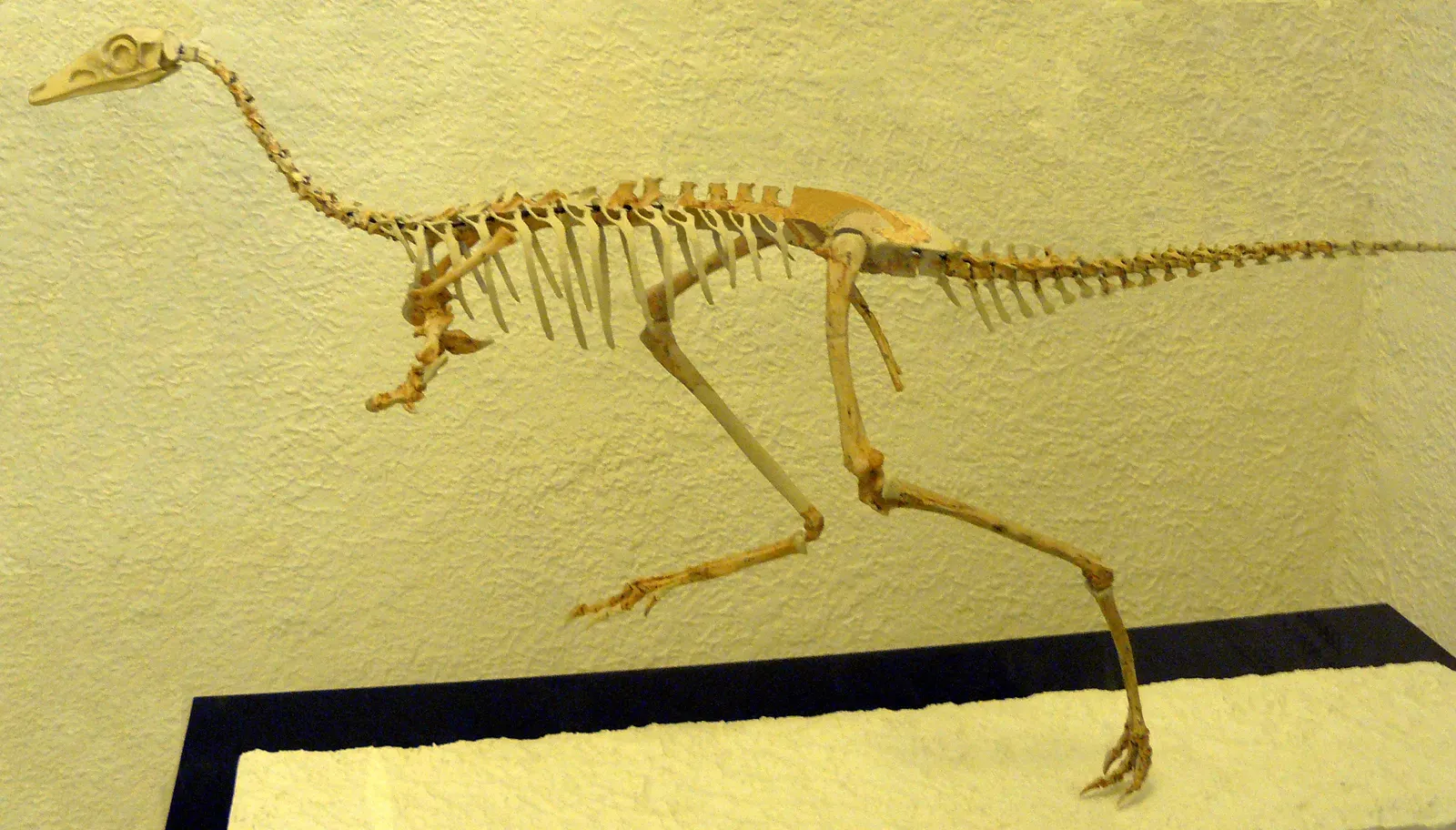
We love to make fun of T. rex arms, but in raw anatomical terms, they still look like normal arms that got shrunk: a reasonable shoulder, a fairly standard upper arm, a reduced but recognizable forearm, and two small but functional fingers. Mononykus pushes that idea to an extreme. Its forelimbs were so reduced that they almost stop resembling arms at all and start looking like muscular stubs built for one job only. Instead of being failed grabbers like those of T. rex, they were laser‑focused tools.
The upper arm bone of Mononykus was surprisingly robust, wrapped in big muscle attachments, while the forearm was short and stout. The overall length of the arm was tiny compared with its body, making T. rex’s arms look comparatively long and versatile. If you looked at just the arm skeleton of Mononykus without any context, you might struggle to guess it even belonged to a dinosaur. That is how far down the road of specialization this animal went.
One Massive Claw Where a Hand Should Be
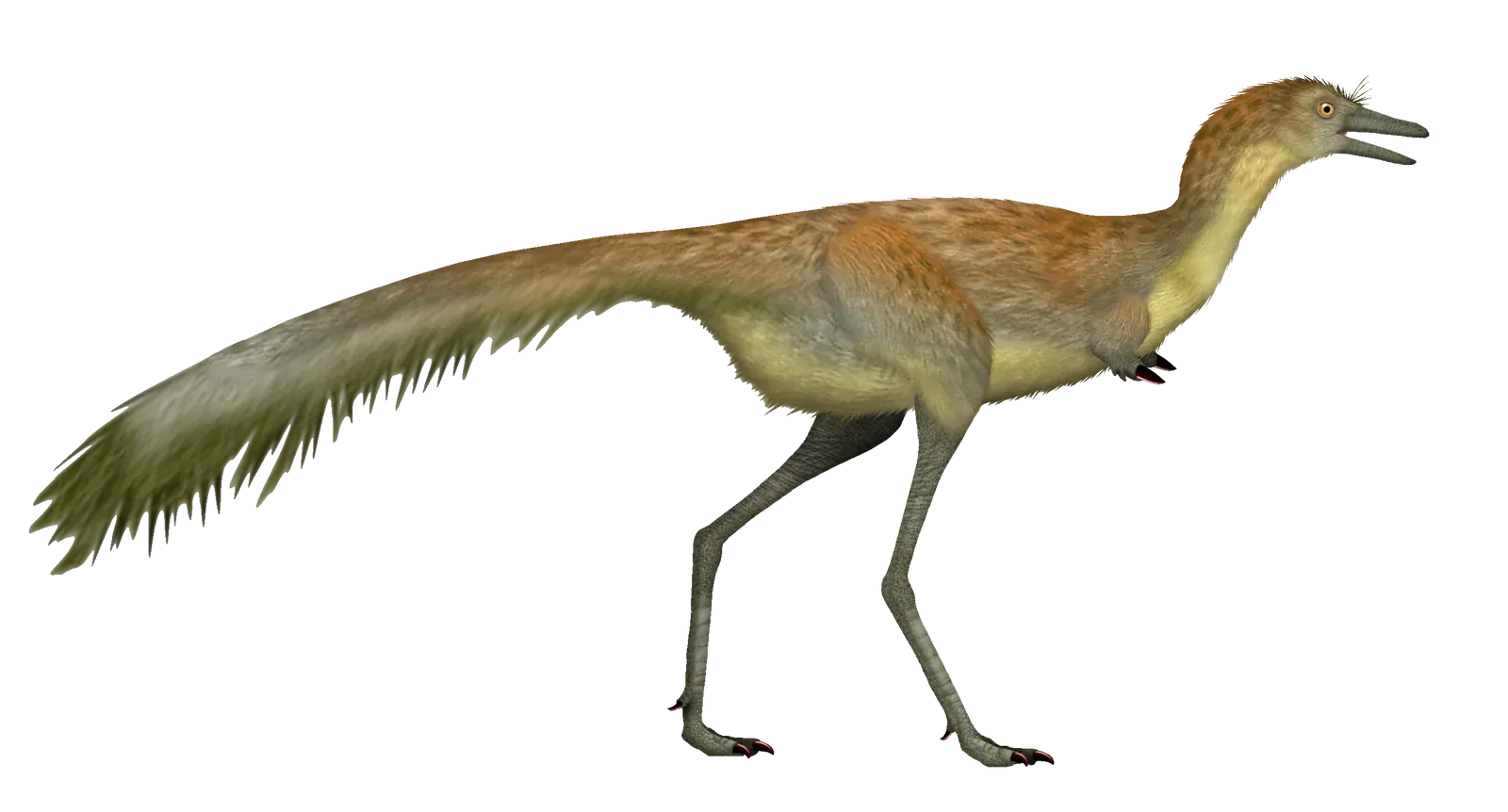
The real showstopper is right in the name: Mononykus means “single claw.” Unlike T. rex, which kept two fingers on each hand, Mononykus had essentially one large, dominant claw, with other digits reduced to tiny, vestigial nubs. Instead of a hand that could grip, it had a powerful, shovel‑like structure that looks more like a built‑in tool than a limb. Imagine replacing your hand with a single, oversized fingernail attached to a bodybuilder’s forearm – that is the vibe here.
This single claw was not delicate. It was thick, strong, and supported by a compact, reinforced skeleton that could probably handle serious mechanical stress. The surrounding bones of the wrist and hand were arranged less like grasping fingers and more like a solid base for that one main claw to push or punch into something. Compared to that, the dainty little fingers of T. rex start to look almost flexible and subtle, even though they themselves have long been considered comically small.
Built Like a Dinosaur, Working Like an Anteater?
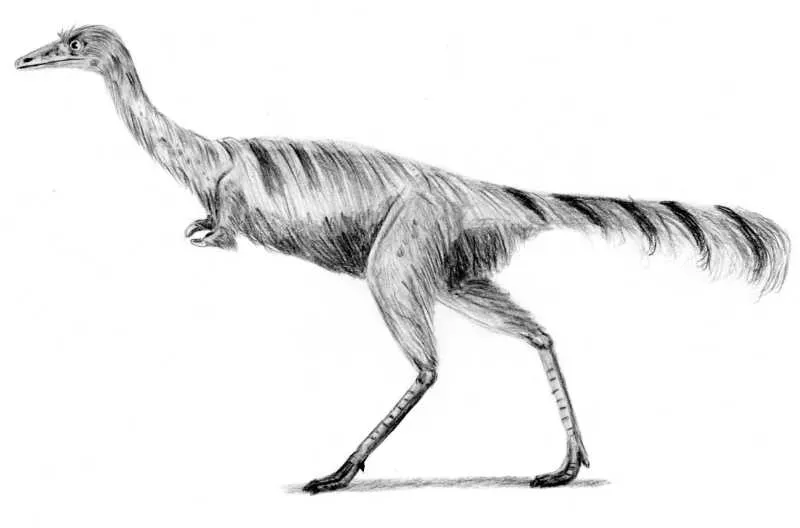
So what do you do with a short, muscular arm and one giant claw? The leading idea is that Mononykus used its limbs to tear into insect nests, especially those of social insects like termites. Modern animals with similar forelimbs – think anteaters, pangolins, and some armadillos – use their big, strong claws to rip open hard soil, wood, or mounds to get at their tiny, nutritious prey. Mononykus seems to be the dinosaur version of that strategy: a specialized, insect‑focused forager hiding behind a predatory dinosaur skeleton.
Its long legs and speedy build might have helped it cover territory in search of nests, then dart away from danger once it was done raiding. The short, sturdy arms would have worked well close to the body, driving that single claw into dirt or rotting wood without risking a long, fragile limb breaking. While we cannot watch it in action, this analogy with modern animals is one of the most convincing explanations. T. rex, by contrast, was a generalist brute force killer; Mononykus feels like a precision instrument, as if nature swapped the sledgehammer for a crowbar.
Stranger Than T. rex Because It Went All‑In on Specialization
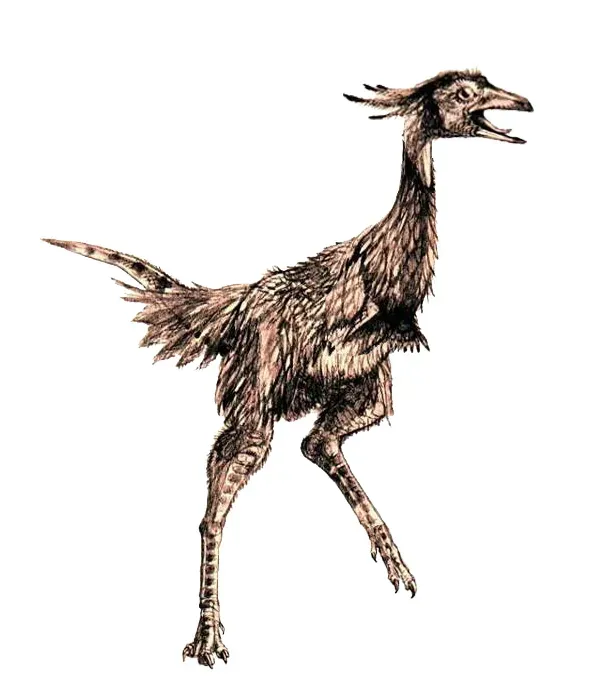
When people say Mononykus had arms stranger than T. rex, they are really noticing the difference in evolutionary strategy. T. rex had weirdly small arms for its size, but those arms were still relatively flexible, with more than one finger and at least some potential uses in holding prey or helping it rise from the ground. Mononykus threw nearly all of that versatility away. Its forelimbs are not just small; they are so specialized that they almost stop being general‑purpose limbs at all. That is what makes them truly strange.
From an evolutionary perspective, Mononykus feels like an animal that went all‑in on a single lifestyle, the way a highly niche startup might pour every resource into one odd product. It reminds me of how some birds have evolved incredibly weird beaks that only work for one specific flower or food source. T. rex kept a broad, brutal approach to being a predator, but Mononykus is what happens when natural selection takes a side road and just keeps going. You can almost imagine other dinosaurs looking at it the way we do and thinking, “That arm cannot possibly do anything else, can it?”
A Key Player in the Dinosaur–Bird Story
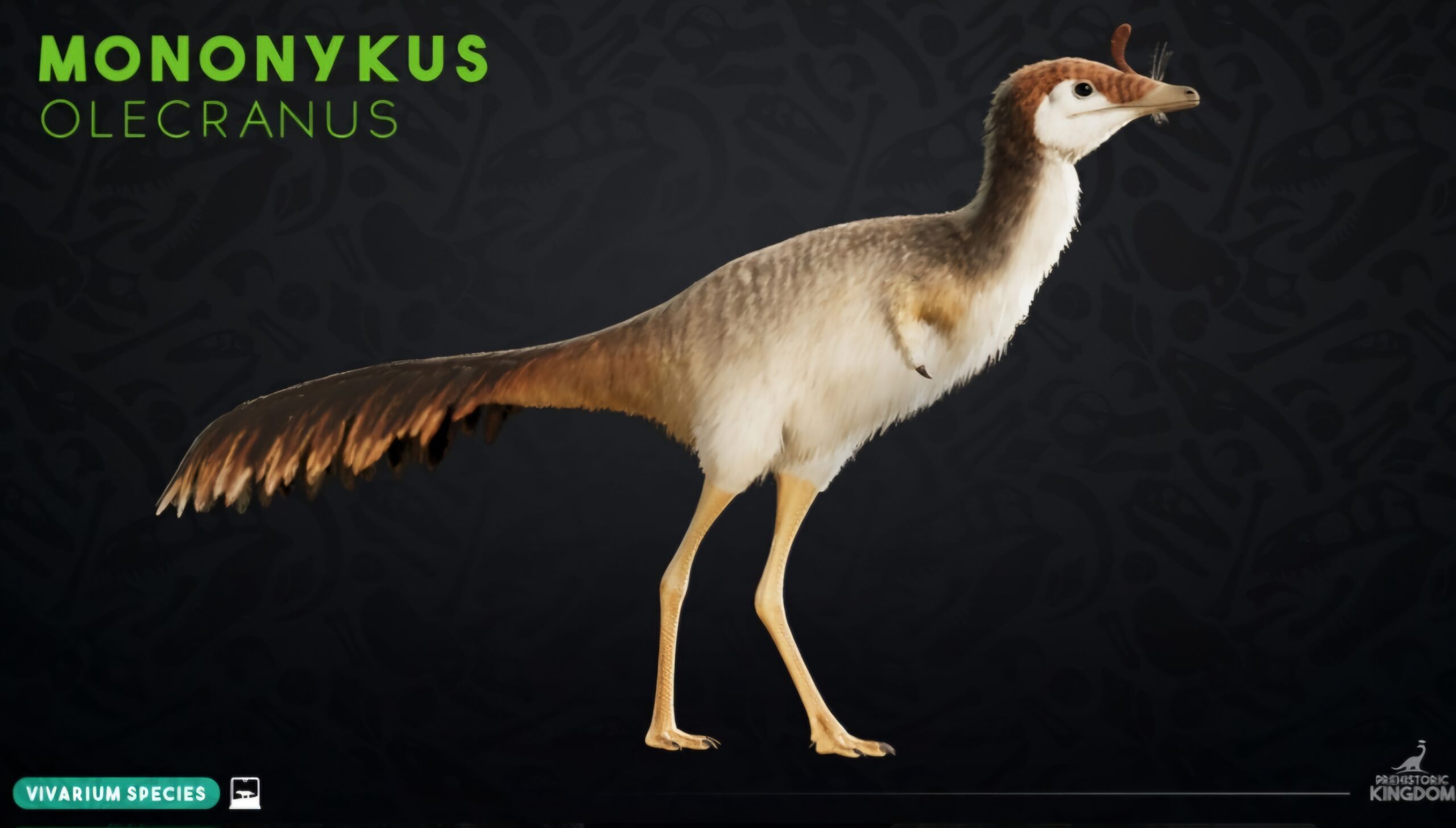
Mononykus is not just a curiosity; it is part of the bigger story of how dinosaurs and birds are connected. Its body checks many boxes that we now associate with early birds and their close relatives: light skeleton, likely feathers, long legs, and a ground‑running lifestyle. At the same time, it showcases how diverse these bird‑like dinosaurs actually were, not just in how they moved, but in what they did with their limbs. It is a reminder that the path from classic dinosaur to modern bird was not a straight line, but more like a tangled web full of odd experiments.
When you compare Mononykus to something like a modern ground bird – say an ostrich or a roadrunner – you can feel the continuity but also the weirdness. The main difference is that today’s birds usually keep their wings for display, flight, or balance, while Mononykus turned its forelimbs into dedicated digging tools. To me, that makes it one of the most convincing “bridge” animals for understanding just how flexible dinosaur bodies could be. It is both familiar and completely alien, and that tension is exactly why it fascinates researchers.
Why Dinosaurs With “Useless” Limbs Might Be Winning the Game
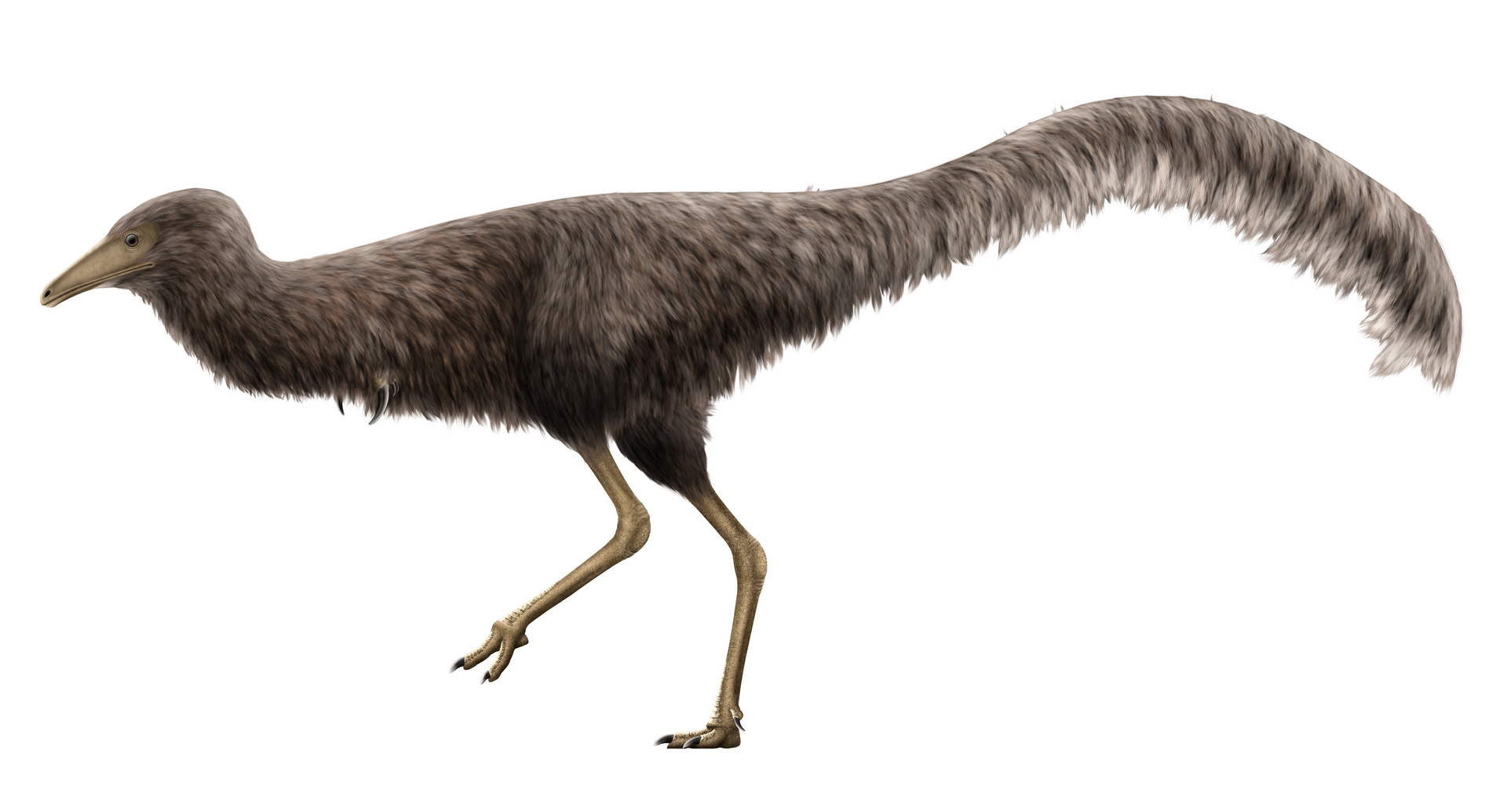
On the surface, limbs like those of T. rex or Mononykus look almost useless, and it is tempting to assume they were evolutionary leftovers. But when you look closer, both animals show that small or strange does not mean pointless. T. rex’s arms, while short, were still strong and may have helped with close‑range grappling or getting up from a resting posture. Mononykus, with its extreme single claw, flips the script entirely: it is not that the arms are reduced because they are unnecessary, but because they are honed into a very specific function.
I think this is the part that really challenges our instincts. We tend to judge anatomy by how much it looks like ours – long, flexible, with fingers that can grip. Mononykus forces us to admit that evolution is not trying to build a human‑style multi‑tool. Sometimes it builds a razor‑sharp, single‑purpose gadget instead. If anything, the arms of Mononykus are a quiet reminder that the strangest solutions can be the most effective ones in a particular niche, even if they look ridiculous from the outside.
Opinionated Conclusion: The Weird Little Dinosaur That Deserves More Fame
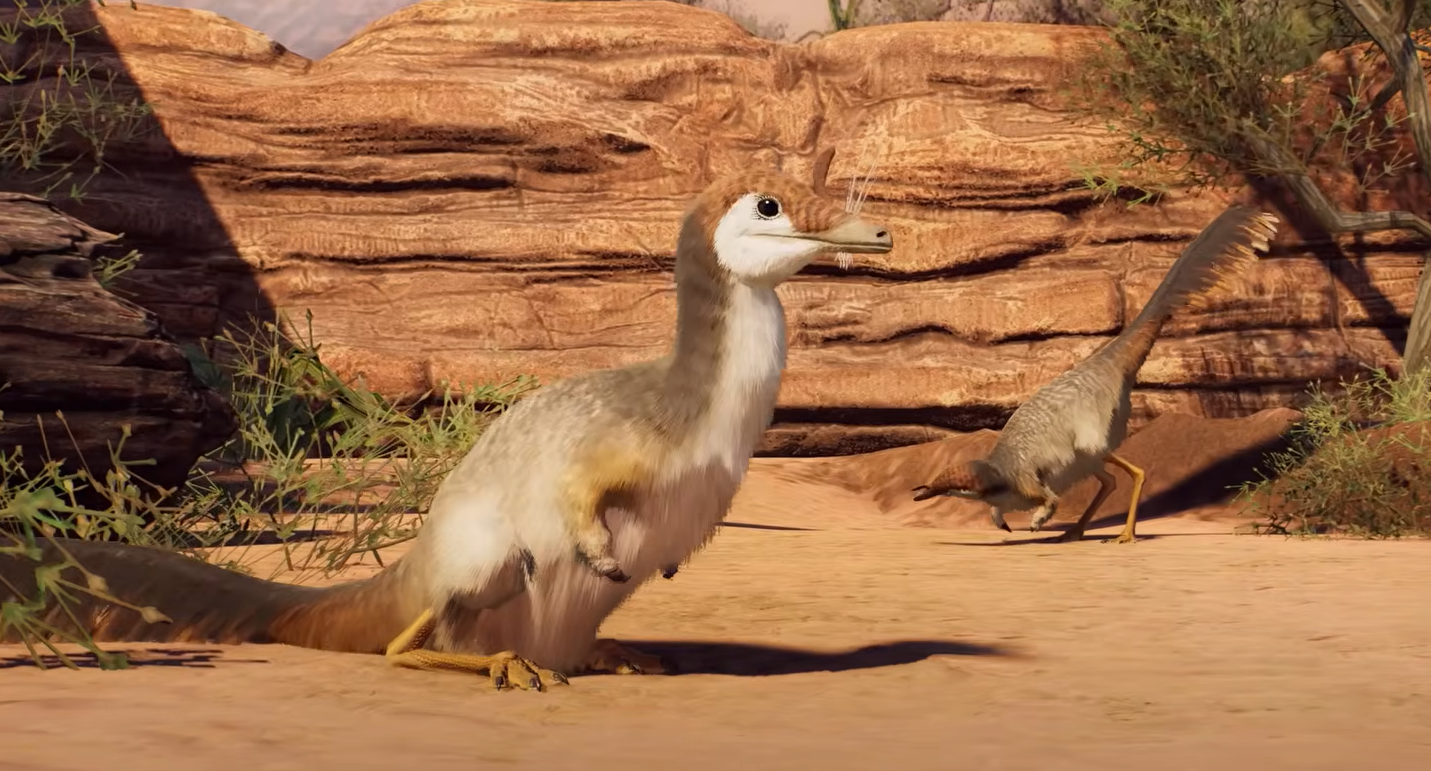
In my view, Mononykus deserves to be far more famous than it is. We keep putting T. rex on posters and lunchboxes as the ultimate symbol of dinosaur weirdness because of those tiny arms, but Mononykus is the one that truly broke the mold. Its arms were not just small; they were reshaped into something so specific and so odd that they barely count as arms in the everyday sense. If T. rex is the rock star of dinosaur pop culture, Mononykus is the underground legend that every true fan should know.
What sticks with me most is that Mononykus turns the joke around: the punchline is not that some dinosaurs had useless arms, but that we keep underestimating what “useful” can look like. This little desert runner, with its single oversized claw and bird‑like body, shows how far evolution will go to solve a problem in a harsh environment. It is strange, specialized, and quietly brilliant, and it makes T. rex look almost conservative by comparison. Next time someone laughs at dinosaur arms, are you going to bring up Mononykus?