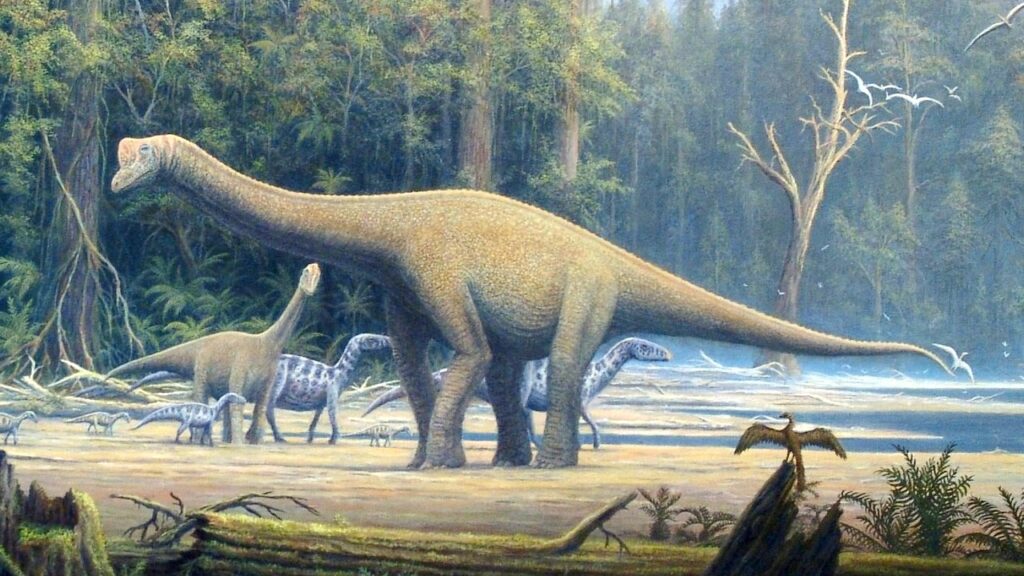
When most people picture a sauropod dinosaur, they imagine a walking skyscraper: huge legs, a neck like a crane, and a tail that could probably knock over a car. Europasaurus blows that image to pieces. It was a genuine sauropod, related to the classic giants, but it stayed adorably small by comparison – more like a bus than a city block. That alone makes it fascinating, but the story behind its size is even better.
Europasaurus is one of those fossils that quietly rewrites the rulebook on evolution. It shows that the dinosaur world was not just a parade of ever-bigger behemoths; in some corners of the planet, evolution went in the exact opposite direction. The more you dig into this animal’s biology and environment, the clearer it becomes: staying small was not a mistake or a failure. It was a smart, powerful strategy for survival.
A Sauropod That Topped Out At “Only” About Six Meters
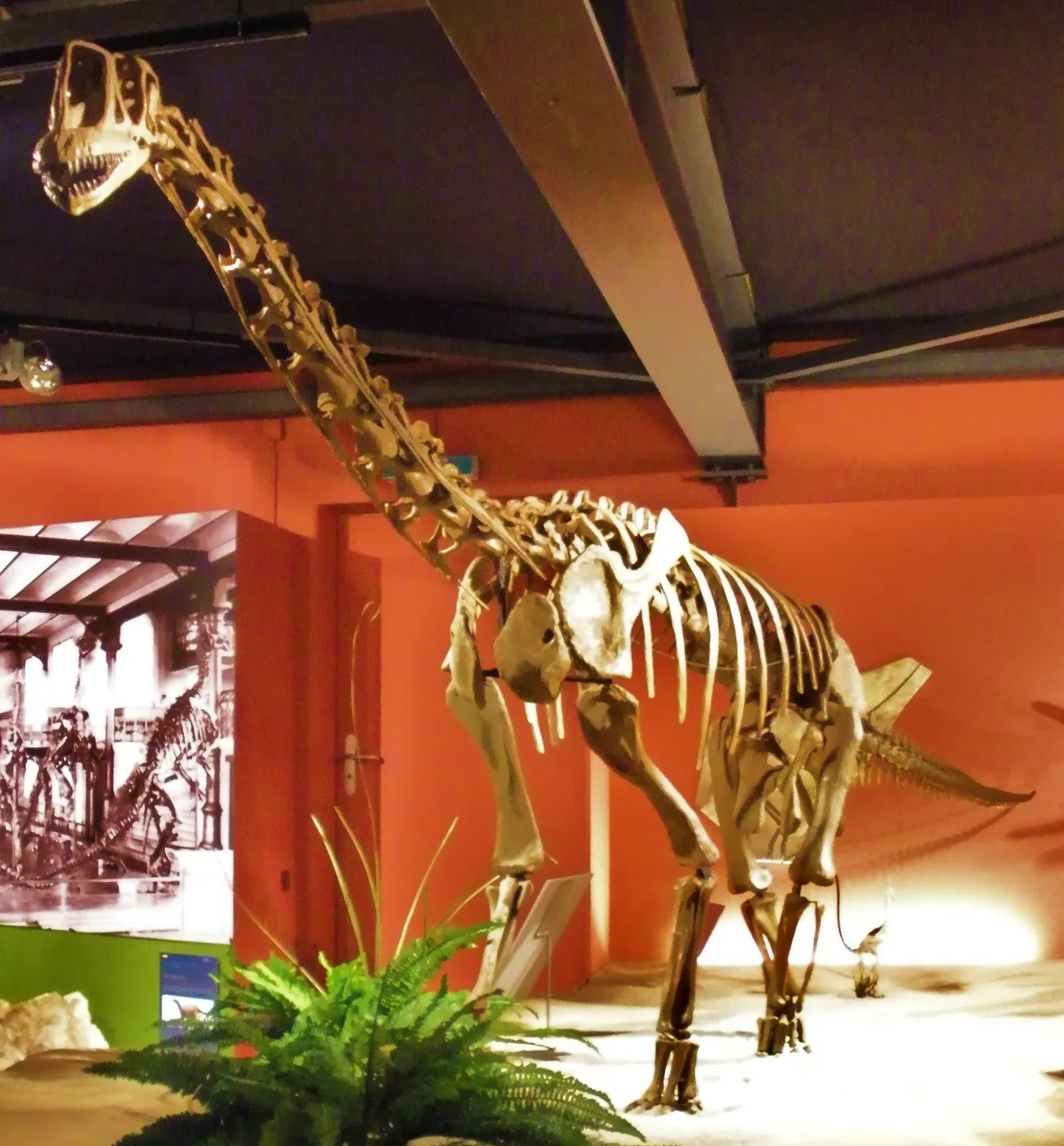
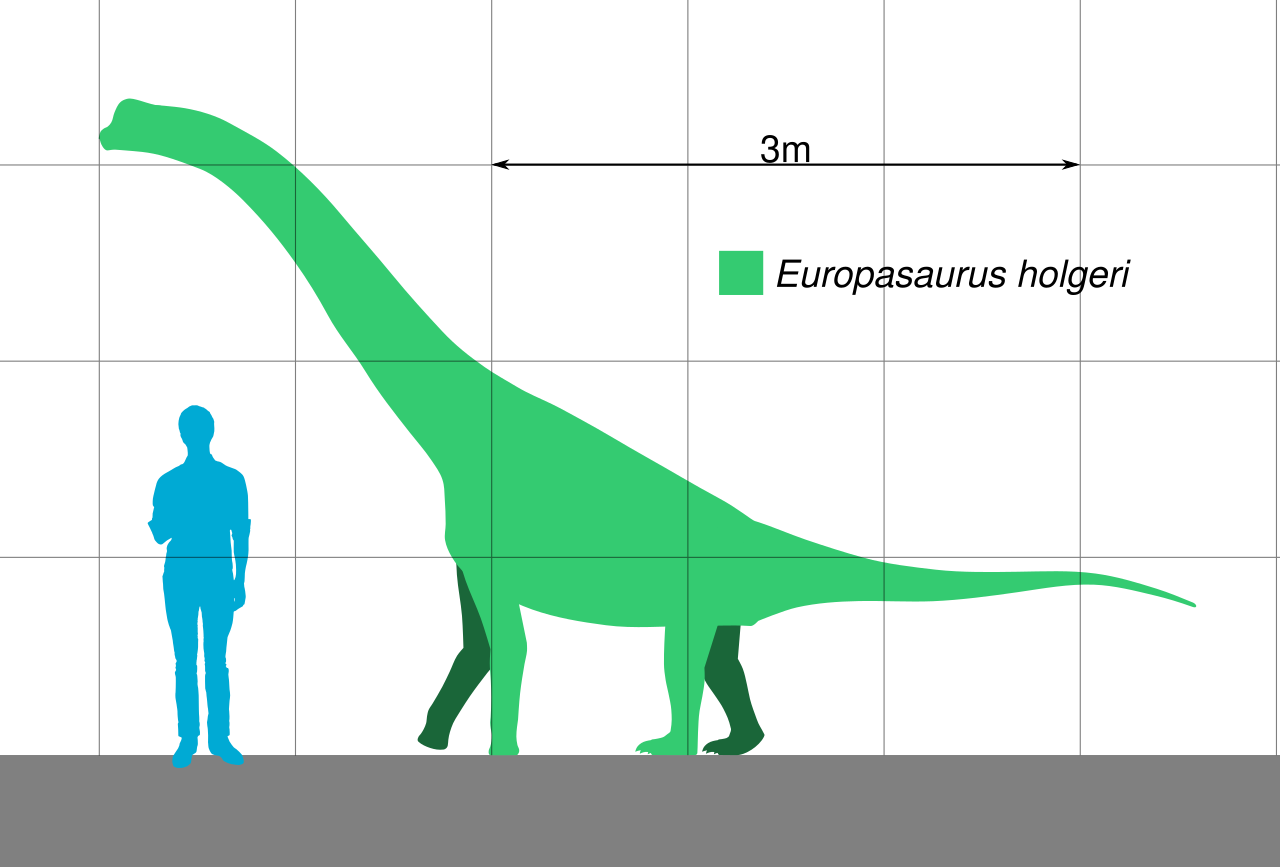
Here’s the first shocker: Europasaurus was a sauropod that measured roughly the length of a big family car, maybe up to about six meters from nose to tail, instead of the thirty-meter monsters people usually imagine. That is still a large animal by everyday standards, but in sauropod terms, it is almost comically tiny. Some of its relatives weighed as much as a commercial airplane, while Europasaurus was closer to a loaded SUV.
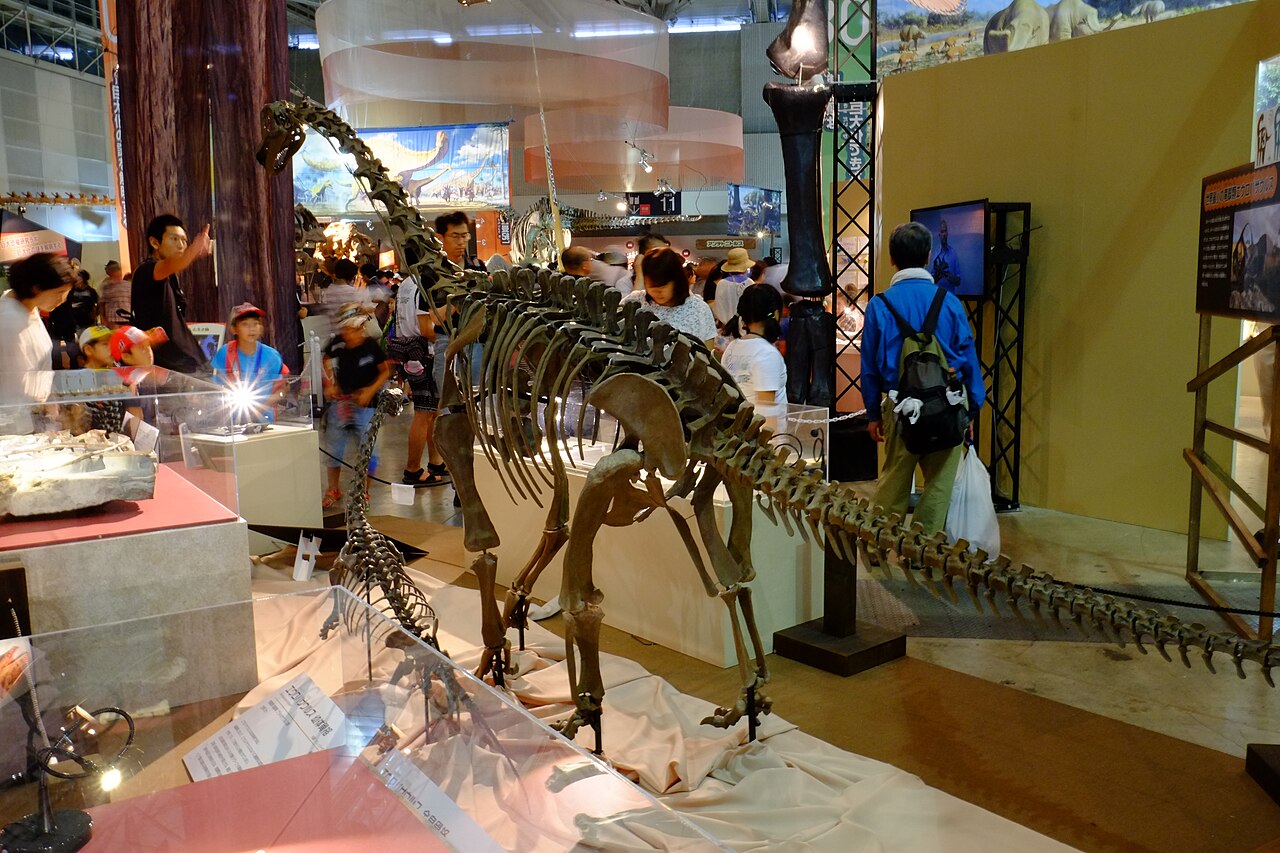
What makes this so striking is that the overall body plan is still recognizably sauropod: long neck, long tail, four sturdy legs, and a small head. It is like someone took the blueprint of a giant and simply scaled it down without changing the basic layout. That alone proves an important point: being a sauropod did not automatically mean “grow to absurd proportions.” In the right setting, even the classic heavyweights of the dinosaur world could stay compact and manageable.
Dwarfism By Design: Island Life Forced It To Stay Small
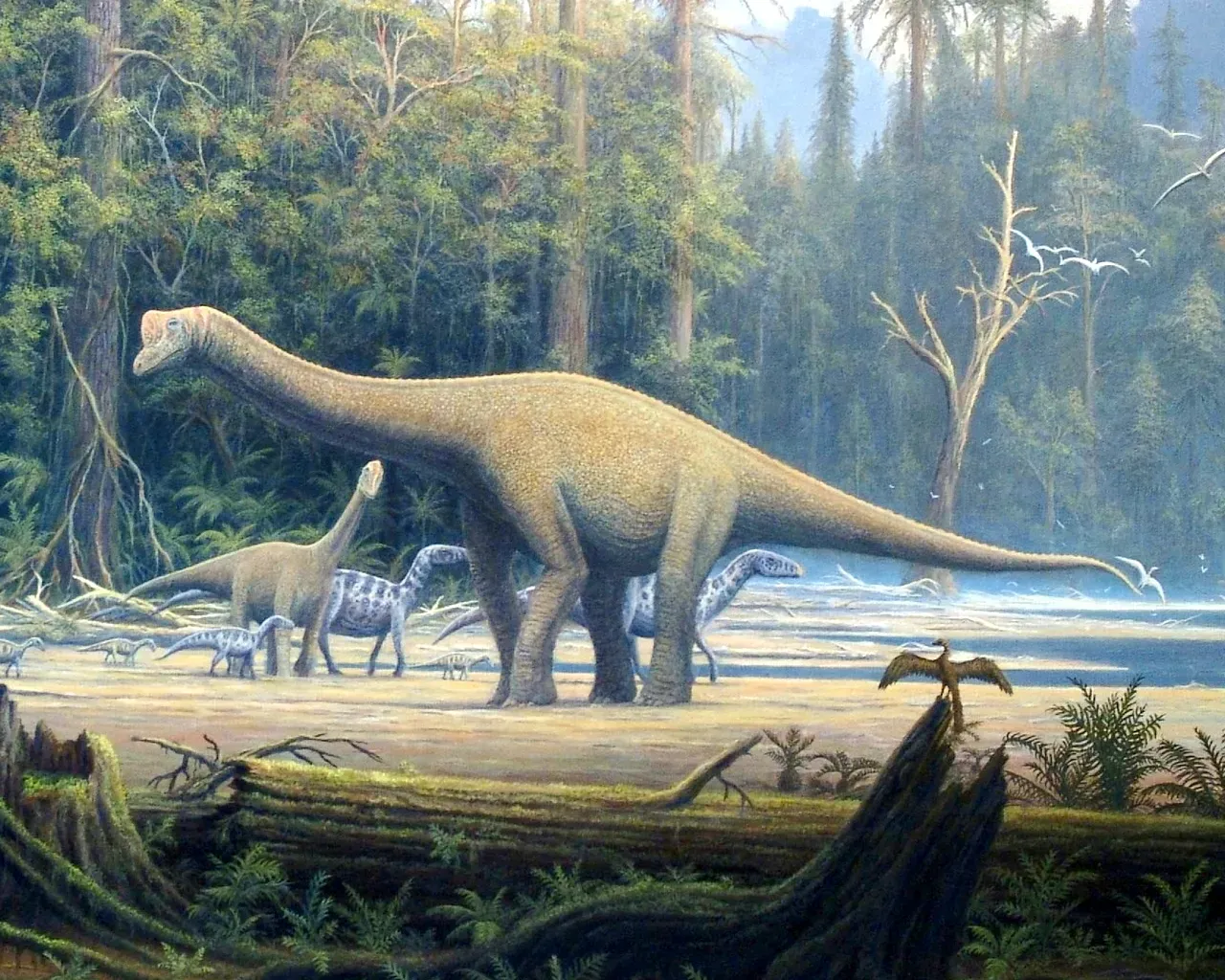
Europasaurus did not just randomly end up small; its size is a textbook example of what biologists call island dwarfism. It lived on islands in what is now northern Germany, back when much of Europe was a warm, shallow sea dotted with landmasses. On an island, resources are limited, predators can be different or fewer, and there is simply not enough food or space to support herds of multi-ton giants.
In that kind of environment, evolution rewards animals that use less energy and mature at smaller sizes. Over many generations, big-bodied ancestors can gradually shrink, with each generation nudging the average size downward. Europasaurus seems to be one of those end results: a sauropod that “downshifted” from giant mode to island-efficient mode. It is not a failed giant; it is a specialist, tuned to the constraints of an island world.
Bone Growth Rings Reveal It Was Truly Small As An Adult
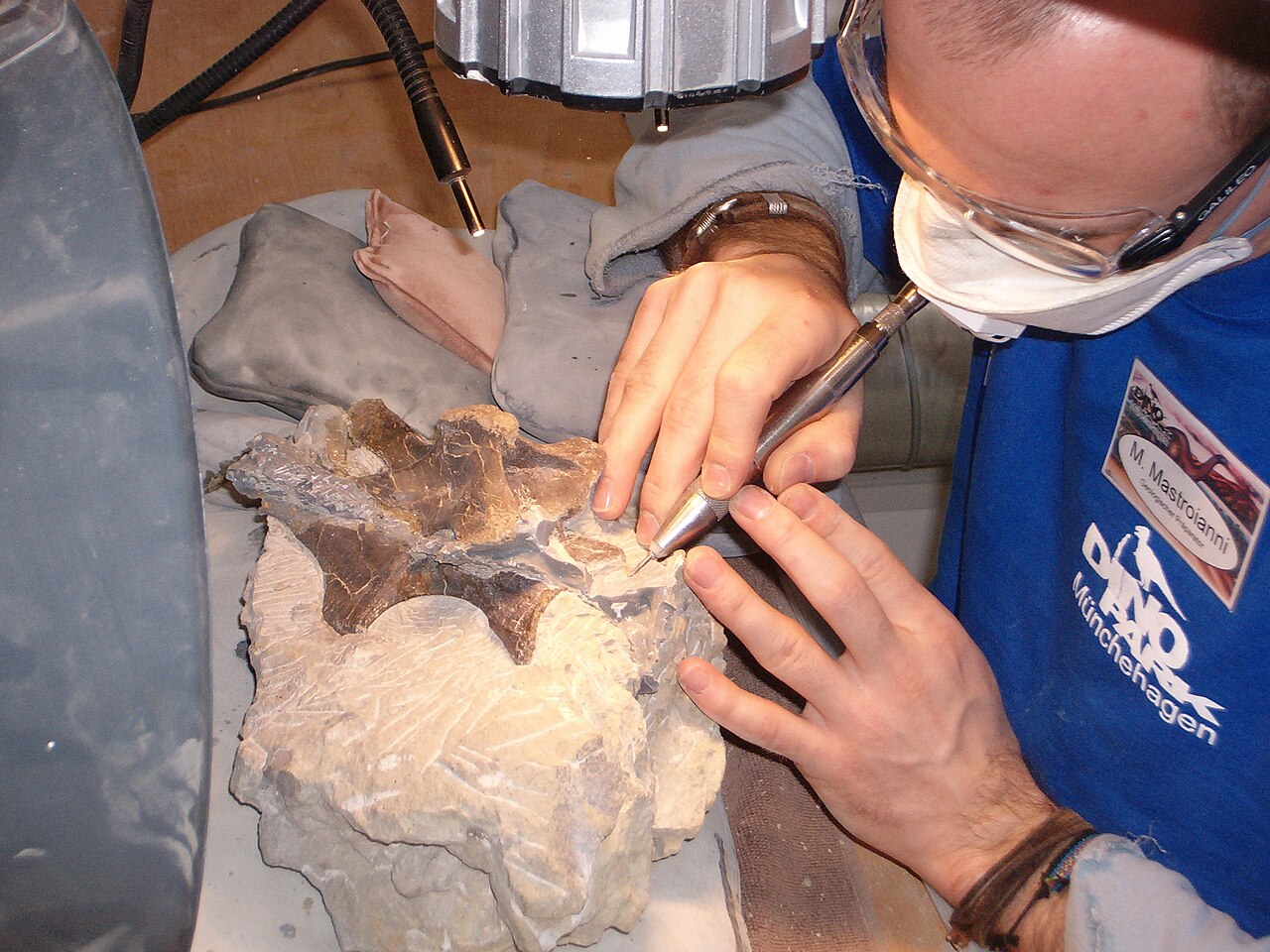
Paleontologists used a trick borrowed from tree science to show that Europasaurus did not just die young. They sliced its bones and looked at growth rings under the microscope, like counting rings in a tree stump to estimate age. What they found were bone patterns that match mature, fully grown individuals, even though the skeletons were small compared to other sauropods. In other words, these were not dinosaur toddlers; they were adults that simply never got huge.
This matters because for a long time, some scientists suspected that many “dwarf” dinosaurs might really be juveniles misidentified as species of their own. Europasaurus helped shut that door by providing solid evidence of slow-and-steady growth that leveled off at a modest size. To me, that makes its small stature even cooler: it is proof that evolution intentionally turned the size dial down and left it there, rather than just catching this animal in some halfway grown stage.
A Slower Growth Strategy Instead Of A Giant Growth Spurt
Giant sauropods are thought to have grown incredibly fast, racing from hatchling to multi-ton colossus in a relatively short time. Europasaurus seems to have chosen a different path. The microscopic structure of its bones suggests a slower growth trajectory, spreading development out over a longer period instead of rushing to reach extreme body sizes. Picture it less like a rocket launch and more like a steady, unhurried climb.
This slower growth makes sense on an island with tight food budgets. If there is not enough vegetation to support a gigantic body, it is smarter to grow modestly and avoid putting all your evolutionary chips into bulk. In a way, Europasaurus shows that “grow as big as possible, as fast as possible” is not the default setting for dinosaurs. It is just one of several strategies, and in resource-limited environments, a measured, restrained approach may actually win the game.
Sharing The Space: A Mini-Giant In A Crowded Island Ecosystem
Europasaurus did not live alone in some empty paradise; it lived alongside other dinosaurs and reptiles in a complex island ecosystem. On small landmasses, everything is compressed: food sources, nesting sites, and safe resting spots are all tightly packed. A massive sauropod would have hogged too many resources, but a scaled-down version could fit into the puzzle without breaking it. Being small allowed Europasaurus to coexist rather than dominate and crash the system.
That idea flips the usual dinosaur story on its head. We often talk about the biggest predator or the largest herbivore, as if sheer size were the main metric of success. Europasaurus makes a different point: sometimes the smartest move is to take less, occupy a smaller niche, and avoid pushing your luck. On an island, a “mini-giant” is big enough to reach high vegetation but small enough that the island does not collapse under the weight of its appetite.
A Reminder That Evolution Is Not Obsessed With Size
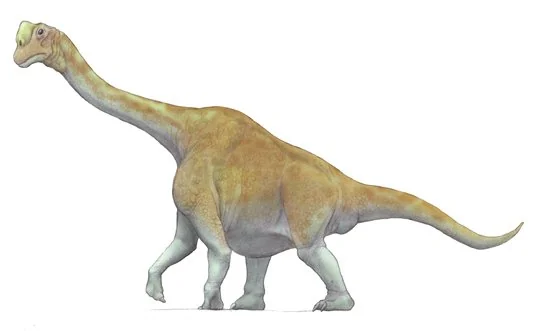
There is a cultural obsession, even today, with “bigger is better,” and that bias sneaks into how we think about dinosaurs too. We celebrate the biggest carnivore, the longest neck, the heaviest herbivore. Europasaurus stands there quietly as a counterargument. It shows that evolution is not a fan of size for its own sake; it is a fan of whatever works in the moment, on that land, with that climate and those resources.
In fact, evolution often cuts things back rather than cranking them up. Big body size comes with huge costs: you need more food, more time to grow, and more space to move. Europasaurus is a case study in how natural selection can deliberately shrink a lineage when the environment demands it. It proves that “downsizing” is not a downgrade; it can be a sophisticated, successful adaptation that keeps a lineage going in places where giants would starve.
A Sauropod You Could Actually Imagine Seeing Eye To Eye
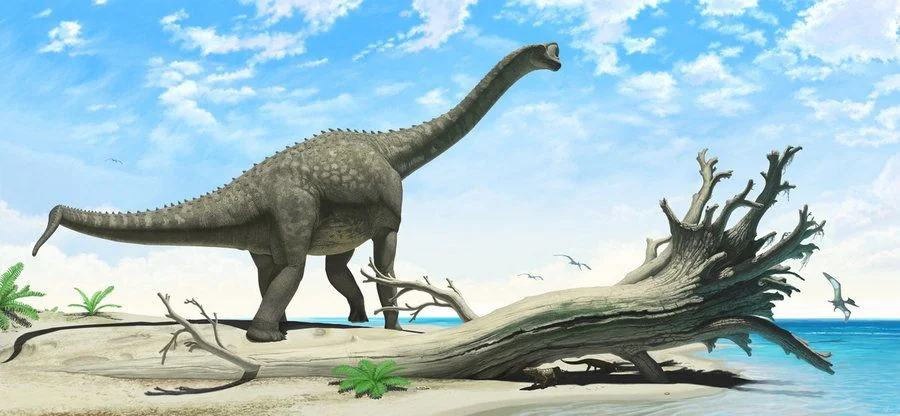
Compared to the towering sauropods that would have made a human feel like an ant, Europasaurus is weirdly relatable. If you could stand next to one, you would not be utterly dwarfed. You might reach somewhere around its shoulder or side instead of barely touching its ankle. That mental image alone brings sauropods down from mythic monsters to something more grounded and familiar, almost like a very strange, long-necked cow roaming the landscape.
There is something emotionally powerful about that. Europasaurus makes the dinosaur world feel less like an alien planet and more like a real ecosystem filled with animals of many scales. Not every herbivore had to be impossibly massive to survive. Some, like Europasaurus, thrived by staying closer to a size our brains can actually process. It reminds us that the Mesozoic was not just a land of giants, but a patchwork of body sizes and life strategies, many of which we are only just starting to appreciate.
Proof That Even The “Giant Lineages” Were Experimenting
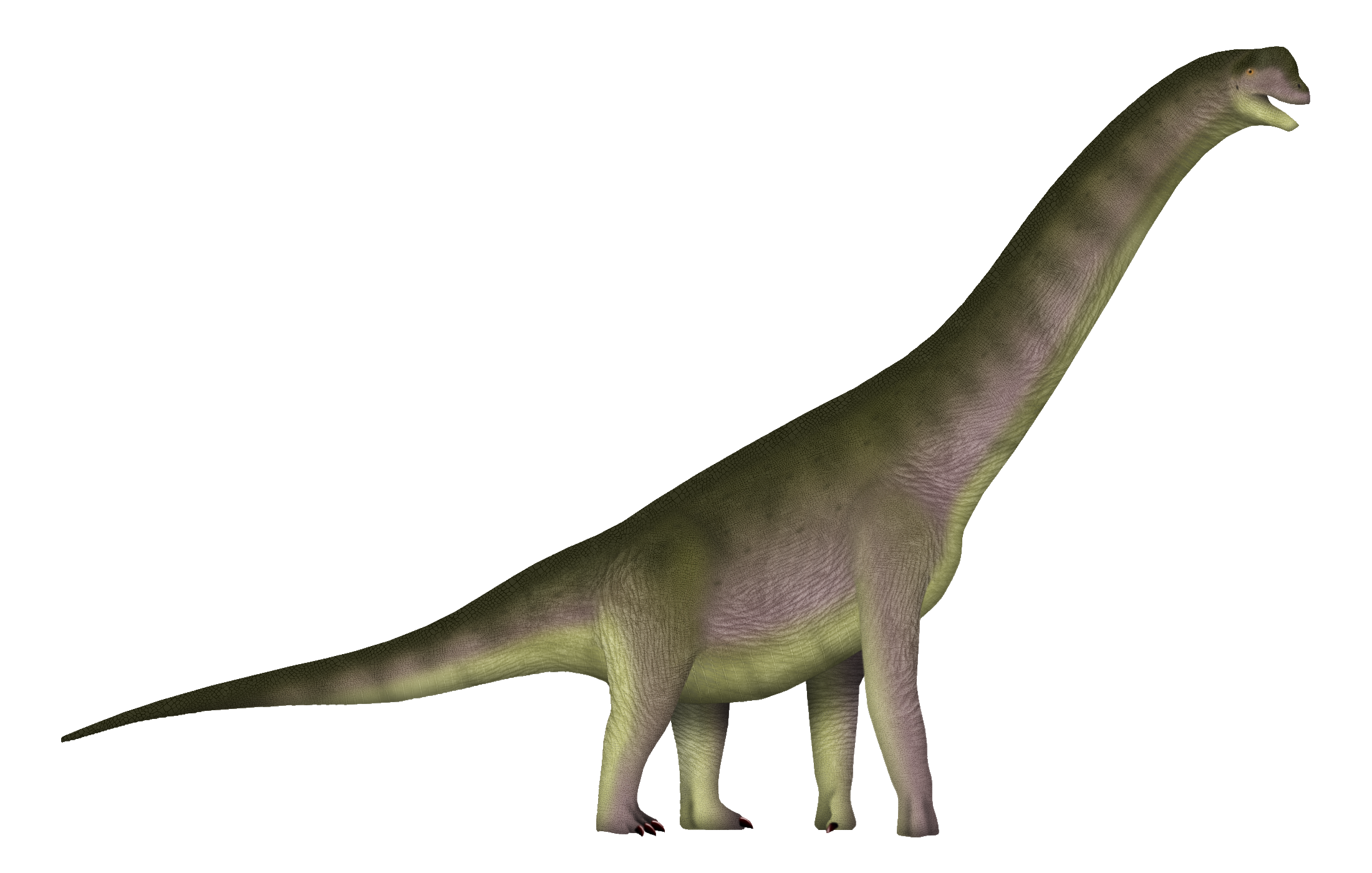
Perhaps the most important thing about Europasaurus is what it says about flexibility. Sauropods as a group are famous for being huge, but Europasaurus shows that even within those “giant lineages,” evolution was constantly experimenting. You can imagine its ancestors stepping onto those islands, each generation a little smaller, a little better at making do with less, until eventually a stable, small-bodied sauropod emerged. That is not a fluke; it is a long, deliberate evolutionary negotiation with the environment.
To me, that makes Europasaurus feel almost rebellious. It breaks the stereotype that once a lineage becomes gigantic, it is locked into that path forever. Instead, it proves that even the so-called titans of the dinosaur world had the capacity to pivot, shrink, and reinvent themselves when conditions changed. Not all giants stayed giant, and that is not just a fun fact about one quirky species. It is a reminder that life is far more versatile, and far more willing to bend the rules, than we usually give it credit for.
Conclusion: Why Europasaurus Deserves More Hype Than The Mega-Giants
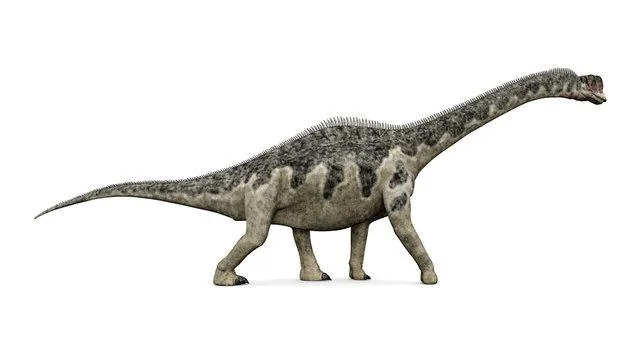
If I am honest, I think Europasaurus deserves almost as much attention as the colossal sauropods that hog the museum posters. Its story is quieter but, in a way, more profound. It shows that success in nature is not about being the biggest bully in the room; it is about fitting your environment so well that you do not need to be. In a time and place where giant bodies would have been a liability, Europasaurus carved out a future by doing the opposite of what its reputation-heavy relatives are famous for.
There is a kind of humility baked into that lesson that I find both timely and inspiring. We live in a world that still glorifies scale, whether it is buildings, companies, or personal followings, but Europasaurus whispers a different truth: sometimes, thriving means dialing things back and staying nimble. Maybe that is why this small sauropod hits such a nerve today. It proves that even among legendary giants, the clever ones knew when to stop growing. How many other stories, in dinosaurs and in our own lives, would look different if we stopped assuming bigger always means better?