If you have ever made a folder called “Misc – Final – Use This One” on your laptop, you are already participating in something very old: the human obsession with naming and sorting the world. It looks like a modern quirk, but anthropologists increasingly think this mental habit might reach all the way back to our early ancestors and may even have helped our species outlast other hominins like Neanderthals. The urge to ask “What is this?” and “What kind of thing is it?” is not just nerdy curiosity; it might be part of the engine that drove our survival.
From stone tools to social rules, humans have always turned raw chaos into labeled boxes: edible versus poisonous, friend versus stranger, sacred versus taboo. That constant categorizing may sound boring, but it is a powerful shortcut for thinking, remembering, and coordinating with others. When you see how deep it runs, the idea that this mental filing system helped us outcompete close cousins stops sounding far‑fetched and starts to feel almost obvious. Once a group can agree on names and shared categories, it can share knowledge faster, react together, and build culture layer upon layer.
The Strange Human Obsession With Naming Everything
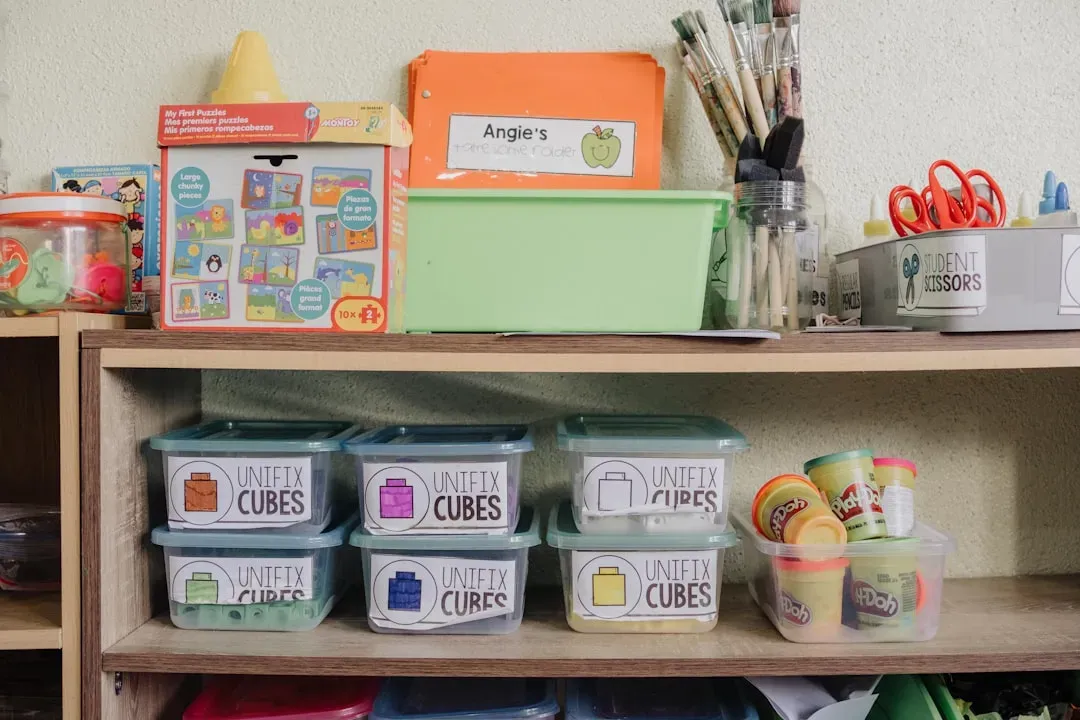
Look around any everyday scene: brand names on your coffee mug, labels on spice jars, playlists grouped by mood, contacts sorted by role. Most of us do not even notice how relentless this is because it feels natural, but from an evolutionary perspective it is surprisingly extreme. Other animals certainly distinguish things, yet humans go much further, pinning words to almost everything, from clouds and colors to social roles and imaginary creatures. This turns the world from a blur of impressions into something like a labeled map.
Anthropologists see this as more than a cultural fad; it appears to be baked into human cognition. Children spontaneously invent categories before they can explain what they are doing, sorting blocks by shape or animals by kind with zero formal training. That suggests our brains are wired to slice the world into meaningful pieces and then store them as named chunks. Compared with other hominins, a species that leans heavily on labeled, shareable concepts would have a big edge in remembering what matters and teaching it to others quickly.
Categories as Mental Shortcuts: Why They Boost Survival
In a harsh Pleistocene landscape, you did not have time to run a fresh experiment every time you met a plant, animal, or stranger. Categories let you skip straight to action: if it fits into “venomous snake” or “likely predator,” you respond now and analyze later. Once a group establishes categories like safe foods, dangerous animals, or trustworthy neighbors, every member can tap into that knowledge without repeating the same painful mistakes. Naming a plant “good for stomach pain” or an animal “never approach” compresses whole stories of experience into a few syllables.
This compression is a huge cognitive bargain. Instead of juggling endless details, our ancestors could operate with tidy packets like “this is game worth hunting” or “this person is kin,” guided by long‑term patterns learned over generations. That kind of fast classification would have been a quiet but constant advantage over other hominins relying more heavily on moment‑to‑moment judgment. In a world where tiny margins decided who ate and who starved, being able to slot new experience into old categories quickly may have tilted the odds just enough to matter.
Language, Labels, and the Power of Shared Minds
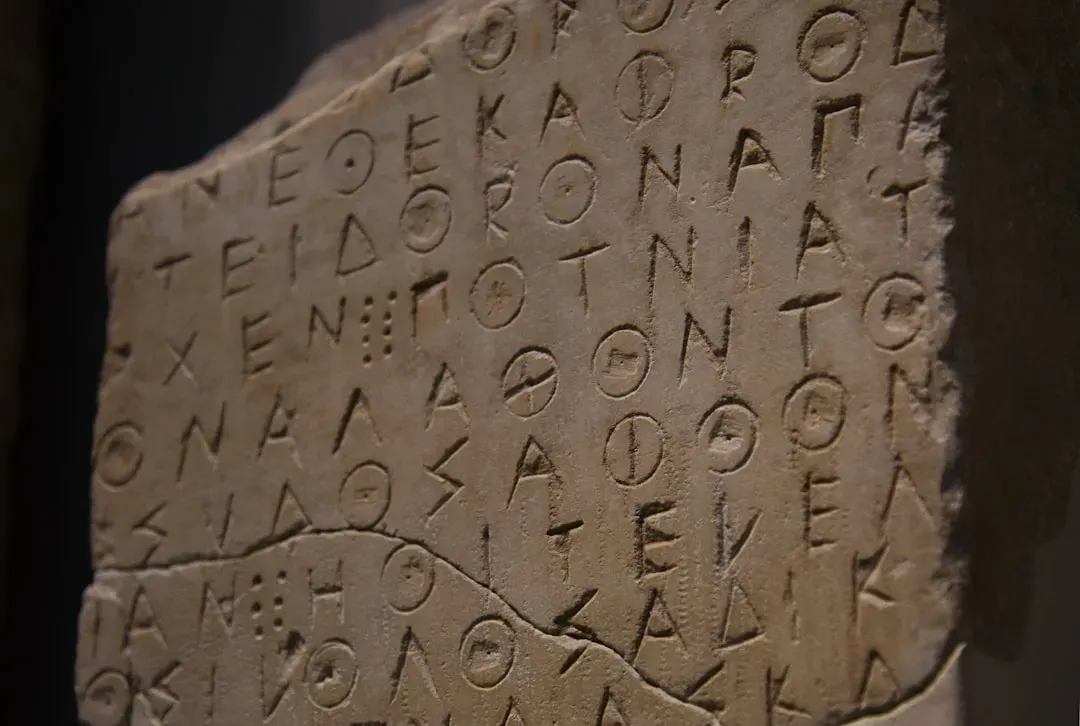
Labeling really takes off when you combine it with language. A category inside one brain is useful; a category that can be passed around a campfire is a force multiplier. Early humans could point at a plant, give it a name, and attach a rule to it: good in small amounts, deadly if you overdo it. That turns individual trial and error into shared cultural memory, which spreads horizontally through a group and vertically across generations. The more precise the labels, the more refined the shared map of the environment becomes.
Many researchers think this kind of cultural transmission is where Homo sapiens really pulled ahead. Other hominins used tools and lived in groups, but our species seems to have woven denser networks of information and tradition. Names for tools, animals, kinship roles, and rituals are like data compression for culture, keeping key knowledge stable enough to hand down while still allowing tweaks and improvements. In my own life, I feel a faint echo of this when I teach a friend a new recipe: once we agree what to call each step, we can talk about improving it together instead of reinventing everything from scratch.
Outcompeting Other Hominins: A Subtle but Powerful Edge
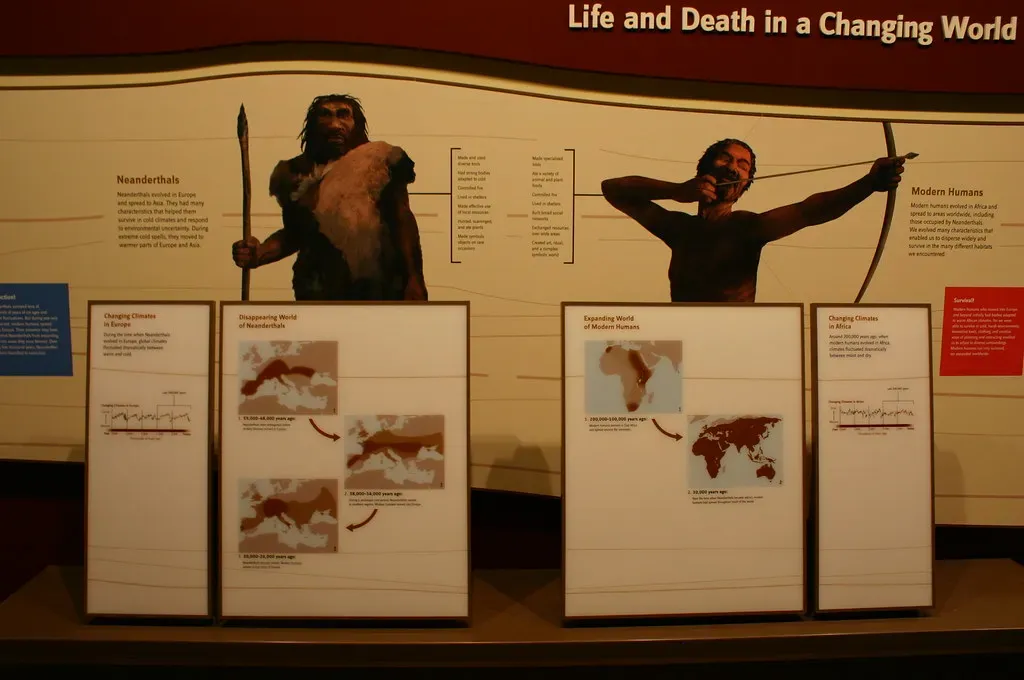
When people imagine why Homo sapiens survived while Neanderthals and others vanished, they often picture dramatic scenes: better weapons, brutal conflicts, maybe a stroke of luck. But anthropology paints a more nuanced picture, where small cognitive advantages add up slowly over thousands of years. The habit of naming and categorizing probably was not some magic switch, yet it may have amplified other strengths like social cooperation and innovation. Groups that could organize information more tightly could plan better hunts, manage resources more carefully, and coordinate larger networks of allies.
Evidence from archaeology suggests our species produced increasingly complex toolkits and symbolic artifacts over time, hinting at rich mental categories and intricate traditions behind them. Even if Neanderthals were highly intelligent, a species that leaned harder into shared labels and structured knowledge might spread faster and adapt more flexibly to changing climates and new territories. Think of two teams playing the same game, but one has a clear playbook with names for each move; over a long season, that organized team usually pulls ahead, not because their players are stronger, but because their coordination wastes less potential.
Social Categories: Allies, Enemies, and the Birth of “Us” and “Them”
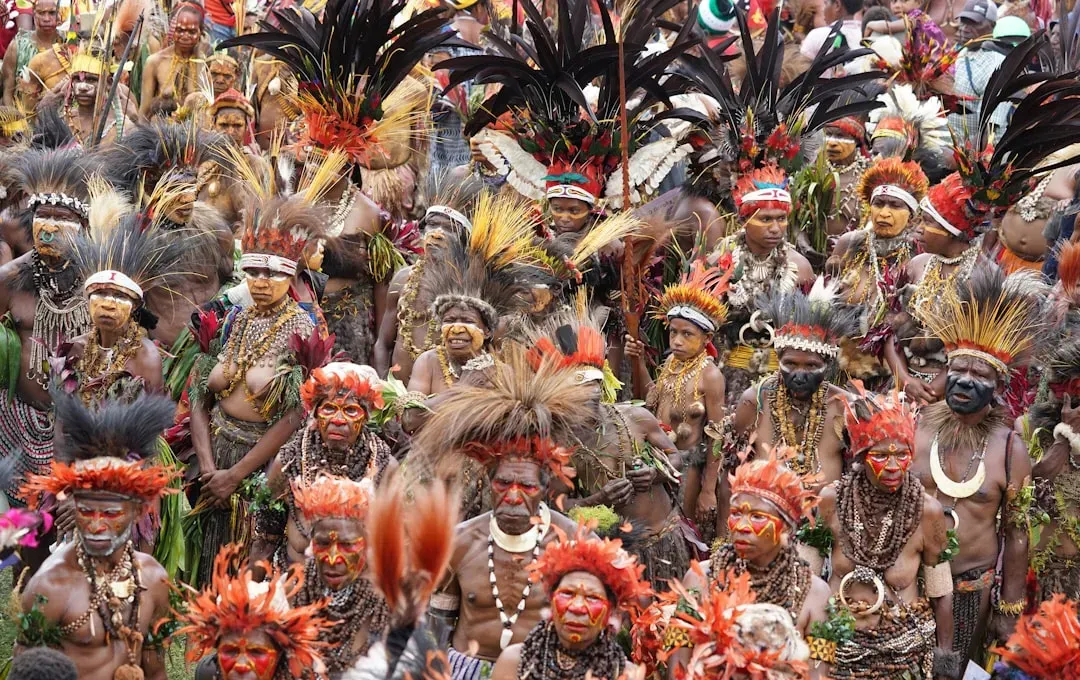
Categorization is not just about rocks and plants; it is also about people. Early humans had to navigate who was kin, who owed favors, who might betray them, and who was worth risking their life to defend. Naming social roles – hunter, healer, elder, in‑law – turns messy interpersonal realities into something more predictable. Once everyone agrees on these labels, you can build expectations and norms around them: how to treat an elder, what a guest can ask for, when a stranger becomes a friend. That makes social life much easier to manage at larger scales.
Of course, there is a darker side here too. The same capacity that helps us recognize kin and allies also lets us divide the world into insiders and outsiders. Some anthropologists think this tendency toward in‑group and out‑group thinking may have strengthened cooperation within bands of Homo sapiens, even if it sharpened rivalry with others. Compared with hominins that relied on smaller, looser networks, a species that could maintain big, tightly bonded groups – held together by shared stories, names, and identities – would have been more resilient in crises. It is not a flattering picture, but survival rarely is.
Tools, Technology, and the Categorized World of Early Humans
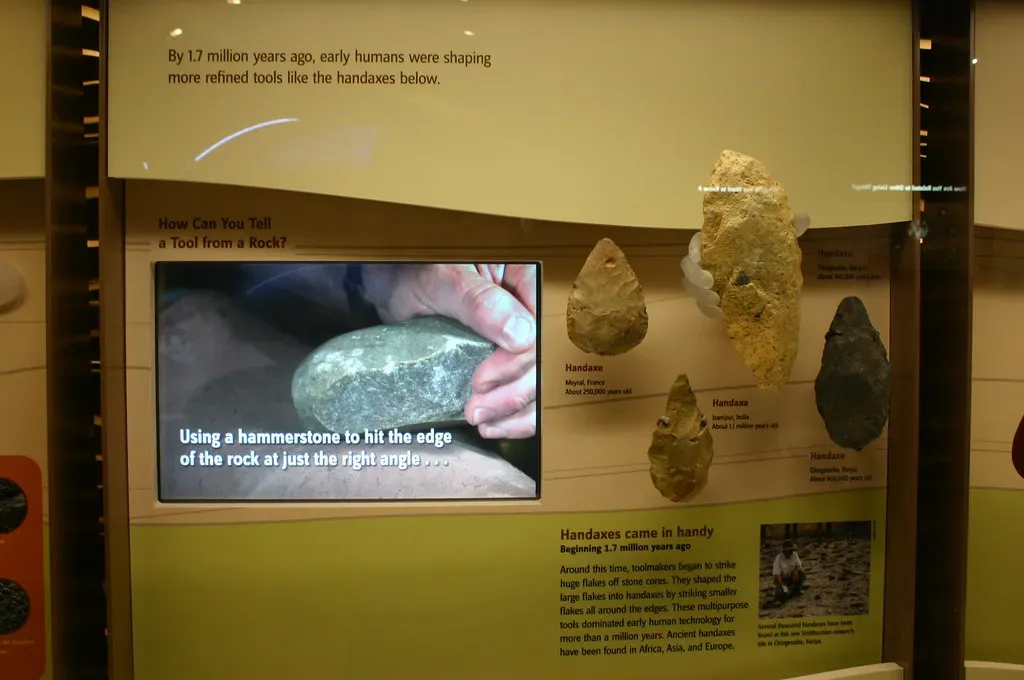
Every stone tool embodies a category: this is not just a rock; it is a scraper for hides, a blade for butchering, or a point for hunting. Archaeologists see clear evidence that early humans distinguished tool types and refined them over generations, suggesting mental boxes for what each thing was for and how it should look. Once you label a design and its purpose, you can teach it more efficiently, tweak it deliberately, and combine it with other tools in creative ways. That is how you go from a simple cutting edge to a complex toolkit that reshapes a whole environment.
Over time, this tool‑based categorization probably fed back into cognition itself. Living in a world where almost every object has a recognized type and function trains the brain to think in terms of systems and roles. Even today, we casually distinguish between devices, apps, platforms, and workflows, as if the world naturally came pre‑sorted that way. I sometimes catch myself mentally labeling tools in my kitchen the same way I imagine a forager labeling stone tools: this one is for slicing, that one is for grinding, that odd one is only for special tasks. The pattern is old, even if the gadgets are new.
The Modern Echo: From Taxonomies to Hashtags
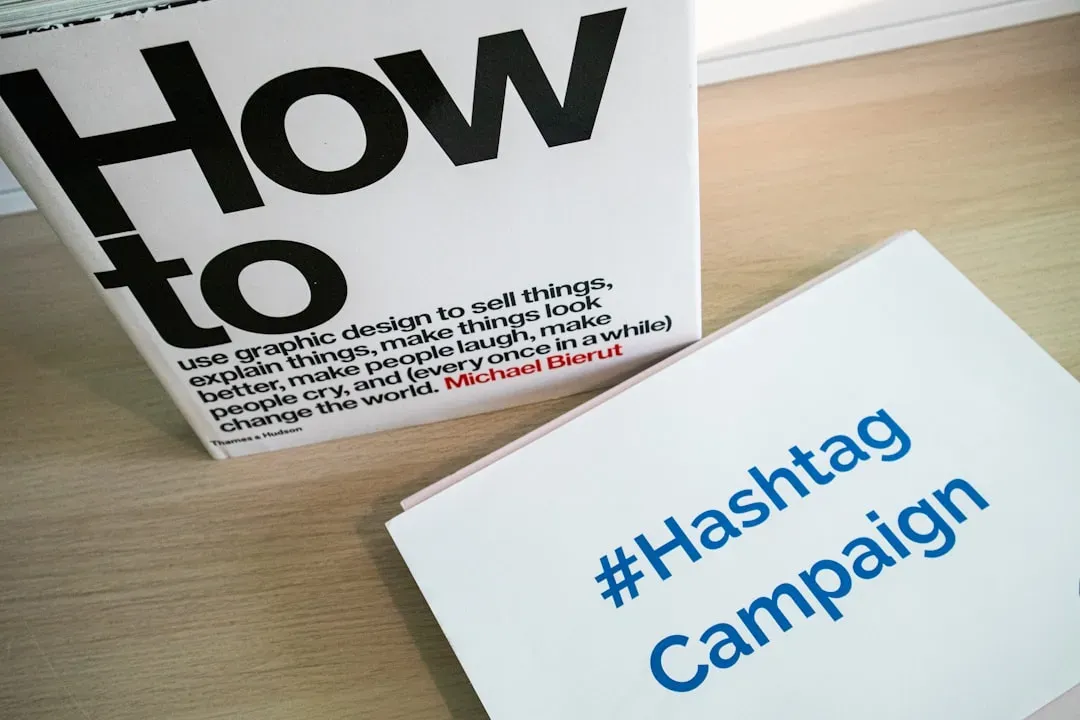
Fast‑forward to now, and our categorizing habit has exploded into full‑blown taxonomies, databases, and tagging systems. We name species, diagnose mental states, label genres of music, and argue online about what counts as what. Social media has turned this into a constant, visible process: hashtags and labels create instant buckets that people cluster around, organizing trends, debates, and identities on the fly. It is the same old human impulse, just operating at digital speed and global scale.
What fascinates me is how satisfying it still feels. There is a little spark of pleasure when you find exactly the right folder for a file or the perfect label for a complex feeling. That suggests categorization is not just a cold logical tool; it is emotionally rewarding, maybe because for our ancestors it reliably turned confusion into clarity and risk into manageable patterns. We are the descendants of people who found that feeling powerful enough to chase it, refine it, and build whole cultures on top of it – and that legacy shows up everywhere from academic classification systems to the way we group memes.
Limits, Misfires, and Why Our Categories Still Matter

For all their power, categories can mislead us. Our brains like clear boxes, but reality is messy, so we sometimes force things into groups that do not quite fit. That can create stereotypes, rigid thinking, and blind spots, especially around other people. Anthropologists caution that while categorization helped ancestors survive, it can also lock us into outdated assumptions if we treat our labels as permanent truths instead of useful guesses. In a sense, the same mental tool that once helped us identify dangerous berries can now fuel social prejudice if we are not careful.
Recognizing these limits is part of growing up as a species. We can keep the strengths of categorization – fast learning, shared knowledge, coordinated action – while staying humble about its flaws. I like to think of categories as sticky notes, not stone tablets: incredibly useful, easy to share, but always open to being peeled off and replaced. That mindset respects the evolutionary gift our ancestors passed down without letting it quietly run the show when the world changes and our old boxes no longer serve us.
Conclusion: Our Greatest Advantage, Still Under Our Control

When you zoom out, the idea that our urge to name and categorize helped us outcompete other hominins feels compelling, even if the evidence will always have gaps. A species that can carve reality into shared, labeled chunks gains huge leverage over time: better survival rules, richer traditions, more complex tools, and tighter social networks. Compared with that slow, cumulative edge, any single dramatic moment of conflict or disaster almost looks secondary. Our labels did not guarantee victory, but they probably stacked the odds in our favor every single day for thousands of years.
Personally, I think this is both inspiring and a little unsettling. The very mental habit that may have secured our place on the planet is still shaping how we treat each other, how we build technology, and how we divide up the world into “us” and “them.” That means our old advantage can easily become a modern liability if we let our categories harden into cages. The real challenge now is not to stop labeling – we could not, even if we tried – but to stay aware that we are doing it and choose our boxes more wisely. After all, if naming the world helped us survive our past, what kind of future could we create by learning to rename it with more care?