
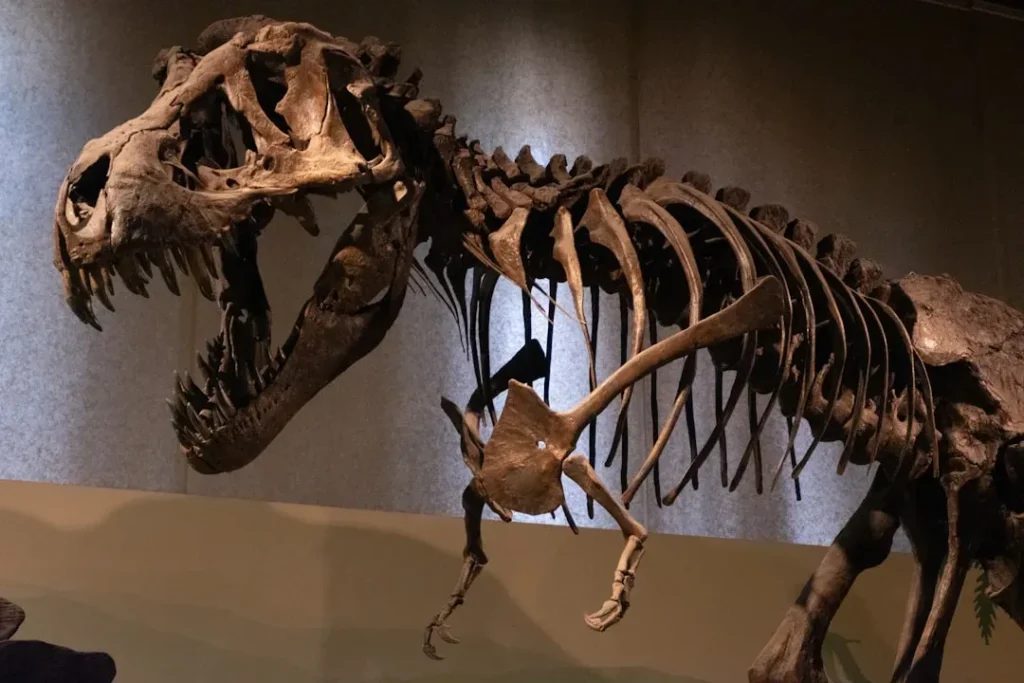
If you think scientists always calmly agree on what the fossil record is telling us, you’re in for a surprise. Every so often, one single dinosaur fossil shows up, blows a hole in decades of assumptions, and sends paleontologists into full-on debate mode. Careers pivot, textbooks get rewrites, and conference coffee breaks suddenly turn into heated mini–court trials over what this one set of bones really means.
What makes these “chaos fossils” so addictive is that they force us to admit how much we still do not know. I still remember the first time I read about a duck-billed dinosaur with preserved skin and potential soft tissue; it felt like someone had switched the TV from black-and-white to 4K color. Below are nine times a single fossil did exactly that to the entire field, turning quiet certainty into noisy, fascinating argument.
1. Archaeopteryx: One Skeleton That Rewired the Dinosaur–Bird Story
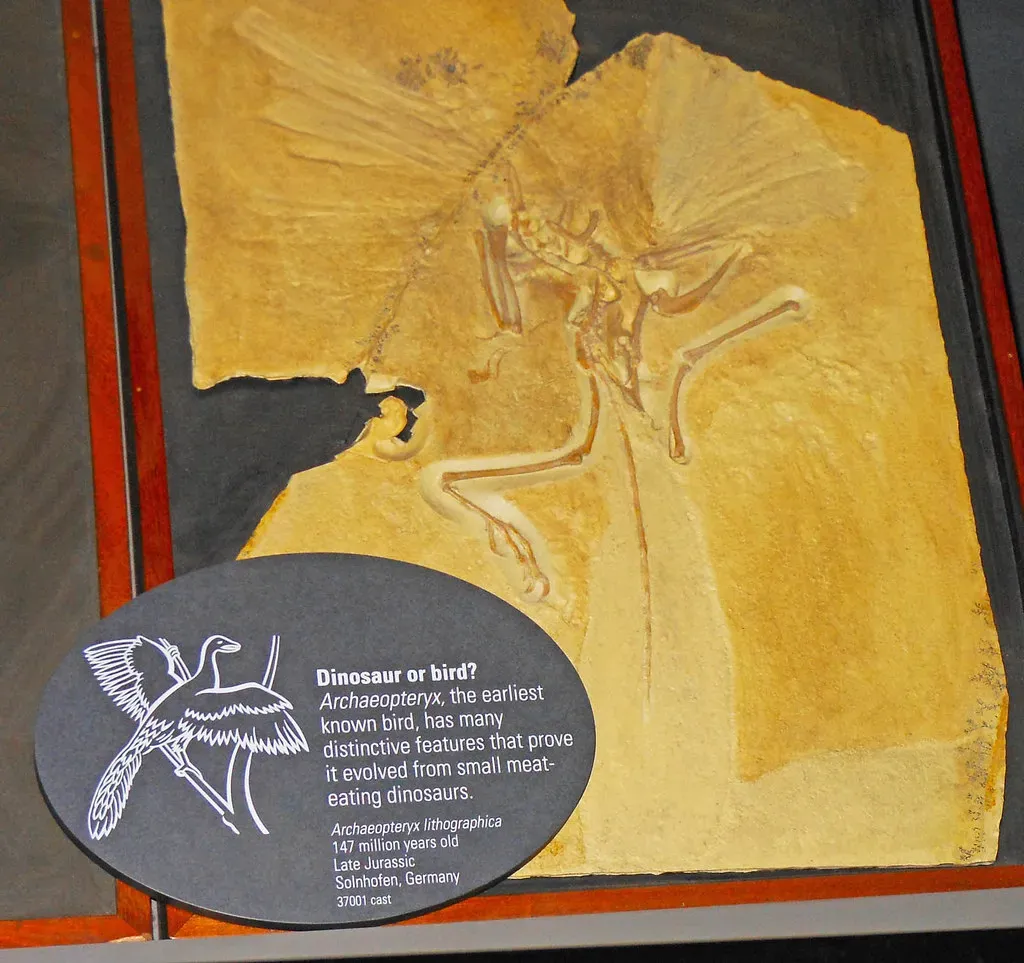
Imagine the nineteenth century: dinosaurs are lumbering reptilian monsters, birds are just birds, and the idea that they might be related sounds like fantasy. Then a single fossil from Germany appears, showing a creature with both sharp teeth and a long bony tail but also unmistakable feathers on its wings. That one skeleton, Archaeopteryx, dropped like a bomb into Victorian science and ignited a debate over whether birds were actually living dinosaurs or just “advanced reptiles” that coincidentally learned to fly.
Over time, more Archaeopteryx specimens turned up, but even a single well-preserved skull can still stir the pot today. Recent work on its skull anatomy and soft-tissue traces has suggested features such as a highly mobile tongue and specialized mouth structures that are closer to modern birds than to non-flying dinosaurs. That pushes the evolutionary link between theropod dinosaurs and birds from “suggestive” to “inescapable” in the eyes of many researchers. Some still argue about how well Archaeopteryx actually flew – was it a strong flier, a glider, or something in between? – but nobody doubts that one fossil line permanently changed how we draw the dinosaur family tree.
2. Sue the Tyrannosaurus rex: One Skeleton That Sparked Legal and Scientific Firestorms
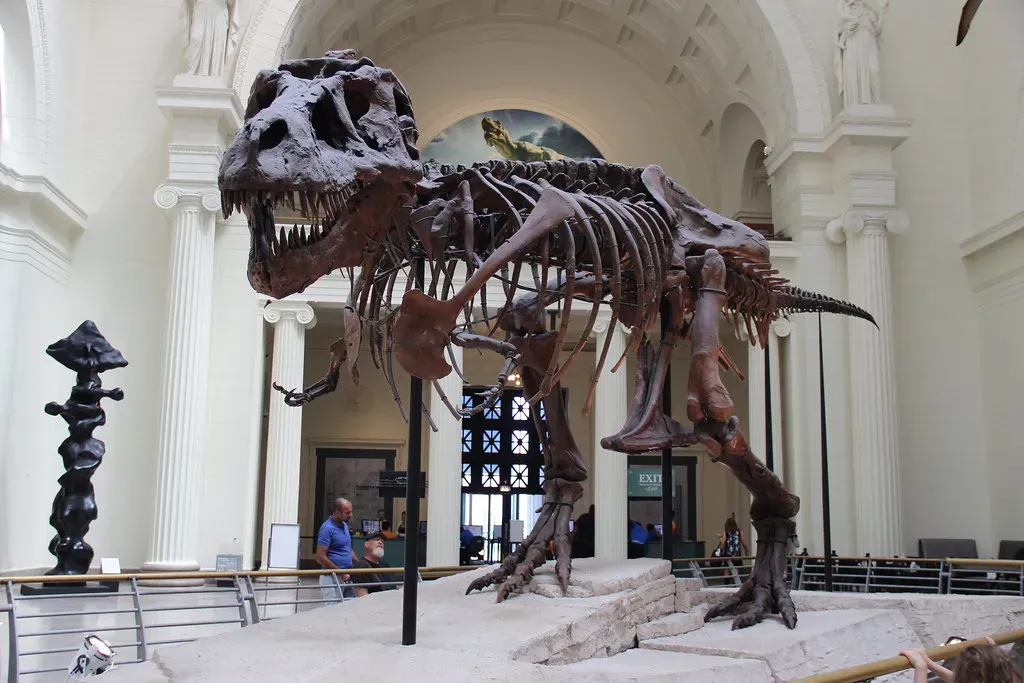
When fossil hunter Sue Hendrickson spotted a few vertebrae sticking out of a South Dakota cliff in 1990, she had no idea she’d just kicked off one of the wildest sagas in dinosaur history. The skeleton that emerged – later nicknamed Sue – turned out to be the most complete and one of the largest Tyrannosaurus rex specimens ever found. Scientifically, having roughly four-fifths of a T. rex in one individual suddenly allowed researchers to refine everything from its growth rate and age at death to the way its bones handled stress and injury.
But the real chaos erupted outside the lab. Ownership of Sue became the center of an intense legal battle involving the landowner, tribal authorities, commercial collectors, and the federal government. The eventual multi-million-dollar auction sent shockwaves through paleontology, raising fears that important fossils would disappear into private collections and out of public science. In a strange twist, this one dinosaur didn’t just reshape scientific ideas about T. rex biology; it forced the entire community to confront who should control fossils, how they should be sold, and whether science and the commercial fossil trade can peacefully coexist.
3. Spinosaurus’s Paddle-Tail: The Fossil That Turned a Land Predator Into a River Monster
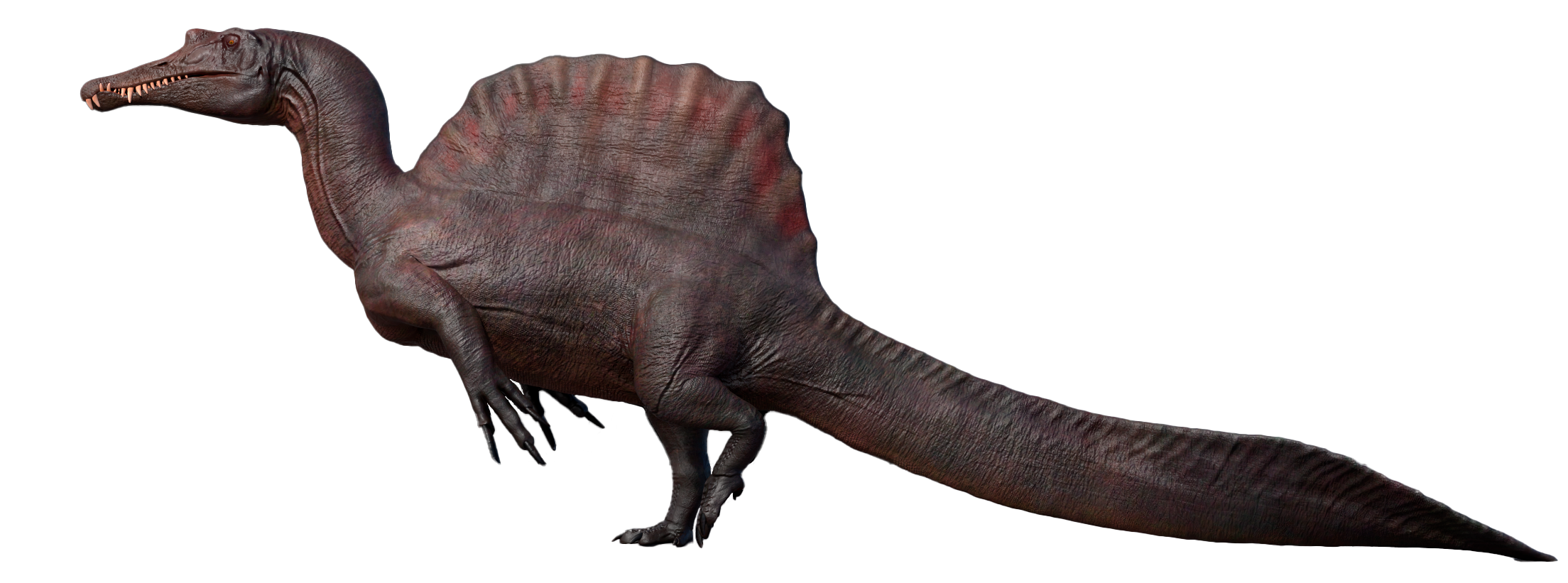
For years, Spinosaurus was a frustrating mix of legend and fragments: a huge, sail-backed theropod from North Africa that everyone pictured as a T. rex with a fan on its back. Then new fossils of its tail were uncovered and described in 2020, showing a tall, fin-like structure radically unlike the narrow tails seen in most land predators. Robotic and hydrodynamic tests indicated that this tail produced thrust in water much more efficiently than those of typical theropod dinosaurs, suggesting a lifestyle closer to a crocodile than a terrestrial hunter.
That single tail discovery plunged the field into uproar. Some researchers embraced the idea that Spinosaurus was the first truly semi-aquatic or even strongly aquatic non-avian dinosaur, actively swimming after prey in deep water. Others pushed back hard, arguing that its body proportions and bone structure still fit a wading, shoreline-stalking animal rather than a full-on swimmer. Even now, new studies challenge the “aquatic dinosaur” label and reframe Spinosaurus as an odd, specialized predator that blurs the line between land and water. The chaos here is ongoing – and honestly, it is one of the most exciting scientific arguments of the last decade.
4. Kulindadromeus: One Fossil That Made Dinosaurs Furrier Than Anyone Expected
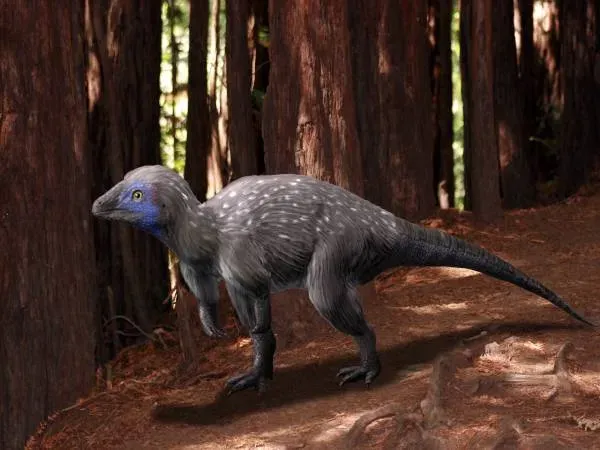
For a long time, “feathered dinosaur” basically meant small, bird-like predators from China – close relatives of birds, not the whole dinosaur clan. Then a small, plant-eating dinosaur from Siberia, Kulindadromeus, flipped that script. Its skeleton preserved a mix of normal reptilian scales and several distinct types of feather-like filaments across its body. This was not a bird. It was an early, two-legged herbivore, far from the classic bird lineage, and yet it wore something suspiciously like proto-feathers.
This single fossil forced scientists to entertain a radical idea: maybe feather-like coverings were not a weird side experiment limited to bird relatives, but a more widespread feature deeper in dinosaur evolution. If a plant-eater like Kulindadromeus had filaments, then simple fuzz or quills might have been common in many groups, including ones we still imagine with bare, scaly skin. Overnight, paleoartists had to rethink the look of half their dinosaurs, and researchers began debating how far back in time feathers – or feather ancestors – really go. That little Siberian dinosaur quietly blew open one of the most instinctive images people held about dinosaurs’ appearance.
5. The Deinocheirus Mystery: Two Giant Arms That Turned Into a Bizarre Duck-Billed Giant
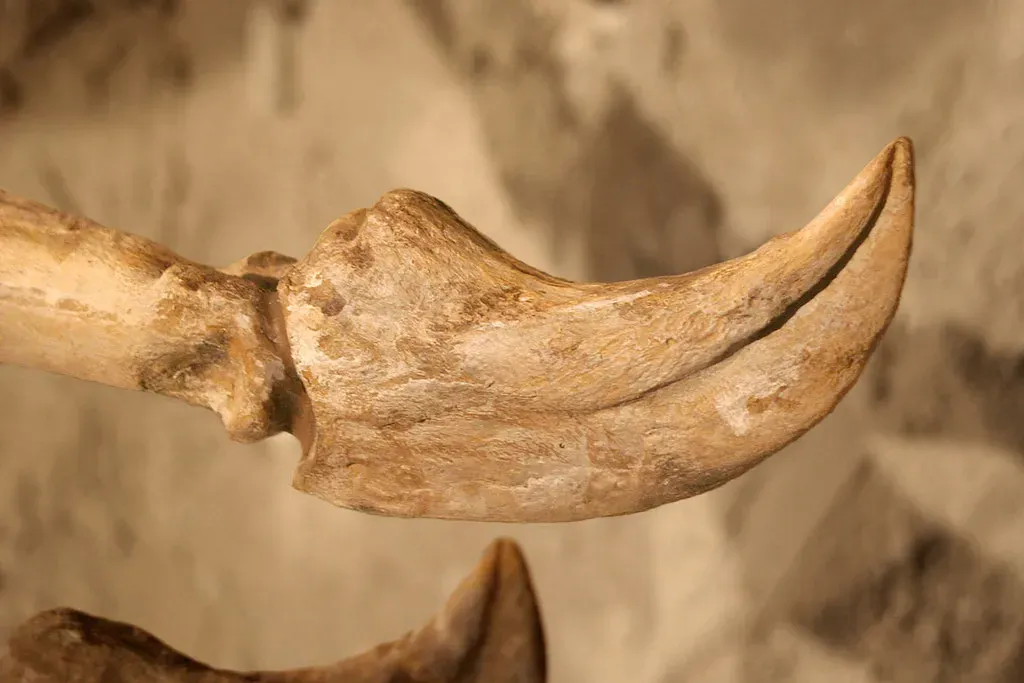
Few fossils have generated as much wild speculation from so little evidence as the original discovery of Deinocheirus. In the 1960s, paleontologists in Mongolia found nothing but a pair of enormous clawed arms and a few shoulder bones. With no head, no legs, and no torso, artists and scientists alike filled the blanks with nightmarish predators, imagining something even more terrifying than T. rex. For decades, those two arms were an open-ended riddle, a single fossil that fueled arguments over what kind of dinosaur could possibly own them.
When more complete specimens were finally described decades later, the truth was almost comically unexpected: Deinocheirus was a huge, hump-backed, duck-billed omnivore with a potbelly and strange, paddle-shaped feet. Far from a sleek super-predator, it looked like a mashup of ostrich, hadrosaur, and giant sloth. That sharp contrast between early guesses and final reality became a cautionary tale that still echoes in paleontology: one dramatic bone can mislead the imagination badly. Even today, whenever a fragmentary fossil stirs bold claims, people bring up those famous arms as a reminder to be careful about building monsters out of mystery parts.
6. Dakota the “Dinosaur Mummy”: One Fossil That Revived the Dream of Dinosaur Soft Tissue
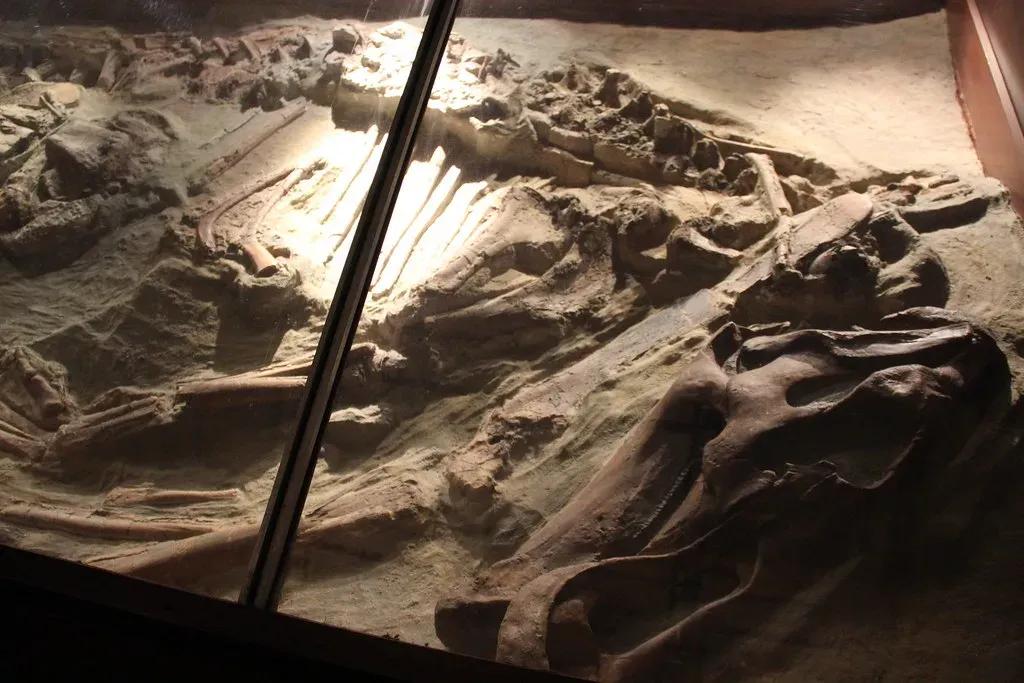
A hadrosaur from North Dakota, nicknamed Dakota, jolted the field not because of its bones but because of what wrapped around them. The specimen preserves extensive skin impressions and mineralized soft-tissue structures that follow the contours of the dinosaur’s body like a natural shrink-wrap. Instead of a loose puzzle of bones, researchers suddenly had a three-dimensional sense of muscle bulk, limb proportions, and even the texture and pattern of the skin. It felt, in a very literal sense, like someone had thrown a spotlight on what dinosaur bodies actually looked like in life.
The chaos came from what this meant for fossilization and for future expectations. If conditions could preserve this much soft tissue in a dinosaur from the Late Cretaceous, how many other specimens might be hiding similar secrets inside their rock jackets? Studies of Dakota suggested that under the right burial and chemical circumstances, skin and organic structures can persist far longer than many scientists once assumed. That pushed some to re-examine old finds with new imaging techniques, while others urged caution about bold claims regarding original molecules. Still, Dakota fundamentally shifted the conversation from “bones only” to “maybe these animals are more present in the rock than we realized.”
7. Borealopelta: One Armored Dinosaur That Preserved Its Armor, Skin, and Last Meal
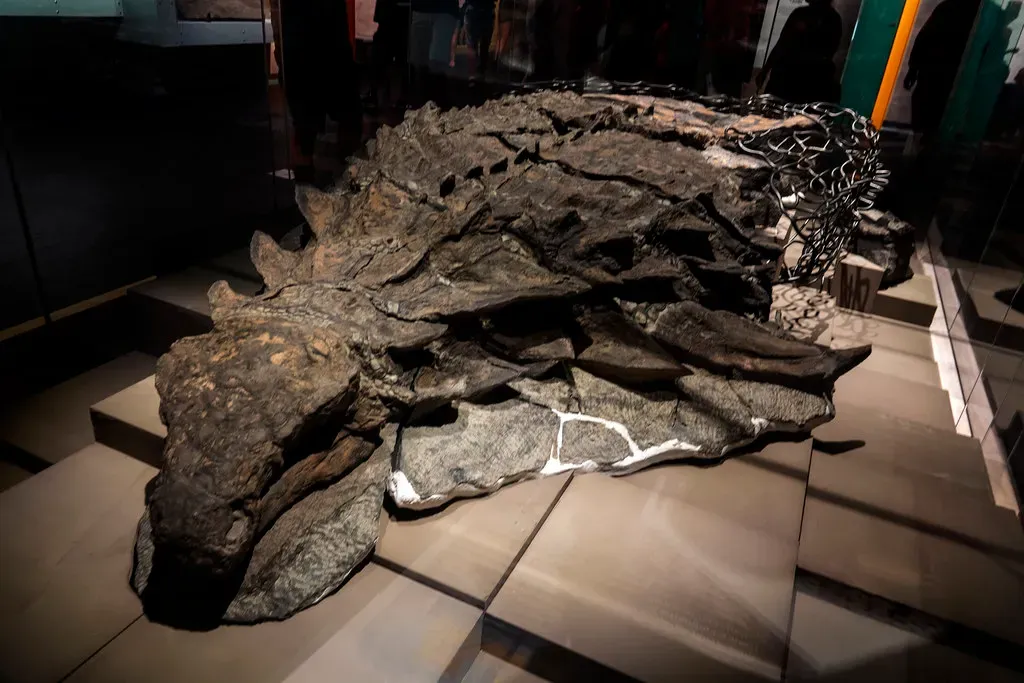
When miners in Alberta accidentally uncovered an armored dinosaur later named Borealopelta, they had no idea they were hauling out one of the best-preserved large dinosaur fossils ever found. The nodosaur’s armor plates are still locked in their life positions, wrapped in remnants of their original keratin coverings and overlying skin. This fossil looks so three-dimensional and lifelike that photos barely seem real; you can trace individual scale patterns across what used to be its face and back. For armor specialists, it was a once-in-a-generation anatomical reference.
Then things got even wilder: researchers identified stomach contents inside the fossil. Suddenly, diet reconstructions that usually rely on tooth shape and plant availability could be grounded in something direct – the exact plants this individual ate before it died. That single stomach snapshot suggested it was a selective browser favoring particular ferns and plant parts, challenging broader, more generic assumptions about what armored dinosaurs ate. Borealopelta did more than show us how a nodosaur looked; it rewired how scientists think about fossil preservation, dinosaur coloration, and even the fine-grained details of herbivore ecology.
8. The “Dueling Dinosaurs”: One Fossil Pair That Reopened the Tyrannosaur Identity Wars
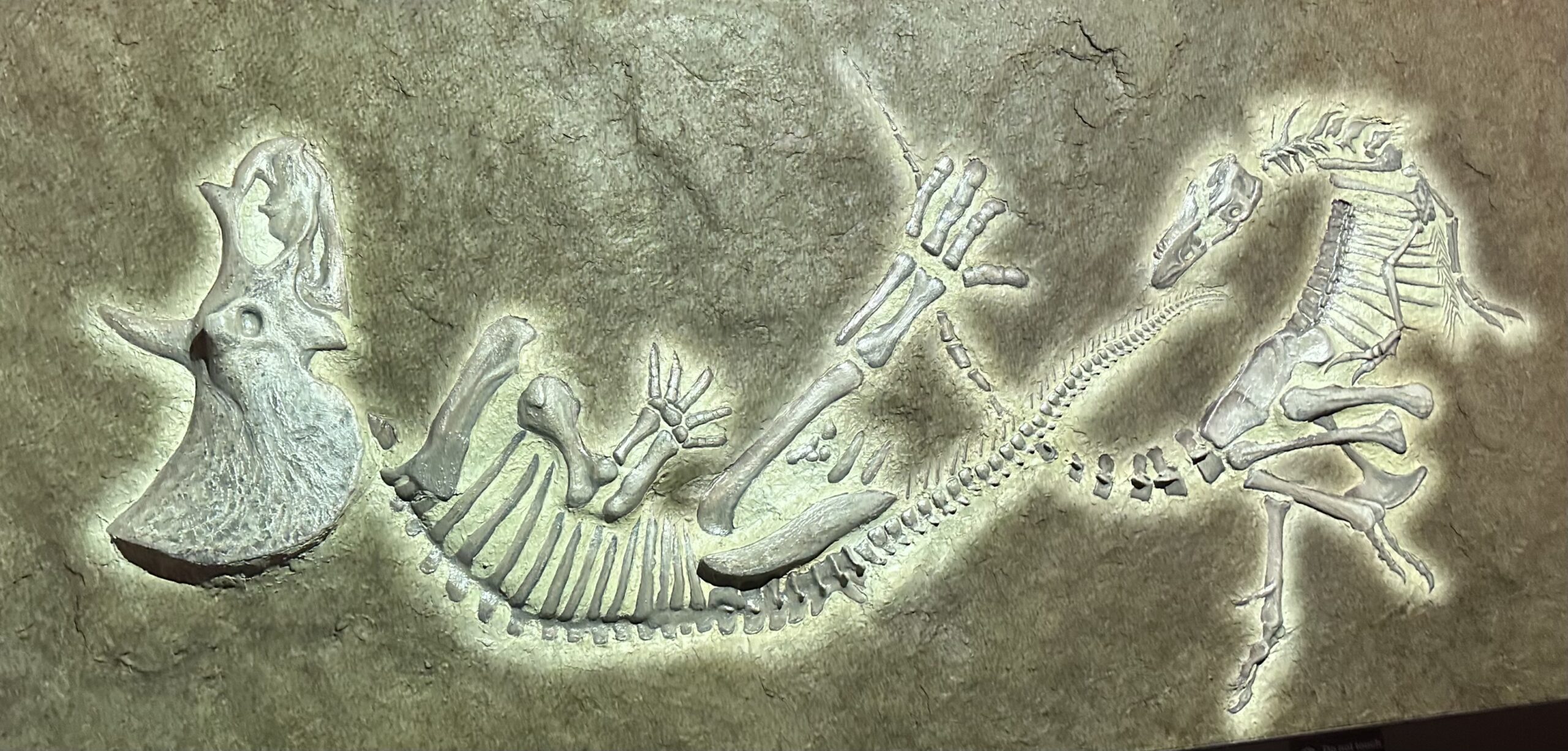
Few finds have stirred as much pre-publication rumor as the so-called “Dueling Dinosaurs” from Montana, a fossil preserving a small tyrannosaur entangled with a horned dinosaur. For years, these specimens sat in legal and commercial limbo, sparking fierce arguments about private ownership of scientifically priceless fossils. But once researchers could properly examine the tyrannosaur skeleton in detail, the real scientific chaos kicked in: it became a key data point in the long-running fight over whether a small tyrannosaur called Nanotyrannus was a true species or just a juvenile T. rex.
Recent analyses using this specimen have argued that the animal represents a distinct tyrannosaur species rather than a teenager of the famous king, which would overturn decades of skepticism about Nanotyrannus as a valid genus. That conclusion is far from universally accepted, and many paleontologists remain unconvinced, pointing to growth patterns and bone microstructure that favor the “young T. rex” hypothesis. The upshot is that a single fossil tyrannosaur, locked in a prehistoric fight, has become a lightning rod for how scientists define species, interpret growth stages, and decide when enough evidence is enough to rename a dinosaur. The debates are heated, and they are not going away anytime soon.
9. A Thai Spinosaurid and the Global Spread of River-Stalking Predators
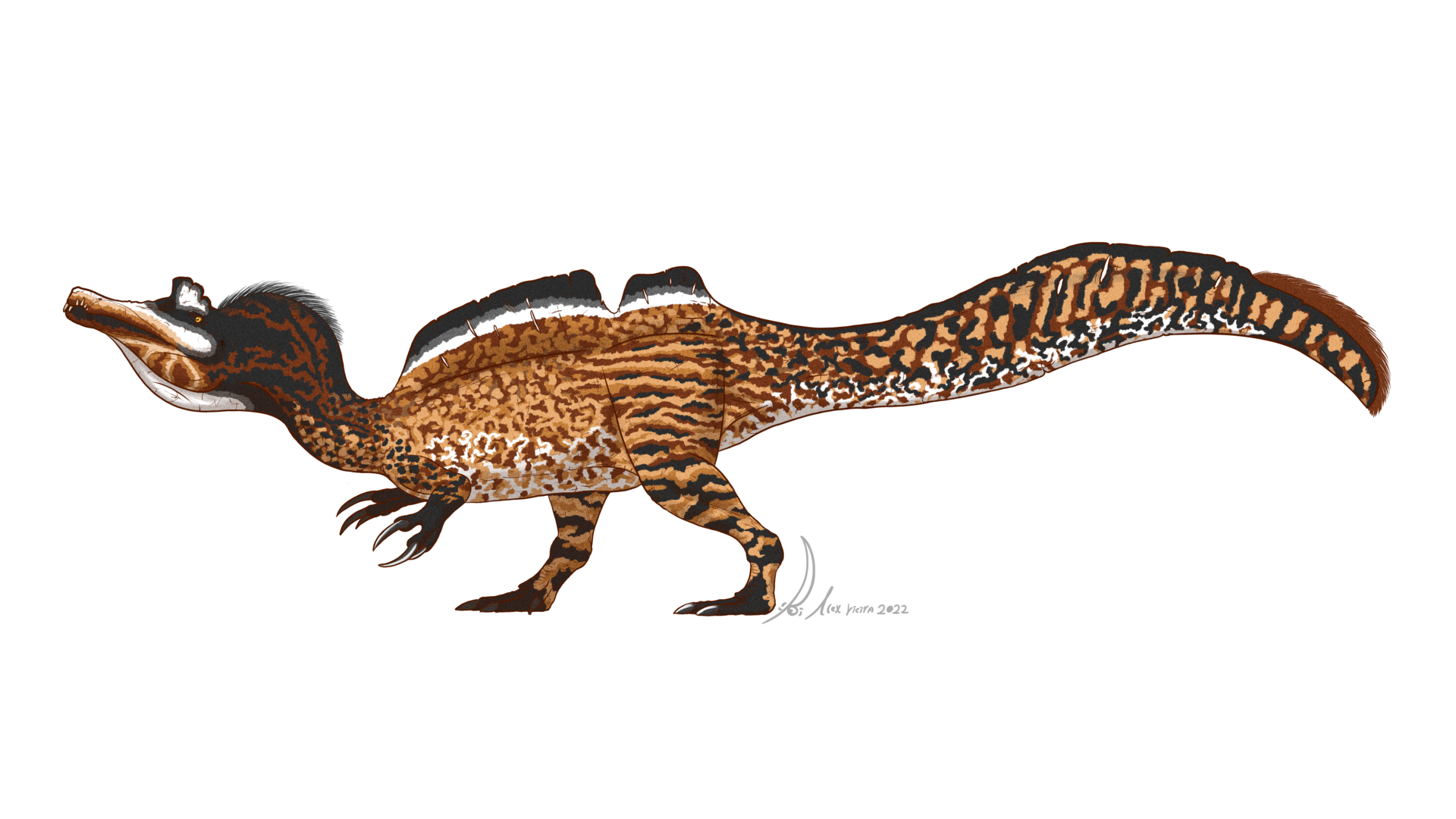
For a long time, the story of giant river-hunting theropods was almost entirely a North African tale centered on Spinosaurus. Then a remarkably complete spinosaurid fossil from Thailand entered the scene, preserving parts of the spine, pelvis, and tail in enough detail to paint a vivid picture of a mid-sized predator haunting Cretaceous river systems in Southeast Asia. This one specimen reinforced that spinosaurids were not a rare regional oddity but a widespread group of semi-aquatic or water-associated dinosaurs occupying similar niches across multiple continents.
The Thai fossil poured gasoline on an already hot debate about how these animals lived. Some researchers see it as further evidence that spinosaurids were strongly tied to aquatic habitats, perhaps converging on lifestyles similar to storks or herons that wade and snap at fish. Others argue that we are overplaying the “swimming dinosaur” angle and underestimating how flexible large predators can be. Either way, that single specimen forced paleontologists to zoom out and rethink spinosaurid evolution on a global scale, not just as a sideshow focused on one spectacular African taxon.
Conclusion: Why One Set of Bones Can Turn an Entire Science Upside Down
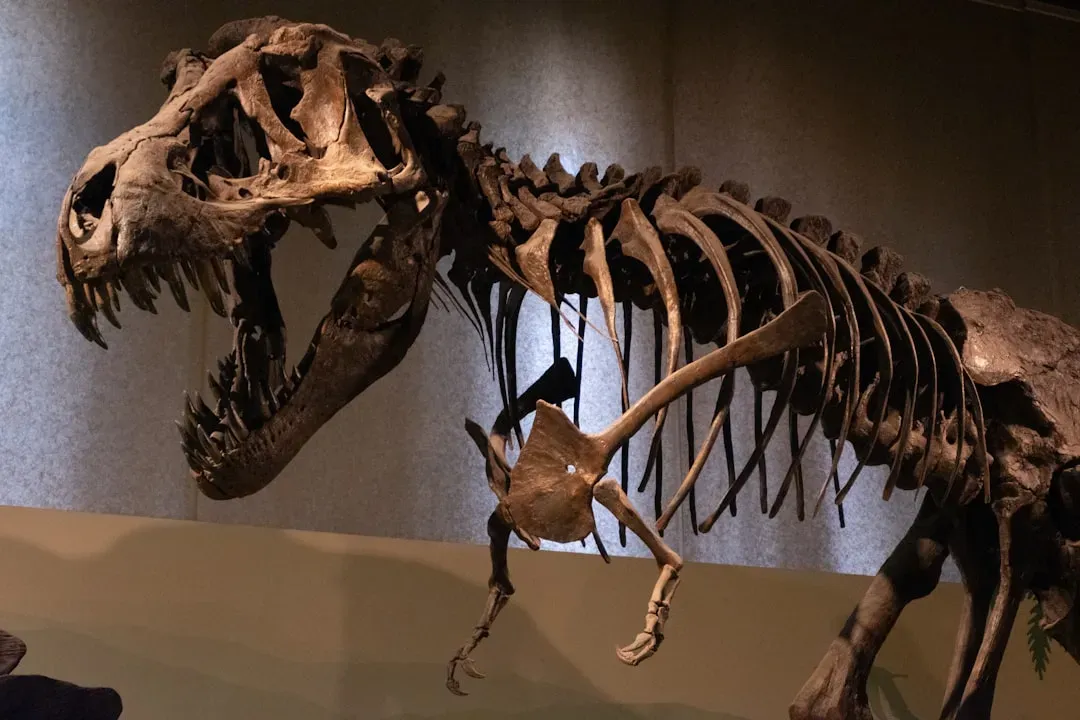
Looking across these nine stories, one pattern jumps out: the biggest shocks in dinosaur science rarely come from massive data sets or tidy, incremental updates. They come from one maddening, beautiful fossil that does not fit the story everyone has been telling. A single tail that looks built for swimming, a single stomach full of ferns, a single fuzzy herbivore, or a single tyrannosaur locked in combat can all yank the brakes on comfortable narratives and force the field to ask, sometimes painfully, what else it has been assuming without enough evidence. That chaos is not a bug; it is the engine of the whole enterprise.
Personally, I think this is what keeps paleontology so alive in 2026: no matter how many museum halls we fill, we are still one strange skeleton away from rewriting entire chapters of deep-time history. The next “impossible” fossil is probably already in a rock face or mine wall somewhere, waiting to embarrass our neat diagrams and glossy reconstructions. When that happens, I hope we lean into the confusion instead of resisting it, because that discomfort is where the really interesting science lives. So the next time you see a headline about a single new dinosaur fossil, will you treat it as just another museum piece – or as a potential grenade tossed into everything we thought we knew?