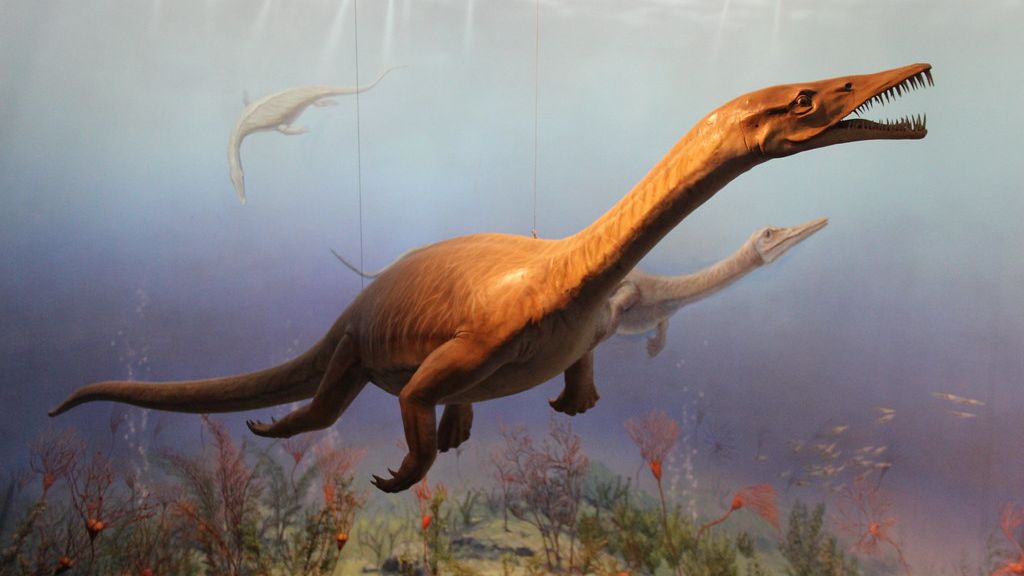
If you picture ancient seas, you probably imagine giant plesiosaurs with long necks or enormous mosasaurs with crocodile heads and shark tails. Tucked earlier in that story is Nothosaurus, a slimmer, stranger creature that looks like evolution hit “randomize” on a reptile and then nudged it toward the water. It is not as famous as the dinosaurs that came later, but in many ways it is more intriguing, because it sits right at the messy trial-and-error stage where land reptiles were figuring out how to live like seals and otters.
What makes Nothosaurus so fascinating is not just how it looked, but what it represents: a halfway point, a genuine evolutionary experiment that did not lead to a modern group but helped open the door for others. Paleontologists see in its bones the story of a clumsy land hunter becoming a streamlined marine predator, with some features that worked brilliantly and others that look, frankly, pretty awkward. Once you start seeing it as a prototype rather than a finished product, every odd detail becomes a clue to how evolution actually tinkers in real time.
A Reptile Caught Between Land and Sea
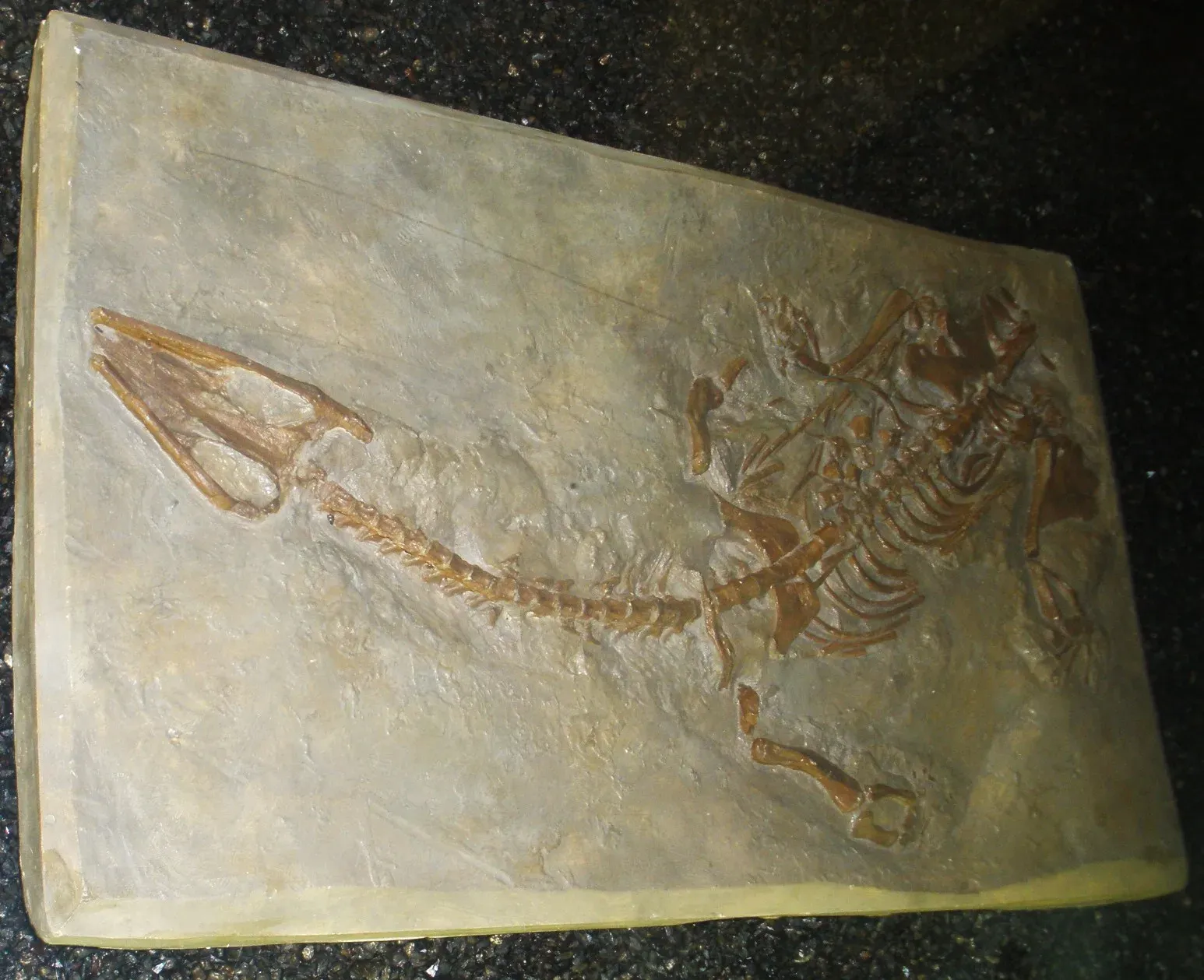
The first thing that makes Nothosaurus so odd is that it never fully picked a side: it was neither a classic land reptile nor a fully committed sea creature. Its skeleton shows a body adapted for swimming, yet it still kept limbs that could plausibly haul it across shorelines, more like an overgrown, lizard-shaped seal than a sleek dolphin analog. This middle-ground lifestyle means it probably split its time, hunting in shallow coastal waters but maybe basking or nesting on land.
That in-between status is exactly why Nothosaurus feels like an evolutionary experiment rather than a polished design. Modern marine reptiles like sea turtles or sea snakes are locked into their environments, but Nothosaurus still had one metaphorical foot on the beach. When you look at its anatomy, you can almost sense evolution hedging its bets, trying out a marine lifestyle without completely burning the bridge back to land. It is messy, it is awkward, and it is incredibly revealing about how major transitions actually happen.
Those Needle Teeth and Crocodile-Like Jaws
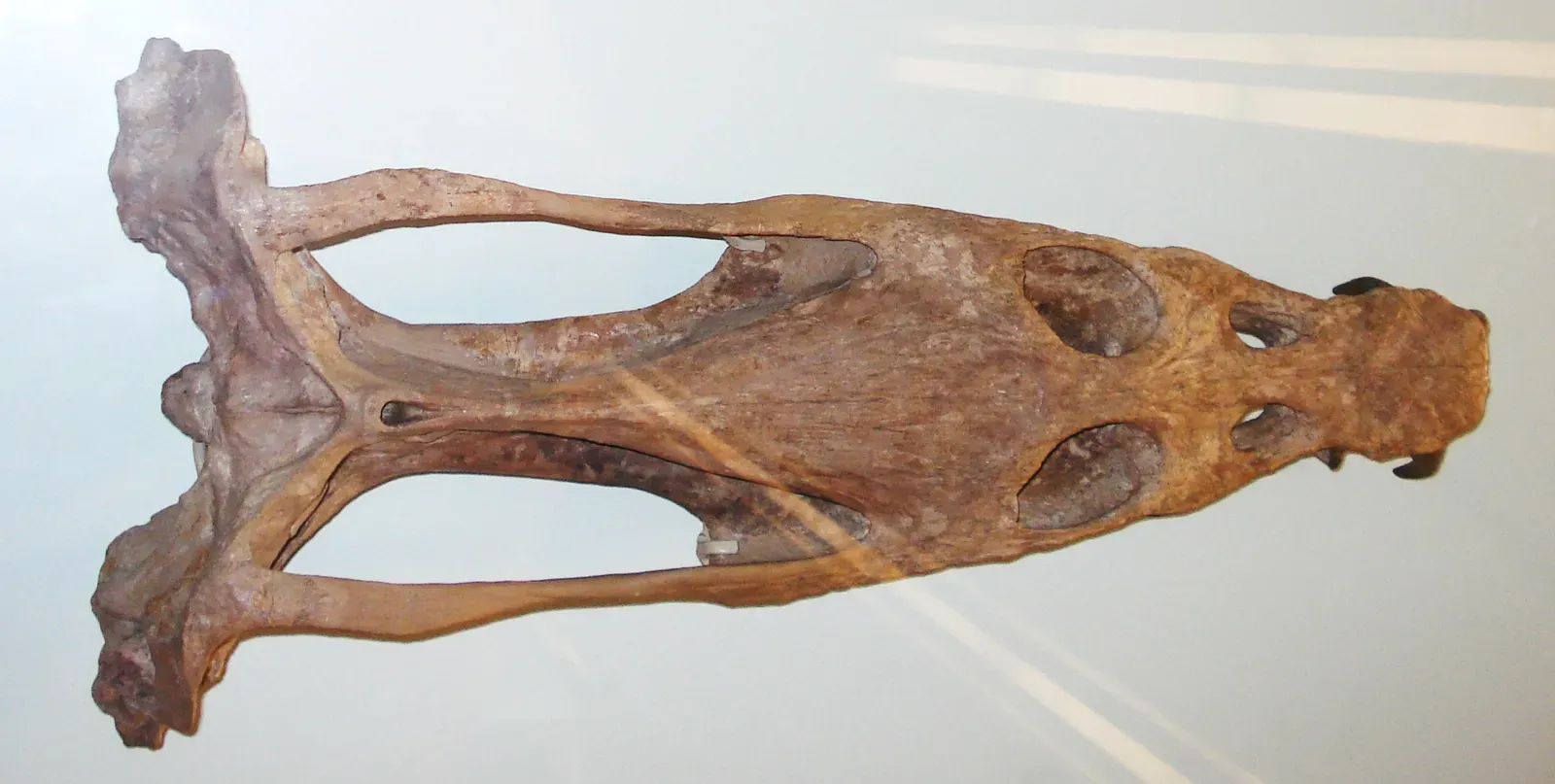
One of the most striking things about Nothosaurus is its skull: long, low, and armed with narrow jaws packed with sharp, peg-like teeth. The front of the snout often had teeth that projected slightly outward, like a biological fish trap waiting to snap shut. This is not the crushing dentition of a shell-breaker but the precision toolkit of an animal designed to grab slippery prey, especially fish and maybe squid-like animals.
The whole head has a crocodile vibe, but it is more gracile and pointed, which gives it a strangely sinister elegance. Imagine something sliding just under the surface, jaws slightly agape, then suddenly flicking sideways to spear a passing fish. Those teeth are not just intimidating; they tell you exactly how the animal lived. To me, that makes Nothosaurus feel like one of nature’s more specialized fishing tools, assembled from reptilian parts but tuned for a sleek ambush lifestyle.
Limbs That Are Halfway to Flippers
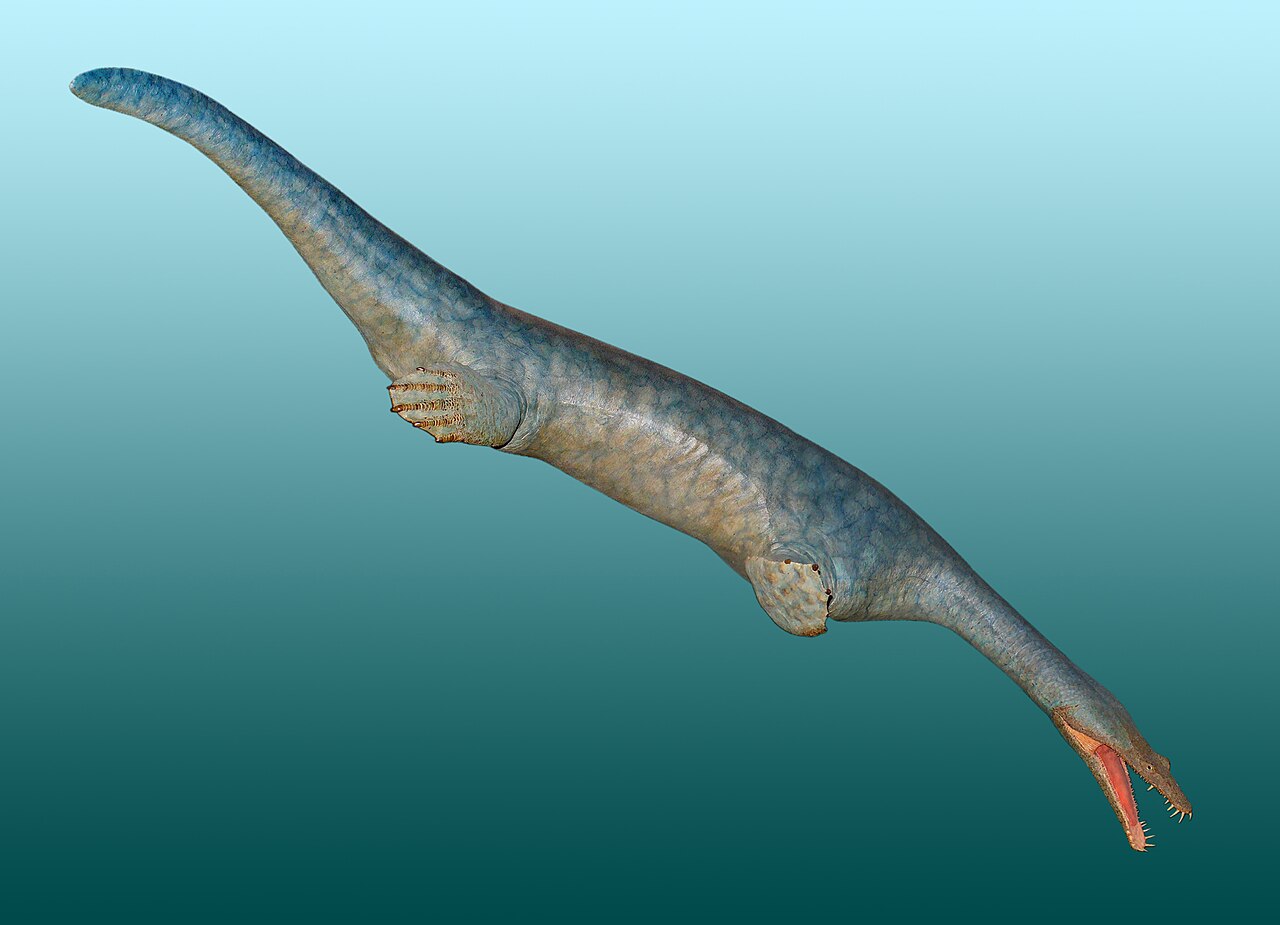
If you look at the limbs of Nothosaurus, you see another clear sign that evolution was mid-experiment. The bones of the arms and legs are stretched and modified compared with typical land reptiles, and the hands and feet are elongated in ways that suggest they supported large webs of skin. These are not fully transformed flippers like you see in plesiosaurs or ichthyosaurs, but they are also not ordinary legs meant for sprinting across solid ground.
This “not quite here, not quite there” limb design probably made Nothosaurus surprisingly agile in shallow water while still allowing it to clamber around awkwardly on beaches or rocky coasts. I always picture it as moving with a kind of sprawling, seal-like shuffle on land, yet slicing through the water on powerful strokes once it pushed off the bottom. The fact that its limbs do not fit cleanly into any modern box is exactly why it feels like a prototype, a snapshot of a major evolutionary shift still in progress.
A Torpedo Body with a Surprisingly Flexible Spine
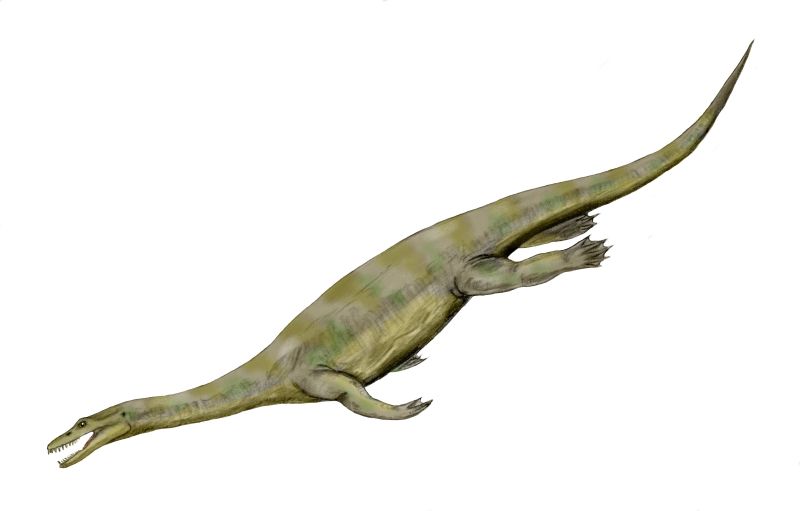
This combination of a slim body and flexible backbone made Nothosaurus an efficient predator in coastal environments, where rapid twists and turns could be the difference between catching a fish and going hungry. At the same time, that long torso probably made it clumsier on land, another clue that its true home was in the shallows. You can sense the trade-off in every vertebra: more power and agility in water, less grace and speed on solid ground.
Eyes and Nostrils Tuned for an Ambush Lifestyle
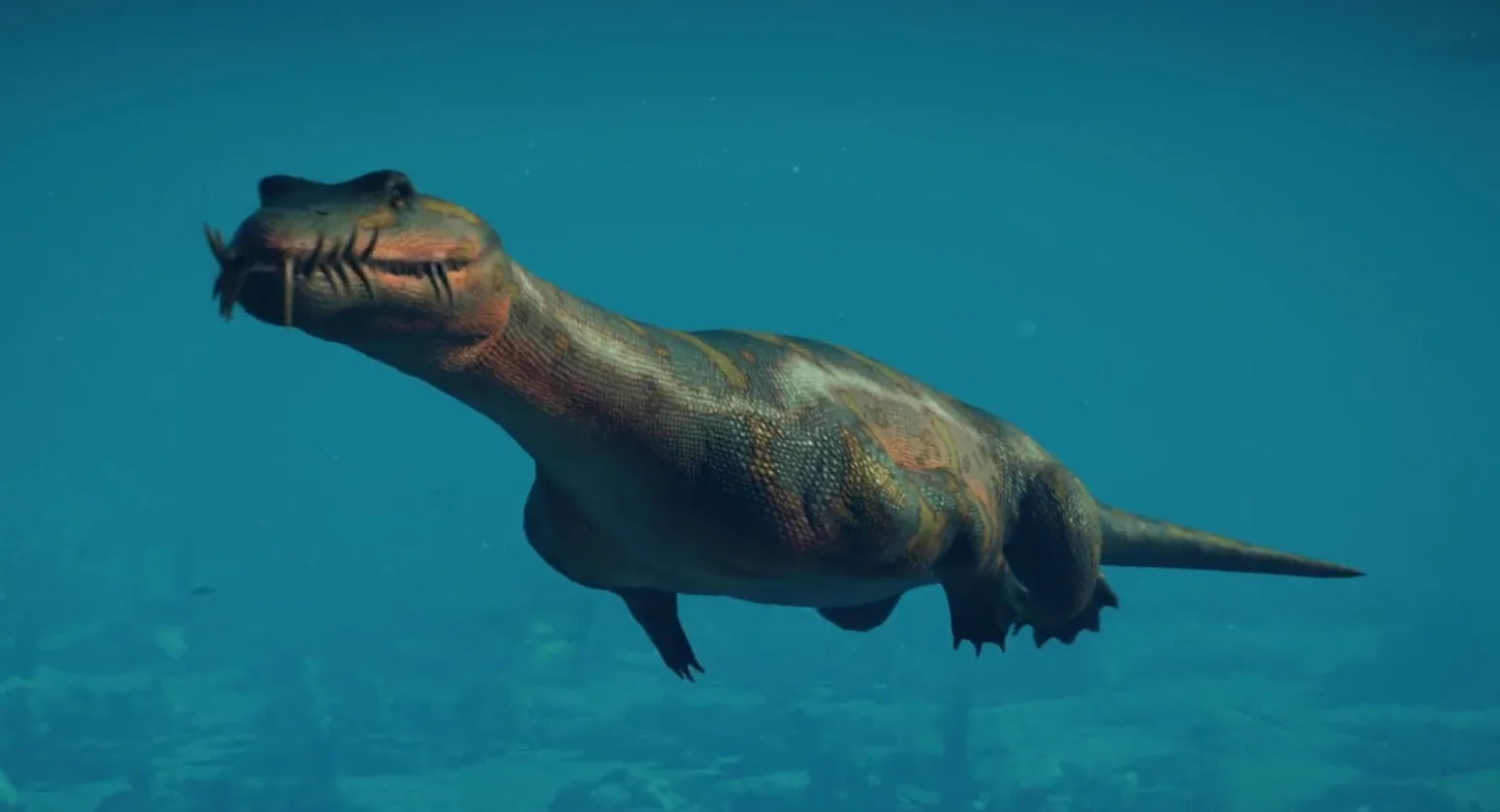
Although the exact soft-tissue details are lost, the placement of the eye sockets and nostrils on Nothosaurus skulls suggests an animal that spent a lot of time near the surface. The eyes sit relatively high and laterally, giving it good coverage of the space around and above, useful for scanning while most of the body remained hidden below. Nostrils placed toward the top of the snout would have allowed it to breathe with minimal exposure, much like modern crocodiles or some aquatic birds.
This “peek-a-boo” anatomy fits neatly with the rest of its predatory toolkit. A Nothosaurus could lurk just under the waterline, watching for passing shoals of fish, then surge forward with a burst from its limbs and trunk-like body. To me, this is where the animal stops being an abstract skeleton and starts to feel alive: you can imagine the stillness, the patience, and then the sudden, explosive violence as it lunges. It is a reminder that these creatures were not just collections of bones; they were finely tuned hunters shaped by millions of years of trial and error.
Light Bones but a Heavy Ecological Footprint
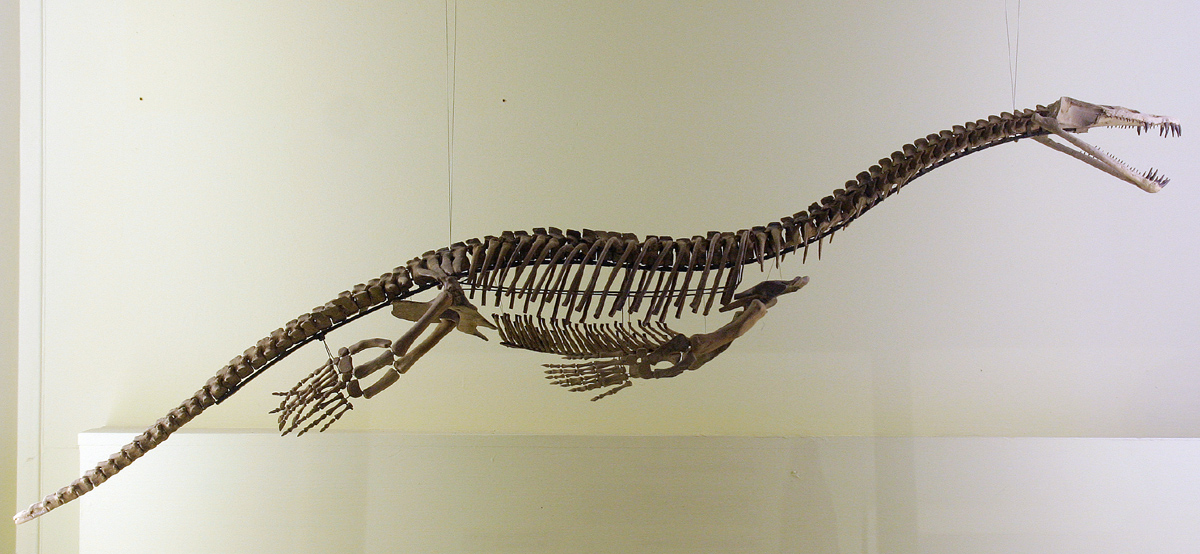
Compared with some later marine reptiles that had thick, dense bones to act as ballast, Nothosaurus bones tend to be more lightly built. This suggests a lifestyle focused on active swimming rather than simply cruising or bottom-walking. That lighter construction would have reduced energy costs in the water and allowed for faster bursts of speed, especially useful when stalking nimble prey in the shallows.
Yet even with a relatively lightweight skeleton, Nothosaurus likely played an outsized role in its ecosystems as a mid-to-high level predator. In Triassic coastal environments full of fish, invertebrates, and other small reptiles, a fast-moving, semi-aquatic hunter like this would have shaped food webs in subtle but powerful ways. When you think of it this way, the “odd little side experiment” suddenly looks more like a key player in rebuilding marine life after earlier mass extinctions. Sometimes the animals that seem anatomically modest end up being ecological heavy hitters.
Living in the Triassic: A World Still Recovering
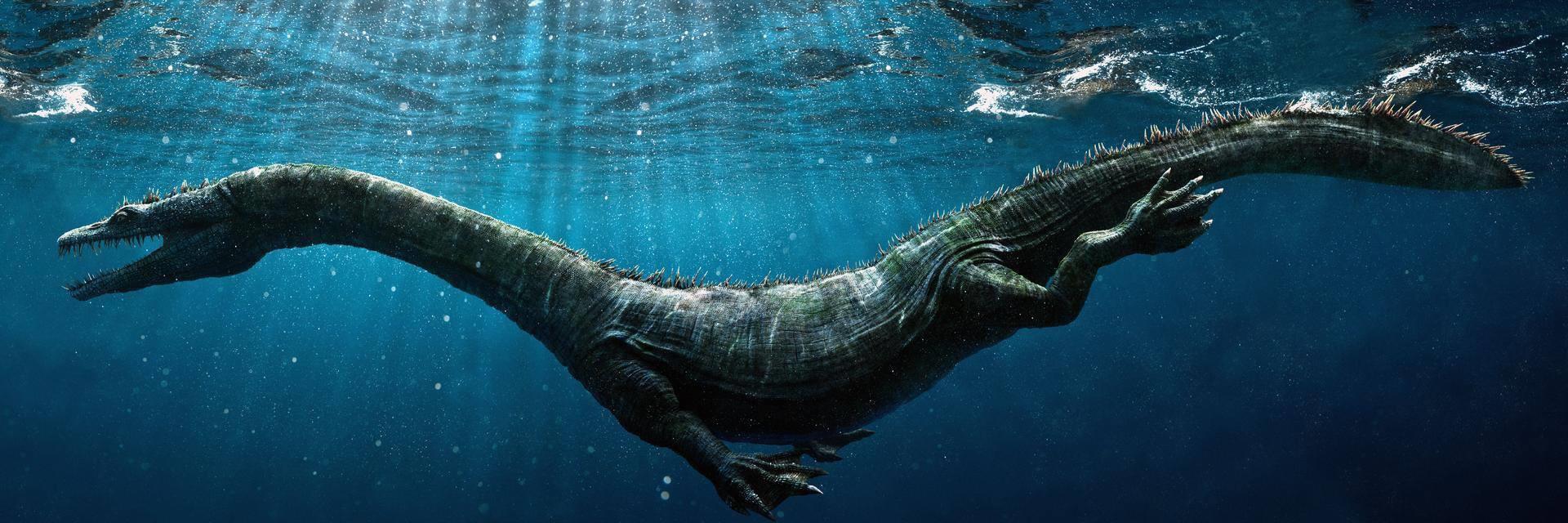
Nothosaurus lived during the Triassic period, a time when Earth was still recovering from the most catastrophic mass extinction in known history. Oceans that had been devastated were slowly refilling with new lineages of fish, invertebrates, and marine reptiles, and the rules of the game were being rewritten. In that context, Nothosaurus was not just a quirky reptile; it was part of a broader wave of experimentation as life tried out new ways to occupy the seas.
That historical backdrop is a big reason I see Nothosaurus as one of evolution’s boldest prototypes. When ecosystems are knocked down, the survivors have room to branch out into niches that were previously closed or crowded, and sometimes the results look truly strange to modern eyes. A semi-aquatic reptile with half-formed flippers and a fish-snatching head might seem odd today, but in a Triassic ocean full of new opportunities, it was a perfectly reasonable gamble. The fact that this particular design eventually disappeared does not lessen its importance in the grand story of recovery and innovation.
A Step on the Road to Fully Marine Reptiles
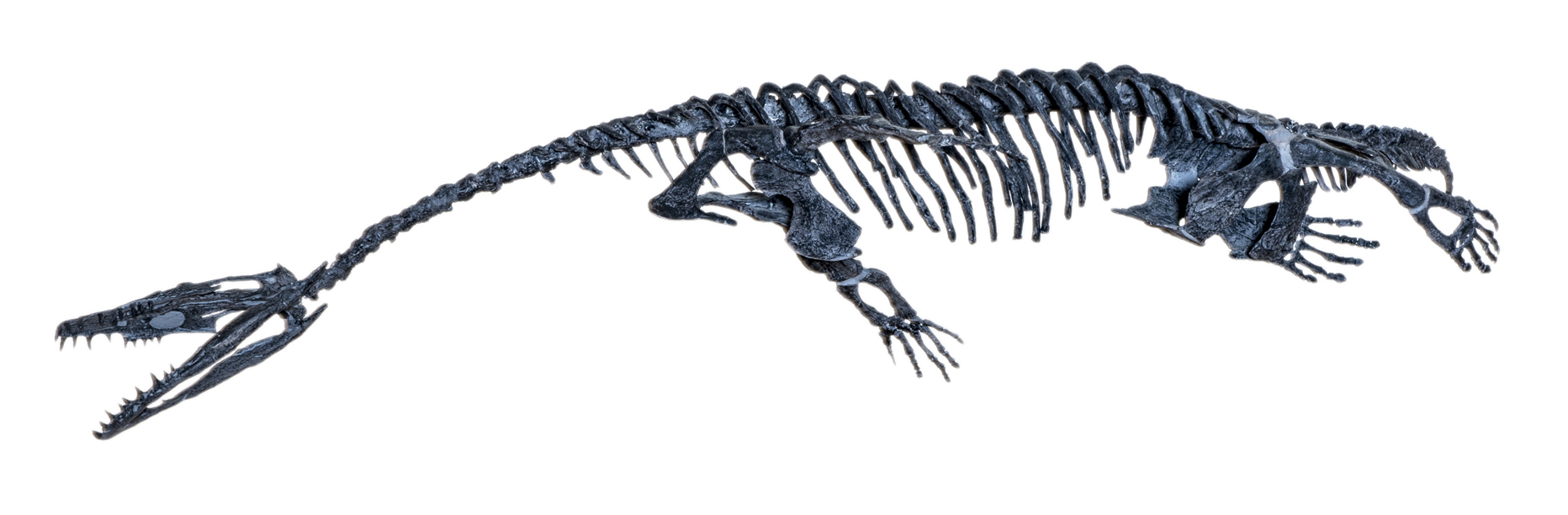
Even though Nothosaurus itself has no direct living descendants, it belongs to a group of marine reptiles known as sauropterygians, which includes the later and more famous plesiosaurs. Many researchers see animals like Nothosaurus as part of the early stages of that broader radiation, representing a first wave of experiments in turning land-based reptiles into powerful marine specialists. Its blended anatomy helps bridge the gap in our understanding between terrestrial ancestors and the fully aquatic, flippered giants that emerged later.
In that sense, Nothosaurus is less like a weird evolutionary dead end and more like an early draft of a hit idea. The core concept of a paddle-limbed, fish-eating marine reptile clearly worked, because variations on that theme dominated certain seas for tens of millions of years afterward. It just took a few iterations, of which Nothosaurus was one of the first, to iron out the details. When you see it as part of this continuum, its anatomical quirks start to look like notes scribbled in the margins of evolution’s first attempts at a new body plan.
Not a Dinosaur, But Just as Revealing
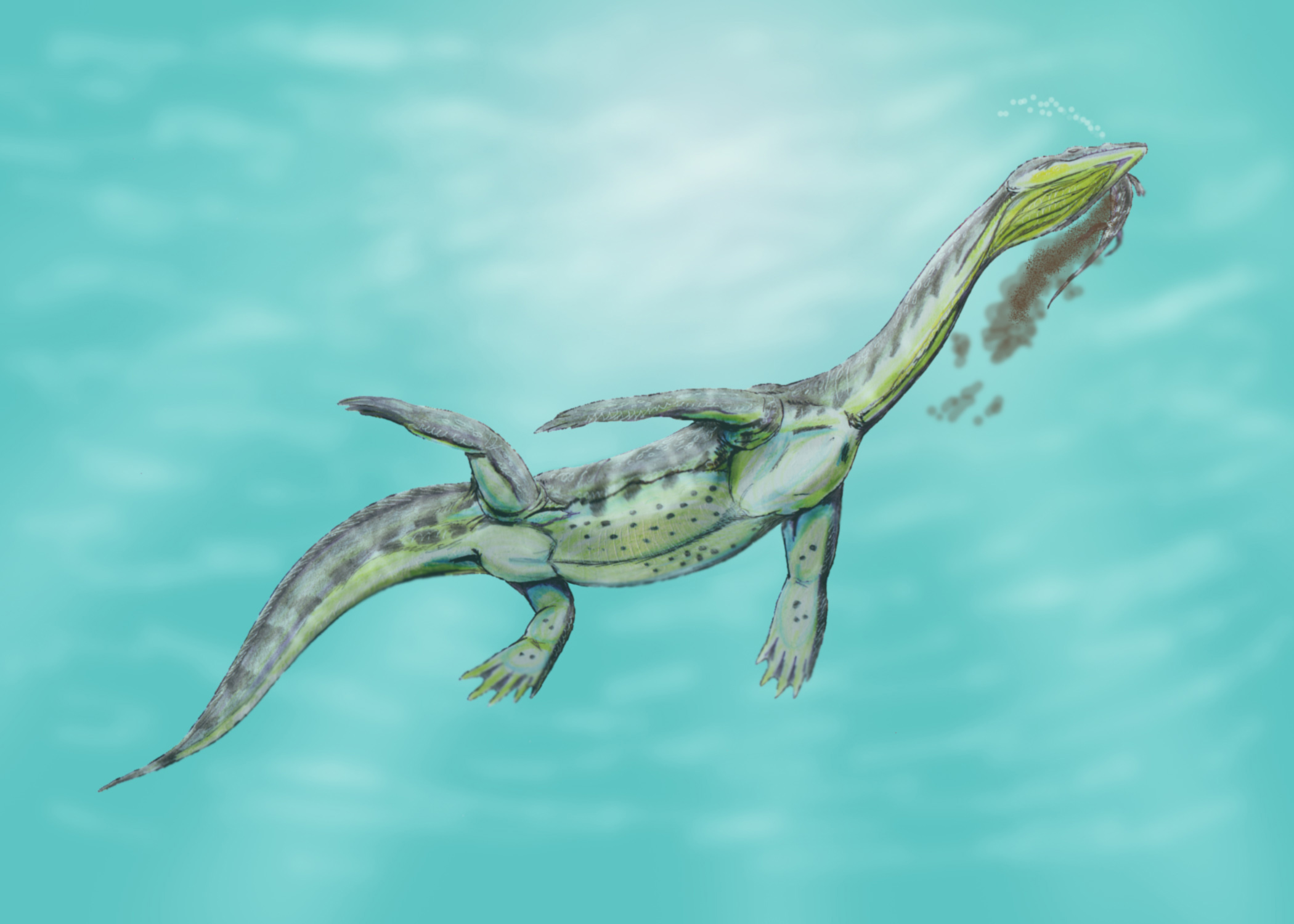
It is easy to assume that any ancient reptile with a dramatic skeleton must be a dinosaur, but Nothosaurus is not even close in a technical sense. Dinosaurs were primarily land-dwelling and belonged to a very specific branch of the reptile family tree, while Nothosaurus sits on another branch entirely, one that dove early into the water. That difference matters, because it shows just how many separate times reptiles independently tried marine lifestyles, each with its own anatomical experiments and trade-offs.
In a way, Nothosaurus exposes a bias in how we tell prehistoric stories. We tend to treat dinosaurs as the main event and everything else as side characters, when in reality creatures like Nothosaurus were doing equally radical and important things in parallel. Once you let go of the dinosaur-centric view, this animal transforms from a minor oddity into a central character in the saga of how land vertebrates repeatedly invaded the seas. To me, that shift in perspective is one of the most exciting things paleontology can offer.
An Evolutionary Experiment That Ultimately Failed – and That’s the Point
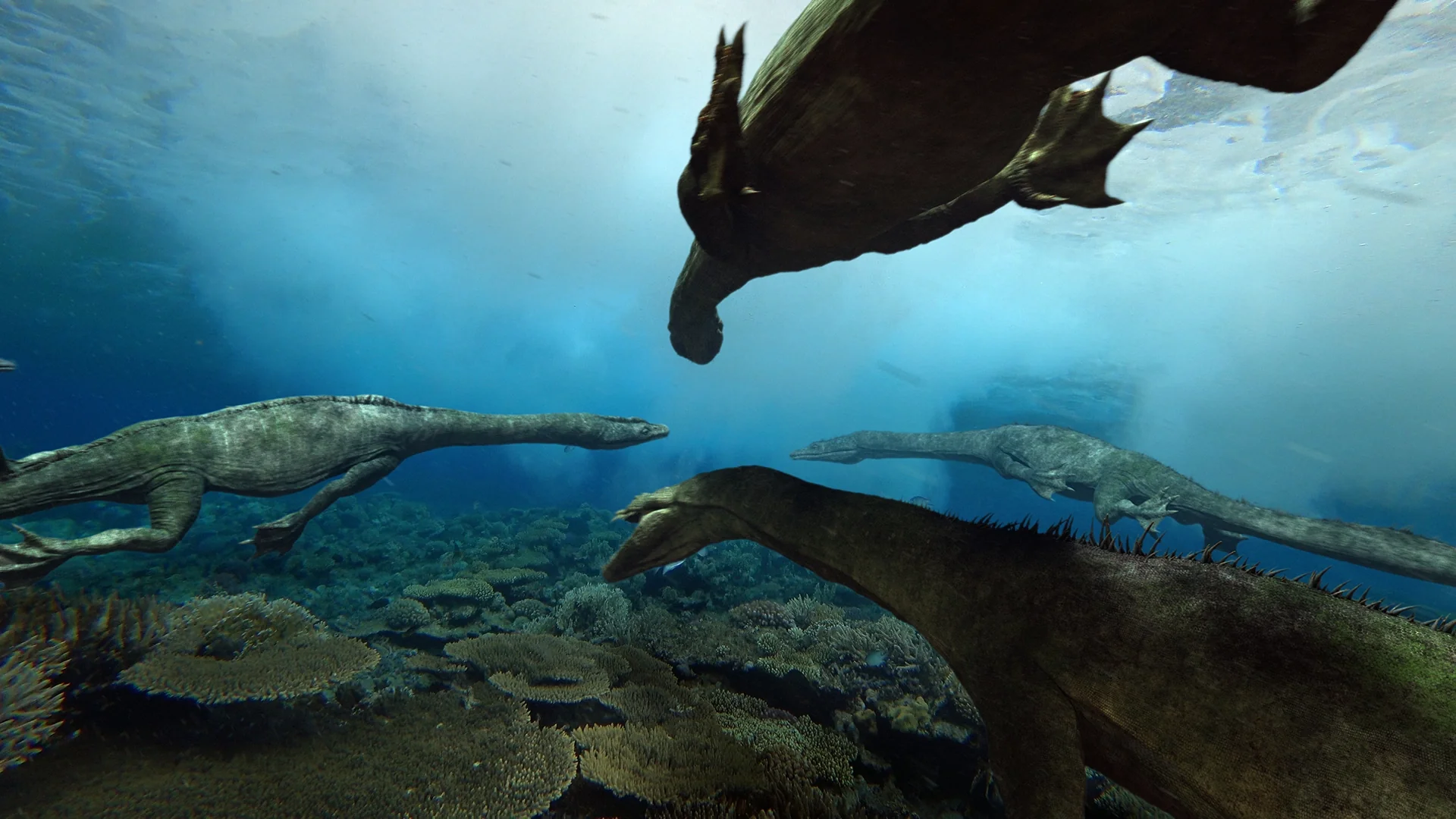
Despite its clever adaptations, Nothosaurus did not survive to the present, and its exact lineage eventually faded while other marine forms took over. From a narrow, survival-only perspective, that might make it look like a failure. Yet evolution does not work like a single-elimination tournament where only the final winner matters. Every experiment, even the ones that disappear, helps explore what is possible and shapes the environment for whatever comes next.
To me, that is the deeper reason Nothosaurus deserves more attention than it gets. It represents the willingness of life to try weird solutions, to push bodies into new environments and see what holds up. Its semi-aquatic, halfway-there body plan was good enough for millions of years, even if it was eventually outcompeted by more specialized designs. If anything, its rise and fall are a reminder that success in evolution is temporary and local, and that some of the most interesting stories belong to the experiments that did not go on forever.
Conclusion: Why Nothosaurus Deserves a Spot in Your Mental Hall of Fame
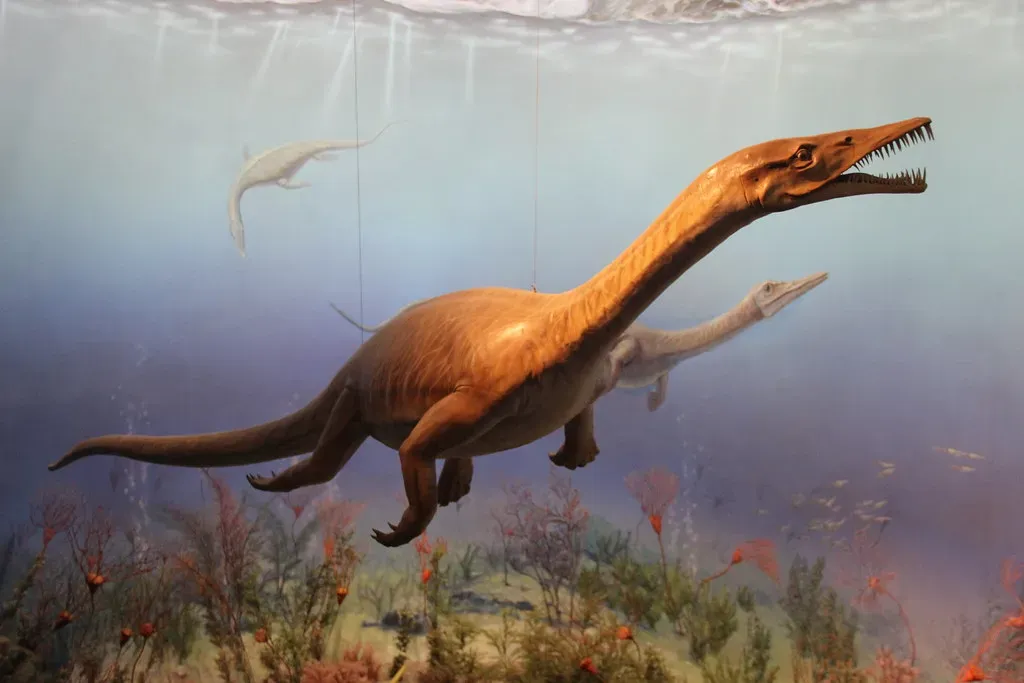
When you put all these pieces together – the half-flipper limbs, the fish-spearing jaws, the flexible spine, the in-between lifestyle – it is hard not to see Nothosaurus as one of evolution’s strangest but most revealing prototypes. It is an animal that seems to wear its transitional status on its sleeve, caught right in the act of shifting from land to sea. In a world still rebuilding after disaster, it stepped into a risky new niche and made it work long enough to leave a durable mark in the fossil record and in the story of marine life.
I think we should be a bit more in awe of creatures like this, even if they never get blockbuster status or toy lines named after them. Nothosaurus embodies the messy, improvisational side of evolution that textbooks often sanitize away, the phase where bodies are awkward, solutions are partial, and nothing is guaranteed. That, more than any perfectly adapted modern animal, shows how life actually explores and innovates. Next time you picture prehistoric seas, will you let this odd, half-committed reptile swim into the frame?